Support

Bridgwater

About

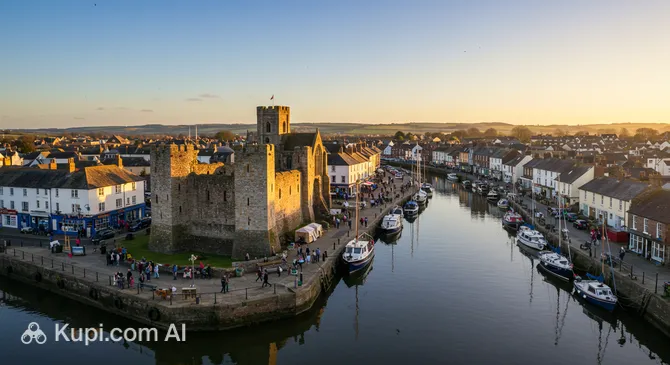
Bridgwater. Source: Kupi.Binoculars

Welcome to Bridgwater, a lively market town situated in the heart of Somerset. Known for its robust industrial heritage and vibrant community spirit, this town offers a unique blend of historical charm and modern energy. As a significant settlement in the South West of the United Kingdom, Bridgwater serves as an excellent gateway for exploring the stunning landscapes of the Somerset Levels and the Quantock Hills.

Geographically, the town is located on the banks of the River Parrett, which has played a crucial role in its development as a port. With a population of approximately 41,000 residents, it is a bustling hub that retains a friendly, local atmosphere. The climate is typical of the region, featuring mild winters and warm summers, making it pleasant for outdoor activities along the waterways.

The history of Bridgwater is both fascinating and turbulent, marked by its strategic importance in trade and its involvement in significant events like the Monmouth Rebellion. Visitors can delve deeper into this rich past at the local Blake Museum, dedicated to the town's most famous son, Admiral Robert Blake, or by admiring the varied architecture that lines the town center.

One of the town's most famous claims to fame is the Bridgwater Guy Fawkes Carnival, often described as the largest illuminated carnival in Europe, which lights up the streets with spectacular floats every November. For those seeking tranquility, the Bridgwater and Taunton Canal offers a peaceful escape for walkers, cyclists, and boaters, providing a scenic route through the countryside. Whether you are here to witness the spectacular carnival or to enjoy a quiet stroll by the water, Bridgwater invites you to discover its many stories and hidden gems.
Weather Overview

Bridgwater experiences a temperate maritime climate, characterized by generally mild temperatures and consistent rainfall throughout the year. The summer months of June through August are the warmest and most popular for visitors, with average temperatures hovering around 17°C and daily highs reaching approximately 20°C. To help you pack appropriately for your trip, you can check the detailed forecast and historical trends for the weather in Bridgwater.

Winters are cool but typically avoid extreme cold, with average temperatures in January and February sitting between 5°C and 7°C, and nightly lows rarely dropping much below 3.5°C. Rainfall is a constant companion in this region, so expect occasional showers regardless of when you visit; the town sees between 11 and 17 wet days per month, with October and March often being the dampest periods.

Interesting Facts

Beyond its visible landmarks, Bridgwater holds a collection of intriguing historical distinctions and unique traditions that often surprise visitors. From pioneering social movements to exclusive local inventions, the town’s past is full of fascinating secrets waiting to be uncovered.

  • Bridgwater was once the only place in the world to manufacture the "Bath Brick," an early precursor to the modern scouring pad. These cleaning bricks were made exclusively from the unique silt and slime found on the banks of the River Parrett within a mile of the town bridge.

  • The town is home to The Tudor Hotel & Restaurant, a building that dates back to 1610. It is historically significant as the location where the Duke of Monmouth is said to have stayed just before the Battle of Sedgemoor, the last major battle fought on English soil.

  • Residents take pride in a distinct tradition known as "Squibbing," which occurs immediately after the annual carnival procession. Over 100 "squibbers" line the High Street holding long poles topped with fireworks, igniting them simultaneously to create a spectacular trail of fire unique to this town.

  • The town has a notable legacy in social justice history. In 1785, the people of Bridgwater were the very first in the country to petition Parliament for the abolition of the slave trade, sparking a nationwide movement.

The Tudor Hotel & Restaurant. Source: Kupi.Binoculars

How to Get There

Planning a trip to Somerset requires knowing the best travel routes. Whether you are flying in from abroad or taking the train from another part of the UK, there are several convenient options. For a detailed guide on all available transport methods, you can read more about how to get to Bridgwater.

The city of Bridgwater does not have its own airport, but you can fly into Bristol Airport (IATA: BRS) in the city of Bristol, which is about 34.6 km from Bridgwater. As a major regional hub with large passenger traffic, it offers the most frequent connections. The journey by taxi or bus from the airport typically takes about an hour, depending on traffic conditions.

Another viable option is Cardiff Airport (IATA: CWL), located in Cardiff approximately 38.2 km away. While it handles a medium volume of passengers compared to Bristol, it serves as a useful alternative gateway. Although geographically close, the travel time by road is longer due to the route around the estuary.

For clarity, here is a summary of the main airports:

Airport Name City Passenger Traffic Km from City
Bristol Airport Bristol Large 34.6
Bournemouth Airport Bournemouth Medium 90.3
Cardiff Airport Cardiff Medium 38.2
Exeter International Airport Exeter Small 52.4
Fairford (RAF Station) Fairford Small 104.6

Traveling by train is often the most direct method. You can arrive directly at Bridgwater Railway Station (IATA: UBW), which is situated within the town itself, just 0.9 km from the city center. Given this close proximity, getting to your final destination is very convenient; the center is easily accessible by a brief taxi ride or even a short walk.

For those connecting from longer distances, Bristol Temple Meads Station (IATA: TPB) in Bristol is a significant interchange located 46.4 km away. It handles high passenger volumes and connects to major lines across the country. Traveling by road from this station to Bridgwater generally takes a reasonable amount of time via the main highway connections.

Below is a list of nearby railway stations:

Station City Passenger Traffic Km to Center
Bristol Temple Meads Station Bristol High 46.4
Cardiff Central Station Cardiff High 40.5
Bath Spa Railway Station Bath Medium 53.0
Newport Railway Station Newport Medium 51.3
Bridgwater Railway Station Bridgwater Small 0.9

Main Attractions

Bridgwater is a town steeped in history and surrounded by natural beauty, offering visitors a variety of engaging sites to explore. From museums that chronicle the region's turbulent past to peaceful waterways perfect for a leisurely afternoon, the local attractions provide a fascinating glimpse into the heritage and culture of this corner of Somerset.

One of the most significant stops for history enthusiasts is the Blake Museum. Housed in a remarkably preserved 16th-century building, this museum is the reputed birthplace of Admiral Robert Blake, one of England’s most celebrated naval commanders. Inside, you can discover extensive exhibits detailing the town's involvement in the English Civil War and the Monmouth Rebellion, as well as displays on local archaeology and trade. It serves as an essential starting point for understanding the rich tapestry of events that have shaped the town.

For those who appreciate architecture and living history, The Tudor Hotel & Restaurant is a must-see landmark. Standing proudly on St Mary Street, this striking building dates back to 1610 and is renowned for its classic timber-framed façade. It is not just a place to eat and drink; it is a piece of history where the Duke of Monmouth is believed to have stayed before the Battle of Sedgemoor. Tourists are often drawn to its authentic atmosphere and the sense of stepping back in time while enjoying the town center.

The Tudor Hotel & Restaurant. Source: Kupi.Binoculars

Outdoor lovers will find the Bridgwater and Taunton Canal to be a highlight of their visit. This scenic waterway offers a tranquil escape from the bustling streets, with a well-maintained towpath that is ideal for walking, cycling, and fishing. A unique feature along this route is the "Somerset Space Walk," a scale model of the solar system that stretches along the canal, allowing you to walk from the Sun to Pluto while enjoying the lush countryside views.

To delve into the town's unique industrial heritage, a visit to the Somerset Brick and Tile Museum is highly recommended. Bridgwater was once the center of the brick and tile industry in the region, famous for producing "Bath Bricks." The museum preserves this legacy, featuring a traditional pinnacled kiln and offering demonstrations of clay working. It provides an intriguing look at the craftsmanship and labor that drove the local economy for centuries.

Local Cuisine

To truly understand the culture of Bridgwater, one must explore its local flavors, which are deeply rooted in the agricultural abundance of Somerset. The town’s culinary scene is a delightful reflection of the surrounding countryside, known for its dairy farming and apple orchards. Visitors can expect hearty, traditional English fare often prepared with ingredients sourced from the nearby Somerset Levels, including high-quality beef, pork, and the region’s world-famous cheeses.

A unique gastronomic gem specific to this town is the Bridgwater Manchip. This traditional pastry is rarely found outside the immediate area and is a must-try for anyone with a sweet tooth. It consists of a puff pastry shell filled with raspberry jam and a spiced almond-flavored sponge or cream, similar to frangipane. It is a beloved local treat with a history that dates back to the 19th century, often enjoyed with a cup of tea in local bakeries.

When it comes to beverages, Bridgwater sits firmly in "cider country." Somerset cider is legendary, ranging from cloudy, unfiltered "scrumpy" to refined sparkling varieties. Many local pubs take pride in serving ales and ciders produced in regional orchards. For a non-alcoholic alternative, locally pressed apple juice is widely available and offers a crisp taste of the harvest.

The dining atmosphere in Bridgwater is largely defined by its historic public houses and coaching inns, which offer a cozy and welcoming environment. Among these historic venues is The Tudor Hotel & Restaurant, where you can enjoy a meal in a setting that has been serving travelers since the 17th century. In addition to these traditional spots, the town hosts weekly markets where locals and tourists alike can purchase fresh produce, artisan breads, and savory snacks, keeping the market town tradition alive and vibrant.

Travel Tips

Preparing for a trip to Bridgwater involves a few simple steps to ensure your experience in this historic Somerset market town is seamless and memorable. Here is a collection of practical tips to help you navigate local customs, logistics, and daily life during your stay.

  1. Clothing and Gear: The weather in Somerset can be unpredictable, often changing from sunshine to showers within the same day. It is essential to pack a waterproof jacket and sturdy walking shoes, especially if you plan to explore the Quantock Hills or walk along the canal towpath. In summer, light layers are best, while winters require a warm coat and scarf. If you plan to visit religious sites like St Mary's Church, casual but respectful attire is appropriate.
  2. Transportation: The town center is compact and easily navigable on foot, allowing you to admire the architecture up close. For traveling to nearby towns like Taunton or Bristol, the local bus network is reliable and connects the main hubs. Taxis are available at the train station and can be booked by phone; note that ride-hailing apps may have longer wait times here than in major cities, so booking a local cab in advance is often smoother.
  3. Finances: The official currency is the British Pound Sterling (£). Credit and debit cards are widely accepted in hotels, restaurants, and shops, with contactless payments being the standard for small transactions. However, it is wise to carry some cash for small purchases at the local markets or in smaller independent cafes. ATMs are readily available around the High Street and Cornhill area.
  4. Health and Safety: Bridgwater is a safe town, but standard precautions regarding personal belongings should be taken in crowded areas. Pharmacies are easily found in the town center for minor ailments. In case of an emergency, dial 999 for police, ambulance, or fire services; for non-urgent medical advice, call 111. Be particularly cautious near the River Parrett banks, as the mud can be deep and the tides are strong—stick to the paved paths.
  5. Communication: English is the spoken language, often with a warm and distinctive "West Country" accent. Locals are generally friendly and helpful if you need directions. Free Wi-Fi is common in most pubs and cafes. If you require a SIM card, you can purchase one at supermarkets or mobile phone shops located in the Angel Place Shopping Centre.
  6. Local Etiquette: Good manners go a long way in the United Kingdom. Always say "please" and "thank you" to service staff and shopkeepers. Queueing is a strict social norm; always wait your turn in line at bus stops or counters. When visiting a traditional pub, remember to order your food and drinks at the bar, as table service is not always provided.
  7. What to Avoid: Avoid driving through the town center on the evening of the Bridgwater Guy Fawkes Carnival in November unless absolutely necessary, as roads are closed and crowds are immense. Additionally, avoid walking on the river mud at low tide; it looks solid but can be dangerous.
  8. Additional Tip: If your visit coincides with a Friday, make sure to visit the weekly market at the Cornhill. It is a great opportunity to buy fresh local produce, such as Somerset cheese and cider, directly from the producers. It offers a genuine slice of local life that you won't find in the supermarkets.

By keeping these practical tips in mind, you will be well-equipped to enjoy everything Bridgwater has to offer, from its industrial history to its scenic waterways. We hope these suggestions help you have a wonderful and hassle-free journey!

Entertainment & Nightlife

Bridgwater may be a historic market town, but its entertainment options are anything but sleepy. Visitors will find a vibrant mix of cultural venues, lively annual events, and modern leisure facilities that cater to all ages. Whether you are looking for a night of theatre, the latest blockbuster movie, or a traditional Somerset pub experience, the town has plenty to offer after the sun goes down.

The crown jewel of the town's entertainment calendar is undoubtedly the Bridgwater Guy Fawkes Carnival. Held annually in November, this is not just a local parade but a major spectacle often cited as the largest illuminated carnival in Europe. The streets come alive with dazzling floats, known locally as "carts," accompanied by music and thousands of spectators. It is a sensory experience that defines the town's spirit, combining artistic creativity with a high-energy party atmosphere that lasts well into the night.

For culture enthusiasts, the Bridgwater Arts Centre is a significant landmark. Opened in 1946, it holds the distinction of being the first arts center in Great Britain. Today, it continues to be a hub for creativity, hosting a diverse program of live music, theatre productions, and visual art exhibitions. Complementing this historic venue is The McMillan Theatre, a state-of-the-art facility that attracts top comedians, touring bands, and theatrical performances, ensuring there is always a show to catch.

If you prefer a more modern leisure experience, the newly developed Northgate Yard is the place to be. This entertainment complex features a multi-screen cinema, perfect for catching the latest film releases in comfort. It also houses a bowling alley and various dining options, making it a popular destination for families and groups of friends looking for a fun evening out in a contemporary setting.

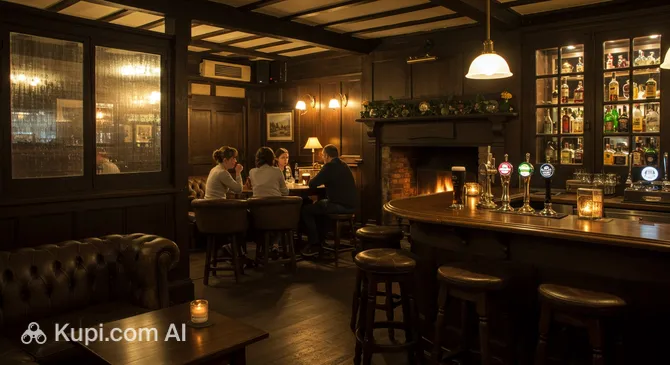
The town’s nightlife is rooted in its traditional public houses, where the atmosphere is warm and welcoming. You can enjoy a relaxed evening sampling local ciders and ales in historic settings. A notable venue is The Tudor Hotel & Restaurant, which operates as a bar and restaurant. With its 17th-century architecture and timber-framed interior, it offers a unique backdrop for a drink, allowing visitors to soak up the town's heritage while unwinding.

Parks & Museums

Bridgwater offers a compelling mix of green retreats and cultural institutions that celebrate its unique industrial and maritime past while providing spaces for relaxation. From historic houses turned into museums to expansive eco-parks, the city provides visitors with ample opportunities to explore its heritage and enjoy the outdoors.

The Meads Eco Park is one of the most significant natural areas in the town, serving as a vital "green lung" for the community. This expansive area of wetland and grassland is managed to support a rich diversity of wildlife, making it a fantastic spot for birdwatching and nature walks. Visitors can explore the network of boardwalks and paths that wind through the marshes, offering a peaceful escape from the town center and a chance to see the Somerset countryside in its natural state.

For a more traditional park experience, Victoria Park stands as a community hub located near the historic docks. This well-maintained green space features mature trees, open lawns perfect for picnics, and sports facilities including bowling greens and tennis courts. It is a favorite among local families and offers a pleasant setting for a leisurely afternoon stroll, reflecting the classic design of municipal parks from the Victorian era.

The cultural heart of the town is undoubtedly the Blake Museum, situated in a 16th-century building that is believed to be the birthplace of the famous Admiral Robert Blake. The museum offers a deep dive into Bridgwater's history, with collections ranging from archaeology and coins to the town's role in the Monmouth Rebellion. It is particularly interesting for tourists due to its authentic setting; the creaky floorboards and period features of the house itself add an atmospheric layer to the exhibits.

Another key institution is the Somerset Brick and Tile Museum, which pays homage to the industry that once defined the town's global reputation. Located on the site of a former brickyard, the museum centers around the last remaining "pinnacle kiln" in the area, a Scheduled Ancient Monument. Visitors can learn about the grueling labor and skilled craftsmanship that went into producing the famous "Bath Bricks" and terracotta tiles, offering a unique insight into the industrial revolution in the South West.

For a quiet moment away from the main tourist trails, seek out Cranleigh Gardens. Often overlooked by visitors, this smaller, intimate garden offers beautifully planted flower beds and a sense of tranquility. It serves as a lovely connecting route for pedestrians and provides a splash of seasonal color that garden enthusiasts will appreciate.

Getting Around

Navigating Bridgwater is straightforward and convenient, thanks to its compact size and well-connected transport links. Unlike larger metropolises, this market town does not rely on complex metro or tram systems. Instead, the public transport network is primarily composed of reliable bus services and a centrally located railway station, which work together to connect the various neighborhoods and provide easy access to the surrounding Somerset region. For many visitors, the most pleasant way to explore the historic town center is simply on foot, as most major attractions are within comfortable walking distance of one another.

The local bus network serves as the backbone of public transit within the town and its suburbs. Operated mainly by regional providers, these buses run frequent routes connecting key locations such as the bus station, the railway station, the hospital, and residential areas. There are also regular connections to nearby towns like Taunton and seaside resorts such as Burnham-on-Sea. For those arriving from further afield, coach services often stop in the town, providing a direct link to major transport hubs including regional airports.

Bridgwater Railway Station is a vital part of the local infrastructure, situated just a short walk or taxi ride from the town center. While it is a historic station on the main line, it is unstaffed for parts of the day, so it is wise to be prepared. The trains offer fast and frequent connections to major cities like Bristol and Exeter. While there is no inner-city light rail, the train is an excellent option for day trips or for moving quickly between the town and the wider region without a car.

Paying for transport is modern and user-friendly. On local buses, contactless payment is the standard; you can simply tap your debit or credit card, or use a mobile payment device like a smartphone or smartwatch when boarding. Cash is usually accepted, but carrying exact change is appreciated to keep the service moving. For train travel, it is highly recommended to purchase tickets in advance via mobile apps or online to secure the best fares, although ticket machines are available at the station for spontaneous trips.

For those who prefer a more direct route or are traveling with heavy luggage, taxis are a popular alternative. There are several local taxi firms operating in the town, and ranks can be found near the bus station and the Cornhill. While ride-hailing apps may be less prevalent than in major capital cities, local dispatch services are reliable and can be booked by phone. Additionally, the town is becoming increasingly cycle-friendly, with routes such as the path along the Bridgwater and Taunton Canal offering a scenic and traffic-free way to get around.

Tourists should keep in mind that public transport services, particularly buses, may run on a reduced schedule during evenings, Sundays, and bank holidays. It is always a good idea to check the latest timetables via travel apps or on the operator's website before setting out. Validating your travel is simple: keep your bus ticket or receipt for the duration of your journey, and ensure you have your rail ticket ready for inspection on trains. With a little planning, getting around Bridgwater is a hassle-free experience that allows you to focus on enjoying your visit.

Accommodation

Accommodation in Bridgwater caters to a variety of travelers, ranging from those seeking historical charm to those prioritizing modern convenience. The town offers a solid selection of lodging options, including traditional coaching inns that have served visitors for centuries, comfortable bed and breakfasts, and contemporary chain hotels. While it may not have the sprawling luxury resorts found in larger tourist hubs, visitors can expect a warm welcome and functional, well-maintained facilities suitable for families, business travelers, and solo adventurers alike.

When choosing where to stay, the location largely depends on the nature of your visit. The town center is the best choice for those who want to be within walking distance of local pubs, restaurants, and historical sites like the Blake Museum. Staying here allows you to immerse yourself in the market town atmosphere. Conversely, the areas near the M5 motorway junctions are particularly popular for travelers passing through or those who prefer easy vehicular access. These spots typically host modern, purpose-built hotels that offer reliable standards and ample parking, making them a convenient base for exploring the wider Somerset region.

For a more scenic experience, consider looking slightly outside the main town towards the Quantock Hills or the Somerset Levels. Here, you can often find charming guesthouses and self-catering cottages that offer a peaceful retreat in the countryside while remaining just a short drive from Bridgwater’s amenities. These options are ideal for hikers and nature lovers who wish to wake up to views of the rolling landscape.

Booking Tips and Prices: Generally, accommodation prices in Bridgwater are reasonable and often more affordable than in nearby tourist hotspots like Bath or Bristol. Options range from budget-friendly rooms to mid-range establishments. However, it is crucial to book well in advance if you plan to visit during November for the Bridgwater Guy Fawkes Carnival. This event draws thousands of spectators, and rooms in the town and surrounding areas sell out months beforehand. Similarly, due to local industrial projects, weekday availability can sometimes be tighter than expected, so securing your reservation online ahead of your trip is always recommended.

Nearby Cities

For those looking to explore the surroundings, Bridgwater serves as an excellent base for day trips to several interesting nearby locations:

One of the most accessible and popular destinations is Taunton, the county town of Somerset. Located just a short drive away, it is steeped in history and offers a variety of cultural attractions, including the Museum of Somerset housed within the 12th-century castle. Visitors can also enjoy a relaxing stroll through Vivary Park or explore the vibrant high street, making it a well-rounded destination for a day out.

For those seeking a breath of fresh sea air, Weston-super-Mare is a classic choice. This traditional seaside resort is famous for its vast sandy beach and the Grand Pier, which features a range of amusements and rides. It offers a quintessential British coastal experience, perfect for families or anyone looking to enjoy fish and chips by the water with views across the Bristol Channel.

Another worthwhile visit is Yeovil, a bustling market town known for its rich aerospace heritage. It provides a lively atmosphere with plenty of dining and shopping options, and serves as a gateway to some of the region's beautiful country houses and gardens. Its mix of modern leisure facilities and historical interest makes it an engaging stop for travelers.

City Population Distance (km)
Weston-super-Mare 76143 24
Taunton 60479 14
Barry 51502 36
Yeovil 49698 33
Wellington 25554 23

These nearby destinations offer a glimpse into the diverse culture and landscapes of the region.

Shopping & Souvenirs

Shopping in Bridgwater offers a relaxed and accessible experience typical of a historic English market town. While it may not possess the sprawling retail complexes of larger neighboring cities, it provides a convenient mix of well-known high street brands and independent local traders. The town center is compact and pedestrian-friendly, making it easy to browse for essentials, gifts, and regional specialties without the hustle and bustle of a major metropolis.

The primary hub for retail therapy is concentrated around Fore Street and the High Street. These pedestrianized areas serve as the town's commercial backbone, lined with banks, pharmacies, and clothing stores. Wandering through these streets, visitors will find a blend of modern convenience and historic architecture. Just a short walk away is Eastover, another key thoroughfare that hosts a variety of shops and services, linking the town center to the area across the bridge.

For those preferring an indoor shopping experience, the Angel Place Shopping Centre is the main destination. Located in the heart of the town, this modern covered mall houses a selection of national chain stores, offering everything from fashion and stationery to household goods. It provides a comfortable environment for shoppers, particularly on rainy days, and sits adjacent to the historic Cornhill area.

Markets remain an integral part of Bridgwater’s heritage. The traditional weekly market is typically held on Fridays at the Cornhill and High Street. Here, the town comes alive with stalls selling fresh fruit and vegetables, clothing, and household items. It is a great place to mingle with locals and soak up the atmosphere of a working market town. Occasionally, specialized food and craft markets also take place, showcasing the best of Somerset produce.

When looking for souvenirs to take home, the best choices often revolve around the region's culinary fame. Somerset is renowned for its apples, so a bottle of local cider or apple juice makes for an authentic gift. The county is also famous for its dairy farming, so looking for locally produced cheeses in independent delis is highly recommended. Additionally, items made from willow are a traditional craft of the nearby Somerset Levels and make for unique, handcrafted keepsakes.

Store opening hours generally follow standard United Kingdom patterns. Most shops open around 09:00 and close by 17:30 from Monday to Saturday. On Sundays, opening times are reduced, typically from 10:00 to 16:00, and some smaller independent shops may remain closed. Payment methods are modern and convenient; credit and debit cards, including contactless payments, are widely accepted almost everywhere. However, carrying a small amount of cash is advisable if you plan to make small purchases at the market stalls.

Regarding tax-free shopping, tourists should be aware that the United Kingdom has ended the VAT Retail Export Scheme for visitors. This means that tax-free shopping for goods purchased in stores and carried out in luggage is generally no longer available. Visitors are advised to check the latest government regulations if they plan to ship goods directly to their home country, as different rules may apply in those specific circumstances.

Reached the end of the page?

That means the route is fully explored