Support

Cork

About

Cork, often referred to by locals as the "real capital," is a vibrant and independent-spirited city located in the province of Munster. As the second-largest city in Ireland, it offers a perfect blend of cosmopolitan energy and traditional charm. The city is renowned for its welcoming atmosphere, where a strong sense of local pride meets a thriving arts and culture scene.

The city center is uniquely situated on an island formed by two channels of the River Lee, which flow around the central district before converging at the quays. With a population of over 220,000, Cork is a bustling hub that nevertheless retains a friendly, walkable feel. Its location in the south of the country grants it a mild maritime climate, contributing to the lush green landscapes that surround the urban area.
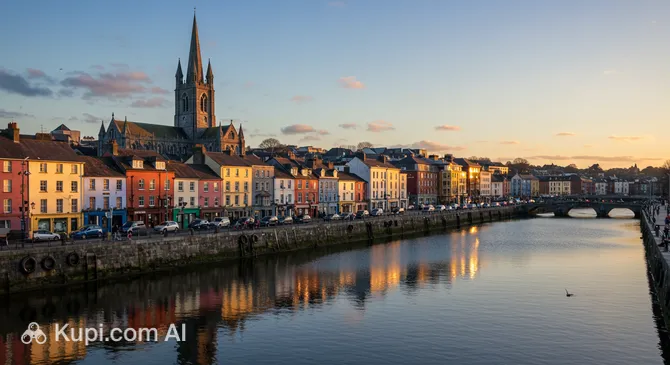
Cork. Source: Kupi.Binoculars

Steeped in heritage, the city began as a monastic settlement founded by Saint Finbarr in the 6th century. To understand how it evolved from a Viking trading port into a major modern city, you can explore the fascinating history of Cork. The streets themselves tell stories of the past, with a mix of wide Georgian avenues and narrow 17th-century alleys that invite exploration.

Today, Cork is widely celebrated as the culinary capital of the island. The historic English Market is a must-visit for foodies, offering fresh local produce and artisanal goods under a stunning vaulted roof. Other architectural highlights include the imposing St. Finbarr's Cathedral and the famous Shandon Bells at St. Anne's Church, where visitors can climb the tower to ring the bells themselves and enjoy panoramic views.

Whether you are exploring its vibrant art galleries, enjoying live music in a cozy pub, or simply strolling along the riverbanks, Cork promises an unforgettable experience. It is a destination that captures the heart of every traveler with its unique character and warm hospitality.
Weather Overview

The city experiences a mild maritime climate, characterized by a lack of temperature extremes throughout the year. Due to its location in the south of Ireland, the weather in Cork is generally changeable, so it is always wise to be prepared for a bit of everything within a single day. Summers are pleasant but rarely hot, while winters are cool and damp rather than freezing.

During the warmest months of July and August, average temperatures hover around 15.7°C, with daily highs reaching up to 18.8°C. This is the best time for outdoor exploration, though rain remains a possibility with about 12 to 14 wet days per month. In contrast, the winter months of December and January see average temperatures dip to roughly 6.0°C to 7.1°C. While frost is possible, it is not an everyday occurrence, as minimum temperatures typically stay above 3.8°C.

Rainfall is a consistent feature of the local climate, distributed relatively evenly across the seasons. March tends to be the wettest month in terms of frequency, with approximately 17 wet days, while May is generally the driest, seeing around 11 days with rain. Visitors should expect mild temperatures year-round with frequent showers, making a waterproof jacket an essential item for any trip.

Interesting Facts

Beyond the main attractions and bustling streets, Cork holds many fascinating secrets that reveal its unique character and history. From its marshy foundations to its surprising industrial connections, the city is full of stories waiting to be discovered by curious travelers.

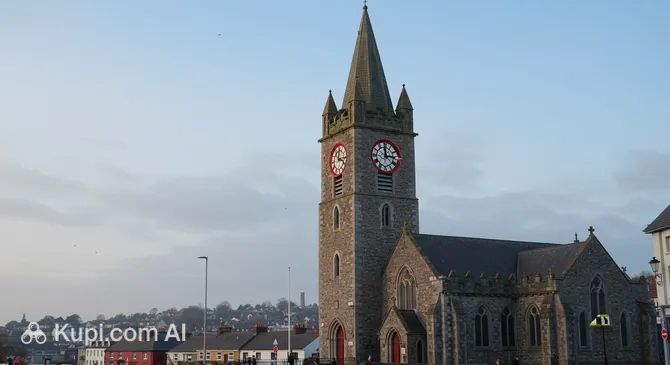
St Anne's Church, Shandon Bells & Tower. Source: Kupi.Binoculars
  • The city is home to a clock tower affectionately known as the "Four Faced Liar." The famous clock on St Anne's Church, Shandon Bells & Tower earned this nickname because, for many years, its four faces displayed slightly different times to the citizens below.

  • Cork was once the largest butter market in the world, exporting vast quantities of the product across the globe during the 18th and 19th centuries. Visitors can explore this creamy heritage at The Butter Museum, a unique institution dedicated entirely to the history of butter trade in Ireland.

  • The city's name comes from the Irish word "Corcach," which translates to "marsh." This is quite literal, as the city center is built on an island, and many of its wide thoroughfares, such as St Patrick's Street, were originally river channels that were arched over and paved.

  • Cork has a deep connection to the automotive industry. It was the location of the first factory built by the Ford Motor Company outside of the United States. Henry Ford chose the city for this expansion in 1917 partly because his father and grandfather were originally from the County Cork area.

How to Get There

Reaching Cork is quite convenient, with options to suit various travel plans, whether you are arriving directly from abroad or exploring other parts of the Emerald Isle first. For a detailed breakdown of routes and transport modes, you can read more about how to get to Cork to help plan your journey effectively.

The most direct way to arrive is via Cork Airport (ORK), which is located just 6.5 km from the city center. This international hub offers great connectivity and allows you to start your visit almost immediately. A taxi or bus ride from the terminal to the heart of the city typically takes about 20 to 30 minutes. For those flying from further afield or looking for more flight options, Dublin Airport (DUB) is the primary gateway to the country. Although it is situated in Dublin, approximately 226 km away, it handles a large volume of international traffic. The journey to Cork from there is quite efficient via motorway or public transport. Alternatively, Shannon Airport (SNN) in Shannon is another accessible option, located about 95 km away.

For clarity, here is a summary of the main airports:

Airport Name City Km from City
Dublin Airport Dublin 225.8
Cork Airport Cork 6.5
Shannon Airport Shannon 94.5
Ireland West Airport Knock Knock 225.1
Kerry County Airport Kerry 78.5

Regarding rail travel, the city is served by Kent Station, which is located on the Lower Glanmire Road, just a short walk or taxi ride from the city center. It is a major hub for Irish Rail, offering regular and comfortable connections to various parts of the country. One of the most popular routes is the direct service from Dublin Heuston station, which typically takes around 2.5 hours, making it a viable option for travelers landing in the capital.

Main Attractions

Cork offers a diverse range of attractions that reflect its rich history and cultural depth. From architectural marvels to serene green spaces, the city invites visitors to step back in time while enjoying its modern vibrancy. Exploring these sites provides a deeper understanding of the city's evolution from a monastic settlement to a bustling cultural hub.

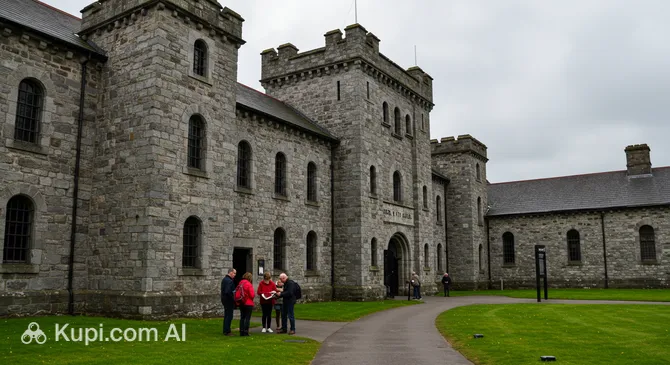
One of the most captivating sites is Cork City Gaol. Located just a short distance from the city center, this former prison resembles a grand castle more than a place of confinement. Visitors can take an audio tour to learn about the harsh realities of 19th-century prison life and hear the fascinating stories of individual prisoners. The atmosphere is incredibly immersive, offering a unique glimpse into Ireland's social history.

Cork City Gaol. Source: Kupi.Binoculars

A short walk from the center brings you to the magnificent Saint Fin Barre's Cathedral. Designed by William Burges, this French Gothic Revival masterpiece is famous for its three towering spires and the golden angel of the resurrection perched on the roof. The interior is equally stunning, featuring intricate mosaics, stained glass, and marble work. It stands on a site where Christian worship has taken place since the 7th century.

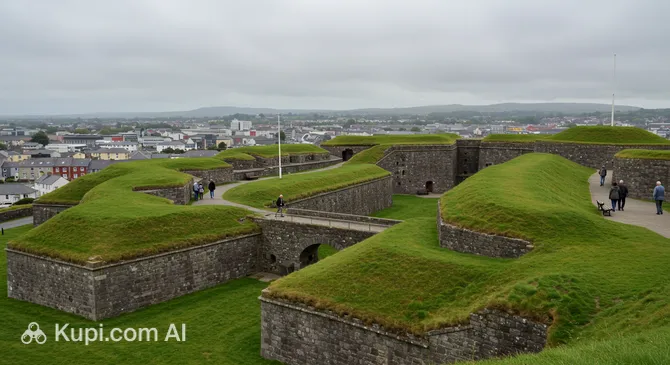
For those seeking panoramic views and military history, Elizabeth Fort is an essential stop. This 17th-century star-shaped fortification played a crucial role in the defense of the city for centuries. Walking along its ramparts offers some of the best vantage points for photographing the cityscape below. It is a fantastic spot to understand the strategic importance of the city's geography.

Elizabeth Fort. Source: Kupi.Binoculars

To escape the urban bustle, Fitzgerald Park provides a tranquil riverside retreat. It is perfect for a leisurely stroll and is home to the Cork Public Museum. Art enthusiasts should not miss the Crawford Art Gallery, situated in the heart of the city. Housed in a historic building, it features a superb collection of Irish and European art, including a famous set of Greek and Roman sculpture casts.

Local Cuisine

Cork is frequently hailed as the food capital of Ireland, a title it wears with pride. The city's proximity to the coast and the lush farmland of the Golden Vale ensures a steady supply of fresh seafood, artisan cheeses, and high-quality meats. This abundance of local produce has fostered a vibrant culinary scene that ranges from traditional comfort food to cutting-edge gastronomy.

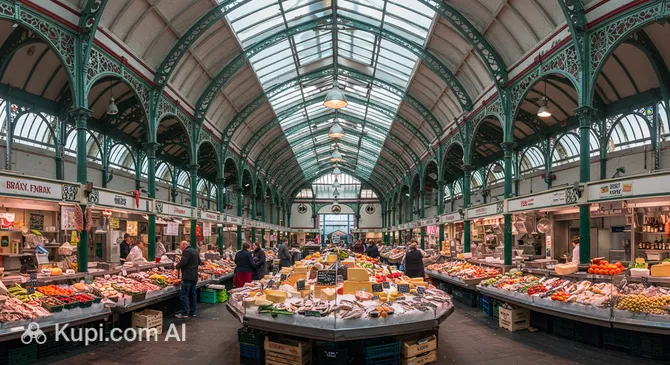
At the center of this food revolution is The English Market. Trading since 1788, this roofed food market is an architectural gem and a sensory delight. Here, visitors can wander past stalls piled high with fresh fish, local breads, and the city's famous spiced beef. It is the perfect place to sample "drisheen," a type of blood pudding that is a unique local delicacy, or simply grab a coffee and watch the world go by.

The English Market. Source: Kupi.Binoculars

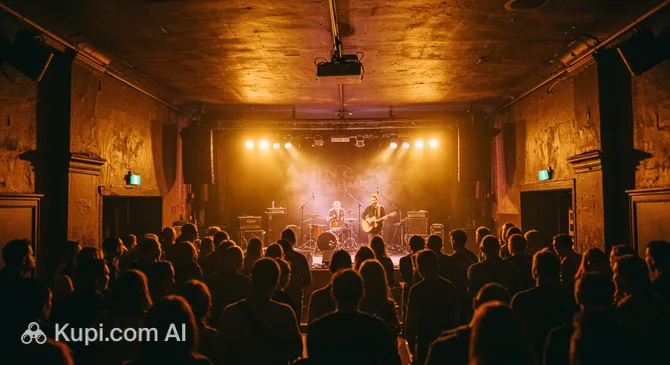
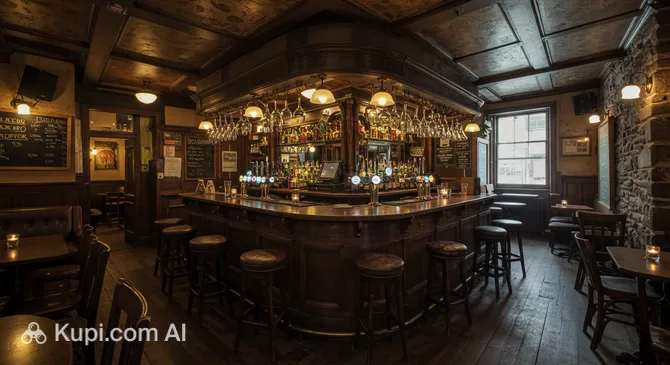
When it comes to nightlife and casual dining, the city's pub culture is legendary. Unlike other parts of the country where Guinness dominates, Cork is the home of Murphy's and Beamish stouts. You can enjoy a pint of the "black stuff" in historic settings like Mutton Lane Inn, which sits down a narrow alleyway and exudes old-world charm. For those who love live entertainment, Sin É is a renowned spot where traditional Irish music sessions fill the air almost every night.

Sin É. Source: Kupi.Binoculars

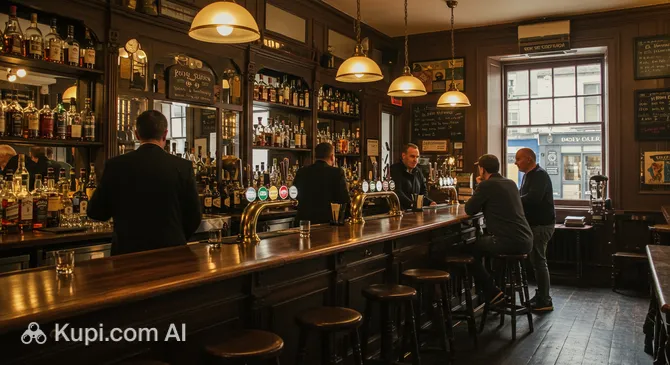
For connoisseurs of spirits, The Old Town Whiskey Bar is an essential stop, offering an extensive range of Irish and international whiskeys in a cozy setting. Travelers looking for a luxurious dining experience might visit Hayfield Manor, known for its exceptional service and gourmet menus that showcase the very best of regional ingredients. Whether you are looking for a quick bite at a market stall or a multi-course meal, the city offers flavors to satisfy every palate.

The Old Town Whiskey Bar. Source: Kupi.Binoculars

Travel Tips

Welcome to Cork, a city that prides itself on doing things a little differently from the rest of Ireland. To help you navigate the "Real Capital" like a pro and soak up its unique atmosphere without a hitch, here are some practical tips to keep in mind before you pack your bags.

  1. Clothing and Gear: The weather here is famously changeable, often experiencing "four seasons in one day." Pack plenty of layers and a reliable waterproof jacket with a hood, as umbrellas can be useless in the wind. Since Cork is a hilly city with many bridges and cobblestones, bring sturdy, comfortable walking shoes. Don't forget a Type G power adapter (three rectangular pins) for your electronics.
  2. Transportation: The city center is compact and best explored on foot. For longer distances, the Bus Éireann network is reliable, and you can pay with cash (coins only) or a Leap Card (travel card). While there is no metro or tram system, the city is well-served by taxis. Ride-hailing apps like Free Now are widely used and often more reliable than Uber here. You generally do not need to rent a car unless you plan to explore the wild coastline of West Cork.
  3. Finances: The local currency is the Euro (€). Credit and debit cards (Visa and Mastercard) are accepted almost everywhere, from cozy pubs to market stalls. However, it is useful to carry a small amount of cash for smaller purchases or buses. ATMs are easy to find. Tipping is appreciated but not mandatory; leaving 10-15% in restaurants for good service is standard practice.
  4. Health and Safety: Cork is generally a very safe and friendly city for tourists. Standard precautions apply: keep an eye on your belongings in crowded areas and avoid unlit streets late at night. Pharmacies (often marked as "Chemists") are plentiful in the city center, and staff can provide advice for minor ailments. In case of an emergency, dial 112 or 999 for police, ambulance, or fire services.
  5. Communication: English is the primary language, though you might hear a few words of Irish (Gaeilge). The local accent is known for being fast and melodic, so don't be afraid to ask someone to repeat themselves. Free Wi-Fi is available in many cafes and public spaces. If you need mobile data, you can easily buy a prepaid SIM card from providers like Vodafone, Three, or Eir in the city center.
  6. Local Etiquette: The people of Cork are known for their chatty and inquisitive nature. It is common for strangers to strike up a conversation with you, often starting with "How are you keeping?" or "What's the story?". If you are in a pub with a group, remember the "rounds" system: if someone buys you a drink, you are expected to buy the next round for the group.
  7. What to Avoid: Try not to compare Cork unfavorably to Dublin. Locals are fiercely proud of their city and often refer to it as the "Real Capital." praising Dublin too much can be a mild faux pas. Also, avoid smoking in enclosed public places, including pubs and restaurants, as it is strictly illegal and carries a fine.
  8. Local Insight: Many shops and museums open a bit later on Sundays (often around 12:00 PM or 1:00 PM), so plan your morning accordingly. If you want to blend in, relax your pace; rushing is rarely necessary here, and taking the time to enjoy a long lunch or a slow pint is part of the local lifestyle.

Armed with these tips, you are ready to embrace the warmth and wit of Cork. Whether you are climbing the hills of St. Luke's or navigating the aisles of the English Market, a little preparation ensures you can focus on making memories in this charming riverside city.

Entertainment & Nightlife

Entertainment and Nightlife:

As a university city with a youthful population and a fierce independent streak, Cork comes alive when the sun goes down. The city’s nightlife is compact, walkable, and incredibly diverse, ranging from traditional pubs with roaring fires to high-energy nightclubs and sophisticated wine bars. Whether you are looking for a quiet pint, live indie music, or a night of dancing, the city center offers an electric atmosphere that rivals much larger capitals.

The heart of the action can often be found around Washington Street and Oliver Plunkett Street. These areas are densely packed with venues and buzz with activity throughout the week. For a slightly more alternative and trendy vibe, the Victorian Quarter around MacCurtain Street has emerged as a hotspot for craft cocktails and late-night dining. The atmosphere across the city is generally casual and welcoming; you will rarely encounter a strict dress code, with "smart casual" being the standard for most clubs and late bars.

For a quintessential local experience, head to the historic Barrack Street area. Here you will find Tom Barry's, a beloved institution famous for its large, heated beer garden and stone-baked pizzas. It is the perfect place to start an evening, offering a relaxed environment where conversation flows easily. If you prefer staying closer to the city center, Costigan's Pub on Washington Street offers a fantastic blend of traditional Irish hospitality and a lively modern crowd, often featuring a heated outdoor area that is popular year-round.

Tom Barry's. Source: Kupi.Binoculars

If you are looking for entertainment beyond the typical bar scene, the city has plenty to offer. The Mardyke Entertainment Complex is a sprawling venue that combines bowling, ping pong, and karaoke with food and drinks. Tucked inside this complex is Barcadia Video Arcade, a retro-themed bar where you can play classic arcade games while enjoying a craft beer. It is an excellent option for groups looking for an interactive night out.

Mardyke Entertainment Complex. Source: Kupi.Binoculars

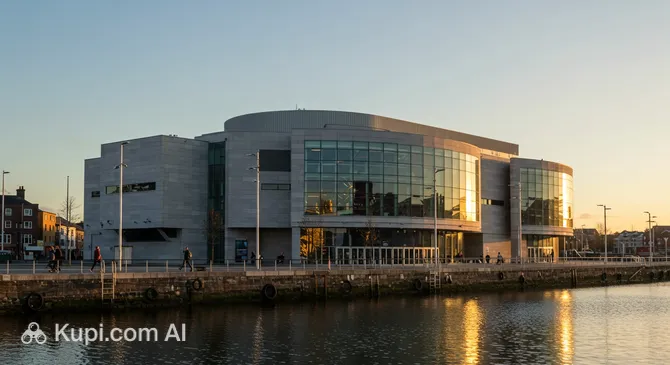
For culture vultures, the evening entertainment is equally rich. The Cork Opera House dominates the skyline along the river and hosts a wide variety of performances, from comedy gigs and theater productions to major concerts. Another unique venue is the Triskel Arts Centre, located in a converted neoclassical church. It operates as a cinema, concert hall, and cultural hub, offering a serene yet stunning setting for evening entertainment.

Cork Opera House. Source: Kupi.Binoculars

Practical Advice: Pubs in Ireland typically stop serving around 11:30 PM on weeknights and 12:30 AM on weekends, though "late bars" and nightclubs stay open until 2:00 AM or 2:30 AM. A pint of stout or lager usually costs between €5.50 and €6.50. While the city is very safe for night walks, it is always advisable to stick to well-lit main streets like St Patrick's Street and Grand Parade. Taxis are plentiful and can be hailed at designated ranks or booked via apps like Free Now, which is the most reliable way to get home safely.

During the day, the entertainment pace slows down but remains engaging. Beyond the museums mentioned earlier, families might enjoy the Planet Entertainment Centre just outside the city for bowling and laser tag. However, simply wandering the vibrant streets and soaking up the busking culture on Oliver Plunkett Street is often entertainment enough in this charismatic city.

Parks & Museums

Cork seamlessly blends its urban energy with serene green spaces and a wealth of cultural institutions. For visitors, this means that a morning spent admiring contemporary art can easily be followed by a relaxing afternoon stroll along the riverbanks. The city’s parks and museums not only offer a break from the bustle but also provide a deeper insight into the local heritage and creative spirit.

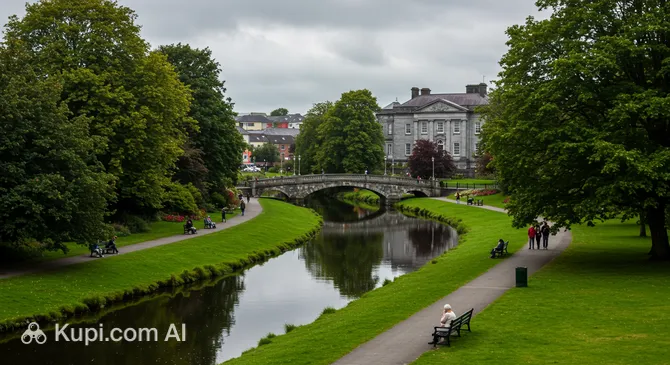
One of the most beloved green spaces in the city is Fitzgerald Park. Situated on the banks of the River Lee, this Victorian-style park is a tranquil oasis featuring tree-lined avenues, a central fountain, and manicured flower beds. It is also home to the whimsical "Sky Garden" pod and offers a scenic suspension bridge, known locally as the "Shakey Bridge," which connects the park to Sunday's Well. It is the perfect spot for a picnic or a leisurely walk away from the city noise.

Fitzgerald Park. Source: Kupi.Binoculars

For those looking for a more expansive natural area, Tramore Valley Park offers a fantastic outdoor experience just south of the city center. Once a landfill site, it has been transformed into a thriving 160-acre park with diverse habitats, walking trails, and an international standard BMX track. The park provides panoramic views over the city and is a testament to successful urban regeneration, making it a popular spot for joggers and nature enthusiasts.

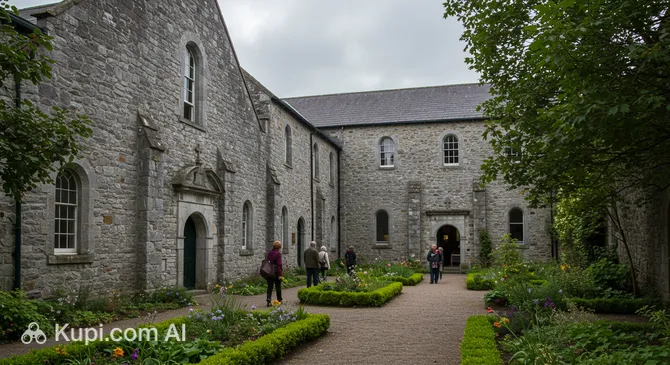
When it comes to culture, Nano Nagle Place is a hidden gem that has quickly become a must-visit. This restored walled convent in the city center celebrates the life of Nano Nagle, a pioneer of Catholic education in Ireland. Visitors can explore the heritage center, wander through the beautiful hidden gardens, and visit the tomb of Nano Nagle herself. It is an unexpected sanctuary of peace and history right in the middle of the city.

Nano Nagle Place. Source: Kupi.Binoculars

Art lovers should head to the grounds of University College Cork to visit The Glucksman. This award-winning gallery is an architectural masterpiece in its own right, nestled among the trees on the riverbank. It hosts a rotating program of temporary exhibitions focused on contemporary art and visual culture. The building’s design, which integrates seamlessly with its limestone surroundings, is as captivating as the art inside.

History buffs will appreciate the Collins Barracks Military Museum. Located on the north side of the city, this museum offers a fascinating look at the military history of the region, from the 18th century to the present day. The exhibits cover various conflicts and peacekeeping missions, providing a comprehensive overview of the life of an Irish soldier.

Beyond museums and parks, the city's streets are lined with impressive architectural landmarks. Cork City Hall stands majestically on the quays, a stunning example of limestone architecture that reflects beautifully in the River Lee at night. Nearby, the iconic St Patrick's Bridge connects the north and south sides of the city. Built in the mid-19th century, its three elegant arches are a symbol of the city and offer great vantage points for photography.

For a truly local experience, take a walk through the main campus of University College Cork (UCC). The Stone Corridor boasts a collection of ancient Ogham stones—the earliest form of writing in Ireland—and the manicured quadrangle is reminiscent of Hogwarts, offering a magical atmosphere for a quiet wander.

Getting Around

Navigating Cork is relatively straightforward, as the city center is compact and highly walkable. However, for reaching the suburbs or traveling efficiently across the city, the public transport system is reliable and accessible. The network relies primarily on a comprehensive bus service operated by Bus Éireann. Unlike some larger European capitals, the city does not have a metro, tram, or trolleybus system, making the bus the main mode of motorized public transit for locals and visitors alike.

The city bus network covers all major areas, including the university, hospitals, and shopping districts. Buses are easily recognizable by their red and white livery. While most routes operate from early morning until around 11:30 PM, the city boasts a notable feature in its transport infrastructure: the 24-hour bus service. The Route 220, which connects Ovens, the city center, and Carrigaline, runs around the clock, providing a vital link for late-night travelers. Additionally, a suburban rail network operates from Kent Station, serving nearby towns such as Cobh, Midleton, and Little Island, which is perfect for day trips or commuting from the outskirts.

For payment, the most cost-effective and convenient method is the TFI Leap Card. This reloadable smart card offers fares that are significantly cheaper—often up to 30% less—than paying with cash. You can purchase and top up these cards at many convenience stores (such as Centra or Spar) displaying the Leap Card sign, or at ticket machines. Alternatively, the TFI Go mobile app allows you to buy tickets directly on your smartphone, which you then activate before boarding. If you prefer to pay with cash on the bus, be aware that drivers only accept coins and require exact change; no paper notes are accepted, and no change is given.

Using the system is simple. If you have a Leap Card, validate it by touching it against the card reader located on the right-hand side as you enter the bus. Fares for a single city journey generally hover around €1.35 to €1.55 when using a card, whereas cash fares are higher, typically closer to €2.00. It is advisable to download the "TFI Live" app for real-time arrival information and route planning, as bus schedules can sometimes be subject to traffic delays during peak hours.

For those who prefer active travel, the TFI Bikes scheme (formerly Coca-Cola Zero Bikes) offers a fantastic alternative. There are over 30 docking stations dotted around the city center where you can rent a bicycle for a small fee. This is an excellent way to explore the flat central island or cycle along the riverside paths. To use this service, you can purchase a three-day pass online, which is ideal for short-term visitors.

Taxis are also widely available and can be a convenient option for direct travel, especially late at night or with heavy luggage. You can hail them on the street, find them at designated ranks (such as on St. Patrick's Street), or book one using popular mobile apps like Free Now. While global ride-sharing apps like Uber exist in the city, they operate strictly within the licensed taxi framework, meaning you will be picked up by a registered taxi driver rather than a private car owner.

Accommodation

Where to Stay:

Accommodation in Cork caters to every type of traveler, ranging from friendly, budget-conscious hostels to opulent five-star estates. The city’s compact nature means that wherever you choose to stay, you are never far from the vibrant culture and historic sights. Visitors can choose between modern city-center hotels, charming guesthouses in the suburbs, or traditional bed and breakfasts that offer a warm Irish welcome.

For those who want to be in the heart of the action, the City Center—located on the central island between the river channels—is the most convenient choice. Staying here puts you within walking distance of the main shopping streets, the English Market, and a plethora of restaurants. Just across the river, the Victorian Quarter around MacCurtain Street is a trendy alternative. This area is known for its lively atmosphere, excellent bars, and proximity to Kent Station, making it ideal for those arriving by train.

If you prefer a quieter setting with a touch of history, the area around the University (UCC) and the Western Road offers numerous high-quality guesthouses and B&Bs. This district is leafy and elegant, yet only a 10-15 minute walk from the city center. For a truly lavish experience, Hayfield Manor is a standout option in this area. Tucked away within walled gardens, this five-star sanctuary provides a country house feel just moments from the urban bustle.

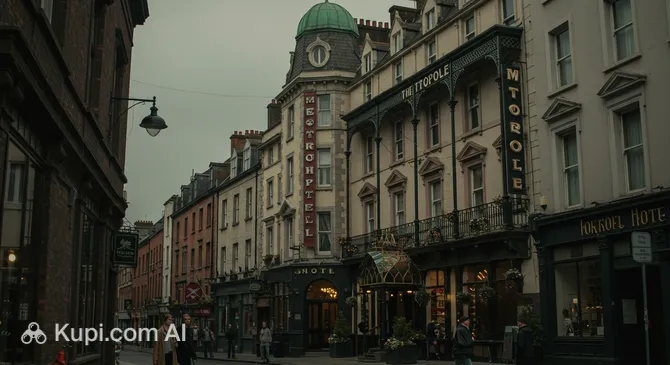
The Metropole Hotel. Source: Kupi.Binoculars

Another iconic choice for travelers is The Metropole Hotel, located in the Victorian Quarter. Since opening its doors in 1897, it has been a landmark of hospitality in the city, hosting movie stars and dignitaries over the decades. Its central location and classic charm make it a favorite for those looking to immerse themselves in the city’s heritage.

Booking Tips: Cork is a popular destination year-round, but demand peaks significantly during the summer months and major events like the Cork Jazz Festival in October. It is highly recommended to book your accommodation well in advance during these times to secure the best rates and availability. Prices generally range from affordable options for backpackers to premium rates for luxury stays, with most properties bookable via major online platforms or directly through their websites.

Nearby Cities

For those looking to explore the surroundings, Cork serves as an excellent base for day trips to several interesting nearby locations. The region offers a mix of ancient history, vibrant urban life, and scenic beauty, all within a reasonable driving distance.

One of the most popular destinations is Limerick, situated along the banks of the River Shannon. Known for its medieval heritage, the city is dominated by the imposing King John's Castle, a 13th-century fortress that offers stunning views and interactive exhibitions. Visitors can also explore the Hunt Museum or soak up the atmosphere at the bustling Milk Market, famous for its local food and crafts.

To the east lies Waterford, Ireland's oldest city, founded by Vikings in 914 AD. It is globally renowned for its exquisite crystal manufacturing. A visit to the House of Waterford Crystal allows tourists to see master craftsmen at work. The city's "Viking Triangle" is a cultural hub filled with museums and historic sites that trace its fascinating past from ancient invaders to the Georgian era.

Heading west towards the Atlantic coast, Tralee offers a gateway to the stunning landscapes of County Kerry. Famous for the annual Rose of Tralee festival, the town is also home to the Kerry County Museum and the Siamsa Tíre, Ireland's National Folk Theatre. It provides a wonderful blend of culture and nature, with the beautiful Tralee Bay Wetlands Centre nearby.

City Population Distance (km)
Limerick 58319 86
Waterford 48369 102
Douglas 26883 5
Ennis 25276 111
Tralee 23691 94

These nearby destinations offer a glimpse into the diverse culture and landscapes of the region.

Shopping & Souvenirs

Shopping in Cork is a delightful experience that combines the convenience of a modern city with the charm of a traditional market town. The city center is compact and pedestrian-friendly, allowing you to easily browse through a mix of high-end department stores, popular high-street brands, and quirky independent boutiques. Unlike larger sprawling capitals, everything here is within walking distance, making it easy to pop from a historic market to a modern fashion retailer in just a few minutes.

The city's main retail artery is St Patrick's Street, affectionately known as "Pana" by the locals. This wide, curving avenue is home to major department stores like Brown Thomas and Dunnes Stores, as well as the modern Opera Lane district which hosts international fashion chains. Running parallel to it is Oliver Plunkett Street, a vibrant pedestrian zone lined with family-run shops, jewelers, and bookstores. This area is perfect for finding unique gifts and soaking up the lively atmosphere, often accompanied by street musicians.

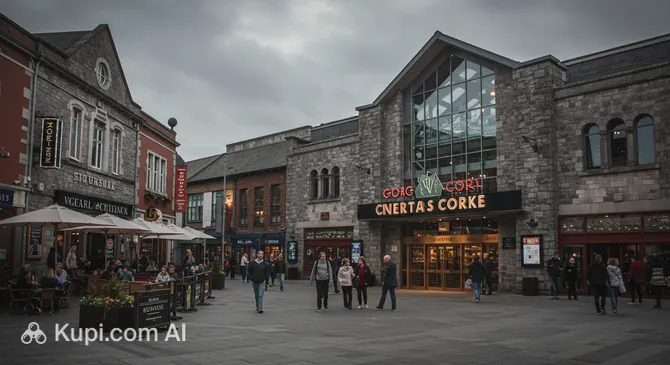
For those who prefer an all-under-one-roof experience, the city has several excellent shopping centers. Just a short bus or taxi ride from the center, you will find the Wilton Shopping Centre. It is one of the city's longest-established malls, offering a wide range of fashion, lifestyle, and grocery stores. Another popular option in the suburbs is the Douglas Village Shopping Centre, which provides a relaxed environment with numerous shops, cafes, and a large cinema complex.

Wilton Shopping Centre. Source: Kupi.Binoculars

No shopping trip to Cork would be complete without visiting its most famous culinary landmark, The English Market. While primarily a food market, it is the heart and soul of the city's retail scene. Here, you can find artisanal cheeses, fresh seafood, and local chocolates that make for perfect edible gifts. On weekends, the Coal Quay Market on Cornmarket Street adds to the variety with stalls selling everything from vintage clothes to handmade crafts and gadgets.

When looking for souvenirs, consider picking up items that reflect the region's heritage. Hand-knit Aran sweaters and accessories are timeless choices available in several woolen shops around the city. Cork is also famous for its crystal and pottery. For a sweet treat, look for "Shandon Sweets," traditional hard-boiled candies still made by hand in the city's historic Shandon quarter. A bottle of locally distilled Irish whiskey or gin also makes a fantastic keepsake for those who appreciate fine spirits.

Opening hours in the city generally run from 9:00 AM to 6:00 PM, Monday through Saturday. Many larger stores and shopping centers offer late-night opening hours on Thursdays and Fridays, staying open until 8:00 PM or 9:00 PM. Sunday hours are typically more relaxed, with most shops opening from 12:00 PM to 6:00 PM. Payment is straightforward, with credit and debit cards (Visa and Mastercard) widely accepted, even for small purchases. Contactless payment is the norm, though carrying a little cash is handy for smaller market stalls.

For visitors from outside the European Union, Tax-Free Shopping is available. Look for the "Tax Free" sign in store windows. You can claim a refund on the Value Added Tax (VAT) for goods you are taking home. Most retailers participate in the "Retail Export Scheme" and can provide you with a Horizon Card or the necessary forms to claim your refund at the airport before you leave Ireland.

Reached the end of the page?

That means the route is fully explored