Support

Rijeka

About

Rijeka is a captivating blend of grit and grandeur, standing as the principal seaport and the third-largest city in the country. Often serving as a gateway to the Dalmatian islands, this vibrant metropolis possesses a unique character defined by its industrial heritage and rich cultural scene. Unlike the purely tourist-focused coastal towns, Rijeka offers an authentic glimpse into local urban life, bustling with energy year-round.

Situated on the northern shore of the Kvarner Gulf in Croatia, the city enjoys a strategic geographical position sheltered by the mountains of Gorski Kotar. This location provides a mild Mediterranean climate, although the city is known for its abundant rainfall, which keeps the surrounding vegetation lush and green. With a population of approximately 191,000 residents, it serves as the administrative and economic center of the Primorje-Gorski Kotar County.
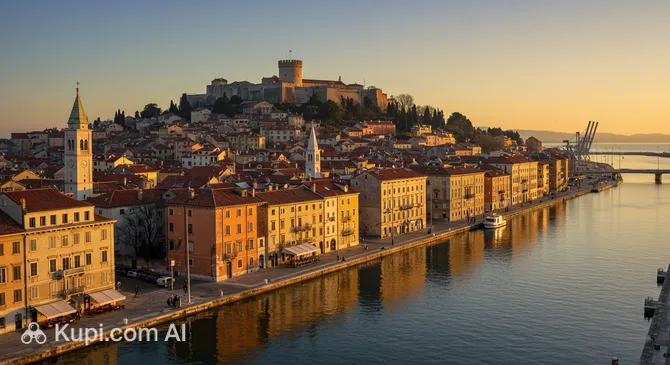
Rijeka. Source: Kupi.Binoculars

The fascinating history of Rijeka is woven into the fabric of its streets, where neoclassical palaces stand alongside modern port infrastructure. Walking through the city center, visitors can admire the elegant Austro-Hungarian architecture that hints at its past importance as a major maritime hub for the empire.

One of the city's most beloved features is the Korzo, a wide pedestrian promenade that serves as the social heart of Rijeka. It is lined with cafes and shops, making it the perfect spot for people-watching. High above the city stands Trsat Castle, a historic fortress that offers breathtaking panoramic views of the Rječina river canyon and the Adriatic Sea. Additionally, the unique round structure of St. Vitus Cathedral remains a significant landmark worth exploring.

Whether you are passing through on your way to the islands or planning a dedicated city break, Rijeka rewards travelers with its dynamic atmosphere and hidden gems. It is a destination that invites you to look beyond the surface and discover the vibrant soul of a working port city.
Weather Overview

The climate in this port city is characterized by distinct seasons, offering warm summers and chilly winters. During the peak summer months of July and August, visitors can enjoy pleasant warmth with average temperatures around 21°C and daily highs reaching up to 26.3°C. This period is generally the most comfortable for exploring the coast, though it is worth noting that rain is not uncommon even in summer, with about 11 to 12 wet days per month.

Winters are significantly colder, with January being the chilliest month, featuring an average temperature of just 2.5°C and lows dipping slightly below freezing. If you are planning a trip, be prepared for frequent precipitation throughout the year; May is particularly notable for having the highest frequency of rain, recording up to 20 wet days. For a more detailed forecast and monthly breakdown, you can consult the guide to the weather in Rijeka before you pack.

Interesting Facts

Beyond the main attractions, Rijeka holds many fascinating secrets that surprise even seasoned travelers. From groundbreaking inventions to unique historical artifacts, the city’s past is full of unexpected stories.

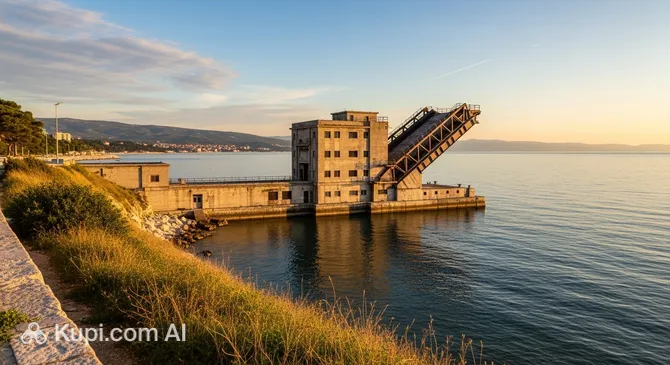
  • The world's first self-propelled torpedo was invented and tested right here in the 19th century. The prototype was developed by local naval officer Ivan Lupis and British engineer Robert Whitehead, forever changing naval warfare. Visitors can still see the historic remains of the launch ramp at the Torpedo Launch Station.

  • The Maritime and History Museum of the Croatian Coast houses an incredibly rare artifact: one of the few surviving lifejackets from the Titanic. It was preserved by a crew member of the ship Carpathia, which was originally traveling from Rijeka to New York before it diverted to rescue the Titanic's survivors.

  • Rijeka has a distinctive local symbol known as the Morčić or Moretto. This traditional jewelry, featuring the head of a figure in a white turban, was historically worn by fishermen and their wives as a protective charm against evil. Today, it serves as the official mascot and a beloved cultural emblem of the city.

  • The city hosts the International Rijeka Carnival, which is widely considered one of the largest carnival events in Europe. A highlight of the festivities is the procession of the Zvončari (bell ringers), men clad in sheepskins who ring loud bells to chase away winter spirits—a unique tradition recognized by UNESCO.

Torpedo Launch Station. Source: Kupi.Binoculars

How to Get There

Reaching this bustling port city is convenient thanks to its strategic location and good transport connections. Whether you are arriving by air or land, there are several options to suit your itinerary. For a detailed breakdown of all routes and transport modes, you can read more about how to get to Rijeka.

The most direct way to arrive by air is via Rijeka Airport (RJK), which serves the city directly. It is a small but convenient international airport located approximately 16 km from the center. The transfer to the city center typically takes about 45 minutes by taxi or shuttle bus. Since this airport has seasonal fluctuations in traffic, many visitors also choose to fly into Pula Airport (PUY) in the city of Pula, which is about 63 km away. The journey from Pula to Rijeka takes approximately 2 hours by road.

For a wider range of international flights, Zagreb International Airport (ZAG) is a major hub frequently used by travelers. Located in the capital city of Zagreb, it is about 135 km from Rijeka. A transfer by bus or taxi from Zagreb generally takes around 1.5 to 2.5 hours, depending on traffic conditions and the mode of transport chosen.

For clarity, here is a summary of the main airports:

Airport Name City Passenger Traffic Km from City
Zagreb International AirportZagrebLarge135.1
Ljubljana Jože Pučnik AirportLjubljanaMedium99.7
Trieste AirportTriesteMedium92.9
Pula AirportPulaMedium63.2
Rijeka AirportRijekaSmall15.8

If you prefer traveling by train, you can access the region through several significant railway hubs in neighboring cities. For instance, you can arrive at Trieste Centrale Station (TXB) in the city of Trieste, which is about 64 km from Rijeka. From there, a taxi or bus transfer takes approximately 2 hours. Another option is Ljubljana Railway Station (LJR) in Ljubljana, located about 81.5 km away, with a transfer time of around 2.5 hours. These stations are well-connected to the broader European rail network.

Below is a list of nearby railway stations that serve as gateways to the region:

Station City Passenger Traffic Km to Center
Venezia Santa Lucia StationVeniceVery Large166.6
Ljubljana Railway StationLjubljanaLarge81.5
Villach Central StationVillachLarge150.7
Trieste Centrale StationTrieste64.0
Klagenfurt HauptbahnhofKlagenfurt143.6

Main Attractions

Rijeka is a city where history layers itself visibly upon the streets, offering visitors a fascinating mix of medieval heritage, Austro-Hungarian elegance, and industrial grit. While the city center is compact and walkable, some of its most rewarding sights encourage a bit of exploration up the surrounding hills or into its unique museums.

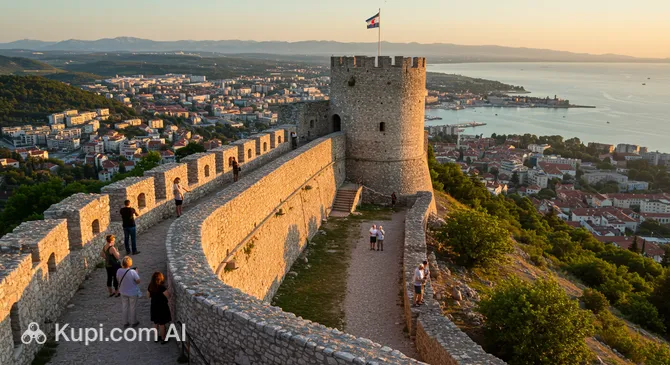
One of the most iconic landmarks is Trsat Castle, a historic fortress perched high above the city. Dating back to the 13th century, this strategically located castle offers arguably the best panoramic views of Rijeka, the Rječina river gorge, and the Kvarner Bay. Beyond the stunning vistas, the site hosts concerts and theatre performances during the summer, making it a lively cultural hub rather than just a silent ruin.

Trsat Castle. Source: Kupi.Binoculars

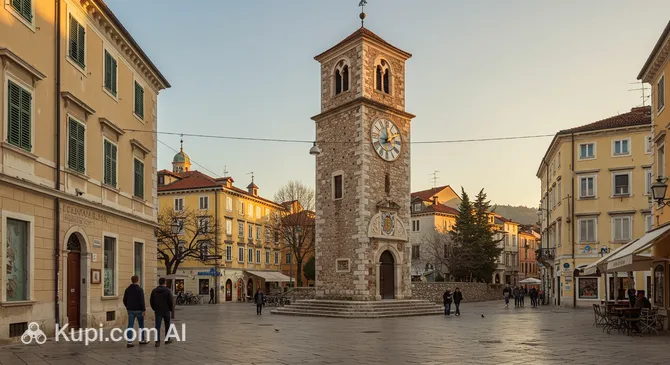
Back in the city center, you cannot miss the City Clock Tower. Standing proudly on the Korzo promenade, this yellow baroque tower serves as a symbolic entrance to the Old Town. It is a popular meeting point for locals and features a relief of Austrian emperors Leopold I and Charles VI. Passing through the archway underneath feels like stepping back in time into the historic heart of the port.

City Clock Tower. Source: Kupi.Binoculars

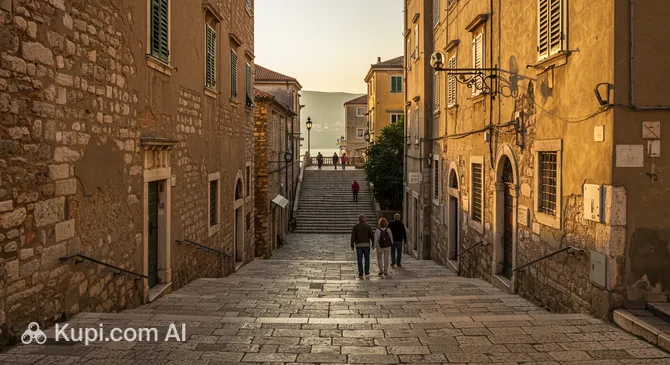
For those who enjoy an active approach to sightseeing, the Petar Kružić Stairway presents a rewarding challenge. Constructed in 1531, this stone staircase consists of over 500 steps leading from the river delta up to the Trsat plateau. It was originally built for pilgrims visiting the nearby church, and climbing it today offers a sense of accomplishment along with charming views as you ascend through the greenery.

Petar Kružić Stairway. Source: Kupi.Binoculars

If you are looking for something entirely different from traditional sightseeing, the PEEK&POKE Computer Museum is a delightful stop. This retro museum houses a vast collection of vintage computers, consoles, and calculators. What makes it special is that many of the exhibits are still functional, allowing visitors to play old-school video games and indulge in a bit of technological nostalgia.

Local Cuisine

Rijeka’s culinary scene is a delightful crossroads where the freshness of the Mediterranean meets the hearty flavors of the mountainous hinterland. Located between the sea and the hills of Gorski Kotar, the city offers a diverse menu that ranges from exquisite seafood to rich meat dishes. The local gastronomy is unpretentious but deeply rooted in tradition, relying heavily on fresh, seasonal ingredients sourced from the nearby islands and the region's lush forests.

One of the absolute must-try delicacies is the Kvarner scampi. These crustaceans are famous worldwide for their delicate sweetness and are often prepared "na buzaru"—a simple yet flavorful sauce made with garlic, parsley, olive oil, and white wine. If you prefer something heartier, look for dishes featuring lamb from the nearby island of Cres or wild game stews served with homemade šurlice (a traditional hand-rolled pasta) or gnocchi.

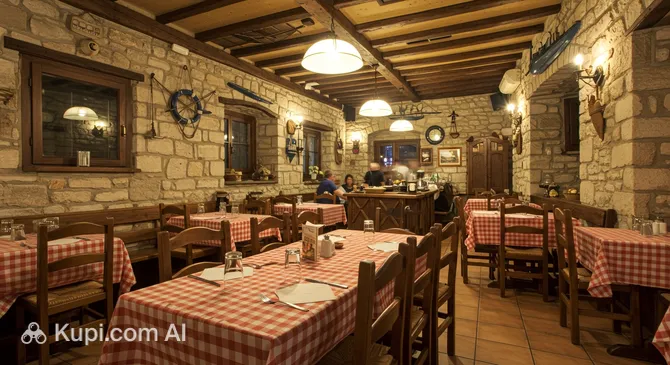
For an authentic taste of local life, you should visit a traditional tavern, known locally as a "konoba." These establishments are the guardians of coastal heritage, serving honest, home-cooked meals in a rustic setting. A great example is Konoba Tarsa, situated in the Trsat area. Here, you can indulge in classic dishes like baked veal or octopus under the "peka" (a bell-shaped metal lid covered with embers), all while enjoying a warm, welcoming atmosphere.

Konoba Tarsa. Source: Kupi.Binoculars

The city also has a strong culture of "marenda"—a mid-morning meal that is more than just a snack; it is a social ritual. Locals often gather near the bustling central market to grab a bite of fried sardines or squid. Beyond food, Rijeka is a city of coffee lovers. The café culture here is vibrant, with terraces full of people enjoying their espresso at all hours.

When it comes to drinks, the region is proud of its wines. Be sure to try Vrbnička Žlahtina, a golden white wine from the nearby island of Krk that pairs perfectly with seafood. For beer enthusiasts or those looking to explore the city's alternative vibe, The Beertija Club offers an impressive selection of local and international brews in a unique setting. To round off a meal, locals often sip on "rakija," a potent fruit brandy infused with herbs, honey, or mistletoe.

Travel Tips

To help you navigate Rijeka with ease and confidence, we have compiled a list of essential practicalities. This city has its own unique rhythm and quirks, so keeping these tips in mind will ensure your visit is as smooth and enjoyable as possible.

  1. Clothing and Gear: Rijeka is statistically one of the rainiest cities in Croatia, so packing a sturdy umbrella or a high-quality raincoat is a must, regardless of the season. Even in summer, sudden showers can occur. Since the terrain is hilly—especially if you plan to climb up to Trsat—bring comfortable, non-slip walking shoes. The city center is paved and flat, but exploring beyond the main promenade often involves stairs and inclines.
  2. Transportation: The city center is compact and best explored on foot. For reaching outer neighborhoods or the hilltop Trsat Castle, the local bus network operated by Autotrolej is reliable and orange-colored buses are easy to spot. Tickets can be bought at newsstands (Tisak) for a lower price than on board. Ride-hailing apps like Uber and Bolt are active and offer a convenient alternative to traditional taxis. Renting a car is generally unnecessary for the city itself and can be a hassle due to limited parking, though it is useful for day trips to the surroundings.
  3. Finances: The official currency is the Euro (€). While credit and debit cards are widely accepted in hotels, supermarkets, and most restaurants, it is wise to carry some cash for small purchases at the central market, local bakeries, or smaller cafés. ATMs are plentiful throughout the city. Tipping is appreciated but not mandatory; rounding up the bill or leaving about 10% for good service is standard practice.
  4. Health and Safety: Rijeka is a very safe city for tourists, with low crime rates. Standard precautions against pickpocketing in crowded areas are sufficient. Pharmacies, marked by a green cross and known as Ljekarna, are easy to find; there is always one designated as the 24-hour duty pharmacy on a rotating basis. A unique health perk here is the tap water—"Riječka voda" is famous for its purity and excellent taste, so feel free to refill your bottle anywhere.
  5. Communication: The official language is Croatian, but English is widely spoken, especially by younger generations and those in the tourism industry. Italian is also understood by many locals due to historical and geographical proximity. Free Wi-Fi is often available in the city center (look for the "City of Rijeka" network) and in most cafes. Pre-paid SIM cards are cheap and easily available at newsstands and grocery stores for staying connected.
  6. Local Etiquette: Coffee drinking is a serious social ritual here; locals can sit with a single cup for hours. Do not rush your waiter or feel pressured to leave quickly—relax and enjoy the vibe. When entering shops or greeting people, a simple "Dobar dan" (Good day) goes a long way. Handshakes are the standard form of greeting for new acquaintances.
  7. What to Avoid: Do not walk around the historic city center or enter shops and churches in swimwear or shirtless, even if you have just come from the beach; this is considered disrespectful and can attract fines. Also, avoid referring to the city solely as a "stopover" to the islands in conversation with locals; they take pride in their city's distinct culture and industrial heritage.
  8. Additional Tip: If you are visiting during late January or February, check the dates for the Rijeka Carnival. It is a massive event where the whole city shuts down to party. If you are shopping for souvenirs, skip the generic magnets and look for a Morčić—traditional jewelry featuring a turbaned figure, which is the specific lucky charm and symbol of Rijeka.

Armed with these practical insights, you are ready to dive into the local lifestyle and explore everything this fascinating port city has to offer. Enjoy your stay, drink the water, savor the coffee, and embrace the vibrant spirit of the Kvarner Gulf!

Entertainment & Nightlife

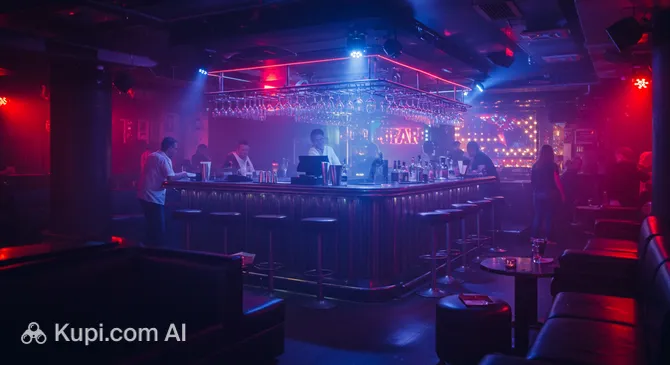
Rijeka boasts a nightlife scene that is distinctively different from the tourist-heavy coastal resorts. Known as the rock and alternative capital of the country, the city’s evening energy is raw, authentic, and driven by a large student population. Instead of exclusive VIP lounges, you are more likely to find lively pubs, urban bars, and venues that play everything from indie rock to electronic beats. The atmosphere is generally relaxed and unpretentious, welcoming visitors to join the locals in a night out.

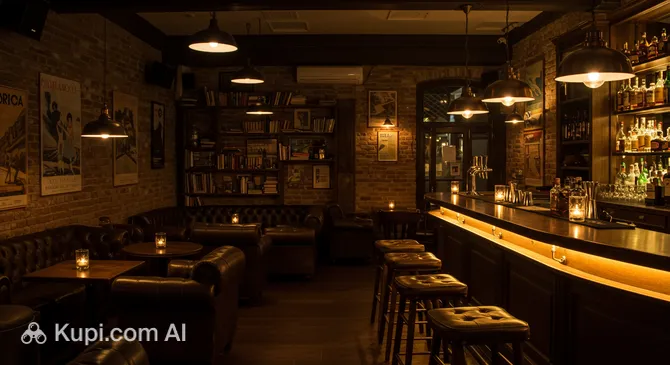
The heartbeat of the nightlife is undoubtedly the waterfront area and the narrow streets surrounding the Korzo promenade. In the warmer months, the action spills out onto the terraces, creating a vibrant open-air party atmosphere. One of the most popular spots to start the evening is the Book Cafe Living Room. Located near the historic city center, this venue offers a cozy, eclectic setting where you can enjoy a glass of wine or a cocktail surrounded by books and vintage furniture. It is the perfect place for conversation before the night gets louder.

Book Cafe Living Room. Source: Kupi.Binoculars

For those looking to dance right by the sea, the Karolina Bar is a staple of Rijeka's night scene. Situated directly on the Gat Karoline Riječke pier, it transforms from a relaxed cafe during the day into a bustling club at night. The crowd here is diverse, and the music ranges from mainstream hits to house, making it a reliable choice for a fun night out with a view of the moored boats.

Karolina Bar. Source: Kupi.Binoculars

If you prefer an alternative vibe or underground sounds, the city has a strong tradition of clubs catering to younger crowds and music enthusiasts. The Youth Club Rijeka is a key player in this scene, often hosting live performances, DJ sets, and themed parties that run late into the night. It is a great spot to experience the city's edgy urban culture firsthand.

Practicalities for a night out in Rijeka are straightforward. The dress code is largely casual; jeans and sneakers are perfectly acceptable in almost all venues. The party usually kicks off later in the evening, with bars filling up around 10:00 PM and clubs peaking after midnight. Prices for drinks are generally reasonable compared to southern Dalmatian destinations. Getting around is easy, with affordable rideshare apps like Uber and Bolt widely available, alongside local taxis and night buses.

In terms of safety, the city is very secure for night walks. The center and waterfront are well-lit and populated, but as with any city, it is wise to stay in main areas and keep an eye on your belongings. If you need to get back to your accommodation late at night, calling a taxi is the most convenient option.

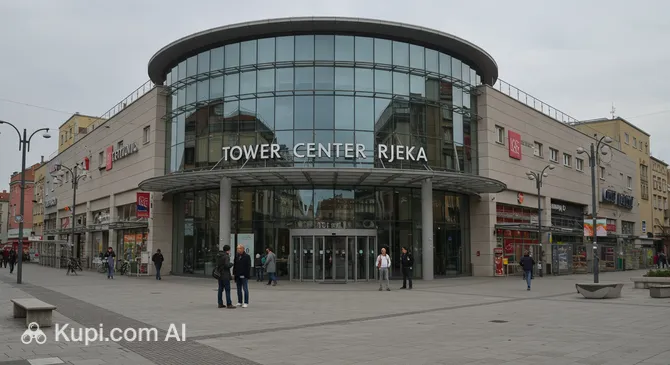
When the sun is up, the city offers plenty of daytime entertainment to balance out the nightlife. You can explore the region's rich biodiversity at the Natural History Museum Rijeka or dive into local heritage at the Rijeka City Museum – Sugar Refinery Palace. For those who prefer retail therapy, Tower Center Rijeka provides a comprehensive shopping experience with numerous international brands and entertainment facilities.

Parks & Museums

While often recognized for its industrial strength, the city surprises visitors with its elegant green spaces and a wealth of cultural institutions that chronicle its complex past. From manicured gardens dating back to the Habsburg era to state-of-the-art museums housed in restored palaces, there is plenty to explore beyond the waterfront.

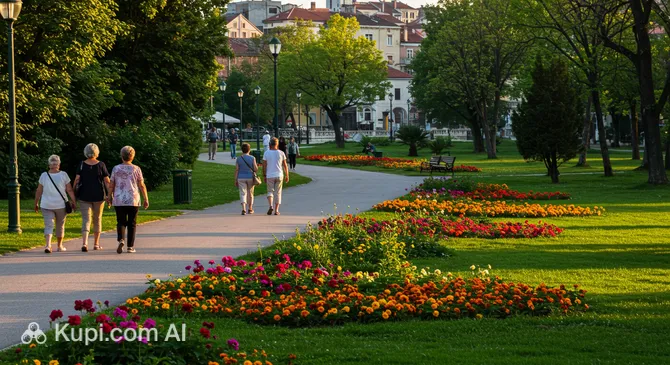
For a peaceful escape within the city center, Nikola Host Park is a perfect choice. Located near the Governor’s Palace, this historic park was the city's first public botanical garden. It offers shaded paths and a variety of exotic plant species, making it a quiet refuge for a leisurely stroll. Another significant green area is Mlaka Park, situated in the western part of town. Known for its landscaped design and historic importance, it provides a glimpse into the urban planning of the 19th century and is a favorite spot for locals to relax.

Nikola Host Park. Source: Kupi.Binoculars

If you prefer the natural beauty of the coast, head to Sablićevo Beach. Just a short walk from the center, this pebble beach is tucked beneath a steep cliff, offering crystal-clear waters and a scenic spot to unwind by the sea.

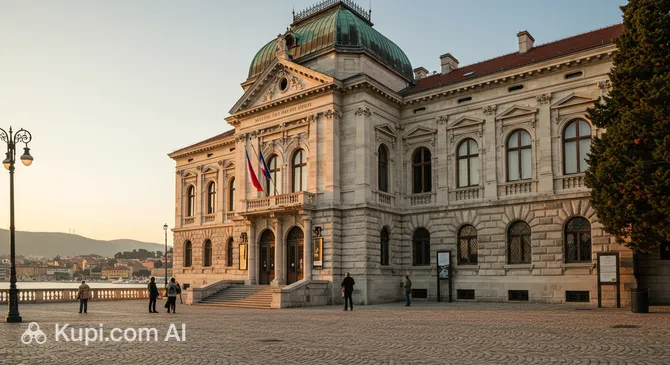
Culture enthusiasts should not miss the Maritime and History Museum of the Croatian Coast. Housed in the magnificent Governor's Palace, the building itself is an architectural gem. Inside, the collections cover everything from maritime equipment to furniture from elite historic salons, providing a comprehensive look at life in the region through the centuries.

Maritime and History Museum of the Croatian Coast. Source: Kupi.Binoculars

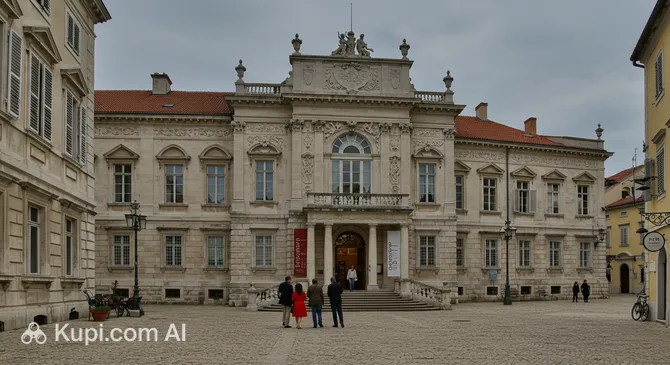
A recent addition to the cultural scene is the Rijeka City Museum – Sugar Refinery Palace. This monumental baroque building has been beautifully restored to host a permanent exhibition on the city's industrial history. It is a fascinating place to learn how sugar, paper, and torpedoes shaped the city's identity. Nearby, the Natural History Museum Rijeka offers engaging exhibits on the biodiversity of the Kvarner region, including a botanical garden that children often enjoy.

Rijeka City Museum – Sugar Refinery Palace. Source: Kupi.Binoculars

Among the city's architectural highlights is the striking Church of Our Lady of Lourdes. Its distinctive neo-Gothic façade, composed of red and white bricks, makes it one of the most photogenic landmarks in the city. In the Trsat district, the Church of Our Lady of Trsat stands as a major pilgrimage site, renowned for its spiritual atmosphere and rich treasury. For a touch of industrial heritage, look for the Rijeka Port Cranes on the breakwater, which have been preserved as illuminated sculptures honoring the port's workers.

For an authentic local experience, take a walk along the "Molo Longo," the 1.7-kilometer breakwater. It is not just a pier but a favorite promenade for residents, offering a unique perspective of the city skyline from the sea. If you visit the Trsat sanctuary, take a moment to wander through its peaceful gardens, which offer a serene counterpoint to the bustling city below.

Getting Around

Navigating Rijeka is an experience that changes depending on your location within the city. The historic center, particularly around the famous Korzo promenade and the waterfront, is compact and predominantly pedestrian-only. This area is best explored on foot, allowing you to easily wander between the markets, museums, and cafes. However, given the city's unique topography—which stretches steeply from the coastline up into the hills—public transportation or a vehicle becomes essential if you plan to visit neighborhoods like Trsat, the university campus, or the beaches on the city's outskirts.

The backbone of the public transport system is the extensive bus network operated by Autotrolej. These buses are easily recognizable by their distinctive orange color. The network is efficient and covers the entire city (Zone 1) as well as the surrounding towns and suburbs (Zones 2-4). For visitors, the most useful lines are typically Line 2, which connects the city center to Trsat Castle, and Line 1, which runs east-west towards the beaches. Buses are frequent during the day, though schedules can be slightly reduced on Sundays and holidays.

A useful tip for using the bus is to purchase your tickets in advance. You can buy tickets at newsstands (look for "Tisak" or "iNovine" kiosks) for a significantly lower price than purchasing a single ticket directly from the driver. Once you board, remember to validate your ticket in the yellow machine. If you plan to stay for a few days and use public transport often, weekly passes are also available and offer excellent value.

For those who prefer a more direct route, taxis and ride-hailing services are widely available and reliable. Apps like Uber and Bolt operate throughout the city, offering transparent pricing and cashless payment options, which is convenient if you do not have local currency on hand. Local taxi companies, such as Taxi Cammeo, are also popular and can be found at designated stands near the main bus station and major public squares.

If you are driving in Rijeka, be prepared for a bit of a challenge. The city's layout involves many one-way streets and steep inclines. Parking in the center is divided into zones, with Zone 0 being the closest to the main attractions and the most expensive. Payment is modern and convenient; most open-air parking spots allow you to pay via parking machines or by sending an SMS with your license plate number to the code displayed on the street sign. For longer stays, the large Delta parking lot near the export harbor or the garages at Zagrad and Stari Grad are practical options.

Travelers arriving by intercity bus will find themselves right in the heart of the action, as the main bus station, known locally as Žabica, is located at Trg Žabica in the city center. The main railway station is also centrally located, situated just a 10 to 15-minute walk west of the Korzo, making the transition from arrival to exploration seamless.

Accommodation

Finding a place to stay in Rijeka is generally easier and more affordable than in the renowned tourist hotspots of southern Dalmatia. The city offers a diverse range of accommodation options that reflect its character as both a busy port and a cultural destination. Visitors can choose from historic hotels that echo the Austro-Hungarian era, modern business hotels, and a vast selection of private apartments, which are a very popular choice in Croatia.

For travelers who want to be in the center of the action, the area surrounding the main pedestrian promenade is the most convenient choice. Staying here puts you within walking distance of the main bus station, the port, and the lively city market. It is an ideal location for those who want to explore cultural sites or enjoy the nightlife without needing public transport.

If you prefer a quieter atmosphere with spectacular vistas, consider the Trsat neighborhood. Perched on a hill above the city, this area offers a more relaxed vibe and cooler air in the summer. Accommodation here often comes with panoramic views of the Kvarner Bay and places you close to the historic Trsat Castle. However, keep in mind that staying here may require using the local bus or walking up and down the famous stairs to reach the city center.

For those visiting during the summer months who want to combine city sightseeing with swimming, the eastern and western suburbs are excellent options. The district of Pećine is particularly attractive as it hosts several beautiful coves, including Sablićevo Beach, allowing you to stay just steps away from the sea while still being a short bus ride from downtown.

Booking Tip: While finding a room is usually straightforward, the city fills up completely during two specific periods: the height of the summer season (July and August) and the International Rijeka Carnival in January or February. If you plan to visit during the carnival to see the parades, it is essential to book your accommodation several months in advance.

The price range in Rijeka caters to all budgets. Backpackers and solo travelers can find several well-rated hostels in the city center. Mid-range travelers have a wide choice of private "apartmani" (vacation rentals) and three-star hotels, while those seeking more comfort can find higher-end hotels, though true luxury resorts are more commonly found in the nearby town of Opatija rather than in Rijeka itself. Booking is typically done through major online platforms, which offer the most variety and flexibility.

Nearby Cities

Nearby Cities:

Rijeka’s strategic position in the Primorje-Gorski Kotar County makes it an excellent starting point for exploring more of the country. Whether you are interested in visiting the historic capital, experiencing the charm of the Istrian peninsula, or discovering inland towns, several interesting destinations are located within a reasonable driving distance. The following table provides an overview of nearby cities that can be easily reached for a day trip or a next stop on your itinerary.

City Population Distance (km)
Zagreb 809,268 132
Velika Gorica 63,517 135
Pula 57,053 69
Karlovac 53,134 89
Zaprešić 25,223 122

Shopping & Souvenirs

Shopping:

Shopping in Rijeka offers a balanced mix of modern convenience and traditional charm, reflecting the city's practical yet vibrant character. While it may not be a massive fashion capital like nearby Italian cities, it provides everything a traveler might need, from high-street international brands to unique local products. The experience ranges from strolling down the historic pedestrian avenues to exploring large, air-conditioned malls on the city's outskirts.

The heart of the city's retail scene is the Korzo, the main pedestrian promenade. This bustling street and its surrounding alleyways are lined with a variety of shops, including shoe stores, bookstores, and boutiques featuring well-known European fashion labels. Walking here is as much about the atmosphere as it is about the purchases; you can window-shop while admiring the elegant Austro-Hungarian architecture or stop for a coffee between stores.

For a more concentrated shopping experience with a wider selection of international brands, the city has two major shopping centers. Tower Center Rijeka, located in the Pećine district on the eastern side of the city, is one of the largest malls in the region. It features multiple floors of fashion, electronics, and home goods, along with a cinema and various dining options.

Tower Center Rijeka. Source: Kupi.Binoculars

On the western side of the city, you will find ZTC (Zapadni Trgovački Centar). This modern mall is popular for its sea views from the coffee shops and its convenient location near the coast. Both malls offer ample parking and serve as excellent rainy-day destinations if the weather turns wet.

No shopping trip to Rijeka is complete without visiting the Main Market (Placa). Located near the waterfront, this is a feast for the senses. It consists of three beautiful Art Nouveau pavilions and an open-air section. Here, you can buy fresh local fruits, vegetables, olive oil, and honey directly from producers. The fish market is particularly famous for its stunning architecture and fresh catch from the Kvarner Bay.

When looking for souvenirs, the most iconic item to bring home is the Morčić. This traditional jewelry features the head of a turbaned figure and is considered a lucky charm for the city. Other excellent gifts include bottles of local wine, truffle products from the nearby Istrian peninsula, or lavender sachets. For something truly Croatian, look for a silk tie (kravata), as the necktie originated in this country.

Most shops in the city center are open from 09:00 to 20:00 on weekdays, with shorter hours on Saturdays. The large shopping malls usually operate from 09:00 to 21:00. However, travelers should be aware that Sunday shopping is regulated in Croatia, and many stores, including supermarkets and malls, may be closed or have limited working Sundays throughout the year. It is always wise to check the specific opening schedule for the weekend of your visit.

Payment is straightforward, with the Euro (€) being the official currency. Credit and debit cards are widely accepted in malls, supermarkets, and most shops in the center. However, if you plan to shop at the open-air market or in smaller artisan workshops, carrying some cash is recommended. Visitors residing outside the European Union may be eligible for a VAT (PDV) refund on purchases exceeding a certain amount, so be sure to ask for a "tax-free" form at the checkout in participating stores.

Reached the end of the page?

That means the route is fully explored