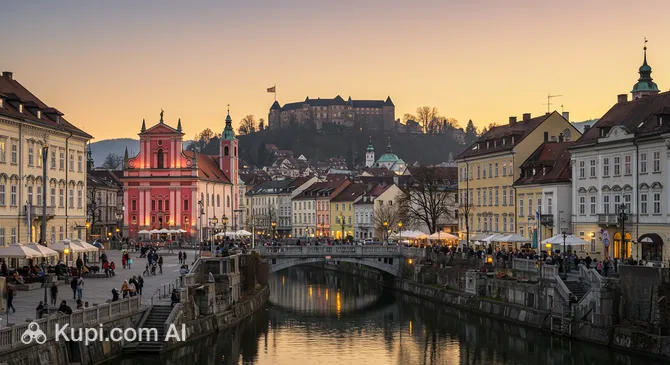
Welcome to Ljubljana, one of Europe's greenest and most livable capitals. This vibrant city serves as the cultural, educational, and economic center of Slovenia, renowned for its relaxed atmosphere and youthful energy. Unlike many bustling metropolises, Ljubljana retains the charm of a smaller town while offering all the amenities of a modern capital city.
Ljubljana. Illustration.
Source: Kupi.com AI
Situated in the Ljubljana Basin between the Alps and the Karst, the city is home to approximately 286,000 residents. Its strategic location has shaped the fascinating history of Ljubljana, resulting in a unique blend of Baroque, Art Nouveau, and modern architectural styles that define its picturesque urban landscape today.
Visitors are often captivated by the iconic Ljubljana Castle, which stands guard on a hill overlooking the city and offers panoramic views. The heart of the city features the famous Triple Bridge and the romantic banks of the Ljubljanica River, which are lined with lively outdoor cafes and weeping willows. The legacy of architect Jože Plečnik is visible at nearly every turn, giving the city its distinct and elegant character.
Whether you are exploring its vast pedestrian zones, enjoying the vibrant street festivals, or relaxing in the expansive Tivoli Park, Ljubljana offers a perfect mix of urban excitement and peaceful nature. It is a destination that invites you to slow down, explore, and enjoy the moment.
Weather Overview
Ljubljana experiences a continental climate marked by four distinct seasons, offering a different atmosphere depending on when you visit. For a more detailed forecast and historical data, you can consult the guide to weather in Ljubljana. In general, travelers can expect warm summers with occasional rain and cold winters that transform the city into a cozy retreat.
During the summer months of June through August, the city comes alive with warmth. Average temperatures range from 18.9°C to 20.8°C, with daytime highs often reaching nearly 26°C. However, it is wise to be prepared for showers, as this season typically sees around 14 to 15 wet days per month.
Winter, spanning from December to February, brings colder temperatures, with averages hovering between 1.1°C and 3.1°C. January is usually the coldest month, where temperatures can dip to a low of -2.3°C. While precipitation volume is lower, you might still encounter damp conditions, with about 7 to 11 wet days monthly.
Spring and autumn act as transition periods with mild but variable weather. May is particularly notable for being quite rainy, recording up to 20 wet days despite a pleasant average temperature of 13.4°C. Conversely, September maintains a comfortable average of 15.6°C before the air cools down significantly in October and November.
Average monthly temperature
Average monthly precipitation
Interesting Facts
Beyond the picturesque architecture and riverside cafes, Ljubljana holds many fascinating secrets and legends waiting to be uncovered. Here are some intriguing facts that make the Slovenian capital truly unique.
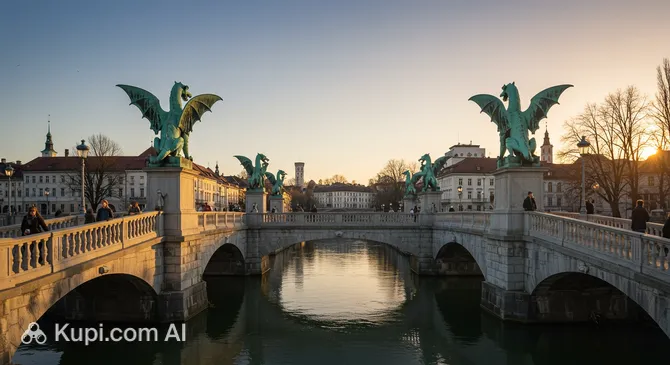
Dragon Bridge. Illustration.
Source: Kupi.com AI
Traveler photos:
The city's official symbol is a dragon, a creature deeply rooted in local mythology. Legend has it that the Greek hero Jason and the Argonauts defeated a dragon in the marshes here; today, four copper dragons stand guard on the iconic Dragon Bridge.
Ljubljana is the site of a remarkable archaeological discovery: the world's oldest wooden wheel with an axle. Found in the nearby Ljubljana Marshes, this wheel is approximately 5,200 years old, making it older than the Egyptian pyramids.
The vibrant cultural hub known as Metelkova City has a surprising origin story. Formerly a military barracks for the Yugoslav National Army, the site was squatted by artists and activists in 1993 to prevent its demolition and has since transformed into an autonomous center for alternative art and nightlife.
The city center is one of the largest car-free zones in the European Union. This extensive pedestrian area was a key factor in Ljubljana being named the European Green Capital in 2016, creating a peaceful urban environment where only pedestrians, cyclists, and the electric "Kavalir" vehicles can roam.
How to Get There
Reaching the Slovenian capital is straightforward thanks to its central position in Europe and excellent connectivity. Whether you prefer flying or taking a scenic train ride, there are multiple options to suit your travel plans. You can find all ways to reach the city and detailed logistics to help you organize your arrival smoothly.
The most direct way to arrive by air is via Ljubljana Jože Pučnik Airport (IATA: LJU), located approximately 19 km from the city center. As the main international gateway, it handles the majority of traffic to the capital. A taxi or shuttle bus from here typically takes about 30 to 40 minutes to reach downtown Ljubljana.
Alternatively, many travelers choose to fly into Trieste Airport (IATA: TRS), situated in the city of Trieste, Italy. Although it is not in Slovenia, it is only about 83 km away. The transfer to Ljubljana usually takes around 1 hour and 30 minutes by road, making it a convenient option for those exploring the wider region.
Another possibility is Klagenfurt Airport (IATA: KLU) in Klagenfurt, Austria. Located roughly 67 km from Ljubljana, it serves as a regional hub. From here, you can rent a car or take a shuttle service, with a travel time of just over an hour across the border.
For clarity, here is a summary of the main airports nearby:
If you prefer traveling by rail, the city is well-served by the Ljubljana Railway Station (IATA: LJR). It is located right in the heart of the city, just 0.6 km from the main pedestrian zone, making it incredibly convenient for arriving tourists. The station connects the capital with major European cities and offers easy access to local transport.
For those coming from further afield, you might pass through Villach Central Station in Villach, Austria, which is about 80 km away. It is a key railway junction for trains coming from the north. Similarly, travelers from Italy often transit through Trieste Centrale Station in Trieste, located approximately 72 km from Ljubljana.
Below is a list of relevant railway stations and their distance to the city center:
Ljubljana is a city where history and modern life blend seamlessly, offering a variety of sights that are easily explored on foot. From medieval fortifications to lively market squares, the capital's attractions reflect its rich cultural heritage and the visionary work of architect Jože Plečnik.
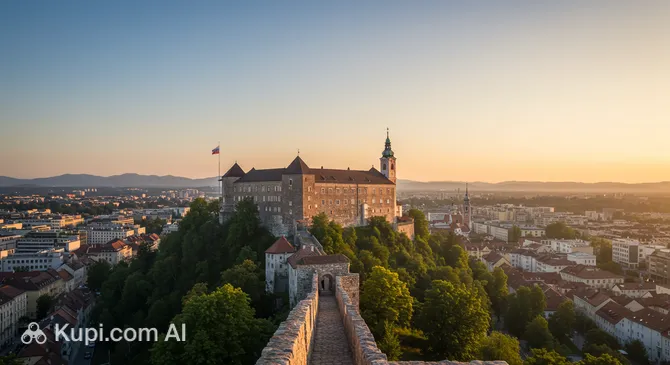
Dominating the city skyline, Ljubljana Castle is the capital's most prominent sight and a must-visit for every traveler. This medieval fortress offers a fascinating journey through Slovenian history, featuring museum exhibitions, a puppet museum, and historical rooms. The main tower provides breathtaking panoramic views of the red-roofed Old Town and the distant Alps, making it a perfect spot for photography.
Ljubljana Castle. Illustration.
Source: Kupi.com AI
Traveler photos:
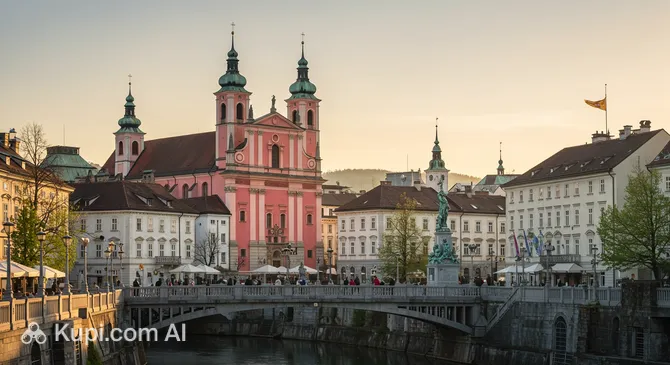
The beating heart of the city is Prešeren Square, a vibrant meeting point named after Slovenia's greatest poet, France Prešeren. Surrounded by beautiful Art Nouveau buildings and the iconic pink Franciscan Church of the Annunciation, the square is always buzzing with energy. It serves as the gateway to the Old Town, connecting the modern city to the historic center via the famous Triple Bridge.
Prešeren Square. Illustration.
Source: Kupi.com AI
Traveler photos:
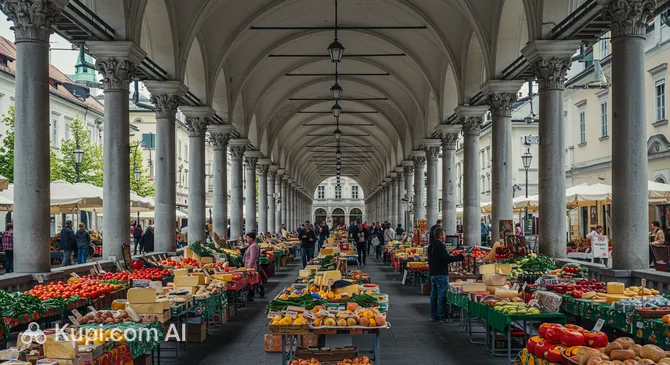
A short walk along the river brings you to the Central Market, a masterpiece designed by Jože Plečnik. This is not just a place to buy fresh produce and local delicacies; it is a social hub where locals gather to chat and eat. The market comprises an open-air section and elegant covered halls along the river embankment, offering a true taste of Ljubljana's daily life and culinary traditions.
Central Market. Illustration.
Source: Kupi.com AI
Traveler photos:
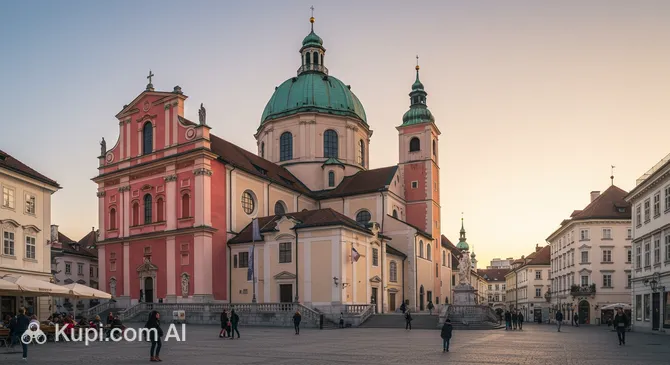
For those interested in religious art and Baroque architecture, the Ljubljana Cathedral (Cathedral of St. Nicholas) is an architectural gem. The interior is lavishly decorated with pink marble, white stucco, and impressive frescoes by Giulio Quaglio. Visitors are often particularly struck by the massive bronze doors, which were added in the 20th century and depict the history of the Slovene lands and bishops.
Ljubljana Cathedral. Illustration.
Source: Kupi.com AI
Traveler photos:
Local Cuisine
The culinary scene in Ljubljana is a delightful crossroads where Alpine, Mediterranean, and Pannonian influences merge to create a diverse and hearty menu. The city's food culture ranges from traditional inns, known locally as gostilna, to modern bistros that emphasize fresh, locally sourced ingredients. Whether you are looking for a quick snack or a slow-cooked feast, the capital offers a gastronomic journey that reflects the varied landscapes of Slovenia.
One dish that every visitor should try is the Kranjska klobasa (Carniolan sausage), a protected Slovenian delicacy typically served with mustard and fresh horseradish or sauerkraut. Another staple of the local table is štruklji, delicious rolled dumplings that can be either savory or sweet. They come with a variety of fillings, such as cottage cheese, walnuts, apple, or tarragon, making them a versatile option for any meal.
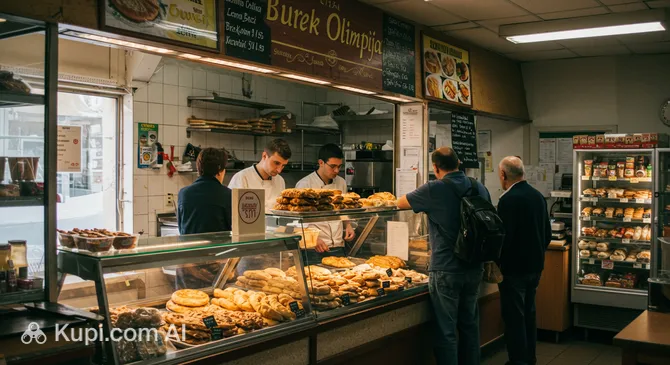
Street food is also an integral part of the city's daily life, and the most popular snack is undoubtedly burek. Originally from the Balkans, this flaky pastry filled with meat, cheese, or vegetables has been fully embraced by locals. For a legendary take on this classic, you can visit Burek Olimpija, a small but iconic kiosk that has been serving hungry passersby for decades.
Burek Olimpija. Illustration.
Source: Kupi.com AI
Traveler photos:
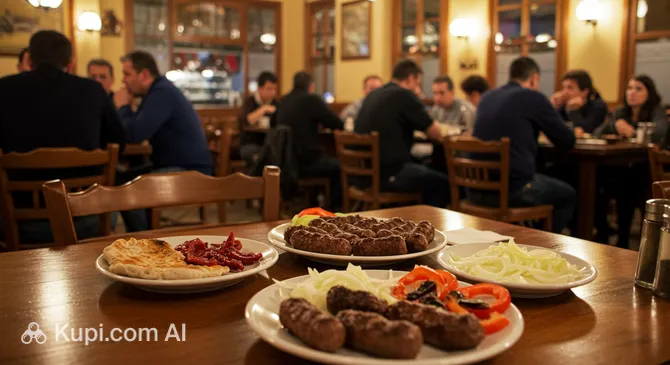
Due to historical ties, Balkan cuisine has a strong presence in Ljubljana. Grilled meats like ćevapčići (small skinless sausages) served in lepinja bread are a favorite comfort food. For an authentic experience with a nostalgic atmosphere, travelers often head to Sarajevo '84 Čevabdžinica, a restaurant that pays homage to the 1984 Winter Olympics and serves traditional Bosnian specialties.
Sarajevo '84 Čevabdžinica. Illustration.
Source: Kupi.com AI
Traveler photos:
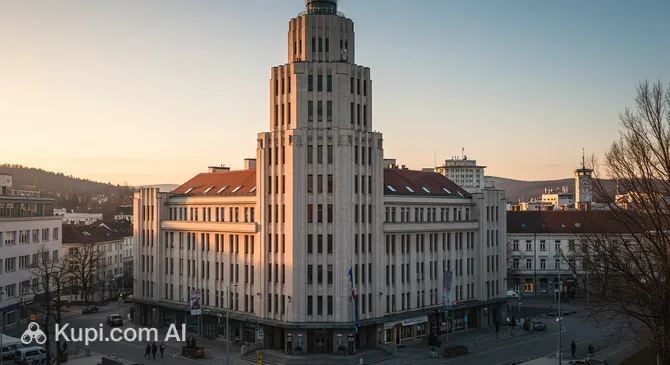
When it comes to drinks, Slovenia is a hidden gem for wine lovers. The country produces excellent white and red wines, which can be sampled in the many wine bars scattered across the city center. Beer enthusiasts will notice the local rivalry between the Ljubljana-brewed Union and the Laško brand. Coffee culture is also deeply ingrained here; locals love to spend hours socializing in cafes. A fantastic place to enjoy a cup with a view is Nebotičnik, the famous skyscraper that offers one of the best panoramas of the city alongside its refreshments.
Nebotičnik. Illustration.
Source: Kupi.com AI
Traveler photos:
For those who want to explore the source of these fresh flavors, the Central Market is the place to be. It is not just a shopping destination but a social hub. During the warmer months, the market hosts the popular "Open Kitchen" (Odprta kuhna) on Fridays, where chefs from top Slovenian restaurants prepare dishes right before your eyes in a vibrant street food market setting.
Travel Tips
Visiting Ljubljana is often described as a relaxing experience due to its manageable size and laid-back atmosphere, but a few practical insights can make your trip even smoother. To help you navigate the Slovenian capital like a local, here are some essential tips to keep in mind before you pack your bags.
Clothing and Gear: Ljubljana experiences distinct seasons, so checking the forecast is essential. In summer, light clothing is perfect, but always carry a light jacket or umbrella for sudden showers. Winters can be quite cold, requiring warm coats and waterproof boots. Since the Old Town is paved with cobblestones, bring comfortable walking shoes; high heels can be challenging here.
Transportation: The city center is a pedestrian zone and is best explored on foot. For longer distances, the local bus system (LPP) is efficient and clean. You will need an Urbana card (available at kiosks and tourist centers) to pay for rides, as cash is not accepted on board. Alternatively, you can use the reliable BicikeLJ bike-sharing system. Renting a car is unnecessary if you plan to stay within the city, as parking is limited and the center is car-free.
Finances: Slovenia uses the Euro (€). Credit and debit cards are widely accepted in hotels, restaurants, and most shops. However, it is wise to carry some cash for small purchases, especially at the Central Market or in smaller cafés. ATMs are plentiful. Tipping is not mandatory but is appreciated for good service; rounding up the bill or leaving about 10% is a common gesture.
Health and Safety: Ljubljana is one of the safest capitals in Europe, and walking alone at night is generally very safe. Pharmacies, marked with a green cross and known as lekarna, are easy to find; a designated duty pharmacy remains open 24/7 for emergencies. A specific health perk here is the tap water—it is of excellent quality and perfectly safe to drink. In summer, you can refill your bottle for free at public drinking fountains scattered across the city.
Communication: The official language is Slovenian. While locals appreciate it if you know a few basic phrases like Dober dan (Good day) or Hvala (Thank you), English is spoken fluently by almost everyone, especially the younger generation and those in the service industry. Free Wi-Fi is available in the city center (WiFreeLjubljana) for a limited time, and SIM cards are cheap and easy to buy at newsstands or gas stations.
Local Etiquette: Slovenians are generally polite and somewhat reserved initially. A handshake is the standard greeting. When entering someone's home, it is customary to take off your shoes. In public places, maintaining a moderate noise level is respectful; loud behavior is often frowned upon.
What to Avoid: Be very careful not to walk on marked bicycle paths. Cycling is huge in Ljubljana, and locals can get frustrated with pedestrians blocking their lanes. Also, try not to confuse Slovenia with Slovakia—it is a common mistake that locals have heard a thousand times, and while they will likely just smile, it is better to show you know exactly where you are!
Use the Kavalir: If your legs get tired while exploring the pedestrian zone, look for a green electric vehicle called the Kavalir. These eco-friendly carts offer free rides within the city center, primarily aimed at the elderly and mobility-impaired, but they are happy to transport tourists when available.
By keeping these simple tips in mind, you will be well-prepared to enjoy everything this charming city has to offer. Ljubljana is a welcoming destination that rewards curiosity, so take your time, respect the local pace, and enjoy your Slovenian adventure.
Entertainment & Nightlife
Ljubljana’s nightlife is as charming and diverse as the city itself, fueled largely by a significant student population and a relaxed Mediterranean vibe. Unlike larger European capitals where venues are spread out, the entertainment scene here is compact and accessible, allowing you to easily hop from a quiet wine bar to a bustling club on foot. The atmosphere is generally laid-back and welcoming, with a focus on socializing and enjoying good company.
The center of evening activity is undoubtedly the banks of the Ljubljanica River. As the sun sets, the riverside promenades—particularly Petkovškovo nabrežje and Cankarjevo nabrežje—transform into a lively strip of outdoor terraces. Locals and tourists alike gather here to sip cocktails or local wine under the weeping willows. The vibe is casual, and there is rarely a strict dress code; smart-casual attire is perfectly acceptable almost everywhere.
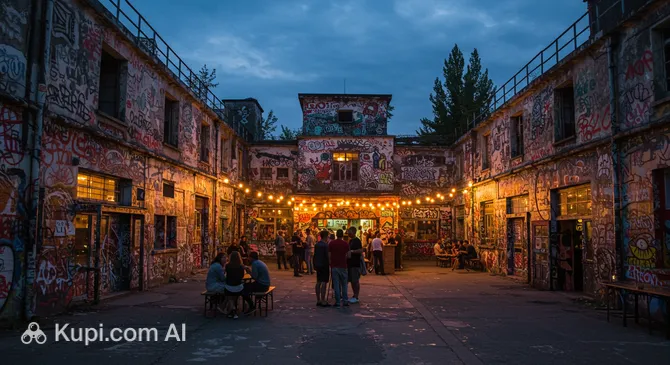
For those seeking an alternative and artistic experience, Metelkova City is the place to be. This autonomous cultural center, located in former military barracks, is the heart of the city's underground scene. By night, its graffiti-covered buildings host a variety of clubs and concert venues playing everything from techno and rock to jazz. It attracts a diverse, open-minded crowd and offers a stark, gritty contrast to the polished Old Town.
Metelkova City. Illustration.
Source: Kupi.com AI
Traveler photos:
If you prefer a more traditional party atmosphere, the city center has several popular spots. Holidays' Pub is a well-known meeting point located right in the heart of the action, offering a classic pub experience that often extends late into the night. For those looking to dance, Urban Club provides a vibrant setting to enjoy music and drinks until the early morning hours.
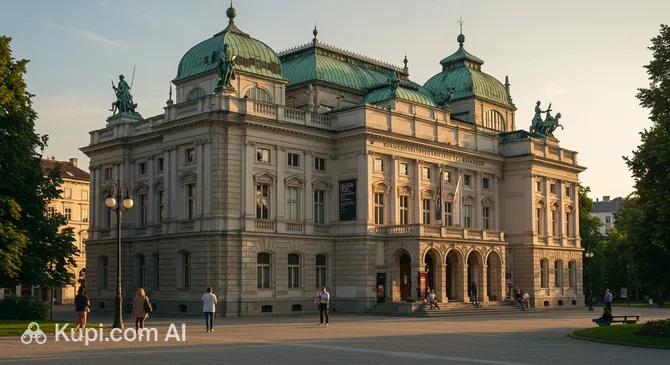
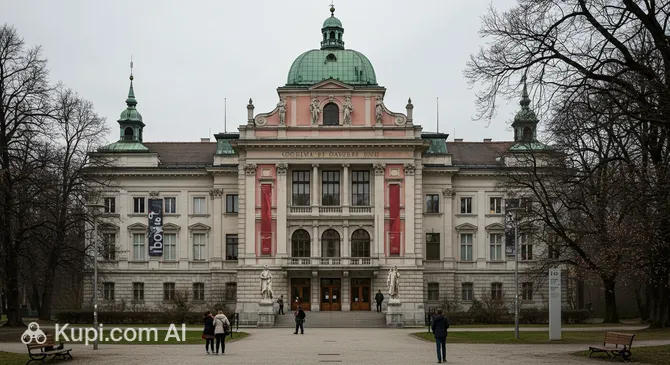
Travelers interested in a more refined evening should check the schedule at the Slovenian National Opera and Ballet Theatre Ljubljana. The stunning neo-Renaissance building hosts world-class performances that offer a sophisticated night out. It is advisable to book tickets in advance, as shows often sell out quickly.
Slovenian National Opera and Ballet Theatre Ljubljana. Illustration.
Source: Kupi.com AI
Traveler photos:
Before the nightlife kicks in, there are plenty of ways to entertain yourself during the day or early evening. You can challenge your mind at Escape Room Ljubljana, a popular activity for groups of friends. Families and thrill-seekers might enjoy the trampolines and activities at WOOP! Arena or explore the interactive exhibits at the House of Illusions.
Safety is rarely a concern in Ljubljana, even at night. The city is considered one of the safest in Europe, and walking back to your accommodation is generally fine. However, if you prefer a ride, taxis are reliable and relatively affordable. It is best to order one by phone or via an app, as hailing them on the street can be more expensive. Companies like Laguna or Metro are reputable options.
Parks & Museums
Ljubljana is widely recognized as one of Europe's greenest capitals, having held the title of European Green Capital in 2016. The city seamlessly integrates nature into its urban fabric, offering residents and visitors alike a plethora of lush parks, gardens, and cultural institutions that celebrate both Slovenian heritage and international art. Whether you are looking to escape into nature or dive deep into history, the city provides an enriching experience.
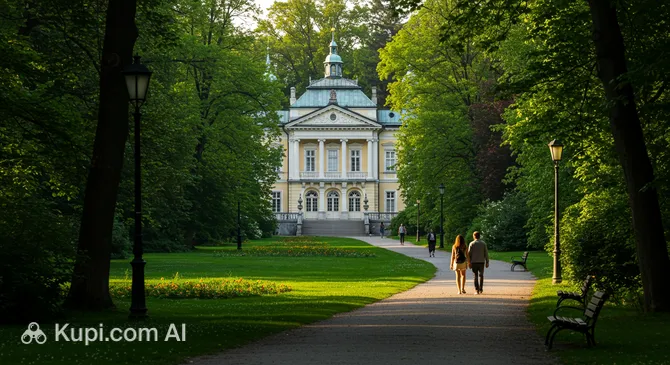
The city's largest and most beloved green space is Tivoli Park, which stretches right into the city center. This expansive area serves as the "green lung" of Ljubljana, featuring broad tree-lined avenues, elegant statues, and beautifully landscaped flower beds. A highlight for many is the Jakopič Promenade, designed by Jože Plečnik, which often hosts large-format outdoor photography exhibitions. Visitors can stroll through the park to find the Tivoli Castle, which houses the International Centre of Graphic Arts, or hike up Rožnik hill for a more active retreat.
Tivoli Park. Illustration.
Source: Kupi.com AI
Traveler photos:
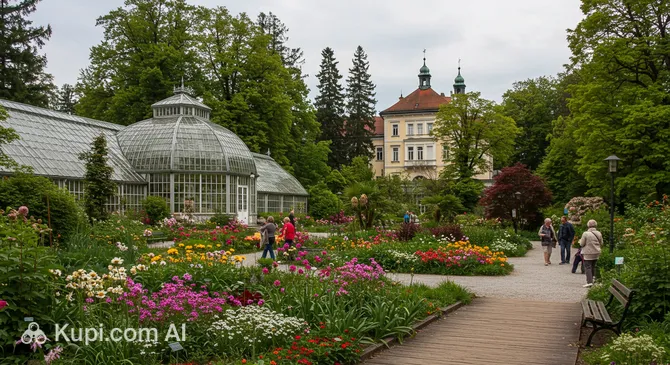
For botany enthusiasts, the Ljubljana Botanical Garden is a true gem. Establish in 1810, it is the country's oldest cultural, scientific, and educational institution operating uninterrupted. The garden is home to over 4,500 varied plant species, including endemic Slovenian flora. Its tropical glasshouse allows visitors to enjoy exotic greenery even during the colder months, making it a peaceful sanctuary just a short walk from the Old Town.
Ljubljana Botanical Garden. Illustration.
Source: Kupi.com AI
Traveler photos:
Families and animal lovers should not miss the Ljubljana Zoo, uniquely situated on the southern slope of Rožnik hill within a natural forest setting. Unlike typical city zoos, its location provides a rugged, woodland environment for the animals. It focuses on species from the Alpine, Pannonian, and Mediterranean worlds, offering an educational look at the regional biodiversity alongside exotic animals.
Ljubljana's cultural landscape is equally impressive. The National Gallery is the premier institution for historic art in Slovenia. It houses the largest collection of fine art from the High Middle Ages to the 20th century. Here, you can admire the original Fountain of the Three Carniolan Rivers by Francesco Robba (the one in the city square is a replica) and an extensive collection of Slovenian Impressionists, whose works capture the nation's landscapes and character.
National Gallery. Illustration.
Source: Kupi.com AI
Traveler photos:
To understand the architectural genius who shaped the city, a visit to the Plečnik House is essential. This intimate museum is located in the house where architect Jože Plečnik lived and worked. Preserved exactly as he left it, the museum offers a rare glimpse into his private life and creative process, displaying his original furniture, tools, and sketches. It is a fascinating stop for anyone interested in urban design and history.
For a dive into the city's long timeline, the City Museum of Ljubljana offers engaging exhibitions ranging from prehistoric times to the modern era. A key highlight here is the world's oldest wooden wheel with an axle, a 5,200-year-old artifact discovered in the Ljubljana Marshes. The museum effectively contextualizes the Roman heritage of Emona with the contemporary life of the capital.
An insider tip for contemporary art lovers is to visit Cukrarna. Once a derelict sugar refinery, it has been transformed into a stunning modern gallery space. It stands as a monumental example of industrial heritage renovation and hosts large-scale contemporary art projects, making it a fresh and exciting addition to Ljubljana's cultural scene.
Getting Around
Navigating Ljubljana is remarkably easy and efficient, primarily because the city is compact and pedestrian-friendly. While there is no metro or tram system, the public transport network, managed by LPP (Ljubljanski potniški promet), relies on a comprehensive fleet of buses that cover the entire city and its suburbs. The buses are modern, clean, and frequent, making them the most convenient way to travel distances that are too long to walk.
The payment system is unified and cashless. The most common way to pay for rides is with the Urbana card, a yellow smart card that can be purchased and topped up at green "Urbanomat" machines, newsstands, and tourist information centers. Alternatively, you can use the Urbana mobile app or simply tap your contactless Visa or Mastercard directly on the validator when entering the bus. A single fare typically covers a journey of up to 90 minutes, allowing for unlimited transfers between different bus lines within that timeframe without extra cost.
For tourists, using the bus is straightforward. You must enter through the front door and immediately validate your payment by touching your card or phone to the reader next to the driver. When you are ready to exit, press the stop button and leave through the rear or middle doors. Most bus lines operate from approximately 5:00 AM to 10:30 PM. However, there are special night lines (N lines) that run on key routes, ensuring you can get home safely even after a late night out.
Beyond standard buses, the city offers unique transport options tailored for visitors. The Funicular Railway is a popular feature that connects the Old Town's Krek Square with the Ljubljana Castle in just one minute, offering spectacular views during the ascent. Additionally, an electric tourist train known as Urban circles the main attractions, connecting the Town Hall with the castle and the river embankments, providing a fun and eco-friendly way to see the sights.
Cycling is another fantastic alternative in this flat and green city. The BicikeLJ bike-sharing system is extremely popular among locals and tourists alike. Stations are located throughout the city, and the first hour of every ride is free after a nominal registration fee. This makes it perfect for short hops between attractions or a leisurely ride along the river.
If you prefer private transport, taxis are reliable and relatively inexpensive compared to other Western European capitals. It is advisable to order one via phone or a mobile app rather than hailing them on the street to ensure a fair metered rate. For those who drive, Avant2Go provides a convenient electric car-sharing service with dedicated parking spots across the city, allowing for flexible travel without the hassle of car ownership.
Accommodation
Ljubljana offers a diverse array of accommodation options that cater to every type of traveler, from backpackers seeking social vibes to couples looking for romantic luxury. The city's hospitality scene has grown significantly, blending historic charm with modern comfort. Generally, visitors can choose from well-appointed hostels, charming guest houses (often family-run), stylish boutique hotels, and a few high-end luxury properties. The compact nature of the city means that wherever you stay, you are never far from the action.
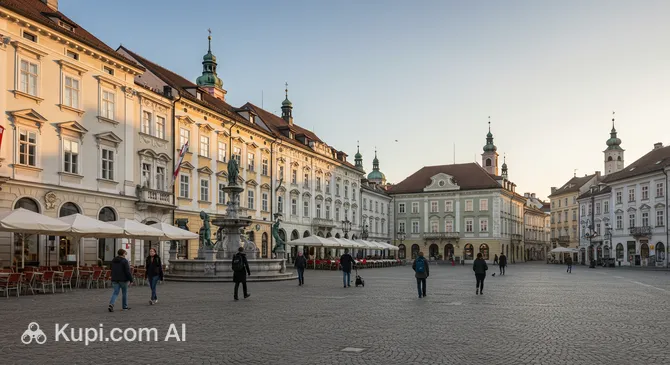
The most popular area to stay is undoubtedly the Old Town and the pedestrian zone surrounding the Ljubljanica River. Staying here places you right on the doorstep of major sights like the Town Square and the vibrant riverside cafes. This area is perfect for those who want to step out of their hotel directly into the lively streets, free from traffic noise. Another excellent location is around Congress Square, which offers a slightly more spacious and elegant atmosphere while remaining incredibly central.
Town Square. Illustration.
Source: Kupi.com AI
Traveler photos:
For budget-conscious travelers, the area near the railway and bus station provides practical and affordable options, often within a 10-15 minute walk to the center. There is also a growing trend of "glamping" and eco-friendly accommodations on the outskirts, offering a green escape that aligns with Ljubljana's reputation as a sustainable capital. Additionally, the district near Metelkova is a hotspot for youth hostels, known for their artistic and social environment.
Booking Tips and Prices: Ljubljana is a year-round destination, but accommodation can fill up quickly during the peak summer months (June to September) and the festive December season. It is highly recommended to book in advance during these times to secure the best rates and locations. Prices are generally moderate compared to Western European capitals. You can expect to pay between €20–€40 for a hostel bed, €80–€150 for a standard double room in a mid-range hotel, and upwards of €200 for luxury stays. Most accommodations can be easily booked via major online platforms, and credit cards are widely accepted.
Nearby Cities
Situated in the center of Slovenia, Ljubljana is an ideal starting point for exploring the surrounding Osrednjeslovenska region. Visitors can easily reach several interesting towns within a radius of just 20 kilometers, making them perfect destinations for half-day or full-day excursions. Whether you are interested in medieval history, alpine views, or local culture, these nearby settlements offer a delightful change of pace from the capital.
The following table lists some of the closest cities, along with their population and distance from Ljubljana:
City
Population
Distance
Dobrova
921
7 km
Brezovica pri Ljubljani
3 221
8 km
Skofljica
2 716
9 km
Trzin
3 925
9 km
Dragomer
1 464
10 km
Among these destinations, Skofja Loka is particularly renowned as one of the best-preserved medieval towns in the country, featuring a castle and a picturesque stone bridge. Kamnik offers a different allure with its stunning setting at the foothills of the Kamnik-Savinja Alps, providing access to hiking trails and historic ruins. To the southwest, Vrhnika attracts visitors with its literary heritage as the birthplace of writer Ivan Cankar and its proximity to the unique landscape of the Ljubljana Marshes.
Shopping & Souvenirs
Shopping in Ljubljana is a delightful experience that perfectly mirrors the city's character: a harmonious blend of traditional craftsmanship and modern urban trends. Whether you are looking for unique handmade souvenirs in the historic center or international fashion brands in sprawling malls, the Slovenian capital has plenty to offer. The city center is compact and pedestrian-friendly, allowing you to browse boutique stores while enjoying the picturesque architecture.
For those who appreciate local design and heritage, the streets of the Old Town, particularly Mestni trg and Stari trg, are lined with charming boutiques. Here you can find high-quality Slovenian products, from fashion and jewelry to home decor. A significant highlight of the city center is the vibrant Central Market. While it is famous for fresh food, the market's colonnades, designed by architect Jože Plečnik, also host stalls selling wooden crafts, textiles, and other traditional items, making it a great stop for authentic gifts.
When searching for the perfect souvenir to take home, keep an eye out for items that represent Slovenian culture. Idrija lace is a delicate and prized handicraft with a long tradition. Another popular choice is Piran salt, harvested from the coast, or a jar of high-quality local honey. Of course, you will also see the symbol of the city everywhere; a plush toy or figurine of the Ljubljana Dragon makes for a fun and iconic memento.
If you prefer a modern shopping experience with a wide variety of international brands under one roof, you should head to the BTC City district. It is one of the largest shopping, business, and leisure centers in Europe. At its heart lies Citypark Ljubljana, the largest shopping mall in the country. It offers over 120 stores, ranging from fashion and cosmetics to technology, along with numerous restaurants to recharge after a busy day.
Another spectacular destination for shoppers is ALEJA Sky, located in the Šiška district. This modern shopping center is an architectural masterpiece, designed to resemble the scales of a dragon. Beyond its 80 shops, it features a unique rooftop destination with green spaces, sports facilities, and a food court offering panoramic views of the city, blending retail therapy with leisure.
Travelers should be aware of the local opening hours to plan their shopping trips effectively. Most shops in the city center are open from 9:00 AM to 7:00 PM on weekdays and have shorter hours on Saturdays. Importantly, almost all shops, including major supermarkets and shopping malls, are closed on Sundays and public holidays. Only a few small essential stores at gas stations or train stations remain open, so it is best to complete your purchases by Saturday evening.