Support

Tirana

About

Tirana is the vibrant and colorful capital of Albania, a city that perfectly embodies the country's transformation and energy. Known for its painted facades and lively street life, it serves as the cultural, economic, and governmental center of the nation. The atmosphere here is a unique blend of traditional hospitality and modern dynamism, making it an exciting destination for travelers seeking an authentic Balkan experience.

Geographically, the city is situated in the center of the country, enclosed by the Dajti Mountain to the east and a slight valley to the northwest. With a population of approximately 418,000 residents, it is the largest city in the country, yet it retains a walkable and welcoming charm. The climate is typically Mediterranean, offering hot summers and mild, wet winters, which allows for year-round exploration of its streets and parks.
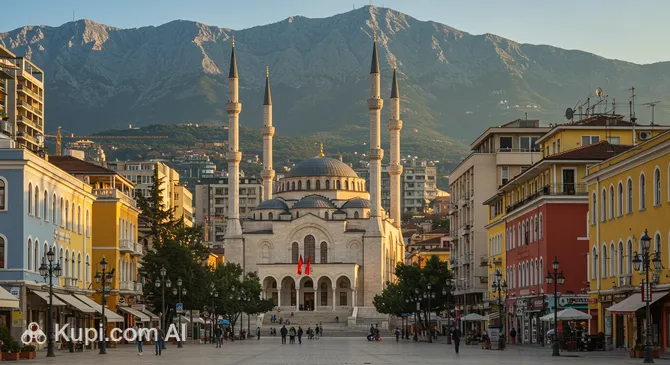
Tirana. Source: Kupi.Binoculars

Delving into the history of Tirana reveals a fascinating timeline that stretches back to its founding in 1614, though the area has been inhabited since antiquity. The city's architecture tells the story of its past, featuring a mix of Ottoman-era structures, Italian styles from the early 20th century, and distinct buildings from the socialist period that have been revitalized with bright colors and artistic designs.

Visitors are often drawn to Skanderbeg Square, the massive central plaza surrounded by key landmarks such as the Et'hem Bey Mosque and the historic Clock Tower. For those who love nature and panoramic views, a cable car ride to Mount Dajti offers a spectacular vantage point over the city and the surrounding landscapes. Another unique feature is the abundance of trendy cafes and the bustling Blloku district, which buzzes with energy day and night.

Whether you are interested in exploring rich cultural heritage or simply enjoying a coffee in a sun-drenched square, Tirana offers a memorable journey. It is a destination that surprises and delights, inviting everyone to discover its hidden gems and warm spirit.
Weather Overview

The climate in the capital is typically Mediterranean, characterized by hot, sunny summers and cool, damper winters. During the peak summer months of July and August, the city warms up significantly, with average temperatures hovering around 24°C and daily highs often reaching nearly 30°C. Conversely, the winter season brings a noticeable drop in temperature; January is usually the coldest month, with averages around 5.7°C and lows dipping to approximately 1.8°C.

Rainfall patterns also shift with the seasons, influencing the best times for outdoor exploration. The cooler months are generally wetter, with January and March experiencing frequent precipitation, averaging about 14 wet days each. In contrast, the summer is much drier, particularly July, which sees only about 4 days of rain. To help you pack the right gear for your trip, it is helpful to check the detailed weather in Tirana before you travel.

Interesting Facts

Beyond the main attractions, Tirana holds many fascinating secrets that reveal its quirky character and resilient spirit. Here are a few unique aspects of the city that often surprise visitors and offer a deeper look into its local culture.

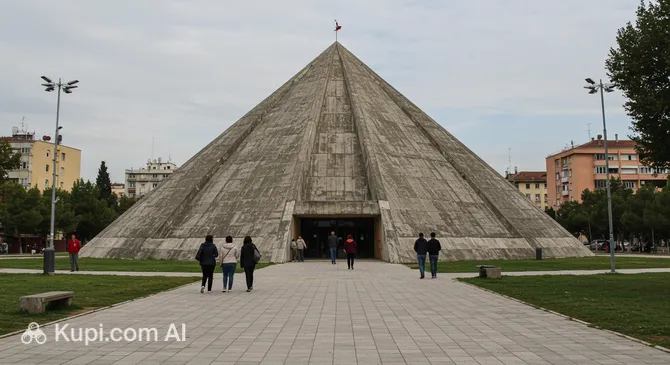
  • The Pyramid of Tirana has one of the most unusual histories of any landmark in the Balkans. Originally built as a museum for a former dictator, it was later used as a NATO base and a broadcasting center, and today it has been transformed into a modern IT education hub for youth.

  • Underneath the city streets lie remnants of the Cold War era that have been repurposed for the public. You can explore this underground history at Bunk'Art 2, a museum housed inside a massive nuclear bunker in the city center that was once kept strictly secret.

  • Tirana is widely known for its "Painted Revolution." In the early 2000s, the mayor, who was also an artist, ordered the drab, grey apartment blocks to be painted in vivid colors and bold patterns to uplift the citizens' morale, giving the city its distinctive and colorful appearance.

  • Despite being a bustling European capital, the city is one of the few on the continent without a McDonald's restaurant. Locals prefer to enjoy their vibrant coffee culture and traditional food at places like the New Irish Pub or authentic grill houses rather than global fast-food chains.

  • Religious harmony is visually evident in the heart of the city. The historic Et'hem Bey Mosque stands just a short walk from the modern Resurrection of Christ Orthodox Cathedral, symbolizing the peaceful coexistence of different faiths in Albania.

Pyramid of Tirana. Source: Kupi.Binoculars

How to Get There

Reaching the vibrant capital of Albania has become increasingly accessible for travelers from around the world. Whether you are flying in from a major European hub or exploring the Balkans by land, there are several convenient options to consider. For a detailed breakdown of routes and tips, you can read more about how to get to Tirana.

The primary gateway for most visitors is Tirana International Airport (IATA: TIA), also known as Rinas Airport. It is the main international airport serving the country and is conveniently located just 13.7 km from the city center. A journey by taxi or shuttle bus typically takes about 40 minutes, depending on traffic. For those arriving from neighboring regions, the city of Tirana does not have its own airport besides TIA, but you can fly into Ohrid Airport (IATA: OHD) in the city of Ohrid, North Macedonia. This alternative is approximately 79 km away, and the travel time by car is roughly 2 hours and 20 minutes. Another option is Kukes Zayed (IATA: KFZ) in Kukes, situated about 93 km from the capital.

For clarity, here is a summary of the main airports:

Airport Name City Passenger Traffic Km from City
Tirana International AirportTiranaLarge13.7
Podgorica AirportPodgoricaMedium123.9
Tivat AirportTivatMedium150.3
Ohrid AirportOhridSmall79.1
Kukes ZayedKukesSmall92.9

Traveling by train is less common due to the limited international railway infrastructure directly connecting to the city. The city of Tirana does not have a functioning international railway station; however, travelers often use major hubs in neighboring countries or across the Adriatic Sea to start their journey. You can arrive at Brindisi Railway Station (IATA: BQD) in the Italian city of Brindisi, which is about 176 km away in a straight line. From there, a ferry connection to Albania is required. Similarly, Bari Centrale Station (IATA: BAU) in Bari is a significant hub approximately 248 km away, also serving as a connection point for ferries crossing to the port of Durrës, from where you can easily reach the capital by bus or taxi.

Below is a list of the closest major railway stations relative to the city:

Station City Passenger Traffic Km to Center
Bari Centrale StationBariLarge248.4
Brindisi Railway StationBrindisi176.0
Thessaloniki Railway StationThessaloniki272.5

Main Attractions

Exploring the capital offers a journey through diverse eras, from ancient Illyrian times to the Ottoman period and the communist past. The city's landmarks are a testament to its resilience and transformation, providing visitors with a mix of educational history and modern leisure.

Dominating the main square is the National Historical Museum, easily instantly recognizable by the massive mosaic titled "The Albanians" on its façade. As the largest museum in the country, it holds a vast collection of artifacts that trace the region's history from antiquity to the post-communist era. It is an essential stop for anyone wishing to understand the complex heritage and national identity of the Albanian people.

National Historical Museum. Source: Kupi.Binoculars

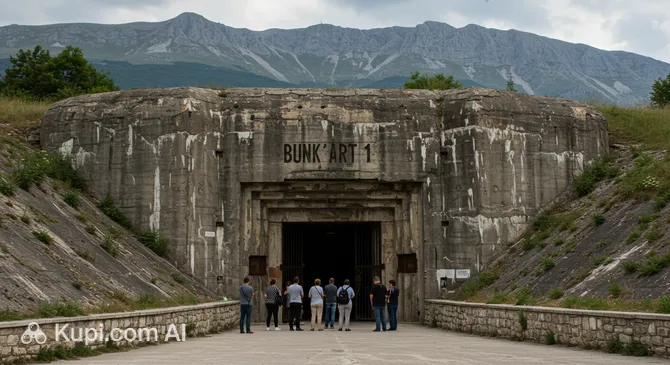
For a deep dive into the Cold War era, BUNK'ART 1 offers an unforgettable experience. Located on the outskirts of the city near Mount Dajti, this massive five-story underground bunker was originally built to protect the country's leadership in the event of a nuclear attack. Today, it has been converted into a fascinating history and art center, where visitors can walk through the preserved rooms and exhibits that vividly portray the atmosphere of the communist regime.

BUNK'ART 1. Source: Kupi.Binoculars

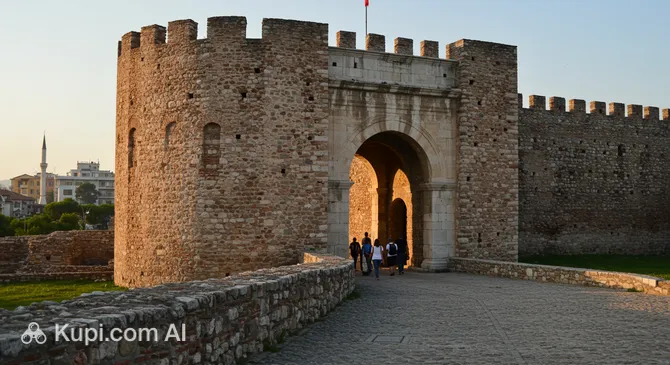
In the heart of the city lies the Tirana Castle, also known as the Fortress of Justinian. While the ancient walls date back to the Byzantine era, the interior has been transformed into a lively pedestrian hub. It is a perfect example of how the city blends the old with the new, featuring a charming bazaar filled with souvenir shops, traditional restaurants, and modern bars where tourists can relax and enjoy local delicacies.

Tirana Castle. Source: Kupi.Binoculars

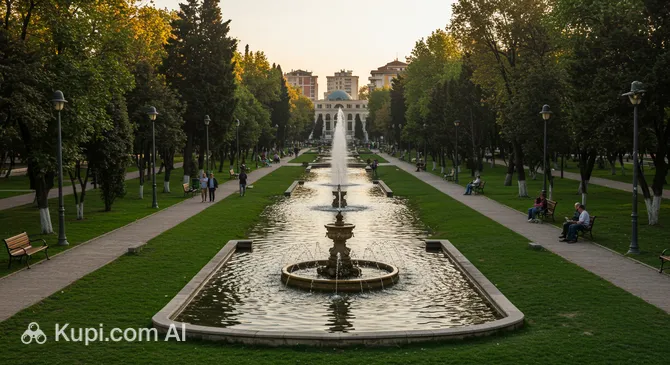
If you are looking for a green escape from the urban bustle, the Grand Park of Tirana is the locals' favorite retreat. Situated at the southern end of the city, this expansive park surrounds a large artificial lake and offers walking paths, jogging tracks, and peaceful spots for picnics. It is also home to the Presidential Palace and several memorials, making it a great location for a leisurely afternoon stroll.

Grand Park of Tirana. Source: Kupi.Binoculars

Another intriguing site is the House of Leaves Museum, formerly the headquarters of the secret service surveillance. This museum provides a chilling yet educational look into the methods of espionage and control used during the dictatorship. The exhibits of surveillance equipment and interrogation files offer a unique perspective on the psychological impact of that era on the daily lives of citizens.

Local Cuisine

The culinary landscape of Tirana is a delightful fusion of Mediterranean flavors and Balkan traditions, characterized by an abundance of fresh, locally sourced ingredients. The city has embraced the "Slow Food" movement, meaning that whether you are dining in a high-end restaurant or a simple tavern, the emphasis is always on quality and seasonality. The food culture here revolves around sharing and taking time to enjoy meals, often accompanied by lively conversation.

When exploring the local gastronomy, there are a few signature dishes that every visitor must try. Fërgesë Tirane is a staple of the capital, a rich and savory mixture of peppers, tomatoes, and cottage cheese, often cooked in a clay pot. Another national favorite is Tavë Kosi, a comforting dish of baked lamb and rice smothered in a yogurt and egg sauce, offering a unique tangy flavor. For a quick and delicious snack, Byrek—a flaky pastry filled with spinach, cheese, or meat—is available at bakeries on almost every corner.

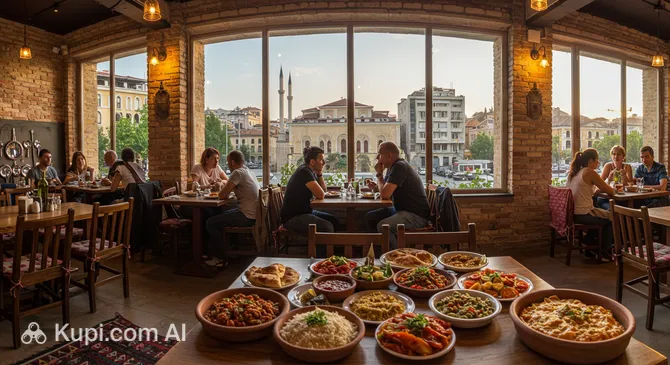
For those seeking an authentic dining experience that highlights the best of Albanian produce, Ceren Ismet Shehu is a must-visit destination. This restaurant is celebrated for its modern take on traditional recipes, serving dishes that are as visually stunning as they are delicious, often set in a rustic yet elegant atmosphere.

Ceren Ismet Shehu. Source: Kupi.Binoculars

No culinary journey in Tirana is complete without diving into its beverage culture. Coffee is an essential part of daily life, with locals spending hours in cafes sipping perfectly brewed espressos or macchiatos. For something stronger, Raki is the traditional fruit brandy, usually made from grapes or plums, which is widely consumed as an aperitif. The city also boasts a vibrant nightlife scene, particularly in the Blloku district. A standout spot to enjoy a cocktail or a local drink in a retro setting is the Radio Bar, known for its eclectic decor and cool vibe.

Dining in the city ranges from bustling street markets to sophisticated eateries. Many locals and tourists flock to the Taiwan Center, a popular complex located in Rinia Park that houses several restaurants and cafes with lovely views of the greenery. If you are a meat lover looking for high-quality steaks and grills, Hayal Et offers a fantastic menu that showcases the region's love for well-prepared meats.

Travel Tips

Welcome to Tirana! To help you navigate this energetic capital with ease, we have compiled a set of essential practical guidelines. These tips are designed to ensure your trip runs smoothly, allowing you to focus on the city's vibrant culture, historic sites, and welcoming atmosphere.

  1. Clothing and Gear: The dress code in the city is generally casual and modern. Summers can be intensely hot, so bring light, breathable fabrics and a hat, while winters are often wet, making a waterproof jacket and sturdy umbrella essential. Since you will likely do a lot of walking and the sidewalks can sometimes be uneven, comfortable walking shoes are a must. If you plan to visit religious sites like the Et'hem Bey Mosque, remember to dress modestly; women should have a scarf to cover their heads, and both men and women should cover their knees and shoulders.
  2. Transportation: The city center is quite compact and best explored on foot. For longer distances, public buses are available and very cheap, though they can be crowded and routes may be confusing for first-time visitors; there is no metro or tram system. Taxis are a reliable and affordable alternative; stick to official yellow taxis or well-known companies like Speed Taxi or MerrTaxi, which use meters. Renting a car is generally not recommended for driving within the city due to heavy traffic and aggressive driving styles, though it is useful for day trips outside the capital.
  3. Finances: The local currency is the Albanian Lek (ALL). While some larger hotels and upscale restaurants accept credit cards, Tirana is still very much a cash-based economy. You will need cash for cafes, small shops, museums, and buses. Euros are widely accepted, but you will often receive change in Lek at a potentially unfavorable exchange rate. It is best to withdraw cash from ATMs or exchange money at the numerous exchange offices in the city center. Tipping is appreciated but not mandatory; rounding up the bill or leaving about 10% is standard.
  4. Health and Safety: Tirana is a very safe city for tourists, even at night, but standard precautions against pickpocketing in crowded areas apply. Pharmacies are abundant, marked by a green cross, and staff often speak English or Italian. As a general precaution, it is advisable to drink bottled water rather than tap water, although the local water quality has improved.
  5. Communication: The official language is Albanian (Shqip), but you will find that English is widely spoken, especially by the younger generation. Italian is also extremely common due to historical ties and media influence. Useful local phrases include "Përshëndetje" (Hello) and "Faleminderit" (Thank you). Free Wi-Fi is available in almost every cafe and bar, but for constant connectivity, you can easily purchase a local SIM card from Vodafone or One stores upon arrival at the airport or in the city.
  6. Local Etiquette: Albanians are incredibly hospitable and value Besa (a pledge of honor/hospitality). If a local offers you a coffee or a glass of Raki, it is a gesture of friendship, and accepting it is polite. When greeting, a handshake is standard. Coffee culture is serious here; it is a time to sit, sip slowly, and socialize, not a quick caffeine fix to go.
  7. What to Avoid: Do not rely solely on electronic payments; always carry some Lek with you. Avoid being impatient in traffic or queues; the pace of life can be more relaxed than in other European capitals, and things happen in their own time.
  8. Local Insight: Experience the xhiro, a traditional evening walk that locals take seriously. Just before sunset, residents flood the pedestrian streets and parks to walk, chat, and catch up with neighbors. It is the perfect time to people-watch and immerse yourself in the authentic local vibe.

By keeping these practical tips in mind, you will be well-prepared to embrace the unique rhythm of Tirana. The city's charm lies in its organized chaos and warm people, so relax, stay flexible, and enjoy your Albanian adventure.

Entertainment & Nightlife

Tirana comes alive after sunset, transforming into one of the most energetic and vibrant cities in the Balkans. The nightlife here is diverse, safe, and incredibly welcoming, catering to everyone from jazz lovers to techno enthusiasts. The epicenter of this nocturnal activity is the Blloku district. Once a restricted area reserved solely for the communist political elite, it has reinvented itself as the chicest neighborhood in the capital, packed with trendy bars, loud clubs, and stylish cafes that buzz with activity until the early morning hours.

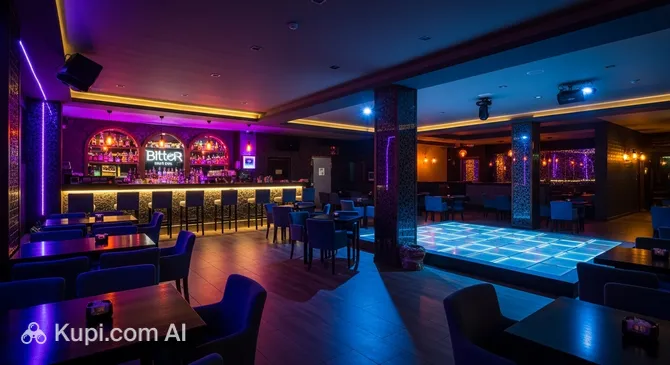
For a great start to the evening, you can enjoy a casual atmosphere at the Smoke House Bar & Grill, which is perfect for grabbing a drink and a bite before the night truly begins. As the hours pass, the crowd shifts towards venues with a more upbeat tempo. A fantastic spot to experience the local clubbing vibe is the Bitter Bistro Bar & Restaurant, known for its modern setting and extensive cocktail menu.

Bitter Bistro Bar & Restaurant. Source: Kupi.Binoculars

The atmosphere in the city's nightlife spots is generally smart-casual; locals take pride in their appearance, so dressing up a bit is recommended. The night starts relatively late here, with bars filling up around 10:00 PM and clubs hitting their peak well after midnight. Despite the high energy, the prices remain affordable compared to many Western European capitals, with beers typically costing a few euros and cocktails offering excellent value.

Getting around at night is straightforward. While public buses stop running around 11:00 PM, taxis are plentiful and affordable. It is best to use official yellow taxis with meters or reputable companies to ensure a fair fare. The city center and Blloku are very safe for walking at night, bustling with people and well-lit streets, though standard travel precautions should always be observed.

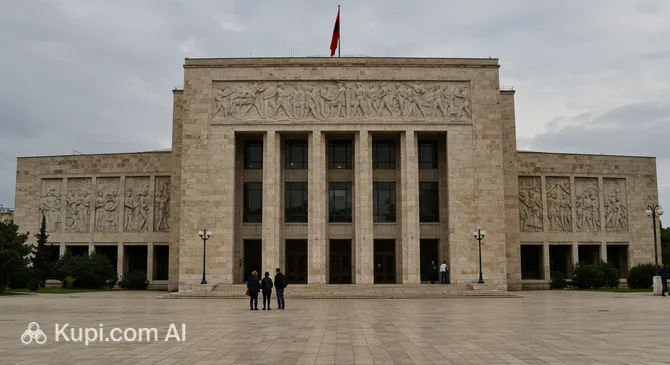
Beyond the party scene, the city offers a wealth of cultural and daytime entertainment. The iconic Palace of Culture on Skanderbeg Square is the premier venue for the arts, housing the National Theatre of Opera and Ballet, where you can catch world-class performances. For those who prefer a more relaxed afternoon, the Toptani Shopping Center provides a modern retail experience right in the heart of the city, perfect for leisurely browsing or enjoying a coffee with a view.

Parks & Museums

While Tirana is famous for its vibrant street life and colorful architecture, the city also offers refreshing green spaces and a wealth of cultural institutions that preserve its complex history. From tranquil parks in the city center to museums housed in former bunkers, the capital provides a fascinating mix of relaxation and education for every visitor.

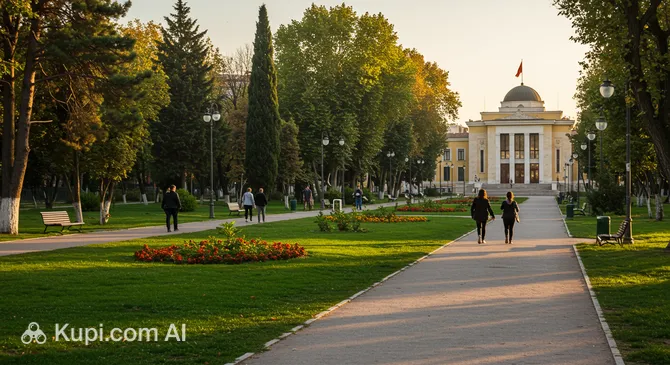
One of the most accessible green areas is Rinia Park, located just a short walk from the main square. Known locally as the "Youth Park," it serves as a central meeting point for residents and is home to the iconic "I Love Tirana" sign, which is a popular spot for photos. The park features shaded pathways and the distinctive Taiwan complex, making it an ideal place to take a break from sightseeing while still feeling the pulse of the city.

Rinia Park. Source: Kupi.Binoculars

For those willing to venture slightly further for nature, Mount Dajti National Park offers a spectacular escape. Accessible via the Dajti Ekspres cable car, the mountain provides panoramic views of the capital and a much cooler climate. It is a perfect destination for hiking, picnicking, or simply enjoying the fresh mountain air away from the urban bustle.

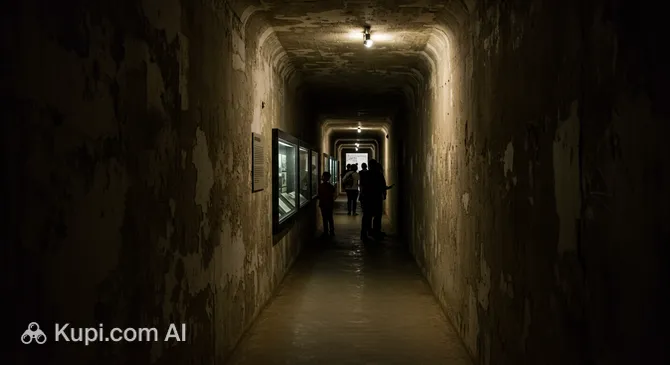
Tirana's museums are deeply tied to its political past. Bunk'Art 2 is a must-visit for history enthusiasts. Located in the center of the city near the Ministry of Internal Affairs, this museum is housed inside a preserved nuclear bunker. Unlike its larger counterpart on the outskirts, this site focuses specifically on the history of the Albanian police and the political persecution during the communist regime, offering an immersive and often moving experience.

Bunk'Art 2. Source: Kupi.Binoculars

Another significant cultural venue is the Palace of Culture. Dominating the eastern side of Skanderbeg Square, this massive building represents the socialist modernism era and serves as a major hub for the arts. It houses the National Library and the National Theatre of Opera and Ballet, hosting various performances and exhibitions that reflect the country's artistic heritage.

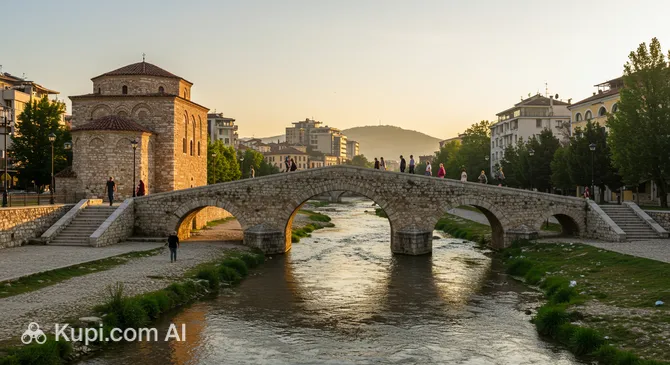
In terms of historical landmarks, Tanners' Bridge (Ura e Tabakëve) stands as a beautiful testament to the city's Ottoman origins. This 18th-century stone footbridge, with its elegant arches, was once part of the road connecting Tirana to the highlands. Today, it has been restored and sits near the Lana River, offering a striking contrast to the modern buildings surrounding it.

Tanners' Bridge. Source: Kupi.Binoculars

Visitors should also admire the Et'hem Bey Mosque, a masterpiece of architecture that survived the atheism campaigns of the late 20th century. Renowned for the intricate frescoes depicting nature scenes—a rarity in Islamic art—it remains an active place of worship and a symbol of religious resilience. For a lesser-known cultural treat, look out for the "Cloud" (Reja), a modern art installation by Sou Fujimoto located near the National Gallery, which serves as an open-air pavilion for events and social gatherings.

Getting Around

Public transport in Tirana is primarily reliant on a network of urban buses, as the city does not currently have a metro, tram, or trolleybus system. The bus network covers the city center and extends to the suburbs and major shopping centers. While the system is extensive, it can sometimes be affected by the city's heavy traffic, so it is wise to allow a little extra time for your journeys. For visitors, the most useful lines are the "Unaza" (Ring) line, which circles the city center, and the lines connecting to major hubs like the Student City or the TEG shopping mall.

The payment system is refreshingly simple and old-school, relying almost exclusively on cash. There are no complex travel cards, zones, or digital ticket machines at stops. Once you board the bus, a conductor (known locally as a fatorino) will move through the aisle to collect the fare and issue a paper ticket. The cost of a single journey is very affordable, typically set at 40 Lek (approx. €0.40). It is highly recommended to carry small change, as conductors may not always have change for large banknotes.

Buses generally operate from early morning, around 5:30 AM, until approximately 11:00 PM. Service frequency varies; on popular lines like the Ring line, buses arrive every 5 to 10 minutes during peak hours, while suburban lines may be less frequent. Stops are marked, but they do not always display detailed timetables, so using a navigation app like Google Maps or the local "Tirana Public Transport" app can be very helpful for planning your route and finding the nearest stop.

For those preferring a more direct and private mode of transport, taxis are a popular and reasonably priced alternative. Official taxis are yellow and are required to use a meter. Unlike in many other European capitals, global ride-sharing apps like Uber do not operate here. Instead, you can hail a cab on the street, find one at designated ranks, or use local apps and telephone services provided by companies like Speed Taxi or MerrTaxi. A typical ride within the city center usually costs between 300 and 600 Lek.

In recent years, the city has made significant efforts to become more bike-friendly, introducing dedicated bicycle lanes on major streets. You can rent bikes from the Ecovolis bike-sharing scheme, which has several stations around the city. This is an excellent way to explore the flat terrain of the city center at your own pace. Additionally, the city center is quite compact, making walking one of the best ways to get around and soak in the atmosphere.

A unique feature of the local transport landscape is the Dajti Ekspres, the longest cable car in the Balkans. While primarily a tourist attraction, it serves as a vital link to Mount Dajti, transporting passengers from the eastern edge of the city up to the mountain plateau in about 15 minutes. This journey offers not only a quick escape to nature but also breathtaking aerial views of the cityscape below.

Accommodation

Accommodation in Tirana has evolved significantly in recent years, offering a diverse range of options to suit every budget and travel style. Visitors can choose from lively backpacker hostels that encourage social interaction, comfortable mid-range hotels perfect for families, and high-end luxury resorts that provide top-tier amenities. Additionally, there is a growing market for private apartment rentals, which are ideal for travelers seeking a more home-like experience during their stay.

When choosing where to stay, location is key to experiencing the city's rhythm. The most convenient area for first-time visitors is the City Center, particularly around Skanderbeg Square, where most major museums and landmarks are within walking distance. For those who want to be in the heart of the action, the Blloku district is the place to be, surrounded by trendy cafes, restaurants, and vibrant nightlife. Alternatively, the area near the Grand Park offers a quieter, greener atmosphere while still being accessible to the main attractions.

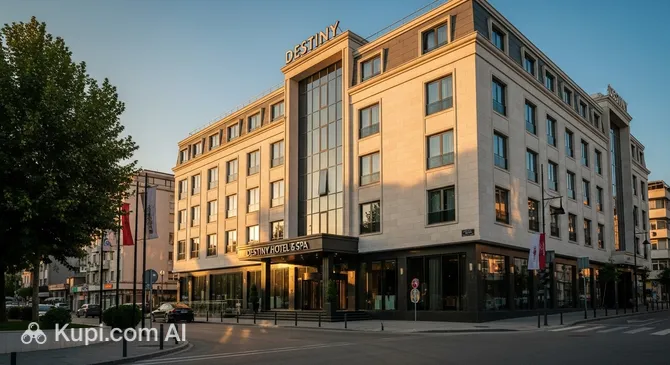
For travelers looking for a relaxing retreat with comprehensive facilities, the Destiny Hotel & Spa is a notable option. As a resort hotel, it caters to guests who wish to unwind with spa services and comfortable accommodations after a day of exploring the bustling capital.

Destiny Hotel & Spa. Source: Kupi.Binoculars

In terms of cost, the city is generally very affordable compared to many other European capitals. Budget travelers can find excellent value in hostels and guesthouses, while luxury experiences are available at a fraction of the price found elsewhere. It is highly recommended to book in advance, especially during the peak summer months of July and August, to secure the best rates and availability. Most accommodations can be easily reserved through major online booking platforms, though contacting smaller guesthouses directly can sometimes yield a better deal.

Nearby Cities

For those looking to explore the surroundings, Tirana serves as an excellent base for day trips to several interesting nearby locations:

City Population Distance (km)
Kamez1267778
Durres11324930
Elbasan7870333
Berat3649670
Lushnje3110544

One of the most popular destinations is Durrës, located on the Adriatic coast. Just a short drive away, it offers a mix of beach relaxation and rich history, featuring the largest Roman amphitheater in the Balkans and a fascinating archaeological museum. It is the perfect spot for travelers who want to combine cultural sightseeing with a refreshing sea breeze.

Further inland lies the UNESCO World Heritage site of Berat, often called the "City of a Thousand Windows." Famous for its well-preserved Ottoman architecture, white-washed houses climbing up the hillside, and a historic castle that is still inhabited today, it provides a picturesque and immersive glimpse into the country's heritage.

Another worthwhile stop is Elbasan, known for its massive castle walls and the historic King Mosque. It serves as a cultural junction between the capital and the southern regions, offering a quieter atmosphere for exploration compared to the bustling metropolis.

These nearby destinations offer a glimpse into the diverse culture and landscapes of the region.

Shopping & Souvenirs

Shopping in Tirana offers a delightful mix of the old and the new, reflecting the city's dynamic character. Visitors can wander through bustling traditional bazaars filled with local produce and handicrafts, or explore modern malls that offer international brands and entertainment. Whether you are looking for unique souvenirs, high-end fashion, or simply want to window shop, the capital has plenty of options to satisfy your retail cravings.

For a contemporary shopping experience right in the city center, the Toptani Shopping Center is the premier destination. This multi-story complex is not only a hub for fashion, electronics, and cosmetics but also an architectural landmark with its distinct façade. Inside, you will find a wide range of global and local brands, making it a convenient stop for travelers needing anything from clothing to travel essentials.

If you prefer a more traditional atmosphere, the New Bazaar (Pazari i Ri) is an absolute must-visit. This renovated market area is vibrant and colorful, offering everything from fresh fruits, vegetables, and spices to antiques and traditional Albanian souvenirs. It is the perfect place to buy local delicacies like olive oil, honey, and raki, or to pick up handmade textiles and ceramics while soaking in the lively local culture.

For those interested in artisanal products and boutique shops, the historic Tirana Castle provides a unique setting. Within the ancient walls of this fortress, the pedestrian walkways are lined with charming shops selling high-quality handicrafts, jewelry, and local food products. It is a more refined shopping experience where you can find authentic gifts that celebrate Albanian heritage.

Fashion enthusiasts should head to Myslym Shyri Street, often referred to as the city's most famous shopping avenue. Lined with trees, this street is packed with boutiques, shoe shops, and clothing stores ranging from affordable finds to designer labels. Another notable spot is the Taiwan Center, located in Rinia Park. While known for its restaurants and leisure facilities, it also contributes to the commercial vibrancy of the area, serving as a popular meeting point surrounded by greenery.

Reached the end of the page?

That means the route is fully explored