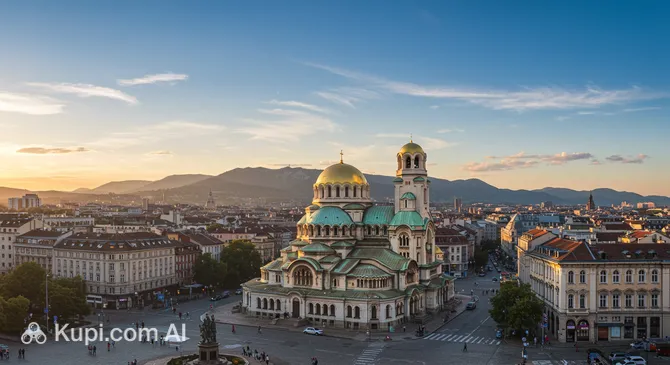
As the capital and largest city of Bulgaria, Sofia serves as the vibrant cultural and economic heart of the nation. Nestled in the Sofia Valley at the foot of the majestic Vitosha Mountain, the city offers a unique blend of urban energy and stunning natural beauty. With a population of over 1.5 million people, it is a bustling metropolis that manages to feel both cosmopolitan and welcoming, providing a perfect introduction to the Balkans.
Sofia. Illustration.
Source: Kupi.com AI
The city is one of the oldest in Europe, boasting a heritage that spans thousands of years. Visitors can delve into the fascinating history of Sofia by exploring its streets, where ancient Roman ruins sit harmoniously alongside Byzantine churches and modern architecture. This seamless mix of eras gives the city a distinct atmosphere that captivates history buffs and casual travelers alike.
Among its many highlights, the iconic St. Alexander Nevsky Cathedral stands out with its golden domes and impressive scale, symbolizing the city's spiritual significance. For a taste of modern life, the pedestrian-friendly Vitosha Boulevard is lined with lively cafes, restaurants, and boutiques, offering a great spot for people-watching. Additionally, the proximity of Vitosha Mountain allows for quick escapes into nature, making hiking and skiing accessible just a short drive from the city center.
Whether you are drawn by its archaeological treasures, its green parks, or its dynamic culinary scene, Sofia is a destination that promises a rich and memorable experience. It is a city that invites you to linger, explore, and discover its many hidden gems.
Weather Overview
Sofia experiences a humid continental climate with four distinct seasons, ensuring that the city offers a different atmosphere depending on when you visit. The weather in Sofia is generally characterized by warm summers and cold, snowy winters, with significant variations in temperature throughout the year.
Summers are typically pleasant without being scorching, as average maximum temperatures in July and August reach around 26°C. However, travelers should be prepared for precipitation in late spring and early summer; May and June are the wettest months, experiencing roughly 16 wet days each. In contrast, early autumn often brings stable conditions, with September and October being among the driest months, seeing only about 6 rainy days.
Winters transform the city with colder temperatures, particularly in January, which is the coldest month with an average temperature of -0.4°C and lows dropping to -4.4°C. Generally, you can expect warm summers with occasional rain showers and cold winters that are perfect for enjoying the nearby ski slopes.
Average monthly temperature
Average monthly precipitation
Interesting Facts
Beyond the main attractions, Sofia holds many fascinating secrets that reveal its deep layers of history and culture. From ancient ruins hidden in plain sight to unique architectural quirks, the city offers plenty of surprises for the curious traveler.
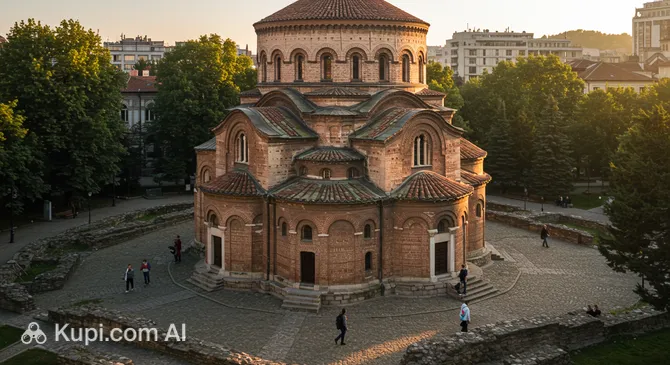
Church of St. George Rotunda. Illustration.
Source: Kupi.com AI
Traveler photos:
Sofia is home to the "Square of Religious Tolerance," a rare location where temples of four major religions stand within a few minutes' walk of each other. In this small area, you can find the Banya Bashi Mosque, the St. Nedelya Cathedral, a synagogue, and a Catholic cathedral, symbolizing the peaceful coexistence of different faiths.
The city sits atop a vast reservoir of hot mineral springs, a feature that attracted settlers thousands of years ago. Locals and visitors alike can fill bottles with free hot mineral water from the public fountains located near the Regional History Museum Sofia, which is housed in the beautiful former Central Mineral Baths building.
Hidden inside a courtyard surrounded by the Presidency and a hotel lies the Church of St. George Rotunda, the oldest preserved building in the city. Built by the Romans in the 4th century, this red-brick structure has witnessed the rise and fall of empires and remains an active church today.
The streets in the historic center are paved with distinctive yellow ceramic cobblestones, known as the "Yellow Brick Road." These were a wedding gift to the Bulgarian Prince Ferdinand I from the Austro-Hungarian ruling family in the early 20th century and are considered a symbol of the city's European modernization.
Sofia is one of the few European capitals with a massive mountain rising directly next to it. Vitosha Mountain is so close that you can reach its ski slopes and hiking trails via public transport in less than an hour, making it an integral part of the city's skyline and lifestyle.
How to Get There
Reaching the Bulgarian capital is convenient thanks to its well-connected transport hub and proximity to other major regional cities. Whether you are arriving by air or land, there are various options to suit your itinerary. You can find more details and all ways to reach the city on our dedicated page.
The most direct way to arrive is via Sofia Airport (IATA: SOF), which serves as the primary gateway to the country. It is a large international facility handling millions of passengers annually. Conveniently located just 6.9 km from the center, the journey to the heart of the city is quick, taking approximately 30 minutes by taxi or bus. This proximity makes it an excellent choice for travelers looking to minimize transit time.
If you are traveling through the wider Balkan region, you might consider alternative airports in neighboring countries. Nis Constantine the Great Airport (IATA: INI) is located in the city of Nis, Serbia, about 139 km from Sofia. A transfer from there by road would take approximately 3 hours and 50 minutes. Another option is Skopje Alexander the Great Airport (IATA: SKP) in Skopje, situated roughly 162 km away, with a travel time of around 4 hours and 25 minutes by car or bus.
For clarity, here is a summary of the main airports:
For those preferring rail travel or arriving from further afield, there are major railway hubs in the surrounding region, although they require a subsequent transfer to reach Sofia. The city of Sofia itself does not have the listed stations; instead, you can arrive at the Thessaloniki Railway Station in Thessaloniki, Greece, which is about 230 km away. From there, a taxi or bus ride to Sofia takes approximately 6 hours. Alternatively, travelers coming from the north might use Bucharest North Station in Bucharest, Romania, located 295 km away, with a transfer time of around 7 hours and 45 minutes.
Below is an overview of these regional railway stations:
Station
Passenger traffic
Distance
Thessaloniki Railway Station
—
230 km
Bucharest North Station
10 mln
295 km
Main Attractions
Sofia is a city where centuries of history coexist with modern urban life, offering visitors a diverse range of landmarks to explore. From grand religious monuments to expansive green spaces and cultural institutions, the main attractions reflect the capital's rich heritage and vibrant present.
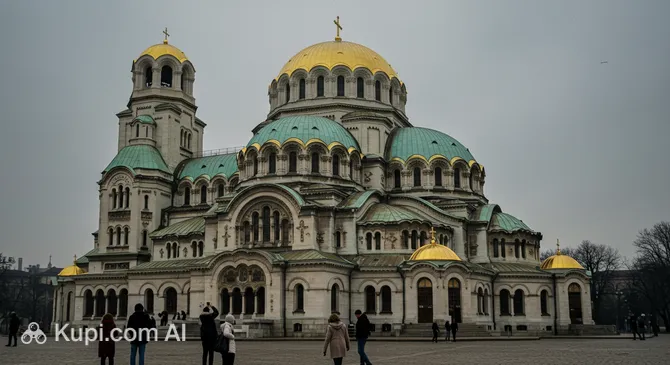
One of the most recognizable symbols of the city is the St. Alexander Nevsky Cathedral. This massive Neo-Byzantine structure is one of the largest Eastern Orthodox cathedrals in the world, capable of holding up to 10,000 worshippers. Tourists are drawn to its glittering gold-plated domes and the ornate interior, which features Italian marble, Brazilian onyx, and impressive murals. The crypt houses a fascinating collection of religious icons, offering a glimpse into Bulgaria's spiritual art history.
St. Alexander Nevsky Cathedral. Illustration.
Source: Kupi.com AI
Traveler photos:
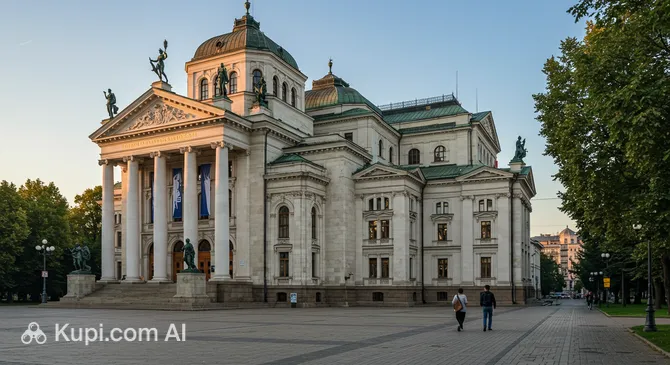
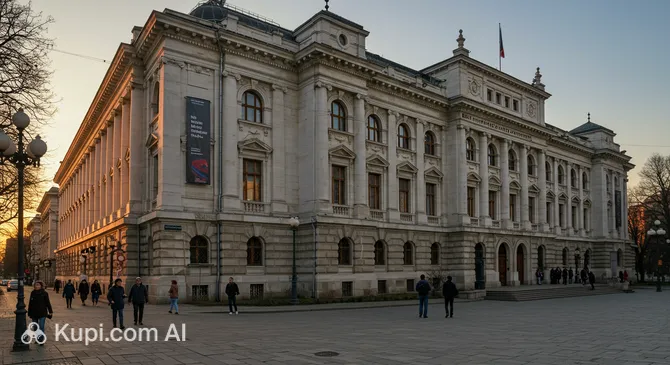
For admirers of architecture and the performing arts, the Ivan Vazov National Theatre is a must-visit. Located in the heart of the city facing the City Garden, this Neoclassical building is celebrated for its elegant facade adorned with gold leaf and statues of mythological figures. It is the oldest and most authoritative theatre in the country. The surrounding park, with its fountains and relaxed atmosphere, is a favorite gathering spot for locals and visitors alike.
Ivan Vazov National Theatre. Illustration.
Source: Kupi.com AI
Traveler photos:
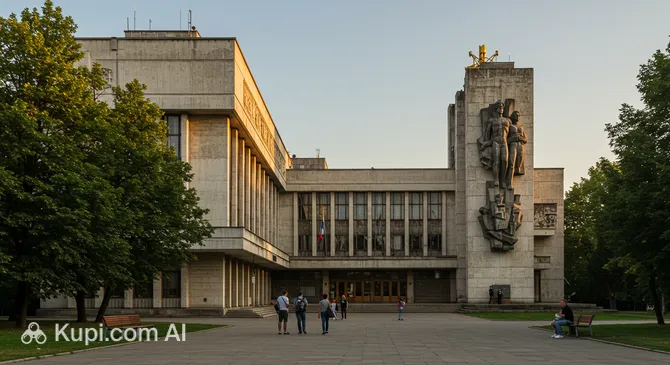
A striking example of modern history is the National Palace of Culture, known locally as NDK. This vast multifunctional conference and exhibition center is a landmark of socialist-era architecture, characterized by its hexagonal shape and imposing size. It serves as a major cultural hub, hosting concerts, festivals, and exhibitions year-round. The building is surrounded by a lively park filled with fountains and pedestrian pathways, making it a central point for social life in Sofia.
National Palace of Culture. Illustration.
Source: Kupi.com AI
Traveler photos:
Those interested in delving deeper into the region's past should visit the National Museum of History. Situated in the Boyana neighborhood at the foot of the mountain, the museum is housed in the former residence of the communist head of state. It contains a staggering collection of over 650,000 objects, including the world-famous Thracian gold treasures, medieval armor, and church plate, providing a comprehensive narrative of Bulgarian history from prehistory to the modern day.
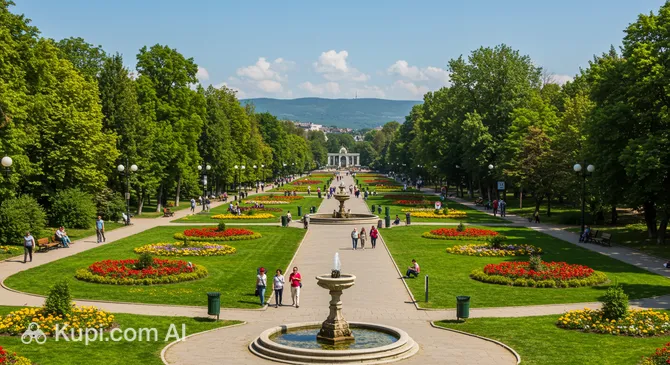
Finally, for a breath of fresh air, the Borisova Gradina Park offers a peaceful escape within the city limits. As the oldest and most well-known park in Sofia, it features secluded wooded paths, statues of prominent Bulgarians, and the scenic Lake Ariana. It is the perfect place for a leisurely stroll, a morning jog, or simply unwinding in nature without leaving the capital.
Local Cuisine
The culinary landscape of Sofia is a delightful journey through Bulgarian traditions, characterized by fresh ingredients, slow-cooked stews, and an abundance of flavor. The local cuisine relies heavily on vegetables, diverse dairy products—particularly the famous Bulgarian yogurt and white brine cheese (sirene)—and aromatic spices. Whether you are grabbing a quick bite from a street bakery or sitting down for a long dinner in a tavern, the food here is hearty and welcoming.
No meal in Sofia is complete without starting with a Shopska Salad. This national dish is a refreshing mix of chopped tomatoes, cucumbers, onions, and peppers, topped with a generous mound of grated sirene cheese. For breakfast or a snack on the go, Banitsa is the undisputed king. This pastry is made of layers of filo dough filled with whisked eggs and cheese, often paired with Ayryan, a savory yogurt drink. In the warmer months, locals cool down with Tarator, a cold soup made of yogurt, cucumbers, garlic, walnuts, and dill.
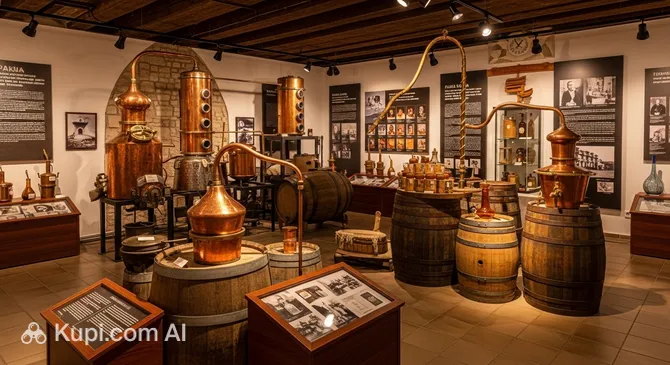
Meat lovers will appreciate the city's love for the grill. A "Meshana Skara" (mixed grill) platter typically features Kebapche (minced meat shaped into an oblong) and Kyufte (meatballs), often seasoned with cumin. To truly understand the local spirit, one must try Rakia, a strong fruit brandy that is traditionally consumed with the salad course. Visitors interested in the history of this drink can even visit the Rakia Museum to learn about its production and varieties.
Rakia Museum. Illustration.
Source: Kupi.com AI
Traveler photos:
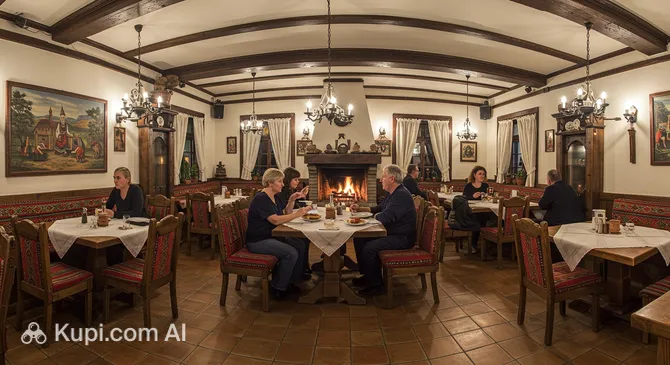
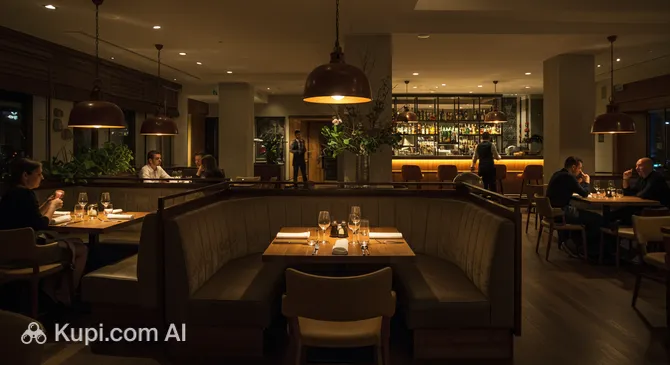
When it comes to dining out, Sofia offers a mix of traditional "mehana" style taverns and modern establishments. For an authentic experience with a focus on game and traditional recipes, the Staria Chinar Restaurant is a highly regarded choice among locals and tourists alike.
Staria Chinar Restaurant. Illustration.
Source: Kupi.com AI
Traveler photos:
For those seeking a more contemporary atmosphere or a place to relax during the day, the city has a vibrant cafe culture. Izzy's Coffee and Brunch is a perfect spot to recharge. If you are looking for upscale dining with a view, the Grand Hotel Millennium Sofia Restaurant offers exquisite cuisine. Finally, to end the night, you might explore the city's hidden gems like the 5L Speakeasy Bar for creative cocktails.
Travel Tips
Welcome to Sofia! To ensure your trip to this historic Balkan capital is as smooth and enjoyable as possible, we have compiled a list of essential practical advice to help you navigate the city with ease.
Clothing and Gear: The climate varies significantly by season, so check the forecast; winters can be snowy and cold, requiring warm layers and sturdy boots, while summers are often hot. Comfortable walking shoes are essential, especially for the city's iconic yellow cobblestones, which can be surprisingly slippery when wet. If you plan to visit religious sites like the Alexander Nevsky Cathedral, remember to dress modestly by covering your shoulders and knees.
Transportation: The Sofia Metro is the most efficient and affordable way to get around, connecting the airport directly to the city center. Trams and buses complement the network well, but ensure you validate your ticket or pay via contactless card immediately upon boarding. Taxis are inexpensive, but to avoid scams, use reputable apps like TaxiMe or Yellow Taxi rather than hailing random cars on the street.
Finances: The local currency is the Bulgarian Lev (BGN), which is pegged to the Euro. While credit cards are widely accepted in hotels, malls, and most restaurants, you will need cash for small shops, souvenir stalls, and some museums. ATMs are plentiful, and it is customary to leave a tip of around 10% for good service in dining establishments.
Health and Safety: Sofia is generally a very safe European capital, but standard precautions against pickpockets should be taken in crowded areas and on public transport. Pharmacies, often marked with a green cross, are easy to find, and many in the center operate 24/7. For any emergency, dial 112, which works for police, ambulance, and fire services.
Communication: The official language is Bulgarian, written in the Cyrillic alphabet. While English is widely spoken by younger people and in tourist areas, learning a few phrases like "Dobar den" (Good day) and "Blagodarya" (Thank you) is greatly appreciated. Free Wi-Fi is common in cafes and public parks, and local SIM cards are cheap and easy to set up.
Local Etiquette: Be aware of a potentially confusing local quirk: historically, Bulgarians shake their head for "Yes" and nod for "No". While many locals now adapt to international standards for tourists, pay attention to verbal cues to avoid misunderstandings. A firm handshake is the standard greeting, and hospitality is taken seriously here.
What to Avoid: Avoid exchanging money at airport booths or random street exchange offices with "zero commission" signs that offer poor rates; stick to banks or reputable chains. Also, try not to discuss sensitive political topics or compare the country unfavorably to its neighbors, as locals are proud of their distinct heritage.
Local Insight: Don't buy bottled water constantly; instead, bring a reusable bottle and fill it up for free at the mineral water springs located near the Central Mineral Baths. The water flows hot and is rich in minerals, and joining the locals in this daily ritual is a unique Sofia experience.
With these practical tips in hand, you are fully prepared to explore the vibrant streets of Sofia. Immerse yourself in the local culture, enjoy the relaxed pace of life, and make the most of your Bulgarian adventure!
Entertainment & Nightlife
As the sun sets over Vitosha Mountain, Sofia transforms into a vibrant hub of evening entertainment, offering a nightlife scene that rivals many Western European capitals but at a fraction of the cost. The city caters to all tastes, from laid-back craft beer bars and sophisticated cocktail lounges to underground clubs and pulsating dance floors. The atmosphere is generally relaxed and unpretentious, with a "come as you are" attitude prevalent in most venues, although some upscale clubs may enforce a smart-casual dress code.
The heart of the action is undoubtedly the city center. While the main pedestrian strip, Vitosha Boulevard, is perfect for an early evening drink, the real gems are found in the side streets. Areas like Tsar Shishman Street, Angel Kanchev Street, and Rakovski Street are densely packed with trendy bars and speakeasies. For a younger, wilder crowd, the district of Studentski Grad (Student City) is legendary; located about 15 minutes from the center, it is home to a high concentration of large clubs playing everything from house music to the local pop-folk genre known as "chalga."
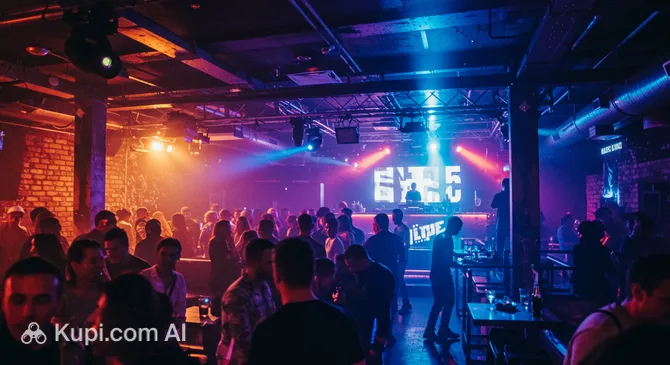
For music lovers seeking an alternative vibe, Mixtape 5 is a cult favorite. Located in the underpass near the "Bridge of Lovers" by the National Palace of Culture, this club is famous for its eclectic program, hosting everything from live rock and hip-hop gigs to themed DJ nights. It is a spacious venue that attracts a diverse and friendly crowd, making it a great place to experience the local underground culture.
Mixtape 5. Illustration.
Source: Kupi.com AI
Traveler photos:
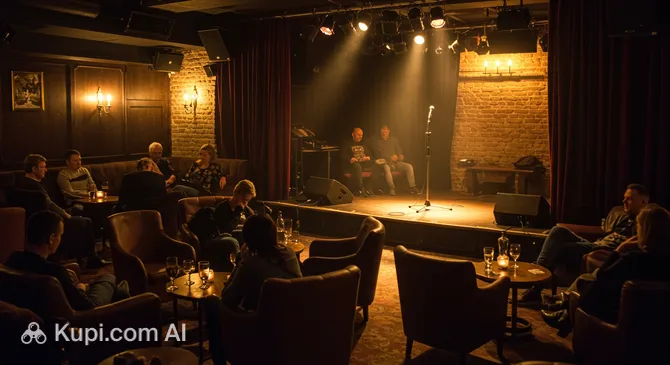
If you prefer laughter to loud music, the city has a thriving comedy scene. The Comedy Club Sofia Original Room is the premier spot for stand-up comedy in the country. It frequently hosts top Bulgarian comedians and often features English-language showcases, providing a fantastic night out for tourists who want to get a sense of local humor in a cozy, club-style setting.
Comedy Club Sofia Original Room. Illustration.
Source: Kupi.com AI
Traveler photos:
For large-scale entertainment, such as major concerts by international stars or sporting events, Arena Sofia is the largest multifunctional hall in the city. Checking their schedule before your trip is highly recommended, as you might catch a world-class performance during your stay.
Practical Advice for Night owls:
Timing: Bars typically get busy around 9:00 PM to 10:00 PM, while nightclubs don't really kick off until after midnight and often stay open until sunrise.
Prices: Sofia is very affordable. A beer usually costs between 2-4 EUR, and cocktails range from 6-10 EUR. Cover charges for clubs are modest, rarely exceeding 10 EUR.
Safety & Transport: The city center is generally safe to walk around at night, but it is always wiser to take a taxi for longer distances. Avoid hailing cabs from the street; instead, use reputable apps like TaxiMe or Yellow Taxi to ensure fair rates.
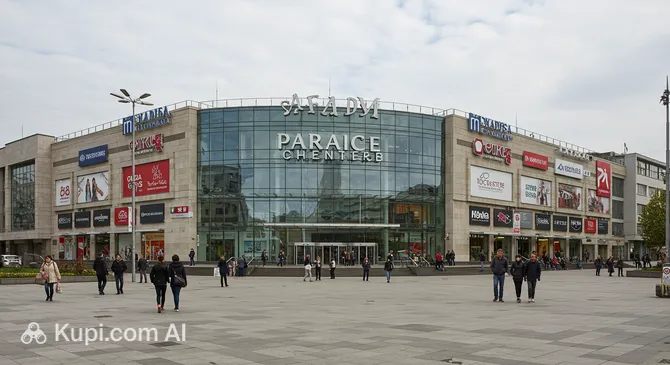
While nightlife is a major draw, Sofia offers plenty of daytime diversion as well. Families and nature lovers can spend a relaxing afternoon at the Sofia Zoo, which is the oldest and largest in the Balkans. For those who prefer retail therapy combined with entertainment, the Paradise Center is a massive lifestyle mall featuring a cinema, an indoor amusement park, and a rooftop terrace with stunning mountain views.
Paradise Center. Illustration.
Source: Kupi.com AI
Traveler photos:
Parks & Museums
Parks & Museums:
Sofia is widely recognized as one of the greenest capitals in Europe, offering a refreshing balance between urban development and natural spaces. Beyond its parks, the city boasts a diverse array of museums that cover everything from ancient history and military prowess to science and art, ensuring there is something to spark every visitor's curiosity.
Housed in the breathtaking building of the former Central Mineral Baths, the Regional History Museum Sofia is a masterpiece of early 20th-century architecture. While the exterior is famous for its colorful ceramic mosaics and mineral fountains, the interior holds a fascinating collection dedicated to the city's development. Visitors can admire the elegant "Golden Carriage" of the royal family, a retro tram from the early 1900s, and various artifacts that tell the story of Sofia's transformation into a modern European capital.
Regional History Museum Sofia. Illustration.
Source: Kupi.com AI
Traveler photos:
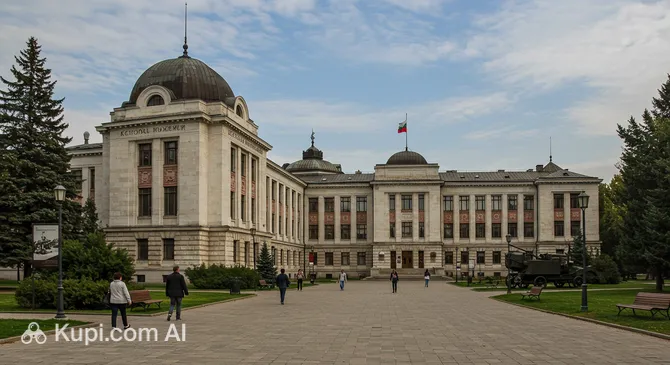
For those interested in military history, the National Museum of Military History offers an extensive look at the Bulgarian army's past. The museum features a rich indoor collection of uniforms, medals, and personal belongings of revolutionary heroes. However, the highlight for many is the impressive outdoor exposition, which displays tanks, artillery, helicopters, and missile launchers used throughout the 20th century. It is a compelling stop for history buffs and technology enthusiasts alike.
National Museum of Military History. Illustration.
Source: Kupi.com AI
Traveler photos:
A more specialized but intriguing institution is the Museum of Socialist Art. This venue provides a window into the totalitarian era of Bulgaria (1944–1989). The garden is filled with statues of communist leaders and workers that were removed from public squares across the country, including the giant red star that once topped the Party House in the center of Sofia. Inside, you can view paintings and propaganda films that help contextualize this complex period in the nation's history.
Museum of Socialist Art. Illustration.
Source: Kupi.com AI
Traveler photos:
Families traveling with children should not miss Muzeiko, the largest children's science center in Eastern Europe. Designed to be fully interactive, it encourages kids to learn through play with exhibits focused on astronomy, archaeology, and ecology. It is a colorful and energetic space where young explorers can touch, experiment, and discover the world around them.
When you need a break from indoor sightseeing, South Park (Yuzhen Park) provides a perfect escape. Unlike the more formal Borisova Gradina, this park has a wilder, more relaxed feel. It is a favorite among locals for its vast open meadows, ponds, and dense woodlands. The park offers some of the best views of Vitosha Mountain, making it an ideal spot for a picnic, a bike ride, or simply watching the sunset over the city skyline.
South Park. Illustration.
Source: Kupi.com AI
Traveler photos:
Getting Around
Navigating Sofia is remarkably easy and affordable thanks to its comprehensive public transport network, which is managed by the Urban Mobility Centre. The system is anchored by the Sofia Metro, a modern and rapidly expanding underground railway that connects the airport, the central railway station, and major residential areas with the city center. It is clean, efficient, and often the fastest way to travel across town. Complementing the metro is a dense web of buses, trolleybuses, and trams that cover virtually every corner of the city, including the suburban neighborhoods at the foot of the mountain.
The payment system has been significantly modernized in recent years to accommodate visitors. The most convenient option for tourists is the contactless payment method: you can simply tap your contactless VISA or Mastercard debit/credit card (or smartphone via Apple Pay/Google Pay) directly on the blue validators located inside buses, trams, and at metro turnstiles. The system automatically calculates the best fare for you; if you travel more than three times in a day using the same card, the total cost is capped at the price of a daily pass (approx. 4 BGN), offering unlimited travel for the rest of the day.
For those who prefer traditional tickets, you can purchase the Sofia City Card or paper tickets with a QR code from ticket offices at metro stations and some street kiosks. Fares are time-based: the standard "30-plus" ticket allows transfers within 30 minutes, while the "60-plus" ticket extends that window to an hour. Always remember to validate your ticket or tap your card immediately upon boarding surface transport or entering the metro; ticket inspectors circulate frequently, and fines for irregular passengers are strictly enforced.
Public transport generally operates from around 5:00 AM to midnight. For late-night adventures, there is a dedicated night bus service consisting of four lines (N1, N2, N3, and N4) that intersect in the city center, running from approximately 11:30 PM to 4:00 AM. This makes getting home after a night out both safe and inexpensive compared to other European capitals.
If you prefer a more direct route, taxis are a popular alternative and are quite reasonably priced. Official taxis are yellow and must have a meter; to ensure safety and avoid overcharging, it is highly recommended to order one via reputable apps like TaxiMe or Yellow Taxi rather than hailing one off the street. Additionally, Spark, an electric car-sharing service, is widely available and popular among locals, allowing you to rent a vehicle through a mobile app and park for free in the city's paid zones.
A unique feature of the city's transport is its accessibility to nature. Specific bus lines, such as Bus 66, serve as "hiking buses," taking passengers from the urban center directly up to the Vitosha Mountain ski slopes and hiking trails in under an hour. Furthermore, tram enthusiasts will appreciate the city's mix of modern and historic rolling stock; taking a ride on a tram through the cobblestoned streets of the center offers a nostalgic and scenic way to sightsee.
Accommodation
Finding the perfect place to stay in Sofia is a seamless experience, as the city offers a diverse array of accommodation options to suit every travel style and budget. Compared to many Western European capitals, visitors often find that high-quality lodging here is excellent value for money, allowing for a touch of luxury or a longer stay without stretching the wallet.
For those who wish to be at the center of cultural life, the downtown area near Vitosha Boulevard and the Serdika archaeological complex is the most convenient choice. Staying here places you within walking distance of the main historical landmarks, museums, and a vibrant street scene. The city center features a mix of grand, historic hotels that exude old-world charm and modern boutique establishments tucked away on quiet side streets.
Travelers seeking modern luxury and sweeping views often prefer the districts around the National Palace of Culture (NDK) and Lozenets. These areas are home to impressive high-rise hotels that cater to business travelers and leisure guests alike. Some of these establishments are destinations in themselves, hosting world-class amenities and dining venues. For example, guests can enjoy exquisite cuisine at the Grand Hotel Millennium Sofia Restaurant, located within one of the city's most striking contemporary hotel towers, offering panoramic vistas of the skyline.
Grand Hotel Millennium Sofia Restaurant. Illustration.
Source: Kupi.com AI
Traveler photos:
If your itinerary focuses on relaxation or outdoor activities, consider the neighborhoods at the foot of Vitosha Mountain, such as Boyana or Dragalevtsi. These locations offer a peaceful retreat from the urban bustle, with fresh mountain air and easy access to hiking trails and ski slopes. A notable option in this category is the Earth & People Hotel & SPA, which specializes in wellness and provides a resort-like atmosphere just a short drive from the city center.
Earth & People Hotel & SPA. Illustration.
Source: Kupi.com AI
Traveler photos:
Budget-conscious travelers are also well served, with a wide selection of hostels, guest houses, and serviced apartments available throughout the city. Regardless of where you choose to stay, the warm Bulgarian hospitality ensures a welcoming and comfortable experience.
Nearby Cities
For those looking to explore the surroundings, Sofia serves as an excellent base for day trips to several interesting nearby locations:
Just a short drive west lies Pernik, a city with a rich industrial heritage and a vibrant cultural scene. It is most famous for hosting the International Festival of Masquerade Games "Surva," which brings ancient folklore traditions to life. Visitors can also explore the unique Underground Mining Museum or climb up to the medieval Krakra Fortress for panoramic views.
To the north, nestled at the foothills of the Balkan Mountains, is Vratsa. This town is a paradise for nature lovers and climbers, serving as the gateway to the stunning Vratsata Gorge, which features the highest vertical limestone cliffs in the Balkans. The nearby Ledenika Cave offers a fascinating underground adventure, while the town itself houses an impressive history museum.
Heading south, travelers will find Blagoevgrad, a lively university town known for its youthful energy and the beautifully preserved Varosha quarter. Walking through its cobbled streets, you can admire traditional Revival-period architecture and visit the Church of the Presentation of the Virgin. It is also a convenient stop on the way to the famous Rila Monastery.
City
Population
Distance
Novi Iskar
13 574
12 km
Bankya
11 358
14 km
Kostinbrod
11 432
15 km
Pernik
97 181
25 km
Radomir
13 209
34 km
These nearby destinations offer a glimpse into the diverse culture and landscapes of the region.
Shopping & Souvenirs
Shopping in Sofia offers a delightful mix of modern European trends and traditional Balkan charm. The city has rapidly developed into a shopping destination where visitors can find everything from high-end international designer brands to unique local handicrafts. Prices are generally more affordable compared to Western Europe, making it an attractive place to update your wardrobe or hunt for one-of-a-kind treasures. Whether you prefer browsing through glossy shopping centers or exploring quirky boutiques on side streets, the capital has something to satisfy every taste and budget.
The heart of the city's retail scene is undoubtedly Vitosha Boulevard. This pedestrianized thoroughfare is not only the main promenade for a leisurely stroll but also a hub for premium shopping. Lined with fashion boutiques, shoe stores, and souvenir shops, it offers a vibrant atmosphere with a view of the mountain. For a more bohemian experience, head to the nearby Tsar Shishman Street and Graf Ignatiev Street. These areas are perfect for finding independent bookstores, handmade jewelry, and small galleries selling works by local artists.
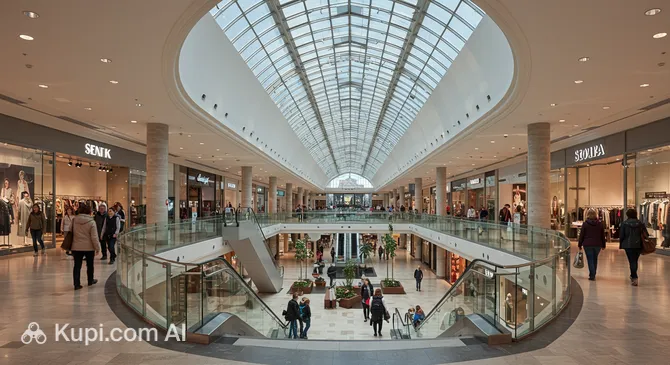
For those who prefer the convenience of having everything under one roof, Sofia boasts several world-class shopping malls. One of the most popular destinations for fashion lovers is the Serdika Center. Known for its extensive selection of international clothing brands and focus on the retail experience, it is a favorite for serious shoppers looking for the latest collections.
Serdika Center. Illustration.
Source: Kupi.com AI
Traveler photos:
Another major player in the retail landscape is the massive Paradise Center. As one of the largest malls in the Balkans, it combines shopping with leisure, featuring a vast array of stores alongside entertainment facilities. It is an excellent spot to spend a rainy afternoon, offering everything from electronics and home goods to global fashion chains.
To experience the authentic local lifestyle, a visit to the city's markets is essential. The Ladies' Market (Zhenski Pazar) is the oldest and largest open-air market in Sofia. Located near the Lion's Bridge, it is a bustling hive of activity where you can buy fresh seasonal fruits, vegetables, local honey, and spices at very low prices. It captures the raw energy of the city and offers a glimpse into the daily lives of the locals.
When it comes to souvenirs, Bulgaria is world-famous for its rose oil production. You can find rose-scented cosmetics, perfumes, and soaps in almost every souvenir shop. Other authentic gifts include Troyan pottery, characterized by its distinctive colorful patterns, and traditional embroidered tablecloths. For art lovers, hand-painted Orthodox icons are a meaningful keepsake that reflects the country's spiritual heritage.
Most shopping malls in Sofia are open daily from 10:00 AM to 10:00 PM, providing ample time for evening browsing. High street shops typically operate from 10:00 AM to 7:00 or 8:00 PM, though some smaller boutiques may close on Sundays. Credit and debit cards are widely accepted in malls and larger stores, but it is advisable to carry cash (Bulgarian Lev) when visiting outdoor markets or purchasing small items from street vendors.
Visitors from outside the European Union may be eligible for tax-free shopping. If you purchase goods from a store displaying the "Tax Free" sign and the total amount exceeds a certain threshold (usually around 250 BGN), you can ask for a VAT refund form. Be sure to present your passport at the checkout and process the documents at the airport upon departure.