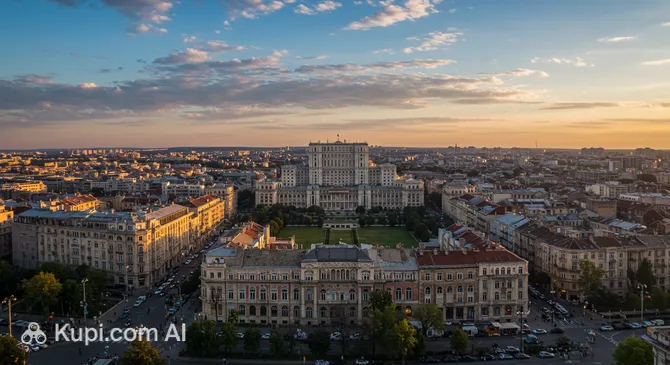
Welcome to Bucharest, a dynamic metropolis that seamlessly blends old-world elegance with modern energy. Often referred to as the "Little Paris of the East" due to its wide boulevards and Belle Époque architecture, this vibrant capital offers a unique atmosphere where history meets contemporary urban life.
Situated in the southeastern part of Romania, the city lies on the banks of the Dâmbovița River. It is the most populous city in the country, with over 1.8 million residents, serving as the nation's cultural, industrial, and financial heart. The climate here is continental, characterized by warm summers and distinct seasons that paint the city's numerous parks in ever-changing colors.
To truly understand the spirit of this place, it is worth exploring the fascinating history of Bucharest, which tells the story of its transformation from a medieval fortress to a bustling European capital.
Bucharest. Illustration.
Source: Kupi.com AI
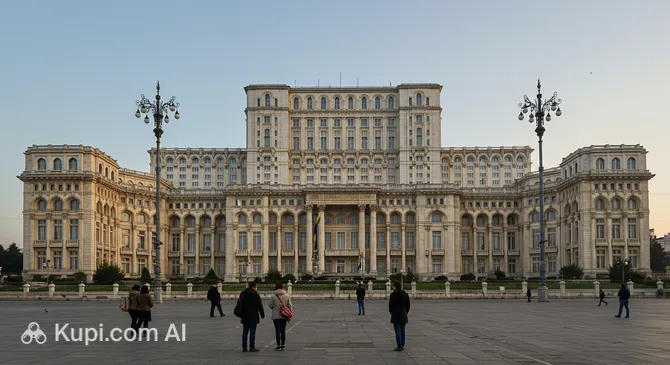
Travelers are drawn to the city's impressive landmarks, most notably the colossal Palace of the Parliament, which stands as the second-largest administrative building in the world. For a more intimate experience, the cobbled streets of the Old Town (Lipscani) are perfect for wandering among lively cafes, art galleries, and historical ruins. Another jewel is the Romanian Athenaeum, a stunning concert hall that symbolizes the city's rich artistic heritage.
Whether you are admiring its eclectic architecture or enjoying its vibrant nightlife, Bucharest invites you to discover its many hidden gems. It is a destination that promises to surprise and delight every visitor.
Weather Overview
The city experiences a continental climate characterized by four distinct seasons, ranging from hot summers to chilly winters. To help you pack appropriately for your trip, it is helpful to review the current weather in Bucharest before you go.
During the summer months, particularly in July and August, the city heats up significantly, with average temperatures around 25°C and daily highs often reaching 31°C. However, June is typically the wettest month, recording about 13 days with precipitation, so an umbrella might be handy if you visit early in the season.
In contrast, winters are cold, with January seeing average lows dropping to -2.1°C. The transition seasons of spring and autumn are generally milder; September is particularly pleasant and dry, with only about 4 wet days. Overall, expect hot summers with occasional rain and cold winters.
Average monthly temperature
Average monthly precipitation
Interesting Facts
Beyond the main attractions, Bucharest holds many fascinating secrets and records that often escape the casual observer. Digging a bit deeper reveals a city of surprising contrasts and hidden history that goes far beyond its "Little Paris" nickname.
Palace of Parliament. Illustration.
Source: Kupi.com AI
Traveler photos:
The colossal Palace of Parliament holds the Guinness World Record for being the heaviest building on the planet. Constructed with 700,000 tonnes of steel and bronze, along with a million cubic meters of marble, it is a staggering feat of engineering that is actually sinking slightly into the ground each year due to its sheer weight.
Commuters at the Politehnica metro station often walk on history without realizing it. The station's unique pink marble floor is embedded with authentic fossils of marine organisms that are over 80 million years old, extracted from the Apuseni Mountains.
The city's documented history begins with a legendary figure. The very first written mention of Bucharest dates back to 1459 in a document issued by Vlad the Impaler. The real-life prince, who inspired the Dracula myth, established a fortress here to defend the region.
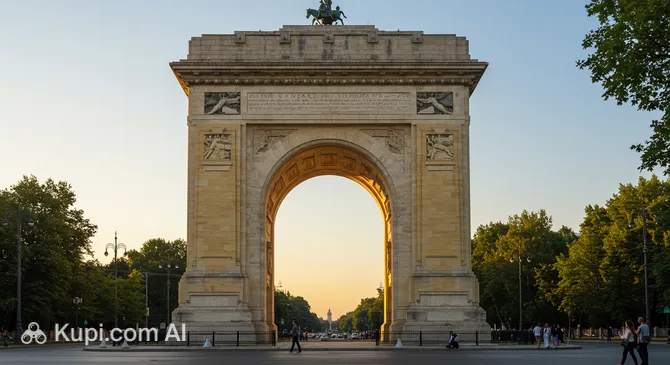
While the Arch of Triumph is a symbol of national pride today, the original version was actually a temporary wooden structure built hurriedly in 1878 so victorious troops could march under it. The imposing granite monument seen today was only completed much later, in 1936.
How to Get There
Reaching the Romanian capital is straightforward due to its status as a major European transport hub. Whether you prefer flying or taking the train, the city is well-connected to international and domestic networks. You can find more about how to get to Bucharest and explore the various travel options available to plan your trip effectively.
The most convenient entry point for air travelers is Bucharest Henri Coanda International Airport (IATA: OTP). Situated approximately 16 km from the city center, it is the country's largest and busiest international airport. A journey by taxi or bus from here typically takes around 45 minutes, depending on traffic conditions. For those exploring alternative routes, you might fly into Brașov-Ghimbav International Airport (IATA: GHV). However, please note that this airport is located in the city of Codlea, about 149 km from Bucharest, requiring a transfer by train or car. Another option is Craiova Airport (IATA: CRA) in Craiova, roughly 177 km away.
For clarity, here is a summary of the main airports:
If you prefer traveling by rail, the city is served by Bucharest North Station, the primary railway hub for the region. Located just over 3 km from the city center, it offers excellent accessibility for visitors. As a major station with high passenger volume, it connects the capital to numerous destinations across Romania and Europe. Other regional stations like Buzau Railway Station are significantly farther away, with Buzau being approximately 98 km from Bucharest, making North Station the clear choice for direct arrivals.
Below is a list of relevant railway stations:
Station
Passenger traffic
Distance
Bucharest North Station
10 mln
3 km
Buzau Railway Station
—
98 km
Focșani Railway Station
—
165 km
Mărășești Railway Station
—
183 km
Adjud Railway Station
—
204 km
Izmail Railway Station
—
239 km
Main Attractions
Bucharest offers a diverse array of sights, ranging from architectural marvels of the Belle Époque to serene green spaces and fascinating museums. Exploring these landmarks provides a deeper understanding of the city's cultural heritage and its vibrant daily life.
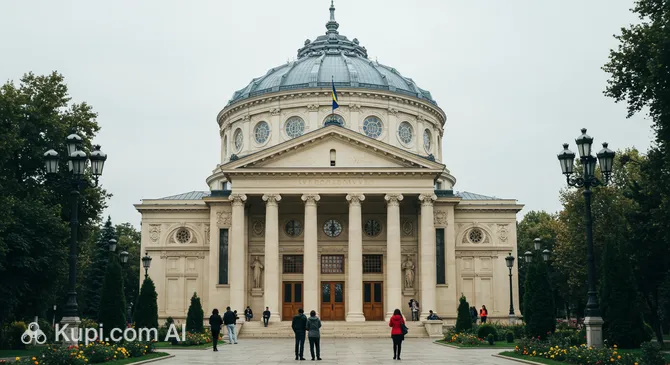
One of the city's most emblematic landmarks is the Romanian Athenaeum. Opened in 1888, this majestic concert hall is a masterpiece of Neoclassical architecture with Romantic touches. It serves as the home of the George Enescu Philharmonic and is renowned worldwide for its exceptional acoustics. Tourists are captivated by its ornate dome and the impressive fresco inside the main hall, which depicts the history of the Romanian people. It stands as a symbol of national culture and artistic excellence.
Romanian Athenaeum. Illustration.
Source: Kupi.com AI
Traveler photos:
For a peaceful escape in the heart of the city, the Cismigiu Gardens are a perfect choice. As the oldest public garden in Bucharest, designed in the style of an English park, it offers a romantic atmosphere with winding paths, ancient trees, and a central lake. Visitors can rent rowboats in the summer or enjoy the skating rink in the winter. It is a favorite spot for locals to relax, making it an excellent place to observe the authentic rhythm of Bucharest life.
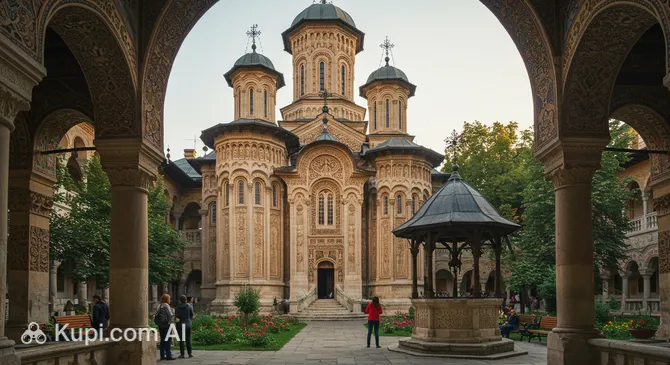
Hidden within the bustling Old Town is the Stavropoleos Monastery Church, a tiny but breathtaking architectural gem. Built in 1724, it is a brilliant example of the Brâncovenesc style, characterized by intricate stone carvings and floral motifs. Despite its small size, the church and its quiet, charming courtyard offer a spiritual and aesthetic sanctuary away from the noise of the nearby streets. It is widely considered one of the most beautiful religious buildings in the city.
Stavropoleos Monastery Church. Illustration.
Source: Kupi.com AI
Traveler photos:
Families and science enthusiasts should not miss the Grigore Antipa National Museum of Natural History. This prestigious institution is famous for its well-preserved dioramas that showcase diverse ecosystems from Romania and around the world. The museum houses an impressive collection of fossils, minerals, and zoological exhibits, including a complete skeleton of a Deinotherium gigantissimum. It provides an engaging and educational experience that highlights the richness of the natural world.
Local Cuisine
The culinary landscape of Bucharest is a delicious reflection of its diverse history, blending hearty Balkan traditions with Turkish influences and a touch of French sophistication. The local food scene is vibrant and flavor-packed, centered around fresh, locally sourced ingredients and generous portions. Whether you are dining in an elegant restaurant or grabbing a quick bite from a street stall, you will find that Romanians take great pride in their gastronomy.
No visit to the city is complete without tasting sarmale, the unofficial national dish consisting of minced meat and rice rolled in pickled cabbage leaves. These are typically slow-cooked to perfection and served with a side of creamy polenta (mămăligă) and sour cream. Another absolute must-try is mici (or mititei), small skinless grilled sausages made from a mixture of beef, lamb, and pork, seasoned heavily with garlic and spices. These are the undisputed kings of Romanian street food, best enjoyed hot off the grill with mustard and fresh bread.
Soups hold a special place in the local diet and are usually eaten as a starter at lunch. Ciorbă is a distinct type of sour soup, with Ciorbă de burtă (tripe soup) being a creamy, garlic-infused favorite among locals. For dessert, you simply cannot miss papanași, a decadent fried doughnut shaped like a sphere with a smaller sphere on top, smothered in sour cream and fruit jam, usually blueberry or sour cherry.
To wash down these hearty meals, locals often start with a shot of țuică or pălincă, a potent plum brandy that is traditionally believed to aid digestion. Romania is also a significant wine producer, so be sure to try local grape varieties like Fetească Neagră. For a refreshing non-alcoholic option, look for socată, a traditional sweet drink made from fermented elderflowers, which is especially popular during the warmer months.
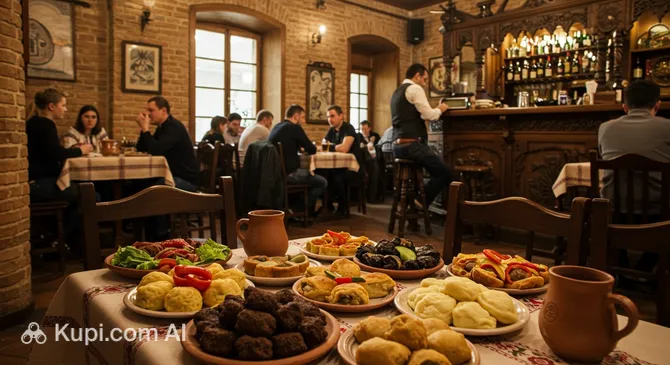
The city offers a wide range of dining experiences, from the bustling food stalls at Obor Market, where you can find the freshest produce and authentic street food, to the chic bistros of the Old Town. For a truly atmospheric meal steeped in history, you can visit Manuc's Inn. This historic caravanserai serves authentic traditional dishes in a stunning courtyard setting, transporting diners back to the 19th century.
Manuc's Inn. Illustration.
Source: Kupi.com AI
Traveler photos:
Beyond traditional fare, Bucharest has developed a thriving modern food culture. The city is dotted with specialty coffee shops and contemporary restaurants that reinterpret classic recipes. Places like Origo have become landmarks for coffee lovers, showcasing the city's rapid evolution into a trendy European capital while keeping its rich culinary heritage alive.
Travel Tips
Preparing for a trip to Bucharest is exciting, but a little local know-how goes a long way in ensuring a smooth experience. Here are some practical tips to help you navigate the Romanian capital with ease and confidence.
Clothing and Gear: The city has four distinct seasons, so pack accordingly: light, breathable fabrics are essential for the hot summers, while heavy coats and layers are necessary for the freezing winters. Since you will likely do a lot of walking, especially on the uneven cobblestones of the Old Town, bring sturdy, comfortable shoes. If you plan to enter Orthodox churches, remember to dress modestly by covering your shoulders and knees.
Transportation: The Metro is the most efficient way to get around and bypass the city's notorious surface traffic. For direct trips, ride-hailing apps like Uber and Bolt are highly recommended over hailing random street taxis, as they are affordable, transparent, and safe. Avoid renting a car for city exploration; finding parking is extremely difficult, and driving styles can be aggressive.
Finances: Romania's currency is the Romanian Leu (RON), not the Euro. While credit cards are widely accepted in hotels, restaurants, and supermarkets, it is wise to carry some cash for small vendors, ticket kiosks, or tips. Tipping is customary in Romania; leaving about 10% of the bill is standard for good service in restaurants and for taxi drivers.
Health and Safety: Bucharest is generally a safe European capital, but you should exercise standard precautions against pickpockets in crowded areas like the Old Town (Lipscani) and on public transport. Pharmacies (marked Farmacia) are abundant, and many have 24/7 locations for minor health needs. For any serious emergencies, the universal number is 112.
Communication: The official language is Romanian, a Romance language related to Italian and French. English is widely spoken, especially by the younger generation and in the tourism sector, so you will rarely face language barriers. Free Wi-Fi is available in many parks and cafes, but buying a local prepaid SIM card (e.g., Orange, Vodafone) is cheap and ensures you have maps and translation apps handy.
Local Etiquette: Romanians are generally polite and hospitable. A firm handshake is a standard greeting. It is polite to say "Bună ziua" (Good day) when entering a shop or an elevator. If invited to a local's home, removing your shoes at the door is a common practice unless told otherwise.
What to Avoid: Never exchange money at the airport or with individuals on the street, as the rates are very poor or you risk being scammed; use official exchange offices (Casa de Schimb) in the city center or ATMs instead. Also, try not to confuse Bucharest with Budapest—it is a frequent mistake that locals find tiresome!
Smart Travel: Be aware that many museums and public institutions are closed on Mondays, so check opening schedules in advance to avoid disappointment. For public transport, you can often pay directly with a contactless bank card on the bus or tram validators, making tickets easy to manage.
Armed with these practical insights, you are ready to embrace the vibrant rhythm of Bucharest without the stress of the unknown. Enjoy the unique blend of history, culture, and warm hospitality that makes this city so special!
Entertainment & Nightlife
Entertainment and Nightlife:
Bucharest has earned a well-deserved reputation as one of Europe's premier nightlife destinations. When the sun sets, the city transforms into a vibrant playground that caters to every taste, from underground techno clubs and chic rooftop bars to cozy jazz lounges. The energy here is contagious, often extending well into the early hours of the morning, especially on weekends.
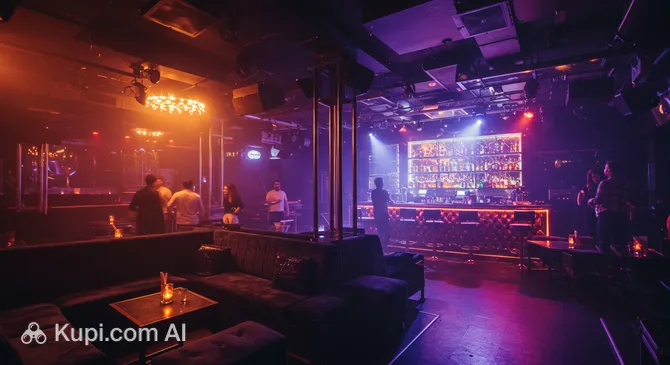
The epicenter of the action is undoubtedly the Old Town (Lipscani). This pedestrian-only district is a dense maze of bars, pubs, and clubs nestled among historical ruins. Streets like Smârdan, Șelari, and Gabroveni are packed with revelers moving from one venue to another. The atmosphere here is lively and casual, making it easy to meet locals and fellow travelers. For those seeking a sophisticated evening with panoramic views, 18Lounge is a top choice. Located in the northern part of the city, this venue offers fine dining and cocktails against the backdrop of the city skyline and Herăstrău Park.
18Lounge. Illustration.
Source: Kupi.com AI
Traveler photos:
If your taste leans more towards live music and a bohemian vibe, Quantic Pub is a cultural hub located near Grozăvești Park. It is a favorite among locals for its concerts, festivals, and relaxed garden atmosphere, offering a stark contrast to the glitzy clubs of the north. Speaking of the north, the areas around Floreasca and Herăstrău are known for their upscale super-clubs. These venues are famous for their glamorous parties, strict dress codes, and higher price points, attracting a stylish crowd ready to dance until dawn.
For daytime entertainment or a fun evening start, the city offers plenty of options beyond the party scene. Families and thrill-seekers can visit the Miramagica Ferris Wheel in Herăstrău Park for a playful ride and great views. Shoppers can lose themselves in massive complexes like AFI Cotroceni, which is not just a mall but an entertainment center complete with an indoor roller coaster and ice rink.
Practical Advice for Night Owls: Most clubs in Bucharest don't get busy until after midnight, so take your time with dinner. While the Old Town is casual, the clubs in the northern districts often require smart-casual or elegant attire; sneakers and sportswear might get you turned away. In terms of safety, the main nightlife areas are well-patrolled and generally safe, but always keep an eye on your drinks and belongings. For transportation, avoid hailing random taxis off the street at night. It is much safer and more reliable to use ride-sharing apps like Uber or Bolt to get back to your hotel.
Parks & Museums
Bucharest is a city that surprises visitors with its abundance of verdant spaces and a rich tapestry of museums that chronicle its complex past. Beyond the busy boulevards, the capital offers serene retreats and cultural institutions that provide deep insight into the Romanian soul.
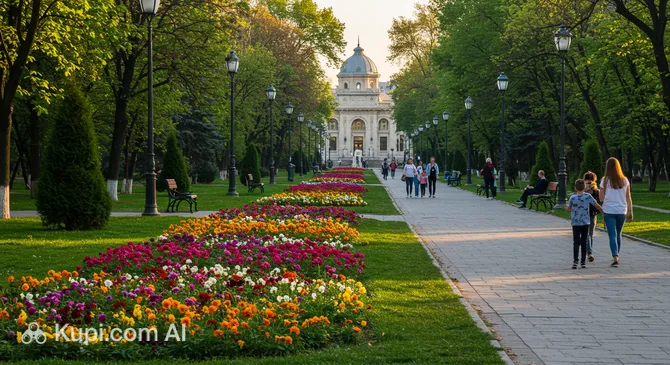
One of the city's most beloved green lungs is King Michael I Park, widely known by its former name, Herăstrău Park. Situated around a massive lake in the northern part of the city, this expansive area is perfect for long leisurely strolls, cycling, or renting a boat during the summer months. It is a social hub where locals gather to relax at lakeside cafes, and it also houses the open-air Village Museum (Muzeul Satului), which showcases traditional Romanian peasant life.
King Michael I Park. Illustration.
Source: Kupi.com AI
Traveler photos:
For a mix of history and nature, Carol I Park offers a more monumental experience. Designed by French landscape artist Édouard Redont, the park is dominated by the massive Mausoleum, a communist-era monument that now serves as a memorial to the heroes of the nation. The park's elevated position provides a sweeping panoramic view of the city, making it a favorite spot for photographers and those looking to admire the sunset.
Nature enthusiasts seeking a truly unique environment should explore Văcărești Natural Park. Often called the "Bucharest Delta," this area was an abandoned reservoir that nature reclaimed, transforming it into a wild wetland ecosystem right in the middle of the urban jungle. It is a haven for birdwatchers and hikers, offering a stark and beautiful contrast to the concrete city surrounding it.
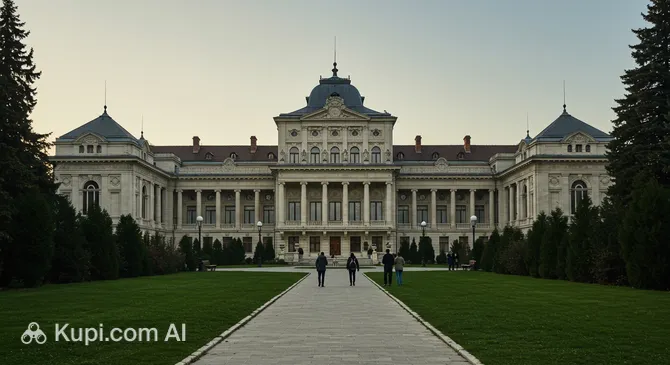
To understand the recent history of the country, a visit to the Ceaușescu Mansion (Spring Palace) is essential. This was the private residence of the former dictator Nicolae Ceaușescu and his family for a quarter of a century. The museum has been preserved exactly as it was in 1989, complete with golden bathrooms, a cinema, and an indoor tropical garden. It offers a fascinating, albeit chilling, glimpse into the opulent lifestyle of the communist elite.
Ceaușescu Mansion. Illustration.
Source: Kupi.com AI
Traveler photos:
Another significant cultural stop is the Museum of Communism. This institution focuses on the lived experience of ordinary Romanians during the communist regime, providing educational exhibits that help contextualize the country's modern identity. For art and architecture lovers, La Mița Biciclista is a beautifully restored historical house that hosts cultural events and exhibitions, celebrating the Belle Époque charm of the city.
Among the city's architectural highlights stands the Arch of Triumph. Modeled after the famous arch in Paris, this imposing structure commemorates Romania's victory in World War I and the Great Union of 1918. Visitors can climb to the top on special occasions for a fantastic view of the tree-lined avenues radiating from the monument.
Arch of Triumph. Illustration.
Source: Kupi.com AI
Traveler photos:
For a family-friendly outing or a break from the city center, Ferma Animalelor offers a delightful petting zoo experience where children can interact with farm animals. As an insider tip, try to visit the smaller, hidden gardens like the courtyard of the Ioanid Park area for a quiet, aristocratic atmosphere that feels miles away from the city noise.
Getting Around
Getting around Bucharest is both efficient and affordable, thanks to an extensive public transport network that covers the entire city and its suburbs. The system is fully integrated, allowing travelers to switch between different modes of transport with ease. Whether you are heading to the historic center or the business districts, you will find that public transit is often the most practical way to navigate the busy streets.
The Metro is the backbone of the city's transport infrastructure and is undoubtedly the fastest way to travel, especially during rush hours. Operated by Metrorex, the subway system consists of five lines (M1 to M5) that connect major residential areas with the city center. The stations are marked with a large blue "M" sign. Trains run frequently, and the network is reliable, clean, and safe. It is particularly useful for reaching the northern business hubs or the main railway station, Gara de Nord.
For destinations not served by the underground, the surface transport network managed by STB (Societatea de Transport București) offers a comprehensive alternative. This includes hundreds of bus, tram, and trolleybus lines that weave through every neighborhood. The fleet has been significantly modernized in recent years, with many buses equipped with air conditioning and digital displays. Trams are also a popular option, though they can sometimes be slower due to traffic congestion in certain areas.
The payment system is modern and tourist-friendly, featuring an integrated tariff for both the metro and surface transport. You can purchase tickets based on time; a standard trip is valid for 90 minutes and allows for unlimited transfers between the metro, bus, tram, and trolleybus within that window. Travel cards, known as Activ cards, can be purchased and reloaded at kiosks near major stops and metro stations. For short visits, a "Multiplu" card is a convenient disposable option.
Travelers will appreciate that physical tickets are not always necessary. The city has widely adopted contactless payment technology. You can pay for your journey directly aboard buses and trams or at metro gates by tapping your contactless bank card or smartphone on the validators marked with the contactless symbol. Alternatively, the 24pay mobile app allows you to purchase tickets digitally, which is a hassle-free solution if you do not have a card handy.
Operating hours generally run from around 5:00 AM to 11:00 PM or slightly later for the metro. However, the city does not sleep when the subway closes. A network of night buses operates throughout the night, with most lines converging at Piața Unirii in the city center. These buses run at regular intervals, ensuring you can get home safely after a night out. Remember to always validate your ticket or card immediately upon boarding surface vehicles to avoid fines, as ticket inspections are frequent.
If you prefer a more private mode of transport, ride-sharing apps like Uber and Bolt are extremely popular and often recommended over hailing traditional taxis from the street. They offer transparent pricing and eliminate language barriers. Traditional yellow taxis are available, but it is advisable to order them via an app or phone rather than flagging them down to ensure a fair metered rate. For short distances in the city center, electric scooters and bike-sharing services are widely available and can be unlocked via their respective apps.
Accommodation
Accommodation in Bucharest is diverse and generally offers excellent value for money compared to other European capitals. Visitors can choose from a wide spectrum of options, ranging from budget-friendly hostels and cozy guesthouses to modern mid-range hotels and opulent luxury resorts. In recent years, short-term apartment rentals have also become a very popular choice, providing a "home away from home" experience in the heart of the city.
For those who want to be in the center of the action, staying near the Old Town (Lipscani) or University Square is ideal. These areas place you within walking distance of major historical sites, restaurants, and the city's vibrant nightlife. Travelers looking for a quieter, more upscale atmosphere might prefer the northern districts near Herăstrău Park or Calea Victoriei, which offer green spaces, elegant architecture, and easy access to business centers.
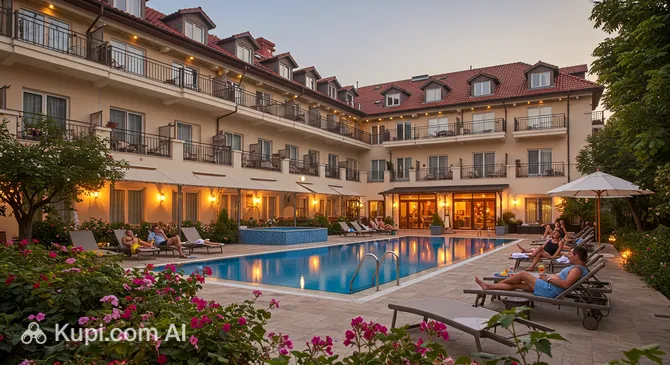
Among the notable establishments in the city, the Park Inn Bucharest Hotel & Residence is a well-known option, often appreciated for its central location and modern amenities suitable for both leisure and business travelers. Another distinct choice is the Bucharest Blu Hotel, which offers a comfortable stay for visitors exploring the capital.
Park Inn Bucharest Hotel & Residence. Illustration.
Source: Kupi.com AI
Traveler photos:
Booking Tip: While it is often possible to find a room at the last minute, it is highly recommended to book your accommodation in advance, especially if you are visiting during the peak summer months or during major music festivals, to secure the best rates and specific locations.
Prices and Booking: The price range in Bucharest is quite broad, catering to all wallets. Budget travelers can find hostel beds for very low rates, while mid-range hotels offer high standards at prices that are often lower than in Western Europe. Luxury stays are available but remain relatively affordable. Booking is most conveniently done through major online travel platforms, though checking direct hotel websites can sometimes yield special offers or packages.
Nearby Cities
For those looking to explore the surroundings, Bucharest serves as an excellent base for day trips to several interesting nearby locations.
Located approximately 60 km north of the capital, Ploiesti is a city with a rich industrial heritage, often referred to as the "Capital of Black Gold." It is an intriguing destination for history buffs, boasting the unique National Oil Museum and a fascinating Clock Museum, which houses a vast collection of timepieces from various eras. Its position also makes it a convenient stop for those heading towards the Carpathian Mountains.
To the south, situated on the banks of the Danube River, lies Giurgiu. As a key border city connecting Romania to Bulgaria via the Friendship Bridge, it holds significant historical importance. Visitors can explore the iconic Clock Tower in the city center or visit the ruins of the medieval fortress, offering a peaceful retreat and a glimpse into the region's defensive past.
City
Population
Distance
Popesti-Leordeni
53 431
7 km
Magurele
14 414
9 km
Voluntari
47 366
9 km
Bragadiru
40 080
10 km
Pantelimon
32 873
10 km
These nearby destinations offer a glimpse into the diverse culture and landscapes of the region.
Shopping & Souvenirs
Shopping in Bucharest is a delightful experience that ranges from browsing high-end luxury boutiques on historic avenues to hunting for unique treasures in bustling local markets. The city has rapidly developed into a modern commercial hub, offering a diverse mix of international brands, massive shopping centers, and charming shops that showcase Romanian creativity. Whether you are looking for the latest fashion trends or authentic handicrafts, the Romanian capital has something to satisfy every style and budget.
For those who enjoy strolling while they shop, Calea Victoriei is the city's most prestigious address. This historic avenue is lined with luxury fashion houses, upscale jewelry stores, and elegant boutiques, all nestled among architectural landmarks. It is the perfect place for window shopping and soaking in the "Little Paris" atmosphere. Another key area is the district around Piața Unirii and the Old Town, where the streets are packed with souvenir shops, independent bookstores, and urban fashion outlets.
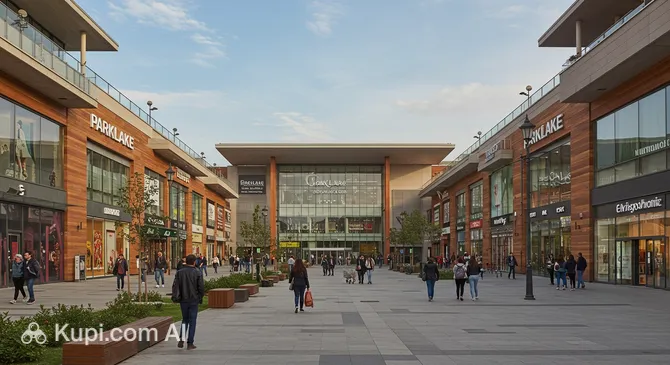
The city is also famous for its impressive modern shopping malls, which are often considered lifestyle destinations in their own right. ParkLake Shopping Center is a standout choice, celebrated not only for its vast selection of stores but also for its unique eco-friendly design that integrates nature with retail. Located right next to Titan Park, it offers a relaxed atmosphere with a beautiful terrace overlooking the lake.
ParkLake Shopping Center. Illustration.
Source: Kupi.com AI
Traveler photos:
Another favorite among locals and tourists alike is AFI Cotroceni. As one of the largest malls in Romania, it provides an overwhelming variety of shops, a huge cinema complex, and extensive entertainment options. It is an ideal spot for families or anyone looking to spend a full day exploring hundreds of brands under one roof.
To experience the authentic rhythm of local life, a visit to a traditional market is a must. Piața Obor is the largest and most famous market in the city. Here, you can find mounds of fresh seasonal produce, local cheeses, and meats at very affordable prices. It is also a great place to buy traditional kitchenware or simply observe the daily hustle and bustle of Bucharest residents.
When it comes to souvenirs, look for items that reflect Romanian heritage. The traditional embroidered blouse, known as the ie, is a beautiful and wearable keepsake. Horezu ceramics, characterized by their intricate spiral patterns, are another popular choice. For foodies, a bottle of Romanian wine or a jar of locally made honey or fruit preserve makes for an excellent gift to take home.
Opening hours in Bucharest are generally very convenient. Shopping malls typically stay open daily from 10:00 AM until 10:00 PM. Street shops usually operate from 10:00 AM to 6:00 PM or 8:00 PM, though some may close earlier on Sundays. Payment is easy, with credit and debit cards being widely accepted almost everywhere, including most stalls in larger markets, though keeping some cash (RON) is useful for small vendors.
Tourists residing outside the European Union should be aware of the Tax-Free shopping scheme. If you purchase goods from participating stores (look for the "Tax Free" sign) totaling over a certain amount on a single receipt, you may be eligible for a VAT refund upon leaving the country. Be sure to ask for the necessary forms at the checkout and have your passport handy.