Support

Alexandroupoli

About

Alexandroupoli is a captivating destination where cultures converge and the sea meets the horizon. As a major port city in northeastern Greece, it serves as a vital commercial center and a welcoming gateway for travelers. With a population of over 70,000 residents, the city offers a lively urban atmosphere balanced by the relaxing rhythm of coastal life, making it a unique stop for those exploring the region of East Macedonia and Thrace.

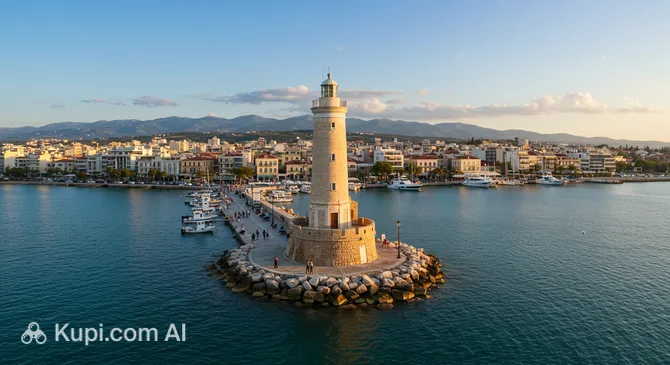
Alexandroupoli. Source: Kupi.Binoculars

The city's most iconic landmark is undoubtedly its imposing Lighthouse, which stands proudly on the waterfront, guiding ships and offering stunning views of the Aegean Sea. For those interested in how this settlement evolved from a small fishing village into a strategic crossroad, delving into the history of Alexandroupoli reveals a fascinating narrative of transformation and resilience.

Nature enthusiasts will find plenty to admire here, particularly the city's proximity to the Evros Delta National Park, a globally significant wetland that serves as a haven for migratory birds and diverse wildlife. Whether you are strolling along the scenic promenade, planning a ferry trip to the nearby island of Samothrace, or simply enjoying fresh seafood at a local tavern, Alexandroupoli promises an authentic and memorable experience away from the busiest tourist trails.

Weather Overview

Travelers visiting this coastal region will experience a climate characterized by distinct seasonal changes, ranging from hot, dry summers to cooler, wetter winters. To help you pack the right gear for your trip, it is helpful to review the current weather in Alexandroupoli and seasonal trends.

The summer months constitute the warmest period, with August seeing average temperatures of 26.8°C and highs frequently reaching 32.3°C. This season is perfect for beachgoers, as rainfall is scarce, with only about 4 wet days recorded in August. Conversely, winter brings a shift in conditions; January is typically the coldest month with an average temperature of 5.9°C and lows dipping to 2.7°C. During this time, precipitation becomes more frequent, with rain occurring on approximately 11 to 12 days per month in December and January.

The shoulder seasons of spring and autumn offer a mild and pleasant alternative for exploration. In May, temperatures rise to a comfortable average of 17.8°C, while September retains some of the summer warmth with averages around 22.1°C. Although these months may see occasional rain, the weather generally remains favorable for sightseeing and enjoying the city's outdoor attractions.

Interesting Facts

Beyond the main attractions and the busy port, Alexandroupoli holds many fascinating secrets and historical footnotes that define its unique character. Here are a few intriguing facts that highlight the city's rich heritage and local lore.

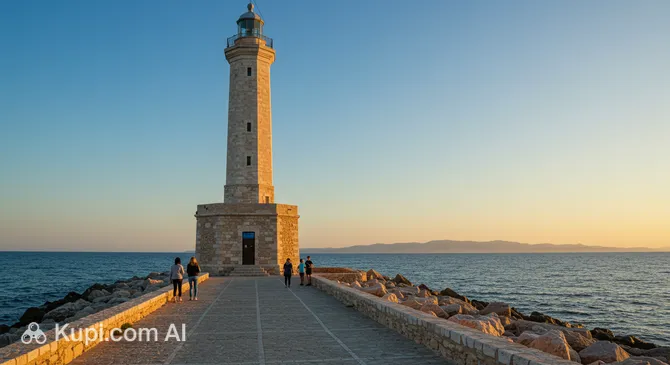
Alexandroupoli Lighthouse. Source: Kupi.Binoculars
  • The iconic Alexandroupoli Lighthouse is not only the city's symbol but also one of the tallest lighthouses in Greece, standing at 27 meters. Constructed in 1880 by a French company, it is a rare example of a lighthouse situated directly within a bustling city center rather than on a remote cliff.

  • Before acquiring its current name in honor of King Alexander I, the city was known as Dedeagach, which translates to "Grandfather's Tree." Local legend attributes this name to a wise dervish who once lived there and spent his days teaching disciples under the shade of an ancient oak tree.

  • The Ethnological Museum of Thrace is housed in a stunning neoclassical stone mansion built in 1899. This museum is a treasure trove of regional culture, preserving specific local traditions such as the historic processing of sesame and the production of silk, which were once vital to the local economy.

  • Just outside the modern city limits lies the ancient site of Traianoupoli, founded by the Roman Emperor Trajan. The area is home to historic thermal springs that have been used for healing since antiquity, and it features a unique brick-domed building from the 14th century known as the "Hana," which served as a guesthouse for travelers.

How to Get There

Reaching this vibrant port city in northeastern Greece is a straightforward process, with options to suit various travel preferences. Whether you choose to fly directly or travel overland through the scenic landscapes of Thrace, planning your arrival is part of the adventure. You can find comprehensive details and all ways to reach the city on our dedicated transport page.

The most direct method of arrival is via Demokritos Airport (IATA: AXD), which is conveniently located within Alexandroupoli itself. Situated just 7 km from the city center, this airport serves as the primary gateway for many visitors. A transfer by taxi or bus from the terminal to the heart of the city is very quick, taking approximately 30 minutes.

Another viable option is Kavala International Airport (IATA: KVA), located in the neighboring city of Kavala, about 106 km away. This airport welcomes a significant number of travelers to the region annually. If you choose to land here, the onward journey is quite manageable; the drive to Alexandroupoli via the highway typically takes approximately 1.5 hours.

For clarity, here is a summary of the main airports:

Airport Name City Passenger Traffic Km from City
Kavala International Airport Kavala Medium 106.0
Balikesir Koca Seyit Airport Edremit Medium 173.1
Canakkale Airport Canakkale Medium 91.5
Demokritos Airport Alexandroupoli Medium 7.0
Çorlu Tekirdag Small 175.1

Travelers arriving by train should note that there is no major international railway hub in the immediate vicinity. However, you can arrive at the Thessaloniki Railway Station in the city of Thessaloniki, which is about 249.7 km from Alexandroupoli. From there, a journey by taxi or car usually takes approximately 3 to 3.5 hours.

Here is the information regarding the railway station:

Station City Passenger Traffic Km to Center
Thessaloniki Railway Station Thessaloniki 249.7

Main Attractions

Alexandroupoli is a city that invites exploration, boasting landmarks that tell stories of its maritime past and cultural richness. Visitors can immerse themselves in history, enjoy green spaces, or simply soak up the atmosphere of the bustling waterfront. The city's compact nature makes it easy to visit several key sites in a single day.

Alexandroupoli Lighthouse. Source: Kupi.Binoculars

The most recognizable structure in the city is the Alexandroupoli Lighthouse. Standing guard at the edge of the port, this towering white beacon serves as the primary gathering point for locals and tourists alike. A walk around its base offers panoramic views of the Aegean Sea, making it a perfect spot for photography, especially when the sun sets over the water and the promenade comes alive.

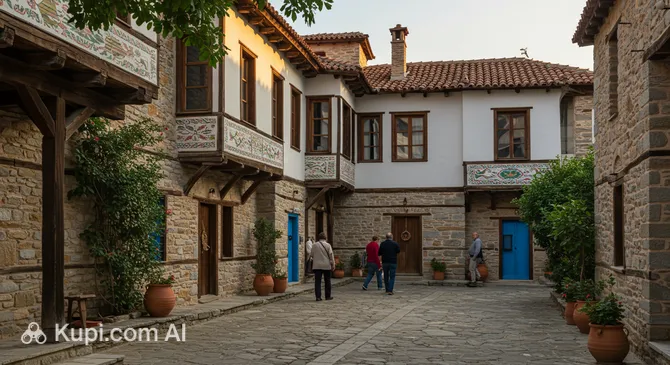
Ethnological Museum of Thrace. Source: Kupi.Binoculars

To understand the region's traditions, a visit to the Ethnological Museum of Thrace is essential. This institution is dedicated to preserving the heritage of Thrace through an extensive collection of costumes, agricultural tools, and household artifacts. It provides a fascinating insight into the daily lives, customs, and craftsmanship of the people who have shaped this unique corner of Greece.

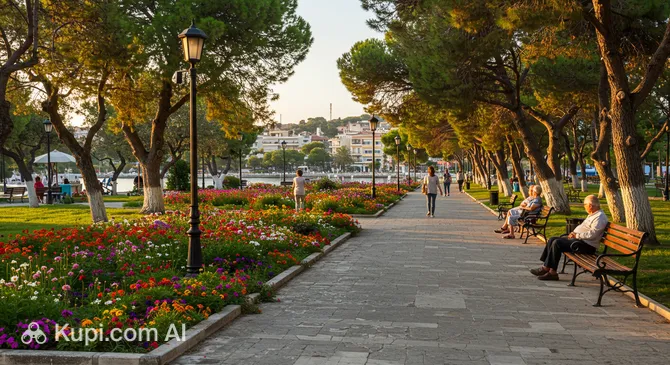
Altinalmaz Park. Source: Kupi.Binoculars

For a breath of fresh air, Altinalmaz Park offers a lovely green retreat within the urban landscape. This area functions as an open-air cultural hub, featuring a theater that hosts concerts and performances during the summer months. It is an excellent place for a peaceful stroll along well-kept paths, offering a quiet escape from the city center's energy.

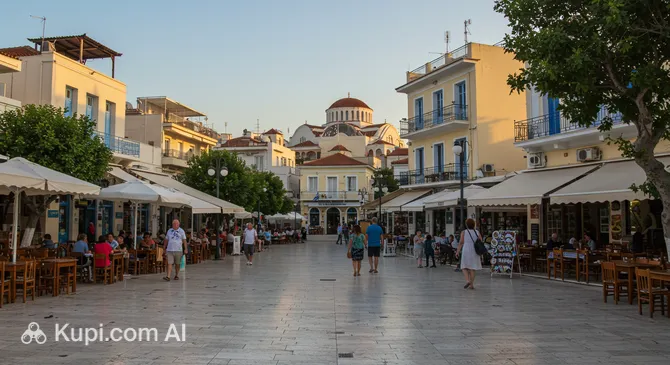
Faro Square. Source: Kupi.Binoculars

The social heart of the town beats at Faro Square. Located adjacent to the waterfront, this spacious plaza is lined with cafes and shops, buzzing with activity throughout the day. It serves as the ideal starting point for exploring the city's wide promenade or simply enjoying a coffee while watching the world go by in this vibrant port city.

Local Cuisine

The culinary landscape of Alexandroupoli is a delightful reflection of its geographical position, serving as a bridge between the Aegean Sea and the rich traditions of Thrace. The local cuisine is characterized by a fusion of fresh maritime flavors and hearty, rustic dishes from the mainland. As a bustling port city, high-quality seafood is abundant and serves as a cornerstone of the local diet. Visitors should not miss the opportunity to taste freshly caught sea bream, grilled octopus, or steamed mussels at the seaside tavernas that line the waterfront.

Beyond the catch of the day, the region is famous for its distinct meat delicacies that set it apart from southern Greece. A signature product of the area is kavourmas, a traditional cured meat that is slow-cooked and preserved in its own fat. It is often served fried with eggs in a pan or used as a rich filling in savory pies. Another dish worth trying is babou, a local sausage often prepared during winter festivals, showcasing the area's deep-rooted gastronomic heritage.

Dining in Alexandroupoli is an inherently social affair, often centered around the ritual of drinking tsipouro or ouzo. These strong, anise-flavored spirits are not merely drinks but a cultural experience, invariably served with a variety of small plates known as meze. Locals gather in "tsipouradiko" establishments to share plates of salted fish, spicy cheese dips, and pickled vegetables, enjoying long conversations that stretch late into the evening. The region also produces excellent local wines, benefiting from the fertile soil of the Evros river delta.

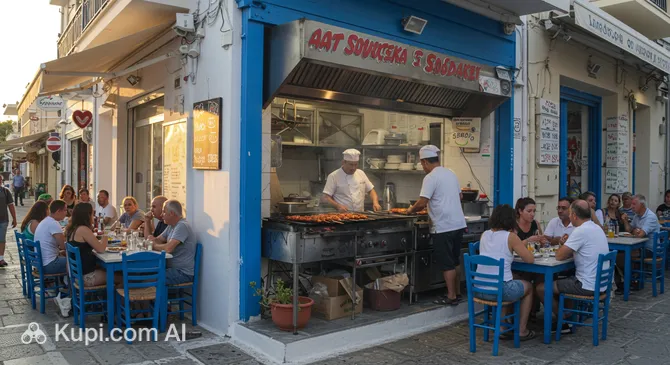
Souvlaki Corner. Source: Kupi.Binoculars

For those looking to experience the city's casual dining scene, the options range from elegant restaurants to vibrant street food joints. The aroma of grilled meats often wafts through the streets, inviting passersby to enjoy a quick but high-quality meal. A popular spot for locals seeking classic Greek flavors is Souvlaki Corner, where you can enjoy traditional skewers and gyros that perfectly capture the simple yet delicious nature of Greek street food.

Travel Tips

Traveling to Alexandroupoli offers a delightful mix of urban energy and seaside relaxation, serving as a perfect base for exploring the wider Thrace region. To ensure your journey through this crossroads of cultures is as smooth and enjoyable as possible, we have compiled a list of essential practical tips.

  1. Clothing and Gear: If you are visiting in summer, pack light, breathable fabrics, sunglasses, and a hat, as the sun can be quite intense. For winter trips, bring warm layers and a waterproof windbreaker, as the coastal winds can make it feel colder than the thermometer suggests. Comfortable walking shoes are a must for exploring the promenade and the nearby Evros Delta. When visiting churches or monasteries, remember to dress modestly, covering shoulders and knees.
  2. Transportation: The city center is compact and best explored on foot, especially the area around the Lighthouse and the waterfront. For reaching the beaches or the suburbs, local blue buses are reliable and affordable. Taxis are easily found at designated stands or can be hailed on the street. However, if you plan to explore the Dadia Forest or the remote villages of Thrace, renting a car is highly recommended for flexibility.
  3. Finances: The official currency is the Euro (€). While credit and debit cards are widely accepted in hotels, restaurants, and larger shops, it is wise to carry some cash for small purchases at kiosks (periptera), local bakeries, or for taxi fares. ATMs are plentiful throughout the city. Tipping is not mandatory but is appreciated; rounding up the bill or leaving a 5-10% tip for good service is standard practice.
  4. Health and Safety: Alexandroupoli is generally a very safe city for tourists. Pharmacies, marked with a green cross, are easy to find; they usually operate during business hours, with specific ones open for emergencies on a rotating schedule. In case of any general emergency, dial 112. Tap water is generally safe, but many locals prefer bottled water for its taste.
  5. Communication: The official language is Greek. English is fairly well spoken in the hospitality sector, especially by younger people. Learning a few basic Greek phrases like "Kalimera" (Good morning) and "Efharisto" (Thank you) will go a long way in breaking the ice. Free Wi-Fi is often available in cafes and public squares, but for constant connectivity, you can purchase a prepaid SIM card from mobile stores in the city center.
  6. Local Etiquette: Greeks are known for their hospitality (philoxenia). It is common to be treated to a small dessert or a glass of water with your coffee. Respect the afternoon quiet hours, known as mesimeri (typically from 14:30 to 17:30), when many shops close and locals rest. Avoid making loud noises in residential areas during this time.
  7. What to Avoid: As Alexandroupoli is located near a strategic border region, strictly avoid taking photographs of military installations, vehicles, or checkpoints. Signs prohibiting photography should be taken seriously to avoid legal issues. Additionally, avoid flushing toilet paper down the toilet; due to narrow pipe systems common in Greece, it is standard practice to use the provided bin.
  8. Additional Tip: Embrace the local custom of the evening volta. Around sunset, the waterfront promenade becomes a pedestrian paradise where locals stroll, chat, and enjoy the sea breeze. Join them for a walk to the Lighthouse before settling down for a late dinner, as restaurants typically get busy after 21:00.

By keeping these practical tips in mind, you will be well-prepared to navigate the local customs and enjoy everything Alexandroupoli has to offer. Relax, take your time, and let the city's unique charm and warm hospitality make your trip truly unforgettable.

Entertainment & Nightlife

Alexandroupoli transforms as the sun sets, shifting from a busy commercial port into a vibrant hub of entertainment. Thanks to a large student population and its status as a regional capital, the city boasts a nightlife scene that is energetic, diverse, and welcoming. The evening typically begins with a leisurely stroll along the waterfront promenade, where the illuminated Lighthouse serves as a backdrop for locals and visitors alike. As the night deepens, the energy moves from the seaside cafes to the bustling bars and clubs scattered throughout the city center.

The heart of the action is undoubtedly the coastal avenue, Vasileos Alexandrou, and the pedestrian streets branching off from it. Here, you will find a mix of modern cocktail bars, traditional wine bars, and lively clubs. The atmosphere is generally smart-casual; while there is no strict dress code, locals tend to dress stylishly for a night out. Venues often stay open late, with bars buzzing until the early morning hours and clubs continuing until dawn, especially on weekends.

Pico By Night. Source: Kupi.Binoculars

For those seeking a spirited night out, Pico By Night is a standout venue. Known for hosting live music events and DJ sets, it offers a dynamic environment where you can dance and enjoy the local party culture. If you prefer a more relaxed setting to enjoy a drink, Avli is a charming choice. This bar is celebrated for its atmospheric courtyard and creative cocktail menu, making it a perfect spot for conversation and socializing.

Practicalities for a night out in Alexandroupoli are straightforward. The city is very safe, and walking between venues in the center is common and secure. If you need to travel further, blue and yellow taxis are readily available at designated ranks near the port or can be hailed on the street. Prices are generally reasonable compared to the more tourist-heavy Greek islands; expect to pay around 8 to 10 euros for a cocktail and 4 to 5 euros for a beer. Remember that the "Greek time" applies here: dinner is rarely eaten before 9:00 PM, and the nightlife peaks well after midnight.

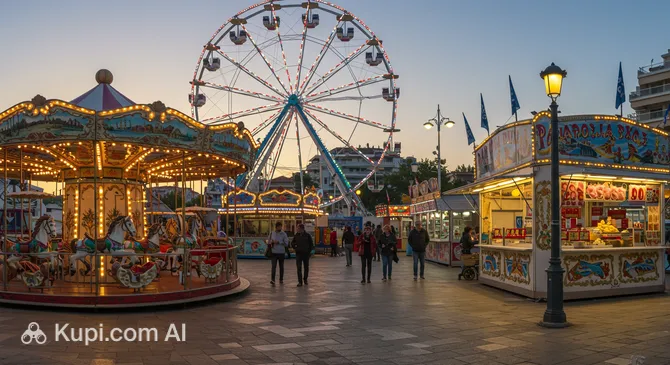
Yuppii Luna Park. Source: Kupi.Binoculars

Beyond the nightlife, the city offers engaging entertainment options during the day. Families and those young at heart can visit Yuppii Luna Park, a classic amusement park offering rides and games that provide a fun break from sightseeing. For a more tranquil experience, Scout Park – Municipal Grove is a beautiful green space ideal for a relaxing afternoon walk or a picnic under the trees, allowing you to recharge before another exciting evening by the Thracian Sea.

Parks & Museums

Alexandroupoli is a city that successfully harmonizes its urban development with a deep respect for nature and tradition. For travelers interested in looking beyond the bustling port and seaside cafes, the city offers a selection of verdant parks and insightful museums that preserve the region's unique cultural identity and provide peaceful escapes within the city limits.

Among the city's most cherished green spaces is Scout Park – Municipal Grove. This extensive area serves as the primary "green lung" of Alexandroupoli, featuring tall pine trees that offer welcome shade during the warm summer months. It is a favorite spot for locals to engage in jogging, cycling, or simply enjoying a quiet picnic away from the traffic. The park is well-equipped with paved paths and sports facilities, making it an excellent destination for families and outdoor enthusiasts seeking a refreshing break.

Another significant urban oasis is Altinalmaz Park, located slightly north of the city center. This modern park is not just a place for relaxation but also a venue for cultural expression, housing an open-air garden theater that comes alive with performances in the summer. With its manicured lawns, kiosks, and walking trails, it represents the city's commitment to creating functional and aesthetic public spaces where community life can flourish.

When it comes to cultural heritage, the Ethnological Museum of Thrace stands out as a guardian of regional history. Housed in a beautifully preserved neoclassical stone mansion, the museum offers more than just a display of artifacts; it tells the story of the people of Thrace through their costumes, tools, and customs. Visitors can explore exhibits focused on traditional practices such as silk farming and sesame processing, gaining a deeper understanding of the agrarian roots that shaped the local economy and society.

Complementing the ethnological focus, the Historical Museum of Alexandroupoli provides a narrative of the city's urban evolution. It focuses on the transformation of the small settlement of Dedeagach into a major railway and maritime hub. Through photographs, documents, and rare archives, tourists can trace the strategic importance of the city over the last two centuries. Additionally, art lovers should seek out the Ecclesiastical Art Museum, located near the Cathedral of Saint Nicholas, which houses a remarkable collection of post-Byzantine icons, wood carvings, and sacred vessels representing the spiritual heritage of the area.

Architecturally, the city boasts several gems that reflect its diverse past. The Zariphios Pedagogical Academy is a stunning example of neoclassical architecture and remains a symbol of the city's educational history. Near the port, the majestic Cathedral of Saint Nicholas dominates the skyline, serving as a spiritual beacon for the residents. These structures, along with the old warehouses near the train station, offer a glimpse into the prosperous periods of the late 19th and early 20th centuries.

For an authentic experience just outside the city, consider visiting the thermal springs of Traianoupoli. Located a short drive away, this site combines natural healing waters with history, featuring the "Hana," a 14th-century ottoman guesthouse. It is a lesser-known spot where you can appreciate the therapeutic qualities of the landscape while standing amidst ruins that date back to Roman times.

Getting Around

Navigating Alexandroupoli is relatively simple and stress-free, as the city is compact and well-organized. Unlike larger metropolitan areas, there is no metro, tram, or trolleybus system here. The public transport network relies entirely on a reliable fleet of urban buses, known locally as "Astiko KTEL." These buses are distinctive, often painted in blue and white or yellow colors, and they provide essential connections between the city center, the port, the university, the hospital, and popular suburbs like Makri and Palagia.

For most visitors, the bus is the most economical way to get around. Tickets are affordable, typically costing around €1.20 for a standard single journey, with slight increases for longer distances to the outskirts. It is highly recommended to purchase your tickets in advance from street kiosks (periptera) or at the main bus terminal located near the port. While it is sometimes possible to buy tickets on board from the driver, this usually comes with a surcharge, so having a pre-purchased ticket is the smarter choice.

Once you board the bus, you must validate your ticket immediately using the machines provided inside the vehicle. The operating hours generally run from early morning, around 6:00 AM, until late evening, approximately 10:30 PM or 11:00 PM, depending on the season and the specific route. During the summer months, services to the nearby beaches are more frequent to accommodate the influx of sunseekers.

Taxis offer a flexible and comfortable alternative, especially if you are traveling with luggage or late at night. You can easily find taxi ranks, known as "piatsa," at key locations such as the port, the central square, and outside the airport. Taxis in the city are metered, and rates are generally reasonable, though a double tariff applies after midnight. It is also possible to book a ride via phone using local radio taxi services, which is convenient if you are staying a bit further from the main avenues.

For those who prefer a more active mode of transport, Alexandroupoli is a very bike-friendly city. The terrain is largely flat, and there is a dedicated bicycle path that runs along the scenic coastal promenade, making cycling a popular choice for both locals and tourists. While there is no massive automated bike-sharing scheme, several local shops offer bicycle rentals for daily or weekly use.

Finally, walking remains one of the best ways to explore the heart of the city. The distances between major attractions like the Lighthouse, the Ethnological Museum, and the waterfront restaurants are short. Most of the city center is pedestrian-friendly, allowing you to soak up the atmosphere without the need for any vehicle at all.

Accommodation

Finding the perfect place to stay in Alexandroupoli is relatively easy, as the city caters to a wide spectrum of travelers, from business professionals to summer vacationers. The accommodation landscape is diverse, ranging from modern city hotels and budget-friendly apartments to luxurious seaside resorts. Whether you are looking for a simple room close to the transport hubs or a sprawling complex with swimming pools and sea views, the city offers options that suit various preferences and budgets.

For those who prioritize convenience and want to be in the heart of the action, the city center is the most popular area to stay. Hotels located near the port and the Lighthouse offer immediate access to the bustling waterfront promenade, the best restaurants, and the main shopping streets. Staying here means you are within walking distance of most major attractions and the ferry terminal, making it an excellent choice for short visits or for travelers without a car.

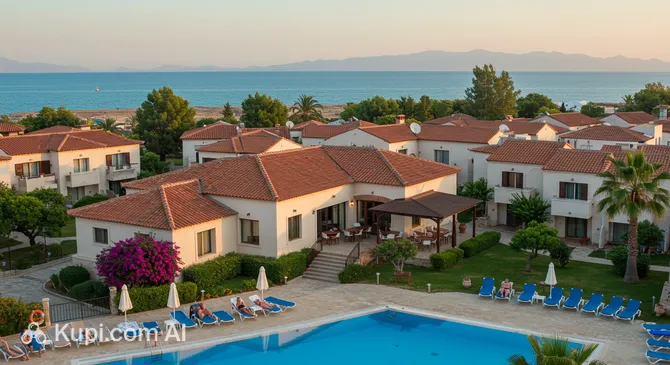
If you prefer a more relaxing atmosphere with direct access to the beach, look towards the western outskirts of the city. This area is home to larger establishments that focus on leisure and comfort. A prime example of high-end accommodation in this zone is the Astir Palace. This well-known resort hotel is situated right on the coast, offering guests luxurious amenities, extensive grounds, and stunning views of the Thracian Sea, making it a favorite for families and couples seeking a resort-style experience.

Astir Palace. Source: Kupi.Binoculars

Regarding costs, Alexandroupoli is generally more affordable than the popular Greek islands, though prices fluctuate by season. Budget travelers can find decent rooms or small apartments for approximately 40 to 60 euros per night. Mid-range hotels typically charge between 70 and 120 euros, while luxury resorts can exceed 130 euros per night, especially in August. Most accommodations can be easily booked through major online platforms, though contacting smaller family-run hotels directly can sometimes yield better rates.

A crucial tip for planning your visit is to book well in advance if you intend to travel during the peak summer months of July and August. During this period, the city attracts many tourists from the Balkans and Turkey, as well as domestic travelers, causing the best-value rooms to sell out quickly. Conversely, if you visit during the shoulder seasons of spring or autumn, you can often find excellent deals and enjoy a quieter stay.

Nearby Cities

For those looking to explore the surroundings, Alexandroupoli serves as an excellent base for day trips to several interesting nearby locations. The region of East Macedonia and Thrace is rich in history and natural beauty, offering travelers the chance to experience diverse landscapes and charming settlements within a short distance.

One of the most captivating destinations nearby is Xanthi, often referred to as the "City of a Thousand Colors." Located just a short drive to the west, it is renowned for its beautifully preserved Old Town, where traditional mansions and narrow cobblestone streets create an atmospheric journey back in time. The city is also famous for its vibrant cultural life and hosts one of the most celebrated carnivals in the country.

Another worthwhile stop is the picturesque city of Kavala, which rises amphitheatrically from the sea. Known as the "Blue City," it combines rich history with stunning seaside views. Visitors can explore the imposing medieval fortress, marvel at the historic Kamares Aqueduct, or simply relax by the port, enjoying fresh seafood in one of the many tavernas that line the waterfront.

City Population Distance (km)
Thessaloniki 824676 248
Kavala 65857 124
Serres 58287 198
Xanthi 56122 89
Thermi 53201 243

These nearby destinations offer a glimpse into the diverse culture and landscapes of the region.

Shopping & Souvenirs

Shopping:

Alexandroupoli offers a shopping atmosphere that reflects its position as a cultural crossroads. While travelers will not find the massive shopping complexes typical of larger European capitals, the city compensates with a vibrant center packed with diverse retail options. From international fashion brands to small, family-run boutiques, the shopping scene is accessible and full of local character, allowing visitors to discover unique items while exploring the city streets.

The commercial pulse of the city beats strongest along Leoforos Dimokratias (Democracy Avenue), the primary thoroughfare running parallel to the sea. This avenue, along with the pedestrian-friendly streets radiating from Faro Square, is lined with clothing stores, shoe shops, and bookstores. A walk down 14th of May Street is also highly recommended, offering a mix of modern trends and traditional goods in a lively urban setting where the sea breeze is never far away.

Travelers expecting vast, multi-story malls might be surprised to find that Alexandroupoli prefers a more traditional "high street" approach. Instead of enclosed centers, retail therapy is best enjoyed by wandering through the open-air commercial district. Here, independent retailers and well-known Greek chains occupy the ground floors of buildings, creating a dynamic environment that encourages window shopping and leisurely strolls.

For those who prefer open-air browsing over structured stores, the weekly street market, or Laiki Agora, is a highlight. Taking place every Thursday near the municipal stadium, this market transforms the area into a colorful spectacle. Here, producers sell fresh fruits, vegetables, and regional delicacies directly to consumers. It is also an excellent spot to find affordable clothing, textiles, and household items while mingling with locals stocking up on their weekly essentials.

The region of Thrace is famous for specific crafts that make for memorable gifts. Although the nearby town of Soufli is the historic center of production, you can easily find exquisite silk scarves and embroidered fabrics in Alexandroupoli's specialty shops. Foodies will appreciate the local gastronomy; high-quality olive oil, jars of Thracian honey, and traditional sweets like karydopita (walnut cake) are perfect for taking a taste of Greece home with you.

Shopping hours in Alexandroupoli generally adhere to the standard Greek timetable. Major supermarkets and international chains usually remain open continuously from 9:00 AM to 9:00 PM on weekdays. However, smaller independent shops typically follow a split schedule on Tuesdays, Thursdays, and Fridays (closing for a midday siesta and reopening in the evening), while operating only in the morning on Mondays, Wednesdays, and Saturdays. Most retail outlets are closed on Sundays.

Credit and debit cards are widely accepted throughout the city, though carrying small denominations of cash is useful for the open-air market or kiosks. Visitors residing outside the European Union should look for "Tax Free Shopping" signs in store windows. If eligible, you can request a tax refund form at checkout to claim VAT back upon departure from the EU.
Reached the end of the page?

That means the route is fully explored