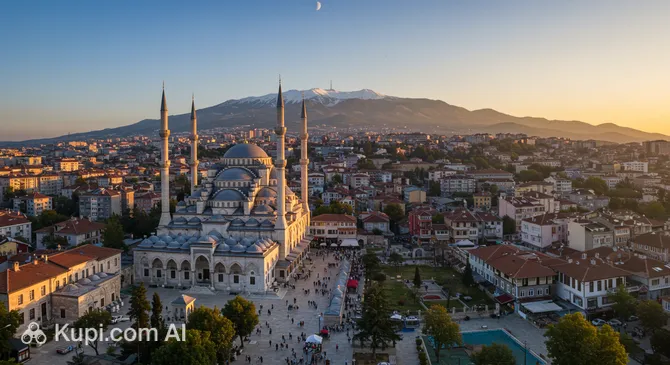
Bursa, often affectionately known as "Green Bursa" due to its lush gardens and surrounding forests, is a city that seamlessly blends natural beauty with profound historical significance. Located in northwestern Turkey, it stands as a vibrant metropolis with a population of nearly 3 million people, making it one of the country's most important industrial and cultural centers.
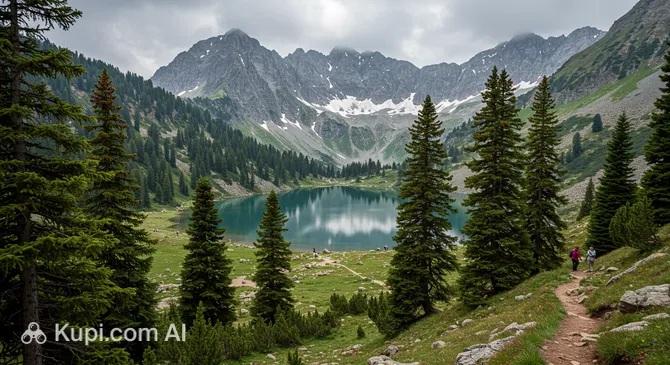
The city is dramatically situated at the foothills of the majestic Mount Uludağ, a popular destination for winter sports and summer hiking. This unique geography provides Bursa with a mild climate and stunning backdrops, while its urban fabric is woven with parks and thermal springs that have attracted visitors for centuries.
Bursa. Illustration.
Source: Kupi.com AI
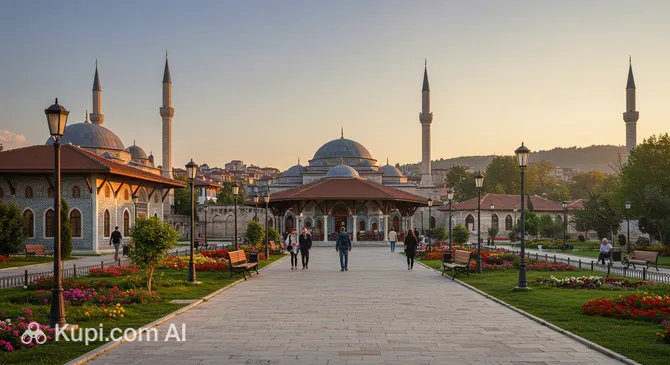
As the first major capital of the Ottoman Empire, the city holds a special place in the nation's heritage. Exploring the history of Bursa offers a fascinating journey through early Ottoman architecture and culture, visible in its well-preserved mosques, caravanserais, and bathhouses. The city's atmosphere is distinctively authentic, offering a calmer alternative to the hustle of Istanbul.
Travelers should not miss the Ulu Cami (Grand Mosque), famous for its twenty domes and impressive calligraphy, or the exquisite Green Tomb (Yeşil Türbe), which showcases intricate tile work. The historic Koza Han, a silk market dating back to the 15th century, remains a bustling hub where you can shop for high-quality local silk and enjoy tea in a charming courtyard.
Whether you are drawn by the allure of ancient history, the relaxation of thermal baths, or the excitement of mountain adventures, Bursa invites you to discover its unique charm and warm hospitality.
Weather Overview
Understanding the weather in Bursa is essential for planning your visit, as the city experiences distinct seasonal changes. Generally, the climate features warm, dry summers and cool, damp winters, making it a year-round destination depending on your preferences for outdoor activities.
The summer months are ideal for those who enjoy heat and sunshine. From June to August, average temperatures climb significantly, peaking in August at around 23.6°C with daily highs reaching nearly 29°C. This is the driest time of the year, with August seeing as few as 5 wet days, allowing for uninterrupted sightseeing and exploration of the city's green spaces.
Winter brings a stark contrast, transforming the region into a colder landscape often associated with the nearby ski resorts. January is typically the coldest month, with average temperatures dropping to 4.5°C and lows hovering near 0.8°C. Visitors during this season should be prepared for frequent precipitation, as January can experience up to 16 wet days.
The transitional seasons of spring and autumn offer a mild and pleasant alternative. May and September are particularly comfortable, with average temperatures of 16.0°C and 20.0°C respectively. These months provide a balanced climate with moderate temperatures, perfect for walking tours and enjoying the local culture without extreme heat or cold.
Average monthly temperature
Average monthly precipitation
Interesting Facts
Beyond its famous green landscapes and thermal waters, Bursa holds many fascinating stories and unique landmarks that often escape the casual observer. The city is a treasure trove of cultural origins and architectural rarities waiting to be discovered.
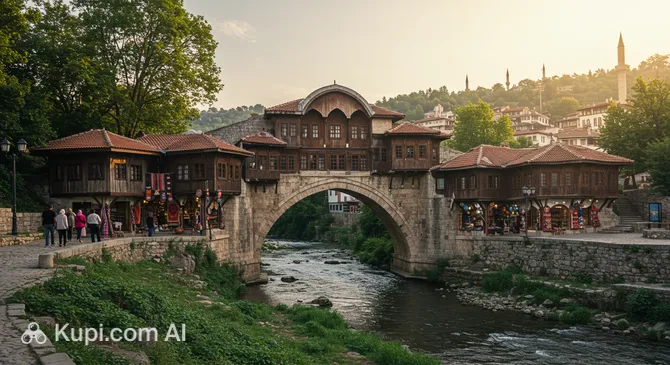
The Irgandi Bridge is a rare architectural gem, being one of only four bridges in the world that features a bazaar with shops built directly on top of it. Dating back to 1442, this stone arch bridge survived wars and earthquakes to remain a bustling spot for local artisans today.
Bursa is the legendary birthplace of Karagöz and Hacivat, the beloved characters of traditional Turkish shadow theater. Legend says they were real construction workers who entertained their colleagues while building the Grand Mosque; their legacy is now preserved at the Karagöz Museum.
The city is the culinary home of the world-famous Iskender Kebab. Invented here in the late 19th century, this rich dish features thinly sliced lamb döner topped with hot tomato sauce and melted sheep butter, traditionally served over pieces of pita bread with yogurt on the side.
Nature lovers might be surprised by the sheer scale of the İnkaya Historical Plane Tree, a natural monument that is over 600 years old. With a massive trunk and branches that create a canopy large enough to cover a road and a tea garden, it stands as a living witness to the city's Ottoman past.
Irgandi Bridge. Illustration.
Source: Kupi.com AI
Traveler photos:
How to Get There
Traveling to this historic city is quite convenient, with several options available depending on your starting point. While the city has its own local airport, many visitors also choose to arrive via major international hubs nearby and complete the journey by road or sea. You can find detailed information on all ways to reach the city to help you plan the best route for your trip.
The closest air hub is Yenisehir Airport (IATA: YEI), located directly in Bursa Province. Although it handles a smaller volume of traffic compared to the massive hubs in Istanbul, it offers the advantage of proximity. It is situated approximately 43 km from the city center, and the travel time is roughly 85 minutes by taxi or shuttle bus. This airport primarily serves domestic flights and some seasonal charters.
For a wider range of international connections, many travelers fly into Sabiha Gokcen International Airport (IATA: SAW). It is important to note that this airport is located in Istanbul, not Bursa, but it is a very popular gateway due to its location on the Asian side of Istanbul. It is about 82 km away, and the journey by road typically takes around 140 minutes. With annual passenger traffic exceeding 37 million, it offers numerous flight options from around the world.
Another major option is the massive Istanbul Airport (IATA: IST), which is the main international hub for the region. Located in Istanbul on the European side, it is further away, at a distance of approximately 122 km. The transfer time is longer, taking about 3.5 hours (200 minutes) by road. However, as one of the busiest airports in the world with over 76 million passengers annually, it provides the most extensive network of global flights.
For clarity, here is a summary of the main airports serving the region:
In addition to air travel, Bursa is well-connected by an extensive bus network from all major cities in Turkey. The city's main bus terminal is a busy hub with frequent services. Furthermore, if you are arriving from Istanbul, one of the most scenic and popular methods is to take a ferry across the Sea of Marmara to ports like Güzelyalı (Mudanya) or Yalova, followed by a short bus or taxi ride to the city center.
Main Attractions
Bursa is a city where history breathes through every stone and nature embraces the urban landscape. From UNESCO World Heritage sites to majestic mountains, the local attractions offer a diverse range of experiences for every traveler, blending the charm of the early Ottoman era with breathtaking scenery.
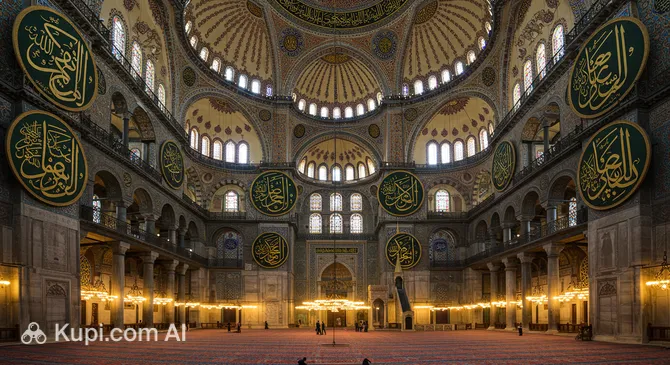
Standing as a monumental example of Seljuk and early Ottoman architecture, the Grand Mosque of Bursa (Ulu Cami) is an absolute must-visit. Built in the late 14th century, this impressive structure is famous for its twenty domes and the unique interior fountain, or şadırvan, which creates a serene atmosphere for prayer and reflection. Visitors are often captivated by the intricate calligraphy adorning its walls and pillars, considered some of the finest examples in the Islamic world.
Grand Mosque of Bursa. Illustration.
Source: Kupi.com AI
Traveler photos:
Just a short walk away lies the historic Koza Han, the beating heart of the city's ancient silk trade. Constructed in 1491, this two-story caravanserai remains a bustling marketplace where you can browse for high-quality silk scarves and textiles. The central courtyard, shaded by old plane trees, is the perfect spot to enjoy a cup of traditional Turkish tea while soaking in the historical ambiance that has remained largely unchanged for centuries.
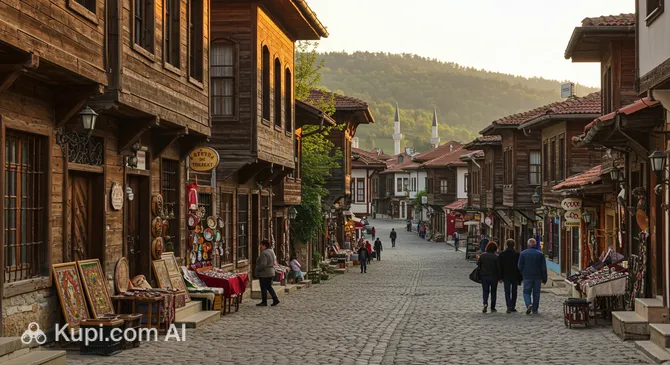
For a journey back in time to the rural roots of the empire, a trip to Cumalıkızık Village is essential. Located at the foot of the mountains, this UNESCO World Heritage site is renowned for its well-preserved timber-and-stone houses and narrow cobblestone streets. It is particularly popular for its traditional village breakfasts, offering a delightful taste of local culture and hospitality away from the modern city center.
Cumalıkızık Village. Illustration.
Source: Kupi.com AI
Traveler photos:
Nature enthusiasts and adventure seekers will find their paradise at Uludag National Park. Dominating the city's skyline, this massive mountain is Turkey's premier destination for winter sports, offering excellent skiing and snowboarding facilities. In the summer, the park transforms into a lush haven for hiking, camping, and picnicking, easily accessible via a scenic cable car ride that offers panoramic views of the entire region.
Uludag National Park. Illustration.
Source: Kupi.com AI
Traveler photos:
Those interested in the spiritual and royal history of the city should explore the Muradiye Complex. This peaceful sanctuary serves as a royal necropolis, housing the tombs of early Ottoman sultans and princes. The complex, which includes a mosque and a madrasa, is set within tranquil gardens and is celebrated for the exquisite Iznik tiles and decorative artwork found within the mausoleums.
Local Cuisine
Bursa is widely regarded as one of Turkey's most significant culinary capitals, boasting a rich gastronomic heritage that dates back to the Ottoman kitchens. The city's food culture is heavily influenced by its geography, nestled between mountains and fertile plains, providing high-quality ingredients that define its robust and flavorful dishes.
The undisputed star of the local cuisine is the world-renowned İskender Kebab. Invented in this very city in the late 19th century, this dish consists of thinly sliced lamb döner laid over pieces of pita bread, drenched in a hot tomato sauce, and generously topped with melted sheep butter. It is traditionally served with a dollop of yogurt on the side to balance the richness of the meat. Visiting Bursa without trying an authentic İskender Kebab is considered by many to be an incomplete trip.
For those looking to explore beyond the famous kebab, Pideli Köfte is another local favorite. It features small, succulent meatballs served over pita bread with tomato sauce and butter, similar to the İskender presentation but with a distinct texture and flavor profile. Another savory delight is Cantık, a type of soft, thick dough topped with minced meat, often enjoyed as a quick lunch or a snack.
Famous Rice Pilaf Engin Usta. Illustration.
Source: Kupi.com AI
Traveler photos:
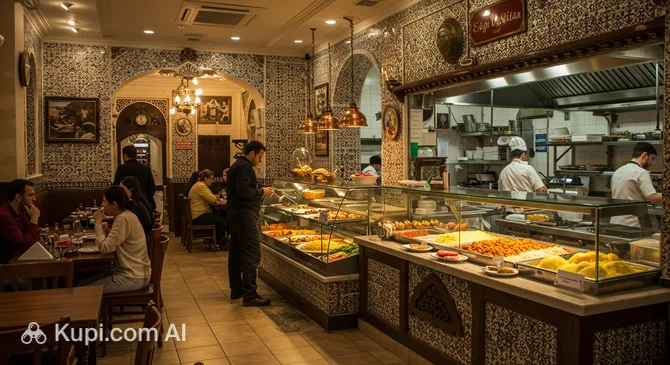
The city also has a vibrant culture of modest eateries and street food stops where locals gather for comfort food. One such spot is Famous Rice Pilaf Engin Usta, known for serving simple yet delicious traditional rice dishes that reflect the home-cooked style of the region. Dining in Bursa often involves these casual, bustling environments where the focus is entirely on the quality of the ingredients.
On the sweeter side, Bursa is famous for its chestnuts, harvested from the slopes of Mount Uludağ. The most iconic confectionery is Kestane Şekeri (candied chestnuts), which are boiled and dipped in syrup. These sweet treats are sold in boxes throughout the city and make for excellent souvenirs. You might also encounter the historical importance of bread making at places like the Somuncu Baba House and Bakery, which pays homage to the spiritual and culinary traditions of the past.
To accompany these rich meals, the local drink of choice is often Şıra. This non-alcoholic beverage is made from slightly fermented grape juice and is praised for its digestive properties. Its sweet and tangy taste pairs perfectly with the heavy, buttery meat dishes that define Bursa's dining scene.
Travel Tips
Welcome to Bursa! As you prepare to explore the historic streets of the first Ottoman capital, a few practical insights can make your journey much smoother and more enjoyable. Here is a collection of essential tips to help you navigate the city with confidence and ease.
Clothing and Gear: Bursa experiences four distinct seasons, so pack accordingly. Winters can be quite cold and snowy, especially if you plan to visit Mount Uludağ, while summers are warm. Since Bursa is a city of immense religious significance, modest clothing is highly recommended. When visiting mosques like the Ulu Cami, women are required to cover their heads, shoulders, and knees, and men should avoid wearing shorts. Always bring comfortable walking shoes, as the historic center is best explored on foot and often features cobblestone streets.
Transportation: The public transport system is efficient and affordable. To use the metro (BursaRay), trams, and buses, you will need a BursaKart, a rechargeable travel card available at kiosks and major stations. For a unique experience, take the nostalgic tram through the main street or the famous Teleferik (cable car) to reach the summit of Uludağ. Taxis are yellow and widely available; always ensure the driver switches on the meter (taksimetre) before you start your journey.
Finances: The local currency is the Turkish Lira (TRY). While credit cards are widely accepted in hotels, shopping malls, and restaurants, cash is king in traditional bazaars like Koza Han and smaller shops. ATMs are plentiful throughout the city. Tipping is customary in Turkey; leaving about 5-10% in restaurants and rounding up fare for taxi drivers is appreciated.
Health and Safety: Bursa is generally a very safe city for tourists. Pharmacies, known as Eczane, are easy to find. If you need medicine late at night or on Sundays, look for a Nöbetçi Eczane (pharmacy on duty), which will be the only one open in the neighborhood. For general emergencies, dial 112 for an ambulance or police assistance.
Communication: While staff in major hotels and tourist attractions often speak English, it is less common in local neighborhoods and small eateries. It is very helpful to learn a few basic Turkish phrases like Merhaba (Hello) and Teşekkürler (Thank you). Downloading an offline map and a translation app beforehand is strongly advised. You can easily purchase a local SIM card from major providers in the city center to stay connected.
Local Etiquette: Hospitality is central to the culture here. If you are offered tea (çay) by a shopkeeper, it is a gesture of friendship, and accepting it is polite. When entering a mosque or a private home, you must always remove your shoes. Greetings are important; a simple smile and a nod go a long way when interacting with locals.
What to Avoid: Avoid wearing revealing clothing in religious precincts or conservative neighborhoods, as this can be seen as disrespectful. Also, refrain from taking photographs of people, especially women, without asking for their permission first. Public displays of affection are generally frowned upon in more traditional areas.
Local Life Hack: Don't leave without experiencing a traditional Turkish Bath (Hamam). Bursa is famous for its natural thermal springs, and many historic hamams in the Çekirge district offer an authentic and relaxing experience that has been part of local life for centuries.
By keeping these tips in mind, you will be well-prepared to embrace the unique atmosphere of "Green Bursa." Enjoy the blend of history, nature, and warm hospitality that makes this city such a special destination!
Entertainment & Nightlife
While Bursa is often celebrated for its historical and spiritual significance, the city also offers a vibrant and diverse entertainment scene that comes alive when the sun goes down. Unlike the intense clubbing atmosphere of coastal resorts, nightlife here is characterized by a blend of traditional culture, lively social dining, and modern hangouts. The experience is generally more laid-back, focusing on conversation, live music, and enjoying good food with friends.
The heart of the city's traditional nightlife beats in the historic Arap Şükrü Street. This narrow, pedestrianized lane is famous for its fish restaurants and meyhanes (Turkish taverns). Here, locals gather to enjoy rakı and meze dinners accompanied by live fasıl music—a genre of traditional Turkish classical music played on instruments like the violin, clarinet, and lute. The atmosphere is warm and communal, often with tables spilling out onto the cobblestones during warmer months.
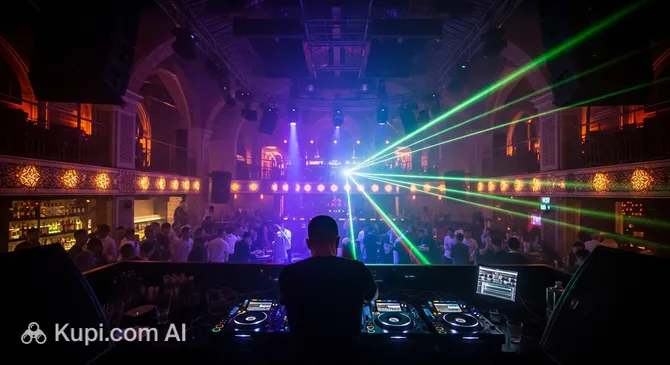
For a more contemporary and upscale experience, visitors should head to Fatih Sultan Mehmet Boulevard (FSM) and the Özlüce district. These are the modern hubs of the city, lined with trendy bistros, pubs, and coffee shops that stay open late. The crowd here is younger and stylish, often including university students and young professionals. If you are looking for a place to dance and enjoy energetic beats, Club Inferno Mania is a popular destination that hosts DJs and themed parties, offering a spirited clubbing experience.
Club Inferno Mania. Illustration.
Source: Kupi.com AI
Traveler photos:
Another excellent area for evening entertainment is the Görükle district, located near Uludağ University. Due to the large student population, this area is packed with budget-friendly bars, cafes, and game lounges. It is a great place to mingle with the local youth and enjoy a casual night out without a strict dress code. For a more sophisticated yet relaxed setting, Nannini Lounge Cafe provides a comfortable ambiance perfect for enjoying cocktails and conversation.
Large-scale events and concerts are frequently held at the Tofaş Arena, a major sports and entertainment venue in the city. It is worth checking the local schedule to see if any international artists or major basketball matches are taking place during your visit. The dress code in Bursa is generally smart-casual; while night clubs might expect a more polished look, most bars and restaurants are quite relaxed.
Practical Advice and Safety: Nightlife venues typically stay open until 2:00 AM or 3:00 AM on weekends. Prices in Bursa are generally lower than in Istanbul, making a night out quite affordable. The city is safe for night walks in popular areas like FSM Boulevard and Arap Şükrü, but it is always wise to stay in well-lit, populated zones. Public transport runs until around midnight, so for late-night returns, yellow taxis are the most convenient option. You can easily find taxi stands near major venues or ask the staff to call one for you.
Before the evening sets in, Bursa offers plenty of daytime entertainment options for families and thrill-seekers. The Extrempark Adventure Park is a fantastic spot for outdoor activities, featuring alpine coasters and zip lines nestled in nature. For those interested in wildlife, the Bursa Zoo provides a spacious and green environment to see a variety of animals. Meanwhile, culture enthusiasts can visit the Bursa City Museum to gain deeper insights into the local heritage before enjoying the evening festivities.
Parks & Museums
True to its nickname "Green Bursa," the city offers an abundance of lush parks and gardens that serve as peaceful retreats from the urban bustle. At the heart of this greenery is the Reşat Oyal Culture Park, the city's first and most significant urban park. Spanning a vast area in the city center, it features a lake, jogging tracks, and open-air theaters, making it a favorite gathering spot for locals. It is the perfect place to enjoy a leisurely afternoon walk under the shade of mature trees.
Reşat Oyal Culture Park. Illustration.
Source: Kupi.com AI
Traveler photos:
Another major green space is the Bursa National Garden, a modern addition to the city's landscape. Built on the grounds of the old stadium, this expansive park includes thematic gardens, walking paths, and recreational areas, reflecting the city's commitment to preserving its natural heritage. For families, the nearby Bursa Zoo offers a spacious environment where animals roam in habitats designed to mimic their natural surroundings, providing an educational day out within the green belt.
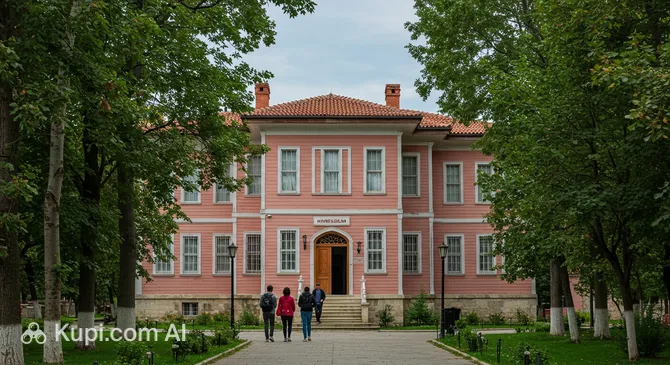
Bursa's rich history is meticulously preserved in its diverse museums. While the Bursa City Museum provides a comprehensive overview of the city's transformation from antiquity to the present day, those interested in the founding years of the Turkish Republic should visit the Atatürk House Museum. This elegant 19th-century timber mansion, where Mustafa Kemal Atatürk stayed during his visits to the city, displays original furniture, personal effects, and photographs that offer a glimpse into the life of the great leader.
Atatürk House Museum. Illustration.
Source: Kupi.com AI
Traveler photos:
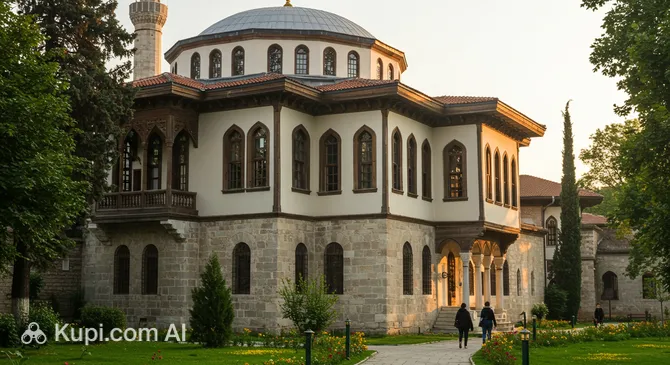
Architecture enthusiasts will appreciate the Sultan's Mansion Museum (Hünkar Köşkü). Built in a mere 19 days in 1844 for Sultan Abdülmecid, this hunting lodge is a splendid example of French Empire style blended with Ottoman aesthetics. Situated on the slopes of Uludağ, it not only houses historical artifacts but also offers commanding views over the city, allowing visitors to imagine the grandeur of the Ottoman court.
Sultan's Mansion Museum. Illustration.
Source: Kupi.com AI
Traveler photos:
For a shift from history to modern science, the Gökmen Space and Aviation Training Center (GUHEM) is a must-see. As Turkey's first interactive space and aviation center, it features hands-on exhibits, flight simulators, and educational programs designed to inspire curiosity about the cosmos. It stands as a testament to Bursa's developing identity as a center for technology and innovation, contrasting beautifully with the city's ancient roots.
Getting Around
Navigating Bursa is a straightforward and enjoyable experience, thanks to a well-integrated public transport network managed by Burulaş. The city offers a variety of options ranging from modern rail systems to traditional shared taxis, ensuring that visitors can easily reach both historical landmarks and modern districts. The backbone of this network is the BursaRay, a light rail metro system that connects the eastern and western parts of the city, making it the fastest way to cover long distances.
For exploring the city center, the tram lines are particularly useful and scenic. The T1 line, often referred to as the "Silkworm" due to the green color of the trams, loops around the historic core, providing easy access to major bazaars and monuments. A favorite among tourists is the Nostalgic Tram (T3), which runs along the pedestrian-friendly Cumhuriyet Street. This heritage line offers a charming, slow-paced ride that fits perfectly with the atmosphere of the old city.
To access neighborhoods not served by rail, an extensive fleet of yellow and green buses operates throughout the region. The bus network is comprehensive, reaching even the most remote districts. Additionally, you will see dolmuş (minibuses) and shared taxis zipping through the streets. These are a local staple, offering a flexible and often faster alternative to regular buses. They follow specific routes but can stop anywhere along the way to pick up or drop off passengers, usually requiring cash payment directly to the driver.
One of the city's most iconic transport features is the Bursa Teleferik (Cable Car), which is one of the longest cable car lines in the world. It serves as both a tourist attraction and a vital transport link, whisking passengers from the urban center up to the ski resorts and hiking trails of Mount Uludağ. The journey offers breathtaking panoramic views of the city and the surrounding forests, making it a must-do activity regardless of the season.
The payment system is unified and convenient. To use the metro, trams, and municipal buses, you must purchase a BursaKart. This rechargeable smart card can be bought and topped up at ticket machines located at metro stations, major bus terminals, and authorized kiosks throughout the city. The fares are quite affordable, and the card allows for discounted transfers between different modes of transport within a certain time window.
Public transport generally operates from around 6:00 AM to midnight, though frequencies may vary on weekends and holidays. During peak hours, the metro and central buses can get quite crowded, so plan accordingly. If you prefer a more private mode of travel, yellow taxis are widely available 24/7. They run on a meter system, and it is easy to hail one on the street or find them at designated taxi stands near major attractions and shopping centers.
Accommodation
Finding the perfect place to stay in Bursa is part of the experience, as the city offers a diverse array of accommodation options that cater to every type of traveler. From historic Ottoman houses turned into boutique hotels to modern luxury resorts and budget-friendly hostels, the range of lodging reflects the city's multifaceted character. Whether you are here for a cultural immersion, a relaxing spa retreat, or a winter sports adventure, there is a suitable base for your journey.
For those who wish to be in the heart of the action, the Osmangazi district and the historic city center are the most popular choices. Staying here places you within walking distance of major landmarks like the Grand Mosque and the bustling bazaars. This area is ideal for first-time visitors who want to soak up the atmosphere of the old capital. Alternatively, the Çekirge district is renowned for its thermal springs. This area is dotted with spa hotels and historic bathhouses, making it the preferred location for travelers seeking wellness and relaxation in the city's famous healing waters.
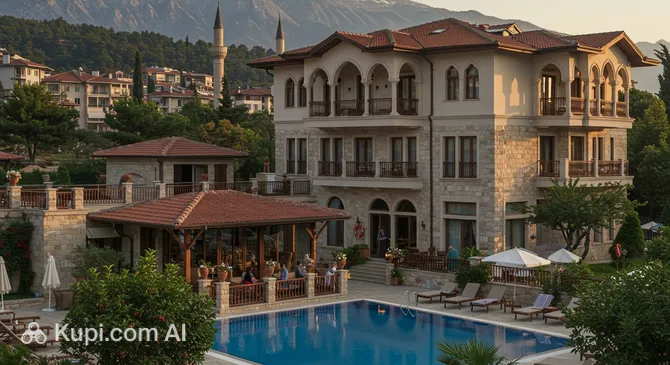
If you are visiting during the winter months specifically for skiing, the hotels located directly on Mount Uludağ offer ski-in/ski-out convenience, though they tend to be pricier than those in the city center. For a more traditional accommodation experience within the city, you might consider places like the Güner Hotel, which offers comfortable amenities for travelers looking to explore the region.
Güner Hotel. Illustration.
Source: Kupi.com AI
Traveler photos:
Booking Tips: Bursa is a year-round destination, but accommodation demand peaks during two specific periods: the summer holidays and the winter ski season (December to March). If you plan to visit during these times, it is highly recommended to book your room at least a few weeks in advance to secure the best rates and availability. During the shoulder seasons of spring and autumn, it is generally easier to find last-minute deals.
The price range for accommodation in Bursa is generally very reasonable compared to Istanbul or coastal resort towns. Budget travelers can find affordable guesthouses and mid-range hotels that offer excellent value for money. On the other end of the spectrum, luxury thermal hotels provide top-tier services at competitive international rates. Most properties are listed on major online booking platforms, but for smaller, family-run establishments, contacting them directly can sometimes yield a better offer or a more personalized experience.
Nearby Cities
For those looking to explore the surroundings, Bursa serves as an excellent base for day trips to several interesting nearby locations:
One of the most popular destinations for a culinary and relaxing escape is Inegol. Located just a short drive from the city center, it is famously the birthplace of the delicious Inegol Köfte (meatballs), a dish that attracts food lovers from all over the country. Beyond its gastronomy, the town is known for the therapeutic Oylat Thermal Springs and its surrounding forests, which offer pristine hiking trails and a refreshing retreat into nature.
Although technically a district within the metropolitan area, Yildirim warrants a special mention for its deep historical roots. It is home to some of Bursa's most significant Ottoman monuments, including the Green Tomb and the Emir Sultan Mosque. A visit here feels like a step back in time, allowing travelers to explore the spiritual heritage of the early Ottoman period without straying far from the city center.
For those willing to venture a bit further towards the coast, the town of Mudanya (often accessed via the nearby ferry ports) offers a charming seaside atmosphere. It is renowned for its well-preserved Ottoman wooden houses, fresh fish restaurants along the promenade, and the historic Mütareke House, where the armistice ending the Turkish War of Independence was signed. The sea breeze and relaxed pace make it a perfect contrast to the bustling inland city.
These nearby destinations offer a glimpse into the diverse culture and landscapes of the region.
Shopping & Souvenirs
Shopping in Bursa is a delightful journey that bridges the gap between centuries-old Ottoman traditions and contemporary lifestyle. As a pivotal stop on the historic Silk Road, the city has been a commercial hub for hundreds of years, famous specifically for its high-quality textiles and silk production. Whether you are looking for authentic local crafts or modern fashion, the city offers a diverse range of retail experiences.
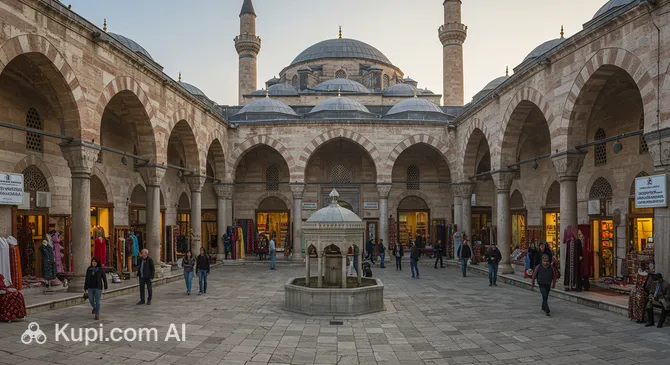
The crown jewel of the city's shopping scene is undoubtedly Koza Han, also known as the Silk Cocoon Market. Located in the heart of the historic district, this architectural masterpiece has been the center of the silk trade since 1491. Visitors can wander through the two-story arcade, exploring countless boutiques draped in colorful silk scarves, shawls, and fabrics. It is the perfect place to find a high-quality, authentic souvenir while admiring the historic atmosphere of the courtyard.
Koza Han. Illustration.
Source: Kupi.com AI
Traveler photos:
Just steps away from the silk market lies the sprawling Covered Bazaar (Kapalı Çarşı) and the Bedesten. This labyrinth of streets is buzzing with energy, offering everything from gold jewelry and traditional antiques to the city's famous towels. Bursa is renowned as the birthplace of the Turkish towel, and you will find an endless variety of soft, high-quality cotton towels and bathrobes here at very reasonable prices.
For those seeking unique handicrafts and artisanal goods, the Irgandi Bridge is a must-visit destination. This historic stone bridge is lined with small workshops where local artisans create and sell traditional Turkish arts, such as calligraphy, marbling (ebru), and wood carving. It offers a more intimate shopping experience where you can watch the masters at work and purchase one-of-a-kind items directly from the creators.
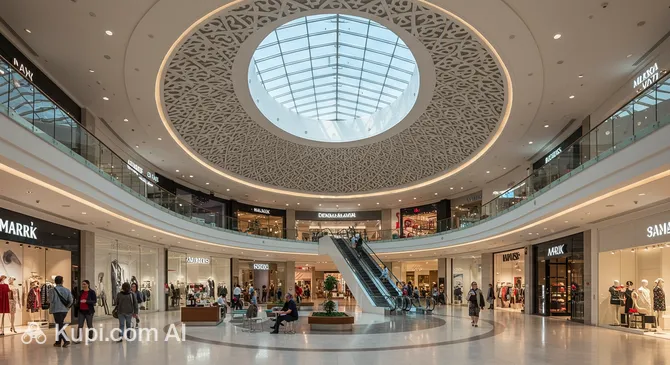
Travelers looking for a modern retail experience will find plenty of options as well. Marka Shopping Mall stands out as one of the city's premier lifestyle centers. It features a wide selection of international and Turkish brands, upscale dining options, and entertainment facilities, providing a stark but welcome contrast to the ancient bazaars. Another notable spot for modern conveniences is Bazaar West, which caters to a variety of everyday shopping needs.
Marka Shopping Mall. Illustration.
Source: Kupi.com AI
Traveler photos:
Beyond textiles and fashion, no shopping trip to Bursa is complete without picking up some edible souvenirs. The city is famous for its candied chestnuts, known as Kestane Şekeri. These sweet treats are beautifully packaged and sold in shops throughout the city, particularly near the historical sites, making for a delicious gift to take home.