Support

Zonguldak

About

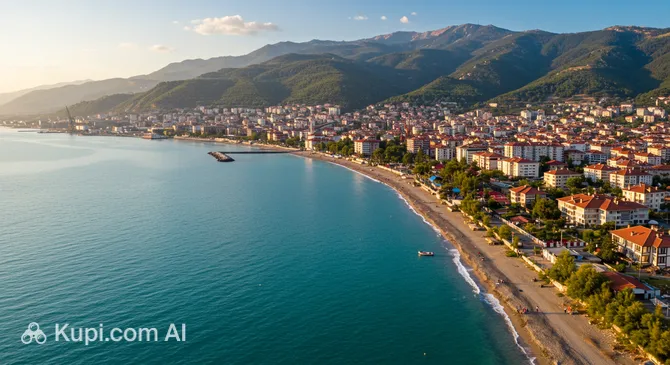
Zonguldak is a captivating city situated along the western Black Sea coast of Turkey. Known primarily for its rich coal mining legacy, the city offers a fascinating mix of industrial history and breathtaking natural scenery. Its steep streets wind through lush green hills that drop dramatically into the deep blue waters, creating a distinctive and atmospheric charm that sets it apart from typical resort towns.
Zonguldak. Source: Kupi.Binoculars

The city's development is deeply intertwined with the discovery of coal basins in the region, earning it the title of the "capital of coal." Visitors interested in the history of Zonguldak will discover how it transformed from a small settlement into a major industrial hub during the 19th century. This heritage is not just a thing of the past but is woven into the daily life and culture of the locals, giving the city a resilient and authentic character.

Beyond its industrial roots, Zonguldak is home to impressive natural wonders and cultural sites. The **Gökgöl Cave**, one of the longest in the country, dazzles visitors with its magnificent stalactites, stalagmites, and underground stream. The city also boasts the **Zonguldak Mining Museum**, which provides an insightful and moving look at the lives of miners and the industry's evolution. For nature lovers, the surrounding forests and local spots like **Kapuz Beach** offer perfect opportunities for relaxation and exploration.

Whether you are drawn by the allure of hidden caves, the rugged beauty of the Black Sea coastline, or the unique stories of a mining metropolis, Zonguldak is a destination worth discovering. It invites travelers to step off the beaten path and experience a genuine, vibrant, and scenic side of the region.
Weather Overview

Zonguldak experiences a climate typical of the Black Sea coast, characterized by moderate temperatures and consistent moisture throughout the year. The weather in Zonguldak is generally mild, avoiding the extremes of heat or cold often found in inland regions. Visitors can expect warm summers with occasional rain and cool, damp winters.

Winter is the coolest and wettest season, with January seeing average temperatures of 5.8°C and daily highs around 8.5°C. Precipitation is frequent during this time, with rain occurring on approximately 16 days in January and 14 days in December. As the season shifts to spring, temperatures gradually rise, reaching an average of 15.1°C by May, while the frequency of rainy days begins to decrease.

Summer offers the most pleasant conditions for exploration, particularly in July and August. August is typically the warmest month, with average temperatures of 22.9°C and highs reaching 26.0°C. It is also the driest part of the year, with August seeing only about 5 wet days compared to the wetter winter months. Autumn brings a gradual cooling trend, with averages dropping to 11.7°C in November as the region prepares for the return of winter rains.

Interesting Facts

Beyond the main attractions, Zonguldak holds many fascinating secrets that offer a deeper glimpse into its industrial past and unique geography. The city’s identity is woven with stories of coal, cultural fusion, and hidden engineering marvels that often escape the casual observer.

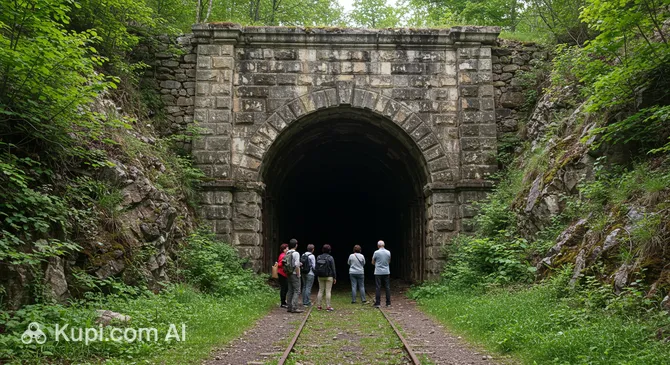
Varagel Tunnel. Source: Kupi.Binoculars
  • One of the city's most intriguing industrial relics is the Varagel Tunnel. Originally constructed over 75 years ago to transport coal from the mines to the port, this structure has been transformed into a scenic pedestrian path, allowing visitors to walk through history while enjoying views of the sea.

  • The name "Zonguldak" is the subject of several urban legends, with one popular theory tracing it back to the French mining companies that operated here in the 19th century. It is believed to be derived from the French phrase "Zone Gueul-Dagh," referring to the "zone of the mountain mouth" or the uncultivated "Jungle-Dagh," highlighting the strong European influence on the city's early industrial era.

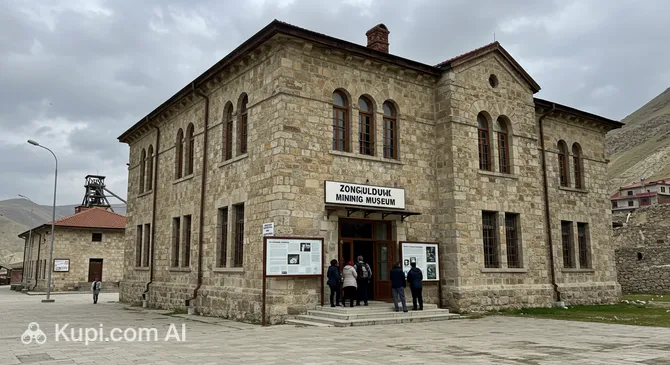
  • Zonguldak is home to Turkey's first and only museum dedicated entirely to the mining industry. The Zonguldak Mining Museum features a realistic "training mine," designed to give visitors a visceral experience of underground working conditions without actually descending deep into the earth.

  • Due to its extremely steep topography, Zonguldak is often referred to as a "city of stairs." In many neighborhoods, streets are replaced by long staircases, and daily life involves ascending and descending hundreds of steps, shaping a unique urban layout where houses seem to be stacked almost vertically on top of one another.

How to Get There

Reaching Zonguldak involves a journey through the scenic landscapes of the Black Sea region. While the city has its own local airport, international travelers often choose larger hubs in nearby major cities for better connectivity. You can read more about how to get to Zonguldak to decide which route best suits your travel plans.

The most direct entry point is Zonguldak Airport (IATA: ONQ), located within the province itself. It is a smaller regional facility situated approximately 26 km from the city center. The transfer by taxi or shuttle is relatively quick, taking about 1 hour. Although it offers the closest access, flight options may be more limited compared to larger metropolitan airports.

For a wider range of international and domestic connections, many visitors opt for Esenboga International Airport (IATA: ESB) in the capital city of Ankara. This large airport handles significant passenger traffic and is located about 179 km from Zonguldak. The journey by road from Ankara to Zonguldak typically takes around 4 hours and 50 minutes.

Another major alternative is Sabiha Gokcen International Airport (IATA: SAW) in Istanbul. As one of the busiest transport hubs in the region, it offers extensive flight schedules. However, it is located in Istanbul, roughly 217 km away, which means the transfer time to Zonguldak is approximately 5 hours and 45 minutes by car or bus.

For clarity, here is a summary of the main airports:

Airport Name City Passenger Traffic Km from City
Sabiha Gokcen International Airport Istanbul High 217.0
Esenboga International Airport Ankara High 178.9
Yenisehir Airport Bursa Low 230.1
Zonguldak Airport Zonguldak Low 25.7
Anadolu University Airport Eskisehir Low 211.8

Main Attractions

Zonguldak offers a unique blend of industrial heritage, natural beauty, and modern conveniences, making it an intriguing destination for travelers. While the city is famous for its coal mines, its tourism offerings extend far beyond its underground history, providing visitors with diverse experiences ranging from cultural education to seaside relaxation.

A visit to the city would be incomplete without exploring the Zonguldak Mining Museum. This facility serves as a tribute to the region's labor history, showcasing the evolution of coal extraction and the daily lives of the miners who shaped the city's identity. Tourists are particularly drawn to the museum for its immersive exhibits and the opportunity to learn about the industrial roots that powered Turkey's development.

Zonguldak Mining Museum. Source: Kupi.Binoculars

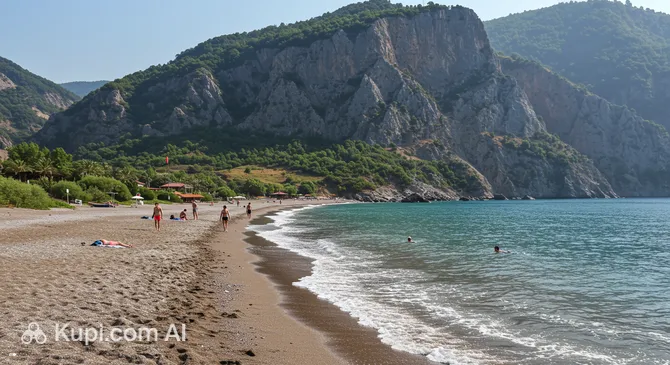
For those seeking sun and sea, Kapuz Beach is a favorite local getaway. Known for its clear waters and fine sand, it is one of the most popular swimming spots in the area. The beach is managed by the municipality, ensuring it remains clean and well-equipped with facilities, making it an excellent location for families and solo travelers alike to unwind during the summer months.

Kapuz Beach. Source: Kupi.Binoculars

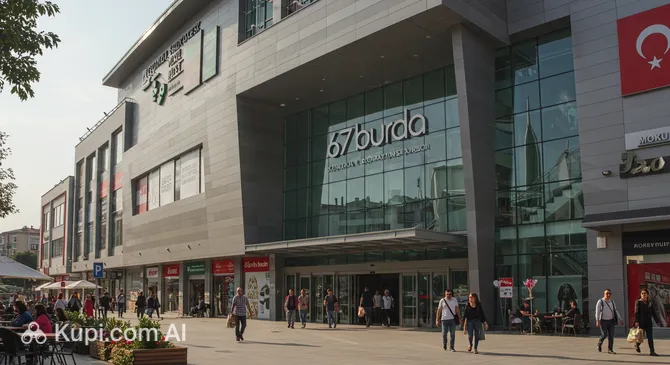
Travelers looking for a taste of modern life and entertainment can head to 67 Burda Shopping Mall. As a central hub for shopping and leisure, it offers a wide variety of international and Turkish brands, a cinema, and a food court. It provides a comfortable environment to relax, watch a movie, or enjoy a meal after a day of sightseeing.

67 Burda Shopping Mall. Source: Kupi.Binoculars

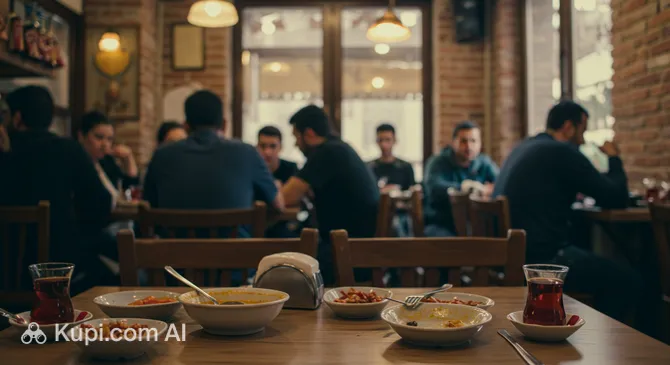
To experience the local culinary culture, a stop at Bizim Çorbacı is highly recommended. This restaurant is celebrated for its traditional Turkish soups and authentic atmosphere. It is a great spot for tourists to mingle with locals and enjoy a hearty, comforting meal that reflects the hospitality of the region.

Bizim Çorbacı. Source: Kupi.Binoculars

Local Cuisine

The culinary scene in Zonguldak is a flavorful reflection of the Western Black Sea region, characterized by a heavy reliance on fresh seasonal vegetables, wild herbs, and seafood. Unlike other parts of the country where wheat dominates, corn flour is a staple ingredient here, forming the base of many traditional recipes. The cuisine is humble yet hearty, emphasizing natural flavors and locally sourced ingredients that change with the seasons.

One of the most distinctive dishes you must try is Malay, a dense and satisfying porridge made from corn flour. It is traditionally served in two ways: savory with meat sauce and liver, or sweet with crushed walnuts and sugar or molasses. Another local specialty is Zılbıt (also known as Hodran), a wild herb that grows in the region's forests; it is typically sautéed with onions and eggs to create a nutritious and delicious meal. Of course, no visit to the Black Sea coast is complete without tasting Hamsi (anchovies), which are prepared in countless ways, from simple frying to being baked in rice.

For those with a sweet tooth, the region is famous for the Osmanlı Çileği (Ottoman Strawberry). These unique, pale pink strawberries are smaller than average but possess an intense aroma and sweetness, often used to make exquisite jams and liqueurs. To wash down these delicacies, locals typically enjoy Ayran, a refreshing salted yogurt drink, or sip on hot Turkish tea, which is consumed in abundance throughout the day as a sign of hospitality.

The dining culture in Zonguldak is relaxed and authentic, ranging from fish restaurants along the coastline to traditional "esnaf lokantası" (tradesmen restaurants) serving home-cooked meals. Soup holds a special place in the daily diet, often enjoyed as a warm start to the day or a comforting end to a night out. A great place to experience this local tradition is Bizim Çorbacı, where you can sample a variety of rich, flavorful soups in a welcoming atmosphere.

Travel Tips

Preparing for a trip to Zonguldak means getting ready for a landscape defined by steep hills, industrial heritage, and a warm Black Sea welcome. These practical tips will help you navigate the "city of stairs" with ease and enjoy your stay like a local.

  1. Dress for the Terrain and Weather. Zonguldak is famous for its vertical topography, so bring your most comfortable walking shoes with good grip; heels or flimsy sandals will struggle on the numerous staircases. Since the Black Sea climate can be unpredictable with sudden showers, packing a lightweight raincoat or umbrella is wise, even during the summer months.
  2. Mastering Local Transit. The blue minibuses, known locally as dolmuş, are the most convenient and affordable way to navigate the city and connect to nearby towns. They run frequently and stop on demand. While walking offers great views, be prepared for a serious workout due to the steep inclines; taxis are readily available if you need to save your energy.
  3. Cash is King. The currency is the Turkish Lira. While modern establishments and hotels accept credit cards, smaller local eateries, street markets, and dolmuş drivers almost exclusively operate with cash. It is advisable to carry small denominations for daily expenses. ATMs are widely available in the city center.
  4. Health and Safety. Pharmacies, marked with a large "E" sign (Eczane), are easy to find and can handle minor health issues. Zonguldak is generally a safe city for tourists, but you should be cautious on the uneven stone steps and sidewalks, especially when they are wet from the frequent rains.
  5. Overcoming the Language Barrier. English is not widely spoken outside of major hotels or the university area. Locals are helpful but may not understand complex questions. Downloading an offline translation app and learning a few basic Turkish words like merhaba (hello) and kolay gelsin (may it be easy) will be very appreciated.
  6. Tea Culture and Etiquette. Hospitality is a cornerstone of culture in Turkey, and Zonguldak is no exception. If a shopkeeper or local offers you a glass of tea (çay), it is a gesture of friendship. Accepting it, even if you only take a few sips, is considered polite and helps build a connection.
  7. What to Avoid. Avoid photographing military zones, government buildings, or private mining facilities without explicit permission. Additionally, do not assume you can walk everywhere quickly; the hilly terrain often makes short distances on a map take much longer to traverse in reality.
  8. Shop at Local Markets. For an authentic experience, ask your hotel about the days and locations of the weekly street markets (pazar). This is the best place to buy fresh local produce, such as the region's famous strawberries or chestnuts, and to observe the vibrant daily life of the city residents.

Zonguldak is a city that rewards the curious and the energetic with its unique atmosphere and coastal beauty. By keeping these practical tips in mind, you will be well-prepared to handle the slopes and uncover the hidden gems of this fascinating destination.

Entertainment & Nightlife

While Zonguldak is not defined by a raucous nightlife, it offers a distinct and relaxed entertainment scene that revolves around socializing, dining, and enjoying the coastal atmosphere. The city’s energy shifts in the evening, with locals gathering along the seaside promenades and in tea gardens to enjoy the fresh Black Sea breeze and lively conversation.

For those looking for modern leisure facilities, the 67 Burda Shopping Mall stands out as the city's primary hub for contemporary entertainment. It features a cinema complex showing the latest international and Turkish movies, as well as a variety of cafes and a food court. It is a convenient spot for families and travelers to relax, bowl, or shop in a comfortable, modern environment.

Shoppers seeking something more authentic will find unique treasures in the local markets. The region is famous for its "black diamond" heritage, which is creatively reflected in souvenirs; you can find intricate statues and ornaments carved directly from coal. Additionally, the province is renowned for the handcrafted walking sticks from the nearby town of Devrek, which make for elegant and culturally significant keepsakes.

Dining plays a central role in the city's social life. The coastline is dotted with fish restaurants where you can savor fresh catches while watching the sunset. A beloved local tradition involves ending a night out with a warm, comforting meal. Places like Bizim Çorbacı are popular for this purpose, serving traditional soups into the late hours, offering visitors a taste of the city's warm hospitality and culinary customs.

Cultural enthusiasts should look out for the International Karaelmas Culture and Art Festival. Held annually, this event transforms the city with concerts, exhibitions, and street performances, celebrating Zonguldak’s rich history and vibrant community spirit.

Parks & Museums

Zonguldak offers a surprising harmony between its industrial heritage and its lush, mountainous landscape. While the city is famous for its "black diamond" coal reserves, it also boasts impressive green spaces, geological wonders, and cultural institutions that celebrate its unique history and geography.

For nature enthusiasts, the Gökgöl Cave is a spectacular natural marvel located just a few kilometers from the city center. As one of the longest caves in Turkey, it welcomes visitors with a beautifully lit walking path that winds past dramatic stalactites, stalagmites, and an underground stream. The cave's constant temperature creates a distinct microclimate, making it a refreshing escape during the summer and a sheltered retreat in cooler months.

Those seeking a more active outdoor experience should explore the Harmankaya Waterfalls. This natural monument is hidden within a verdant valley and features a trekking route that leads past a series of cascading waterfalls. The trail is perfect for hikers who enjoy being immersed in dense forests, offering a peaceful respite from the urban bustle and a chance to observe the region's rich flora.

In the heart of the city, the Fener District (Fener Mahallesi) serves as both a park-like promenade and an open-air museum of sorts. Perched on cliffs overlooking the Black Sea, this area features historic French-style housing originally built for mine engineers and a scenic walking path known as the "Fener Gezi Yolu." It is a favorite local spot for sunset strolls, offering panoramic views of the coastline and the historic lighthouse.

The city's cultural identity is deeply rooted in mining, and the Zonguldak Mining Museum is the premier institution dedicated to this legacy. As Turkey's first mining museum, it goes beyond static displays by offering a "Coal Experience Quarry" simulation. This immersive exhibit allows visitors to safely experience the atmosphere of an underground mine, providing a profound appreciation for the challenging conditions faced by miners throughout history.

Complementing the main museum is the Karaelmas Mine Martyrs Museum (Karaelmas Maden Şehitleri Müzesi). Housed in a restored historical building in the Üzülmez district, this poignant venue focuses on the human stories behind the industry. It displays personal belongings, photographs, and documents related to the miners who lost their lives, serving as an emotional tribute to the city's labor force.

For a unique perspective on the city's industrial past, you can also walk along the route of the Varagel Tunnel. While primarily a historical transport structure, its conversion into a walkway allows tourists to experience a piece of living history while enjoying the natural beauty of the rocky shoreline.

Getting Around

Getting around Zonguldak is a unique experience defined largely by its dramatic topography. Since the city is built on steep slopes rising sharply from the Black Sea coast, the local transport system is designed to navigate winding roads and sharp inclines. While the terrain might seem challenging at first, the city offers several efficient and affordable options for internal mobility, ensuring that visitors can reach neighborhoods, beaches, and attractions with relative ease.

The backbone of local transportation is the dolmuş (minibus). These ubiquitous blue or cream-colored vehicles are the most practical way to traverse the city's hilly landscape. Unlike standard buses, dolmuşes are smaller and more agile, allowing them to maneuver through narrow streets and climb steep gradients that larger vehicles cannot manage. They operate on fixed routes but offer the flexibility of stopping anywhere along the way to pick up or drop off passengers. They are frequent, budget-friendly, and an authentic part of daily life in Turkey.

Municipal buses are also available and typically serve the main arteries and flatter sections of the city, connecting the center with major districts and the university campus. While they provide a comfortable ride, their routes are more limited compared to the extensive network of the dolmuş system. For visitors carrying luggage or those who prefer a direct door-to-door service, yellow taxis are widely available at designated stands and can be hailed on the street. Given the vertical nature of the city, a taxi is often the best choice for reaching destinations located high up on the hills without breaking a sweat.

For those who prefer to drive, car rentals are an option, though they come with a few caveats. Driving in Zonguldak requires confidence and skill due to the winding roads, frequent blind curves, and very steep hill starts. Parking in the city center can also be scarce. However, having a car provides the freedom to explore the surrounding province and secluded natural spots at your own pace.

Finally, exploring Zonguldak on foot is an adventure in itself. Known as the "City of Stairs," Zonguldak features extensive networks of public staircases that serve as streets for pedestrians. Walking here is a physical activity that rewards you with stunning views of the sea and the city's tiered architecture. While it is the best way to discover hidden corners and local culture, be prepared for a workout, as moving between parallel streets often involves ascending or descending dozens of steps.

Accommodation

Accommodation in Zonguldak primarily caters to business travelers and visitors exploring the Western Black Sea region, rather than mass tourism. Consequently, the city does not feature the sprawling all-inclusive resorts found on the southern coast. Instead, travelers will find a solid selection of mid-range urban hotels, modest guesthouses, and comfortable business hotels. In recent years, the option of short-term apartment rentals has also become more available, providing a home-like environment for families or those planning longer stays.

The most convenient area to stay is arguably the City Center (Merkez). Choosing a hotel here places you within walking distance of transport hubs, local restaurants, and the main shopping districts. It is an ideal base for those relying on public transport, such as the dolmuş network, to explore the surrounding province. Alternatively, the Kozlu district and the historic Fener neighborhood offer a different atmosphere. These areas are often preferred by visitors seeking scenic views of the Black Sea and a slightly quieter environment, while still remaining accessible to the city's amenities.

In terms of pricing, Zonguldak is generally more affordable than Turkey's major tourist hotspots like Istanbul or Antalya. Most accommodations fall into the budget to mid-range category, offering good value for money. While luxury options are limited, the standard hotels usually provide essential modern amenities such as Wi-Fi and breakfast. Booking can be done easily through major online travel platforms, though some smaller pensions may prefer direct contact via phone or email.

Booking Tip: While it is usually easy to find a room, it is advisable to book in advance if you plan to visit during the summer months (July and August) or during local events like the Karaelmas Culture and Art Festival. During these peak times, the best-located hotels can fill up quickly with domestic tourists and festival attendees.

Nearby Cities

For those looking to explore the surroundings, Zonguldak serves as an excellent base for day trips to several interesting nearby locations:

City Population Distance (km)
Duzce 240,633 86
Bolu 205,525 82
Karadeniz Ereğli 175,605 36
Bartın 155,016 50
Karabuk 131,989 75

Karadeniz Ereğli is the closest and perhaps most historically significant destination for a quick getaway. Located just a short drive along the coast, this town is steeped in mythology and is famous for the Cehennemağzı Caves (Hell’s Mouth Caves). According to legend, this is where the mythical hero Heracles completed one of his twelve labors by descending into the underworld. Beyond its ancient allure, the town features a pleasant seaside promenade, bustling cafes, and a vibrant atmosphere that contrasts with the industrial vibe of Zonguldak.

Heading inland, Bartın offers a charming glimpse into traditional Black Sea architecture. The city is renowned for its historic wooden houses and the Bartın River, which flows through the town and is one of the few navigable rivers in Turkey. It provides a more tranquil, small-town experience and serves as the gateway to the picturesque coastal resort of Amasra, a must-see spot for its fortress, beaches, and fresh seafood.

For nature enthusiasts, Bolu is a perfect choice, though it requires a slightly longer drive. Known as a land of lakes and forests, it is home to the stunning Lake Abant and Yedigöller (Seven Lakes) National Park. While the city center has its own charms, the surrounding region is a haven for hiking, picnicking, and enjoying the lush, green landscapes that define the transition between the Black Sea and Central Anatolia.

These nearby destinations offer a glimpse into the diverse culture and landscapes of the region.

Shopping & Souvenirs

Shopping in Zonguldak offers a pleasant mix of modern convenience and traditional local culture. While the city is not primarily known as a major fashion capital, it provides everything a traveler might need, from contemporary brands to unique regional handicrafts. Visitors can enjoy browsing through bustling city streets, exploring well-equipped malls, or diving into the authentic atmosphere of local bazaars.

The heart of the city's retail activity beats along Gazipaşa Street (Gazipaşa Caddesi). This lively avenue serves as the main commercial artery, lined with a variety of clothing boutiques, shoe stores, electronic shops, and patisseries. It is a great place to take a walk, soak in the daily rhythm of the city, and find both local Turkish brands and everyday essentials.

For a modern shopping experience, the city's premier destination is the 67 Burda Shopping Mall. Located centrally, this mall houses numerous international and domestic retail chains, offering a wide selection of apparel, cosmetics, and home goods. It also features a food court and entertainment facilities, making it a popular one-stop spot for families and tourists looking for a comfortable, climate-controlled environment. Another notable center is Westalife, which also provides a good range of stores and leisure options.

To see the more traditional side of commerce, visiting a local street market (pazar) is a must. The Soğuksu Market is particularly well-known among locals. Here, vendors set up stalls selling fresh fruits and vegetables from the surrounding villages, as well as cheeses, olives, and inexpensive textiles. It is the perfect place to experience the vibrant colors and sounds of the Black Sea region and to pick up fresh ingredients if you are self-catering.

When it comes to souvenirs, Zonguldak offers several unique items that reflect its heritage. The most famous regional product is the Devrek Walking Stick (Devrek Bastonu). Handcrafted in the nearby town of Devrek, these canes are made from cornelian cherry wood and are often intricately carved with snake motifs. Another distinctive keepsake is coal art; local artisans carve statues, jewelry, and ornaments from the city's famous hard coal, creating beautiful black souvenirs that pay homage to the mining history. Additionally, look for Elpek cloth, a traditional hand-woven fabric, or jars of the aromatic Ottoman Strawberry jam.

Store opening hours in Zonguldak are consistent with the rest of Turkey. Shopping malls typically operate from 10:00 AM to 10:00 PM, seven days a week. Street shops and smaller boutiques usually open around 9:00 AM and close by 7:00 PM or 8:00 PM, and some may be closed on Sundays. Major credit cards are widely accepted in malls, supermarkets, and most shops on the main streets. However, if you plan to visit the street markets or small local kiosks, it is essential to carry cash in Turkish Lira.

Tourists visiting from outside the country may be eligible for Tax-Free shopping. Look for the "Tax Free" signage in the windows of larger stores, particularly within the shopping malls. If you make a purchase above the minimum limit in these participating stores, be sure to ask for the necessary paperwork to claim your VAT refund at the airport upon departure.

Reached the end of the page?

That means the route is fully explored