Support

Isparta

About

Isparta is often celebrated as the "City of Roses," a title that perfectly captures its fragrant and colorful atmosphere. Situated in the southwestern part of Turkey, this charming city is the capital of the Isparta Province and serves as a globally significant hub for rose oil and carpet production. With a population of approximately 258,000, it successfully balances the amenities of a modern urban center with the tranquility of the surrounding countryside.

Isparta. Source: Kupi.Binoculars

Geographically, the city is nestled in the famous "Lakes Region," offering stunning views and a climate that transitions between the mild Mediterranean and the continental weather of central Anatolia. While the city itself is vibrant and bustling, the deep history of Isparta is evident in its cultural fabric, reflecting the various civilizations that have inhabited this strategic location over the centuries.

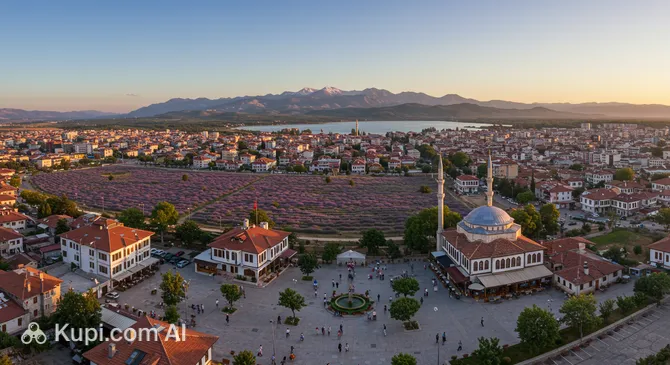
Travelers are drawn here not only for the urban experience but also for the spectacular natural surroundings. During the harvest seasons, the fields bloom with damask roses and vibrant lavender, creating photogenic purple and pink landscapes that are unique to this region. Nearby, the majestic Lake Eğirdir offers excellent opportunities for swimming and hiking, while the Davraz Ski Center attracts winter sports enthusiasts, making the area a versatile year-round destination.

Whether you are interested in exploring fragrant gardens, shopping for authentic hand-woven carpets, or simply enjoying the scenic mountain views, Isparta provides a memorable experience. It is a delightful stop for anyone wishing to discover the authentic lifestyle and natural wonders of the Anatolian peninsula.

Weather Overview

The climate in this region is characterized by distinct seasons, blending continental and Mediterranean influences. Summers are typically warm and sunny, creating an ideal environment for exploring the famous rose gardens and outdoor attractions. In contrast, winters bring colder temperatures and frequent precipitation, which supports the winter sports season in the surrounding mountains.

July and August are the warmest months, with average temperatures hovering around 23°C and daytime highs often reaching nearly 30°C. Rainfall is minimal during this period, ensuring plenty of clear skies for travelers. January serves as the coldest month, where temperatures average about 2°C and can drop below freezing at night. For specific details to help you pack, you can check the current weather in Isparta.

Spring and autumn offer mild and comfortable conditions, with average temperatures rising from roughly 10°C in April to nearly 20°C in September. These transitional seasons are generally pleasant, though you might encounter more wet days compared to the height of summer. Overall, visitors should expect warm, dry summers and cold, damp winters.

Interesting Facts

Beyond the fragrant gardens and scenic landscapes, Isparta holds many fascinating secrets that often surprise visitors. This city is not just a regional center but a place with unique global significance and hidden cultural gems waiting to be discovered.

  • Isparta is a giant in the global perfume industry, supplying approximately 65% of the world's rose oil. The specific variety grown here, Rosa damascena, is harvested by hand in the early morning hours to preserve its precious scent, which eventually finds its way into bottles of famous luxury perfumes in Paris and beyond.

  • While roses are the traditional icon, the region has recently gained fame as Turkey's "Lavender Heaven." The village of Kuyucak, located just a short drive from the city center, transforms into a stunning sea of purple every summer, producing the vast majority of the country's lavender production and offering a visual feast that rivals the fields of Provence.

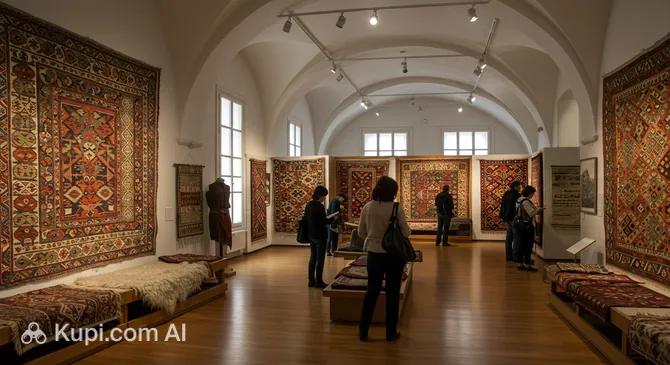
  • The city has a deep-rooted heritage in weaving, with its rugs being highly prized for their quality and intricate designs. To honor this legacy, the city is home to the Isparta Ethnography Carpet and Kilim Museum, where visitors can ascend the observation tower to see one of the world's largest hand-woven carpets on display.

  • Nearby Lake Eğirdir is often referred to by locals as the "Seven-Colored Lake." This nickname comes from the water's unique ability to change hues throughout the day—shifting from turquoise to deep blue and gold—depending on the angle of the sunlight and the wind conditions.

Isparta Ethnography Carpet and Kilim Museum. Source: Kupi.Binoculars

How to Get There

Reaching the "City of Roses" is a straightforward journey, with several convenient options available depending on your starting point. Whether you prefer flying directly into the region or taking a scenic drive from the coast, you can find more about how to get to Isparta and choose the route that best suits your travel plans.

The most direct way to arrive is by flying into Isparta Suleyman Demirel Airport (ISE). Located just 19.3 km from the city center, this airport specifically serves the region. While it handles a smaller volume of traffic compared to major hubs, it offers the quickest access to the city. The journey from the airport to downtown Isparta typically takes around 30 minutes by taxi or shuttle service.

For international travelers, a very popular alternative is Antalya Airport (AYT), located in the city of Antalya. Although it is situated approximately 98.3 km away from Isparta, it is a major international hub with significantly more flight connections. The drive from Antalya to Isparta is scenic and takes about 1.5 to 2 hours by road. Another viable option is Cardak Airport (DNZ) in Denizli, which is roughly 75.1 km away. Transferring from Denizli is quite fast, taking approximately 1 hour.

For clarity, here is a summary of the main airports:

Airport Name City Passenger Traffic Km from City
Antalya Airport Antalya Large 98.3
Dalaman Airport Mugla Large 194.9
Cardak Airport Denizli Medium 75.1
Isparta Suleyman Demirel Airport Isparta Small 19.3
Konya Airport Konya 178.3

Main Attractions

Exploring Isparta offers a delightful mix of cultural heritage, historical depth, and modern leisure. While the city is famous for its natural rose gardens, the urban center houses several key landmarks that provide insight into local traditions and daily life. Here are some of the main places to visit during your stay.

A visit to the city would be incomplete without exploring its deep connection to weaving arts at the Isparta Ethnography Carpet and Kilim Museum. This facility stands as a tribute to the region's renowned craftsmanship, displaying a vast collection of intricate hand-woven carpets and rugs. Beyond the textiles, the museum features ethnographic exhibits that showcase traditional costumes and tools, offering a comprehensive look at the cultural history of the area.

For those interested in historical figures and spiritual heritage, the House of Said Nursi is a significant site. This preserved residence was once the home of the influential Islamic scholar Said Nursi. Today, it serves as a museum where visitors can see the modest living quarters and personal effects of the scholar, providing a quiet and reflective atmosphere that contrasts with the bustling city streets.

House of Said Nursi. Source: Kupi.Binoculars

If you are looking to experience the contemporary lifestyle of the locals, Iyaşpark Shopping Center is the perfect destination. As one of the city's primary social hubs, it offers a wide range of international and Turkish brands, a food court with diverse dining options, and entertainment facilities. It is an excellent spot to take a break, enjoy some shopping, or simply observe the modern rhythm of Isparta.

Iyaşpark Shopping Center. Source: Kupi.Binoculars

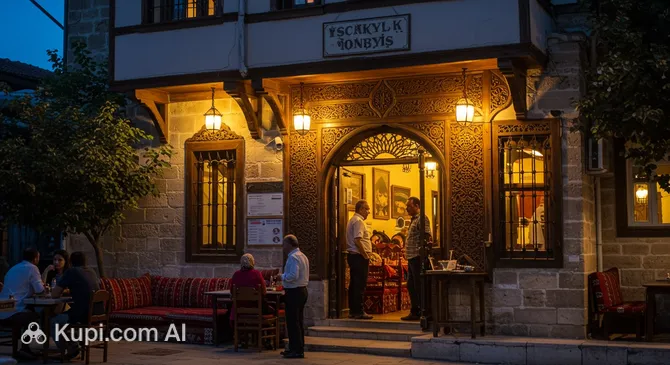
Another popular venue for dining and social gatherings is Konak Restaurant. Known for its welcoming atmosphere, this establishment is a great place to sample local flavors and enjoy a comfortable meal. Whether you are looking for a hearty dinner or a place to relax with friends, it represents the warm hospitality that the city is known for.

Local Cuisine

The culinary landscape of Isparta is a delightful reflection of its geographical position, blending the rich traditions of Central Anatolia with fresh Mediterranean influences. As the "City of Roses," it is no surprise that the local cuisine is heavily influenced by this fragrant flower. A traditional breakfast here is incomplete without Gül Reçeli (Rose Jam), a sweet and aromatic preserve made from the petals of the famous Damask rose. This floral note extends to desserts and snacks, with rose-flavored Turkish delight (*lokum*) being a popular treat for visitors to take home.

When it comes to hearty main courses, the undisputed star is the Isparta Fırın Kebabı (Oven Kebab). Unlike other kebabs in Turkey, this dish is traditionally prepared with meat from goats or sheep that have grazed on the aromatic flora of the region. The meat is slow-cooked for hours in a stone oven fueled by oak wood, resulting in an incredibly tender texture and a distinct, savory flavor. It is typically served on copper plates with fresh pita bread, making for a truly authentic dining experience.

Konak Restaurant. Source: Kupi.Binoculars

Another local favorite that tourists must try is Kabune Pilavı. This savory rice dish is often served at weddings and special gatherings but can be found in select restaurants throughout the city. It is a hearty mixture of rice, chickpeas, and shredded meat, cooked together in a broth to create a comforting and flavorful meal. For those willing to venture slightly out of the city center to the lakeside, Sazan Dolması (Stuffed Carp) is a regional specialty featuring fish from Lake Eğirdir stuffed with a mix of bulgur, herbs, and spices.

To accompany these meals, locals often choose Gül Şerbeti (Rose Sherbet), a refreshing, non-alcoholic drink made from rose water and sugar. It is particularly popular during the warm summer months. For a more standard accompaniment, the local Ayran (a salty yogurt drink) pairs perfectly with the rich meat dishes.

The dining scene in Isparta offers a mix of traditional eateries and modern venues. Visitors can explore the Isparta Meydan Shopping Mall, which hosts a variety of dining options ranging from quick bites to sit-down meals, perfect for families or those on the go. For a more thematic experience that embraces the city's identity, the Rosa Therapy Boutique Hotel offers a setting where the ambiance often reflects the serene and floral character of the province.

Travel Tips

To ensure your visit to the "City of Roses" is as smooth and enjoyable as possible, we have compiled a list of essential travel advice. These practical tips will help you navigate local customs, manage your logistics, and make the most of your time in this charming corner of Turkey.

  1. Clothing and Gear: The wardrobe you pack should depend heavily on the season. Summers are hot and dry, requiring light, breathable fabrics, sunglasses, and a hat. Winters can be quite cold, especially if you plan to visit the Davraz Ski Center, so bring thermal layers and a warm coat. Comfortable walking shoes are a must for exploring the city streets and nature trails. If you plan to visit mosques, remember to dress modestly; women should bring a scarf to cover their heads, and everyone should cover their shoulders and knees.
  2. Transportation: Within the city center, public buses (Halk Otobüsü) are the most common and affordable way to get around. Taxis are yellow, metered, and widely available for shorter, more direct trips. However, to truly explore the wider province—such as the lavender fields in Kuyucak or the shores of Lake Eğirdir—renting a car is highly recommended, as it offers the freedom to stop at scenic viewpoints at your own pace.
  3. Finances: The local currency is the Turkish Lira (TRY). While credit and debit cards are widely accepted in hotels, shopping malls like Iyaşpark, and larger restaurants, cash is king in smaller shops, local bazaars, and rural villages. ATMs are plentiful in the city center. It is wise to carry small denominations for taxi fares and small purchases. Tipping is appreciated; leaving about 10% in restaurants is standard practice.
  4. Health and Safety: Isparta is generally a very safe city for tourists. Pharmacies, known as Eczane, are easy to find and can help with minor ailments; look for the "Nöbetçi Eczane" sign for 24-hour service on a rotating basis. Tap water is chlorinated but not typically recommended for drinking; stick to bottled water, which is cheap and readily available everywhere.
  5. Communication: The primary language is Turkish. While you may find English speakers in hotels and university areas, it is not widely spoken in local markets or by taxi drivers. Downloading an offline translation app and an offline map is very useful. Learning a few basic phrases like Merhaba (Hello) and Teşekkürler (Thank you) will go a long way in earning smiles from the locals. SIM cards can be easily purchased from major providers in the city center with your passport.
  6. Local Etiquette: Turkish hospitality is legendary. If you are invited into a local home or even a shop, you will likely be offered tea (çay); accepting it is a polite gesture of friendship. When entering a house or a mosque, always remove your shoes. Greetings often involve a handshake, and it is respectful to address elders politely.
  7. What to Avoid: Avoid taking photographs of local people, especially women in rural areas, without asking for permission first. Also, refrain from public displays of affection, as the culture in provincial Turkish cities is more conservative than in major tourist hubs like Istanbul or Antalya.
  8. Shopping for Souvenirs: When buying the city's famous rose oil or rose water, look for certified producers or established shops in the city center to ensure authenticity. The best time to buy fresh products and see the production process is during the rose harvest season in May and June.

By keeping these tips in mind, you will be well-prepared to embrace the authentic lifestyle and natural beauty of Isparta. Enjoy the fragrant air, the warm hospitality, and the unique experiences that await you in this delightful Turkish city.

Entertainment & Nightlife

While Isparta is deeply rooted in tradition, it offers a lively social scene that surprises many visitors, largely driven by its youthful university population. The city does not rely on loud nightclubs; instead, it thrives on a vibrant café culture and seasonal festivities that bring the community together. The most anticipated event of the year is the International Rose Festival in June, where the streets fill with parades, concerts, and folk dance performances, celebrating the harvest that defines the region's identity.

For a typical evening out, locals head to the bustling area known as Kafeler Caddesi (Street of Cafes). This pedestrian-friendly zone is the heartbeat of the city's nightlife, lined with countless coffee shops, tea houses, and bistros. It is the perfect place to enjoy live acoustic music, play a game of traditional backgammon, or simply soak in the energetic atmosphere alongside students and families.

Travelers looking for modern leisure facilities often visit the Isparta Meydan Shopping Mall. Located centrally, it serves as more than just a shopping destination; it is a hub for entertainment with its modern cinema complex and family-friendly activity zones. It provides a convenient option for catching a movie or enjoying indoor recreational activities, especially during the colder winter evenings.

Isparta Meydan Shopping Mall. Source: Kupi.Binoculars

For a more restorative form of entertainment, the city offers excellent opportunities for wellness. Establishments like the Rosa Therapy Boutique Hotel focus on relaxation, often incorporating the region's famous rose oil into their ambiance and services. Spending an afternoon in such a tranquil setting allows visitors to unwind and experience the therapeutic benefits of Isparta's natural bounty firsthand.

Rosa Therapy Boutique Hotel. Source: Kupi.Binoculars

Parks & Museums

Isparta offers a serene blend of natural beauty and deep-rooted heritage, making it a delightful destination for those who appreciate both the outdoors and cultural exploration. The city and its surroundings are dotted with lush green spaces that provide a breath of fresh air, while its museums serve as custodians of the region's rich history, from ancient civilizations to the celebrated tradition of carpet weaving.

One of the most popular natural escapes near the city center is Gölcük Nature Park. Situated within a volcanic crater, this park features a stunning lake surrounded by pine, cedar, and oak forests. It is a favorite spot for locals and visitors alike to enjoy picnics, long nature walks, and the tranquil reflection of the hills on the water. Another historical green space is Ayazmana Park, known for its centuries-old chestnut trees. Traditionally a resting place for travelers, it remains a cool and shady refuge during the hot summer months, perfect for a relaxing afternoon tea.

For a deep dive into the local culture, the Isparta Ethnography Carpet and Kilim Museum is an essential stop. This unique venue not only displays an impressive collection of hand-woven Turkish rugs—some of which are immense in size—but also offers a panoramic view of the city from its observation tower. It beautifully narrates the story of Isparta's weaving industry, which has been a pillar of the local economy for generations.

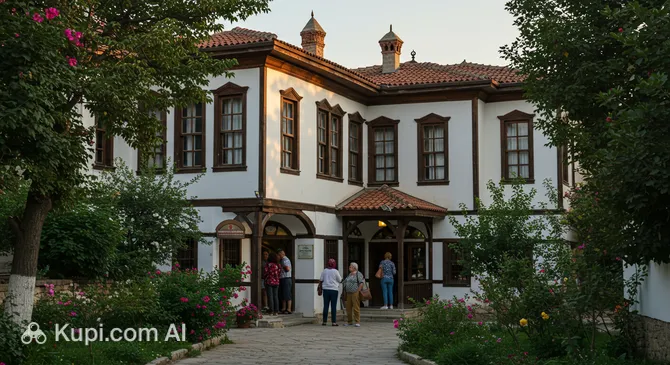
Another significant site is the Isparta Museum, which houses a fascinating collection of archaeological finds from the Pisidia region. Here, you can admire diverse artifacts ranging from the Bronze Age to the Ottoman era, including sculptures and coins that trace the area's long timeline. Visitors interested in recent history and spiritual figures often visit the House of Said Nursi. This preserved home offers an intimate glimpse into the life of the renowned scholar, maintained with its original modest furnishings.

Beyond the museums, the region is home to spectacular historical sites. The ancient city of Sagalassos, located high in the Taurus Mountains nearby, is an archaeological marvel known as the "City of Emperors." Its restored Antonine Nymphaeum is a breathtaking fountain that still flows with water today. Closer to the city center, the Firdevs Bey Bedesten stands as a fine example of Ottoman architecture, designed by the famous architect Mimar Sinan, and continues to function as a lively bazaar.

For a truly authentic experience, try to visit the Kovada Lake National Park in the autumn. While famous for its wildlife, the changing colors of the foliage create a mesmerizing landscape that feels like a living painting, offering a quieter and more secluded alternative to the more crowded tourist spots.

Getting Around

Public transportation in Isparta is straightforward and reliable, primarily relying on a comprehensive network of public buses known as "Özel Halk Otobüsleri." Since there is no metro or tram system within the city, these buses serve as the main lifeline for locals and tourists alike, connecting the city center with residential neighborhoods, the university campus, and key points of interest. The buses are easily recognizable, often featuring the city's signature rose-themed branding, and they operate on frequent schedules throughout the day.

To use the bus system, you will need to obtain a "GülKart" (Rose Card), which is the city's electronic smart card for transit fares. Cash payments are generally not accepted directly by bus drivers, so it is essential to purchase this card beforehand. You can buy and top up your GülKart at designated kiosks, authorized dealers, and small markets scattered around the city center. The fares are quite affordable, making it an economical way to get around.

For a more flexible alternative, you can make use of the "dolmuş" system—shared minibuses that follow specific routes but can stop anywhere along the way to pick up or drop off passengers. Unlike the large public buses, the dolmuş typically accepts cash payment directly to the driver upon boarding. They are particularly useful for shorter trips or for reaching areas that might be slightly off the main bus lines.

Taxis are also widely available and operate 24 hours a day. They are yellow and equipped with meters, offering a comfortable and direct way to reach your destination. While more expensive than public transport, taxis are convenient for late-night travel or if you are carrying heavy luggage. If you plan to explore the wider province, such as the lavender fields or the lakes, renting a car is highly recommended as public transport to rural areas can be infrequent.

The city center of Isparta is relatively compact and pedestrian-friendly, allowing visitors to explore many main attractions on foot. Most buses operate from approximately 6:30 AM until around 11:30 PM, though frequencies may decrease late in the evening and on weekends. Checking the destination sign on the front of the bus or asking the driver is always a good practice to ensure you are heading in the right direction.

Accommodation

Accommodation in Isparta is generally designed to be practical and comfortable, catering to a mix of business travelers, students, and tourists visiting for the famous rose and lavender harvests. The city does not typically feature sprawling luxury resorts; instead, visitors will find a solid selection of mid-range city hotels, clean and budget-friendly pensions, and a growing number of boutique establishments housed in restored historical buildings. This variety ensures that whether you are a backpacker or looking for modern amenities, there is a suitable place to stay.

For most travelers, the City Center is the most convenient area to base yourself. Staying here places you within walking distance of key attractions, local dining spots, and shopping hubs. It also offers easy access to public transport, making it simple to catch a bus to the outlying rose gardens or the university. If you prefer a more scenic and tranquil environment, many visitors choose to stay in the nearby lakeside town of Eğirdir, located about 30 minutes away. This area offers charming pensions and small hotels right on the water's edge, providing stunning views of the lake and mountains.

A crucial tip for booking accommodation in Isparta is to plan well ahead if you are visiting during the peak harvest seasons. May and June see a significant influx of tourists for the rose harvest and the International Rose Festival, while July attracts crowds for the lavender fields. During these months, hotels in the city and surrounding areas can reach full capacity very quickly due to tour groups.

In terms of pricing, Isparta is generally more affordable than the major coastal tourist hubs like Antalya. You can expect reasonable rates for standard double rooms in reputable hotels. While major international booking platforms work well for the larger city hotels, some smaller, family-run pensions in the region may offer better rates or availability if contacted directly. Cash payment is sometimes preferred in these smaller establishments.

Nearby Cities

For those looking to explore the surroundings, Isparta serves as an excellent base for day trips to several interesting nearby locations. The city's central position in the Lakes Region allows travelers to easily reach both the serene landscapes of central Anatolia and the vibrant shores of the Mediterranean.

One of the most popular excursions is to Antalya, the tourism capital of the Turkish Riviera. Located just a scenic drive through the mountains to the south, it offers a complete change of pace with its stunning beaches, palm-lined boulevards, and the historic Kaleiçi district. Visitors can spend the day exploring ancient Roman gates, relaxing by the turquoise sea, or visiting the magnificent Düden Waterfalls before returning to the quieter atmosphere of Isparta in the evening.

Much closer to home is the neighboring city of Burdur. It is an essential stop for history buffs, primarily due to the Burdur Archaeology Museum, which houses incredible statues and artifacts from the ancient site of Sagalassos. Nature lovers also frequent the area to see Lake Burdur and, slightly further afield, the famous Lake Salda, known for its white sands and crystal-clear waters resembling the Maldives.

For a cultural experience, a trip to Akşehir offers a glimpse into Turkish folklore. This town is famous as the home of Nasreddin Hodja, a satirical Sufi figure known for his humorous stories and wisdom. The town hosts a festival in his honor and features several monuments and a mausoleum dedicated to his legacy, making it a charming spot for those interested in local traditions.

City Population Distance (km)
Antalya 2,426,356 97
Serik 124,335 106
Burdur 113,077 24
Aksehir 93,233 101
Beysehir 73,768 104

These nearby destinations offer a glimpse into the diverse culture and landscapes of the region, ensuring that your itinerary remains varied and exciting.

Shopping & Souvenirs

Shopping in Isparta offers a distinct experience that blends modern convenience with the rich cultural heritage of the region. While you will not find the endless luxury avenues of a metropolis, the city provides a charming selection of goods that reflect its identity as the "City of Roses." Visitors can expect to find high-quality local produce, authentic handicrafts, and modern retail options, making it an excellent destination for finding unique gifts and souvenirs that are truly representative of the area.

The heart of the city's retail activity is concentrated around Mimar Sinan Street and Cumhuriyet Street. These bustling avenues are lined with a mix of clothing boutiques, shoe stores, and patisseries. Walking through these streets allows tourists to soak in the local atmosphere, where traditional shopkeepers operate alongside modern brands. For a more historical shopping experience, the Firdevs Bey Bedesten, a covered bazaar dating back to the Ottoman era, is a must-visit. Here, you can browse through small shops selling textiles, jewelry, and traditional crafts in an architectural setting that has stood for centuries.

For those who prefer a modern shopping environment with international brands and entertainment facilities, the city has two main malls. Iyaşpark Shopping Center is a popular meeting point for locals, offering a wide variety of stores, a supermarket, and a food court. It is an ideal place to find standard clothing items or electronics. Another central option is the Isparta Meydan Shopping Mall, which features a contemporary design and hosts numerous retail outlets, making it convenient for travelers staying in the city center.

Local markets, or "pazar," are an essential part of daily life in Isparta. These open-air markets are vibrant and colorful, overflowing with fresh fruits, vegetables, and regional delicacies. The most famous items to look for here are the local apples, cherries, and, depending on the season, fresh walnuts. These markets are also great places to find inexpensive clothing and household goods, offering a glimpse into the authentic lifestyle of the residents.

When it comes to souvenirs, the choice is obvious: anything related to roses. As the world's leading producer of rose oil, Isparta is the best place to buy rose-based cosmetics, perfumes, creams, and soaps. You will find specialized shops throughout the city dedicated entirely to these fragrant products. Edible treats are also popular, particularly rose jam (gül reçeli) and rose-flavored Turkish delight. Beyond flowers, the region is historically famous for its hand-woven carpets and kilims. Although the industry has modernized, you can still find exquisite handmade pieces that make for a valuable and lasting memento.

Store hours in Isparta generally run from 9:00 AM to 9:00 PM, though shopping malls often stay open until 10:00 PM. On Sundays, some smaller street shops may close, but malls and supermarkets remain open. Credit and debit cards are widely accepted in shopping centers, hotels, and established stores. However, if you plan to shop in the traditional Bedesten or at the open-air markets, it is essential to carry cash in Turkish Lira, as small vendors often do not have card terminals.

Tourists visiting from outside Turkey may be eligible for Tax-Free shopping on certain purchases. Look for the "Tax Free" signage in the windows of larger stores and international brands within the shopping malls. If you make a qualifying purchase, ask for the necessary paperwork to claim your VAT refund at the customs office upon your departure from the country.
Reached the end of the page?

That means the route is fully explored