While millions of travelers flock to the famous turquoise coastlines of the province, the city of Mugla itself remains a charming, authentic inland treasure often overlooked by the crowds. Serving as the administrative capital of the region in southwestern Turkey, this city offers a peaceful retreat into traditional Turkish culture. Nestled at the foot of the flat-topped Asar Mountain, Mugla lies on a high plain, providing a cooler and fresher climate compared to the humid coastal resorts, making it a pleasant destination year-round.
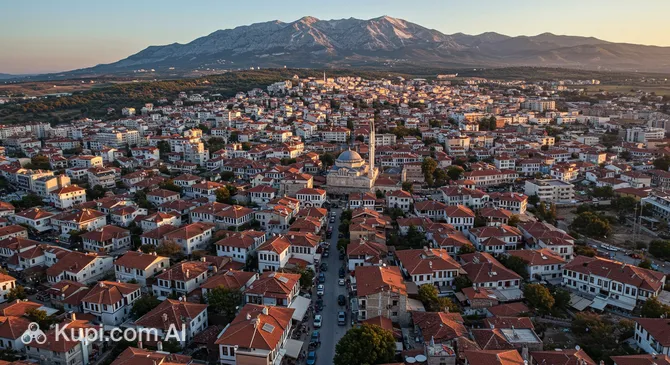
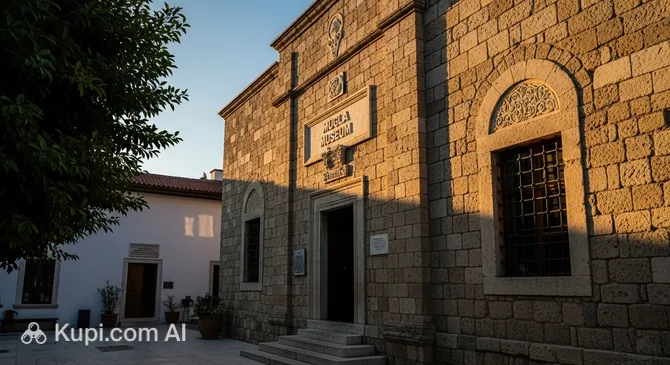
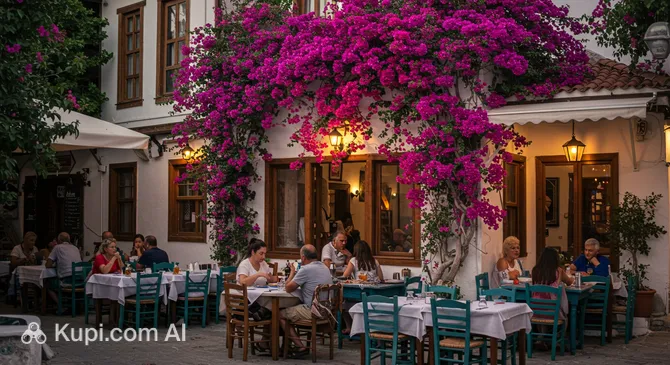
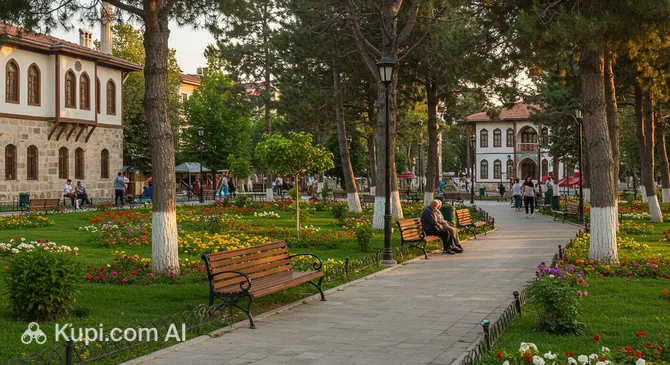
The city is renowned for its distinct urban texture and well-preserved architecture. Walking through its streets feels like stepping back in time, where you can admire the famous Mugla houses. These whitewashed Ottoman-style homes are celebrated for their intricate woodwork, red-tiled roofs, and unique chimneys designed to handle the region's specific climate. To understand the deep roots of this architectural heritage, delving into the history of Mugla reveals how the city has maintained its identity from the times of the Mentese Beylik through the Ottoman era to the present day.
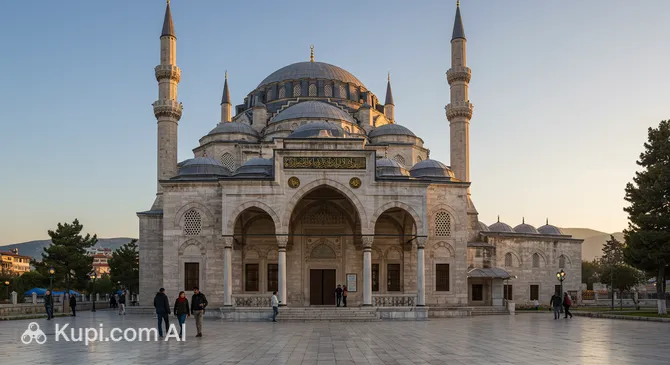
Visitors should not miss the historic Saburhane Square, which serves as a cultural junction between the old Greek and Turkish quarters, symbolizing the city's diverse past. A stroll through the Arasta, the traditional bazaar, offers a chance to buy local handicrafts, copper goods, and textiles. Another key landmark is the Great Mosque of Mugla (Ulu Cami), which stands as a testament to the city's spiritual significance. With a population of approximately 56,000, the city maintains a friendly, small-town atmosphere that welcomes guests with genuine hospitality.
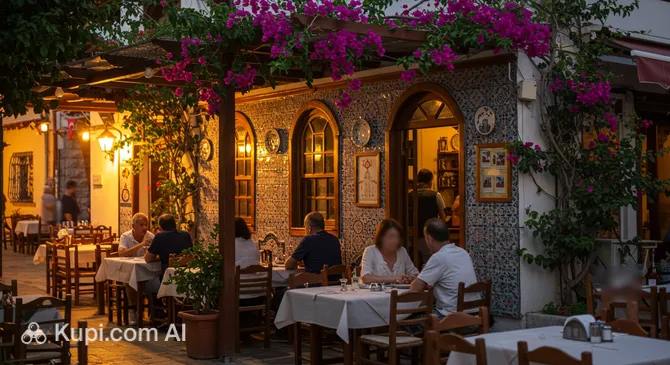
Whether you are passing through on your way to the Aegean coast or looking for a cultural excursion, Mugla invites you to slow down and enjoy its narrow streets and historic charm. It is the perfect place to enjoy a cup of traditional Turkish coffee in a restored courtyard and experience the quiet, dignified beauty of the Anatolian hinterland.