Support

Fira

About

Fira is the vibrant and picturesque capital of Santorini, arguably the most famous island in Greece. Perched high on the edge of a massive caldera, this stunning town offers some of the most spectacular views in the Aegean Sea. With its dazzling white-washed houses, blue-domed churches, and winding narrow streets, Fira captures the quintessential charm of the Cyclades, attracting travelers from all over the world who come to witness its legendary sunsets and lively atmosphere.
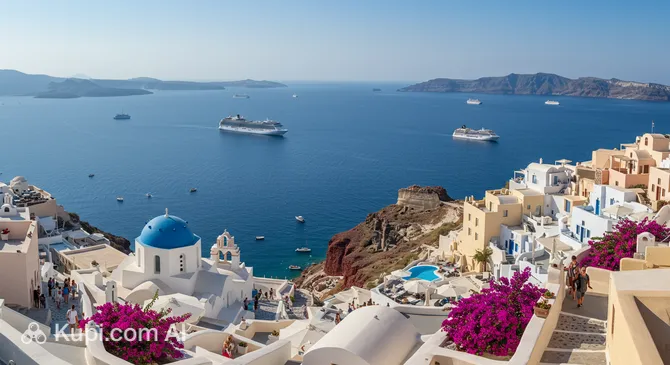
Fira. Source: Kupi.Binoculars

Geographically, the town is situated on the western side of the island, built directly on the steep cliffs roughly 400 meters above sea level. This unique location provides a dramatic backdrop for visitors, although the permanent population is relatively small, numbering around 1,600 residents. Despite its modest size, Fira serves as the cultural and commercial center of the South Aegean region on the island, bustling with activity throughout the tourist season. The climate here is typically Mediterranean, characterized by warm, sunny summers and mild winters, making it a pleasant destination for much of the year.

Beyond its scenic beauty, the town is deeply rooted in the past. Exploring the history of Fira reveals a fascinating narrative of resilience, particularly how the settlement was rebuilt and preserved following the devastating earthquake of 1956. Today, visitors can delve deeper into the island's heritage at the Museum of Prehistoric Thera, which houses artifacts from the ancient settlement of Akrotiri, or simply wander through the vibrant Theotokopoulou Square, the main meeting point of the city.

For a truly memorable experience, many tourists choose to take the cable car down to the Old Port or, for the more adventurous, walk the famous "Karavolades" stairs. Whether you are looking to explore high-end boutiques, enjoy local cuisine in cliffside restaurants, or simply soak in the panoramic vistas of the volcano and the deep blue sea, Fira offers an unforgettable escape that perfectly blends natural wonder with cosmopolitan flair.
Weather Overview

Travelers planning a visit to this scenic caldera town can look forward to a classic Mediterranean climate. For a detailed forecast and monthly breakdowns to help you pack, you can consult the guide on the weather in Fira. The island typically enjoys long periods of sunshine, making it a popular destination for much of the year.

The summer season, particularly July and August, is characterized by warmth and clear skies, with average temperatures hovering around 25°C to 26°C and highs reaching nearly 27°C. Rainfall is virtually non-existent during these months, with zero wet days recorded. In contrast, the winter months of January and February are cooler, with average temperatures dipping to approximately 13.6°C. This period also sees more frequent precipitation, with January experiencing up to 14 wet days, though the climate remains generally mild compared to northern Europe.

Expect warm, dry summers perfect for island exploration and mild winters with occasional rain.

Interesting Facts

Beyond the famous sunsets and caldera views, Fira holds many fascinating secrets that reveal the depth of its history and culture. Digging a little deeper into the capital's streets uncovers stories of resilience, geology, and local tradition that often escape the casual observer.
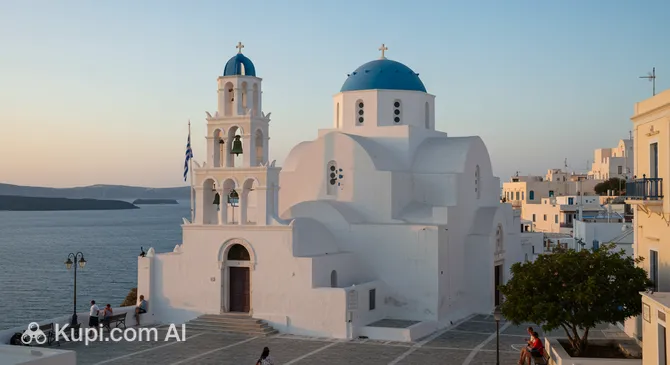
Metropolitan Cathedral of Ypapanti. Source: Kupi.Binoculars
  • The "Gold Street" Phenomenon: The town's main cobblestone thoroughfare, Ypapantis Street, is famously nicknamed "Gold Street" due to its incredible concentration of jewelry stores. This glittering avenue leads directly to the Metropolitan Cathedral of Ypapanti, creating a striking contrast between commercial luxury and spiritual grandeur.

  • A Gift to Save the Donkeys: The modern cable car that transports thousands of visitors from the Old Port was not a government project but a generous donation. It was funded in 1979 by the shipowner Evangelos Nomikos to alleviate the burden on the traditional donkeys and mules that used to carry all travelers up the grueling 588 steps of the Karavolades stairs.

  • Originals Stay in Fira: While the archaeological site of Akrotiri is world-renowned, the actual original masterpieces found there are kept in the city for preservation. The Museum of Prehistoric Thera houses the authentic, millennia-old frescoes, such as the "Blue Monkeys" and the "Fisherman," protecting these delicate treasures from the elements.

  • Natural Insulation: Much of the city is built upon layers of volcanic soil known as "aspa." This unique material allowed locals to carve their traditional homes, called yposkafa, directly into the cliff face. These cave houses are naturally bioclimatic, staying cool in the scorching summer and warm during the damp winter.

How to Get There

Reaching the picturesque capital of Santorini is a straightforward experience for travelers, with air travel being the most direct option. For a complete overview of all transportation methods, including ferries and local connections, you can read more about how to get to Fira. The island is well-connected to major European cities and the Greek mainland, ensuring easy access for tourists throughout the year.

The primary entry point is Santorini International Airport (IATA: JTR), also known as Thira Airport. Located directly on the island, it is approximately 4.6 km from the center of Fira. This facility handles a large volume of passengers, especially during the summer peak. The journey from the terminal to the city center is quick and convenient; a trip by taxi or bus typically takes about 10-20 minutes, depending on traffic conditions. Regular bus services and taxis are readily available outside the arrivals hall to transport visitors to the capital.

Another significant transport hub in the wider region is Heraklion Airport (IATA: HER), situated in the city of Heraklion on the nearby island of Crete. Although it is about 121.8 km away from Fira, it serves as a major international gateway with very high passenger traffic. Many travelers choose to fly into Heraklion and then take a high-speed ferry to Santorini, enjoying a scenic ride across the Aegean Sea as part of their journey.

For clarity, here is a summary of the main airports in the region:

Airport Name City Passenger Traffic Km from City
Heraklion Airport Heraklion High 121.8
Santorini International Airport Fira High 4.6
Paros Airport Paros Medium 72.8
Naxos Airport Naxos Medium 73.8
Milos Airport Milos Small 91.1

Main Attractions

Fira is not just a hub for dining and shopping; it is a treasure trove of cultural and natural landmarks. From ancient history to breathtaking geological formations, the town offers diverse experiences that captivate every visitor. Exploring these sites allows travelers to connect with the island's rich heritage and enjoy some of the most stunning vistas in the Aegean.

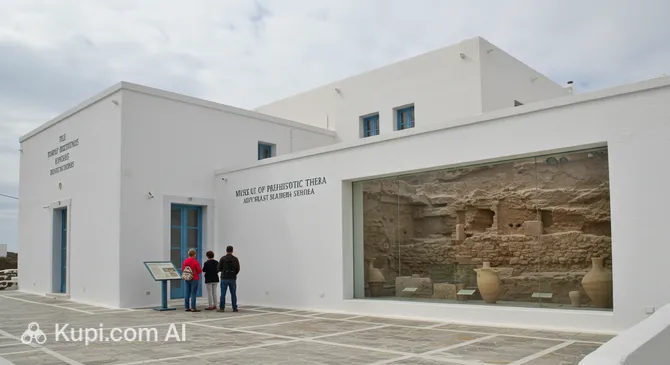
One of the most significant cultural sites is the Museum of Prehistoric Thera. Located in the heart of the town, this museum offers a fascinating glimpse into the island's ancient past. It houses an impressive collection of artifacts excavated from the Akrotiri archaeological site, including pottery, marble figurines, and the famous wall frescoes that depict life before the catastrophic volcanic eruption. It is an essential stop for history enthusiasts wanting to understand the sophisticated civilization that once thrived here.

Museum of Prehistoric Thera. Source: Kupi.Binoculars

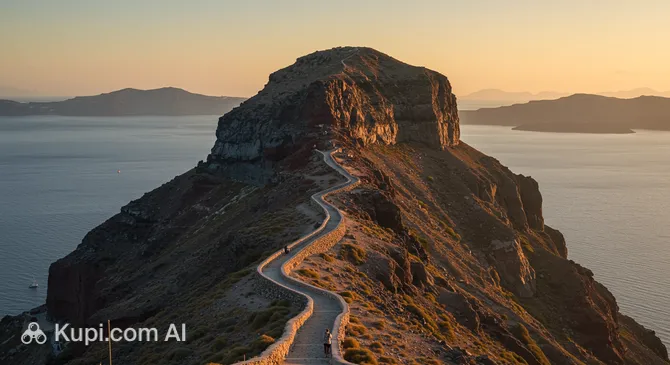
For those seeking dramatic natural beauty and a bit of adventure, Skaros Rock is a must-visit. This imposing rocky headland, jutting out into the caldera, was once the site of a medieval fortress and the island's capital during the Venetian era. Today, it is a popular hiking destination offering panoramic views of the caldera and the sea. The trail leads to the ruins of the castle and a solitary chapel, providing a perfect vantage point for photography and sunset watching.

Skaros Rock. Source: Kupi.Binoculars

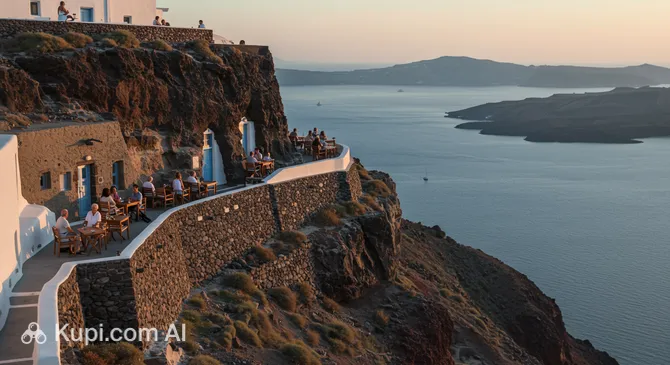
Santorini is world-renowned for its unique viticulture, and a visit to Santo Wines Winery offers the perfect blend of oenology and scenery. Perched high on the cliffs, this winery is one of the most famous on the island, known not only for its high-quality Assyrtiko wines but also for its stunning terraces. Visitors can enjoy guided tours of the facilities and indulge in wine tastings paired with local delicacies while gazing out at the breathtaking expanse of the volcano.

Santo Wines Winery. Source: Kupi.Binoculars

Finally, no tour of the city is complete without admiring the Metropolitan Cathedral of Ypapanti. Standing prominently at the bottom of the town's main street, this Orthodox cathedral is a masterpiece of Cycladic architecture. With its stark white exterior, elegant arches, and impressive bell tower, it serves as a spiritual and visual landmark. Inside, visitors can admire beautiful frescoes and a serene atmosphere that contrasts with the bustling streets outside.

Local Cuisine

The culinary scene in Fira is a direct reflection of Santorini's unique volcanic terroir, offering flavors that are intense, distinct, and deeply rooted in tradition. The mineral-rich soil produces ingredients with exceptional taste, most notably the island's famous cherry tomatoes, which are small, thick-skinned, and incredibly sweet. These are the star ingredient in Tomatokeftedes, savory tomato fritters mixed with herbs and batter, which are arguably the most iconic dish to try in the city. Another staple is Fava, a creamy puree made from local yellow split peas, typically served warm with olive oil, lemon, and chopped onions.

For wine enthusiasts, Fira and its surroundings are a paradise. The island is renowned for its indigenous Assyrtiko grape, which yields crisp, mineral white wines that pair perfectly with fresh seafood. Visitors should also try Vinsanto, a sweet dessert wine made from sun-dried grapes. To fully appreciate the local viticulture, a visit to Venetsanos Winery is highly recommended. Located just a short distance from the town center, it offers not only exquisite wine tastings but also a fascinating look at the structural design of one of the island's oldest industrial wineries.

Venetsanos Winery. Source: Kupi.Binoculars

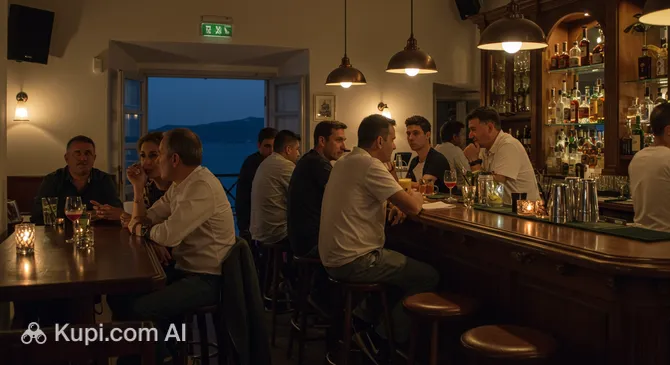
Beyond wine, the local beverage scene has expanded to include excellent craft beers and creative cocktails. The Ftelos Brewery Santorini is a fantastic spot to sample locally brewed beers, often infused with unique island ingredients. For those seeking a more relaxed evening with a view, the caldera edge is lined with bars where the "golden hour" is celebrated daily. Places like PK Cocktail Bar offer an extensive menu of signature drinks, allowing guests to sip on a refreshing cocktail while watching the sun dip below the horizon.

PK Cocktail Bar. Source: Kupi.Binoculars

The dining culture in Fira caters to every preference, ranging from casual street food stalls serving mouthwatering gyros to high-end restaurants perched on the cliffs. Locals and tourists alike enjoy long, leisurely meals that emphasize sharing meze platters. For a blend of modern comfort and traditional flavors, Tholoto Brunch & Restaurant provides a welcoming atmosphere to enjoy hearty Mediterranean dishes. Whether you are grabbing a quick bite or settling in for a fine dining experience, the combination of fresh volcanic produce and stunning views makes eating in Fira an unforgettable part of the trip.

Travel Tips

To ensure your visit to the heart of Santorini is as smooth and enjoyable as possible, we have compiled a list of essential travel advice. These practical tips will help you navigate Fira’s unique terrain and local customs with ease, allowing you to focus on the breathtaking views.

  1. Footwear and Clothing: The most critical item to pack is a pair of sturdy, comfortable walking shoes. Fira’s streets are paved with cobblestones and involve many steep steps that can be slippery, making high heels or flip-flops impractical for exploring. In summer, wear breathable fabrics and a hat, but bring a light layer for windy evenings on the caldera. If you plan to visit religious sites, dress modestly by covering your shoulders and knees.

  2. Getting Around: Fira serves as the central hub for the island's KTEL bus network, making it the best place to stay if you want to explore the rest of Santorini without renting a car. Buses are affordable and reliable. Within the town, walking is the only option. To reach the Old Port, use the cable car rather than walking the stairs, especially during the midday heat.

  3. Money Matters: The local currency is the Euro (€). While credit and debit cards are widely accepted in shops and restaurants, you will need cash for bus tickets, small kiosks, and tips. ATMs are plentiful around the main square. Tipping is customary but relaxed; rounding up the bill or leaving about 10% for good service is appreciated.

  4. Health and Water: Pharmacies, marked by a green cross, are easily found in the town center, and Fira houses the island's main Health Center for emergencies. A crucial rule is to avoid drinking tap water, as it is desalinated and not meant for consumption; always rely on bottled water. The town is generally very safe, but exercise standard caution with valuables in crowded narrow alleys.

  5. Language and Connection: Greek is the official language, but English is spoken fluently almost everywhere in Fira. Learning a few words like "Kalimera" (Good morning) and "Efharisto" (Thank you) will be warmly received by locals. Wi-Fi is standard in most cafes and hotels, and EU roaming applies for European travelers; others can easily buy SIM cards at local kiosks.

  6. Respecting Boundaries: Fira is a densely built town where private homes, hotels, and public paths intertwine. Be mindful of private property signs and gates. Do not enter courtyards or stand on private terraces just to get a better photo angle. Additionally, keep noise levels down during the afternoon quiet hours (siesta), typically from 3:00 PM to 5:30 PM.

  7. What to Avoid: strictly avoid climbing on church domes or roofs. While it may look like a popular photo trend on social media, it is culturally offensive, disrespectful to the religious nature of the sites, and dangerous. Also, do not flush toilet paper down the toilet; use the bins provided, as the island's narrow pipes clog easily.

  8. Sunset Tip: While crowds flock to Oia for the sunset, Fira offers equally spectacular views of the sun dipping into the Aegean, often with slightly more breathing room. Secure a spot along the caldera promenade or at a cliffside bar near the Orthodox Cathedral at least an hour before sunset to enjoy the "golden hour" in comfort.

Armed with these practical insights, you are all set to experience the best of Fira without the common tourist pitfalls. Embrace the island pace, respect the local charm, and enjoy every moment of your adventure on the edge of the world!

Entertainment & Nightlife

As the sun dips below the horizon, painting the sky in hues of purple and gold, Fira transforms from a sightseeing hub into the pulsating heart of Santorini’s nightlife. Unlike the quieter, more romantic village of Oia, the capital offers a vibrant and diverse evening scene that caters to all tastes, from sophisticated lounge lovers to energetic party-goers. The nightlife here is arguably the best on the island, centered primarily around the caldera edge for breathtaking views and the bustling cobblestone streets near the main square for late-night dancing.

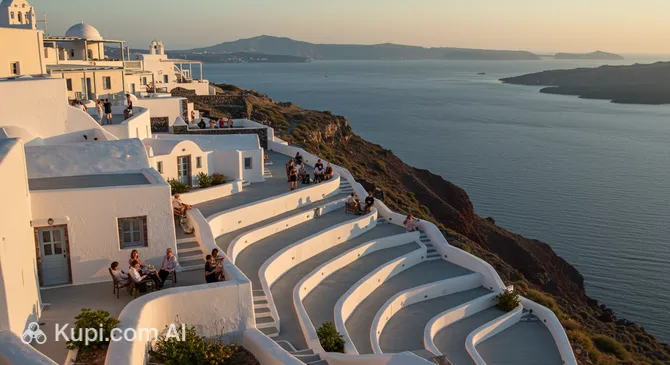
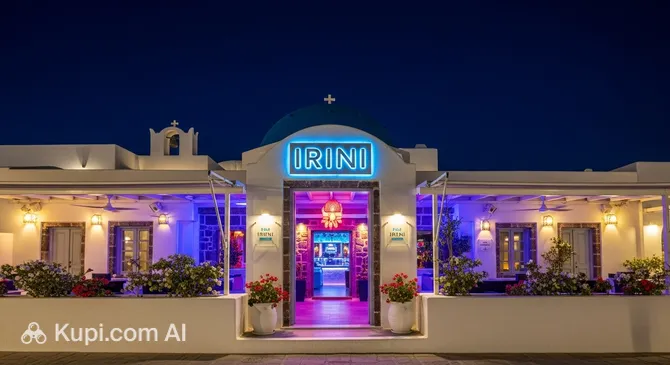
The evening typically begins with a relaxed vibe along the caldera promenade. Here, the atmosphere is one of "resort chic," where travelers gather to enjoy the famous "golden hour" with a signature cocktail in hand. Venues in this area are characterized by their open-air terraces and chill-out music. A prime example is Irini, a venue that offers a stunning vantage point over the volcano, making it a favorite spot for those who want to combine spectacular scenery with high-quality drinks. As the night deepens, the energy shifts towards the inner streets, often referred to as "Bar Street," where the music gets louder and the clubs stay open until the early hours of the morning.

Irini. Source: Kupi.Binoculars

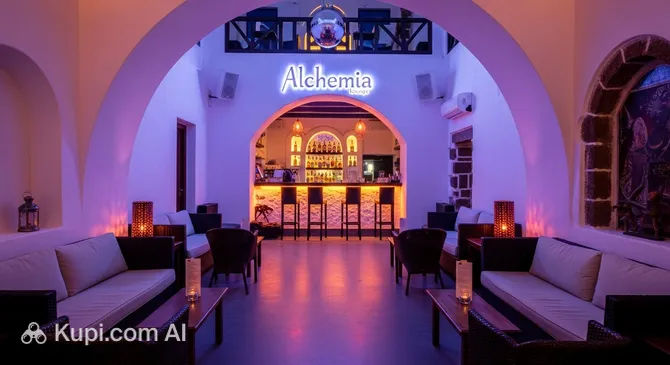
For a sophisticated evening out, Alchemia Lounge is another excellent choice. Known for its expertly crafted cocktails and elegant ambiance, it attracts a stylish crowd looking to unwind in a more refined setting. The dress code in Fira is generally smart-casual; while you won't need a tuxedo or evening gown, leaving the beachwear at the hotel is recommended for the evening. Prices can be on the higher side, especially for tables with a front-row view of the caldera, so it is often wise to make a reservation if you plan to visit during the peak sunset hours.

Alchemia Lounge. Source: Kupi.Binoculars

Navigating Fira at night is relatively safe, as the streets remain crowded and well-lit. However, the steep steps and cobblestones require caution, especially after a few drinks. Taxis can be scarce during peak summer nights, so if you are staying outside the town, it is best to pre-arrange a transfer or head to the main taxi rank at Theotokopoulos Square, though be prepared for a queue. For a seamless experience, many visitors choose to stay within walking distance of the center to avoid the transport hassle entirely.

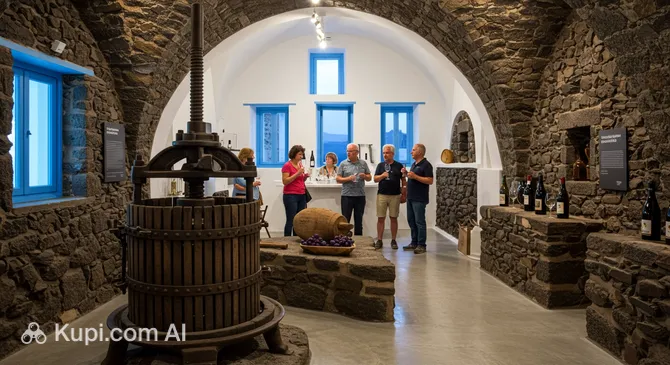
While the nights are for revelry, Fira offers plenty of cultural entertainment during the day to balance your itinerary. Beyond the archaeological sites, the town is home to unique institutions like the Santorini Wine Museum. Located in a natural cave, this museum provides an immersive journey through the history of wine-making on the island, complete with audio guides and tastings. Art enthusiasts can also visit the Art Space Wine Museum, which combines a contemporary art gallery with a traditional winery, offering a distinct cultural experience before the sun goes down again.

Santorini Wine Museum. Source: Kupi.Binoculars

Parks & Museums

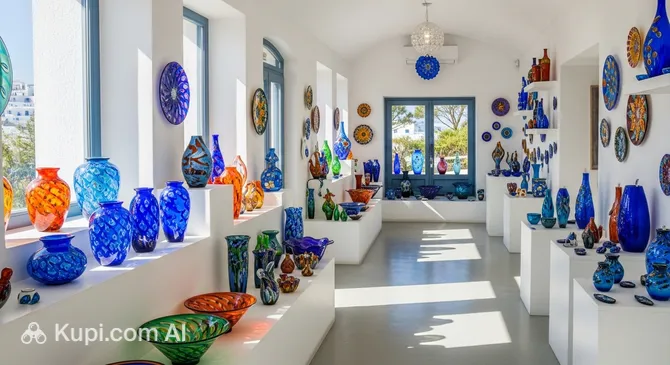
While the bustling alleys and the famous archaeological museum draw the most attention, Fira and its immediate surroundings offer quieter, yet equally captivating cultural experiences. For those interested in contemporary craftsmanship, Santorini Art Glass is a hidden gem located just a short distance from the main town. This workshop and gallery showcases stunning creations made from recycled glass, transforming raw materials into vibrant works of art. Visitors can often watch the glass-blowing process, gaining a deeper appreciation for this delicate and skillful trade.

Santorini Art Glass. Source: Kupi.Binoculars

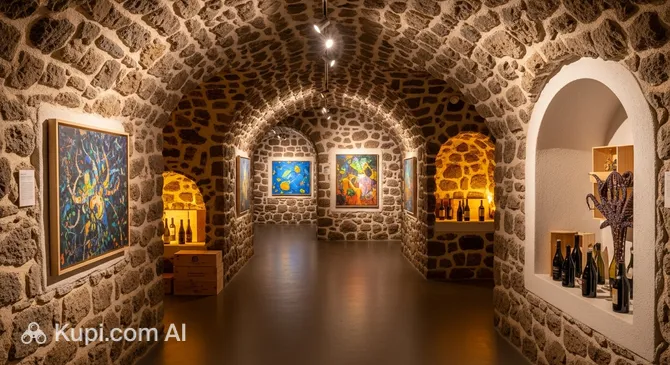
Another fascinating stop for culture seekers is the Art Space Wine Museum. Housed in an old winery dating back to 1861, this unique institution blends the island's winemaking heritage with modern artistic expression. The underground caves, carved into the volcanic pumice, serve as an atmospheric gallery for paintings and sculptures by Greek and foreign artists. Walking through the cool, dimly lit tunnels, you can admire the original wine press and barrels while enjoying a distinct fusion of history and creativity.

Art Space Wine Museum. Source: Kupi.Binoculars

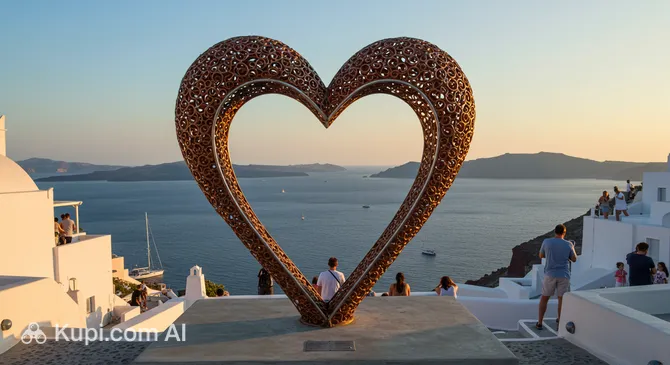
In terms of green spaces, Fira’s landscape is defined more by dramatic geology than by manicured parks. The volcanic nature of the island means that "nature walks" often involve breathtaking rock formations. A prime example is the Heart of Santorini, a natural window in the rock that frames the caldera and the volcano perfectly. Located a short drive from Fira, this heart-shaped hole offers a unique perspective of the Aegean and is a favorite spot for photographers looking for a romantic backdrop.

Heart of Santorini. Source: Kupi.Binoculars

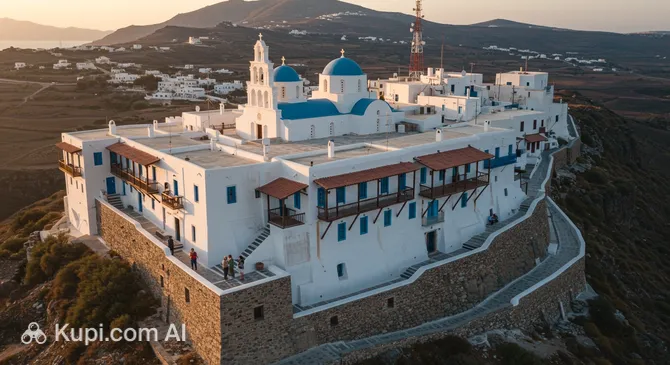
For those willing to venture to the island's highest point, the Monastery of Prophet Elias offers a serene escape surrounded by nature. Perched at an altitude of 567 meters, the monastery is encircled by rugged terrain and offers 360-degree views of the entire island group. The area around the monastery is ideal for hiking enthusiasts, providing trails that wind through the sparse but beautiful Cycladic vegetation, offering a peaceful contrast to the busy streets of the capital.

Monastery of Prophet Elias. Source: Kupi.Binoculars

Getting Around

Public transport in Fira is relatively simple compared to large metropolises, as the city does not operate a metro, tram, or train system due to its compact size and cliffside geography. The backbone of public transportation is the KTEL bus network. Fira serves as the absolute central hub for the entire island, meaning that almost all bus routes originate or terminate at the main station located just a short walk from the central square. These large, air-conditioned coaches connect the capital to the airport, the ferry port, and popular villages like Oia, Kamari, and Perissa.

The payment system is straightforward and somewhat traditional. There are no complex travel zones, rechargeable smart cards, or mobile apps for ticketing. Passengers typically purchase tickets directly on the bus from a conductor who walks down the aisle after the journey begins. In some cases, tickets can also be bought at the small kiosk at the central terminal. Payment is accepted exclusively in cash (Euros). Fares are very affordable, generally ranging from €1.60 to roughly €2.50 per one-way trip, depending on the distance and the time of day.

For a smooth experience, tourists should always carry small denominations of cash and coins, as conductors may not always have change for large bills. Operating hours vary significantly by season; in summer, buses run frequently from early morning until past midnight to accommodate the nightlife, while winter schedules are much sparser. It is highly advisable to check the printed timetables posted at the Central Bus Station daily, as online schedules are not always updated in real-time. Additionally, be prepared for queues at the station during July and August.

A distinctive feature of Fira's transport infrastructure is the Cable Car (Teleferik). This facility is essential for connecting the town, which sits high on the caldera cliffs, to the Old Port at sea level. The ride takes approximately three minutes and offers spectacular aerial views. It operates separately from the bus system, requiring a specific ticket purchased at the entrance. This is the preferred method for travelers arriving by cruise ship or those taking boat excursions, serving as a modern alternative to the traditional donkey path or the grueling 588 steps.

When it comes to alternatives, taxis are available at the main taxi stand near the bus terminal, but the fleet is limited compared to the number of visitors. Finding a taxi during peak hours can be challenging, so booking a private transfer in advance is often recommended for airport trips. Ride-sharing apps are not standard here, though some local transfer services operate similarly. Finally, renting a scooter, ATV (quad bike), or car is a popular choice for those wanting to explore beyond the bus routes, although within the pedestrian-only center of Fira, walking remains the only way to navigate.

Accommodation

Where to Stay:

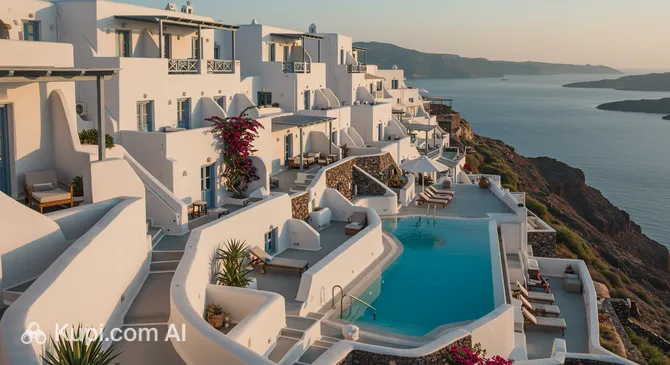
Accommodation in Fira is as diverse as its landscape, ranging from budget-friendly hostels near the main square to some of the most exclusive and expensive suites in the world perched on the caldera rim. The defining feature of the local hospitality scene is the traditional "cave hotel" (yposkafa). Carved directly into the volcanic rock face, these unique lodgings offer natural insulation and private terraces with breathtaking views of the Aegean, making them the most sought-after option for honeymooners and luxury travelers.

When choosing where to stay, location is the primary factor influencing price. The town is roughly divided into two zones: the Caldera side (western edge) and the Town Center/East side. Hotels on the caldera edge command premium prices due to their unobstructed sunset views and infinity pools. In contrast, staying just a few minutes' walk inland, near the main square or the central bus station, can significantly reduce costs while keeping you close to the island's transport hub and nightlife.

For those seeking a resort-style experience with extensive facilities, De Sol Hotel & Spa is a notable option. Located slightly away from the crowded pedestrian alleys, it offers a blend of luxury and relaxation, featuring pool areas and wellness treatments that provide a sanctuary from the bustling town center.

De Sol Hotel & Spa. Source: Kupi.Binoculars

Another high-end choice that emphasizes elevation and panoramic vistas is Santorini Sky. Establishments like this are designed to maximize the visual impact of the island's unique geography, often featuring private amenities that allow guests to soak in the dramatic surroundings in complete privacy.

Santorini Sky. Source: Kupi.Binoculars

Booking Tip: Fira is an extremely popular destination, and the best rooms—especially those with caldera views—often sell out up to six months in advance. If you are planning to visit during the peak summer months (July and August), it is essential to book as early as possible. For budget travelers, visiting in the shoulder seasons of April, May, or October can offer a wider selection of affordable rooms.

Price Range: The cost of accommodation varies wildly. Budget rooms and hostels can range from €50 to €150 per night, while mid-range hotels typically cost between €150 and €350. Luxury caldera suites often start at €400 and can easily exceed €1,000 per night in high season. Booking is most commonly done through major online travel platforms, though contacting smaller, family-run guesthouses directly can sometimes yield better rates or specific room requests.

Nearby Cities

For those looking to explore the surroundings, Fira serves as an excellent base for day trips to several interesting nearby locations.

Just a short distance north along the caldera rim lies the picturesque town of Oia. Famous for its marble-paved streets, iconic blue-domed churches, and world-renowned sunsets, it offers a more romantic and artistic atmosphere compared to the bustling capital. Visitors can easily reach it by bus or enjoy a scenic hike along the cliffside path for breathtaking views of the Aegean.

For a full-day adventure to another island, the city of Heraklion on Crete is a popular choice. Accessible via high-speed ferries, this vibrant city allows travelers to explore the legendary Palace of Knossos, the center of the ancient Minoan civilization, and visit the superb Archaeological Museum before returning to Santorini in the evening.

City Population Distance (km)
Heraklion 211370 122
Chania 53910 162
Kos 33387 174
Rethymno 32468 144
Agios Nikolaos 27074 139

These nearby destinations offer a glimpse into the diverse culture and landscapes of the region.

Shopping & Souvenirs

Shopping in Fira offers a delightful mix of luxury and local charm, set against the backdrop of the stunning caldera. The town is widely renowned as a premier destination for high-end jewelry, often hand-crafted by Greek designers, as well as for its vibrant art scene. Visitors strolling through the white-washed alleys will find an array of goods ranging from designer fashion and leather sandals to unique ceramics and volcanic stone crafts, making it easy to find both upscale gifts and traditional mementos.

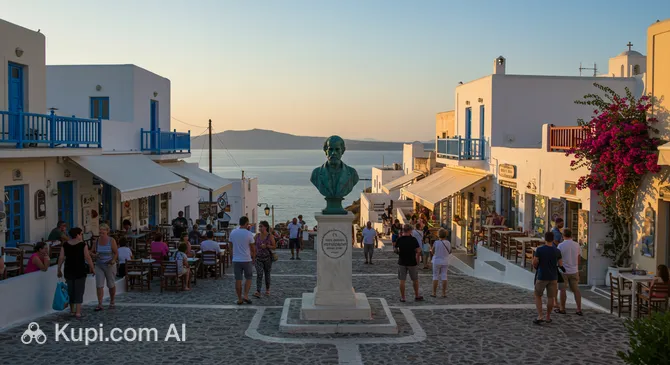
The epicenter of the shopping district is undoubtedly Ypapantis Street, affectionately known as "Gold Street." As the name suggests, this thoroughfare is lined with glittering display windows showcasing intricate gold and silver creations, attracting serious collectors and window shoppers alike. Beyond this famous strip, the pedestrian zones radiating from Theotokopoulos Square are packed with clothing boutiques, souvenir stalls, and art galleries. These narrow, winding streets invite travelers to get lost in a maze of commerce where every corner reveals a new treasure.

Theotokopoulos Square. Source: Kupi.Binoculars

Unlike major European cities, Fira does not feature massive modern shopping malls or department stores. The retail experience here is defined by small, independent boutiques and "concept stores" housed in traditional Cycladic buildings. While you won't find sprawling complexes, there are small shopping centers like the Fabrica Shopping Center near the cathedral, which offers a cluster of shops in a more concentrated area, providing a convenient spot for fashion and accessories.

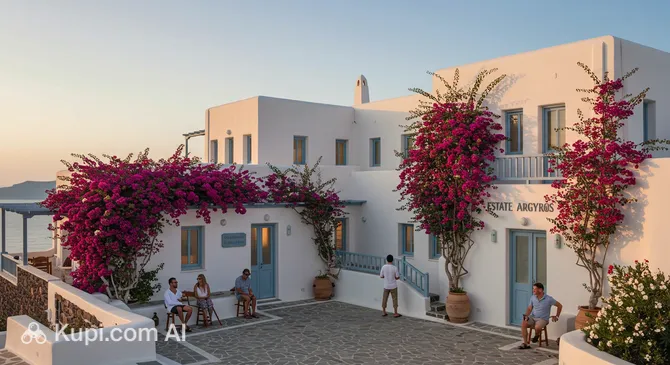
When it comes to souvenirs, jewelry remains the most iconic purchase, but the island's culinary products are equally popular. Bottles of Vinsanto wine, capers, and fava beans are excellent edible gifts to bring back home. For wine connoisseurs, visiting a local producer like Estate Argyros allows you to purchase premium vintages directly from the source, often with protective packaging suitable for travel. Additionally, art lovers should look for "Santorini Art" prints and sculptures made from the island's unique black lava rock.

Estate Argyros. Source: Kupi.Binoculars

Store hours in Fira are incredibly tourist-friendly, especially during the high season (May to October). Most shops in the town center stay open from early morning until late at night, often closing as late as 11:00 PM or midnight to accommodate the evening crowds. Payment by credit and debit card is widely accepted, even for small amounts, though having some cash is useful for small vendors. Travelers from outside the European Union should also look for the "Tax-Free" signage in shop windows, as they may be eligible for a VAT refund on significant purchases.

Reached the end of the page?

That means the route is fully explored