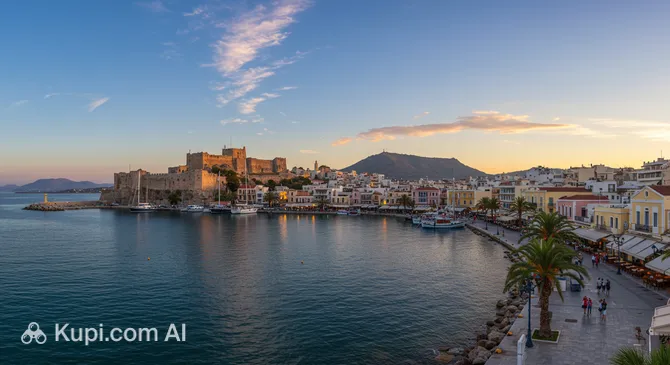
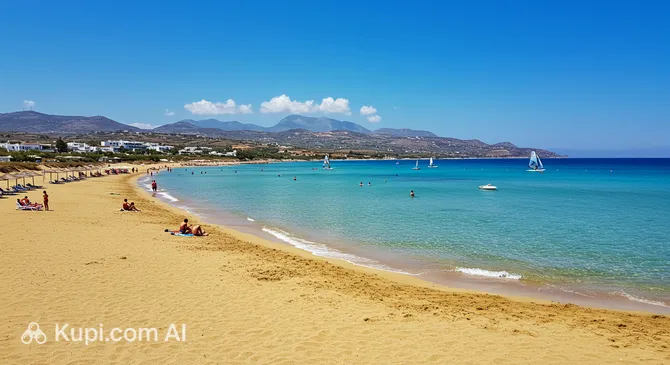
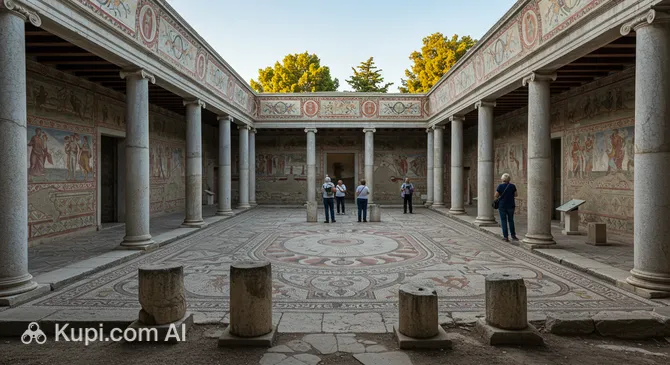
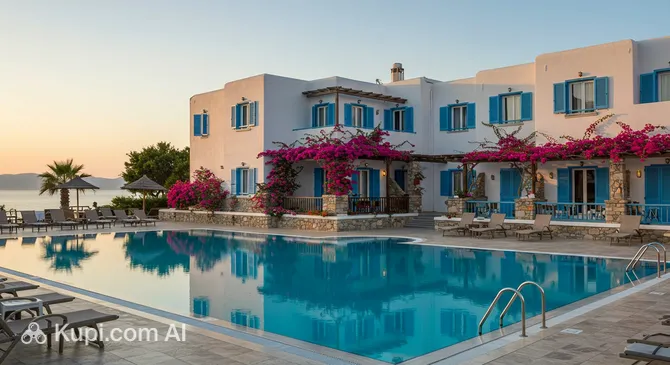
Welcome to Kos, a captivating island in the Dodecanese chain that offers a perfect blend of ancient heritage and vibrant modern life. Known for its endless sandy beaches and lush landscapes, this destination attracts travelers seeking both relaxation and cultural exploration. As one of the most popular islands in Greece, it promises an unforgettable Mediterranean experience.
Geographically situated in the southeastern Aegean Sea, Kos enjoys a mild climate with abundant sunshine throughout the year. With a population of approximately 33,000 residents, the island maintains a lively atmosphere without losing its authentic charm. Its strategic location has made it a crossroads of cultures for centuries, resulting in a unique architectural and cultural tapestry.
Kos. Source: Kupi.Binoculars
The island is perhaps best known as the birthplace of Hippocrates, the father of modern medicine. You can delve deeper into the fascinating history of Kos by visiting the ancient Asklepieion, a healing center that dates back to the 3rd century BC. Another must-see is the legendary Tree of Hippocrates in the town center, where the great physician is said to have taught his students.
Beyond its historical significance, Kos boasts stunning natural beauty. From the thermal springs at Therma Beach to the medieval Castle of the Knights guarding the harbor, there is something for everyone. Whether you are cycling through the flat terrain of the main town or enjoying fresh seafood by the waterfront, Kos invites you to unwind and discover its many treasures.
Weather Overview
The island enjoys a classic Mediterranean climate, characterized by long, sun-drenched summers and mild winters. To help you plan your activities and packing list, it is helpful to review the typical weather in Kos before your trip.
Travelers can expect hot, dry summers and cooler, wetter winters. During the peak months of July and August, average temperatures hover around 26°C, often reaching highs of over 27°C, with virtually zero days of rainfall. In contrast, the winter season from December to February sees averages drop to between 13°C and 15°C. This period is significantly wetter, particularly in January, which typically experiences about 16 rainy days.
Interesting Facts
Beyond the sun-drenched beaches and bustling harbor, Kos holds a collection of fascinating secrets that reveal its depth as a historical and cultural crossroads.
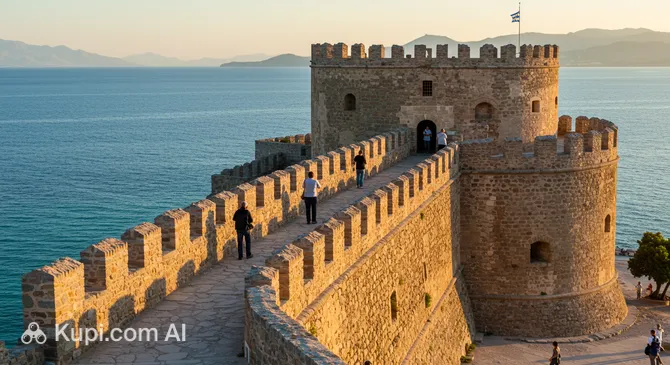
Neratzia Castle. Source: Kupi.Binoculars
Kos is widely recognized as the "Bicycle Island" of the Aegean, thanks to its exceptionally flat terrain. The island boasts a dedicated cycle path that extends for roughly 13 kilometers, making bicycles a primary and beloved mode of transport for locals and visitors alike.
The fortification walls of Neratzia Castle serve as an open-air museum of their own. The Knights of Saint John constructed the fortress using marble columns, ancient inscriptions, and architraves scavenged from the ruins of the ancient city and the Asclepieion, many of which are clearly visible in the masonry today.
Hidden away in a gorge near the airport, the Plaka Forest is an unexpected oasis where hundreds of peacocks roam freely in the wild. These colorful birds are accustomed to humans and often approach visitors who come to enjoy the pine-shaded picnic areas.
Although the Hippocrates Plane Tree standing in the town center is estimated to be around 500 years old, it is considered a direct descendant of the original tree under which the father of medicine taught his students. Seeds and cuttings from this historic landmark have been gifted to medical schools and libraries across the globe.
The island is home to the Casa Romana, a magnificent Roman villa that was rediscovered following a massive earthquake in 1933. This restored mansion features 36 rooms and three distinct atriums, offering a vivid and rare glimpse into the domestic luxury of the 3rd century AD.
How to Get There
Planning a trip to this Dodecanese gem is straightforward, with air travel being the most popular method for international visitors. While you can explore all ways to reach the city in detail, the island is well-served by its own international airport and is accessible via nearby transport hubs.
The most convenient entry point is Kos Airport (IATA: KGS), also known as Hippocrates Airport. Located approximately 20.6 km from the city center, it is the primary gateway for tourists. This facility handles significant traffic, especially during the summer months when charter flights arrive from across Europe. The journey from the airport to the main town typically takes about 50 minutes by taxi or bus.
Alternatively, travelers can fly into Milas-Bodrum Airport (IATA: BJV), situated in the city of Bodrum. Although it is only about 52 km away, it is located on the opposite coast. Visitors choosing this route will need to take a ferry across the water to reach Kos. This large airport offers numerous international connections and serves as a major regional hub.
Another viable option is Rhodes Airport (IATA: RHO), located in the city of Rhodes, roughly 90 km from Kos. As one of the busiest airports in the region with very high passenger traffic, it offers frequent flights. From Rhodes, you can easily catch a ferry or catamaran to complete your journey to Kos.
For clarity, here is a summary of the main airports:
Airport Name
City
Passenger Traffic
Km from City
Rhodes Airport
Rhodes
Very Large
89.5
Milas-Bodrum Airport
Bodrum
Large
52.1
Kos Airport
Kos
Large
20.6
Ikaria Airport
Ikaria
Small
121.1
Kalymnos Island National Airport
Kalymnos
Small
31.9
The city of Kos does not have a railway station, as the island's geography is not suitable for train infrastructure. Visitors typically rely on the island's bus network, taxis, or rental cars to get around once they arrive by plane or ferry.
Main Attractions
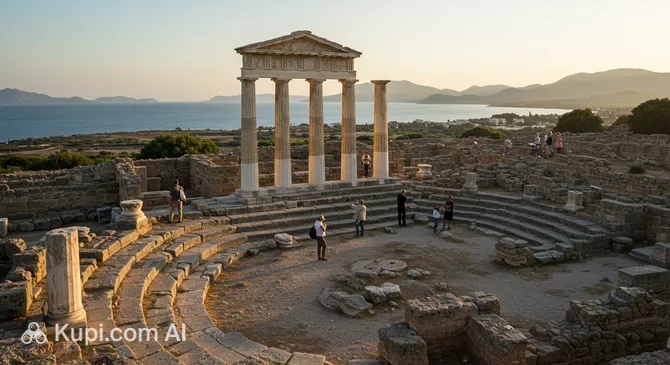
The city offers a rich tapestry of historical landmarks and vibrant local spots that reflect its diverse heritage. One of the most significant archaeological sites on the island is the Asclepieion of Kos. Located just a short distance from the city center on a pine-covered hill, this ancient healing sanctuary was dedicated to Asclepius, the god of medicine. Visitors are drawn here not only for the impressive ruins of temples and baths but also for the panoramic views of the Aegean Sea and the Turkish coast visible from the upper terraces.
Asclepieion of Kos. Source: Kupi.Binoculars
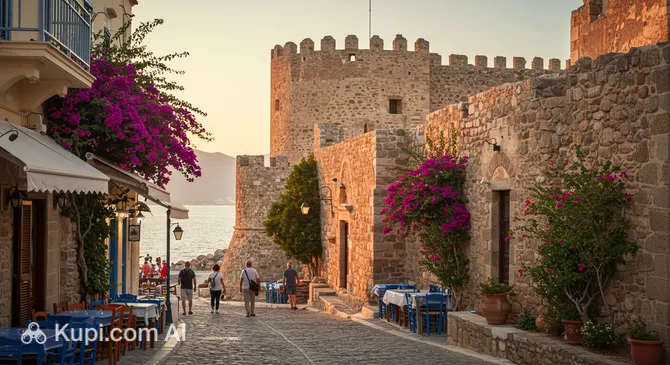
For a taste of local life and history, a stroll through Kos Old Town is essential. This pedestrian-friendly area is a charming maze of narrow streets filled with souvenir shops, cafes, and traditional tavernas. The architecture reflects the island's diverse past, blending Ottoman influences with Italian-style buildings, creating a vibrant atmosphere that comes alive particularly in the evenings when tourists and locals gather to enjoy the warm Mediterranean nights.
Kos Old Town. Source: Kupi.Binoculars
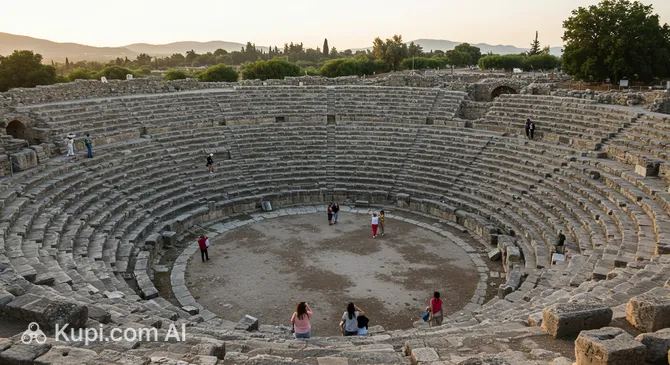
History enthusiasts will appreciate the Roman Odeon of Kos, a beautifully preserved ancient theater discovered in the early 20th century. Built around the 2nd century AD, it was once used for musical competitions and senate meetings. Today, you can sit on the original marble seats and admire the structure's acoustics and careful restoration, which provides a tangible connection to the Roman era.
Roman Odeon of Kos. Source: Kupi.Binoculars
To contextualize the ancient ruins scattered across the city, a visit to the Archaeological Museum of Kos is highly recommended. Located in Eleftherias Square, the museum houses a remarkable collection of sculptures, mosaics, and artifacts unearthed from the Asclepieion and other local sites. It serves as an excellent cultural stop to better understand the rich heritage of the Dodecanese before heading out to explore more of the island.
Local Cuisine
The culinary scene in Kos is a vibrant reflection of its rich history and fertile land, offering a delicious variation of the classic Mediterranean diet. Steeped in tradition, the island's gastronomy relies heavily on fresh, locally sourced ingredients such as olive oil, honey, and seasonal vegetables. Visitors will find that food here is not just about sustenance but a way of life, with meals often enjoyed leisurely in the company of friends and family.
One of the most distinctive local specialties you must try is Posa cheese (also known as krasotyri). This unique goat cheese is matured in red wine lees, giving it a characteristic reddish crust and a tangy, wine-infused flavor. Another favorite is Katimeria, twisted fried cheese pies typically served with local honey and cinnamon, often enjoyed as a treat during festivals or as a hearty breakfast.
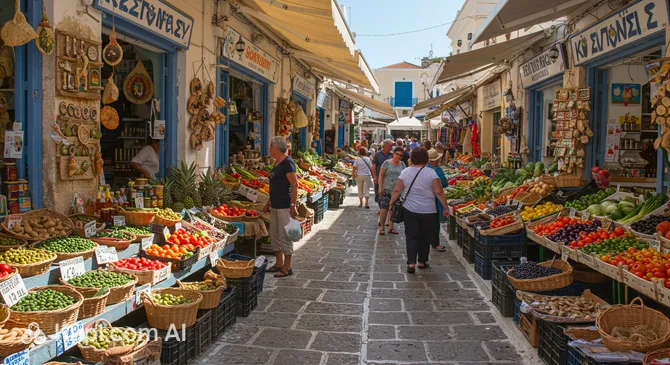
Kos Municipal Market. Source: Kupi.Binoculars
To truly understand the island's food culture, a visit to the Kos Municipal Market is essential. Located in Eleftherias Square, this architectural gem is filled with the aromas of local produce. Here, you can sample and purchase jars of the famous thyme honey, "spoon sweets" (fruit preserves), and aromatic spices that define the local palate. It is the perfect place to see where the locals shop for their daily ingredients.
Dining out in Kos ranges from casual street food to elegant seaside establishments. Traditional tavernas are scattered throughout the town and villages, serving hearty dishes like Pitaridia (homemade pasta cooked in meat broth). For those looking to experience a blend of authentic Greek hospitality and delicious cuisine, Herodion is a notable restaurant where you can enjoy carefully prepared local recipes in a welcoming atmosphere.
When it comes to beverages, the island offers refreshing options perfect for warm days. A signature non-alcoholic drink is Kanelada, a cinnamon-based syrup mixed with cold water, which is incredibly revitalizing. For something stronger, local wines are excellent, or you might enjoy a glass of Ouzo with ice. In the evenings, the vibrant nightlife invites you to relax with a cocktail at popular spots like the Camel Bar, located in the heart of the harbor area.
Travel Tips
To help you make the most of your visit to this sunny Dodecanese gem, we have compiled a list of essential travel advice. These practical tips will ensure your journey to Kos is as smooth and enjoyable as possible, allowing you to focus on the history and beauty around you.
Clothing and Gear: In the summer, lightweight and breathable fabrics like linen or cotton are essential to handle the heat, but bring a light windbreaker for the strong Meltemi winds that can pick up in the evenings. Comfortable walking shoes are a must for exploring ancient ruins like the Asclepieion. If you plan to visit churches or monasteries, remember to dress modestly; shoulders and knees should be covered.
Transportation: Kos is famous for being one of the most bicycle-friendly places in the Mediterranean, so renting a bike is a fantastic and affordable way to get around the city and nearby beaches. For longer distances, the local KTEL buses are reliable and connect the main town to villages and resorts. Taxis are available but can be expensive; always check the meter or agree on a price beforehand.
Finances: The official currency is the Euro (€). While credit and debit cards are widely accepted in hotels, restaurants, and larger shops in Kos Town, it is wise to carry cash for small purchases at kiosks, local markets, or traditional tavernas. ATMs are plentiful in the city center. Tipping is not mandatory but is customary and appreciated; leaving around 5-10% or rounding up the bill is standard.
Health and Safety: Pharmacies are marked with a green cross and are generally open during business hours, with a rotation system for nights and weekends. The city is very safe for tourists, but standard precautions against pickpocketing in crowded areas apply. Tap water is generally safe to drink in the main town, but because of its high mineral content, many visitors prefer bottled water to avoid any stomach upset.
Communication: The official language is Greek, but English is spoken almost everywhere, especially in the hospitality sector. Learning a few basic phrases like "Kalimera" (Good morning) and "Efcharisto" (Thank you) will go a long way with the locals. Free Wi-Fi is available in most cafes and hotels, and EU residents can use their home mobile data plans without roaming charges.
Local Etiquette: Greeks are known for their warm hospitality, known as philoxenia. Greetings are important; a friendly smile and a "hello" upon entering a shop are polite. Life here moves at a more relaxed pace, often referred to as "siga siga" (slowly, slowly), so be patient with service in tavernas—dining is meant to be a leisurely social event, not a rush.
What to Avoid: Do not flush toilet paper down the toilet; the sewage pipes in Greece are narrow and easily clogged. Use the small bin provided in every restroom instead. Also, avoid entering churches or walking through the town center in just your swimwear; save the bikinis and trunks strictly for the beach.
Additional Tip: Be mindful of the afternoon "siesta" hours, typically between 2:00 PM and 5:00 PM. While tourist shops in the city center often stay open, smaller local businesses and offices may close for a break during the hottest part of the day, reopening in the evening.
Armed with these practical insights, you are ready to navigate the streets of Kos with confidence and ease. Embrace the laid-back island lifestyle, respect the local customs, and enjoy every moment of your Greek adventure.
Entertainment & Nightlife
Entertainment and Nightlife:
Kos has earned a reputation as one of the most vibrant party destinations in the Dodecanese, offering a nightlife scene that rivals even the most famous Greek islands. As the sun sets, the city transforms from a laid-back historical hub into a bustling center of entertainment. Whether you are looking for wild dance clubs, sophisticated cocktail lounges, or a quiet evening by the sea, the island's capital has distinct zones to cater to every mood and preference.
The epicenter of the action is undoubtedly the famous "Bar Street" (officially Nafklirou and Diakonou streets). Located right in the center of town near the archaeological sites, this area is packed with bars and clubs standing side by side. During the high season, the streets here are teeming with young travelers, and the music ranges from mainstream pop to house and techno. The atmosphere is energetic and loud, with venues staying open until the early hours of the morning. Dress codes here are generally very casual, with shorts and t-shirts being the norm.
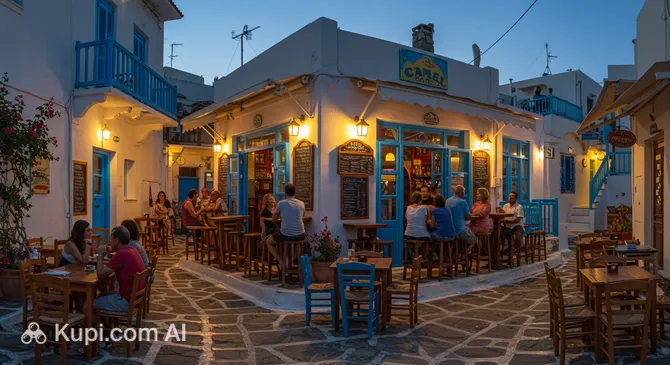
For those seeking a slightly more relaxed but still lively vibe, the harbor area is the perfect choice. Here, you will find a string of cafeterias and bars that offer great views of the illuminated castle and the boats bobbing in the water. A classic stop for many visitors is the Camel Bar, a long-standing favorite located centrally in the harbor district. It is an excellent spot to enjoy a well-made cocktail while watching the world go by before heading deeper into the night.
Camel Bar. Source: Kupi.Binoculars
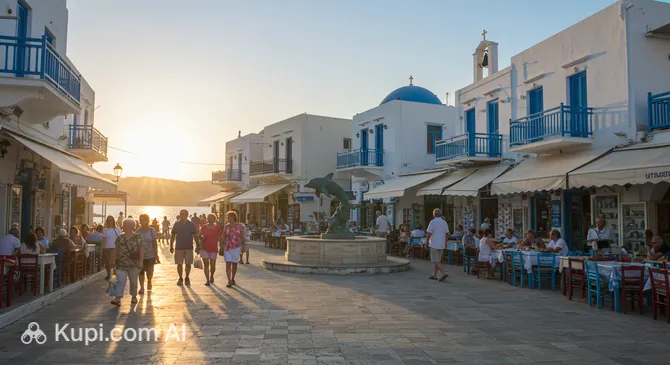
If you prefer a scenic evening walk before settling down for a drink, the area around Dolphin Square is delightful. This coastal promenade is lined with restaurants and tavernas that stay open late, allowing you to enjoy a late-night dinner with the sound of the waves in the background. It is a safer and quieter alternative to the intense energy of Bar Street, attracting couples and families who want to enjoy the island's breeze without the thumping bass of the clubs.
Dolphin Square. Source: Kupi.Binoculars
For a unique evening experience by the water, beach bars often transition into lounge venues at night. Places like the COCO Beach Restaurant offer a stylish setting where you can enjoy dinner or drinks right on the sand. These venues typically have a "smart casual" dress code in the evening and provide a more sophisticated atmosphere, perfect for sipping wine under the stars.
Practical Advice: The nightlife in Kos typically kicks off late. Bars start filling up around 10:00 PM, but the clubs on Bar Street do not reach their peak until well after midnight. Prices are generally reasonable compared to Mykonos or Santorini; expect to pay around €5-7 for a beer and €8-12 for a cocktail. Happy hours are common in the early evening, offering great value.
Safety and Transport: Kos Town is very safe at night, and walking between the harbor, Old Town, and Bar Street is easy and common. However, always stick to well-lit main roads when walking back to your hotel late at night. Taxis are available at the main taxi rank near the harbor, but queues can be long in July and August. It is often easier to arrange a ride through your hotel or a local app if you are staying outside the city center.
Beyond the party scene, the city offers other forms of evening entertainment. The "Orfeas" open-air cinema is a beloved local institution where you can watch current films under the night sky, a quintessential Greek summer experience. Additionally, many visitors enjoy sunset boat cruises that depart from the harbor, offering a romantic way to see the island from a different perspective before returning to the city for dinner.
Parks & Museums
While Kos is renowned for its ancient ruins and sunny coastline, the city also offers serene natural escapes and curated collections that preserve its rich heritage. Visitors can alternate between relaxing in scenic outdoor areas and exploring museums that bring the island's diverse history to life.
One of the most accessible natural retreats near the city is Psalidi Beach. Located just a short drive to the east, this area is more than just a place to swim; it is flanked by a picturesque coastal road perfect for cycling and walking. The beach itself features smooth pebbles and crystalline waters, offering a refreshing break from the urban center. Just behind the coast lies the Psalidi Wetlands (Aliki), a protected Natura 2000 site where nature lovers can spot migratory birds, including flamingos and herons, particularly during the cooler months.
Psalidi Beach. Source: Kupi.Binoculars
Another significant green landmark is the square housing the Hippocrates Plane Tree. While often visited for its historical weight, the area serves as a cooling canopy in the heart of the city. The massive tree, with a trunk circumference of over ten meters, creates a natural meeting point shaded by its ancient branches, providing a moment of tranquility amidst the bustling town.
For a deep dive into the domestic life of the ancient world, the Casa Romana is an architectural marvel that functions as a walk-through museum. This restored Roman mansion, originally built on the ruins of a Hellenistic house, showcases the grandeur of the 2nd and 3rd centuries AD. Visitors can wander through its thirty-six rooms and three colonnaded atriums, admiring the intricate mosaic floors that depict marine life and hunting scenes, offering a vivid window into the island's prosperous past.
Casa Romana. Source: Kupi.Binoculars
While the Archaeological Museum of Kos stands as the primary repository for the island's classical treasures, those interested in more recent history should seek out the Historical and Folklore Museum. Often housing collections of traditional costumes, household tools, and photographs, such local venues capture the essence of Dodecanese life during the Ottoman and Italian periods, providing a contrast to the ancient marble statues found elsewhere.
For a truly authentic experience, visit the Psalidi Wetlands at dusk. The fading light reflects beautifully off the salt lake, and the silence of the marshland offers a peaceful counterpoint to the lively atmosphere of the main harbor.
Getting Around
Navigating Kos is relatively straightforward, as the city is compact and features a well-organized transport network designed to accommodate the seasonal influx of visitors. The primary mode of public transportation is the bus system, which is divided into two distinct services. The Urban Bus (DEAS), typically recognized by its blue and white vehicles, serves the city center, the port, and nearby suburbs, including routes to popular sites like the Asklepieion and nearby beaches. For longer distances to other villages and resorts across the island, the KTEL service (often green or cream-colored buses) operates regular schedules from the central station.
The payment system is simple and traditional, relying mostly on paper tickets rather than digital apps or smart cards. Ticket prices are quite affordable, generally ranging from €1.20 to €2.50 depending on the distance of your journey. It is highly recommended to purchase your tickets in advance from the dedicated ticket booth at the central bus station, local kiosks (periptero), or mini-markets. While it is possible to buy a ticket directly from the driver upon boarding, this often incurs a small surcharge, so buying beforehand saves you money.
For tourists, a few practical tips ensure a smooth journey. Buses typically run from early morning until late at night, especially during the high summer season when services are more frequent to accommodate nightlife. Once you board, you must validate your ticket in the machines provided; failure to do so can result in a fine. Drivers and conductors are generally helpful, but it is wise to carry small change if you plan to pay on board, as they may not always have change for large banknotes.
One of the city's most charming transport features is the Tourist Train, locally known as the "treenaki." These small, wheel-based trains offer a leisurely way to see the sights without walking in the heat. They run on specific scenic loops, taking visitors around the harbor, through the town center, and even up to the ancient Asklepieion, providing a fun and relaxed alternative to standard buses.
Beyond public transit, Kos is famous for its extensive network of bicycle lanes, earning it the nickname "Bicycle Island." Renting a bike is arguably the most popular and efficient way to explore the flat terrain of the city and its waterfront. For those who prefer more comfort or need to travel quickly, taxis are readily available at designated ranks, particularly near the harbor and Dolphin Square. Taxi rates are generally fixed for standard routes, but it is always good practice to confirm the fare before starting your ride.
Accommodation
Finding the perfect place to stay in Kos is relatively easy, as the city and its immediate surroundings offer a diverse array of options to suit every traveler's style and budget. The accommodation landscape ranges from affordable, family-run apartments and cozy city hotels to lavish, five-star beachfront resorts that provide an all-inclusive experience.
For those who want to be in the heart of the action, staying in Kos Town is the most convenient choice. Here, you are within walking distance of the main harbor, historical sites like the Neratzia Castle, and the vibrant nightlife of Bar Street. If you prefer a quieter setting that is still accessible to the city center, the coastal areas of Lambi to the north and Psalidi to the east are excellent alternatives. These districts are lined with larger hotels and resorts, often connected to the town by the island's convenient cycle path.
Diamond Deluxe Hotel. Source: Kupi.Binoculars
Travelers looking for luxury and extensive amenities will find several top-tier properties just a short distance from the city center. The Diamond Deluxe Hotel in the Lambi area is a prime example, offering a sophisticated, adult-focused atmosphere with elegant design and premium services. Another prominent option for a complete resort experience is the Astir Odysseus Kos Resort & Spa, which impresses guests with its sprawling pools, spa facilities, and stunning seafront location.
Booking Tip: Kos is an extremely popular summer destination. If you plan to visit during the peak months of July and August, it is highly recommended to book your accommodation at least three to four months in advance. This ensures you secure your preferred location and avoid the steep price hikes that occur as availability dwindles.
Price Range and Booking: Prices vary significantly by season and category. Budget travelers can typically find studios or simple hotel rooms for approximately €40–€70 per night, while mid-range options usually cost between €80 and €150. Luxury resorts can range from €200 to over €500 per night. Most accommodations can be easily booked via major online travel platforms, which offer the convenience of comparison and instant confirmation.
Nearby Cities
For those looking to explore the surroundings, Kos serves as an excellent base for day trips or short excursions to several interesting nearby locations. While the island itself has plenty to offer, the connectivity of the Dodecanese allows travelers to easily hop to neighboring islands and experience different facets of Greek culture.
One of the most popular destinations for a visit is Rhodes. Known as the Island of the Knights, it boasts a stunning UNESCO World Heritage Medieval City. Visitors can wander through the Street of the Knights, visit the Palace of the Grand Master, and enjoy a vibrant atmosphere that contrasts with the more laid-back vibe of Kos. It is the largest island in the group and offers a deep dive into history along with excellent shopping and dining.
For those willing to venture further for a unique experience, destinations like Ano Syros offer a classic Cycladic charm with whitewashed houses and winding alleys built on a hill. Although some of these locations may require a longer journey or an overnight stay depending on ferry schedules, they provide a wonderful opportunity to see the diversity of the Aegean region, from Venetian architecture to distinct local traditions.
These nearby destinations offer a glimpse into the diverse culture and landscapes of the region.
Shopping & Souvenirs
Shopping in Kos is a delightful experience that allows visitors to combine a stroll through history with the discovery of unique local treasures. While the island is not known for massive commercial centers or high-end fashion capitals, it excels in offering high-quality traditional products, handmade crafts, and inviting boutiques. The atmosphere is relaxed and friendly, with shop owners often happy to share the stories behind their goods.
The heart of the retail action is undoubtedly Kos Old Town. As you wander through its pedestrianized, cobblestone streets, you will find a vibrant array of shops nestled between ancient ruins and medieval walls. The area is particularly famous for its jewelry stores, which offer intricate gold and silver designs, often inspired by Greek mythology. Additionally, the streets around Eleftherias Square and the harbor are lined with boutiques selling leather sandals, summer clothing, and accessories perfect for the island lifestyle.
Travelers accustomed to sprawling shopping complexes should note that Kos does not feature large, western-style shopping malls. Instead, the retail experience is characterized by open-air shopping along the main commercial arteries, such as Kanari Street and Hippocrates Street. Here, you can find a mix of international brands, sportswear, and local businesses, all within easy walking distance of the waterfront.
For a taste of authentic local commerce, the Kos Municipal Market is an essential stop. Housed in a striking Italian-era building in the main square, this market is the best place to find edible souvenirs. The stalls are piled high with jars of local thyme honey, traditional sweets (spoon sweets), dried herbs, and bottles of extra virgin olive oil. It is a sensory experience where you can smell the aroma of spices and often sample products before you buy.
When it comes to souvenirs, Kos offers plenty of distinct options beyond the standard fridge magnets. The island is renowned for its thyme honey, considered some of the best in Greece, and its unique Posa cheese (wine cheese), which has a distinctive red rind. Other popular items include natural sea sponges, handmade ceramics, and olive wood carvings. Locally produced wine and the cinnamon-based syrup drink, kanelada, also make for excellent gifts to bring back home.
Store hours in Kos generally follow the traditional Greek schedule. Shops typically open around 9:00 AM and stay open until late in the evening, often until 10:00 PM or 11:00 PM in tourist areas, especially during the summer season. However, smaller local businesses and non-tourist shops may close for a siesta in the afternoon, usually between 2:00 PM and 5:30 PM. Major credit and debit cards are widely accepted in most establishments, though carrying some cash is advisable for small purchases at kiosks or family-run stalls.
Visitors from outside the European Union should be aware of the Tax-Free shopping options. Many stores in Kos participate in the VAT refund scheme for purchases exceeding €50. Look for the "Tax Free" signage in shop windows and remember to ask for the necessary forms at the checkout to claim your refund at the airport upon departure.