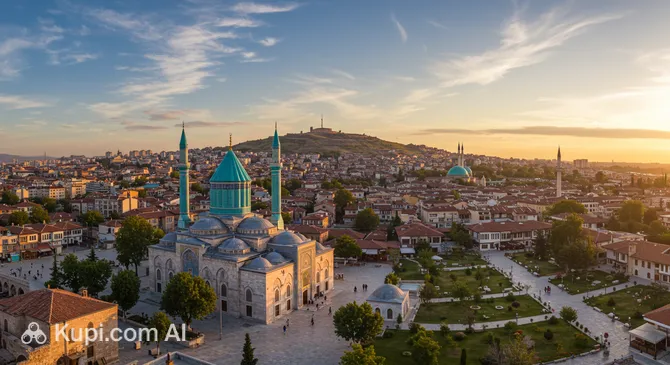
Konya is a captivating destination that serves as a spiritual and cultural anchor in the heart of Central Anatolia. As one of the oldest continuously inhabited cities in Turkey, it offers a unique blend of ancient tradition and modern vitality. Known globally as the city of Whirling Dervishes and the home of Rumi, it possesses a serene atmosphere that sets it apart from other bustling metropolises in the region.
With a population exceeding 2.2 million, the city is a major economic and industrial hub, yet it retains a deep connection to its roots. Geographically, it sits on a vast high plateau, offering wide horizons and a continental climate. Delving into the history of Konya reveals its prestigious past as the capital of the Seljuk Sultanate of Rum, a period that endowed the city with magnificent architectural masterpieces.
Konya. Illustration.
Source: Kupi.com AI
Visitors are primarily drawn to the Mevlana Museum, the mausoleum of the famous Sufi mystic Jalal ad-Din Muhammad Rumi, which attracts pilgrims and tourists from all over the world. Beyond this spiritual center, the city boasts impressive Seljuk structures like the Alaeddin Mosque and the Karatay Madrasa, known for its exquisite tile work. Witnessing a traditional Sema ceremony, performed by the Whirling Dervishes, is an unforgettable cultural experience that embodies the city's mystical heritage.
Whether you are seeking spiritual enlightenment, historical insights, or simply a glimpse into the authentic soul of Anatolia, Konya is a destination that should not be missed. Its welcoming locals and profound cultural depth promise a journey that is both peaceful and inspiring.
Weather Overview
Located on the high Anatolian plateau, the city experiences a continental climate with distinct seasonal variations. To plan your trip effectively, it is helpful to check the current weather in Konya before you travel. The summer months, particularly July and August, are typically warm and dry, with average high temperatures reaching nearly 30°C and very few days of rain.
In contrast, winters are cold, with January seeing average temperatures around 0.9°C and nighttime lows frequently dropping below freezing to -3.2°C. The transitional seasons of spring and autumn are generally mild, though May is notably one of the wetter months with approximately 13 rainy days. Overall, you can expect warm, dry summers and cold winters with regular precipitation.
Average monthly temperature
Average monthly precipitation
Interesting Facts
Beyond the spiritual aura of Rumi and the famous Whirling Dervishes, Konya holds many fascinating secrets that surprise even seasoned travelers. From ancient settlements hidden in plain sight to unexpected modern marvels, the city offers layers of history and culture waiting to be uncovered.
Konya Tropical Butterfly Garden. Illustration.
Source: Kupi.com AI
Traveler photos:
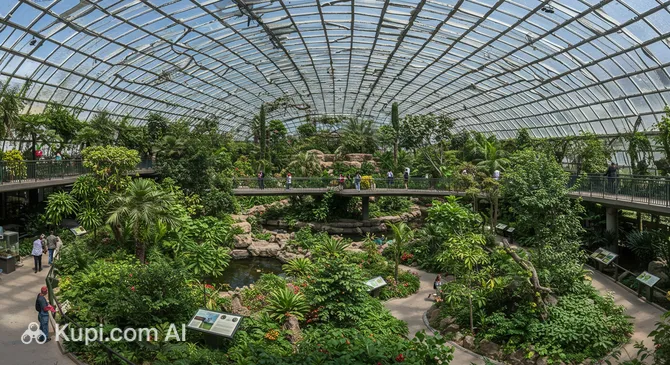
While the city is known for its dry, continental climate, it surprisingly hosts the Konya Tropical Butterfly Garden. This massive sanctuary is one of the largest of its kind in Europe, maintaining a humid, tropical environment where thousands of colorful butterflies fly freely among exotic plants.
Just a short distance from the city center lies Sille Historical Town, a unique village with a history stretching back 5,000 years. It is renowned for being a place where Greeks and Turks lived peacefully side by side for over eight centuries, leaving behind a rich legacy of rock-carved churches and stone houses.
The prominent Alaeddin Hill Park in the city center is not a natural geological formation. It is actually a "hoyuk" or mound, created artificially by the layering of settlements on top of each other over thousands of years, serving as a silent witness to the city's prehistoric roots.
Konya is famed for a culinary delight known as Etliekmek, which translates to "meat bread." Often confused with lahmacun, this local specialty is distinctly different; it is much longer—sometimes up to a meter—and features a crispier, thinner dough topped with a specific blend of minced meat and peppers.
How to Get There
Reaching this historic destination is quite convenient, with air travel being a popular choice for many visitors. For a comprehensive guide on all transport options, you can read more about how to get to Konya to help plan your journey.
The most direct entry point is Konya Airport (KYA), which is conveniently situated within the city limits. It is located approximately 13 km from the center, making the transfer very quick; a taxi or bus ride usually takes around 40 minutes.
For those arriving via the Mediterranean coast, Antalya Airport (AYT) is a major international hub. Please note that the city of Konya does not have this airport; it is located in Antalya, about 185 km away. The journey from there is significantly longer, taking approximately 5 hours by road. Another alternative is Gazipasa Airport (GZP) in Alanya, which is roughly 176 km from Konya, with a travel time of about 4 hours and 45 minutes.
For clarity, here is a summary of the main airports:
Konya is a city where history and spirituality intertwine, offering visitors a profound glimpse into Turkey's cultural soul. The city's landmarks are not just architectural marvels but also centers of philosophy and art that have influenced the region for centuries. Exploring these sites allows travelers to connect with the legacy of the Seljuks and the mystical traditions of the Sufis.
Mevlana Museum. Illustration.
Source: Kupi.com AI
Traveler photos:
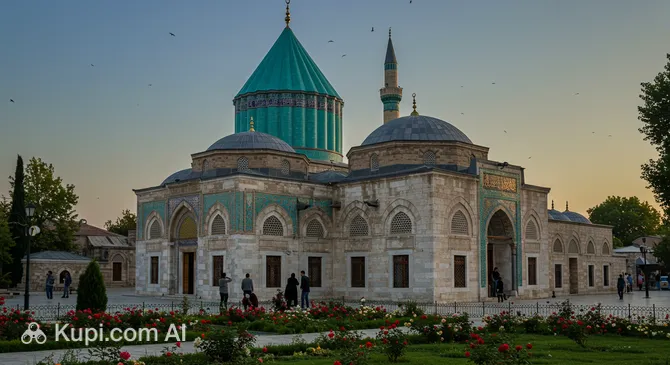
Undoubtedly the most famous site in the city is the Mevlana Museum. Recognized by its distinctive turquoise dome, this complex is the mausoleum of Jalal ad-Din Muhammad Rumi, the world-renowned Sufi mystic and poet. It serves as a place of pilgrimage and peace, housing Rumi's tomb alongside artifacts belonging to the Mevlevi Order. Tourists are captivated by the spiritual atmosphere, the intricate calligraphy, and the display of historical dervish clothing and musical instruments.
For those interested in the artistic heritage of the Seljuk era, the Karatay Madrasa is an essential stop. Built in 1251, this former theological school now functions as the Museum of Tile Works. The interior is a breathtaking example of medieval architecture, featuring a magnificent dome adorned with turquoise and black tiles representing the heavens. It is a fascinating place to admire the sophisticated craftsmanship of Anatolian ceramics.
Sille Historical Town. Illustration.
Source: Kupi.com AI
Traveler photos:
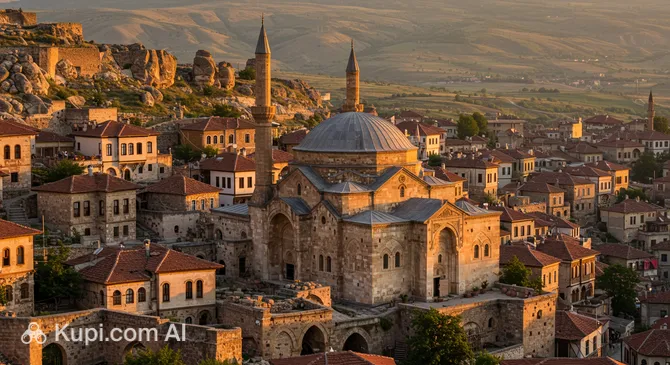
A short distance from the city center lies Sille Historical Town, a settlement with a history spanning over 5,000 years. This charming village is unique for its long tradition of peaceful coexistence between Muslims and Christians. Visitors can wander through restored stone streets, visit rock-cut chapels, and explore the Hagia Eleni Church, one of the oldest churches in Anatolia. It offers a quiet, picturesque escape from the bustling city atmosphere.
Another architectural gem is the Aziziye Mosque, located near the Bedesten bazaar. Unlike the classical Ottoman style found elsewhere, this mosque stands out with its late Ottoman Baroque and Rococo design features. Its large windows and bright interior create a welcoming ambiance, while the twin minarets with balcony roofs make it a unique subject for photography enthusiasts appreciating eclectic historical styles.
Local Cuisine
Local Cuisine:
The culinary heritage of Konya is a testament to its royal past and agricultural abundance. Shaped by the Seljuk court and local Anatolian traditions, the cuisine is hearty, meat-centric, and deeply flavorful. Visitors will find that food here is treated with reverence, often served in generous portions that reflect the city's welcoming spirit.
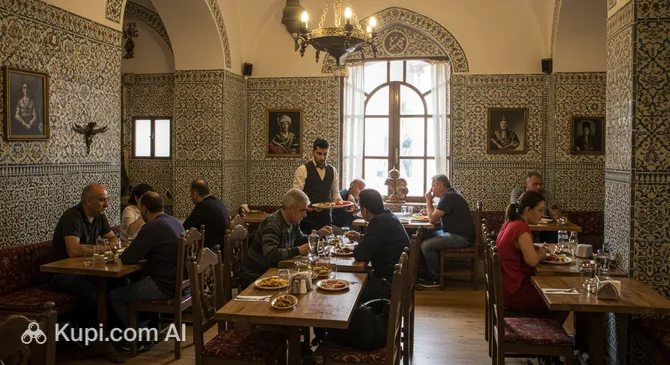
A cornerstone of the local diet is Fırın Kebabı (Oven Kebab), a dish that dates back to the Seljuk period. It features succulent lamb roasted in copper trays within oak-fired ovens until it is exceptionally tender. Konya Kebab House is a renowned spot to experience this traditional flavor, offering a rustic atmosphere that complements the historic meal.
Konya Kebab House. Illustration.
Source: Kupi.com AI
Traveler photos:
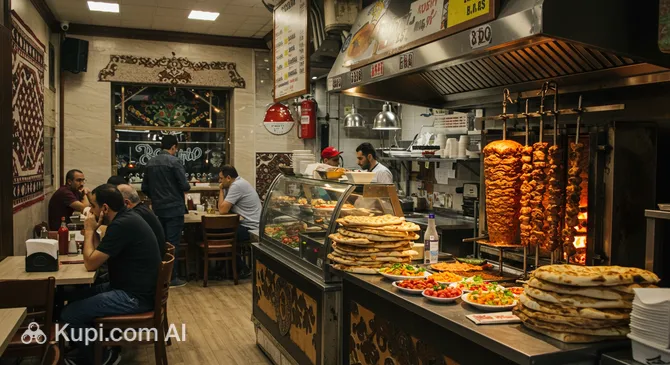
Another culinary staple is Etliekmek, often described as a longer, crispier relative of pizza. It is topped with a mixture of minced meat, peppers, and tomatoes. For a high-quality rendition of this classic, Erdinç Etliekmek is highly recommended. The restaurant is known for its mastery of the dough and the perfectly balanced topping, served on wooden paddles that can reach up to a meter in length.
Erdinç Etliekmek. Illustration.
Source: Kupi.com AI
Traveler photos:
For adventurous eaters, Bamya Çorbası (Okra Soup) is a unique dish that perfectly balances sweet and sour notes, traditionally served at special events. If you prefer grilled meats, Cigerci Mahir specializes in liver and other kebabs, prepared with expert seasoning and grilled over charcoal. To conclude your gastronomic tour, try the famous Mevlana Candy, a white, bergamot-scented sugar treat that serves as a sweet symbol of the city.
Travel Tips
To ensure your visit to this spiritual and historic center is as smooth and enjoyable as possible, we have compiled a list of essential practical advice. These tips will help you navigate local customs, manage logistics, and connect more deeply with the unique atmosphere of the city.
Clothing and Gear: As Konya is one of the more conservative cities in Turkey, modest dress is highly recommended for both men and women. Shorts and sleeveless tops should generally be avoided in the city center. Women should carry a scarf to cover their heads when entering religious sites like the Mevlana Museum. Bring comfortable walking shoes for exploring the paved streets, and a universal travel adapter (Type F) for your electronics.
Transportation: The city boasts an efficient and easy-to-use tram system that connects key locations, including the bus terminal (Otogar) and the city center. You can pay using a contactless credit card or by purchasing a rechargeable "Elkart" at kiosks. Taxis are yellow, metered, and widely available; they are a reliable option if you are traveling with luggage or late at night.
Finances: The local currency is the Turkish Lira (TRY). While credit cards are widely accepted in hotels, malls, and larger restaurants, cash is king in traditional bazaars, small tea houses, and for public transport. ATMs are plentiful, but it is wise to carry some small notes for tips and minor purchases. Tipping around 10% in restaurants is customary if the service charge is not included.
Health and Safety: Konya is generally a very safe city for travelers. Pharmacies are marked with a large "E" sign (Eczane); if you need one at night, search for a "Nöbetçi Eczane" (duty pharmacy), which remains open 24 hours. For any medical emergencies, the universal number to call is 112. Tap water is chlorinated but it is generally safer and better tasting to drink bottled water.
Communication: While staff at major museums and hotels usually speak English, it is less common in local shops and neighborhoods. Downloading an offline translation app and map is very useful. A local SIM card from providers like Turkcell or Vodafone can be purchased easily in the city center to stay connected. A friendly Merhaba (Hello) is always a good way to start a conversation.
Local Etiquette: Respect for religious traditions is paramount here. Always remove your shoes before entering a mosque or a private home. During the holy month of Ramadan, it is respectful to avoid eating, drinking, or smoking in public during daylight hours, although restaurants will still serve tourists. When greeting locals, a handshake is standard, often accompanied by a hand on the chest as a sign of sincerity.
What to Avoid: Public displays of affection are generally frowned upon in this conservative environment and should be avoided. Additionally, do not expect to find alcohol easily; many restaurants in the city center do not serve it, and drinking in public spaces is considered inappropriate.
Additional Tip: If you are visiting in December for the Şeb-i Arus (the anniversary of Rumi's passing), book your accommodation and tickets months in advance, as the city fills up with pilgrims and visitors from around the globe.
By keeping these practical points in mind, you will be well-prepared to explore the rich culture and history of the region without any hassles. We hope these insights help you have a respectful, comfortable, and truly memorable journey in the heart of Anatolia.
Entertainment & Nightlife
Travelers accustomed to the pulsating energy of coastal resorts or the non-stop bustle of Istanbul will find a different, more serene rhythm in Konya. The city's nightlife is defined not by loud nightclubs or rowdy bars, but by a vibrant social culture centered around conversation, tea gardens, and illuminated historical settings. The evenings here are best spent soaking in the atmosphere of the illuminated Seljuk architecture or enjoying a long, leisurely dinner with friends.
The heart of evening activity is undoubtedly the city center, particularly around Alaeddin Hill and Zafer Square. As the sun sets, these areas fill with locals enjoying the cool evening air. Families and students from the local universities stroll along the pedestrian-friendly streets, browsing shops that stay open late or sitting in the numerous cafes that line the boulevards. It is a safe and welcoming environment where the "nightlife" is driven by social interaction rather than partying.
Meram Vineyards. Illustration.
Source: Kupi.com AI
Traveler photos:
For a more scenic evening experience, a trip to Meram Vineyards (Meram Bağları) is highly recommended. Located slightly away from the city center, this historic district offers a lush, green escape with a cooler climate. The area is dotted with tea gardens and restaurants situated along the stream, making it a favorite spot for locals to unwind until late at night. The sound of flowing water and the chatter of tea drinkers create a relaxing backdrop for a night out.
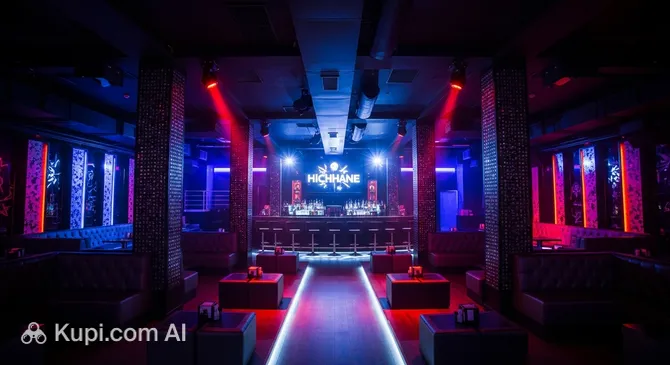
While alcohol is not widely served in most establishments due to the city's conservative nature, there are specific venues where you can enjoy a distinct atmosphere. Hichhane is one such venue that stands out, offering a unique blend of culture and social dining that appeals to visitors looking for something authentic. It is an excellent place to experience the local hospitality in a setting that bridges the gap between traditional and modern aesthetics.
Hichhane. Illustration.
Source: Kupi.com AI
Traveler photos:
Dining is a major part of the evening entertainment here. Restaurants are often busy well into the night. For a hearty meal, Efem Izgara Restaurant is a popular choice where you can savor local grilled specialties. If you are looking for more conventional entertainment, the city's modern shopping malls, such as the Kentplaza Shopping and Life Center, house cinemas showing the latest international and Turkish films, along with bowling alleys and game centers for family fun.
Regarding safety, Konya is exceptionally safe for night walks, even in the late hours. The main streets are well-lit and populated. Public transportation, including the tram, runs until around midnight, and yellow taxis are easily available at designated stands or by pressing the "Taksi" call buttons found on street poles. Prices are metered and reasonable. Visitors should note that the dress code remains modest in the evenings, and while the atmosphere is friendly, it is respectful to keep noise levels moderate in residential areas.
Daytime entertainment also offers plenty of variety beyond historical sightseeing. Families often visit the Kyoto Japanese Park or the massive Science Center. For theater lovers, the Konya State Theatre offers regular performances, though mostly in Turkish. Whether you are sipping tea by the Meram stream or walking through the illuminated Mevlana Square, the nights in Konya offer a peaceful yet deeply engaging cultural experience.
Parks & Museums
Konya offers a surprising abundance of green spaces and a rich array of museums that go far beyond its famous spiritual centers. The city has invested heavily in creating expansive parks and preserving its multi-layered history, providing visitors with diverse options for relaxation and cultural exploration.
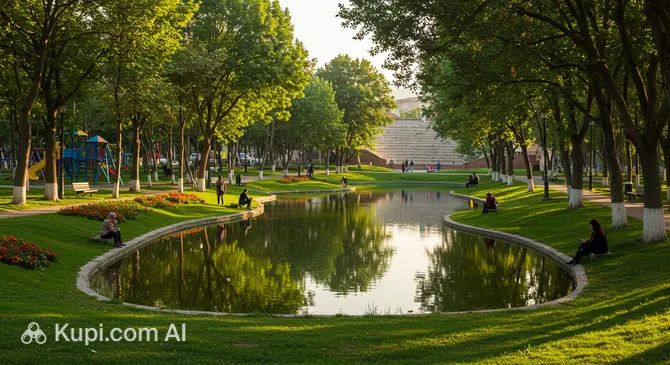
For a refreshing break in the city center, Culture Park is the most accessible green retreat. Located on the site of the old bus terminal, this park serves as a lively gathering spot for locals, featuring decorative pools, walking paths, and the Dede Korkut Monument. It is beautifully illuminated at night, making it a perfect place for an evening stroll after visiting the nearby historical sites.
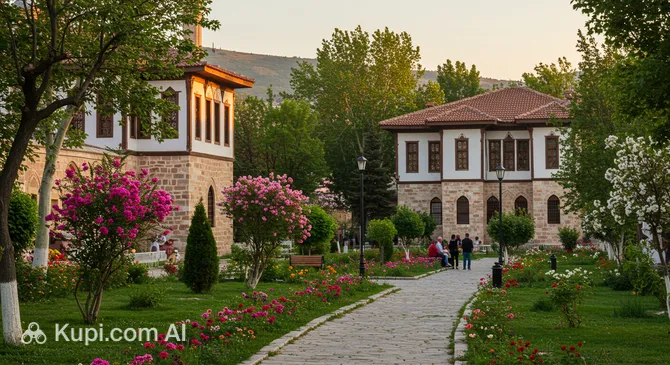
Those interested in a unique blend of history and recreation should visit Ecdat Park. Designed with Seljuk and Ottoman architectural elements, this park feels like an open-air museum featuring historical pavilions, a large biological pond, and traditional wooden gates. It offers a tranquil atmosphere where visitors can enjoy traditional Turkish tea in a setting that pays homage to the region's architectural heritage.
Ecdat Park. Illustration.
Source: Kupi.com AI
Traveler photos:
Families and fun-seekers will appreciate Around the World in 80 Thousand Park. This imaginative recreational area features miniature versions of famous landmarks from Turkey and around the globe. It is divided into three sections: T-Rex Park for dinosaur enthusiasts, a section for miniatures, and a fairy tale world, making it an entertaining stop for travelers with children.
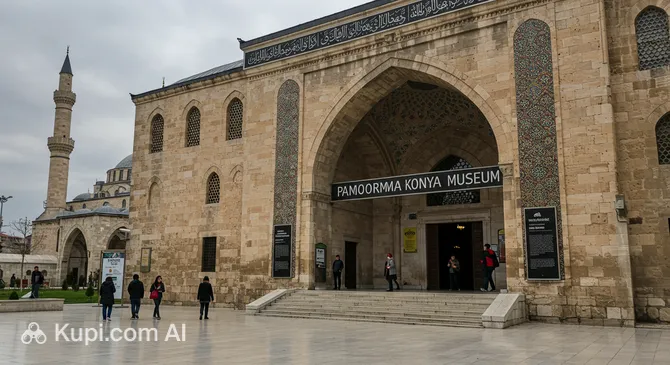
While the Mevlana Museum is the city's crown jewel, other institutions offer deep dives into the region's past. The Panorama Konya Museum is a must-see for understanding the city's life in the 13th century. It houses a massive panoramic painting that depicts the era of Rumi, along with models of Mevlevi lodges, providing a vivid visual context to the spiritual history you see elsewhere in the city.
Panorama Konya Museum. Illustration.
Source: Kupi.com AI
Traveler photos:
History buffs should not miss the Konya Archaeological Museum. This facility displays a robust collection of artifacts ranging from the Neolithic period to the Byzantine era. Highlights include Roman sarcophagi with intricate reliefs and finds from the ancient settlement of Çatalhöyük, offering a tangible connection to one of the earliest human communities.
For a look at the artistic legacy of the Seljuks, the Darulmulk Exhibition Palace is a newer cultural venue worth exploring. It often hosts exhibitions related to the Turkish-Islamic arts and the history of the Seljuk Sultanate. Additionally, nature lovers might enjoy a trip to the Karatay Municipality Zoo, which is a spacious facility hosting a variety of animals and serving as a popular weekend destination for local families.
Insider Tip: If you are looking for a serene spot that feels completely different from the Anatolian steppe, ask locals about the Kyoto Japanese Park. Although a bit further out, it is meticulously designed with Japanese architectural elements, a pond, and cherry blossoms, symbolizing the friendship between Konya and its sister city, Kyoto.
Getting Around
Navigating Konya is remarkably straightforward and efficient, thanks to a well-organized public transport network managed by the metropolitan municipality. The system is designed to handle the city's flat geography and growing population, making it easy for visitors to move between historical sites, the city center, and outlying districts without needing a private vehicle.
The backbone of the city's transportation is the tram system. It is particularly useful for tourists as the main line connects the intercity bus terminal (Otogar) directly to the city center, passing through key locations like the University and the historic Alaaddin Hill. The trams are modern, frequent, and clean. Additionally, there is a "Nostalgic Tram" line that operates between Alaaddin and the Courthouse (Adliye), offering a charming way to see the city streets on vintage railcars.
Complementing the trams is an extensive fleet of municipal buses. These vehicles cover every corner of the city that the rails do not reach. Bus stops are widely distributed, and digital displays at major stops often indicate arrival times. For shorter distances or routes not covered by the municipality, dolmuş (minibuses) are a popular alternative. These operate on fixed routes but offer more flexibility than large buses, stopping on demand to let passengers on or off.
The payment system in Konya is fully integrated electronically. The primary method is the Elkart (Hand Card), a rechargeable smart card that can be purchased and topped up at kiosks, designated dealers, and ticket machines near tram stops. For tourists who do not wish to buy a specific transit card, the system also accepts contactless credit and debit cards (Mastercard/Visa) directly at the turnstiles and on buses, making it incredibly convenient for short-term visitors.
One of the city's most distinctive features is its reputation as the "City of Bicycles." Thanks to its exceptionally flat terrain, Konya boasts the longest network of bicycle paths in the country. Tourists can easily rent bikes through the municipal smart bike-sharing system or from private rental shops. Cycling is not just a leisure activity here but a genuine mode of transport used by locals of all ages.
Taxis are another reliable option, available 24/7. They are yellow, clearly marked, and operate on a taximeter system. You can find taxi stands near major landmarks, shopping malls, and the bus station, or simply hail one on the street. They are reasonably priced and offer a comfortable alternative for traveling late at night or with heavy luggage.
Public transport generally operates from early morning, around 6:00 AM, until midnight. During peak hours, trams and buses can get crowded, so it is wise to plan your travel accordingly. If you use the dolmuş, keep in mind that they only accept cash, so it is helpful to carry small change. Whether you choose to ride the modern tram, cycle along the wide boulevards, or hop on a vintage trolley, getting around this historic city is a seamless part of the travel experience.
Accommodation
Where to Stay:
Finding the perfect place to stay in Konya is relatively easy, as the city offers a wide range of accommodation options to suit every budget and preference. From luxurious modern hotels with extensive spa facilities to charming boutique guesthouses located in restored historic mansions, the hospitality here is deeply rooted in the city's tradition of welcoming pilgrims and travelers.
For most visitors, the ideal location is the city center, particularly the neighborhoods surrounding the Mevlana Museum and Alaaddin Hill. Staying in this area places you within walking distance of the main historical attractions, bazaars, and restaurants. It allows you to immerse yourself in the spiritual atmosphere of the city, especially in the evenings when the museums and mosques are beautifully illuminated.
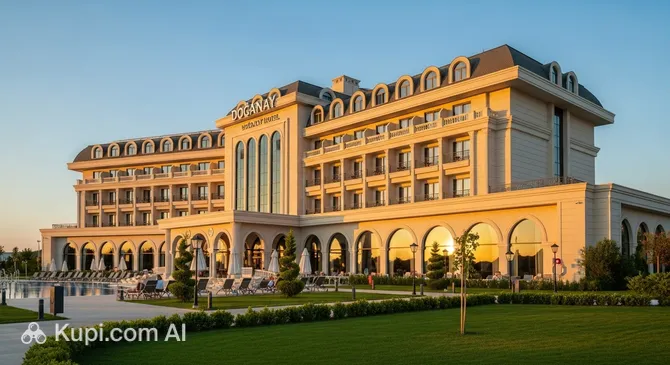
If you prefer a more modern setting or are traveling for business, the districts slightly further from the old town offer contemporary 4-star and 5-star hotels. These establishments often feature spacious rooms, fitness centers, and meeting halls. For instance, Doğanay Hotel is one of the options available for travelers looking for reliable service and comfort during their stay.
Doğanay Hotel. Illustration.
Source: Kupi.com AI
Traveler photos:
Travelers looking for a quieter experience might consider the Meram district. Known for its greenery and vineyards, this area offers a more relaxed pace while still being accessible to the city center via public transport or taxi. It is a great choice for families or those who wish to escape the hustle and bustle of the central market areas.
A few important things to keep in mind when booking your accommodation:
Alcohol Policy: Due to the conservative nature of the city, many hotels, including some upscale international chains, do not serve alcohol. If this is important to you, it is wise to check the hotel's policy beforehand.
Breakfast: Turkish hospitality shines at the breakfast table. Most hotels include a rich buffet breakfast with local cheeses, olives, honey, and fresh bread in the room rate.
Peak Season: If you plan to visit during the Seb-i Arus ceremonies in December (commemorating Rumi's reunion with the beloved), you must book your room months in advance, as hotels across the city reach full capacity.
Whether you choose a historic stone house or a modern suite, you will find that the service in Konya is warm, attentive, and focused on making guests feel at home.
Nearby Cities
For those looking to explore the surroundings, Konya serves as an excellent base for day trips to several interesting nearby locations:
One of the most scenic destinations is Beysehir, situated on the shores of Turkey's largest freshwater lake. It is a haven for nature lovers and history buffs alike, famous for the stunning Eşrefoğlu Mosque, a UNESCO World Heritage site known for its magnificent wooden columns and intricate craftsmanship. A visit here offers a peaceful retreat with beautiful lakeside views and deep historical roots.
For a journey into humor and folklore, Aksehir is a delightful choice. Known as the hometown of the legendary satirist and philosopher Nasreddin Hodja, the town celebrates his legacy with statues, a mausoleum, and an annual festival. It provides a charming glimpse into traditional Turkish culture and storytelling.
History enthusiasts will appreciate a trip to Karaman, which lies to the south. Once the capital of the Karamanid Beylik, a powerful principality that rivaled the Ottoman Empire, the city boasts an impressive castle and the Karaman Museum, offering a quieter but historically rich experience compared to larger tourist hubs.
These nearby destinations offer a glimpse into the diverse culture and landscapes of the region.
Shopping & Souvenirs
Shopping:
Shopping in Konya offers a delightful blend of the old and the new, reflecting the city's status as a bridge between ancient tradition and modern development. Visitors can wander through centuries-old bazaars where craftsmanship has been preserved for generations, or explore contemporary shopping centers that host international brands. The city is particularly famous for its textiles, religious artifacts, and unique confectionery, making it an excellent place to find meaningful gifts and souvenirs.
For a truly authentic experience, the historical Bedesten Bazaar is the heart of the city's trade. Located near the Mevlana Museum, this area consists of narrow streets lined with small shops selling everything from clothing and jewelry to spices and household goods. Just a short walk away, the area around Zafer Square and Alaaddin Hill serves as the city's modern high street. Here, pedestrian-friendly boulevards are packed with boutiques, bookstores, and shoe shops, bustling with locals and students throughout the day.
If you prefer a modern retail experience with air-conditioned comfort, the city boasts several large malls. Kentplaza Shopping and Life Center is one of the most popular destinations, featuring a wide range of fashion brands, a food court, and entertainment facilities. It is a convenient stop for families and those looking for Western-style shopping.
Kentplaza Shopping and Life Center. Illustration.
Source: Kupi.com AI
Traveler photos:
Another significant spot is the M1 Konya Shopping Mall, a spacious single-story complex that offers a relaxed atmosphere with numerous outlet stores and a large hypermarket. It is located slightly further from the center but is easily accessible and provides ample parking.
For foodies and culture enthusiasts, the local markets are unmissable. The Melike Hatun Bazaar, often referred to as the Women's Market (Kadınlar Pazarı), is a vibrant hub where farmers sell fresh produce, local cheeses, olives, and honeycomb. It is the perfect place to witness the daily life of Konya's residents and to purchase high-quality, organic ingredients at reasonable prices.
When it comes to souvenirs, Konya offers several distinct items. The most iconic gift is Mevlana Candy (Mevlana Şekeri), a hard white sugar candy often flavored with bergamot. Other popular choices include miniature Whirling Dervish figurines, reed flutes (ney), and rosaries (tesbih). The city is also known for its traditional felt art, so looking for handmade felt hats (sikke) or rugs can yield a unique keepsake.
Stores in the city center and malls generally operate from 10:00 AM to 10:00 PM. Traditional bazaar shops, however, may close earlier, around 7:00 PM or 8:00 PM, and some may be closed on Sundays. While credit cards are widely accepted in malls and larger stores, it is advisable to carry Turkish Lira in cash when shopping in smaller boutiques or traditional markets.
Tourists visiting Turkey are often eligible for tax-free shopping. Look for the "Tax Free" signage in store windows, particularly in larger malls and international brand outlets. If you spend above a certain amount, you can request the necessary forms at the checkout to claim a Value Added Tax (VAT) refund at the airport upon your departure.