Support

Patras

About

Patras is a vibrant commercial hub and a significant port city in Greece. As the third-largest city in the country and the regional capital of Western Greece, it is known for its energetic atmosphere, largely driven by a substantial university student population. The city serves as a major "Gateway to the West," connecting the peninsula with Italy and the rest of Western Europe through its busy harbor.

Situated on the northern coast of the Peloponnese at the foothills of Mount Panachaikon, the city overlooks the Gulf of Patras. With a population of approximately 167,000 residents, it balances the feel of a bustling metropolis with scenic seaside charm. The rich history of Patras spans thousands of years, evolving from an ancient settlement into a modern urban center while retaining deep cultural roots.
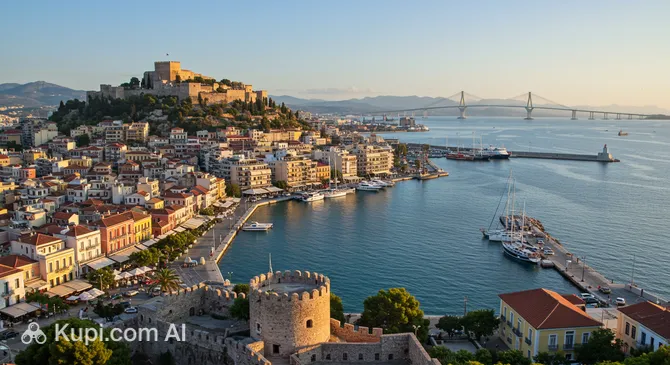
Patras. Source: Kupi.Binoculars

Visitors are often drawn to the imposing Rio–Antirrio Bridge, a stunning engineering marvel that connects the Peloponnese to the mainland. The medieval Patras Castle offers panoramic views of the city and the sea, making it a perfect spot for sunset. Another major landmark is the Cathedral of Saint Andrew, one of the largest churches in the Balkans and a significant pilgrimage site. Additionally, the city is famous for hosting one of the biggest and most colorful carnivals in Europe every winter.

Whether you are passing through on a ferry or staying to explore its lively squares, pedestrian streets, and cafes, Patras offers a genuine taste of Greek urban life. It is a destination that beautifully blends history, entertainment, and coastal beauty, inviting travelers to discover its many layers.
Weather Overview

Patras typically enjoys a Mediterranean climate characterized by hot, dry summers and mild, damp winters. The city sees its highest temperatures in July and August, with averages around 26°C and daily highs often exceeding 31°C. These summer months are perfect for beach activities, as rainfall is minimal, particularly in July which records almost no precipitation and only about 3 wet days.

Conversely, the winter season brings cooler weather and more frequent rain. From December to February, average temperatures range between 8.4°C and 10.4°C, with January being the coldest month. Travelers should be prepared for wetter conditions during this time, as December and January can experience up to 15 wet days each. For a more detailed breakdown of what to expect during your visit, you can view the full report on the weather in Patras. Spring and autumn offer a pleasant balance, with moderate temperatures rising from roughly 10°C in March to 22°C by September.

Interesting Facts

Beyond the main attractions, Patras holds many fascinating secrets and historical trivia that add depth to its vibrant character. Here are some intriguing facts about this dynamic port city:

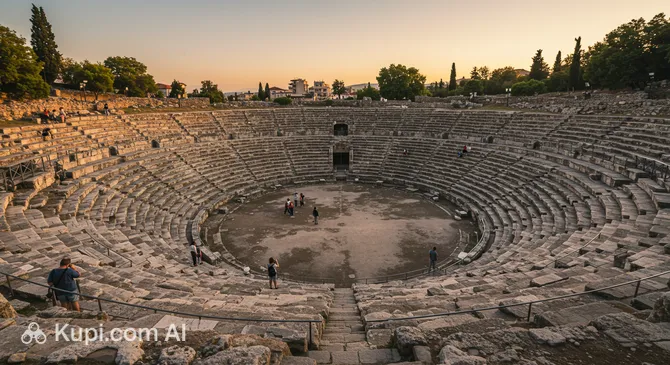
Roman Odeon of Patras. Source: Kupi.Binoculars
  • The Roman Odeon of Patras actually predates the famous Odeon of Herodes Atticus in Athens. Built in the 2nd century AD, this magnificent structure remained concealed beneath the earth for centuries and was only discovered by accident in 1889 during construction work for the harbor.

  • Patras is the birthplace of the celebrated Greek sweet wine, Mavrodaphne. It was created in the 19th century at Achaia Clauss, the oldest winery in Greece, by Gustav Clauss, who named the wine in honor of his fiancée Daphne, adding "mavro" (black) to describe her deep dark eyes.

  • The city is distinctly divided into two parts: the historic Upper Town (Ano Poli) and the newer Lower Town (Kato Poli). These sections are famously connected by the St. Nicholas Stairway, a landmark of 193 steps that offers one of the best vantage points for watching the sunset over the gulf.

  • The Patras Carnival is not just a weekend event but the largest of its kind in Greece and one of the biggest in Europe. A unique tradition within the festivities is the "Hidden Treasure Hunt," where thousands of locals form teams to solve riddles and complete tasks across the city, turning Patras into a giant playground for weeks.

How to Get There

Reaching this coastal hub is relatively straightforward, with options ranging from nearby seasonal airstrips to larger international transport hubs further afield. Whether you prefer flying directly into the region or taking a scenic drive through the Greek mainland, there are several routes to consider. For a detailed breakdown of all available travel methods, you can read more about how to get to Patras.

The most convenient entry point by air is Araxos Airport (GPA), located specifically to serve the city of Patras. Situated approximately 29 km from the center, it primarily handles seasonal charter flights during the summer. A journey by taxi or bus from here is quick, typically taking around 65 minutes. Although it handles a smaller volume of traffic compared to major international hubs, its proximity makes it an excellent choice for direct access to the region.

For more flight options, travelers often consider Zakynthos Airport (ZTH) located on the neighboring island of Zakynthos, about 93 km away. It is a busy international airport welcoming a large number of tourists annually. However, arriving here involves taking a ferry to cross over to the mainland. Alternatively, Aktion Airport (PVK) in Preveza is another viable option, located roughly 113 km from Patras. The transfer from Preveza involves a drive of approximately 3 hours and 10 minutes, offering a scenic route along the coast.

For clarity, here is a summary of the main airports:

Airport Name City Passenger Traffic Km from City
Zakynthos Airport Zakynthos Large 92.8
Aktion Airport Preveza Medium 113.2
Kalamata Airport Kalamata Medium 133.3
Araxos Airport Patras Small 29.1
Nea Anchialos Volos Small 142.0

The city of Patras does not have a major long-distance railway station in active operation for northern routes currently, but you can arrive at the Thessaloniki Railway Station in the city of Thessaloniki, which is about 285 km away. From there, you can get a taxi or bus, which takes about 7.5 hours. This option is generally less common for direct travel to Patras but serves as a major hub for Northern Greece.

For clarity, here is a summary of the available railway stations:

Station City Passenger Traffic Km to Center
Thessaloniki Railway Station Thessaloniki 285.4

Main Attractions

Patras is a city where ancient history and modern life coexist seamlessly, offering visitors a diverse range of sights that reflect its long journey through time. From medieval fortifications with sweeping views to vibrant public spaces and world-class museums, the city's landmarks provide a captivating glimpse into its rich heritage.

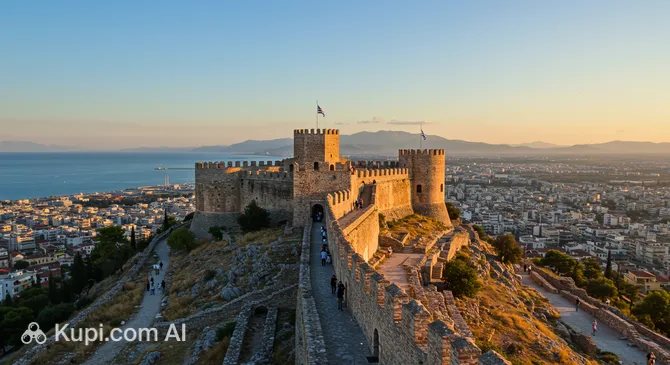
Dominating the skyline on a hill above the city center, the Patras Castle is a must-visit for history buffs and sightseers alike. Built in the 6th century on the ruins of an ancient acropolis, this fortress has served as a defensive stronghold for Byzantines, Franks, Venetians, and Ottomans. Today, its lush gardens and open-air theater offer a peaceful retreat, while the top of the ramparts provides one of the best panoramic views of the city and the Gulf of Patras.

Patras Castle. Source: Kupi.Binoculars

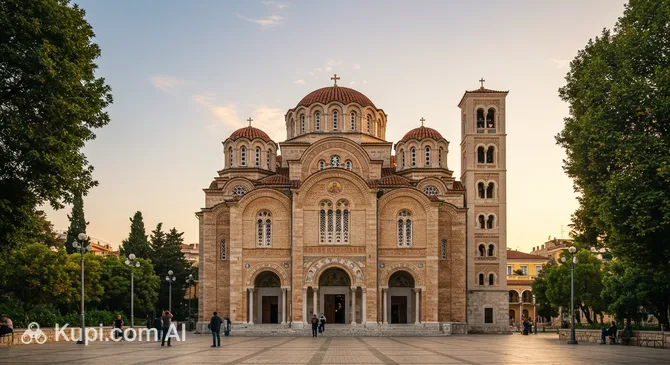
Another monumental landmark is the Church of Saint Andrew of Patras, dedicated to the city's patron saint. It is one of the largest churches in the Balkans and stands on the spot where Saint Andrew was believed to have been martyred. The site features two churches: the smaller, older basilica and the massive new Byzantine-style cathedral. Its impressive dome, intricate mosaics, and the relic of the saint's skull attract pilgrims and tourists from all over the world.

Church of Saint Andrew of Patras. Source: Kupi.Binoculars

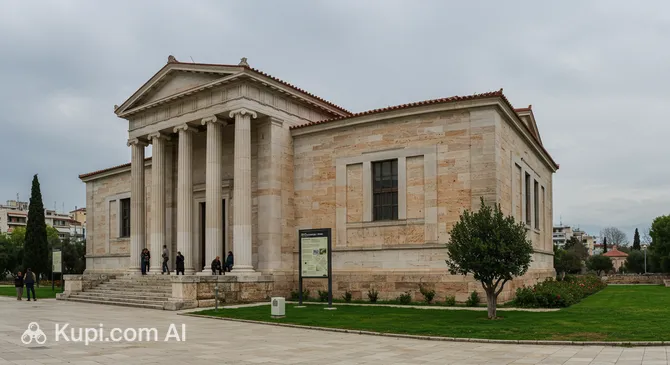
For those wishing to dive deeper into the region's past, the Archaeological Museum of Patras is an architectural gem in itself. This modern facility houses an extensive collection of artifacts ranging from the Mycenaean period to the late Roman era. The museum is particularly renowned for its exquisite Roman floor mosaics and glass vases, presented in a spacious, contemporary setting that makes the ancient world feel accessible and alive.

Archaeological Museum of Patras. Source: Kupi.Binoculars

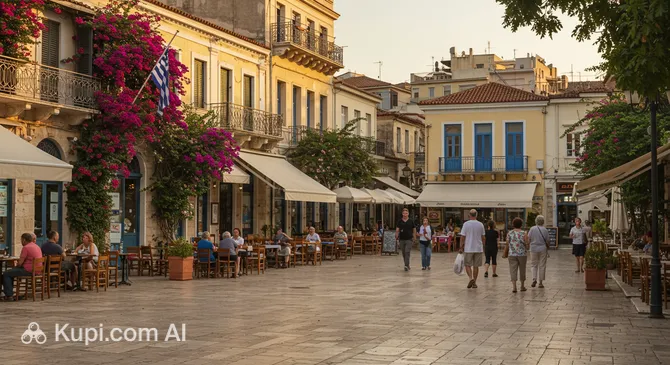
At the heart of the city's social life lies King George I Square. Surrounded by neoclassical buildings, including the famous Apollon Theatre, this central square is the perfect place to feel the pulse of Patras. With its fountains and lively atmosphere, it serves as a popular meeting point for locals and a great spot to enjoy a coffee while watching the world go by.

Local Cuisine

The culinary scene in Patras is as vibrant and diverse as its history, driven largely by its status as a major port and a bustling university city. The local gastronomy blends traditional Peloponnesian recipes with modern trends, offering everything from authentic Greek tavernas to contemporary bistros. Being a coastal city, fresh seafood plays a significant role in the local diet. Visitors can enjoy excellent grilled octopus, calamari, and the catch of the day at seaside eateries, particularly along the coastal road towards the Rio area.

For those seeking a taste of the region's unique identity, the most famous local product is undoubtedly Tentura. This dark, aromatic liqueur is made exclusively in Patras and is flavored with fermented essences of cloves, cinnamon, nutmeg, and citrus fruits. It is typically served chilled in small shot glasses as a digestive after a meal or enjoyed with crushed ice in the afternoon. Another staple is the sweet red wine Mavrodaphne, which pairs perfectly with chocolate desserts or sharp cheeses.

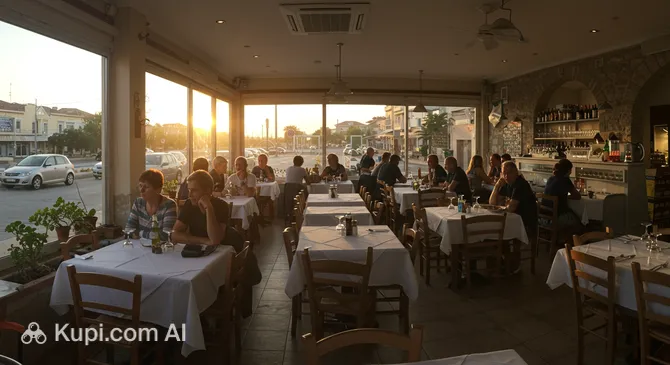
The city's dining culture is heavily influenced by its youthful population, resulting in a lively atmosphere that extends late into the night. The pedestrianized Riga Fereou Street and the area around the castle are packed with restaurants and cafes where locals gather for hours. For a satisfying meal, you might visit the Rooster Restaurant, which offers a great example of the city's welcoming dining environment.

Rooster Restaurant. Source: Kupi.Binoculars

Coffee culture is also an integral part of daily life here, with packed cafes at every corner of King George I Square. After dinner, the energy shifts to the city's numerous bars and clubs. Places like the Manivela Soul Bar provide a glimpse into the vibrant nightlife that keeps the city awake until the early morning hours.

Travel Tips

Welcome to Patras! To help you make the most of your time in this lively port city, we have put together a list of essential travel tips covering everything from logistics to local customs. Whether you are here for the famous carnival or a relaxing seaside break, these practical insights will ensure a smooth and enjoyable journey.

  1. Clothing and Gear: If you are visiting in summer, bring light, breathable fabrics, a hat, and high-SPF sunscreen, as the sun can be intense. For winter trips, a waterproof jacket and umbrella are essential due to frequent rainfall. Since Patras is divided into Upper and Lower towns connected by stairs and slopes, comfortable walking shoes are a must. When visiting religious sites like the Cathedral of Saint Andrew, remember to dress modestly, covering shoulders and knees.

  2. Transportation: The city center is compact and best explored on foot. For longer distances or to reach the suburb of Rio, the Proastiakos (suburban railway) is the most efficient and scenic option. Local blue buses cover the entire city, and tickets can be bought at kiosks. Taxis are plentiful and can be hailed on the street or found at designated ranks; while apps like FREENOW operate in Greece, local radio taxis are also reliable. Car rental is great for exploring the wider region, but parking in the city center is notoriously difficult.

  3. Finances: The currency is the Euro (€). Credit and debit cards are widely accepted in hotels, restaurants, and shops. However, it is wise to carry some cash for small purchases at peripteros (street kiosks), bakeries, or for bus tickets. ATMs are available throughout the city. Tipping is not mandatory but is appreciated; rounding up the bill or leaving a 5-10% tip for good service is customary.

  4. Health and Safety: Patras is generally a safe city for tourists. Pharmacies are marked with a green cross and are abundant; while they close in the evenings and on Sundays, there is always a designated "on-duty" pharmacy open 24/7 (a list is usually posted on the door of every pharmacy). For emergencies, the University General Hospital of Patras is one of the best in the region. Dial 112 for general emergencies.

  5. Communication: The official language is Greek, but thanks to the large university student population, English is widely spoken and understood, especially in the service industry. Learning a few words like "Kalimera" (Good morning) and "Efharisto" (Thank you) will be warmly received. You can easily purchase a SIM card from mobile provider stores (Cosmote, Vodafone, Nova) in the city center with your passport. Free Wi-Fi is standard in almost every cafe and bar.

  6. Local Etiquette: Greeks are known for their hospitality (philoxenia). Greetings often involve a firm handshake, or two kisses on the cheek for friends. Coffee culture is a serious ritual here; locals spend hours sipping a freddo espresso and chatting. Do not rush your waiter for the bill immediately after finishing your meal, as dining is considered a leisurely social event.

  7. What to Avoid: Avoid visiting churches or monasteries in beachwear, as this is considered disrespectful. Also, try not to plan an early dinner; most local kitchens do not get busy until after 9:00 PM, and showing up at 6:00 PM might mean dining alone in an empty restaurant.

  8. Local Insight: If you plan to buy souvenirs, look for a bottle of Tentura, the local cinnamon and clove liqueur found in many shops. Also, be aware that shops generally close around 2:00 PM or 3:00 PM on Mondays, Wednesdays, and Saturdays, so plan your shopping excursions accordingly.

With these tips in hand, you are fully prepared to embrace the energetic rhythm of Patras. Enjoy the stunning sunsets from the castle, the warm local hospitality, and the unique blend of history and modern life that makes this city so special.

Entertainment & Nightlife

As a bustling university city with a youthful population, Patras boasts a nightlife scene that is energetic, diverse, and virtually non-stop. The city is famous throughout Greece for its vibrant evening culture, which ranges from chilled-out cafes that turn into bars to intense nightclubs that stay open until dawn. The entertainment here is largely concentrated in the city center during the winter, while in the summer, the action shifts towards the coastal suburbs.

The heart of the nightlife beats around the pedestrianized streets of the city center. Riga Fereou and Agiou Nikolaou are lined with countless bars and cafeterias that are busy throughout the day and night. A particularly famous spot is Radinou Street, a narrow alley packed with small bars where patrons often spill out onto the street, creating a festive, communal atmosphere. For a stylish evening drink, you can visit La Lila, a venue known for its distinct character and welcoming vibe.

Another unique focal point for evening gatherings is the Gerokostopoulou Stairs. Connecting the upper and lower parts of the city, these steps transform into an open-air hangout spot at night, where students and young locals gather to chat and enjoy beers with a view of the illuminated city. For those seeking a more intense clubbing experience with music and dancing, Notos is a popular destination, especially for those looking to enjoy the city's dynamic rhythm late into the night.

Notos. Source: Kupi.Binoculars

During the summer months, the center quiets down slightly as the nightlife migrates to the coastal area of Rio, located a few kilometers east of the city. Here, large open-air clubs and beach bars offer parties by the sea, often with views of the illuminated Rio–Antirrio Bridge. The dress code in Patras is generally "smart casual." While some high-end clubs might expect a more polished look, most bars and venues are relaxed and welcoming to diverse styles.

Regarding timing, Greeks go out late. Bars start to fill up after 10:00 PM, and nightclubs often don't get busy until well after midnight, staying open until 5:00 AM or later. Prices are generally reasonable compared to Athens or popular islands, with beers and drinks being affordable due to the student market.

For daytime or early evening entertainment, the city offers several options beyond historical sightseeing. Veso Mare is a multi-purpose entertainment complex located near the port. It features a cinema, bowling alley, various cafes, and shops, making it a great place for families or those looking for a relaxed afternoon. Additionally, the city has a vibrant theater scene, with the Apollon Theatre hosting various performances throughout the year.

Safety is rarely an issue in Patras, and the main nightlife districts are well-lit and populated. It is safe to walk between venues in the center, but if you are heading to Rio or returning late to your hotel, taxis are plentiful. You can easily hail a signature burgundy-colored taxi on the street, find one at the ranks in King George I Square, or order one via phone or app.

Parks & Museums

Patras is a city that surprisingly balances its urban energy with refreshing green spaces and deep cultural reservoirs. Beyond its bustling port and lively squares, the city offers tranquil pine-covered hills, seaside promenades, and institutions that safeguard its rich heritage, making it a well-rounded destination for nature lovers and history enthusiasts alike.

One of the most beloved green escapes in the city is Dasillio Park. Known locally as the "Veranda of Patras," this lush pine forest covers a hill overlooking the city center and the Gulf of Patras. It is the perfect spot for a morning jog or a leisurely afternoon walk among the trees. The park features a tourist pavilion with a café and restaurant where visitors can enjoy a coffee while admiring panoramic views that stretch all the way to the mountains of Central Greece on a clear day.

Dasillio Park. Source: Kupi.Binoculars

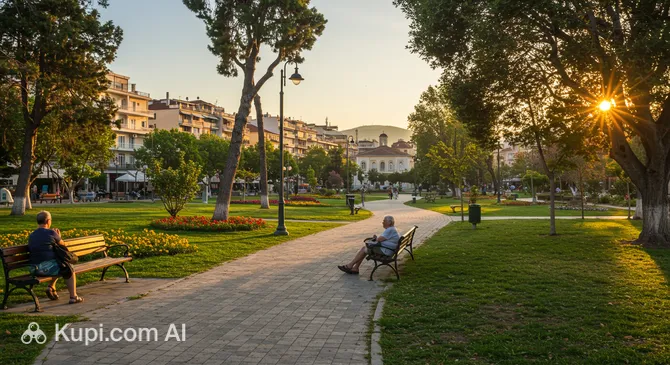
For those who prefer being close to the water, the South Park of Patras (Notio Parko) is a prime example of modern urban regeneration. Located along the coastline near the Church of Saint Andrew, this extensive recreational area has transformed the waterfront into a vibrant hub for families and sports enthusiasts. It features bike paths, outdoor gym equipment, playgrounds, and ample green space for picnics, all set against the relaxing backdrop of the sea.

South Park of Patras. Source: Kupi.Binoculars

When it comes to culture, the city's crown jewel is undoubtedly the Archaeological Museum of Patras. Far from a dusty collection of artifacts, this modern museum captivates visitors with its innovative layout and the sheer quality of its exhibits. It focuses on the Mycenaean and Roman periods, showcasing intricate mosaic floors, glass vessels, and jewelry that paint a vivid picture of daily life in ancient Patras.

Another unique cultural institution is the Press Museum, the only one of its kind in Greece. Operated by the Union of Daily Regional Newspapers, it preserves the history of Greek journalism with a collection of rare newspapers, magazines, and printing machinery dating back to the 19th century. For those interested in science, the Museum of Science and Technology at the University of Patras offers interactive exhibits that are particularly engaging for younger travelers, bridging the gap between academic research and public knowledge.

For a truly authentic experience, take a walk through the Agyia Marsh (Helos Agyias) in the northern part of the city. This coastal wetland is a protected ecosystem and a hidden gem for birdwatching and quiet contemplation, offering a stark, natural contrast to the urban rhythm of the city center.

Getting Around

Navigating Patras is relatively straightforward, thanks to a public transport network designed to serve both the dense city center and the sprawling coastal suburbs. The system primarily relies on an extensive bus network and a highly popular suburban railway, making it easy for visitors to reach key landmarks, the university, and the port without needing a private vehicle.

The backbone of the city's transport is the Urban Bus (Astiko KTEL) system. These buses are easily recognizable by their blue and white or occasionally orange colors. They cover a wide range of routes, connecting the central squares with neighborhoods, the port, and major institutions like the University of Patras and the General Hospital. Bus stops are frequent, and digital displays at major stops often indicate waiting times. For tourists, lines connecting the center to the Rio area are particularly useful.

A standout feature of local transport is the Proastiakos, the suburban railway. This is not just a commuter train but a scenic experience in itself, as the tracks run parallel to the coastline for much of the route. It connects the central station at Agios Andreas with the northern suburb of Rio and further afield. It is faster than the bus during rush hour and offers beautiful views of the Gulf, making it a favorite among students and visitors heading to the coastal promenade or the Rio–Antirrio Bridge.

Regarding payment, Patras operates on a paper ticket system. Tickets must be purchased before boarding for buses and trains. You can buy them at street kiosks (periptera), dedicated ticket booths at main terminals, and some mini-markets. Prices are very affordable, typically ranging from €1.10 to €1.70 depending on the zone (Zone A covers the center, while Zone B extends to suburbs like Rio). Students and seniors often qualify for reduced fares. Once on board the bus or at the train platform, you must validate your ticket in the designated machines to avoid fines.

Transport services generally operate from early morning, around 5:30 AM, until roughly 11:00 PM or midnight. If you are exploring the nightlife or need to travel outside these hours, taxis are the best alternative. In Patras, taxis are distinctively colored burgundy (dark red). They are plentiful and can be hailed on the street, found at designated ranks in King George I Square, or booked via phone. While ride-hailing apps operate in the region, local radio taxis remain the most reliable method.

For those who prefer a more active approach, the city center is compact enough to be explored on foot, especially the pedestrianized Riga Fereou Street. Additionally, cycling is becoming increasingly popular, particularly along the flat coastal front at the South Park, where dedicated paths allow for a safe and pleasant ride by the sea.

Accommodation

Where to Stay:

Finding the perfect place to stay in Patras is generally straightforward, as the city offers a wide variety of accommodation options to suit different needs and budgets. The selection ranges from modern city hotels and functional business suites to cozy, family-run guesthouses and an increasing number of short-term apartment rentals. Unlike some of the more tourist-centric Greek islands, Patras functions as a living, working city, meaning that accommodation here often provides good value for money and a more authentic urban experience.

For most travelers, the best area to stay is the City Center, particularly around King George I Square and the pedestrianized Riga Fereou Street. staying here puts you within walking distance of the main shopping districts, the port, and the vibrant nightlife. It is the most convenient location for those who want to explore the historical sites on foot or catch a bus to other parts of the region. Hotels in this area are often housed in renovated neoclassical buildings, offering a charming blend of history and comfort.

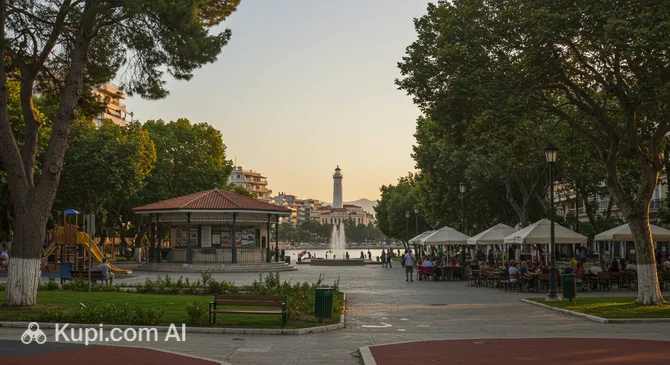
King George I Square. Source: Kupi.Binoculars

Alternatively, if you are visiting during the summer months and prefer a more resort-like atmosphere, the coastal suburb of Rio is an excellent choice. Located about 8 kilometers north of the center, this area is home to larger hotels with swimming pools and direct access to the beach. Rio is well-connected to the city center by the suburban railway (Proastiakos) and offers a lively waterfront scene with numerous clubs and restaurants, sitting right in the shadow of the magnificent Rio–Antirrio Bridge.

Booking Tip: While finding a room is usually easy throughout the year, there is one major exception: the Patras Carnival. During the carnival season in late winter (usually February or early March), the city fills to capacity with visitors from all over Greece and abroad. If you plan to visit during this period, it is absolutely essential to book your accommodation several months in advance, as prices skyrocket and availability disappears quickly.

In terms of pricing, Patras is generally more affordable than Athens or the popular Cycladic islands. You can typically find budget-friendly hotels and hostels for backpackers, as well as mid-range options that offer excellent amenities without breaking the bank. Booking is easily done through major online travel platforms, though contacting smaller guesthouses directly can sometimes yield better rates or more personalized service.

Nearby Cities

For those looking to explore the surroundings, Patras serves as an excellent base for day trips to several interesting nearby locations:

City Population Distance (km)
Agrinio 65000 51
Lamia 52006 95
Zakynthos 40000 89
Tripoli 30866 99
Corinth 30176 110

Zakynthos is one of the most popular destinations in the Ionian Sea and makes for an unforgettable excursion. Famous for its lush vegetation and turquoise waters, the island is home to the iconic Navagio (Shipwreck) Beach and the Blue Caves. The main town offers a lovely mix of Venetian architecture and lively squares, perfect for a leisurely afternoon walk.

Corinth offers a fascinating journey into history and engineering. The city is world-renowned for the Corinth Canal, a narrow man-made passage that separates the Peloponnese from the Greek mainland. Nearby, the archaeological site of Ancient Corinth provides a window into the past with its Temple of Apollo and Roman ruins.

Agrinio, located just a short drive north across the Rio–Antirrio Bridge, is the largest city in the Aetolia-Acarnania region. It is an economic hub situated near Lake Trichonida, the largest natural lake in Greece. The area is ideal for nature lovers and those wishing to experience authentic local life away from the main tourist trails.

These nearby destinations offer a glimpse into the diverse culture and landscapes of the region.

Shopping & Souvenirs

Shopping in Patras is a delightful mix of modern retail therapy and traditional Greek commerce. As a major port and student city, it offers everything from high-end fashion boutiques to quirky local shops. The city center is compact and pedestrian-friendly, making it easy to browse through stores while enjoying the lively urban atmosphere.

The commercial heartbeat of the city is undoubtedly Riga Fereou Street. This long pedestrian avenue is lined with international brand names, shoe stores, and trendy boutiques, interspersed with cafes for a quick break. Parallel to it runs Maizonos Street, another key shopping artery hosting major retail chains and department stores. For more exclusive and upscale fashion, visitors should explore Agiou Nikolaou Street and its surrounding side streets, where designer labels and high-quality jewelry shops are located.

While the city center focuses on high-street shopping, there are notable complexes for a more concentrated experience. Veso Mare, located near the old port, is a popular destination that combines shopping with entertainment, featuring clothing stores alongside a cinema and cafes. Another significant spot is Public + Home Patras, a large department store specializing in technology, books, and home goods, housed in a prominent building that attracts many locals.

Veso Mare. Source: Kupi.Binoculars

For a taste of local life, the traditional Laiki Agora (Farmers' Market) is an essential experience. These open-air markets rotate to different neighborhoods on different days of the week, offering fresh seasonal fruits, vegetables, and local produce at excellent prices. While not a fixed "market building," finding the local street market of the day is a great way to buy authentic Greek ingredients like oregano, honey, and olive oil directly from producers.

When it comes to gifts, Patras has a distinct signature flavor. The top souvenir to bring home is a bottle of Tentura, the city's famous clove and cinnamon liqueur, which can be found in liquor stores and souvenir shops throughout the center. Another excellent choice is Mavrodaphne, the sweet local red wine. Given the city's reputation as the "Carnival Capital of Greece," you can also find unique carnival masks and handmade crafts that reflect this vibrant cultural heritage.

Store hours in Patras typically follow the traditional Greek schedule. Shops are generally open on Mondays, Wednesdays, and Saturdays from roughly 09:00 to 14:30. On Tuesdays, Thursdays, and Fridays, they operate a "split shift," opening from 09:00 to 14:00 and reopening in the evening from 17:30 to 21:00. Large supermarkets and malls usually stay open continuously from morning until 21:00 on weekdays. Credit and debit cards are widely accepted, though carrying some cash is advisable for small purchases at street markets or kiosks.

Travelers from outside the European Union may be eligible for a VAT refund on purchases exceeding a certain amount in a single store. Look for the "Tax Free Shopping" signage in shop windows and ask for a tax-free form at the checkout to claim your refund at the airport or port upon departure.

Reached the end of the page?

That means the route is fully explored