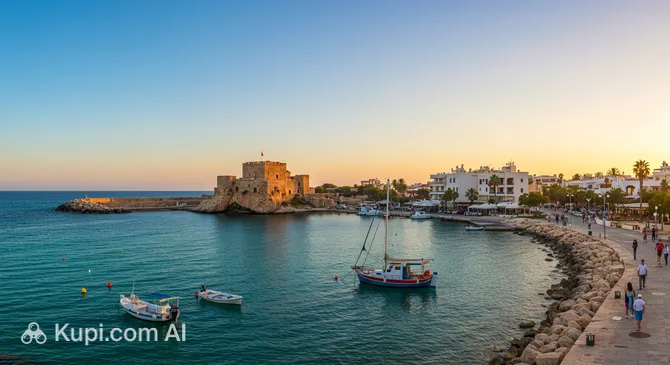
Nestled on the rugged southwest coast of Cyprus, Paphos is a captivating destination where ancient mythology meets modern Mediterranean charm. Renowned as the mythical birthplace of Aphrodite, the goddess of love and beauty, the city exudes a unique atmosphere that blends historical grandeur with a relaxed coastal vibe.
Paphos. Illustration.
Source: Kupi.com AI
Geographically, Paphos enjoys a subtropical-Mediterranean climate, characterized by mild winters and warm, sunny summers, making it an ideal year-round getaway. With a population of approximately 63,600 residents, it is large enough to offer vibrant amenities while retaining the welcoming feel of a smaller seaside town.
The rich history of Paphos is visible at every turn, a fact that has earned the entire city a place on the UNESCO World Heritage list. Visitors can explore the Paphos Archaeological Park, famous for its intricate Roman mosaics, or wander through the Tombs of the Kings, a magnificent necropolis carved directly into the rock.
Whether you are admiring the legendary Petra tou Romiou (Aphrodite’s Rock), strolling along the picturesque harbor, or enjoying fresh local cuisine, Paphos promises an unforgettable journey. It is a perfect choice for travelers seeking both cultural depth and a relaxing holiday by the sea.
Weather Overview
Paphos enjoys a classic Mediterranean climate, making it a pleasant destination for most of the year. The summer season, spanning from June to September, is warm and sunny, with average temperatures peaking at 26.9°C in July and distinctively dry conditions with almost zero days of rain.
Conversely, the winter months bring cooler air and increased precipitation. January is typically the wettest time of the year, featuring around 16 wet days and average temperatures of approximately 12.9°C. For a more comprehensive breakdown of seasonal conditions to help you pack, you can check the detailed forecast for the weather in Paphos.
Overall, visitors can expect hot, arid summers perfect for seaside activities and mild winters with occasional rainfall.
Average monthly temperature
Average monthly precipitation
Interesting Facts
Beyond the main attractions, Paphos holds many fascinating secrets that are often missed by casual observers. Here are a few unique details that highlight the city's rich heritage and local lore.
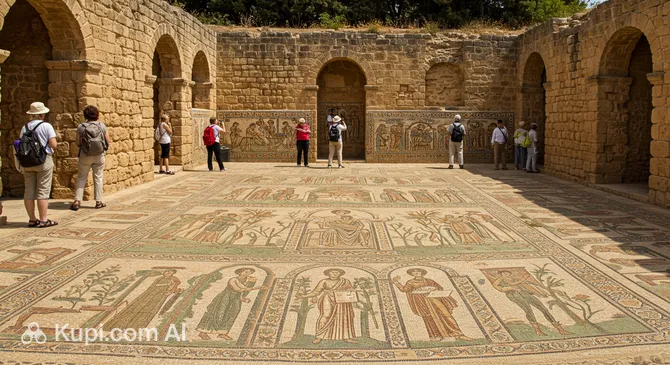
The world-renowned Paphos Mosaics were not discovered by an archaeological expedition, but by accident in 1962 when a local farmer was ploughing his field. These intricate floor designs are now considered some of the best-preserved in the Mediterranean.
According to local tradition, Saint Paul's Pillar is the site where the Apostle Paul was bound and whipped 39 times before he successfully converted the Roman proconsul Sergius Paulus to Christianity. This event effectively made Cyprus the first country in the world to be governed by a Christian ruler.
At the entrance to the Agia Solomoni Catacomb stands a large pistachio tree adorned with hundreds of handkerchiefs and ribbons. Known as a "wishing tree," locals believe that tying a piece of cloth to its branches can cure ailments and bring good luck.
Although Nicosia is the modern capital, Paphos served as the capital of Cyprus for over 600 years during the Hellenistic and Roman eras. This explains the extraordinary concentration of wealthy ancient villas and public buildings found in the area compared to other coastal cities.
Paphos Mosaics. Illustration.
Source: Kupi.com AI
Traveler photos:
How to Get There
Reaching this coastal gem is straightforward, with options to suit various travel itineraries. For a complete overview of routes and travel tips, you can read more about how to get to Paphos before booking your trip.
The most direct route is via Paphos International Airport (IATA: PFO), which is conveniently located just 8.6 km from the city center. As the second-largest airport on the island, it welcomes a significant volume of holidaymakers each year, offering a streamlined arrival experience. Due to its close proximity, a transfer by taxi or bus to the main hotel districts typically takes around 20 to 30 minutes, allowing you to start your vacation almost immediately upon landing.
Another popular option is Larnaca International Airport (IATA: LCA), situated in the city of Larnaca, approximately 110 km east of Paphos. While this airport is not in Paphos itself, it serves as the island's primary international gateway with a higher frequency of flights. Travelers arriving here can reach Paphos in about 1.5 hours by taxi or airport shuttle, enjoying a scenic drive along the southern coast.
For clarity, here is a summary of the main airports serving the region:
Paphos is a treasure trove of history and culture, offering visitors a chance to walk through ancient civilizations while enjoying modern leisure facilities. The city's coastline and archaeological parks are dotted with landmarks that tell the story of its glorious past.
One of the most impressive sites is the Tombs of the Kings. Despite its regal name, this massive necropolis was actually the resting place for high-ranking officials and aristocracy rather than royalty. Carved directly into the solid rock dating back to the 4th century BC, the underground tombs feature Doric pillars and frescoed walls. It is a hauntingly beautiful place to explore, offering a unique glimpse into the burial customs of the Hellenistic and Roman periods.
Tombs of the Kings. Illustration.
Source: Kupi.com AI
Traveler photos:
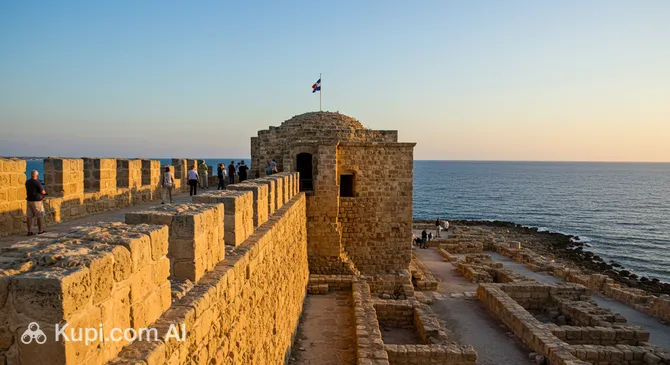
Dominating the harbor area is the iconic Paphos Castle. Originally built as a Byzantine fort to protect the harbor, it has seen many transformations over the centuries, having been rebuilt by the Lusignans, dismantled by the Venetians, and restored by the Ottomans. Today, visitors can cross the small bridge to explore its interior and climb to the roof for a panoramic view of the Mediterranean Sea and the bustling promenade.
Paphos Castle. Illustration.
Source: Kupi.com AI
Traveler photos:
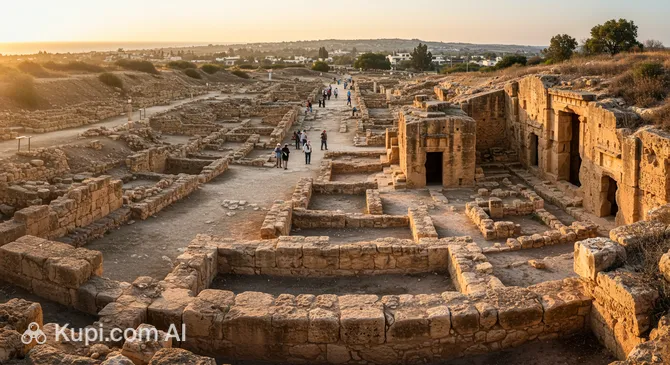
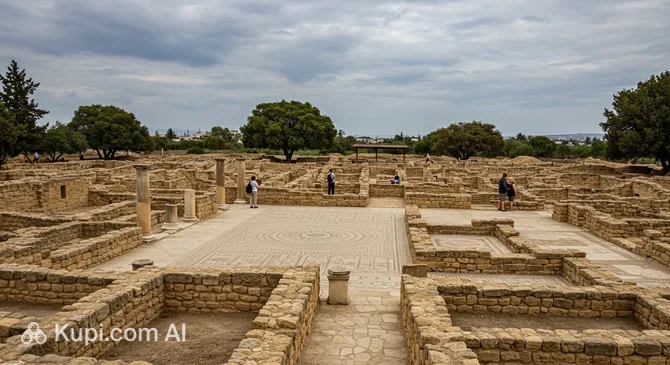
For a comprehensive dive into the city's heritage, the Archaeological Site of Nea Paphos is essential. This vast park encompasses a significant portion of the ancient city, including the impressive Roman Odeon, a limestone amphitheater still used for performances today. Walking through the ruins of the Agora and the Asclepeion, tourists can easily imagine the daily life of the ancient capital.
Archaeological Site of Nea Paphos. Illustration.
Source: Kupi.com AI
Traveler photos:
If you are looking for a fun break from historical sightseeing, the Aphrodite Waterpark offers a thrilling alternative. Located on the coastal road, it is the largest waterpark in the region, featuring a wide array of slides, a lazy river, and family-friendly pools. It is a perfect spot for adrenaline seekers and families wanting to cool off under the Cypriot sun.
Local Cuisine
The culinary scene in Paphos is a delightful journey through the flavors of Cyprus, heavily influenced by its proximity to the sea and the island's fertile land. Food here is more than just sustenance; it is a social event, often enjoyed slowly with friends and family. Visitors can expect a menu dominated by fresh seasonal vegetables, high-quality olive oil, grilled meats, and aromatic herbs.
To truly understand the local food culture, you must order a traditional Meze. This is not a single dish but a gastronomic experience consisting of up to 30 small plates shared among the table. The meal typically begins with dips like tzatziki, tahini, and taramosalata, followed by salads and the island’s famous grilled halloumi cheese. As the meal progresses, heavier dishes arrive, such as kleftiko (slow-cooked lamb) or stifado (beef stew with onions).
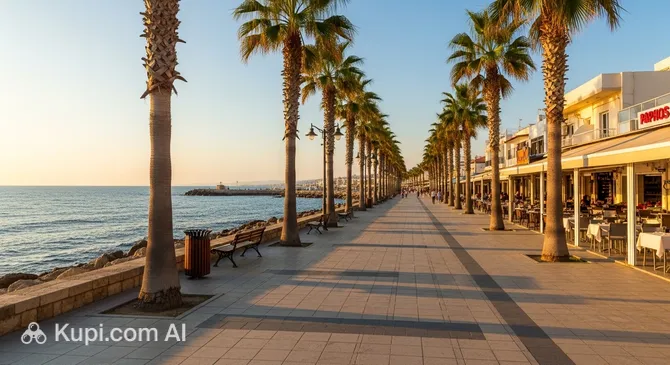
Paphos Promenade. Illustration.
Source: Kupi.com AI
Traveler photos:
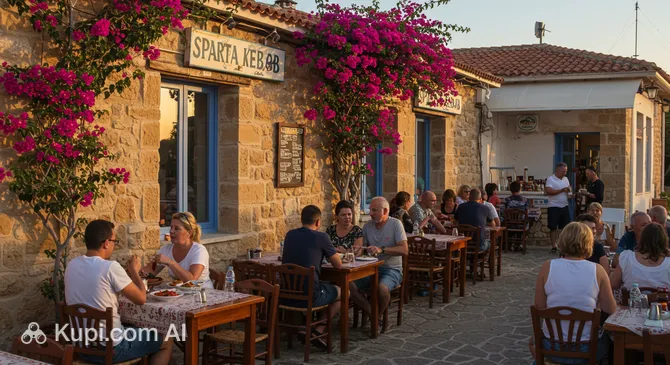
For those seeking a casual yet authentic meal, souvlaki (grilled meat skewers) and sheftalia (spiced sausage parcels wrapped in caul fat) are absolute must-tries. These are often served in warm pita bread with fresh salad and pickles. A well-regarded spot to enjoy these grilled specialties is Sparta Kebab, a local favorite known for its genuine flavors and unpretentious atmosphere.
Sparta Kebab. Illustration.
Source: Kupi.com AI
Traveler photos:
Given its coastal location, Paphos is also an excellent destination for seafood lovers. Freshly caught octopus, calamari, and whole sea bream are staples at the tavernas lining the coast. The Paphos Promenade is the perfect setting for such a meal, offering a wide array of restaurants where you can dine while watching the sunset over the Mediterranean.
When it comes to drinks, the region has a rich winemaking heritage. Be sure to try Commandaria, a sweet amber-colored dessert wine that holds the title of the world's oldest named wine still in production. for something stronger, locals often finish a meal with a shot of Zivania, a potent pomace brandy. During the hot summer days, the drink of choice is undoubtedly the Frappé, a frothy iced coffee that fuels the island's cafe culture.
Travel Tips
Preparing for a trip to Paphos is the first step toward a relaxing and memorable holiday, but knowing a few local nuances can make your experience much smoother. Here are some practical tips to help you navigate the city like a pro and embrace the Cypriot way of life.
Clothing and Gear: If you are visiting during the summer, lightweight and breathable fabrics are a must to cope with the heat, along with a high-SPF sunscreen and a hat. However, be mindful that religious sites have a strict dress code; both men and women must cover their shoulders and knees to enter monasteries or churches. Comfortable walking shoes are also essential for exploring the rocky terrain of the archaeological parks.
Transportation: While there is a public bus system connecting the upper town (Ktima) and the harbor (Kato Paphos), the most convenient way to explore the wider region is by renting a car. This gives you the freedom to visit remote beaches and mountain villages at your own pace. Remember that driving is on the left-hand side of the road, a legacy of the island's history.
Finances: The official currency is the Euro (€). Credit cards are widely accepted in hotels, restaurants, and supermarkets, but it is wise to carry some cash for small purchases at kiosks, local buses, or traditional coffee shops. Tipping is not mandatory, but leaving around 10% for good service is customary and greatly appreciated by staff.
Health and Safety: Paphos is a very safe destination with a low crime rate, but standard precautions should always be taken. Pharmacies are marked with a green cross, and you can find the location of the designated "night pharmacy" (open after hours) posted on the door of any chemist. In case of an emergency, dial 112 for police, fire, or medical assistance.
Communication: The official language is Greek, but English is widely spoken and understood, so you will rarely face a language barrier. Free Wi-Fi is available in most cafes and public areas. For constant connectivity, you can purchase a prepaid SIM card from local providers like Cyta or Epic at the airport or convenience stores.
Local Etiquette: Cypriots are renowned for their hospitality, known as filoxenia. A handshake with a smile is the standard greeting. If you are invited to a local's home, it is polite to bring a small gift, such as pastries or sweets. Meals are often social affairs that last for hours, so do not rush—enjoy the conversation and the food.
What to Avoid: Do not walk around the town center or enter shops and restaurants in your swimwear; this is considered disrespectful and is strictly for the beach. Additionally, avoid initiating sensitive political discussions regarding the division of the island, as this remains an emotional topic for many locals.
Electrical Outlets: Cyprus uses the Type G power plug (the three-pin style used in the UK). If your devices use European or American plugs, you will definitely need an adapter. These are readily available at local supermarkets and tourist shops if you forget to pack one.
With these practical insights, you are well-equipped to enjoy everything Paphos has to offer, from its ancient ruins to its stunning sunsets. Pack your bags, drive carefully on the left, and get ready for a warm Mediterranean welcome!
Entertainment & Nightlife
Entertainment and Nightlife:
While Paphos is often celebrated for its ancient history, when the sun sets, the city reveals a vibrant and diverse nightlife scene. It may not have the frenetic energy of Ayia Napa, but it offers a fantastic mix of lively clubs, sophisticated lounge bars, and traditional entertainment that caters to all ages. The nightlife is primarily concentrated in two distinct areas: the famous "Bar Street" (Agiou Antoniou) in Kato Paphos, known for its neon lights and late-night partying, and the revitalized Old Town (Ktima), which offers a more relaxed and upscale atmosphere.
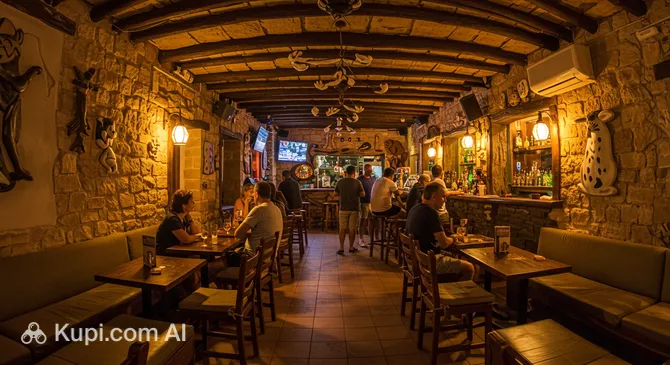
For those seeking a fun and unique experience near the harbor, Flintstones Bar is a legendary stop on the tourist trail. Inspired by the classic cartoon, this venue is famous for its quirky stone-age decor and massive cocktail menu, making it an entertaining place to start the evening before heading to the busier dance floors nearby.
Flintstones Bar. Illustration.
Source: Kupi.com AI
Traveler photos:
If you prefer a more laid-back evening with high-quality drinks, the Old Town is the place to be. Here, you can find the Beeroom Craft Pub, a haven for beer enthusiasts offering a wide selection of local and international craft brews in a cozy setting. Nearby, Piedra All Day Cafe Lounge Bar provides a stylish environment perfect for sipping signature cocktails while enjoying ambient music amidst the historic architecture of the city center.
The atmosphere in Paphos is generally welcoming and safe. The dress code is mostly casual, though "smart casual" is appreciated in the Old Town venues. Bars typically stay open until around 2:00 AM, while clubs on Bar Street often continue until sunrise. Prices are moderate compared to other European destinations, with beers costing around €3-5 and cocktails €6-9. Walking around the main tourist areas at night is safe, but if you need to travel between Kato Paphos and the Old Town, it is advisable to take a taxi, which can be easily hailed on the street or booked via phone.
During the daylight hours, entertainment in Paphos extends well beyond the beaches. Shopaholics will find paradise at the Kings Avenue Mall, a modern shopping center housing over 120 shops, a cinema, and various dining options. It serves as a great hub for leisure and a perfect spot to escape the midday heat.
Kings Avenue Mall. Illustration.
Source: Kupi.com AI
Traveler photos:
For families or those looking for lighthearted outdoor fun, Island Cove Adventure Mini Golf provides a delightful break with its well-designed 18-hole course. Whether you are looking for a wild night out or a relaxing afternoon of shopping and games, Paphos offers plenty of options to keep you entertained around the clock.
Parks & Museums
While the entire city of Paphos often feels like one vast open-air museum, it also boasts dedicated cultural institutions and scenic natural areas that offer a deeper understanding of the region's heritage and geography. From curated collections of antiquities to breezy coastal spots, these locations provide a perfect counterbalance to the bustling harbor.
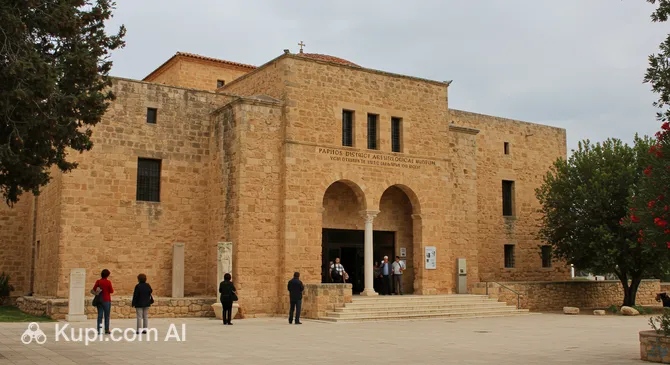
For a comprehensive chronological journey through the area's history, the Paphos District Archaeological Museum is an essential stop. Unlike the outdoor ruins, this facility houses a vast collection of artifacts protected from the elements, ranging from the Neolithic Age to the Middle Ages. Visitors can admire intricate jewelry, pottery, and statues that paint a vivid picture of daily life in ancient Cyprus, making it a fascinating educational experience for history buffs.
Another cultural highlight is the House of Dionysus. Although situated within the archaeological park, this restored Roman villa functions effectively as a gallery of ancient artistry. It is world-famous for its exquisite floor mosaics, which depict various scenes from Greek mythology, particularly those involving Dionysus, the god of wine. The preservation of these artworks offers a unique window into the luxury and aesthetics of the Roman elite.
Paphos District Archaeological Museum. Illustration.
Source: Kupi.com AI
Traveler photos:
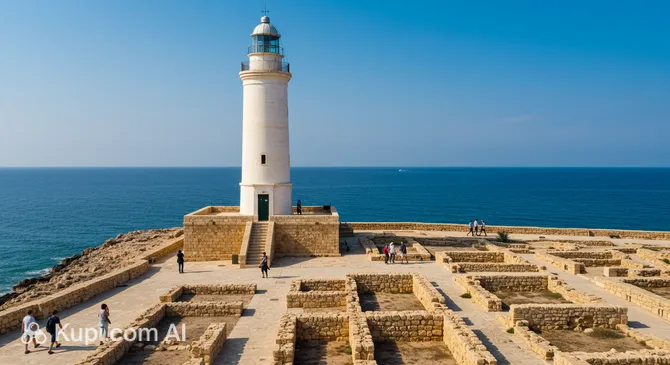
When it comes to green spaces and natural landmarks, the area surrounding the Paphos Lighthouse serves as a scenic parkland. Standing tall near the Roman Odeon, the lighthouse is a striking white monument against the blue sky. The grounds around it are open and offer panoramic views of the sea, making it an ideal spot for a peaceful walk away from the crowds of the main promenade.
For those seeking a connection with the island's coastal nature, Venus Beach provides a stunning natural setting. Located near the Tombs of the Kings, this sandy stretch is known for its dramatic waves and beautiful sunsets. It is a great place to relax and enjoy the raw beauty of the Mediterranean coastline, distinct from the more developed hotel beaches.
Paphos Lighthouse. Illustration.
Source: Kupi.com AI
Traveler photos:
For a quieter cultural experience, consider visiting the site of Agia Kyriaki Chrysopolitissa. While often visited for St. Paul's Pillar, the site itself is a serene complex of early Christian basilica ruins. Walking on the raised wooden walkways over the ancient foundations and mosaics offers a tranquil and atmospheric perspective on the city's religious history.
Getting Around
Public transport in Paphos is straightforward and relies entirely on a reliable **bus network**. There is no metro, tram, or train system in the city. The buses are easily recognizable, typically blue, and are operated by the local transport organization. They connect the two main districts: the upper town (Ktima), which is the historic center, and Kato Paphos, the tourist area by the harbor. Additionally, there are routes serving the airport and nearby villages, making it possible to explore the region without a private vehicle.
The payment system is designed to be user-friendly for visitors. You can purchase tickets directly from the driver upon boarding, but you must pay in **cash**, and it is highly recommended to have small change or coins ready. A standard single one-way ticket costs approximately **€1.50** during the day, while fares increase slightly after 9:00 PM. For tourists planning to travel frequently, a **daily pass** (around €5.00) or a weekly pass offers unlimited travel and great value. While smart cards exist for residents, the cash-on-board method remains the most convenient option for short-term stays.
For practical navigation, it is important to know the two main bus terminals. The **Harbour Station** in Kato Paphos is the primary hub for tourists, with routes leading to the archaeological sites, the waterpark, and the beaches of Coral Bay. The **Karavella Station** in the Old Town serves as the hub for longer-distance routes to other cities or rural mountain villages. Buses generally run from around 6:00 AM until midnight during the summer, though frequencies may drop in the winter months or on weekends.
If you prefer more direct transport, **taxis** are widely available and can be hailed on the street or found at designated ranks near major hotels and the harbor. All legal taxis are equipped with meters, but for longer trips, it is common to agree on a fixed price beforehand. Ride-hailing apps like **Bolt** operate in the city, providing a convenient way to book a ride and track your fare transparently.
Given the flat terrain along the coastline, **bike rentals** and electric scooters are excellent alternatives for short distances. A dedicated coastal path runs from the harbor towards the lighthouse, offering a scenic and leisurely way to get around. For those looking to explore the rugged nature of the nearby Akamas Peninsula, renting a **quad bike** or a buggy is a very popular and adventurous choice among visitors.
Accommodation
Where to Stay:
Paphos offers a diverse array of accommodation options suited to every preference and budget, ranging from economical self-catering apartments to opulent five-star beachfront resorts. Whether you are a backpacker looking for a simple base or a honeymooning couple seeking all-inclusive luxury, the city has something to offer.
For most visitors, the most convenient area to stay is **Kato Paphos**. This district surrounds the harbor and places you within walking distance of the main archaeological sites, restaurants, and the seaside promenade. It is the heartbeat of the tourist zone. Alternatively, those seeking a quieter, more authentic atmosphere might prefer the **Old Town (Ktima)**, which sits on the hill overlooking the coast. For travelers who prioritize sandy beaches and large resort complexes, the coastal road leading towards Coral Bay is the ideal location.
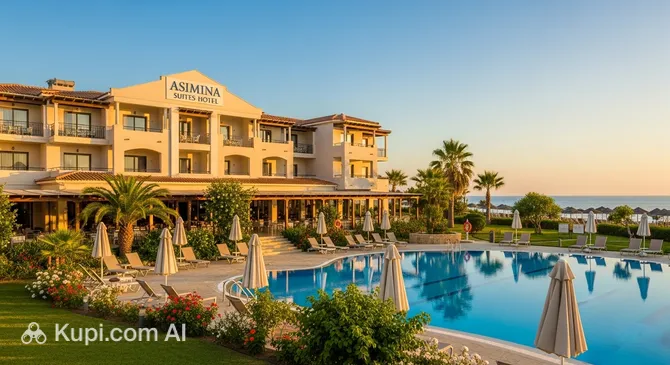
If you are looking for high-end comfort, the city boasts several renowned hotels. The Ivi Mare is a stunning example of modern Mediterranean luxury, designed as an adults-only sanctuary perfect for relaxation. Similarly, the Asimina Suites Hotel offers an exclusive experience with its spacious suites and private beach facilities, catering to those who wish to unwind in style.
Asimina Suites Hotel. Illustration.
Source: Kupi.com AI
Traveler photos:
Booking Tip: Paphos is a year-round destination, but the summer months (June to September) are extremely busy. It is highly recommended to book your accommodation at least 2 to 3 months in advance if you plan to visit during this peak season to secure the best rates and availability.
In terms of pricing, budget travelers can find hostels or basic apartments starting from around €40–€60 per night. Mid-range hotels typically charge between €80 and €150, while luxury resorts can range from €200 to over €500 per night depending on the season. Reservations are most commonly made through major online booking platforms, though many hotels also offer direct booking incentives on their websites.
Nearby Cities
For those looking to explore the surroundings, Paphos serves as an excellent base for day trips to several interesting nearby locations:
City
Population
Distance
Akrotiri
—
53 km
Kato Polemidia
22 369
55 km
Limassol
235 056
58 km
Mesa Geitonia
14 477
58 km
Agios Athanasios
14 578
59 km
Located less than an hour away, Limassol is the island's cosmopolitan business hub and a favorite destination for leisure. Visitors can stroll along the vibrant Molos promenade, explore the modern marina filled with yachts and dining spots, or visit the medieval castle where Richard the Lionheart famously married Berengaria of Navarre.
The capital city, Nicosia, offers a fascinating mix of history and culture enclosed within impressive Venetian walls. A day trip here allows travelers to wander through narrow streets lined with traditional buildings, visit world-class museums, and experience the unique atmosphere of the old city center.
Another worthwhile option is Larnaca, known for its relaxed coastal vibe. Key highlights include the palm-lined Finikoudes promenade and the magnificent Church of Saint Lazarus, one of the most significant Byzantine monuments on the island.
These nearby destinations offer a glimpse into the diverse culture and landscapes of the region.
Shopping & Souvenirs
Shopping in Paphos is a delightful blend of the old and the new, offering visitors a chance to navigate between high-end fashion boutiques in modern centers and charming traditional stalls tucked away in historic alleys. Whether you are looking for international designer brands or authentic Cypriot handicrafts, the city caters to all tastes and budgets.
The heart of traditional commerce is the Old Town (Ktima). Recently renovated, this area features a maze of narrow streets lined with local boutiques, artisan workshops, and jewelry stores. It is the perfect place to find unique items away from the tourist crowds. In contrast, the area around the Harbour in Kato Paphos is bustling with shops offering beachwear, accessories, and gifts, making it convenient for those staying near the sea to pick up holiday essentials.
For a comprehensive retail experience, the Kings Avenue Mall is the city's premier destination. Located centrally on the road to the harbor, it houses over 120 stores featuring popular international high-street brands, a cinema, and a food court. Another popular stop, especially for families and bargain hunters, is Jumbo. This massive store offers an extensive range of toys, homeware, and seasonal decorations at very affordable prices.
Jumbo. Illustration.
Source: Kupi.com AI
Traveler photos:
A visit to Paphos is incomplete without exploring the Municipal Market (Agora) in the Old Town. This covered market offers a vibrant sensory experience with stalls selling fresh local produce, colorful spices, and traditional woven baskets. It is an excellent spot to interact with locals and discover the authentic flavors and aromas of the island.
When hunting for souvenirs, keep an eye out for Lefkara lace, a famous Cypriot embroidery technique that is UNESCO-protected. Leather goods, such as handmade sandals and bags, are also of high quality and reasonably priced here. For edible keepsakes, bottles of extra virgin olive oil, jars of carob syrup (often called "black gold"), and the sweet dessert wine Commandaria make for perfect gifts to bring home.
Store hours generally run from 09:00 AM to 07:00 PM or later during the summer months. However, be aware that smaller local shops often close for a half-day on Wednesday afternoons and may be closed on Sundays. In contrast, shopping malls and tourist shops in the harbor area usually stay open seven days a week until late. Major credit and debit cards are accepted almost everywhere, though carrying some cash is advisable for small purchases at the market or kiosks.
Travelers visiting from outside the European Union are eligible for a VAT refund on purchases made in stores displaying the "Tax Free" sign. To claim this, ensure you ask for a tax-free form at the checkout and present your goods and documents at the customs office at the airport before leaving the country.