Support

Cyprus

Cities in the country

About the Country

Cyprus is a sun-drenched island in the Mediterranean Sea, attracting travellers with its rich history, magnificent beaches, and unique atmosphere of hospitality. As the third-largest island in the Mediterranean, it offers a wonderful mix of ancient ruins, picturesque mountains, and crystal-clear seas, making it an ideal destination for a varied holiday.
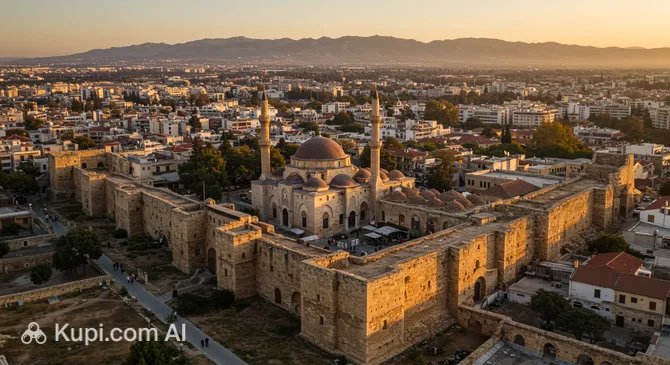
Nicosia. Source: Kupi.com Binoculars

The cultural heritage of Cyprus spans millennia, weaving together Greek, Roman, Byzantine, and Venetian civilisations. The island's capital, Nicosia, is a unique city with a rich history, where ancient walls stand alongside modern districts. Archaeological treasures are scattered across the island, such as the Nea Paphos Archaeological Site, a UNESCO World Heritage Site, and the famous Church of Saint Lazarus in Larnaca. For Muslim visitors, the Hala Sultan Tekke mosque, also near Larnaca, is one of the most significant holy sites in Islam.

The nature of Cyprus captivates with its contrasts, from golden beaches and azure bays to the pine-covered Troodos Mountains. The Mediterranean climate, with its long, hot summers and mild winters, makes the island attractive for year-round visits. Cyprus is a place where you can enjoy a relaxing beach holiday, explore ancient cities like Paphos, go hiking on mountain trails, or simply savour the delicious local cuisine. Halal food options can be found, particularly in major cities and tourist areas, and direct flights are available from the UAE with airlines like Emirates and Cyprus Airways.
Currency

The official currency of Cyprus is the Euro (EUR), as the country is a part of the Eurozone. Banknotes are available in denominations of 5, 10, 20, 50, 100, and 200 euros, alongside coins of 1, 2, 5, 10, 20, and 50 cents, as well as 1 and 2 euros. While the banknote designs are the same across all Eurozone countries, the euro coins minted in Cyprus have a unique national side with images reflecting the island's culture and nature, such as the Cypriot mouflon or the ancient Kyrenia ship.

For travellers from the UAE, you can exchange your Dirhams (AED) for Euros at banks, licensed exchange offices (often displaying an "Exchange" sign), and some hotels in Cyprus. It is advisable to compare exchange rates and any potential commission fees before exchanging money. Avoid dealing with private individuals or unlicensed vendors for currency exchange. Credit and debit cards from international systems like Visa, Mastercard, and American Express are widely accepted in most hotels, restaurants, shops, and tourist sites throughout Cyprus. However, it is always useful to carry a small amount of cash for smaller purchases, public transport, or at local markets.

Visa Requirements

When planning a trip to Cyprus, it's important to clarify the visa requirements in advance. For citizens of the United Arab Emirates holding a UAE passport, a visa is not required for entry into Cyprus for stays of up to 90 days. However, for other residents of the UAE, visa requirements depend on their country of citizenship. Most non-EU nationals residing in the UAE will need to apply for a tourist visa, which is typically processed through the embassy or a designated visa application centre for Cyprus in the UAE.

Regardless of visa status, all travellers must have a valid passport to enter Cyprus. It is also recommended to carry proof of accommodation, return flight tickets, and a medical insurance policy that covers the entire duration of your stay. As visa regulations can change, we strongly advise you to check the most up-to-date information on the official websites of the Embassy of Cyprus or its visa centres before your trip.

We'll tell you if you need a visa

Specify where you are going, or
Your citizenship
Destination

Time Zones

The whole of Cyprus observes a single time zone, making travel across the island straightforward without the need to adjust your watch. For residents and travellers from the UAE, it is useful to note that Cyprus is typically 1-2 hours behind UAE time.

The country follows Eastern European Time (EET), which is UTC+2. This means that during the winter months, Cyprus is two hours behind the UAE's Gulf Standard Time (GST, UTC+4). Cyprus observes daylight saving time, switching to Eastern European Summer Time (EEST), which is UTC+3. During this period, which starts on the last Sunday of March and ends on the last Sunday of October, the time difference with the UAE is reduced to just one hour. Be sure to account for this when planning your trip, particularly for scheduling flights and activities if you are travelling during these transitional months.

How to Get There

The easiest way to get to sunny Cyprus is by air. The island has several international airports, with the main ones for most tourists being in Larnaca and Paphos. Direct flights connect Cyprus with the UAE and other Middle Eastern hubs, making it a convenient getaway. Airlines such as Emirates, flydubai, and Wizz Air Abu Dhabi offer regular services from Dubai and Abu Dhabi to Larnaca. Flying is the quickest and most popular way to begin your Cypriot adventure.

For those who prefer to travel by sea, it is possible to arrive in Cyprus on a cruise liner, as the island is a popular stop on many Mediterranean itineraries. Ferry services to some neighbouring countries were available in the past, but it is advisable to check their current status and schedules well in advance. Regardless of your chosen method of travel, we recommend booking your tickets in advance, especially if your trip falls during the peak tourist season (summer months and public holidays), to secure the best prices and availability.

As Cyprus is an island nation, there are no direct land transport links, such as international trains or buses, to other countries. Therefore, the main focus when planning a trip to the island is on air or, less commonly, sea travel.

For clarity, here is a summary of the main airports:

Airport Name City Passenger Traffic
Larnaca International AirportLarnacaMajor
Paphos International AirportPaphosMedium

Cyprus is renowned for its diverse range of resorts and cities, each offering something unique for travellers. From ancient ruins and lively promenades to serene beaches and modern business centres, there are places to suit every taste. Whether you are planning a relaxing seaside holiday, an immersion into history, or an exploration of vibrant city life, Cyprus will not disappoint.

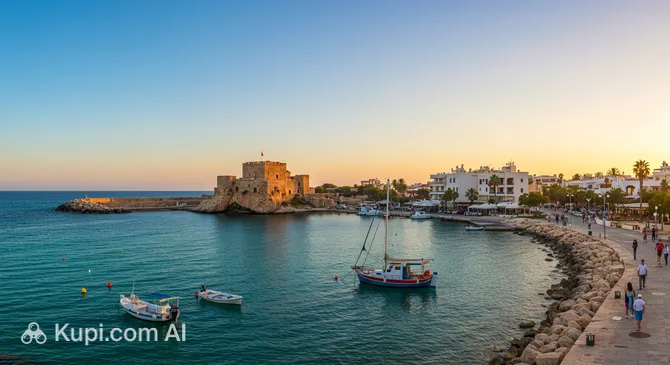
Paphos. Source: Kupi.com Binoculars

One of the most captivating destinations is Paphos, a city with a rich historical heritage listed as a UNESCO World Heritage site, and beautiful beaches. Here, you can spend hours wandering among ancient mosaics and the Tombs of the Kings. Equally popular is Limassol, a dynamic, cosmopolitan centre known for its festivals, medieval castle, and modern marina. It is an excellent location for both leisure and business travel, with many restaurants offering halal food options. For lovers of beach holidays and families with children, Larnaca is an ideal choice, with its famous Finikoudes promenade, a salt lake where you can see flamingos in winter, and a convenient location near the island's main international airport, which includes a prayer room.

The island's capital, Nicosia, offers a unique blend of history and modernity. It is the world's only divided capital, where you can walk along the Venetian walls, visit numerous museums, and feel the pulse of Cyprus's business and cultural life. Each of these cities and resorts has its own unique charm, inviting you to discover all facets of hospitable Cyprus.

Top Attractions

Cyprus, an island of rich history and culture, offers travellers a multitude of remarkable places. From ancient ruins to impressive medieval buildings, there is something here for everyone. Let's explore some of the most iconic attractions in Cyprus.

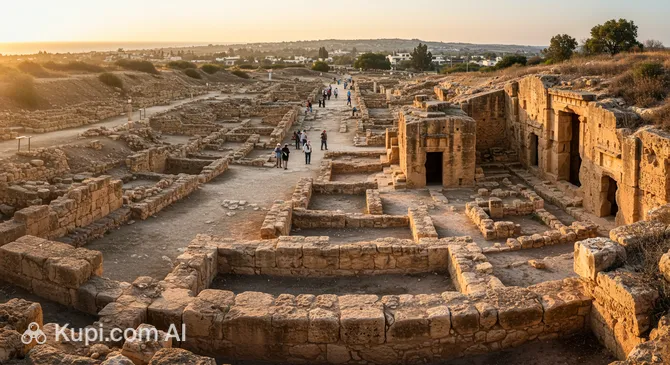
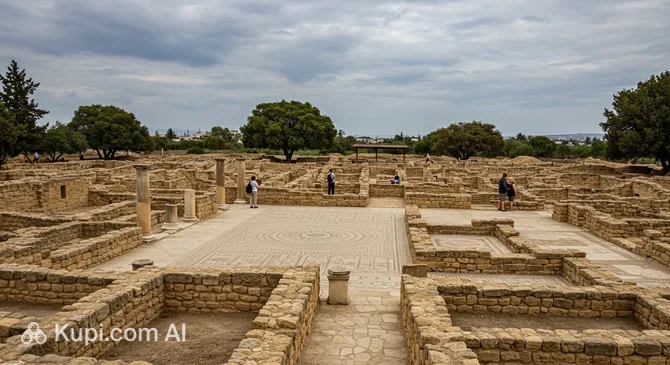
One of the most impressive locations is the Nea Paphos Archaeological Park, a UNESCO World Heritage Site. Here you can discover magnificent Roman mosaics, the ruins of ancient villas, an odeon, and the Saranta Kolones fortress. It is a true journey back in time, allowing you to connect with the island's classical history.

Archaeological Site of Nea Paphos. Source: Kupi.com Binoculars

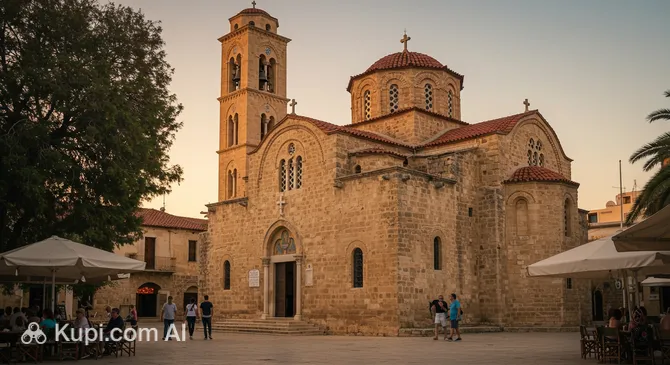
In Larnaca, a visit to the Church of Saint Lazarus is essential. This magnificent example of 9th-century Byzantine architecture was built over the reputed second tomb of Saint Lazarus. The church is an important site for pilgrims and is striking for its beauty and ornate interior, including an elaborate, gold-plated iconostasis. Visitors are requested to dress modestly; men should wear long trousers, and women should ensure their shoulders and knees are covered.

Church of Saint Lazarus. Source: Kupi.com Binoculars

Not far from Paphos, you will find the famous Tombs of the Kings, an impressive necropolis from the Hellenistic and Roman periods. Despite its name, it was high-ranking officials and aristocrats, not royalty, who were buried here. The tombs, carved out of solid rock with Doric columns, create an atmosphere of mystery and antiquity, inviting you to explore the underground chambers.

Tombs of the Kings. Source: Kupi.com Binoculars

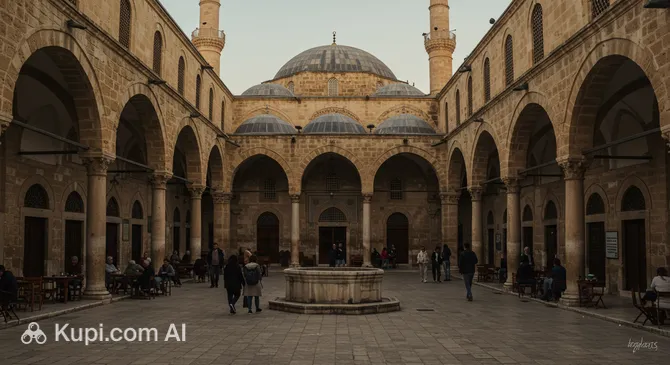
In the heart of old Nicosia lies the Büyük Han (Great Inn), one of the finest examples of Ottoman architecture in Cyprus. Built in the 16th century, it served as a caravanserai for merchants and travellers. Today, it houses artisan workshops, galleries, and charming cafés. In the centre of the courtyard, there is a small mosque with a fountain for ablutions, reflecting its historic purpose. The surrounding area of the old city offers numerous restaurants with halal food options.

Büyük Han. Source: Kupi.com Binoculars

Best Time to Visit

Cyprus enjoys sunny weather for most of the year, but the best time to visit depends on your preferences. The high season traditionally falls during the summer months, from June to August. During this time, the island experiences hot and dry weather, which is perfect for beach holidays, swimming in the Mediterranean Sea, and water sports. Air temperatures often rise above +30°C. The advantages are clear: you get the maximum number of sunny days and warm sea temperatures. However, you should be prepared for a large influx of tourists and, consequently, higher prices for accommodation and services.

The shoulder seasons, covering spring (April-May) and autumn (September-October), are considered by many to be the golden time to visit Cyprus. The weather during these periods is very comfortable: warm, but without the intense heat, with air temperatures around +20-25°C. This is an excellent time for sightseeing, hiking along scenic trails, exploring historical landmarks, and enjoying the blossoming nature of spring or the mild weather of autumn. Tourist numbers are significantly lower, and prices are more attractive. Winter (from November to March) in Cyprus is mild, especially on the coast, although rain is possible. In the Troodos Mountains, snow falls during this time, and there is even an operational ski resort.

When planning your trip, consider the local events. In the spring, Cyprus hosts colourful Easter celebrations and flower festivals, such as Anthestiria. Summer and autumn feature various cultural and wine festivals, such as the famous Wine Festival in Limassol held in late August and early September. Spring is also the time when wild orchids and poppies bloom, as well as being a period of bird migration. Although the island's climate is generally Mediterranean, it is always cooler in the mountain regions than on the coast, which is worth considering when planning your itinerary.

Traditions

When travelling to Cyprus, you will immerse yourself in an atmosphere of sincere warmth and ancient traditions. Cypriots are very sociable and friendly. It is customary to shake hands when meeting and saying goodbye, and maintaining eye contact during a conversation is considered a sign of respect and openness. Instead of pointing with a finger, it is better to use an open-handed gesture. Philoxenia, or hospitality, is one of the most important traits of the national character. If you are invited into a home, consider it a great honour. It is customary to bring the hosts a small gift, such as pastries or flowers. Refusing refreshments can be seen as impolite, so try to sample at least a little of the food and drink offered.

Respect for local customs is also shown through one's appearance. When visiting monasteries and churches, it is necessary to observe a dress code: shoulders and knees must be covered for both men and women. Away from the beach, you should avoid wearing revealing beachwear in towns or restaurants. The atmosphere at the dinner table in Cyprus is usually relaxed, but it is considered good manners to wait for the hosts to start eating first. To avoid awkward situations, try not to initiate conversations on sensitive political topics, especially concerning the division of the island. Cypriots value a measured pace of life, known as 'siga-siga' (slowly, slowly), so be patient and enjoy the unhurried way of life.

The island's cultural life is especially vibrant during festivals. The main religious event is Easter (Pascha), which is celebrated on a grand scale with solemn church services, large family feasts, and traditional treats like flaounes (cheese-filled pastries) and red-dyed eggs. Another unique and colourful festival is Kataklysmos (the Festival of the Flood), which is celebrated 50 days after Easter, usually in early June. During this time, lively water festivities, fairs, and boat races take place across the island, especially in coastal towns. Knowing and respecting these cultural features will make your trip to Cyprus even more enjoyable and enriching.

Entertainment

Cyprus is an island where everyone can find entertainment to suit their tastes, regardless of their preferences. For lovers of active recreation, all the conditions are in place: from diving in the crystal-clear waters of the Mediterranean Sea and windsurfing to exciting hiking routes through the Troodos mountains and cycling along the coast. The cultural programme in Cyprus is also rich: numerous archaeological parks, ancient monasteries, and museums preserve the island's centuries-old history. In the evening, you can enjoy theatrical performances or concerts, which are often held in major cities like Nicosia.

As darkness falls, the nightlife comes alive, especially in popular tourist centres like Limassol or Ayia Napa, where numerous venues, clubs, and restaurants with live music invite you to have fun until the morning. Many restaurants offer a wide range of international cuisines, with halal options widely available. For those who prefer shopping, Cyprus offers both traditional souvenirs – such as olive oil, handmade leather goods, and lace from the village of Lefkara – and modern shopping centres with well-known brands. A famous local heritage product is Commandaria, a sweet dessert wine. Families with children will also find plenty to do: the island has several water parks with a variety of slides, as well as theme parks and entertainment centres that promise a wealth of positive experiences for both young children and adults.

Currency rates

Planning a trip? Wonderful! To ensure the financial aspects of your journey do not come as a surprise, it is important to remember that currency exchange rates are constantly changing. Therefore, we strongly advise you to monitor the latest rates both before your departure and throughout your trip. You can use the data provided below for this purpose — we monitor currency rates 24/7 and strive to provide the most up-to-date information.

EUR currency exchange rate as of 02.01.2026

4.34 AED
~ 1 EUR
450.31 AMD
~ 1 EUR
1.77 AUD
~ 1 EUR
2.01 AZN
~ 1 EUR
3.47 BYN
~ 1 EUR
1.62 CAD
~ 1 EUR
1 GBP
~ 1.14 EUR
386.26 HUF
~ 1 EUR
106.24 INR
~ 1 EUR
103.23 KGS
~ 1 EUR
1704.93 KRW
~ 1 EUR
598.98 KZT
~ 1 EUR
4.24 PLN
~ 1 EUR
93.10 RUB
~ 1 EUR
4.43 SAR
~ 1 EUR
1.52 SGD
~ 1 EUR
50.70 TRY
~ 1 EUR
49.93 UAH
~ 1 EUR
1.18 USD
~ 1 EUR
14181.45 UZS
~ 1 EUR

Reached the end of the page?

That means the route is fully explored