Support

Lebanon

Cities in the country

About the Country

Lebanon is a captivating country on the eastern coast of the Mediterranean Sea, where ancient history meets modernity, and majestic mountains descend to azure waters. Despite its modest size, Lebanon offers an incredible variety of experiences: from the lively atmosphere of its cosmopolitan capital, Beirut, to the tranquillity of ancient ruins and picturesque mountain landscapes.
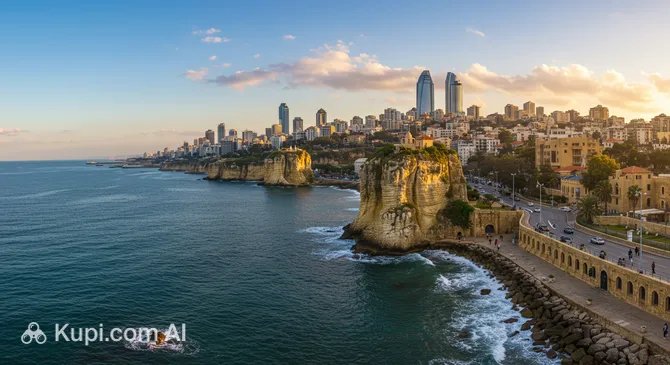
Beirut. Source: Kupi.com Binoculars

This land, once the cradle of the Phoenician civilisation, holds traces of many eras and cultures. Travellers can explore the impressive Roman temples in Baalbek, stroll through the streets of one of the world's oldest continuously inhabited cities – Byblos, or discover the unique fusion of Eastern and Western cultural traditions. This is evident in the architecture, exquisite national cuisine, and the famous hospitality of the local people.

Lebanon captivates not only with its rich historical heritage but also with its natural beauty. Here, you can enjoy the mild Mediterranean climate, relax on cosy beaches, and even go skiing in the snow-capped mountains during winter. The country leaves the impression of a vibrant kaleidoscope where everyone can find something for themselves, whether it be bustling souks, modern shopping centres, exquisite restaurants, or secluded nature reserves.
Currency

The national currency of Lebanon is the Lebanese Pound, which has the international code LBP. Banknotes of various denominations are in circulation. Due to the ongoing economic situation and currency crisis in the country, it is essential to check the most up-to-date information on payment methods and currency exchange immediately before your trip. US dollars are widely accepted for most goods and services and may be preferred over the local currency.

It is best to exchange foreign currency for Lebanese Pounds at official exchange offices; avoid exchanging money with individuals on the street. The use of credit and debit cards is severely limited, and they are not accepted in most places, including smaller shops and regular bars. Even where cards might be accepted, such as in high-end hotels, cash is strongly preferred. Therefore, you must carry a sufficient amount of cash (preferably in US Dollars) for paying for taxis, visiting markets, and other daily expenses.

Visa Requirements

For travellers from the UAE heading to Lebanon, visa requirements vary based on nationality. Citizens of the United Arab Emirates and other Gulf Cooperation Council (GCC) countries do not need a visa to enter Lebanon for tourism purposes.

For UAE residents who are not GCC nationals, a visa is generally required. Depending on your nationality, you may be eligible to obtain a visa on arrival at Beirut-Rafic Hariri International Airport, while others must apply for a visa in advance at the Lebanese consulate in the UAE. It is essential to have a passport with at least six months' validity from your planned date of entry and a valid UAE residence visa. Authorities may also ask for proof of a hotel reservation, return flight tickets, and sufficient funds for your stay. Please be aware that entry will be refused if your passport contains an Israeli visa or stamp.

As visa regulations can change, it is strongly recommended to confirm the latest entry requirements with the Embassy or Consulate General of Lebanon in the UAE before your trip to ensure a smooth journey.

We'll tell you if you need a visa

Specify where you are going, or
Your citizenship
Destination

Time Zones

When planning a trip to Lebanon, you will not have to worry about changing timezones within the country. A single timezone is used across all of Lebanon, which is two hours behind the UAE during winter.

Lebanon's standard time is Eastern European Time (EET), which is GMT+2. However, the country observes Daylight Saving Time (EEST), when clocks are moved forward by one hour to GMT+3, reducing the time difference with the UAE to just one hour. The switch to summer time usually happens on the last Sunday in March, with a return to standard time on the last Sunday of October. Travellers should be aware that these dates have been subject to last-minute changes in the past, so it is wise to double-check flight schedules and appointments if travelling around these times.

How to Get There

When planning a trip to Lebanon from the UAE, air travel is the most convenient and fastest way to reach the country. Lebanon's main air gateway is Beirut–Rafic Hariri International Airport, located in the capital, Beirut. The airport handles regular direct flights from major UAE cities. Travellers can fly directly from Dubai with Emirates, flydubai, and Middle East Airlines (MEA). From Abu Dhabi, direct flights are operated by Etihad Airways and Air Arabia Abu Dhabi, as well as MEA. Additionally, Air Arabia offers direct services from Sharjah. These connections make Lebanon highly accessible for both tourism and business from the United Arab Emirates.

While Lebanon shares land borders with neighbouring countries, air travel remains the preferred and most practical option for most international visitors from the UAE. Land border crossings can be subject to restrictions or specific entry requirements, so it is essential to check the latest official information before planning a journey by road. Maritime connections to Lebanon are primarily for cargo and occasional cruise ship stops, with regular passenger ferry services being less common. In any case, it is wise to book your tickets well in advance, especially during peak travel seasons, to secure the best fares and availability.

For clarity, here is a summary of the main airport:

Airport Name City Passenger Traffic
Beirut–Rafic Hariri International AirportBeirutMajor

Lebanon, a country with a rich history and culture, offers travellers an amazing variety of cities and resorts. From bustling metropolises to ancient ports and picturesque mountain villages, there is something for everyone. Many of Lebanon's cities bear traces of millennia-old civilisations, while modern resorts offer first-class holidays on the Mediterranean Sea.

Beirut. Source: Kupi.com Binoculars

The country's capital, Beirut, is a dynamic city where modernity meets antiquity. It is famous for its vibrant evening scene, exquisite restaurants, fashionable boutiques, and impressive historical monuments. No less captivating is the ancient city of Byblos, one of the oldest continuously inhabited cities in the world, where you can stroll through ancient streets and visit the archaeological park. For lovers of beach holidays and entertainment, Jounieh is an excellent choice, known for its resorts, entertainment venues, and breathtaking views of the bay. A trip to Baalbek will amaze you with its magnificent Roman temples, which are among the best-preserved in the world.

Other popular destinations include the historic city of Tyre, with its Roman hippodrome and ancient ruins, as well as the charming coastal town of Batroun, known for its old churches and the Phoenician wall. Each of these places offers a unique experience and allows for a deeper insight into the multifaceted nature of Lebanon.

Top Attractions

Lebanon, a country with a rich history and culture, offers travellers a wealth of amazing places. Among them are attractions that can impress even the most seasoned tourist. Immerse yourself in an atmosphere of antiquity and modernity as you explore the main treasures of this land.

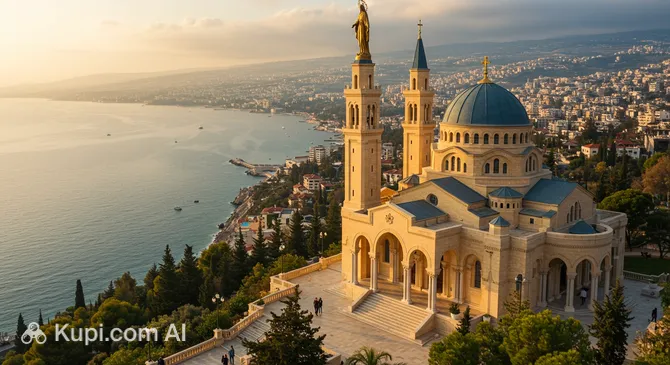
One of the most revered and iconic sites is the Shrine of Our Lady of Lebanon in Jounieh. Located atop a hill, it is crowned by a huge statue of the Virgin Mary, visible from afar. You can reach the shrine by taking a cable car, enjoying breathtaking views of the coast along the way. This place attracts not only pilgrims but also anyone who appreciates majestic architecture and a serene atmosphere. Visitors are advised to dress modestly out of respect for the site's religious significance.

Our Lady of Lebanon Basilica. Source: Kupi.com Binoculars

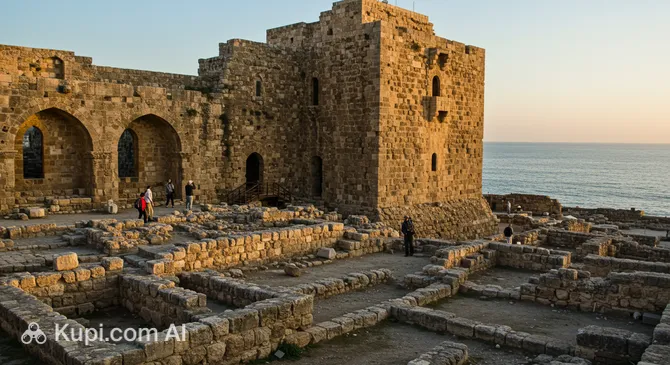
For history enthusiasts, a visit to the Byblos Citadel is a must. This ancient castle, located in one of the world's oldest cities, Byblos (Jbeil), has witnessed the rise and fall of numerous civilisations. A walk along its mighty walls and towers allows you to connect with thousands of years of history and imagine how people lived in ancient times.

Byblos Castle. Source: Kupi.com Binoculars

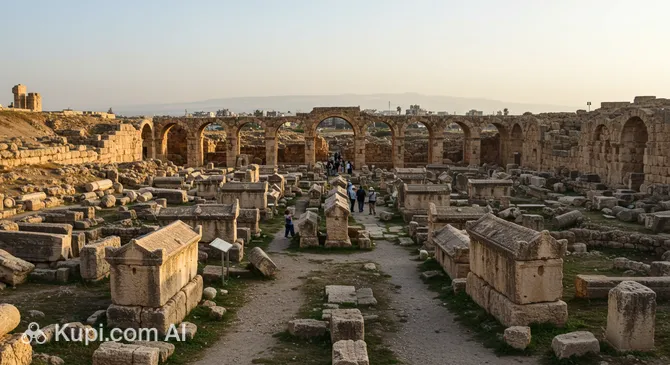
No less impressive is the historical site of the Tyre Necropolis, a UNESCO World Heritage Site. This vast ancient "city of the dead" is striking with its monumental tombs, sarcophagi, and a grand 2nd-century triumphal arch. Exploring this site is a unique opportunity to learn more about the funerary rituals and art of the Phoenician civilisation.

Tyre Necropolis. Source: Kupi.com Binoculars

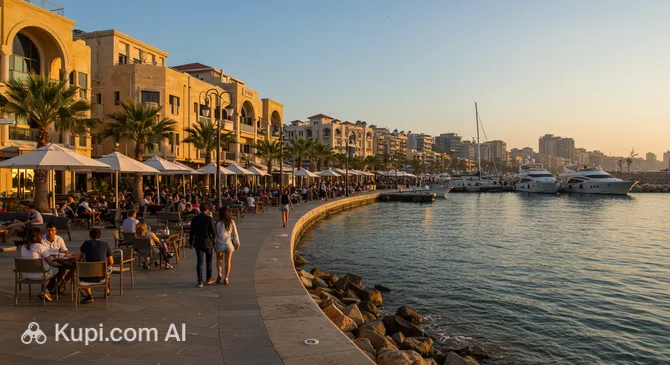
If you wish to immerse yourself in the modern life of Beirut and enjoy the sea breeze, head to Zaitunay Bay. This stylish waterfront promenade with its yacht marina, numerous restaurants, cafés, and boutiques has become a favourite spot for both locals and tourists. Many of the upscale restaurants, such as Babel Bay, offer halal menus, catering to diverse culinary preferences. Here you can spend a pleasant time admiring the Mediterranean Sea and the city's skyline.

Zaitunay Bay. Source: Kupi.com Binoculars

Best Time to Visit

Lebanon is a year-round destination, however, the best time to visit depends on your plans. For most travellers wishing to explore its cultural treasures and enjoy comfortable weather, the ideal seasons are spring (April-May) and autumn (September-October). During these months, the temperature is very pleasant for walking around cities like Beirut or the ancient city of Byblos, as well as for trips to areas of natural beauty. In spring, nature bursts into vibrant colours, while in autumn the mountains display beautiful golden hues.

The high tourist season in Lebanon has two main periods. Summer (June-August) attracts those looking for a Mediterranean beach holiday, for example, on the beaches of Jounieh or Tyre. The weather at this time is hot and sunny, which is perfect for swimming and water sports. However, it is worth noting that this period sees more tourists, and prices for accommodation and services can be higher. Summer is also when renowned cultural events take place, including the famous Baalbeck International Festival in Baalbek. Winter (December-February) is the time for ski enthusiasts, who head to the snow-covered slopes of the Lebanon Mountains. Along the coast, winter is mild but can be rainy.

The low season, or shoulder season, usually falls in November and early spring (March). The main advantages of this period are fewer tourists and, as a rule, more affordable prices for accommodation. However, the weather can be unpredictable, with a chance of rain, especially on the coast, and generally cool conditions. Some tourist attractions or establishments in resort areas may operate on a reduced schedule. It is important to remember that the climate in Lebanon varies: from Mediterranean on the coast to more continental in the Beqaa Valley and mountainous in the high-altitude regions. Therefore, it is always advisable to check the weather forecast for the regions you plan to visit. When packing, it is also a good idea to include modest clothing for visiting religious sites.

Traditions

When planning a trip to Lebanon, it is wise to familiarise yourself with some local cultural customs to ensure your interactions with residents are as comfortable and respectful as possible. Greetings are typically warm: a handshake accompanied by a smile and direct eye contact is the norm. With close acquaintances and friends, it is customary to exchange kisses on the cheek. The Lebanese are renowned for their exceptional hospitality—if you are invited into a home, it is a great honour. In such cases, it is appropriate to bring a small gift for the hosts, such as sweets, pastries, or flowers. Refusing offered refreshments may be seen as impolite, so try to at least sample what you are offered.

Regarding appearance, in major cities like Beirut, the style of dress is quite liberal and largely resembles European fashion. However, when visiting religious sites—mosques, churches, or monasteries—it is important to show respect. Women are advised to cover their shoulders, knees, and head (especially in mosques), while men should avoid shorts and sleeveless tops. At the dining table, the Lebanese value conversation and a relaxed pace, as a meal is an important social event. Be prepared for an abundance of dishes, which are predominantly halal, and feel free to try a little of everything. It is considered polite to use the right hand for eating (if eating without cutlery) and for passing items. Try to avoid loud public disputes and always ask for permission before photographing local residents, especially women.

Among the significant holidays in Lebanon is Independence Day, which is celebrated on 22 November and symbolises the country's sovereignty. Both Christian (Christmas, Easter) and Muslim (Eid al-Fitr, Eid al-Adha) holidays are also widely celebrated, with their dates determined by their respective calendars. In general, the Lebanese are very open and friendly towards tourists. Showing an interest in their culture and respect for local customs is always warmly received and makes a journey to this amazing country even more memorable.

Entertainment

Lebanon offers a surprisingly diverse range of entertainment to satisfy the tastes of any traveller. For fans of active recreation, there are many opportunities: picturesque mountain trails are ideal for hiking, ski slopes open in the winter, and the Mediterranean coast attracts enthusiasts of diving, surfing, and other water sports. The cultural programme is also rich, with numerous museums and ancient archaeological sites that tell of the country's rich history, while galleries, theatres, and concert halls introduce visitors to modern Lebanese art and music.

As evening falls, life in Lebanon does not quieten down, especially in its capital, Beirut, which is known for its vibrant and dynamic evening scene. Here, travellers will find numerous social lounges, stylish clubs with diverse music, and exquisite restaurants. These establishments offer both traditional Lebanese dishes, with many providing halal options, and masterpieces of world cuisine. Lovers of shopping will also not be disappointed: Lebanon is home to both colourful oriental bazaars (souks), where unique souvenirs, spices, jewellery, and carpets are sold, and modern shopping centres with boutiques from famous international brands.

Lebanon also offers plenty of options for a family holiday. Many coastal resorts have facilities for holidaying with children, and cities feature various entertainment centres and parks. Overall, Lebanon is a country where every day can be filled with new discoveries and bright impressions, harmoniously combining ancient history, a rich culture, and a modern rhythm of life. This makes it an attractive destination for a wide variety of tourists.

Currency rates

Planning a trip? That's wonderful! To ensure the financial side of your journey doesn't hold any surprises, it's important to remember that currency exchange rates are constantly changing. For this reason, we strongly advise monitoring the current rates both before you fly and throughout your trip. You can use the data provided below for this purpose — we monitor exchange rates 24/7 and strive to provide the most up-to-date information.

Reached the end of the page?

That means the route is fully explored