Support

Israel

Cities in the country

About the Country

Israel is a country of amazing contrasts and thousands of years of history, located in the Middle East on the eastern coast of the Mediterranean Sea. Despite its relatively small size, Israel offers an incredible variety of experiences: from the sacred sites of world religions to modern metropolises, and from desert landscapes to flourishing oases.

The heart and soul of the country is undoubtedly Jerusalem, an ancient city sacred to Jews, Christians, and Muslims, where every corner holds the imprint of centuries. Its unique atmosphere, the narrow streets of the Old City, and its iconic holy sites attract pilgrims and tourists from all over the world. When visiting religious sites, it is important for both men and women to dress modestly by covering shoulders and knees. But Israel is not only about history. Modern Tel Aviv pulsates with life, offering magnificent beaches, a vibrant cultural scene, and impressive Bauhaus architecture.
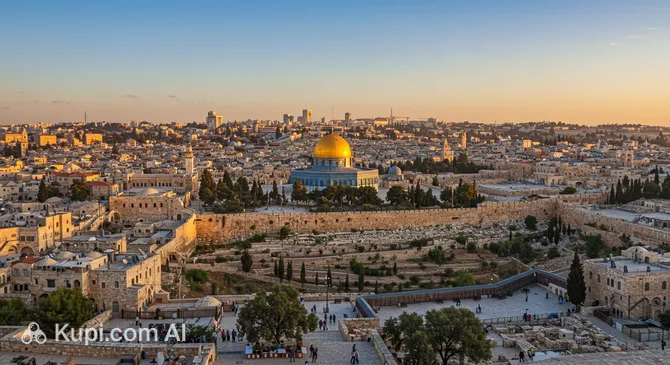
Jerusalem. Source: Kupi.com Binoculars

The natural beauty of Israel is also noteworthy: from the coral reefs of the Red Sea in the resort city of Eilat to the unique Dead Sea, famous for its healing properties, and the green hills of Galilee. The climate here is predominantly Mediterranean, with hot, dry summers and mild winters, making the country attractive to visit almost all year round. Halal food options are widely available in major cities and towns, ensuring visitors can comfortably find suitable dining. Israel leaves the impression of a dynamic, multifaceted country where a deep respect for the past harmoniously combines with an aspiration for the future, offering something for every traveller.
Currency

The national currency of Israel is the New Israeli Shekel (international code ILS). The banknotes are adorned with portraits of prominent figures from Israeli culture and science, while the coins feature various symbols related to the country's history and nature. For example, the 20-shekel banknote features the poet Rachel Bluwstein, and the 100-shekel note depicts the philosopher and poet Leah Goldberg.

You can exchange currency at banks, post offices, and licensed exchange points, which often offer a more favourable rate than at the airport. It is recommended to avoid exchanging money with unofficial street money changers. Credit cards, especially Visa and Mastercard, are widely accepted in most shops, restaurants, and hotels, particularly in tourist areas. However, it is always useful to have a small amount of cash on hand for small purchases, markets, or in places where cards may not be accepted.

Visa Requirements

Thanks to a mutual visa exemption agreement, citizens of the United Arab Emirates can travel to Israel for tourism or business for up to 90 days without needing a visa. This historic agreement makes travel between the two nations seamless for UAE passport holders. However, all travellers must have a passport with at least six months' validity from their planned date of departure from Israel. It is also advisable to have return tickets, proof of hotel booking, and medical insurance for your trip.

While a visa is not required, travellers from the UAE must obtain an Electronic Travel Authorisation (ETA-IL) before their journey. As visa and entry rules can change, it is highly recommended to check the latest information on the official website of the Israeli embassy or consulate before planning your trip. This will help ensure a smooth and comfortable travel experience.

We'll tell you if you need a visa

Specify where you are going, or
Your citizenship
Destination

Time Zones

The whole of Israel operates on a single time zone known as Israel Standard Time (IST), which is UTC+2. This makes Israel two hours behind the UAE, which operates on Gulf Standard Time (UTC+4). Travellers, therefore, do not need to worry about changing time zones when moving within the country.

Israel also observes Daylight Saving Time (IDT), when clocks are moved forward by one hour to UTC+3. During this period, the time difference with the UAE is reduced to just one hour. The switch to IDT typically happens on the Friday before the last Sunday of March, with clocks returning to standard time on the last Sunday of October. It is advisable to check the exact dates before you travel, as they can vary.

How to Get There

Israel has well-developed international air links, and the most common way to get there is by plane. The country's main gateway is Ben Gurion International Airport (TLV), located near Tel Aviv. For travellers from the UAE, several airlines offer direct flights. From Dubai (DXB), you can fly with flydubai, Arkia, and El Al. From Abu Dhabi (AUH), Etihad Airways operates regular non-stop services to Tel Aviv. Many other airlines also provide convenient connecting flights from across the globe.

Israel’s land borders with some neighbouring countries are open, making travel by bus or car a possibility. The primary crossings for tourists are with Jordan (Wadi Araba/Yitzhak Rabin Terminal near Eilat/Aqaba and Jordan River/Sheikh Hussein Crossing) and Egypt (Taba Crossing near Eilat). However, it is essential to thoroughly check the current rules for border crossings and the latest travel advisories before planning such a journey, as operating hours and regulations can change without notice.

Regarding sea travel, some cruise liners include Israeli ports like Haifa or Ashdod in their Mediterranean itineraries, offering another option for travellers.

When planning a trip to Israel, especially during peak tourist season, it is advisable to book flights and accommodation well in advance. This will not only help you save money but also ensure availability. For your reference, here is a summary of the main airports in the country:

Airport Name City Passenger Traffic
Ben Gurion AirportTel AvivMajor
Ramon AirportEilatMedium
Haifa AirportHaifaSmall

Israel is a land of remarkable contrasts, where ancient history meets modernity, and desert landscapes give way to lively resorts. It offers something for everyone, from pilgrimage routes to beach holidays and a vibrant cultural scene. The most popular destination is, of course, Jerusalem – a city with thousands of years of history and a sacred place for three of the world's major religions: Judaism, Christianity, and Islam. It is home to an incredible number of ancient shrines and archaeological sites. When visiting holy places, visitors are expected to dress modestly, covering their shoulders and knees.

Jerusalem. Source: Kupi.com Binoculars

For those who prefer a dynamic holiday with a modern atmosphere, Tel Aviv is the ideal choice. Located on the Mediterranean coast, this city is known for its beautiful beaches, vibrant cultural scene, and numerous cafes, restaurants, and nightclubs. Many restaurants offer halal-friendly options, alongside local kosher cuisine. In the south of the country, on the coast of the Red Sea, lies the popular resort of Eilat, which attracts tourists year-round with opportunities for diving, snorkelling, and enjoying the sunny weather.

Another significant city is Haifa, spread across the slopes of Mount Carmel. This major port city is famous for its magnificent Baha'i Gardens, a UNESCO World Heritage Site, as well as its multicultural atmosphere. History enthusiasts should visit Akko, one of the world's oldest port cities with a rich history dating back to the time of the Crusaders. Each of these cities offers a unique experience and unforgettable impressions for travellers.

Top Attractions

Israel is a country with a rich history and culture, offering tourists an incredible variety of attractions. Here, ancient holy sites stand alongside modern cities, and desert landscapes give way to flourishing oases. Here are just a few of the iconic places worth visiting during your journey through this remarkable land.

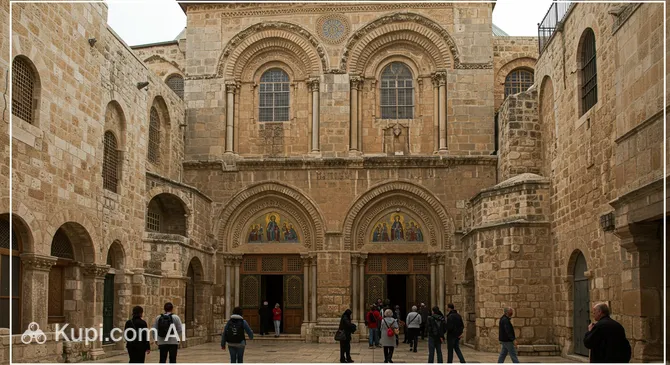
One of the most significant sites in Christianity is the Church of the Holy Sepulchre in Jerusalem. It is believed that the church stands on the site where Jesus was crucified, buried, and resurrected. Every year, millions of pilgrims and tourists visit to connect with history and experience the special atmosphere of this sacred place. When visiting, it is important to dress modestly, with clothing that covers the shoulders and knees, as a sign of respect.

Church of the Holy Sepulchre. Source: Kupi.com Binoculars

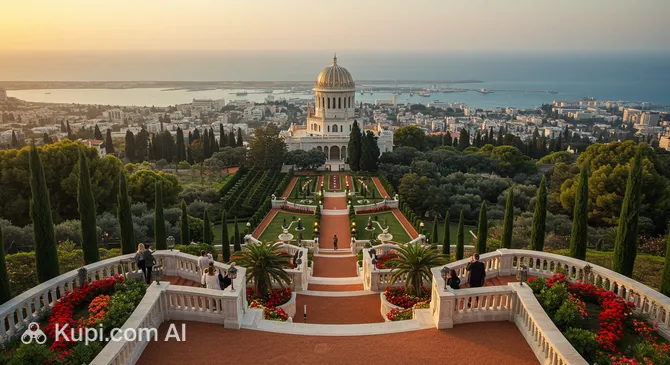
In Haifa, you will be amazed by the beauty of the Baháʼí Gardens – a true marvel of landscape design and a UNESCO World Heritage Site. Nineteen terraces, symmetrically descending the slope of Mount Carmel, are adorned with immaculate lawns, vibrant flowerbeds, and elegant fountains, creating an atmosphere of peace and harmony. The upper terraces offer a breathtaking panoramic view of the city and the Mediterranean Sea. Visitors are kindly asked to wear respectful attire that covers their shoulders and reaches their knees.

Baháʼí Gardens. Source: Kupi.com Binoculars

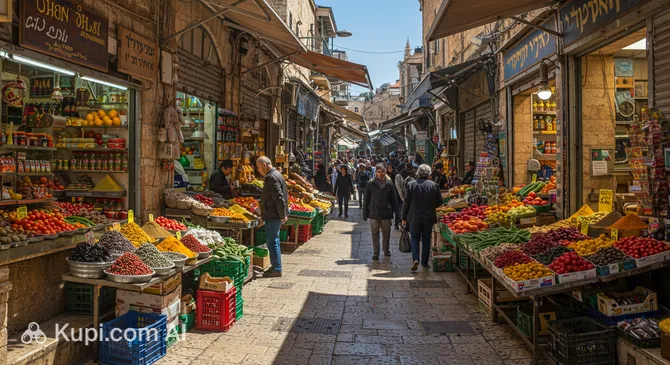
To experience the authentic character of Jerusalem, a visit to the Mahane Yehuda Market is a must. This bustling, vibrant, and incredibly aromatic place is where you can find the freshest fruits, vegetables, fragrant spices, and traditional baked goods. Numerous eateries offer local cuisine, with many kosher options available that can align with halal dietary principles. In the evening, the market transforms into a popular gathering spot with a lively atmosphere, street art, and cafes.

Mahane Yehuda Market. Source: Kupi.com Binoculars

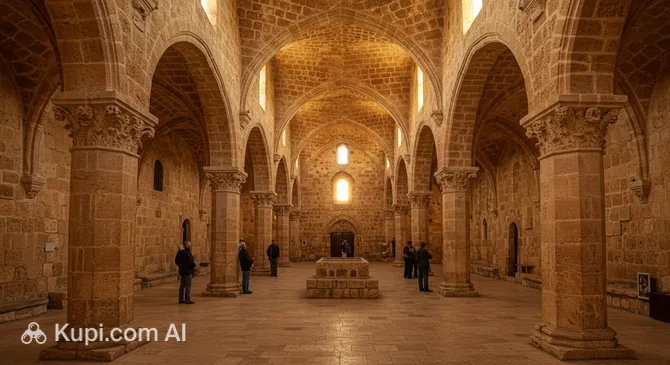
In the ancient city of Acre, which preserves traces of many civilisations, you will find the impressive Knights' Halls. This is part of the monumental Hospitaller Fortress, built during the time of the Crusaders. The massive stone structures with high vaulted ceilings and passageways immerse visitors in a medieval atmosphere, allowing them to learn more about the history of the Crusades and the life of the knightly orders in the Holy Land.

Knights' Halls. Source: Kupi.com Binoculars

Best Time to Visit

Israel is a country with a diverse climate, so choosing the best time to visit largely depends on your plans. Traditionally, the high season is during the spring (March to May) and autumn (September to November). During these periods, the weather is most comfortable throughout the country: warm and sunny, but without the oppressive heat. This is the ideal time for sightseeing at historical sites such as Jerusalem or Masada, hiking in nature, and relaxing on the beaches of the Mediterranean Sea or in Eilat on the Red Sea. However, it is worth noting that this is when tourist numbers are at their peak, and prices for accommodation and services can be higher. These seasons also coincide with major Jewish religious holidays (Passover in spring; Rosh Hashanah, Yom Kippur, and Sukkot in autumn), which attract many pilgrims and can affect the accessibility of some sites. When visiting religious sites, it is important to dress modestly.

The summer months (June-August) in Israel are very hot and dry, especially in the inland areas and the south, around Eilat and the Dead Sea. Air temperatures often exceed +35-40°C. This period is suitable for a beach holiday on the Mediterranean coast, for example, in Tel Aviv or Netanya, but long sightseeing trips can be exhausting. Winter (December-February) is the low season for most of the country, with the exception of Eilat, which is popular as a winter beach destination. On the Mediterranean coast, the weather is mild but rainy. In Jerusalem and the northern regions, such as Haifa and Safed, it can be quite cool, with occasional snowfall. The advantages of the shoulder seasons and winter are fewer tourists and lower prices. Spring and autumn are also the best times for birdwatching, which attracts nature enthusiasts.

Given the significant climatic differences between Israel's regions—from the Mediterranean coast to the Negev Desert and the Galilee Heights—it is always advisable to check the weather forecast for the specific locations on your itinerary. For example, when it might be cool in Jerusalem, it will most likely be warm and sunny in Eilat.

Traditions

In Israel, communication is typically warm and direct. The greeting "Shalom" (peace) is almost always appropriate, and a handshake is the standard form of greeting, especially when meeting someone new. Israelis value openness, so direct eye contact during a conversation is seen as a positive sign. Hospitality is a significant part of the culture; being invited to someone's home is a great sign of respect. It is customary to bring a small gift for the hosts, such as high-quality sweets, dates, or flowers.

When visiting holy sites such as synagogues, churches, and mosques, or areas where orthodox communities live (like some quarters of Jerusalem), it is important to dress modestly. Shoulders and knees should be covered, and women may be required to cover their hair. This is a sign of respect, similar to the etiquette observed in mosques. In secular cities, the style of dress is generally more relaxed. At the dining table, there are few strict rules that differ greatly from European customs, but it is important to be aware of kashrut. This is a set of Jewish dietary laws, similar to the concept of Halal in Islam, which is observed by many Israelis and most establishments. For Muslim visitors, Halal food is widely available, particularly in cities with large Muslim populations like Jerusalem, Nazareth, and Acre. Show respect for local customs, avoid loud arguments about political and religious topics if you are unsure of the other person's views, and always ask for permission before photographing people, especially in religious settings.

Shabbat holds a special place in the country's life, beginning at sunset on Friday and ending at nightfall on Saturday. During this time, many shops, institutions, and public transport services may close or operate on a special schedule, which is important to consider when planning your trip. Other significant holidays include Rosh Hashanah (the Jewish New Year) and Yom Kippur (the Day of Atonement), which are times of prayer and family traditions when the pace of life in the country also slows down. Understanding and respecting these traditions will help you better appreciate the culture of Israel and make your journey more harmonious and pleasant.

Entertainment

Israel offers tourists a rich variety of entertainment to suit all tastes. For fans of active recreation, there are picturesque hiking trails in Galilee, the Judean Mountains, or the Negev Desert. Opportunities for diving and snorkelling abound in the crystal-clear waters of the Red Sea off the coast of Eilat, along with surfing and other water sports on the Mediterranean Sea. Do not forget the unique experience of floating in the Dead Sea, renowned for its therapeutic properties.

The cultural programme in Israel is no less rich. The country prides itself on its numerous world-class museums, art galleries, theatres, and concert venues, especially in cities like Jerusalem and Tel Aviv. In the evening, many cities come alive: Tel Aviv is known for its vibrant evening scene with many restaurants and cafés offering entertainment late into the night. Halal food options are widely available in major cities, with many restaurants catering to Muslim visitors. In other cities, you can also find cosy cafés and places for evening relaxation.

Shopping in Israel is a fascinating activity. Tourists can visit colourful Middle Eastern markets, such as the famous Mahane Yehuda Market in Jerusalem, which sells fresh produce, spices, sweets, souvenirs, and local handicrafts. This market is a vibrant place to explore, and many vendors offer kosher products, with some halal options also available. Additionally, major cities have modern shopping centres with well-known international brands. For a family holiday, the country offers beautiful beaches, various nature parks like the Ramat Gan National Park, zoos, and interactive museums that will be of interest to both children and adults. When visiting religious sites, it is important to dress modestly by covering shoulders and knees to show respect.

Currency rates

Planning a trip? That's wonderful! To avoid any financial surprises on your journey, it is important to remember that currency exchange rates are constantly changing. Therefore, we strongly advise monitoring the latest rates both before you fly and throughout your trip. You can use the data provided below for this — we monitor currency rates 24/7 and strive to provide the most up-to-date information.

ILS currency exchange rate as of 02.01.2026

1.16 AED
~ 1 ILS
120.35 AMD
~ 1 ILS
1 AUD
~ 2.12 ILS
1 AZN
~ 1.86 ILS
1 BYN
~ 1.08 ILS
1 CAD
~ 2.31 ILS
1 EUR
~ 3.72 ILS
1 GBP
~ 4.27 ILS
103.23 HUF
~ 1 ILS
28.39 INR
~ 1 ILS
27.59 KGS
~ 1 ILS
455.65 KRW
~ 1 ILS
160.08 KZT
~ 1 ILS
1.13 PLN
~ 1 ILS
24.88 RUB
~ 1 ILS
1.18 SAR
~ 1 ILS
1 SGD
~ 2.47 ILS
13.55 TRY
~ 1 ILS
13.34 UAH
~ 1 ILS
1 USD
~ 3.17 ILS
3790.09 UZS
~ 1 ILS

Reached the end of the page?

That means the route is fully explored