Support

Kuwait

Cities in the country

About the Country

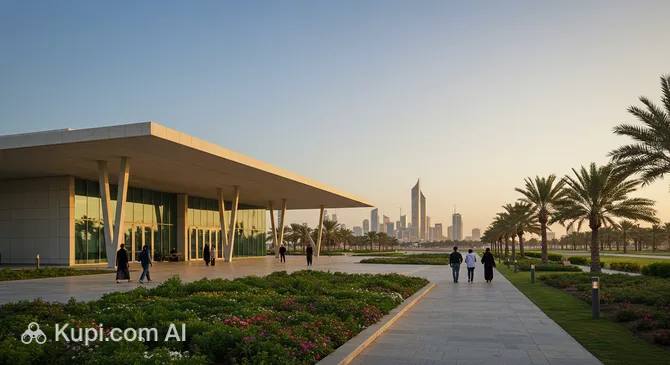
Kuwait is a small but surprisingly dynamic state, nestled on the northwestern coast of the Arabian Gulf. This country offers tourists a unique blend of modern luxury, rich culture, and warm Arabian hospitality. The heart and main centre of attraction is its capital, Kuwait City, a glittering metropolis that harmoniously combines heritage with a forward-looking vision.
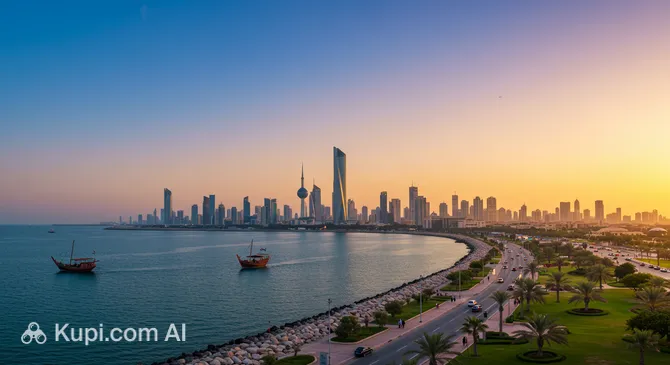
Kuwait City. Source: Kupi.com Binoculars

Kuwait's cultural richness is evident in its architecture and way of life, where ultra-modern skyscrapers stand alongside traditional mosques and bustling souqs. One of the country's most recognisable symbols is the famous Kuwait Towers, offering breathtaking panoramic views of the city and the azure waters of the Gulf. To experience an authentic Middle Eastern atmosphere, a visit to the historic Souk Al-Mubarakiya is a must, where you can find aromatic spices, exquisite perfumes, and unique local handicrafts.

Although Kuwait is predominantly located in a desert climate zone with hot summers and mild, pleasant winters, you can find surprising green oases here. A perfect example is Al Shaheed Park, one of the largest urban parks in the country, offering visitors not only a natural retreat but also an introduction to cultural sites. Kuwait leaves the impression of a country of contrasts, where modern innovations are intertwined with a deep respect for tradition, creating a unique and appealing atmosphere for travellers.
Currency

The national currency of Kuwait is the Kuwaiti Dinar (international code KWD). The Kuwaiti Dinar is known as one of the most valuable currencies in the world against other global currencies. One dinar is divided into 1000 fils. Kuwait's modern banknotes feature thoughtful designs, depicting the country's iconic architectural landmarks, such as the Kuwait Towers or the Grand Mosque, as well as symbols that reflect Kuwait's rich heritage and economic achievements.

It is advisable to exchange foreign currency for Kuwaiti Dinars at official banks or licensed exchange offices, which can be found at the airport, in major shopping centres, and in cities. Avoid using private money changers on the street to prevent fraud or unfavourable exchange rates. Credit cards (Visa, MasterCard, American Express) are widely accepted in most hotels, restaurants, and large shops, especially in the capital, Kuwait City. ATMs are also quite common, making it easy to withdraw cash.

Visa Requirements

For travellers from the UAE, visa requirements for Kuwait depend on your nationality and residency status. As citizens of a Gulf Cooperation Council (GCC) country, UAE nationals do not require a visa to enter Kuwait.

For foreign nationals residing in the UAE, Kuwait offers simplified entry options. Most UAE residents can obtain a tourist visa on arrival or an electronic visa (e-Visa) online before travelling. As of August 2025, Kuwait grants a visa on arrival to all foreign residents of GCC countries, provided their residency permit is valid for at least six months. This has replaced older rules that limited this benefit to specific professions. Alternatively, eligible residents can apply for an e-Visa through the official Kuwaiti Ministry of Interior website.

Regardless of the entry method, a passport with at least six months' validity from your planned date of entry is mandatory. You may also be asked to present proof of a return flight ticket and accommodation booking. It is crucial to check the most current visa regulations and document requirements on the official website of the Kuwaiti Ministry of Foreign Affairs or its authorised visa service before your trip, as rules can change.

We'll tell you if you need a visa

Specify where you are going, or
Your citizenship
Destination

Time Zones

When planning a trip to Kuwait, you will not have to worry about changing time zones within the country. The entire nation operates on a single, unified time. It follows the AST (Arabia Standard Time) standard, which is UTC+3. For residents and travellers from the UAE, this means Kuwait is one hour behind, as the UAE runs on Gulf Standard Time (GST), which is UTC+4. Therefore, the time in the capital, Kuwait City, will be the same as in any other corner of the country.

How to Get There

The easiest way to get to Kuwait is by air. The country has a modern international airport that serves as its main transport hub – Kuwait International Airport, located near the capital, Kuwait City. For travellers from the UAE, there are numerous direct flights available daily from Dubai, Abu Dhabi, and Sharjah. Major airlines operating on these routes include Emirates, Etihad Airways, flydubai, Air Arabia, and Kuwait's national carrier, Kuwait Airways. Convenient connecting flights are also available through major aviation hubs in the region.

For those who prefer to travel by land, Kuwait shares borders with Saudi Arabia and Iraq. There are bus routes connecting Kuwait with neighbouring countries, particularly Saudi Arabia. A road trip from the UAE is also a viable option, passing through Saudi Arabia. However, before planning such a journey, it is essential to check the latest visa requirements and border crossing regulations for all countries involved. Passenger sea travel to Kuwait is less common and is mainly used for cargo transport; regular international passenger ferry services are not a typical way for tourists to reach the country.

Regardless of your chosen method of travel, it is advisable to book your tickets well in advance, especially if your trip coincides with peak tourist seasons or major public holidays. This will not only help you save money but also guarantee availability.

For your reference, here is a summary of the main airport:

Airport Name City Passenger Traffic
Kuwait International AirportKuwait CityMajor

Kuwait, a country with a rich history and a dynamically developing present, offers travellers a unique combination of Middle Eastern character and ultra-modern architecture. The main tourist centres here are its cities, each with its own unique appearance and atmosphere, where modern achievements exist in harmony with ancient traditions.

The country's main jewel is undoubtedly its capital, Kuwait City. This metropolis captures the imagination with its futuristic skyscrapers, luxurious shopping centres, and the famous Kuwait Towers, which have become a symbol of the city. Here, you can immerse yourself in world-class shopping, visit fascinating museums such as the Kuwait National Museum, and enjoy exquisite local and international cuisine in its numerous restaurants, many of which offer halal options.

Kuwait City. Source: Kupi.com Binoculars

Besides the capital, other cities in Kuwait are also of interest to tourists. For example, Al Ahmadi, an important centre for the oil industry, showcases the country's modern development and infrastructure. It also offers a chance to learn about the history of oil exploration at the Kuwait Oil Company Display Centre. To experience history and a more traditional way of life, you can head to Jahra, known for its historic Al-Qasr Al-Ahmar (the Red Fort) and lively local souqs, where you can find authentic goods and souvenirs.

Top Attractions

Kuwait, a country with a rich history and modern architecture, offers tourists a wealth of interesting places to visit. There is something for everyone, from futuristic skyscrapers to traditional markets and cultural centres.

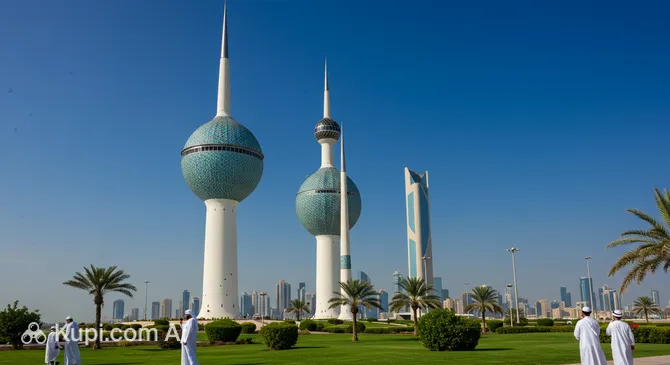
The country's most iconic landmark is undoubtedly the Kuwait Towers. This architectural ensemble of three towers, located on a promontory in the Arabian Gulf, symbolises modern Kuwait. The main tower, standing at 187 metres, features a viewing sphere with panoramic views of the capital and a revolving restaurant that serves halal cuisine. The other two towers function as water reservoirs. Visitors are advised to wear smart-casual and modest attire.

Kuwait Towers. Source: Kupi.com Binoculars

For those seeking a natural retreat in the heart of the city, Al Shaheed Park is a true oasis. As the largest urban park in Kuwait, it offers visitors beautiful gardens, lakes, museums, walking trails, and restaurants serving halal food. The park is a wonderful spot for a stroll, a family day out, and an introduction to the local flora. Prayer rooms are also available for visitors.

Al Shaheed Park. Source: Kupi.com Binoculars

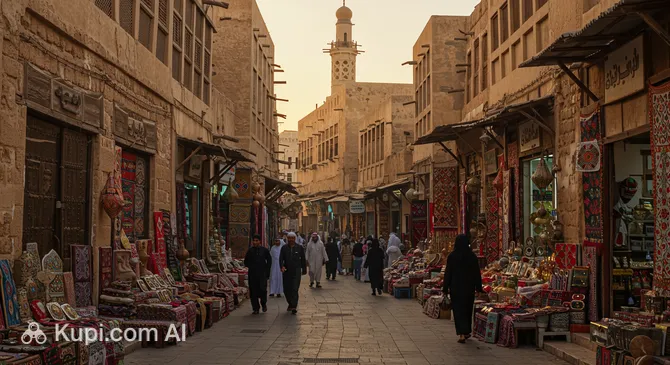
To immerse yourself in the atmosphere of a traditional Arabian market, head to Souk Al-Mubarakiya. It is one of Kuwait's oldest souks, where you can find everything from spices, dates, and Arabian sweets to carpets, perfumes, and souvenirs. A stroll through its narrow alleyways allows you to experience the authentic charm of the region and find unique treasures. The souk also features traditional cafes and restaurants serving local halal cuisine, and the nearby Al-Bahar Mosque provides convenient prayer facilities.

Souk Al-Mubarakiya. Source: Kupi.com Binoculars

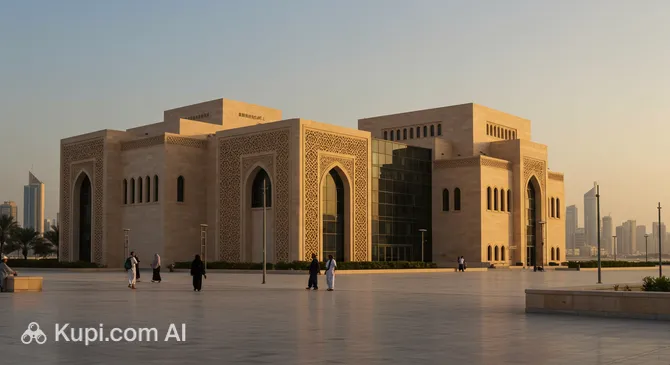
Connoisseurs of science and art should visit the Sheikh Abdullah Al Salem Cultural Centre. This vast complex is one of the largest museum projects in the world and comprises several museums: a Natural History Museum, a Science Museum, an Arabic Islamic Science Museum, and a Space Museum. Interactive displays and modern technology make a visit to the centre an engaging experience for all ages. Visitors are required to wear appropriate and modest attire, and prayer facilities are likely available on site.

Sheikh Abdullah Al Salem Cultural Centre. Source: Kupi.com Binoculars

Best Time to Visit

The best time to visit Kuwait is from late October to April. During this period, the weather is at its most pleasant, ideal for strolling around the city, visiting attractions, and relaxing on the coast of the Persian Gulf. Daytime temperatures are comfortable, typically ranging from +18-25°C, which makes outdoor activities enjoyable. This period is considered the high season, so hotel prices can be higher, and popular places may be more crowded. One of the highlights of this time is the 'Hala February' festival, which runs throughout February and coincides with Kuwait's National and Liberation Days. The festival adds a special flavour to any trip, with concerts, cultural events, and major shopping promotions.

The low season in Kuwait falls during the summer months, from May to September. This is when the country experiences extreme heat, with daytime temperatures often exceeding +45°C and sometimes reaching over 50°C. This heat is accompanied by high humidity, especially in coastal areas. Although you can find better deals on accommodation and encounter fewer tourists, the intense heat makes most outdoor activities nearly impossible. Life largely moves indoors to air-conditioned spaces such as shopping centres, museums, and restaurants. If you plan to travel in the summer, be prepared for very high temperatures and plan your day accordingly, prioritising the early morning and evening hours for any outdoor excursions.

Traditions

The culture of Kuwait is deeply rooted in Islamic traditions and Arab hospitality. Greetings play an important role; a traditional handshake with the right hand is the norm when greeting men. When interacting with women, it is best to wait for them to initiate a handshake. Eye contact is important, but prolonged staring can be considered impolite, especially when interacting with the opposite gender. Hospitality is a cornerstone of Kuwaiti culture. Being invited to a Kuwaiti home is a great honour, and it is customary to bring a small gift for the hosts, such as sweets or dates. Regarding clothing, a modest style is recommended, particularly for women. When visiting mosques and religious sites, women are required to cover their hair and wear clothing that conceals their arms and legs. Men should also avoid shorts and sleeveless tops in such places. Conservative attire is also preferred in public places like shopping centres and markets.

Dining etiquette in Kuwait also has its own customs. Food should be taken and passed with the right hand, as the left hand is traditionally reserved for personal hygiene. If you are eating in the traditional manner, sitting on the floor around a shared dish, be mindful not to step on the dining mat or over the food. The main holidays include Eid al-Fitr, which marks the end of the holy month of Ramadan, and Eid al-Adha, the festival of sacrifice. During these holidays, Kuwaitis gather with their families, prepare festive meals, and exchange gifts. To show respect for local customs, avoid public displays of affection, loud conversations, and photographing people without their permission, especially women. It is also important to remember that the consumption of alcohol in public places is strictly forbidden.

Entertainment

Kuwait offers its guests a variety of opportunities for leisure and entertainment, combining modern facilities with a rich cultural heritage. Those who enjoy active pursuits can indulge in water sports on the coast of the Arabian Gulf, such as diving or boating, as well as relax on the well-kept beaches. For those interested in culture, the capital Kuwait City and other cities in the country open their doors to numerous museums, art galleries, and historical sites. For example, you can explore science and art at the Sheikh Abdullah Al Salem Cultural Centre, or immerse yourself in the atmosphere of the past at traditional markets.

Shopping in Kuwait is a real pleasure, offering both ultra-modern shopping centres with global brands and colourful traditional souks. At markets like the famous Souk Al-Mubarakiya, you can find traditional goods, Arabian perfumes, spices, and unique souvenirs. Evening life in the country is usually spent in the cosy atmosphere of numerous restaurants and cafés, as well as during strolls along beautiful promenades and modern urban spaces. For a family holiday, well-maintained parks such as Al Shaheed Park, and various entertainment centres offering activities for children and adults, are perfectly suitable.

Currency rates

Planning a trip? That's wonderful! To avoid any financial surprises during your travels, it's important to remember that currency exchange rates are constantly changing. Therefore, we strongly advise monitoring the latest rates, both before you fly and throughout your trip. You can use the data provided below to help you do this — we monitor currency rates 24/7 and aim to provide the most up-to-date information available.

KWD currency exchange rate as of 02.01.2026

12.00 AED
~ 1 KWD
1246.16 AMD
~ 1 KWD
4.89 AUD
~ 1 KWD
5.55 AZN
~ 1 KWD
9.60 BYN
~ 1 KWD
4.48 CAD
~ 1 KWD
2.78 EUR
~ 1 KWD
2.42 GBP
~ 1 KWD
1068.84 HUF
~ 1 KWD
293.97 INR
~ 1 KWD
285.64 KGS
~ 1 KWD
4717.86 KRW
~ 1 KWD
1657.49 KZT
~ 1 KWD
11.73 PLN
~ 1 KWD
257.63 RUB
~ 1 KWD
12.25 SAR
~ 1 KWD
4.20 SGD
~ 1 KWD
140.28 TRY
~ 1 KWD
138.16 UAH
~ 1 KWD
3.27 USD
~ 1 KWD
39242.84 UZS
~ 1 KWD

Reached the end of the page?

That means the route is fully explored