Support

Syrian Arab Rep.

Cities in the country

About the Country

Syria, a country in the Middle East, entices travellers with its ancient history and rich cultural heritage. Located on the eastern coast of the Mediterranean Sea, it has been a crossroads of civilisations for millennia, leaving an indelible mark on its land. While the country is taking steps towards recovery and rebuilding, with some airlines resuming flights, prospective travellers should be aware that the situation remains complex. It is strongly advised to check the latest government travel advisories before planning any visit. Here, every stone breathes history, and the hospitality of the local people creates a special, warm atmosphere, inviting you to explore its many treasures.

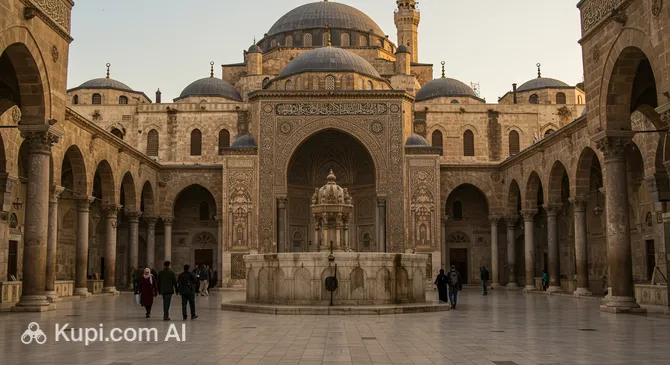
The heart of the country is its capital, Damascus, one of the oldest continuously inhabited cities in the world. Its narrow streets, ancient mosques, and bustling markets, such as the famous Al-Hamidiyah Souq, immerse you in the atmosphere of an oriental fairytale. No less significant is the city of Aleppo, known for its magnificent citadel. Syria is a true treasure trove for history enthusiasts, where one can see traces of the Roman and Byzantine Empires, and the great Islamic caliphates.
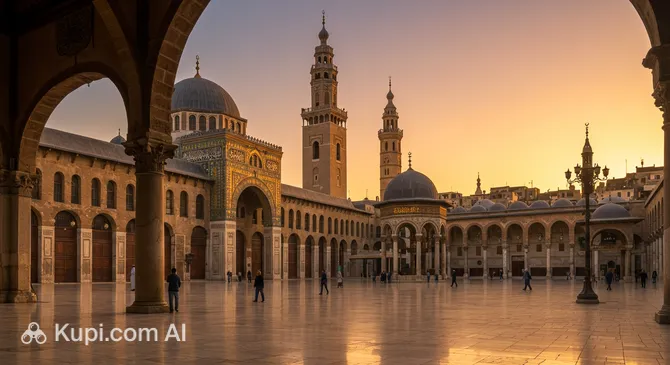
Damascus. Source: Kupi.com Binoculars

Beyond its historical riches, Syria also offers diverse natural landscapes, from fertile valleys to picturesque desert scenery. The country's climate is predominantly Mediterranean on the coast and continental in the inland areas, with hot, dry summers and mild, sometimes cool, winters. A journey through Syria is a unique opportunity to connect with the origins of world civilisation, enjoy its authentic culture, and feel the unique spirit of an ancient land full of mysteries and discoveries.
Currency

The national currency of Syria is the Syrian Pound (international code SYP). Banknotes of various denominations are typically adorned with images of the country's important historical monuments, cultural symbols, and portraits of significant figures. Coins are also in circulation, but most transactions are carried out using banknotes.

For a trip to Syria, it is essential to carry a sufficient amount of cash. US dollars and euros are the most easily exchanged currencies, though it is advisable to check if UAE Dirhams are accepted at official exchange points upon arrival. Due to ongoing international sanctions, the use of credit and debit cards is practically impossible throughout the country, making cash the only reliable method for payments. Currency exchange should be conducted exclusively at official bank branches or licensed exchange offices, which can be found in major cities, including the capital, Damascus. It is strongly advised not to use street money changers, as this carries a high risk of receiving counterfeit notes or being subjected to highly unfavourable black market rates.

Visa Requirements

For travel to Syria, visa requirements vary for citizens and residents of the UAE. Emirati citizens can enter the Syrian Arab Republic without needing to obtain a visa from the embassy beforehand. However, for other UAE residents, a visa is generally required and must be arranged in advance through the Syrian Embassy in Abu Dhabi or the consulate.

To apply for a visa, your passport must be valid for at least six months. The application process typically involves submitting two completed application forms along with two passport-sized photographs. It is highly recommended to check the most current information with the Syrian Embassy before planning your trip, as visa rules and required documents can change. This will help you avoid any unexpected issues and ensure you have all the necessary paperwork for entry.

We'll tell you if you need a visa

Specify where you are going, or
Your citizenship
Destination

Time Zones

When planning a trip to Syria, you will not need to worry about changing time zones within the country. A single, uniform time is observed across the whole of Syria. The country is in the UTC+3 time zone, which is also known as Arabia Standard Time (AST). This means the time is the same whether you are in Damascus or any other region.

For travellers from the UAE, please note that the time in Syria is one hour behind Gulf Standard Time (GST). Syria abolished seasonal daylight saving time changes in 2022, so the time remains consistent year-round. This uniformity makes it much simpler to plan your travel and activities around the country, as you will not need to adjust your watch when travelling from one city to another.

How to Get There

When planning a trip to Syria, it is worth considering the several options available for getting to the country. For international travellers, air travel is the most common method. Following years of suspension, some direct flights from the UAE to Syria have resumed. Airlines such as flydubai, Emirates, and Air Arabia have announced the recommencement of services from Dubai and Sharjah. The country's main air hub has traditionally been Damascus International Airport, which has historically handled flights from countries across the Middle East and provided connections to other parts of the world. However, international flight options can be subject to frequent changes. It is highly recommended to check the latest schedules and flight availability directly with the airlines or specialised travel agents, as well as consulting the latest official travel advisories before booking.

In addition to air travel, Syria shares land borders with neighbouring countries. While it is theoretically possible to cross the border by car or bus, the conditions and accessibility of these routes require thorough checks of the latest information from the relevant authorities before travelling. Sea transport for passengers to Syria is less developed and is not a primary means of arrival for most tourists. Regardless of your chosen method of travel, it is advisable to book your tickets well in advance, especially if your trip coincides with peak travel periods.

For your reference, here is a summary of the main airports:

Airport Name City Passenger Traffic
Damascus International AirportDamascusLarge
Qamishli AirportQamishliMedium

Syria is a country with a profoundly rich history, where many cities preserve the traces of ancient civilisations and offer unique experiences. Travellers are drawn to both major historical centres and places with a special atmosphere, where one can immerse themselves in the study of ancient monuments and discover a distinctive culture.

Damascus. Source: Kupi.com Binoculars

The capital of Syria, Damascus, is famed for its centuries-old history, impressive ancient mosques, and colourful, vibrant souqs, offering a deep immersion into Middle Eastern culture. No less significant is Aleppo, known for its majestic citadel and ancient caravanserais, which served as a centre of trade for centuries. These cities provide a unique opportunity to connect with the region's rich cultural heritage.

For connoisseurs of antiquity, a visit to the legendary city of Palmyra is an essential part of any itinerary. Its ruins rise majestically in the midst of the desert, recalling the former might of this ancient city. Meanwhile, the coastal city of Latakia offers an insight into life on the Mediterranean coast and its historical monuments. Each of these corners of Syria possesses its own unique charm and is ready to share its stories with inquisitive travellers.

Top Attractions

Syria is a country with a rich history, where every stone breathes antiquity. Majestic citadels, bustling souqs, and unique architectural monuments that have survived through the centuries await travellers. Discovering Syria's attractions is an immersion into the world of ancient civilisations and amazing discoveries.

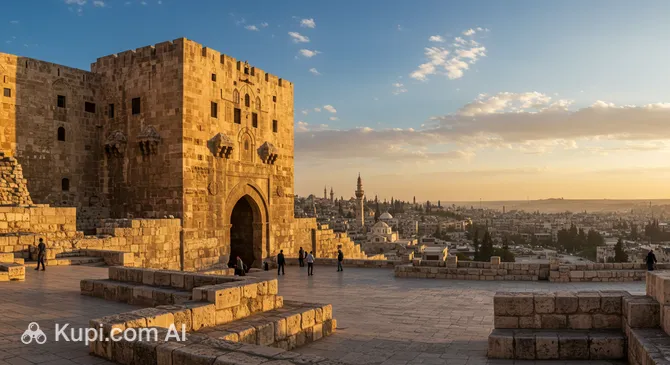
One of the most impressive attractions is the Citadel of Aleppo. This monumental fortress, towering over the old city, is one of the oldest and largest castles in the world. Its history spans millennia, and a walk along its walls and halls allows you to touch the past.

Aleppo Citadel. Source: Kupi.com Binoculars

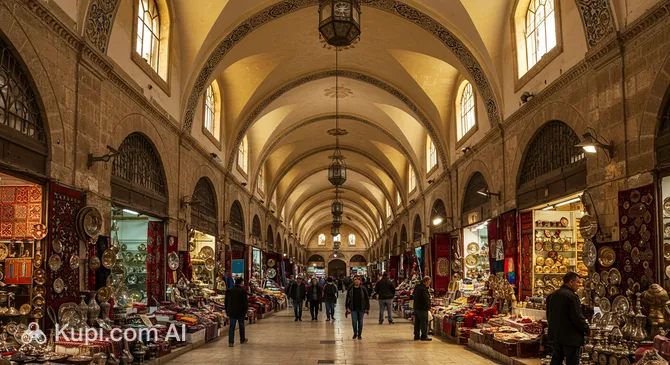
In the heart of Damascus lies the famous Souq Al-Hamidiyya. This covered market is a true labyrinth of narrow streets where you can find everything from aromatic spices and traditional sweets to exquisite fabrics and handicrafts. The atmosphere here is steeped in the spirit of the East and centuries of trade.

Al-Hamidiyah Souq. Source: Kupi.com Binoculars

No less interesting is the Hama Citadel, located in the city of Hama. This ancient citadel stands on a hill and offers visitors not only an introduction to its history but also breathtaking views of the surrounding area and the famous water wheels of Hama – the norias.

Hama Citadel. Source: Kupi.com Binoculars

Another gem of Aleppo is the Great Mosque of Aleppo, also known as the Umayyad Mosque. It is one of the oldest and most important religious buildings in the city, famous for its magnificent minaret and rich history that reflects the changing of eras and cultures. As this is a place of worship, visitors are advised to dress modestly, ensuring shoulders and knees are covered. Women may also be asked to cover their hair.

Great Mosque of Aleppo. Source: Kupi.com Binoculars

Best Time to Visit

When planning a trip to Syria, it is important to consider the country's climate. The most comfortable times to visit are during the spring (March-May) and autumn (September-November) months. During these periods, the weather is usually mild and pleasant with moderate temperatures, which is ideal for exploring ancient landmarks and walking through cities like Damascus or Aleppo. In the spring, nature comes to life, and you can witness the flowers in bloom, adding a special charm to your journey.

The summer months, especially from June to August, are characterised by intense heat in most regions of Syria, particularly inland, with temperatures reaching very high levels. This can make daytime excursions less comfortable. Winter (December-February) brings cooler weather, and in some mountainous areas and in the north of the country, there may be rain and even snow. Coastal regions, such as the areas around Latakia and Tartus, have a milder Mediterranean climate with wet winters and dry, hot summers. The shoulder seasons may have fewer tourists, but the weather can be less predictable.

Although major festivals and events may not be as regular as they once were, the spring period often delights with the blossoming of wildflowers, especially in the countryside. Given the variety of climate zones in Syria – from the Mediterranean coast to the desert interior – it is recommended to check the weather forecast for the specific regions you plan to visit before your trip to ensure your journey is as comfortable as possible.

Traditions

Syrian culture is rich with centuries-old traditions, and learning about them will help you to better understand the country and its people. Greetings typically involve a handshake, especially between men. When greeting a woman, it is best to wait for her to extend her hand first. Eye contact during a conversation is valued and seen as a sign of sincerity. Hospitality holds a special place in Syrian society. If you are invited to someone's home, it is a sign of great respect. It is customary to bring a small gift for the hosts, such as sweets or pastries. Refusing a host’s offer of refreshments is considered impolite, so you should try to have at least a small amount.

Adhering to certain dress codes is also important. In public places, particularly outside of major tourist areas, it is advisable to wear modest clothing that covers the shoulders and knees. When visiting mosques, women are required to cover their hair with a headscarf, and all visitors should wear conservative attire. At the dining table, especially when dishes are served on a communal platter, it is customary to eat with your right hand. It is considered rude to point at someone or something with your index finger; it is better to use an open palm. You should also try to avoid sitting with the soles of your feet pointing towards anyone, as this can be seen as an insult.

Among the most significant holidays in Syria are the Islamic celebrations of Eid al-Fitr, which marks the end of the month of Ramadan, and Eid al-Adha, the Festival of Sacrifice. During these times, families gather, visit one another, and exchange gifts. In general, Syrians are very open and friendly. Showing a genuine interest in their culture, respecting their traditions, and learning a few phrases in Arabic will undoubtedly help you to build warm relationships and make your journey unforgettable.

Entertainment

Syria, a country with a rich history and culture, offers travellers unique opportunities to immerse themselves in the atmosphere of ancient civilisations and discover distinctive traditions. The main focus of entertainment here is on educational and cultural recreation. Visitors can explore impressive archaeological sites, ancient cities, and citadels that narrate the region's millennia-old history. Museums house priceless artefacts, while strolls through ancient streets allow you to feel the spirit of the times.

Traditional markets, or souqs, hold a special place in Syrian culture, such as the famous Al-Hamidiyah Souq in Damascus. Here, you can not only purchase authentic souvenirs – such as handmade crafts, carpets, spices, oriental sweets, and aromatic oils – but also observe the daily life of local residents and experience the vibrant atmosphere of the East. The evenings are pleasant for spending time in one of the many cafes or restaurants, enjoying traditional Syrian hospitality and cuisine, which is predominantly halal. Many establishments offer not only delicious food but also a cosy atmosphere, sometimes with live national music.

For those interested in the arts, Syria offers an introduction to traditional crafts, calligraphy, and music. Although the modern entertainment industry in the Western sense, such as large theme parks or a vibrant nightclub scene, is less pronounced here, the unique experience for travellers comes from this deep immersion in historical heritage and local culture. When visiting, it is advisable to dress modestly, especially at religious sites. Family walks through historical places or bustling markets can also be a fascinating adventure for all ages.

Currency rates

Planning a trip? Excellent! To ensure the financial side of your travels doesn't come as a surprise, it is important to remember that currency exchange rates are constantly changing. Therefore, we strongly advise you to monitor the latest rates both before your departure and throughout your trip. You can use the data provided below for this purpose — we monitor currency exchange rates 24/7 and strive to provide the most current information.

Reached the end of the page?

That means the route is fully explored