Support

Oman Sultanate Of

About the Country

Oman is a remarkable country on the south-eastern Arabian Peninsula, offering tourists a unique blend of ancient culture, breathtaking landscapes, and modern comfort. It is a place where age-old traditions harmoniously intertwine with the present, creating an unparalleled atmosphere of hospitality and mystique. The nation's capital, Muscat, captivates with its picturesque corniche, historic forts, and white buildings that reflect the region's rich history.

Oman's natural landscape is strikingly diverse: from the vast sands of the Rub' al Khali desert to the majestic Hajar Mountains and the emerald waters of the Gulf of Oman. Here, you can explore deep freshwater canyons, known as wadis, relax on secluded beaches, or watch dolphins and turtles. The country's climate is predominantly hot and sunny, making it an attractive year-round destination, although the southern region of Dhofar, home to the city of Salalah, transforms into a verdant oasis during the summer Khareef monsoon.
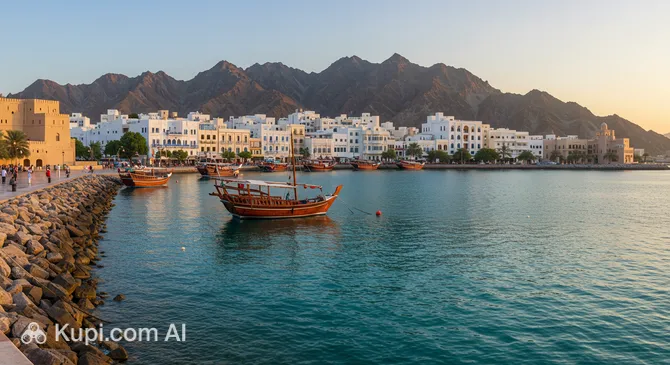
Muscat. Source: Kupi.com Binoculars

Oman prides itself on its rich cultural heritage. Travellers can discover numerous ancient forts, such as the impressive Nizwa Fort in the former capital, Nizwa, and vibrant souqs where one can purchase traditional handicrafts, spices, and incense. Omanis are renowned for their warmth and hospitality, which makes a stay in the country particularly pleasant and memorable. This destination is ideal for those seeking authentic experiences, a deeper connection with Arabian culture, and the beauty of pristine nature.
Currency

The national currency of Oman is the Omani Rial (international code – OMR). An interesting feature is that one rial is divided into 1,000 baisa, not 100 as is common in many other countries. Omani Rial banknotes often feature portraits of the Sultan of Oman, as well as significant architectural structures, national ornaments, and symbols that reflect the country's rich culture and history.

You can exchange foreign currency for Omani Rials at banks and licensed exchange offices, which are available at airports, shopping centres, and major cities such as Muscat. As a rule, the exchange rate at banks and official exchange offices is more favourable than at hotels. It is advisable to avoid exchanging money with street money changers. Credit cards (Visa, Mastercard, American Express) are widely accepted in hotels, restaurants, and large shops, especially in tourist areas. Nevertheless, it is always useful to have some cash on hand for small purchases at souqs or in smaller establishments.

Visa Requirements

When planning your trip to Oman, it's essential to familiarise yourself with the visa requirements, which vary based on your nationality. For citizens of the United Arab Emirates, travel to Oman is visa-free. UAE residents holding other nationalities may also be eligible for simplified entry, such as an e-visa or a visa on arrival, though this often depends on their specific profession. For some, however, applying for a tourist visa in advance through an Omani embassy or consulate may be necessary.

Regardless of your visa status, all travellers must possess a passport valid for at least six months from the intended date of entry into Oman. It is also recommended that UAE residents carry their Emirates ID. You may also be asked to present a return ticket, proof of a hotel reservation, and valid medical insurance. As visa regulations are subject to change, it is highly recommended to check the most current information on the official Royal Oman Police e-visa website or with the nearest embassy or consulate of Oman before your journey.

We'll tell you if you need a visa

Specify where you are going, or
Your citizenship
Destination

Time Zones

When planning a trip to Oman, you'll find that it shares the same time zone as the UAE. The whole of Oman operates on a single time zone, GST (Gulf Standard Time), which is UTC+4 (Coordinated Universal Time plus 4 hours). This means there is no time difference between the UAE and Oman, making travel between the two countries seamless. The time in the capital, Muscat, is identical to the time in any other part of the country.

The absence of internal time differences makes travelling around Oman incredibly convenient, as you won't need to adjust your watch when moving between regions. For those coming from the UAE, you won't have to change your time at all. Simply arrive and enjoy exploring this amazing country without any hassle.

How to Get There

There are several ways to get to Oman, with the best choice depending on your starting point and travel preferences. For residents of the UAE, Oman is a very accessible neighbour, making short trips and extended holidays equally convenient.

The most popular option is by air. Numerous airlines, including Emirates, Etihad Airways, flydubai, and Air Arabia, offer multiple daily direct flights from the UAE to Oman, with a flight time of just over an hour. The country has several international airports, with the main gateway being in the capital, Muscat. Regular flights connect Oman with many countries across Europe, Asia, Africa, and the Middle East, offering both non-stop services and convenient connections through major international hubs.

For those who prefer overland travel, Oman is easily accessible by road from the United Arab Emirates, a popular option for weekend trips. You can take a bus or drive a private or rented car across the border. The drive from Dubai to Muscat is approximately 450 kilometres and typically takes around 4 to 5 hours, depending on traffic and border crossing times. Thanks to its long coastline, Oman is also an attractive destination for sea cruises. Cruise liners frequently call at the ports of Muscat and Salalah, giving tourists a chance to experience the country from the sea.

When planning your trip to Oman, it is advisable to book tickets in advance, especially if you are travelling during the peak tourist season (generally from October to April). This will not only help you save money but also guarantee availability on your chosen flights or cruises. It is also important to check the visa requirements for your nationality beforehand. While GCC citizens do not require a visa, many UAE residents can easily obtain an e-visa online or a visa on arrival.

For your reference, here is a summary of the main airports:

Airport Name City Passenger Traffic
Muscat International AirportMuscatMajor
Salalah International AirportSalalahMedium
Sohar AirportSoharMinor
Duqm International AirportDuqmMinor
Khasab AirportKhasabMinor

Oman offers travellers an amazing variety of destinations: from bustling urban centres that hold centuries of history to modern resorts with magnificent beaches and unique nature reserves. Every place in this country has its own unique character and promises to provide unforgettable experiences.

Muscat. Source: Kupi.com Binoculars

The heart of the country is undoubtedly its capital, Muscat. This city masterfully blends ancient Eastern traditions with ultra-modern architecture. Visitors will find majestic mosques, where a modest dress code should be observed, and bustling souqs where you can immerse yourself in the local culture. The city also offers modern museums and comfortable hotels. Another popular city is Salalah, located in the south of the country. It is famous for its unique monsoon season (Khareef), which transforms the surroundings into a green oasis, and its beautiful Indian Ocean beaches.

For enthusiasts of history and authentic culture, a visit to Nizwa, the ancient capital of Oman, is a must. Here you can see an impressive 17th-century fort, stroll through the traditional souq and discover local handicrafts. If you dream of extraordinary landscapes, head to Khasab, known as the 'Norway of Arabia' for its picturesque fjords and the opportunity to go dolphin watching. Don't miss the coastal city of Sur, famous for its historic shipyards where traditional dhow boats are still built, and for its beaches where sea turtles come to lay their eggs.

Top Attractions

Oman is a country with a rich history and culture, offering travellers unique attractions. From majestic mosques and ancient forts to vibrant souqs, there is something for everyone to create an unforgettable itinerary in this amazing land.

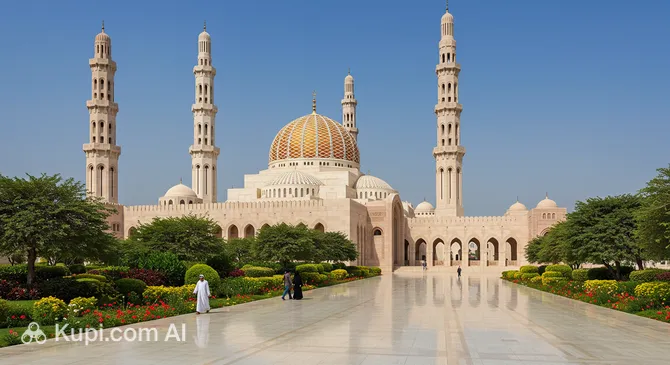
One of the most impressive religious buildings is the Sultan Qaboos Mosque in Salalah. This magnificent structure is striking for its exquisite architecture, rich interior design, and serene atmosphere. It serves not only as an important spiritual centre but also as a true work of art. When visiting, it is important to observe the dress code: men and women should wear long-sleeved shirts and long trousers, and women are also required to cover their hair.

Sultan Qaboos Mosque Salalah. Source: Kupi.com Binoculars

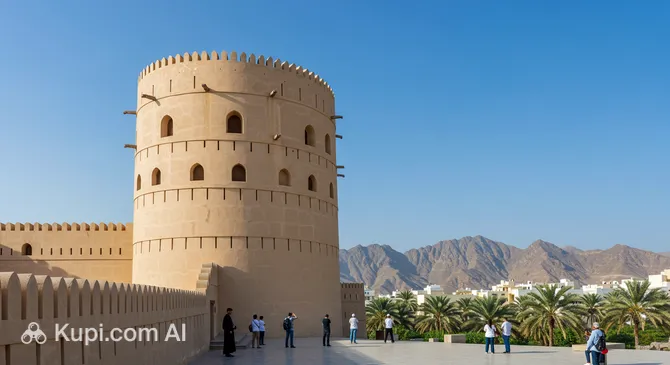
For those interested in history and fortifications, a visit to Nizwa Fort is a must. This powerful 17th-century fort, one of the oldest and largest in Oman, towers over the city of the same name. It offers visitors not only a journey into the past but also breathtaking panoramic views of the surrounding oasis and mountains.

Nizwa Fort. Source: Kupi.com Binoculars

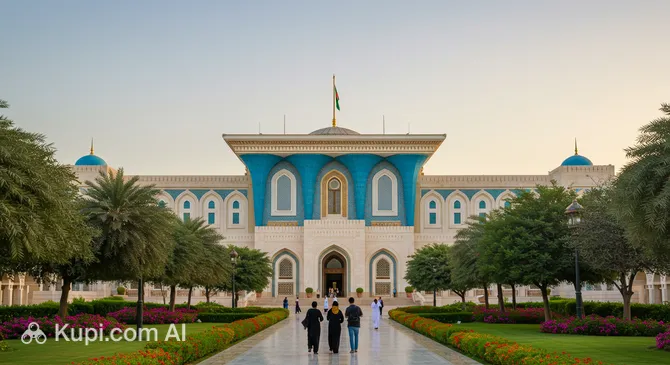
In the country's capital, Muscat, one of the main landmarks is the Al Alam Palace. It is one of the six ceremonial palaces of the ruling Sultan, distinguished by its vibrant and contemporary Islamic architecture. Although entry is closed to tourists, its unusual façade, framed by mushroom-shaped pillars, attracts many visitors for memorable photographs.

Al Alam Palace. Source: Kupi.com Binoculars

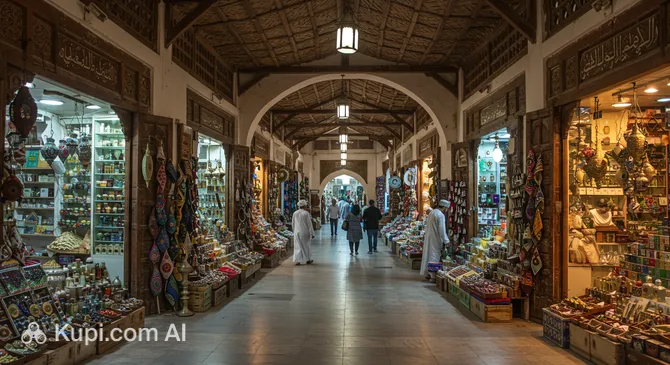
To experience the authentic Middle Eastern atmosphere and purchase unique souvenirs, be sure to visit Muttrah Souq in Muscat. This traditional Arab market, one of the oldest in the country, will envelop you in the aromas of frankincense and spices, the sparkle of silver jewellery, and the vibrant colours of textiles, offering a true immersion into the local culture.

Mutrah Souq. Source: Kupi.com Binoculars

Best Time to Visit

The best time to visit most of Oman is from October to April. During this period, the weather is comfortably sunny, with average temperatures ranging from 20-30°C, making it ideal for exploring the country, whether you're sightseeing in Muscat, taking trips into the desert, or relaxing on the coast. The evenings bring a pleasant coolness. This is considered the high season, so you can expect a greater number of tourists and consequently higher prices for accommodation and services. It is also during this time, typically in January and February, that the vibrant Muscat Festival takes place, attracting many visitors with its cultural programme.

The summer months, from May to September, in most regions of Oman, including the capital and northern areas, are characterised by extreme heat. Temperatures often exceed 40°C, coupled with high humidity along the coast. This is the low season for these areas, which means fewer tourists and potentially lower prices; however, the intense heat can make daytime excursions challenging. The exception is the southern region of Dhofar and its main city, Salalah, which experiences the unique monsoon season, known as Khareef, from June to September. During this time, the weather is cooler, the landscape transforms with lush greenery, and the Salalah Khareef Festival is held. This makes the region a popular summer destination, especially for residents from the UAE and neighbouring GCC countries looking to escape the heat.

Ultimately, the best time for your trip to Oman depends on your plans and preferences. If you wish to explore historic cities like Nizwa or Bahla and enjoy pleasant weather across the country, the winter months are your best choice. However, if you are drawn to the unique phenomenon of the Khareef season and its lush landscapes, then a summer trip to Salalah is ideal. Given the diverse climate zones—from the northern coast and desert interiors to the southern Dhofar region—it is always advisable to check the specific weather conditions for your planned destinations before you travel.

Traditions

Oman is a country of rich traditions, where respect and hospitality play a pivotal role. Many customs will feel familiar to those in the UAE, rooted in a shared heritage. The traditional greeting "As-salamu alaykum" is customary, with the response "Wa-alaykum as-salam." Handshakes are standard between people of the same gender. Omanis are very hospitable, and an invitation to a local's home is a sign of special honour. If you are invited, bringing a small souvenir from your country or a box of sweets is a thoughtful gesture, though not required. It is important to remember that the left hand is considered unclean, so always use your right hand when passing items, accepting food, or shaking hands. It is considered impolite to photograph people, particularly women, without their permission. Public displays of affection and loud conversations in public spaces should also be avoided.

Observing a modest dress code is another way to show respect for the local culture. In public places, modest clothing that covers the shoulders and knees is recommended for both men and women. When visiting mosques, women are required to cover their hair and wear long, loose-fitting attire, while men should wear long trousers and a shirt. At the dining table, especially if a meal is served on the floor, avoid pointing your feet towards the food or other guests. Omanis often eat with their right hand from a shared dish. You will almost certainly be offered "kahwa"—Arabic coffee served with dates—which is a cherished symbol of hospitality. It is polite to accept at least one cup. Key celebrations include Oman's National Day (celebrated on 18th November), which is observed with great pageantry, alongside the religious festivals of Eid al-Fitr and Eid al-Adha, whose dates are set by the lunar calendar. Showing sincere respect for local customs, religion, and elders will make your journey to Muscat and other parts of Oman a truly comfortable and memorable experience.

Entertainment

Oman is a country where everyone can find entertainment to their liking, whether it's immersing themselves in ancient culture or enjoying active recreation amidst stunning natural surroundings. Adventure seekers can embark on thrilling jeep safaris across the vast desert sands, go hiking in the majestic Hajar Mountains, explore hidden wadis with emerald waters, or enjoy diving and snorkelling in the rich underwater worlds of the Gulf of Oman and the Arabian Sea. The country's cultural life is centred around numerous historic forts, palaces, and museums where you can discover Oman's rich heritage. In the capital, Muscat, and other major cities, you can visit theatres, art galleries, and various cultural events and festivals that reflect local traditions.

For those who prefer more relaxed leisure and shopping, Oman offers colourful traditional souqs, which are particularly famous in Muscat and Nizwa. Here, you can purchase traditional souvenirs: the famous Omani khanjar daggers, handmade silver crafts, aromatic incense (including frankincense), exotic spices, and colourful textiles. Nightlife in Oman is quite understated and respectable, mainly centred in hotel restaurants and lounge bars, where you can enjoy dinner with local and international cuisine, often accompanied by live music. Most restaurants offer a wide array of halal food options. For family recreation, the well-maintained public beaches and parks are perfect, as are boat trips with the chance to see dolphins. Although the country does not have large theme parks, its natural beauty, the hospitality of the local people, and the tranquil atmosphere will make a holiday with children pleasant and memorable.

Currency rates

Planning a trip? Excellent! To ensure the financial aspects of your journey do not come as a surprise, it is important to understand the currency situation. The Omani Rial (OMR) is pegged to the US dollar, as is the UAE Dirham (AED), which means they have a very stable exchange rate against each other. The Omani Rial has been pegged to the US dollar at a rate of 1 OMR = US$2.6008 since 1986. The UAE Dirham has been pegged to the US dollar at a rate of US$1 = 3.6725 AED since 1997.

While the official rate is fixed, the exchange rates you are offered by money exchange offices or banks can vary slightly due to service fees. Therefore, we strongly advise you to check the latest rates offered just before you depart and during your trip. For your convenience, the data provided below is monitored 24/7 to bring you the most up-to-date information available.

OMR currency exchange rate as of 02.01.2026

9.60 AED
~ 1 OMR
996.89 AMD
~ 1 OMR
3.92 AUD
~ 1 OMR
4.44 AZN
~ 1 OMR
7.68 BYN
~ 1 OMR
3.59 CAD
~ 1 OMR
2.22 EUR
~ 1 OMR
1.94 GBP
~ 1 OMR
855.01 HUF
~ 1 OMR
235.16 INR
~ 1 OMR
228.50 KGS
~ 1 OMR
3774.04 KRW
~ 1 OMR
1325.90 KZT
~ 1 OMR
9.38 PLN
~ 1 OMR
206.09 RUB
~ 1 OMR
9.80 SAR
~ 1 OMR
3.36 SGD
~ 1 OMR
112.22 TRY
~ 1 OMR
110.52 UAH
~ 1 OMR
2.61 USD
~ 1 OMR
31392.18 UZS
~ 1 OMR

Reached the end of the page?

That means the route is fully explored