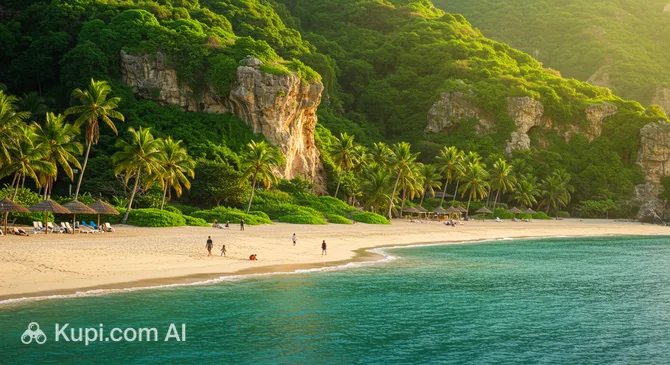
Welcome to Salalah, a city that defies the typical expectations of the Arabian Peninsula. Known for its lush greenery and tropical atmosphere, it serves as the capital of the Dhofar Governorate. This unique destination in the Sultanate of Oman offers a refreshing contrast to the region's desert landscapes, greeting visitors with coconut palms and banana plantations.
Salalah. Illustration.
Source: Kupi.com AI
Geographically, Salalah is situated along the southern coast, boasting a population of approximately 178,000 residents. The city is most famous for the Khareef season, a monsoon phenomenon that transforms the surrounding mountains into emerald green pastures and brings cooling mists during the summer months. This distinct climate makes it a popular retreat when other parts of the region experience extreme heat.
The city is not only a natural wonder but also a place of deep historical significance, particularly known as the ancient capital of the frankincense trade. Exploring the history of Salalah reveals a rich tapestry of maritime heritage and archaeological treasures, including the ruins of Al Baleed, which are part of a UNESCO World Heritage site.
Travelers are drawn to Salalah for its diverse attractions. You can relax on the pristine white sands of Al Mughsail Beach, famous for its dramatic blowholes, or venture into Wadi Darbat to see stunning waterfalls and lakes. Whether you are shopping for high-quality frankincense in the Haffa Souq or enjoying the mist-covered mountains, Salalah promises an unforgettable experience. We invite you to discover this verdant jewel of Arabia.
Weather Overview
Salalah is renowned for having a climate that is remarkably different from the rest of the Arabian Peninsula. The city generally enjoys warm and pleasant weather, avoiding the extreme heat often found in the region. For a more comprehensive look at the seasonal changes, you can view the detailed report on the weather in Salalah.
Data indicates that temperatures are quite stable and comfortable. January is typically the coolest month, with an average temperature of 19.8°C and lows dipping to around 14.9°C. In contrast, the period from May to June sees the warmest weather, with averages reaching up to 28.0°C and highs climbing to 32.4°C. Despite the warmth, the climate remains relatively mild compared to the interior desert areas.
Rainfall is minimal throughout the year, with most months recording 0mm of precipitation. However, July marks a shift with about 5 wet days, reflecting the arrival of the monsoon mists known locally as the Khareef. Expect warm, humid summers with light moisture and mild, dry winters perfect for exploration.
Average monthly temperature
Average monthly precipitation
Interesting Facts
Beyond the main attractions and the famous monsoon season, Salalah holds many fascinating secrets and unique phenomena. Here are some intriguing details that make this coastal city truly distinctive:
One of the most baffling local curiosities is the "Anti-Gravity Point" located on the road between Salalah and Mirbat. At this specific spot, an optical illusion creates the sensation that cars left in neutral are defying gravity and rolling uphill, a phenomenon that continues to puzzle and amuse visitors.
The city is home to what is widely considered one of the longest graves in the world. The Tomb of Nabi Imran stretches an impressive 30 meters (98 feet) in length, leading to various local legends about the stature and significance of the prophet buried within.
Salalah possesses a surprising botanical connection to the African continent. In the Wadi Hanna area, you can find a rare grove of Baobab trees, a species iconic to the African savannah but extremely uncommon in the Arabian Peninsula, creating a unique ecological mystery in the region.
The ruins at the Al Baleed Archaeological Park were once the bustling medieval port of Zafar. Historical records indicate that legendary explorers, including Marco Polo and Ibn Battuta, visited this thriving hub, which served as the global center for the frankincense trade.
Al Baleed Archaeological Park. Illustration.
Source: Kupi.com AI
Traveler photos:
How to Get There
Planning a trip to the Dhofar region is the first step toward an unforgettable adventure. For a detailed guide on all transport options, including road travel and bus services, you can read more about how to get to Salalah. Most visitors choose to arrive by air to save time and enjoy the spectacular aerial views of the coastline.
The city is conveniently served by Salalah International Airport (IATA: SLL), located just 3 km from the city center. This modern facility connects the region with Muscat and several international destinations, making it a bustling hub, especially during the monsoon season. A taxi ride from the airport to the heart of the city is very quick, typically taking only 5 to 10 minutes. With an annual passenger traffic of around 1.5 million, it operates as a significant medium-sized gateway for tourists.
For clarity, here is a summary of the main airport:
Exploring this tropical city reveals a fascinating blend of culture, history, and natural beauty. While the lush mountains and waterfalls are famous during the monsoon, the city center and coastline offer remarkable sights year-round. Here are some of the top places you should not miss during your visit.
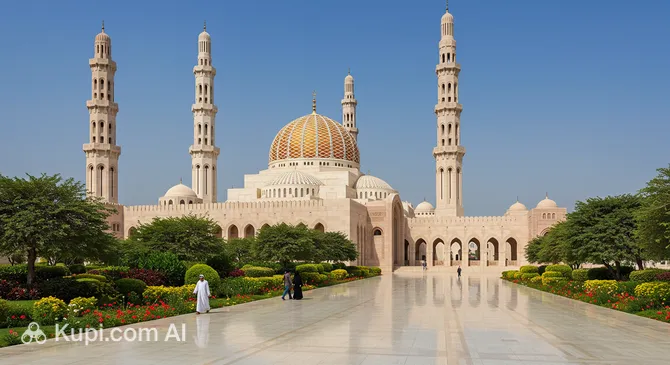
One of the most prominent landmarks in the city is the Sultan Qaboos Mosque Salalah. Situated in the heart of the city, this massive structure is a masterpiece of Islamic architecture, featuring two tall minarets and a grand central dome. Visitors are often captivated by the elegant interior, which is adorned with intricate crystal chandeliers and hand-woven carpets. It serves as a peaceful spiritual center and is open to non-Muslim visitors during specific morning hours, offering a glimpse into the local religious culture.
Sultan Qaboos Mosque Salalah. Illustration.
Source: Kupi.com AI
Traveler photos:
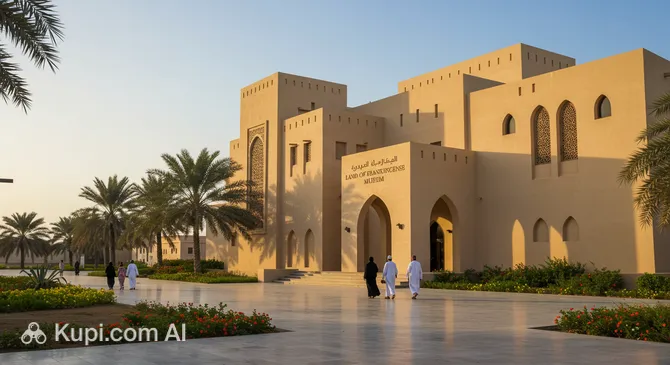
To dive deeper into the region's rich heritage, a visit to the Land of Frankincense Museum is essential. Located near the archaeological site of Al Baleed, this museum provides a comprehensive overview of the Dhofar region's history. The exhibits are divided into two main halls: the History Hall, which details the geography and ancient trade routes, and the Marine Hall, highlighting Oman's impressive maritime traditions and boat-building skills. It is an educational stop that connects the modern city to its ancient roots.
Land of Frankincense Museum. Illustration.
Source: Kupi.com AI
Traveler photos:
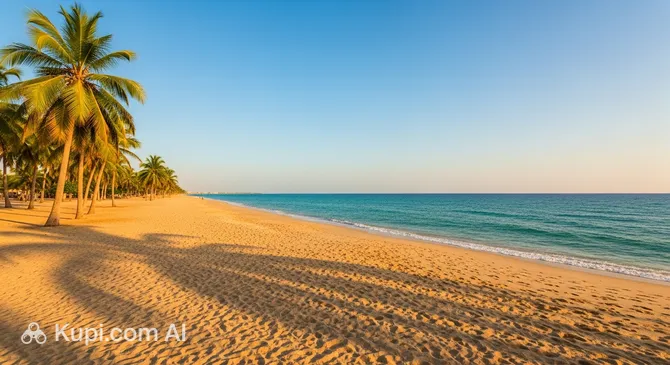
For those seeking relaxation by the sea, Al Haffa Beach offers a quintessential tropical experience. This stretch of white sand is lined with swaying coconut palms, creating a postcard-perfect setting. It is a popular spot for evening walks, where you can watch local fishermen and enjoy the sunset. The beach is also conveniently located near the traditional Al Haffa Souq, allowing you to combine a seaside stroll with some shopping for local perfumes and frankincense.
Al Haffa Beach. Illustration.
Source: Kupi.com AI
Traveler photos:
Another scenic coastal spot is Coconut Beach, which truly lives up to its name. The area is dense with fruit plantations, and you will find numerous stalls selling fresh coconut water and local bananas right off the tree. It is a refreshing place to stop for a drink and admire the lush greenery that makes Salalah so unique compared to the rest of the Arabian Peninsula.
Local Cuisine
The culinary scene in Salalah is a delightful reflection of its unique geography, blending traditional Omani flavors with the tropical abundance of the Dhofar region. Unlike the arid landscapes found elsewhere in the country, Salalah’s fertile soil produces a bounty of fresh produce, making it a paradise for fruit lovers. A common sight along the streets, particularly near the corniche, are the vibrant fruit huts. Here, you can stop for a refreshing drink of fresh coconut water straight from the shell or try the sweet, small local bananas and papayas that are grown in the nearby plantations.
When it comes to savory dishes, the region offers distinct specialties that highlight its Bedouin heritage. The most famous local delicacy is Muthbe, a method of cooking where meat—typically chicken, beef, or camel—is grilled on clean, hot river stones. This technique renders the meat tender and gives it a unique smoky flavor. Another traditional favorite is Ma'jin, which consists of strips of meat that have been salted and sun-dried, often served with rice or bread. Being a coastal city, Salalah also excels in seafood, with fresh kingfish, lobster, and abalone featured prominently on menus during their respective seasons.
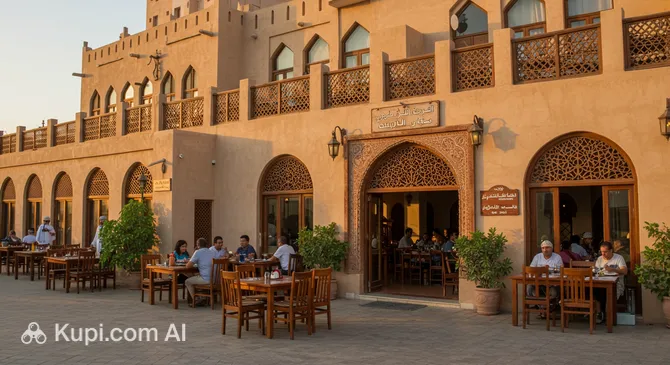
The dining culture ranges from casual street food to elegant sit-down experiences. Locals often enjoy meals in a communal setting, sharing large platters of rice and meat known as Mandi or Kabsa. For a more contemporary dining atmosphere, you can visit places like Tely Restaurant, which offers a mix of international and local flavors in a stylish setting. These modern establishments provide a comfortable space to relax after a day of exploring.
Tely Restaurant. Illustration.
Source: Kupi.com AI
Traveler photos:
Beverages in Salalah are primarily non-alcoholic, reflecting the local culture. Apart from the ubiquitous coconut water, Omani coffee (Kahwa) is a staple of hospitality, usually served with dates to balance the bitterness with sweetness. Karak tea, a strong spiced milk tea, is another popular choice enjoyed at roadside stops. While alcohol is available, it is generally restricted to licensed bars and restaurants within major hotels and resorts, such as the Al Baleed Resort Salalah.
For a casual evening, many visitors head to the lively areas near the markets or beaches to enjoy grilled snacks in the open air. Whether you are sampling street food at a bustling souq or enjoying a fine meal at L'Avenue Park, the food in Salalah offers a warm and flavorful welcome to every traveler.
Travel Tips
To ensure your journey to Salalah is as smooth and enjoyable as the gentle sea breeze, we have compiled a list of essential practicalities. These tips will help you navigate the local customs, climate, and logistics, allowing you to focus entirely on the beauty of the Dhofar region.
Clothing and Gear: Respectful, modest attire is important in Oman; both men and women should cover their shoulders and knees in public places. Light, breathable fabrics like cotton or linen are ideal for the warm weather. However, if you are visiting during the Khareef (monsoon season from June to September), bring a light rain jacket and sturdy, non-slip shoes, as the misty mountains and trails can get slippery and damp.
Transportation: While orange-and-white taxis are available within the city, they do not always use meters, so negotiate the fare before getting in. The best way to explore the surrounding wadis, mountains, and coastal roads is to rent a car. A 4x4 vehicle is highly recommended if you plan to venture off the main highways into the rugged Dhofar mountains.
Finances: The local currency is the Omani Rial (OMR). Credit cards are widely accepted in hotels, large supermarkets, and malls. However, cash is king at traditional markets like Al Haffa Souq and at the roadside fruit stalls. ATMs are plentiful, but it is wise to carry small denominations for tips and minor purchases.
Health and Safety: Salalah is an incredibly safe city for tourists. Pharmacies are easy to find and often have English-speaking staff. A crucial safety tip concerns the ocean: during the monsoon season, the sea currents become extremely strong and dangerous. Swimming is often prohibited on many beaches during this time, so always heed the red warning flags.
Communication: Arabic is the official language, but English is widely spoken, especially in the service industry. It is helpful to learn a few basic greetings like "As-salam alaykum" (Peace be upon you). You can easily purchase a local SIM card (Omantel or Ooredoo) at the airport upon arrival to stay connected, as Wi-Fi is standard in hotels but may be spotty in remote nature areas.
Local Etiquette: Omanis are known for their hospitality and politeness. When greeting locals, a handshake is common among men, but wait for a woman to extend her hand first. Always use your right hand for eating or passing items. If you are invited into a local home, remember to remove your shoes before entering.
What to Avoid: Public displays of affection are culturally inappropriate and should be avoided. Additionally, never take photographs of people, especially local women, without asking for their explicit permission first. It is also important to avoid wearing swimwear anywhere other than the beach or hotel pool.
Siesta Time: Keep in mind that many local shops and smaller businesses close in the afternoon, typically between 1:00 PM and 4:00 PM, and reopen in the evening. Plan your shopping trips or visits to the souq for the morning or late evening to find everything open and bustling.
By keeping these simple guidelines in mind, you will be well-prepared to embrace the unique charm and culture of Salalah. We hope these tips help you create a respectful and hassle-free adventure in this wonderful corner of Oman.
Entertainment & Nightlife
Entertainment and Nightlife:
Nightlife in Salalah offers a distinct change of pace from the high-energy club scenes found in many other international cities. Instead of noisy nightclubs and discos, the evening entertainment here is characterized by a relaxed, culturally rich atmosphere. The city comes alive after sunset, with families and friends gathering to enjoy the cooler temperatures, vibrant markets, and seaside promenades. For visitors, the nightlife experience primarily revolves around fine dining, hotel lounges, and cultural explorations.
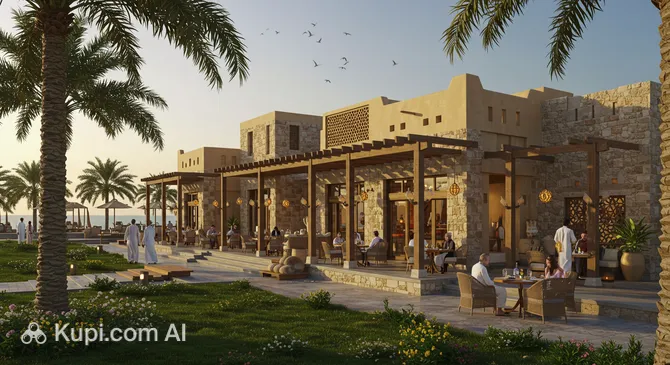
For those seeking a sophisticated evening with licensed beverages, the major international hotels and resorts are the designated hubs. Alcohol is generally not served in standalone restaurants or public spaces, so travelers looking for a bar or a quiet drink should head to luxury establishments. The Al Baleed Resort Salalah is a prime example, offering elegant lounges where you can enjoy a cocktail or a glass of wine in a serene setting, often accompanied by the sound of the ocean waves.
Al Baleed Resort Salalah. Illustration.
Source: Kupi.com AI
Traveler photos:
If you prefer to immerse yourself in the local culture, the Al Haffa district is a bustling area to visit at night. The streets fill with the scent of frankincense, and the atmosphere is lively yet safe. During specific seasons, you might encounter the Return of the Past Events – Al Hafa, a cultural celebration that showcases traditional Omani heritage, crafts, and performances. Even outside of festival times, this area remains a vibrant spot for an evening stroll, offering a glimpse into the authentic lifestyle of the Dhofar region.
Dining out is a major part of the evening entertainment, with many venues staying open late to accommodate the nocturnal habits of the locals. For a modern dining experience with a lively ambiance, L'Avenue Park is a popular choice. It offers a stylish environment where you can enjoy a variety of cuisines and relax with friends. Shisha lounges are also common throughout the city, providing a traditional way to unwind with flavored tobacco and tea.
L'Avenue Park. Illustration.
Source: Kupi.com AI
Traveler photos:
When venturing out at night, it is important to respect local customs. The dress code in public areas remains modest; smart casual attire is recommended, covering shoulders and knees. Inside the private resorts and hotel bars, the dress code is often more relaxed. Salalah is incredibly safe for night walks, even for solo travelers. Taxis are the most convenient way to get around between venues, but since they may not always use meters, it is advisable to agree on the fare before starting your journey or ask your hotel to arrange a ride.
While the nights are perfect for relaxation and dining, the daytime offers its own array of entertainment options. Visitors can explore the region's rich history at various museums or enjoy family-friendly activities in the city's well-maintained parks. Whether you are interested in the ancient frankincense trade or simply want to enjoy the lush landscapes, the daylight hours provide ample opportunity for discovery before the city transitions into its calm and welcoming evening rhythm.
Parks & Museums
Salalah’s green landscapes and deep-rooted history come together beautifully in its parks and cultural institutions. Unlike the arid environments typical of the region, this city offers lush outdoor spaces and museums that tell the story of the ancient frankincense trade, providing visitors with both educational and recreational experiences.
At the forefront of the cultural scene is the Land of Frankincense Museum. Situated within a UNESCO World Heritage site, this institution is not just a building but part of a larger historical complex. While the indoor galleries showcase maritime artifacts and trade history, the surrounding grounds offer a scenic experience. Visitors can walk through the Al Baleed Archaeological Park, an open-air museum where ancient ruins sit beside a tranquil lagoon. The park is equipped with walking paths and electric carts, making it an accessible and pleasant place to explore the remnants of the medieval city of Zafar while enjoying the coastal breeze.
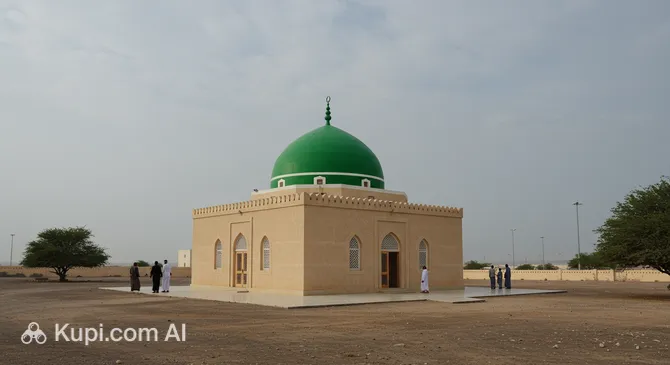
For a more spiritual glimpse into the past, the Tomb of Nabi Imran is a significant landmark. Located centrally, this site is housed within a peaceful garden area. It is revered not only for its religious importance but also for the sheer scale of the sarcophagus, which is one of the longest in the world. The surrounding garden provides a quiet respite from the city bustle, allowing visitors to reflect on the legends associated with this historic figure.
Tomb of Nabi Imran. Illustration.
Source: Kupi.com AI
Traveler photos:
On the modern side of leisure, L'Avenue Park represents the contemporary development of Salalah. While it primarily serves as a commercial and dining hub, its design incorporates open spaces that attract families and social groups in the evenings. It stands in contrast to the ancient sites, offering a vibrant atmosphere where the city's residents gather to unwind.
During the monsoon season, the concept of a "park" in Salalah expands to include the surrounding nature. The hills and wadis transform into natural recreational areas, with locals and tourists alike flocking to green spots for picnics amidst the mist. These seasonal natural parks are a defining feature of the Dhofar region's outdoor lifestyle, complementing the city's structured heritage sites.
Getting Around
Navigating Salalah is relatively straightforward, but choosing the right mode of transport is essential to fully enjoy the diverse landscapes of the Sultanate of Oman. While the city itself is easy to get around, the main natural attractions—such as the lush wadis and coastal blowholes—are spread out across the Dhofar region. For most travelers, renting a car is the most convenient option, offering the freedom to explore at your own pace. International and local rental agencies are available at the airport and in the city center. A standard sedan is sufficient for the city and coastal roads, but a 4x4 vehicle is highly recommended for mountain trips, especially during the misty Khareef season.
For those who prefer not to drive, taxis are a popular and readily available alternative. You will easily spot the orange and white street taxis cruising the roads. It is important to note that these vehicles often do not operate with meters, so you should negotiate and agree on the fare with the driver before stepping inside. Recently, ride-hailing apps have also started operating in the area, providing a more standardized pricing structure and the convenience of booking from your smartphone.
Public transportation is available through Mwasalat, the national bus operator, which connects key locations such as the airport, city center, and major landmarks. While this is a budget-friendly option, the frequency and coverage may be limited compared to other transport methods. If you do choose to drive, be aware that road conditions are generally excellent, but you must remain vigilant for camels crossing the highways, a common sight that adds to the unique charm of driving in Dhofar.
Accommodation
Accommodation in Salalah is as diverse as its landscape, catering to a wide spectrum of travelers ranging from luxury seekers to budget-conscious backpackers. The city offers a mix of high-end beachfront resorts, comfortable mid-range hotels, and a vast selection of furnished apartments and villas. The latter are particularly popular among families and long-term visitors, especially during the festive monsoon season when travelers from across the region flock to the city.
When choosing where to stay, location plays a key role in the experience. The coastal areas are home to sprawling luxury resorts that offer private beach access and resort-style amenities, making them ideal for a relaxing getaway. In contrast, the City Center and areas near Al Haffa are perfect for those who want to be close to the bustling souqs, local restaurants, and cultural sites. For a quieter experience, the newer districts like Al Saada offer modern conveniences and easy access to the mountains.
For those seeking a premium experience that combines modern luxury with local heritage, the Al Baleed Resort Salalah is a standout option. Situated between a freshwater lagoon and the Arabian Sea, this property exemplifies the high standard of hospitality available in the region, featuring pool villas and proximity to the archaeological park. It serves as an excellent example of the upscale accommodation that has developed to meet the needs of international tourists.
Regarding costs and planning, prices in Salalah can fluctuate significantly depending on the season. During the rest of the year, rates are generally reasonable and offer great value. However, during the Khareef (monsoon) season from roughly late June to September, demand skyrockets, and prices for all types of accommodation can double or triple. It is highly recommended to book your stay several months in advance if you plan to visit during this lush, green period. Booking is easily done through major online platforms or directly with hotels, ensuring a smooth start to your Dhofar adventure.
Nearby Cities
For those looking to explore the surroundings, Salalah serves as an excellent base for day trips to several interesting nearby locations. The Dhofar region is rich in history and natural beauty, offering travelers the chance to venture beyond the city limits and discover the coastal and mountainous charms of Southern Oman.
One of the most popular excursions is to the town of Taqah, located approximately 30 kilometers east of Salalah. It is renowned for the well-preserved Taqah Castle, which provides a fascinating look into the traditional way of life of the local Walis (governors). The town also boasts a beautiful beach and is close to the stunning Khor Rori freshwater creek.
Further east lies the historic port city of Mirbat. Once a hub for the frankincense and Arabian horse trade, Mirbat is famous for its old merchant houses featuring intricate wooden latticework. Visitors can explore the harbor, visit the white-domed Bin Ali Tomb, or enjoy some of the best diving and snorkeling spots in the region.
City
Population
Distance
Taqah
18 218
29 km
Mirbat
1 120
63 km
Thumrait
10 000
70 km
Marmul
—
175 km
Al Mazyunah
10 000
179 km
These nearby destinations offer a glimpse into the diverse culture and landscapes of the region.
Shopping & Souvenirs
Shopping in Salalah offers a delightful mix of traditional Arabian heritage and modern convenience. As the capital of the frankincense trade, the city is a haven for those looking to purchase high-quality aromatic resins and perfumes. Visitors can explore bustling old souqs filled with the scent of burning incense or enjoy the air-conditioned comfort of contemporary shopping centers that feature international brands and entertainment options.
For a truly authentic experience, the Al Haffa Souq is the most famous marketplace in the region. Located near the coast, just a short walk from Al Haffa Beach, this traditional market is the perfect place to immerse yourself in the local culture. Here, you will find rows of small shops selling various grades of frankincense, traditional Omani daggers (Khanjars), and colorful textiles. It is an ideal spot to practice your bargaining skills and chat with friendly local vendors.
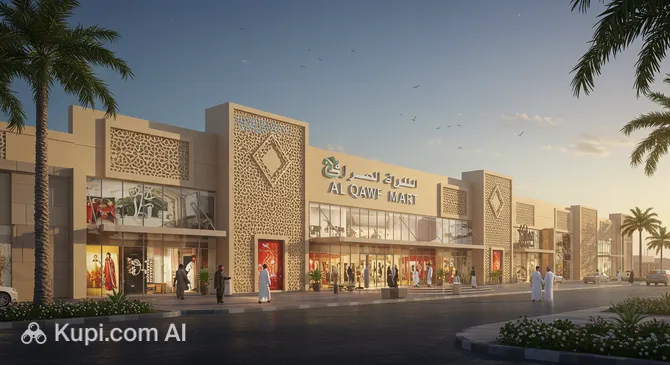
If you prefer a modern retail environment, Salalah boasts several shopping malls that cater to all needs. The Salalah Gardens Mall is the largest in the city, designed with traditional architecture in mind, and offers a wide range of fashion, electronics, and dining choices. Another notable destination is Al Qawf Mart, which provides a variety of goods ranging from groceries to household items and clothing, making it a convenient stop for travelers needing to restock on essentials.
Al Qawf Mart. Illustration.
Source: Kupi.com AI
Traveler photos:
When it comes to souvenirs, frankincense is undoubtedly the must-buy item. Known locally as "Luban," it is harvested from the Boswellia trees in the Dhofar region and is considered some of the finest in the world. Besides the resin itself, you can find frankincense-infused products such as essential oils, soaps, and perfumes. Other popular keepsakes include Omani silver jewelry, pottery, and dates, which make for wonderful gifts to bring back home.
Store opening hours in Salalah generally follow a split schedule. Many local shops and souqs open around 9:00 AM, close for a midday break from 1:00 PM to 4:00 PM, and then reopen until 10:00 PM or later. Large shopping malls and supermarkets, however, usually remain open throughout the day. While credit cards are widely accepted in malls and larger stores, it is advisable to carry cash (Omani Rials) when visiting traditional markets like Al Haffa, as smaller vendors often prefer cash payments.