Support

Sohar

About

Sohar is a captivating blend of ancient heritage and modern vitality, renowned as one of the most significant cities in the Al Batinah North Governorate. Often associated with the legends of Sinbad the Sailor, this coastal city possesses a unique atmosphere where maritime tradition meets industrial progress. Located in the Sultanate of Oman, Sohar serves as a welcoming gateway for travelers eager to explore the country's rich cultural landscape.

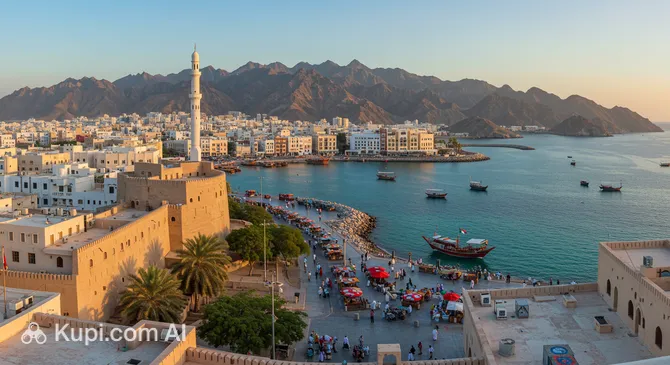
Sohar. Source: Kupi.Binoculars

Geographically, the city stretches along the sandy shores of the Gulf of Oman, enjoying a warm climate that makes it a pleasant destination for much of the year. With a population of approximately 285,000 people, it is a bustling urban center that remains easy to navigate. The city's strategic position has defined its importance for centuries. Visitors interested in the region's past will find the history of Sohar truly fascinating, as it was once an ancient capital and a pivotal trading hub connecting the Arabian Peninsula to the Far East.

Today, Sohar offers a variety of attractions for tourists. The imposing Sohar Fort stands as a striking example of historical architecture, housing a museum that details the local heritage. The Sultan Qaboos Mosque is another highlight, admired for its intricate Islamic design and serene gardens. For those seeking relaxation, the scenic Corniche provides a perfect setting for a seaside stroll, offering beautiful views of the water and green parks.

Whether you are a history enthusiast or simply looking for a charming coastal stopover, Sohar invites you to discover its stories and hospitality. It is a destination that beautifully balances its storied past with a dynamic present, making it a worthy addition to any travel itinerary.

Weather Overview

The climate in this coastal city is generally warm and arid, defined by hot summers and pleasantly mild winters. Travelers planning a visit should be prepared for intense heat during the middle of the year, particularly in June, which is typically the hottest month with an average temperature of 34.8°C and highs reaching nearly 40°C.

Conversely, the winter season provides much more comfortable conditions for exploring the outdoors. January is usually the coolest month, featuring an average temperature of 19.9°C and lows around 15.5°C. Precipitation is minimal throughout the year, with negligible rainfall and clear skies being the norm. To help you pack appropriately for your specific travel dates, you can view the detailed weather in Sohar.

Interesting Facts

Beyond its scenic corniche and historic fortifications, Sohar holds fascinating stories that echo its former glory as a maritime giant. This city is not just a modern commercial hub but a place deeply rooted in legend and ancient tradition, offering surprises for those who look closer.
  • The Gateway to China: During the 10th century, Sohar was arguably the most important port in the Islamic world. It was so wealthy and vital to maritime trade that it earned the title "Gateway to China," serving as the primary link between the Arabian Peninsula and the Far East long before the rise of modern logistics.

  • A Bloodless Bullfighting Tradition: Unlike the controversial versions found in other parts of the world, Sohar is a center for Omani "bull butting." This traditional, bloodless sport involves two Brahman bulls locking horns in a test of strength rather than a fight to the death, and it remains a popular local spectacle typically held on Fridays.

  • The Land of Copper: The city sits at the heart of the region known in ancient texts as "Magan." It was a legendary source of copper for ancient Mesopotamia, and evidence of this 5,000-year-old smelting heritage can still be found in the surrounding landscape, marking it as one of the oldest industrial centers in history.

  • Sinbad's Home: While several locations in the Middle East claim him, local folklore staunchly maintains that Sohar is the true birthplace of the legendary Sinbad the Sailor. The city's profound maritime legacy is believed to be the real-world inspiration for the fictional voyager's seven journeys.

How to Get There

Planning a trip to this historic port city is straightforward, with options ranging from a local airport to major regional hubs nearby. For a comprehensive overview of your travel choices, you can read more about how to get to Sohar. The city is well-connected by road, making the final leg of your journey convenient regardless of where you land.

The most convenient entry point is Sohar Airport (OHS), located directly in Sohar, just 10.2 km from the city center. It is a smaller regional airport, ensuring a quick and easy arrival process. A taxi or bus ride from the terminal to the heart of the city takes approximately 35 minutes.

If you cannot find a direct flight to Sohar, you might consider flying into Al-Fujairah International (FJR). Please note that this airport is located in the city of Fujairah, approximately 93 km from Sohar. The transfer by road typically takes around 2 hours and 40 minutes. Another nearby option is Al Ain Airport (AAN) in the city of Al Ain, which is about 112 km away, with a travel time of roughly 3 hours and 10 minutes.

For clarity, here is a summary of the main airports:

Airport Name City Passenger Traffic Km from City
Sharjah International Airport Sharjah Large 162.4
Ras Al Khaimah International Airport Ras Al Khaimah Medium 160.3
Al-Fujairah International Fujairah Small 93.2
Al Ain Airport Al Ain Small 112.5
Sohar Airport Sohar Small 10.2

Currently, Sohar does not have a passenger railway station. Travelers arriving at airports in neighboring cities typically utilize the well-maintained road network to reach their destination. Taxis and bus services are the primary means of transport for the final leg of the journey.

Main Attractions

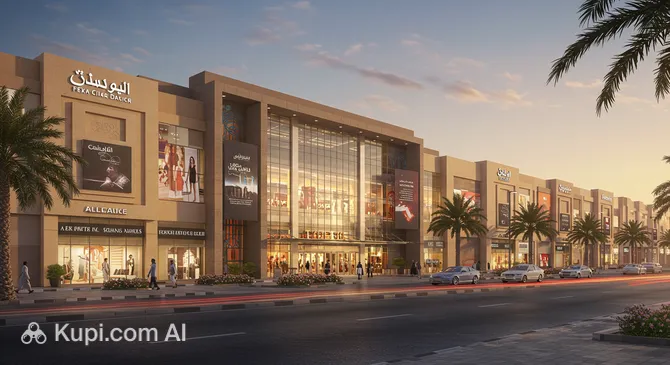
While Sohar is deeply rooted in history, the city also offers a variety of modern leisure and dining experiences that attract both locals and tourists. For those looking to enjoy some retail therapy or escape the midday heat, the city's shopping centers provide excellent facilities. Safeer Mall Sohar is one of the most popular destinations in the area. It serves as a comprehensive lifestyle hub where visitors can find international brands, a hypermarket, and family entertainment options. It is a perfect spot to relax, grab a coffee, and experience the modern side of daily life in the governorate.

Safeer Mall Sohar. Source: Kupi.Binoculars

Another key location for shoppers is Al Waha Mall. Conveniently located, this mall offers a diverse range of retail outlets and services. It is known for its comfortable atmosphere and is a frequent stop for travelers needing to restock on supplies or simply enjoy a casual stroll through the shops. Both malls underscore Sohar's development as a commercial center, balancing its traditional souqs with contemporary conveniences.

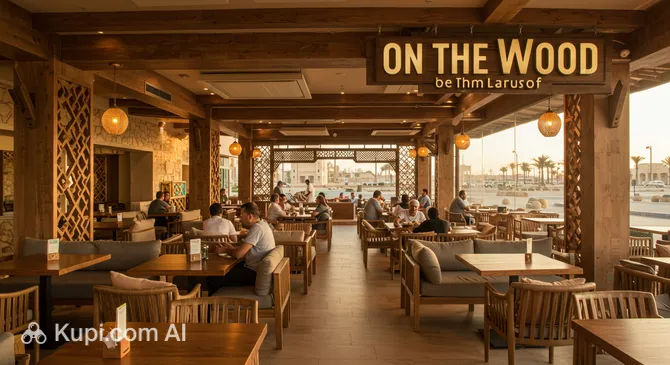
The city's culinary scene is equally inviting, offering flavors that cater to diverse palates. For a distinctive dining experience, On The Wood is a notable choice. This restaurant is celebrated for its unique approach to food preparation, often emphasizing fresh ingredients and robust flavors that appeal to food enthusiasts looking for something special during their visit.

On The Wood. Source: Kupi.Binoculars

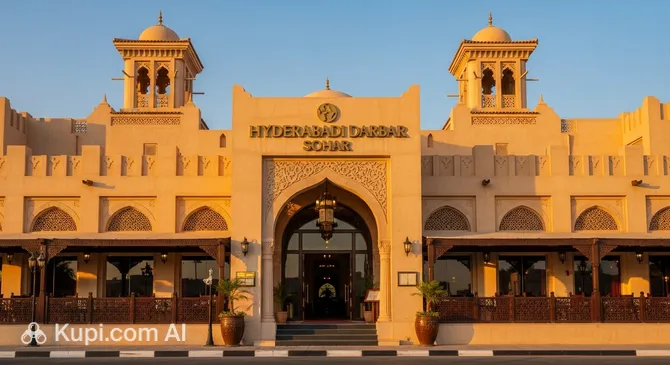
If you are in the mood for rich, aromatic spices, Hyderabadi Darbar is a must-visit. Specializing in authentic cuisine, this restaurant brings the famous taste of Hyderabadi biryani and other traditional dishes to Oman. It is an excellent place to experience the cultural diversity of the region through its food, providing a hearty and memorable meal after a day of exploring Sohar's sights.

Local Cuisine

The culinary landscape of Sohar is a delightful reflection of its coastal geography and long history as a trade hub. As a port city, fresh seafood plays a central role in the local diet. Visitors should not miss the opportunity to try Mashuai, a specialty consisting of roasted whole kingfish served with savory lemon rice. The fish is typically sourced directly from the Gulf of Oman, ensuring a freshness that defines the city's gastronomic character.

Beyond seafood, traditional Omani meat dishes are widely available and highly recommended. Shuwa, often considered the national dish, involves marinating meat in a blend of spices and slow-cooking it in an underground sand oven for up to two days. While traditionally reserved for festivals, many local restaurants now serve it year-round. Another staple is Majboos (also known as Kabsa), a fragrant rice dish cooked with saffron, cardamom, and spiced meat or chicken, offering a hearty meal that is full of flavor.

Dining in Sohar is also a social experience, often centered around hospitality. A meal typically ends with dates and Omani Kahwa, a strong traditional coffee flavored with cardamom and served in small cups without sugar. For those with a sweet tooth, the famous Omani Halwa—a gelatinous sweet made from sugar, cornstarch, saffron, and rosewater—is a must-try delicacy often found in the local souqs.

Hyderabadi Darbar. Source: Kupi.Binoculars

Regarding beverages, non-alcoholic options dominate the local scene. Fresh fruit juices and Laban (a salty yogurt drink) are popular refreshments to beat the heat. Alcoholic drinks are generally restricted to licensed bars and restaurants attached to international hotels. In the general public dining sphere, the atmosphere is conservative and family-oriented.

The city's food culture is a mix of traditional eateries, bustling fish markets near the Corniche, and a growing number of international restaurants. Due to the significant expatriate population, Indian cuisine is particularly authentic and popular here. For instance, Hyderabadi Darbar is a well-known spot where locals and tourists alike go to enjoy rich, aromatic biryanis and spicy curries, adding a vibrant layer of spice to Sohar's diverse food scene.

Travel Tips

Visiting Sohar is a delightful experience, but knowing a few local nuances can make your trip much smoother and more enjoyable. From navigating the city's transport to respecting cultural traditions, these practical tips will help you explore this historic port in the Sultanate of Oman with confidence.

  1. Clothing and Gear: The climate in Sohar can be quite hot, especially in summer, so pack lightweight, breathable fabrics like cotton or linen. However, it is important to dress modestly to respect local customs; both men and women should cover their shoulders and knees in public. If you plan to visit the Sultan Qaboos Mosque, women must cover their heads with a scarf, and full-length clothing is required.

  2. Transportation: Public transport options are somewhat limited for tourists, so renting a car is often the most convenient way to explore the city and the surrounding Al Batinah region. Alternatively, orange and white taxis are widely available; it is best to agree on a fare before starting your journey or use reliable ride-hailing apps like Otaxi for transparent pricing.

  3. Finances: The local currency is the Omani Rial (OMR). While major credit cards are accepted in hotels, malls, and larger restaurants, cash is essentially king in traditional souqs and smaller shops. It is advisable to carry some cash for taxi fares and small purchases. ATMs are plentiful, and currency exchange bureaus are easily found in commercial areas.

  4. Health and Safety: Sohar is a very safe city for travelers. Pharmacies are common and well-stocked, often indicated by a green cross, and pharmacists usually speak English. Dehydration is a common risk due to the heat, so carry bottled water with you at all times. Tap water is generally safe, but most tourists prefer bottled water for taste and peace of mind.

  5. Communication: Arabic is the official language, but English is widely spoken and understood, particularly in the service industry. To stay connected, you can purchase a local SIM card from providers like Omantel or Ooredoo at the airport or in shopping malls like Safeer Mall, which offers excellent 4G/5G coverage.

  6. Local Etiquette: Omanis are renowned for their warm hospitality. When greeting someone of the opposite sex, wait for them to extend their hand first; if they do not, a polite nod and a smile suffice. Always use your right hand for eating, drinking, or passing items to others, as the left hand is traditionally considered unclean.

  7. What to Avoid: Public displays of affection, such as kissing or hugging, are frowned upon and should be avoided. Additionally, strictly avoid taking photographs of locals, especially women, without asking for their explicit permission first, as this is considered a serious breach of privacy and respect.

  8. Shop Opening Hours: Be aware of the "siesta" culture. Many local shops and smaller businesses close in the afternoon, typically between 1:00 PM and 4:00 PM, and reopen in the evening when the weather is cooler. Plan your shopping trips for the morning or late evening to ensure everything is open.

By keeping these simple guidelines in mind, you will be well-prepared to immerse yourself in the authentic charm of Sohar. Enjoy the warm hospitality of the locals and the rich history of this fascinating coastal city without any hassles.

Entertainment & Nightlife

Nightlife in Sohar is distinctively relaxed and culturally grounded, differing significantly from the high-energy clubbing scenes found in some other global cities. In this conservative coastal city, the evening entertainment focuses primarily on socializing, dining, and enjoying the pleasant night breeze. The atmosphere is laid-back and family-oriented, with the bustling activity centering around public spaces, shopping centers, and hotel venues rather than dedicated nightclubs or street bars.

The heart of the city's evening life beats strongest along the Corniche. As the sun sets and the temperature drops, this waterfront promenade comes alive with locals and tourists alike. It is the perfect place for a night walk, where you can watch the waves of the Gulf of Oman and enjoy the cool sea air. Families gather here for picnics, and the mood is welcoming and safe. Nearby, you will find numerous coffee shops and shisha lounges where people stay up late chatting and drinking tea, observing the slow-paced rhythm of the city.

For those seeking licensed bars or a place to enjoy a drink, options are exclusively found within international hotels. Establishments such as the Crowne Plaza and the Radisson Blu house sports bars and lounges that serve alcohol. These venues offer a sophisticated environment, often featuring live bands, billiards, or televised sports events. The dress code in these places is typically smart casual; beachwear or overly revealing clothing is not appropriate. Prices for beverages in these hotel bars are higher than average due to licensing regulations.

Shopping and dining constitute a major part of the nightlife experience here. Malls are not just for shopping but serve as social hubs that remain open late into the evening. Safeer Mall Sohar is a bustling destination where visitors can enjoy a late-night movie at the cinema or browse through stores in air-conditioned comfort. Similarly, Al Waha Mall offers a vibrant atmosphere for an evening stroll and quick bites. For a more substantial dinner, the city offers diverse culinary delights. You might try On The Wood, a popular spot for enjoying a flavorful meal in a cozy setting, perfect for winding down after a day of exploration.

From a practical perspective, the best time to head out is after 8:00 PM when the city truly wakes up from the afternoon lull. Sohar is very safe for night walks, even for solo travelers, though it is always wise to stay in well-lit areas. Getting around is easiest via orange and white taxis or ride-hailing apps like Otaxi, which are reliable and safe at night. Fares are reasonable, but it is good practice to carry cash.

While the nights are for relaxation, daytime entertainment in Sohar offers a different kind of engagement. Visitors can explore the city's rich heritage at the Sohar Fort museum or enjoy the outdoors at the Silver Jubilee Park. Although the city lacks large-scale amusement parks, the blend of historical sites and natural beauty provides ample opportunity for leisure before the evening sets in.

Parks & Museums

Beyond its reputation as an industrial port, Sohar offers a surprising amount of greenery and deep historical roots that are best explored through its parks and cultural sites. The city provides a refreshing balance for visitors, featuring well-maintained public spaces for relaxation alongside monuments that narrate the region's maritime legacy.

Silver Jubilee Park is one of the most popular green spaces in the city, serving as a lush oasis for families and nature lovers. Located near the coast, this expansive park is characterized by its manicured lawns, shaded walkways, and vibrant flower beds. It is an ideal spot for a picnic or a leisurely evening stroll, offering a peaceful escape from the urban bustle while the sea breeze cools the air. The park often hosts local events and provides ample space for children to play, making it a lively hub of community life.

Another key natural area is the Sohar Corniche, which functions as a linear park stretching along the waterfront. While it is a paved promenade, it is lined with palm trees and green pockets that connect the city to the sea. It is particularly interesting for tourists who want to combine a scenic walk with people-watching. In the cooler hours of the early morning or late afternoon, the Corniche offers uninterrupted views of the Gulf of Oman and serves as the perfect vantage point to observe local fishermen heading out to sea.

For those keen on delving into the city's past, the Sohar Fort Museum is the premier cultural institution. Housed within the historic Sohar Fort, the museum does not just display artifacts; it tells the story of Sohar's golden age as a trade capital. Visitors can explore exhibits detailing the city's maritime history, the copper trade of ancient Magan, and the architectural evolution of Omani fortifications. Climbing the fort's towers rewards you with panoramic views of the city and the surrounding date palm plantations.

While formal art galleries are rare, the Handicrafts Souq near the Corniche acts as a living gallery of Omani culture. Constructed in a traditional architectural style, this venue showcases the work of local artisans. It is a fascinating place to observe the creation of traditional goods, from silver jewelry to palm-leaf weaving and pottery. For tourists, this offers a more interactive cultural experience than a static museum, providing insight into the living heritage of the Al Batinah region.

Among the architectural landmarks, the Sultan Qaboos Mosque in Sohar stands out not only for its spiritual significance but also for its stunning design. Its grand dome, minarets, and intricate Islamic geometric patterns make it a photographer's delight. The mosque sits within beautifully landscaped gardens, reinforcing the city's theme of blending structure with nature. It serves as a serene testament to modern Islamic architecture and is a must-see for anyone appreciating design and craftsmanship.

For a truly authentic experience, try visiting the area near the fish market at sunrise. While not a park or museum in the traditional sense, this is where the pulse of the city is most palpable. Watching the catch being hauled in and auctioned offers a raw, unpolished glimpse into the daily life of Sohar that you won't find in guidebooks.

Getting Around

The public transport system in Sohar is relatively modest compared to larger global metropolises, reflecting the city's car-centric urban planning. There is no metro, tram, or train service operating within the city limits. For most visitors, getting around involves a mix of buses, taxis, and private vehicle rentals, which offer the most flexibility for exploring the spread-out attractions and commercial districts.

The primary form of scheduled public transportation is the bus network operated by Mwasalat, the national transport company. These modern, red-and-white buses are air-conditioned and comfortable, primarily connecting Sohar with other major regional hubs, though they do make stops within the city. For shorter, more localized trips, you will often see white-and-orange microbuses or vans. These operate on semi-fixed routes along main roads and are a popular, budget-friendly option for residents. They function as shared transport, picking up and dropping off passengers on demand along the way.

Taxis are the most convenient and ubiquitous way to travel for tourists. The traditional orange and white taxis can be hailed directly from the street or found waiting at designated stands near malls, souqs, and hotels. In these traditional vehicles, meters are often not used for local trips, so it is standard practice to negotiate and agree on the fare before you enter the car. Alternatively, ride-hailing apps like Otaxi have gained popularity, providing a reliable option with transparent, metered pricing and the convenience of booking via a smartphone.

When it comes to payment, cash remains the dominant method for most local transport. While Mwasalat buses have formal ticketing systems, traditional street taxis and shared microbuses operate almost exclusively on cash. It is highly advisable to carry small denominations of the local currency, as drivers frequently do not have change for large bills. Fares for the shared microbuses are very low, often costing just a few hundred baisa, whereas private taxi rides will be significantly higher.

For a smooth experience, tourists are advised to plan their travel method based on the weather. Waiting for buses at outdoor stops can be challenging during the hot daylight hours. Therefore, many visitors find that renting a car is the most practical alternative. The city has excellent road infrastructure and ample parking, making a rental car the most efficient way to navigate between the fort, the corniche, and shopping centers at your own pace. Walking is generally not recommended as a primary mode of transport due to the distances and heat, except for leisurely strolls along the waterfront in the evening.

Accommodation

Finding a place to stay in Sohar is generally a straightforward experience, as the city caters well to both its significant business sector and its growing number of leisure visitors. The range of accommodation spans from high-end luxury resorts with private beaches to functional mid-range hotels and budget-friendly serviced apartments. Because Sohar is a major industrial hub, many hotels are equipped with excellent amenities for business travelers, such as conference rooms and reliable Wi-Fi, while also offering leisure facilities like swimming pools and spas for vacationers.

When choosing an area to stay, the location largely depends on the purpose of your visit. For tourists, the most attractive area is undoubtedly along the coast, particularly near the Corniche. Staying here offers easy access to the beach, scenic walking paths, and the historic Sohar Fort. Alternatively, the city center, particularly around the Al Hambar district, places you closer to shopping destinations and local dining spots. For those on a quick stopover or business trip, there are several convenient options located near the main highway and the industrial port area, ensuring quick transit times.

While the city does not have an overwhelming number of hotels compared to the capital, it hosts several reputable international chains that ensure a comfortable standard of living. Visitors can expect to find well-known 5-star and 4-star establishments that provide a resort-like atmosphere, often featuring lush gardens and multiple dining venues on-site. These are perfect for travelers seeking relaxation and a touch of luxury. For budget-conscious travelers, numerous hotel apartments offer clean, self-catering units that provide great value, especially for longer stays.

In terms of pricing, accommodation in Sohar is generally more affordable than in Muscat or popular tourist hotspots in the region. Prices typically fall into the mid-range category, though they can rise during national holidays or the cooler winter months when domestic tourism increases. It is advisable to book your accommodation in advance, particularly if you plan to visit during the winter season or Eid holidays. Most hotels are listed on major online booking platforms, making it easy to compare rates and secure a reservation before you arrive.

Nearby Cities

For those looking to explore the surroundings, Sohar serves as an excellent base for day trips to several interesting nearby locations:

City Population Distance (km)
Muscat 1,421,409 190
Bawshar 383,257 194
As Seeb 237,816 165
Matrah 214,901 204
As Suwayq 170,000 93

One of the most compelling options for a day trip is Muscat, the nation's capital. Located approximately a two-hour drive away, it offers a rich tapestry of culture and modernity. Visitors can explore the magnificent Sultan Qaboos Grand Mosque, admire the architecture of the Royal Opera House, or simply enjoy the vibrant atmosphere of a bustling metropolis that harmonizes tradition with progress.

For those interested in history and closer excursions, As Suwayq is a fantastic destination situated less than 100 km from Sohar. This coastal town is renowned for the As Suwayq Fort, which is celebrated for its massive size and historical importance in the Al Batinah region. It provides a quieter, more authentic glimpse into local life away from the major urban centers.

If you are looking for a unique shopping experience, Matrah is a must-visit. Famous for its historic Corniche and the traditional Mutrah Souq, it invites travelers to wander through labyrinthine alleys filled with the scent of frankincense and spices. It is the perfect place to find Omani silver, antiques, and textiles while soaking in the old-world charm of an ancient port.

These nearby destinations offer a glimpse into the diverse culture and landscapes of the region.

Shopping & Souvenirs

Shopping in Sohar offers a delightful mix of modern convenience and traditional charm, reflecting the city's dual identity as an industrial hub and a historic port. Visitors can choose between browsing contemporary shopping centers filled with international brands or wandering through atmospheric souqs where local artisans sell their crafts. Whether you are looking for the latest fashion trends or authentic Omani heritage items, the city provides a relaxed and welcoming retail environment.

The main shopping activities are concentrated in two distinct areas. The modern commercial district along the main highway hosts the city's larger malls and department stores, making it the go-to zone for fashion, electronics, and groceries. In contrast, the coastal area near the Corniche and the Sultan Qaboos Mosque is where you will find traditional markets. This district is perfect for those who prefer an open-air experience and wish to purchase locally made goods while soaking in the sea breeze.

For a complete modern shopping experience, Safeer Mall Sohar is a primary destination for families and tourists alike. Designed with distinctive Middle Eastern architectural elements, this mall houses a wide array of fashion outlets, a large hypermarket, and a family entertainment center, making it a one-stop spot for leisure and retail. Another prominent venue is Al Waha Mall (also known as Oasis Mall), which offers a curated selection of international lifestyle brands, footwear, and home decor, complemented by a variety of dining options for a break between shops.

To connect with the city's cultural roots, a visit to the Sohar Handicrafts Souq is essential. Located near the Sultan Qaboos Mosque in the Al Hajra district, this market was built to preserve and promote Omani artistry. Here, you can find vendors selling intricate silver jewelry, leather goods, and traditional textiles. Near the waterfront, the Sohar Fish Market offers a different kind of commerce; while you might not be buying fresh catch to take home, the lively morning auctions provide a fascinating glimpse into the daily lives of local fishermen.

When searching for souvenirs, Sohar's history as an ancient center for copper and ceramics makes pottery a meaningful purchase. You can find beautifully crafted clay pots and incense burners that reflect millennia of tradition. Other popular items include Omani Halwa, a sweet, gelatinous dessert flavored with saffron and rosewater, and high-quality dates. For a more valuable keepsake, look for the Khanjar, the traditional Omani dagger, or silver handicrafts, which are renowned for their detailed workmanship.

Store opening hours in Sohar vary depending on the type of establishment. Major shopping malls typically operate from 10:00 AM to 10:00 PM, remaining open throughout the day. Traditional souqs and smaller independent shops often follow a split schedule, opening from 8:00 AM to 1:00 PM, closing for the afternoon heat, and reopening from 4:00 PM to 9:00 PM. While credit cards are widely accepted in malls and supermarkets, it is highly recommended to carry cash when visiting souqs or smaller local vendors.

Tourists visiting Oman should be aware of the Value Added Tax (VAT), which is charged at a rate of 5% on most goods and services. A tax refund scheme is available for eligible tourists on purchases exceeding 25 OMR (excluding VAT). To claim this, ensure you request a tax-free tag or receipt at the time of purchase and present your goods and documents at the designated refund counters at the airport or border crossing upon departure.
Reached the end of the page?

That means the route is fully explored