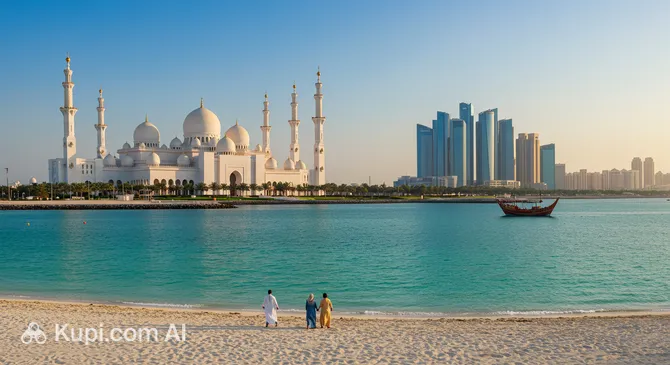
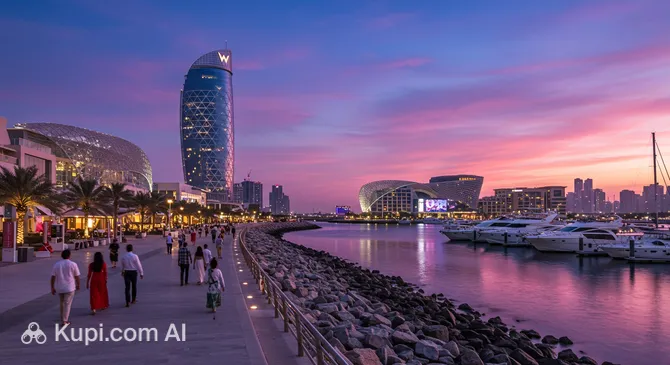
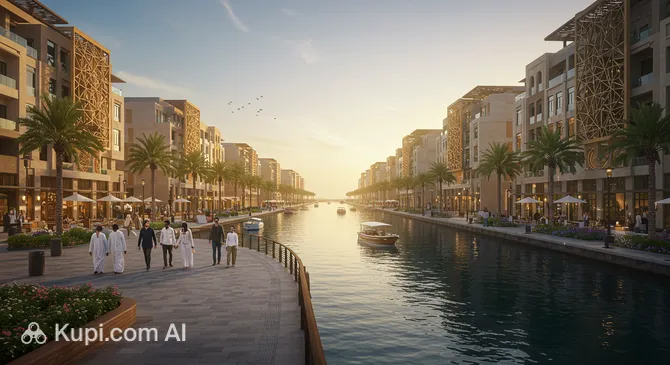
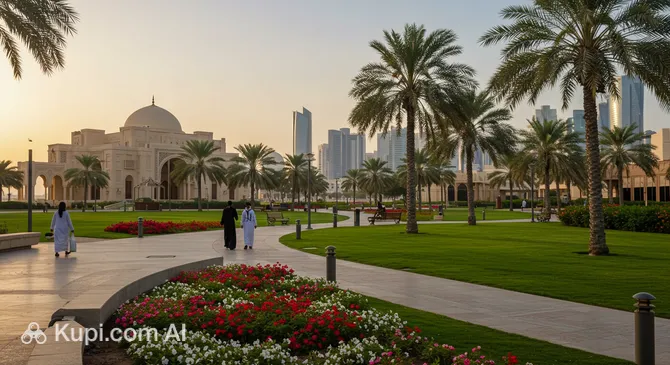
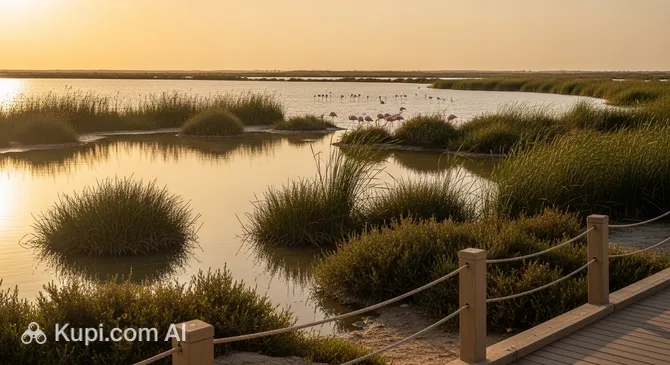
Welcome to Abu Dhabi, a mesmerizing metropolis that serves as the capital of the United Arab Emirates. Known for its luxurious lifestyle, stunning skyline, and deep-rooted traditions, this city offers a unique blend of Arabian hospitality and futuristic innovation. It is a place where gleaming skyscrapers stand in harmony with lush gardens and turquoise waters, creating an atmosphere of serenity amidst the bustle of city life.
Abu Dhabi. Illustration.
Source: Kupi.com AI
Geographically, the city is situated on a T-shaped island projecting into the Persian Gulf from the central western coast. Connected to the mainland by a series of bridges, Abu Dhabi enjoys a sunny desert climate year-round. With a population of approximately 1.48 million people, it is a vibrant hub that attracts travelers from all over the globe seeking both business opportunities and leisure.
The history of Abu Dhabi is a fascinating tale of rapid transformation, evolving from a humble pearl-diving settlement into a modern global powerhouse. Despite its modernity, the city has carefully preserved its cultural heritage. Visitors are often awestruck by the majestic Sheikh Zayed Grand Mosque, one of the world's largest mosques, which features incredible marble work and intricate designs.
Beyond its historical landmarks, the city is famous for the Corniche, a pristine waterfront promenade perfect for a relaxing stroll, and the cultural beacon of the Louvre Abu Dhabi. Whether you are looking to explore architectural wonders or relax on white sandy beaches, Abu Dhabi invites you to experience its unparalleled charm and elegance.
Weather Overview
Abu Dhabi experiences a classic hot desert climate, guaranteeing sunshine and blue skies for the vast majority of the year. The city's weather patterns are generally divided into two main periods: a hot summer and a mild, pleasant winter. To help you choose the best time for your visit, it is helpful to review the current weather in Abu Dhabi before booking your trip.
During the peak summer months from June to September, the heat can be quite intense. Average temperatures range from 33.9°C to 35.7°C, with daily highs frequently reaching around 40°C in August. Conversely, the winter season from December to February offers delightful conditions for outdoor activities. During this time, average temperatures hover between 20.0°C and 22.2°C, with cooler nights dipping to approximately 16.5°C in January.
Precipitation is extremely scarce in this arid region. Expect scorching, dry summers and mild winters with very occasional, brief showers. Rainfall is minimal throughout the year; for example, January typically sees only about 2 wet days, while the period from May through October is usually completely dry.
Average monthly temperature
Average monthly precipitation
Interesting Facts
Beyond the main attractions, Abu Dhabi holds many fascinating secrets that surprise even the most seasoned travelers. From record-breaking architecture to ancient traditions, the city is full of unique features waiting to be discovered.
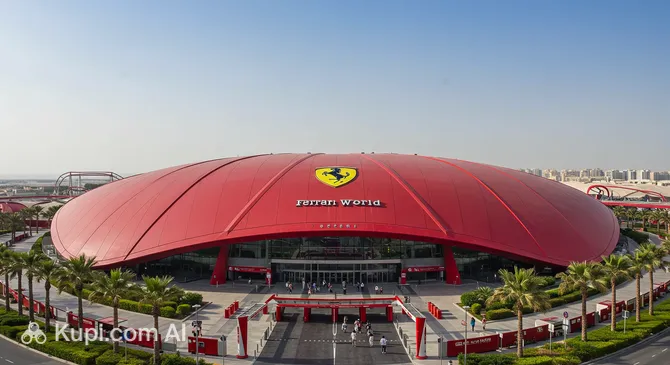
Ferrari World. Illustration.
Source: Kupi.com AI
Traveler photos:
The city is home to the fastest roller coaster in the world, Formula Rossa, located at Ferrari World. This adrenaline-pumping ride accelerates to a speed of 240 km/h in just 4.9 seconds, simulating the G-force felt by Formula 1 drivers.
Abu Dhabi boasts a building that leans more than the Leaning Tower of Pisa. The Capital Gate skyscraper was deliberately engineered to incline 18 degrees to the west, earning it a Guinness World Record as the "farthest leaning man-made tower."
Despite being known for its desert landscape, the emirate is surrounded by lush marine ecosystems. The Mangrove National Park covers a vast area of the coastline, acting as a "green lung" for the city and providing a sanctuary for flamingos, herons, and other wildlife.
Luxury reaches new heights here with the existence of Gold to Go ATMs. At the Emirates Palace, visitors can dispense actual gold bars and coins from a vending machine, a quirky reflection of the city's opulent character.
Before the discovery of oil transformed the region, the economy relied heavily on pearl diving. This heritage is deeply cherished, and traces of this maritime past can still be explored in local culture and storytelling.
How to Get There
Reaching the capital of the UAE is a seamless experience, thanks to its world-class infrastructure and strategic location. Whether you are arriving directly from overseas or traveling from a neighboring emirate, there are multiple convenient options available. For a detailed overview of all routes and transport modes, you can read more about how to get to Abu Dhabi to plan your journey effectively.
The primary gateway for international visitors is the award-winning Abu Dhabi International Airport (AUH). Located within the city limits, it sits approximately 28 km from the downtown area. As the home base for Etihad Airways, it handles a massive volume of passengers annually. A taxi ride from the terminals to the Corniche or city center typically takes around 30 to 40 minutes, offering a quick and comfortable transfer.
Travelers may also choose to fly into the neighboring emirate of Dubai. The Dubai World Central – Al Maktoum International Airport (DWC) is located in the city of Dubai, about 93 km away from Abu Dhabi. While it is further out, it serves as a convenient alternative, especially for those flying with budget carriers. The journey by taxi or shuttle bus from here takes approximately 60 to 80 minutes via the Sheikh Zayed Road highway.
Another option for regional travelers is the Al Ain Airport (AAN), situated in the city of Al Ain. This airport is roughly 127 km from the capital. Although it handles significantly less traffic and is smaller in scale, it remains a viable entry point for those visiting the eastern region of the emirate. The drive to Abu Dhabi city center from Al Ain takes about 1.5 hours.
For clarity, here is a summary of the main airports:
Abu Dhabi is a city where rich cultural heritage and futuristic entertainment seamlessly converge. From architectural masterpieces to world-class theme parks, the capital offers a diverse array of experiences that cater to every type of traveler. Whether you are interested in history, art, or adrenaline-pumping fun, the city's landmarks provide unforgettable memories.
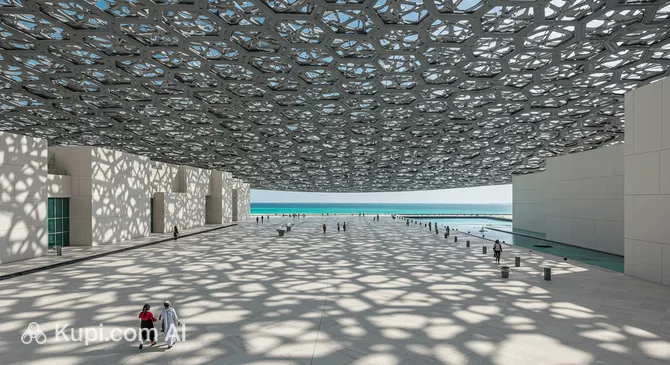
One of the most iconic cultural landmarks is the Louvre Abu Dhabi on Saadiyat Island. Designed by the celebrated architect Jean Nouvel, this museum is an architectural marvel known for its stunning "rain of light" dome. Inside, it houses a vast collection of art and artifacts that bridge the gap between Eastern and Western civilizations, making it a must-visit for art lovers seeking inspiration and historical context.
Louvre Abu Dhabi. Illustration.
Source: Kupi.com AI
Traveler photos:
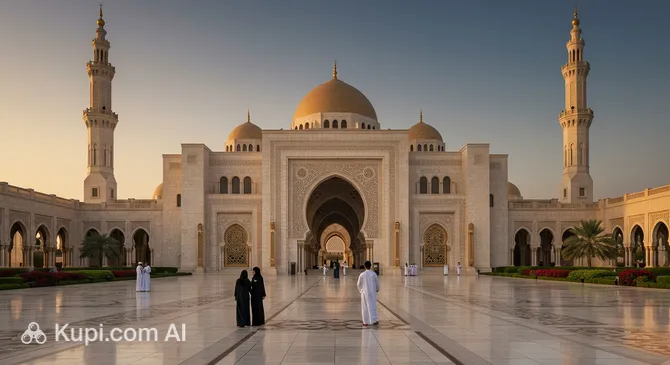
For a majestic glimpse into the nation's governance and craftsmanship, visitors should explore Qasr Al Watan. This presidential palace is more than just a government building; it is a tribute to Arabian heritage and artistry. Tourists can wander through its grand halls, admire the intricate mosaics and massive chandeliers, and visit the House of Knowledge to learn about the region's significant contributions to science and literature.
Qasr Al Watan. Illustration.
Source: Kupi.com AI
Traveler photos:
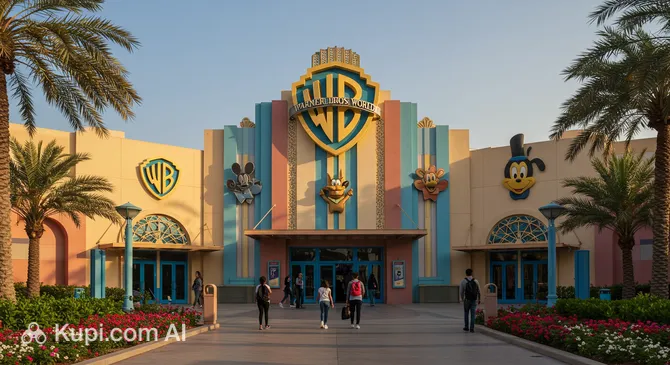
Families and thrill-seekers will find endless excitement at Warner Bros. World Abu Dhabi. Situated on Yas Island, this immense indoor theme park brings legendary characters to life, from Superman and Batman to Bugs Bunny and Scooby-Doo. With its fully immersive lands and exhilarating rides, it offers a perfect escape from the heat and a full day of entertainment for visitors of all ages.
Warner Bros. World Abu Dhabi. Illustration.
Source: Kupi.com AI
Traveler photos:
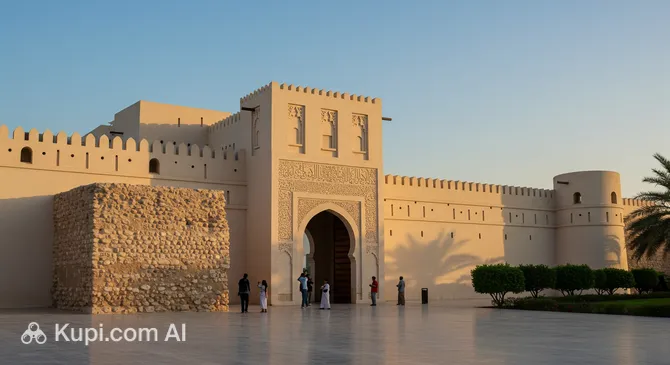
To understand the deep roots of the city, a visit to Qasr Al Hosn is essential. As the oldest stone building in Abu Dhabi, it stands as a resilient symbol of the emirate's history. The site includes a historic watchtower and acts as a narrator of the city's transformation from a humble pearling settlement to a modern global metropolis, offering a quiet and educational retreat in the heart of the city.
Qasr Al Hosn. Illustration.
Source: Kupi.com AI
Traveler photos:
Nature enthusiasts should not miss The National Aquarium Abu Dhabi, located in the vibrant Al Qana district. It is the largest aquarium in the Middle East, home to thousands of marine species from around the globe. Visitors can explore various thematic zones, walk through mesmerizing underwater tunnels, and gain a deeper appreciation for marine life and conservation efforts.
Local Cuisine
The culinary landscape of Abu Dhabi is a delightful fusion of traditional Bedouin flavors and international gastronomy. As a cosmopolitan hub, the city offers everything from Michelin-starred experiences to humble eateries serving authentic local fare. At the heart of Emirati cuisine lies a love for aromatic spices, tender slow-cooked meats, and rice, reflecting the region's history as a trading crossroads.
When exploring the local food scene, tasting Machboos is essential. This national dish consists of rice cooked with meat—usually chicken, lamb, or fish—dried lemons, and a rich blend of spices like cardamom and cinnamon. Another traditional comfort food is Harees, a porridge-like dish made from beaten wheat and meat, which is particularly popular during celebrations and the holy month of Ramadan. For seafood lovers, the city's coastal location ensures an abundance of fresh fish, often grilled or prepared in a spicy stew known as Salona.
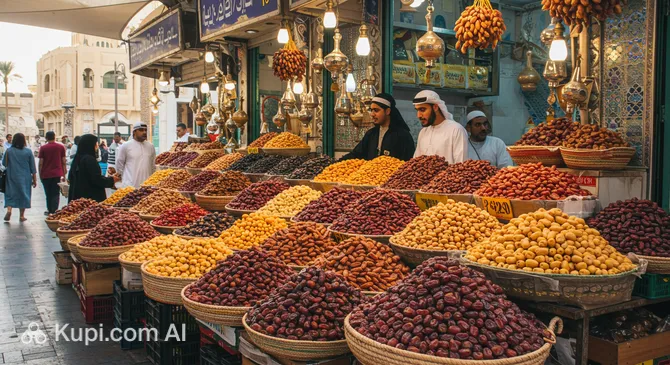
No meal in the emirate is complete without a touch of sweetness. Luqaimat are famous deep-fried dough balls drizzled with date syrup and sprinkled with sesame seeds, offering a crunchy exterior and soft interior. Dates are integral to the local culture, serving as both a staple food and a universal gesture of welcome. Visitors can explore the vast varieties of this fruit at the Abu Dhabi Dates Market, where vendors display everything from sweet Khalas to luscious Medjool dates.
Abu Dhabi Dates Market. Illustration.
Source: Kupi.com AI
Traveler photos:
The traditional beverage of choice is Gahwa, or Arabic coffee. Lightly roasted and spiced with cardamom and saffron, it is traditionally served in small cups without sugar, accompanied by dates to balance the bitterness. For a sweeter option, Karak Chai—a strong, spiced tea with milk—is a favorite among locals and expatriates alike. While the UAE is a Muslim country, alcohol is available in licensed venues, typically located within hotels and private clubs. Places like Craft offer a relaxed atmosphere for those looking to enjoy a drink in the evening.
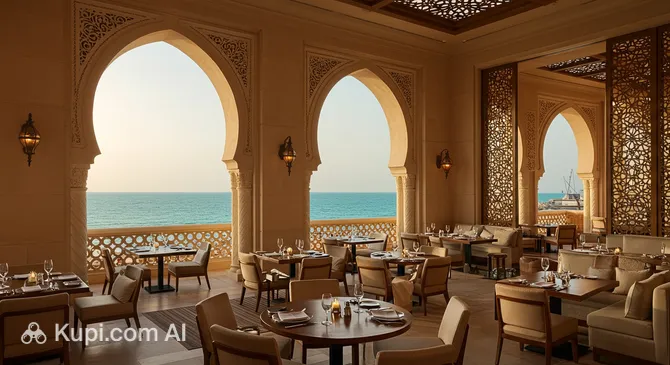
The dining atmosphere in Abu Dhabi ranges from vibrant street stalls selling fresh shawarma to luxurious waterfront establishments. For a memorable meal with a view, Bab Al Bahr Restaurant provides an exquisite setting to enjoy international and local flavors. Whether you are dining in a high-end venue or a local cafeteria, the warm hospitality of the Emirati people makes every meal a special occasion.
Bab Al Bahr Restaurant. Illustration.
Source: Kupi.com AI
Traveler photos:
Travel Tips
Planning a trip to Abu Dhabi is an exciting endeavor, but a few insider secrets can make your journey significantly smoother and more enjoyable. To help you navigate this modern yet traditional emirate with ease, we have compiled a list of essential practical tips for your stay.
Clothing and Gear: For most of the year, lightweight and breathable fabrics like cotton or linen are your best friends to combat the heat. However, air conditioning in malls and hotels can be quite strong, so carrying a light jacket or pashmina is wise. If you plan to visit religious sites like the Sheikh Zayed Grand Mosque, strict modesty is required: men must wear long trousers, and women must cover their heads, arms, and legs. Comfortable walking shoes are a must, especially for exploring expansive attractions.
Transportation: The most convenient way to get around is by taxi. They are reasonably priced, safe, and plentiful; you can hail them on the street or book via the Careem app or Abu Dhabi Taxi app. Public buses are an economical option and require a Hafilat smart card, as cash is not accepted on board. Renting a car is straightforward and great for day trips, but be aware that local driving styles can be fast-paced.
Finances: The local currency is the UAE Dirham (AED). Credit and debit cards are widely accepted almost everywhere, from high-end restaurants to taxis. However, it is useful to carry some cash for small purchases in traditional souks or for tipping. Tipping is not mandatory but is customary and appreciated; leaving 10-15% in restaurants is a standard gesture of gratitude.
Health and Safety: Abu Dhabi is consistently ranked as one of the safest cities in the world. Pharmacies are easy to find, with many operating 24/7, and the healthcare standard is high. Tap water is technically safe, but most tourists and locals prefer bottled or filtered water for drinking. Always keep the emergency number 999 in mind for police or ambulance services.
Communication: While Arabic is the official language, English is widely spoken and serves as the primary language for business and tourism. You will have no trouble communicating in hotels, shops, or taxis. Free Wi-Fi is available in most public places, but for constant connectivity, you can easily purchase a tourist SIM card from providers like Etisalat or Du upon arrival at the airport.
Local Etiquette: Emirati culture is rooted in hospitality and respect. When greeting a member of the opposite sex, it is polite to wait and see if they extend their hand first; if not, a nod and a smile suffice. Public displays of affection, such as kissing, should be avoided as they are considered offensive. During the holy month of Ramadan, eating, drinking, or smoking in public during daylight hours is prohibited.
What to Avoid: Never take photographs of people, especially Emirati women, without their explicit permission, and avoid taking pictures of government buildings or military installations. Additionally, using offensive language or making rude hand gestures in public or while driving is a serious legal offense.
Additional Tip: Take advantage of the Visit Abu Dhabi Shuttle Bus. This is a complimentary service for tourists that connects many of the city's top hotels with major attractions like Yas Island, the Louvre Abu Dhabi, and the Grand Mosque. It is a fantastic, budget-friendly way to hop between key sights without worrying about transport costs.
Armed with these practical tips, you are now ready to explore the wonders of the capital with confidence and respect for local customs. Enjoy the warm Arabian hospitality and the unforgettable experiences that await you in this dazzling city.
Entertainment & Nightlife
As the sun sets over the Arabian Gulf, Abu Dhabi transforms into a vibrant playground of shimmering lights and sophisticated entertainment. The city's nightlife scene has evolved dramatically, moving beyond hotel bars to encompass lively waterfront districts, chic lounges, and high-energy clubs. Whether you are seeking a relaxed evening by the sea or a night of dancing, the capital offers a diverse array of options that cater to a cosmopolitan crowd.
The epicenter of modern nightlife is undoubtedly Yas Island, specifically the dynamic waterfront destination known as Yas Bay. This bustling promenade is lined with world-class restaurants, cafes, and entertainment venues, offering stunning views of the skyline. It is the perfect place to start your evening with a sunset walk before diving into the night's festivities. The atmosphere here is electric, drawing a stylish mix of locals and tourists who come to enjoy the cool sea breeze and pulsating music.
Yas Bay. Illustration.
Source: Kupi.com AI
Traveler photos:
For those looking to experience the city's clubbing scene, the area hosts several top-tier venues. NURI Grill & Bar is a popular spot that combines high-end dining with a spirited bar atmosphere, perfect for those who want to transition seamlessly from dinner to drinks. The vibe in such establishments is generally upscale, so visitors are advised to dress to impress; "smart casual" is the standard dress code, and many clubs strictly prohibit beachwear or flip-flops.
If you prefer a more laid-back evening with a touch of elegance, the Saadiyat Beach Golf Club offers a serene setting. Here, you can enjoy a quiet drink while overlooking the pristine greens and the coast, making it an ideal choice for a romantic outing or a relaxed gathering with friends. Another fantastic destination for evening leisure is Al Qana, a waterfront destination that blends dining, entertainment, and picturesque walkways, offering a more community-focused yet lively night out.
Al Qana. Illustration.
Source: Kupi.com AI
Traveler photos:
When planning your night out, keep in mind that the weekend in the UAE falls on Saturday and Sunday, making Friday and Saturday nights the busiest. Alcohol is served in licensed venues, which are typically attached to hotels or located within designated leisure hubs like Yas Bay and Al Maryah Island. Prices can be on the higher side, but many venues offer "Ladies' Night" promotions or "Happy Hours" during the week, which are great ways to experience luxury for less.
Safety is a hallmark of Abu Dhabi, and exploring the city at night is very secure. Well-lit streets and a strong police presence allow for worry-free evening strolls. Getting around is effortless; taxis are plentiful and can be hailed on the street or booked via apps like Careem or Abu Dhabi Taxi. Ride-hailing services are reliable and provide a safe way to return to your hotel after a late night.
While the nights are for unwinding, the days are filled with adrenaline. Before heading out for the evening, you might spend your day at SeaWorld Abu Dhabi or cooling off at Yas Waterworld. These world-class attractions ensure that your entertainment options in the capital are limitless, from the first ray of sunshine to the late hours of the night.
Parks & Museums
While Abu Dhabi is famous for its shimmering skyscrapers and luxurious lifestyle, the city also boasts an impressive array of green spaces and cultural institutions. Beyond the glass and steel, visitors can discover lush parks that offer a respite from the desert heat, as well as museums that preserve the rich heritage and artistic vision of the emirate.
One of the city's most beloved green lungs is Umm Al Emarat Park. Located in the heart of the capital, this expansive park is a perfect blend of education and recreation. It features the Wisdom Garden, which honors the legacy of the late Sheikh Zayed, and an Animal Barn that delights younger visitors. With its botanical gardens, amphitheater, and winding promenades, it is an ideal spot for families and nature lovers to unwind.
Umm Al Emarat Park. Illustration.
Source: Kupi.com AI
Traveler photos:
For those seeking a more rugged natural experience, the Al Wathba Wetland Reserve offers a stunning contrast to the urban landscape. This protected area is famous for its large population of flamingos, which turn the wetlands pink during the cooler months. It is a haven for birdwatchers and eco-tourists, providing walking trails that allow you to observe the diverse ecosystem and the unique fossil dunes located nearby.
Al Wathba Wetland Reserve. Illustration.
Source: Kupi.com AI
Traveler photos:
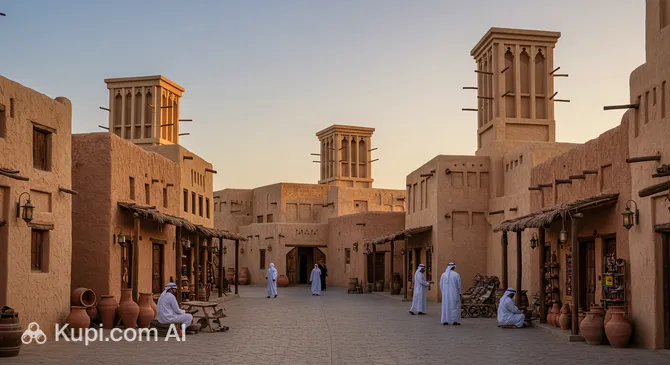
To truly understand the roots of the region, a visit to the Heritage Village is essential. Situated on the Corniche breakwater, this open-air museum reconstructs a traditional oasis village, offering a glimpse into life before the oil boom. Tourists can explore a goat-hair tent, a falaj irrigation system, and workshops where artisans demonstrate traditional skills like pottery, weaving, and metalwork. It is a fascinating place to buy authentic souvenirs and learn about the Bedouin way of life.
Heritage Village. Illustration.
Source: Kupi.com AI
Traveler photos:
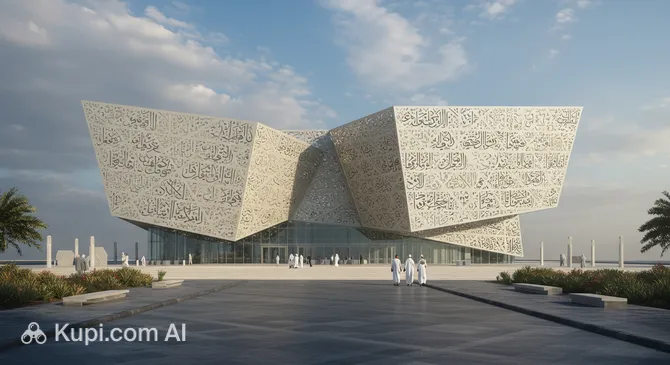
On the artistic front, Manarat Al Saadiyat serves as a vibrant cultural hub on Saadiyat Island. Meaning "Place of Enlightenment," this center hosts a rotating calendar of international art exhibitions, workshops, and film screenings. It is a gathering place for the city's creative community and offers visitors a chance to engage with contemporary art and cultural dialogues in a modern, interactive setting.
Manarat Al Saadiyat. Illustration.
Source: Kupi.com AI
Traveler photos:
For a relaxing end to your cultural tour, consider spending an evening at Khalifa Park. Apart from its beautifully landscaped gardens, the park houses a maritime museum and a library, making it a quiet retreat that combines leisure with learning. It is a hidden gem where you can enjoy a peaceful train ride around the grounds or simply admire the fountains.
Getting Around
The public transport system in Abu Dhabi is primarily designed around an extensive and modern bus network, as the city does not currently have a metro or tram system like its neighbor Dubai. The buses are operated by the Integrated Transport Centre (ITC) and are known for being clean, safe, and heavily air-conditioned—a necessity in the desert climate. These buses connect all major residential areas, tourist attractions, and shopping malls, making them a reliable option for getting around the city and its suburbs. In some residential areas, you may also encounter "Abu Dhabi Link," an on-demand minibus service that connects passengers to main bus routes.
To travel on public buses, cash is not accepted; instead, you must use the automated payment system known as the Hafilat card. Tourists can easily purchase a temporary Hafilat card or a "rechargeable anonymous card" from Ticket Vending Machines (TVMs) located at bus shelters, main bus stations, and some shopping malls. The fare structure is very affordable, with local trips typically costing around 2 AED, while regional journeys are charged based on the distance traveled. It is essential to remember that you must tap your card on the reader both when boarding and when alighting to ensure the correct fare is deducted.
For those who prefer a more direct and private mode of transport, taxis are the most popular alternative and are widely available throughout the city. The official silver taxis are government-regulated, metered, and reasonably priced compared to many other major global cities. You can hail them from the roadside, pick them up at designated taxi stands at malls and hotels, or book them via the Abu Dhabi Taxi app or ride-hailing platforms like Careem and Uber. Most taxis accept credit cards, but carrying a small amount of cash is always a good backup.
Travelers looking for a more active way to explore can utilize the city's bike-sharing scheme, Careem Bike. With docking stations situated along the Corniche, Yas Island, and Al Reem Island, this service allows you to rent a bicycle via a mobile app for short trips or leisurely rides along the waterfront. Additionally, the city offers a scenic water transport option; public water taxis and ferries operate in specific areas, such as Yas Bay and the route to Al Aliah and Dalma Islands, providing a unique perspective of the skyline from the water.
When using the bus system, it is important to note that the first few rows of seats are generally reserved for women and families, a cultural norm that should be respected. Buses typically operate from around 5:00 AM until midnight, though some main routes run 24 hours a day. For the smoothest experience, download the "Darbi" app, which provides real-time journey planning, bus schedules, and Hafilat balance checks, helping you navigate the emirate with confidence.
Accommodation
Accommodation in Abu Dhabi is as diverse as its landscape, ranging from world-famous ultra-luxury palaces to practical mid-range city hotels and serviced apartments. The city is renowned for its high standards of hospitality, and even budget-friendly options often provide excellent amenities and service. Whether you are looking for a beachside retreat, a hotel near the business district, or a family-friendly resort close to theme parks, the capital has something to suit every traveler's needs.
Choosing the right area is key to maximizing your experience. The Corniche area is a favorite for first-time visitors, offering spectacular waterfront views and easy access to parks and the city center. For those seeking a luxurious beach holiday mixed with culture, Saadiyat Island is the premier choice, home to pristine white sands and the Louvre Abu Dhabi. Meanwhile, thrill-seekers and families often prefer Yas Island, which places them right next to the major theme parks and the Formula 1 circuit.
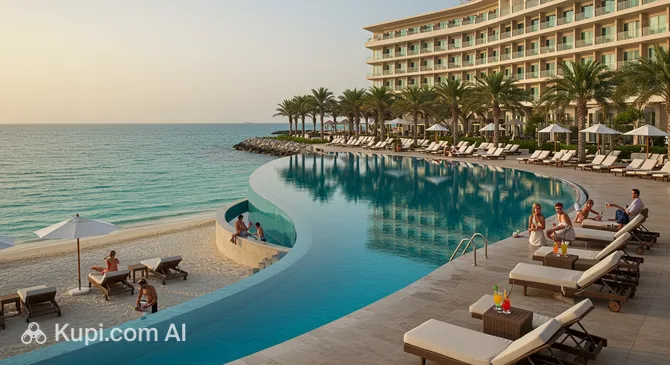
For a stay that combines leisure with convenience, the Yas Island Resort is an excellent example of the high-quality accommodation available in the entertainment district. It offers easy access to the island's attractions while providing a relaxing environment. Alternatively, if you prefer to be closer to the city's heartbeat and the waterfront, the Khalidiya Palace Rayhaan offers a stunning resort experience with direct beach access, situated conveniently near the Presidential Palace and the Corniche.
Yas Island Resort. Illustration.
Source: Kupi.com AI
Traveler photos:
Prices in Abu Dhabi can vary significantly depending on the season. The winter months (November to March) are the peak tourist season, and rates tend to be higher, especially during major events like the Grand Prix. It is highly recommended to book your accommodation well in advance during these times to secure the best rates. While the city is famous for its luxury, there is a healthy selection of mid-range and budget hotels, particularly in the downtown area. Booking is typically done through major online platforms or directly via hotel websites, which often guarantee the best deals.
Nearby Cities
For those looking to explore the surroundings, Abu Dhabi serves as an excellent base for day trips to several interesting nearby locations.
One of the most popular excursions is to Al Ain, known as the "Garden City" of the UAE. Located approximately an hour and a half from the capital, this UNESCO World Heritage site offers a refreshing change of pace with its lush palm oases, historic forts like Al Jahili, and the imposing Jebel Hafeet mountain. It is a perfect destination for those interested in the deep-rooted history and natural beauty of the emirate.
Just a short drive north lies the dazzling metropolis of Dubai. Famous for its futuristic skyline and record-breaking landmarks, such as the Burj Khalifa, it provides a high-energy contrast to Abu Dhabi. Visitors can spend the day exploring world-class shopping malls, vibrant souks, and architectural marvels before returning to the more relaxed atmosphere of the capital.
These nearby destinations offer a glimpse into the diverse culture and landscapes of the region.
Shopping & Souvenirs
Shopping in Abu Dhabi is a diverse experience that ranges from wandering through ancient aromatic souks to strolling down the air-conditioned avenues of world-class mega-malls. The city is a retail paradise where international luxury brands sit comfortably alongside local handicrafts, offering something for every taste and budget.
For a modern retail experience, Yas Mall is the capital's largest and most vibrant shopping destination. Located on Yas Island, this expansive mall is bathed in natural light and houses hundreds of international stores, from high-street favorites to exclusive designer labels. It is not just about shopping; the mall connects directly to Ferrari World and offers a wide variety of dining and entertainment options, making it a perfect day out for families.
Yas Mall. Illustration.
Source: Kupi.com AI
Traveler photos:
If you are looking for luxury in a sophisticated setting, The Galleria Al Maryah Island is the place to be. This premier lifestyle destination features a curated selection of high-end fashion and jewelry brands. After a shopping spree, visitors can enjoy a meal at one of the many award-winning restaurants located along the waterfront promenade, offering stunning views of the city skyline.
The Galleria Al Maryah Island. Illustration.
Source: Kupi.com AI
Traveler photos:
To discover the traditional side of commerce, a visit to the Abu Dhabi Dates Market is essential. This bustling market is dedicated to the region's favorite fruit, offering an incredible variety of dates grown in the UAE and neighboring countries. It is the ideal place to taste different types, such as the sweet Khalas or the chewy Fard, and to purchase beautifully packaged boxes as souvenirs.
Beyond dates, the city offers other specialized markets. The Madinat Zayed Shopping Centre is famous for its Gold Souk, where you can find exquisite jewelry and precious stones. For traditional textiles and home decor, the Carpet Souk near the port displays a colorful array of machine-made and hand-knotted carpets. Bargaining is common in these traditional markets, so do not hesitate to negotiate for a better price.
Most malls in Abu Dhabi are open daily from 10:00 AM to 10:00 PM, with extended hours until midnight on weekends. International tourists can also take advantage of the Tax-Free shopping scheme. Look for the "Tax Free" sign in participating stores to claim a refund on the Value Added Tax (VAT) at the airport before you leave the country.