Support

Sharjah

About

Sharjah is a vibrant and culturally rich destination that stands out as the arts and heritage hub of the United Arab Emirates. Often recognized as the Cultural Capital of the Arab World by UNESCO, the city offers a distinct atmosphere that contrasts with the futuristic skyline of its neighbor, Dubai. Here, modernity blends seamlessly with deep-rooted traditions, creating an environment that is both educational and inspiring for visitors seeking an authentic Arabian experience.

Geographically, Sharjah is unique as the only emirate with land on both the Persian Gulf and the Gulf of Oman, though the main city lies on the Persian Gulf coast. It is the third-most populous city in the country, home to approximately 1.2 million residents. The climate is typical of the region, featuring hot summers and mild, pleasant winters, which is the ideal time for exploring the city's outdoor attractions and heritage sites.
Sharjah. Source: Kupi.Binoculars

The city takes immense pride in its past. To truly understand the local identity, visitors are encouraged to explore the fascinating history of Sharjah, which is showcased in its well-preserved heritage areas and restoration projects. Walking through the Heart of Sharjah district offers a glimpse into the traditional lifestyle of the region before the oil boom.

Among its many attractions, the Sharjah Museum of Islamic Civilization is a standout landmark, housed in a stunning building with a majestic golden dome. For shoppers and architecture enthusiasts, the Blue Souk (Central Souq) is iconic for its intricate blue tile work and hundreds of shops selling gold, carpets, and antiques. Nature lovers will appreciate Al Noor Island, a serene lagoon island featuring art installations and a famous Butterfly House.

Sharjah is a destination that invites you to slow down and appreciate art, culture, and family-friendly entertainment. Whether you are wandering through its museums or strolling along the scenic Al Majaz Waterfront, the city promises a memorable and enriching journey.
Weather Overview

Sharjah experiences a hot desert climate characterized by blue skies and sunshine throughout the year. Before packing for your trip, it is helpful to review the detailed weather in Sharjah to ensure you are prepared for the conditions. The city generally sees a significant contrast between the intense heat of the summer months and the pleasant, moderate temperatures of the winter season.

The summer period, stretching from June to September, brings sweltering heat with average temperatures ranging from 33°C to 35°C. During this time, daily highs often climb to nearly 40°C, and rainfall is virtually non-existent. In contrast, the cooler months from December to February are perfect for outdoor activities, with average temperatures sitting comfortably around 20°C to 22°C and minimums rarely dropping below 16°C.

Precipitation is very scarce in this region, with most of the year remaining completely dry. Rain typically falls only between December and March, and even then, it is minimal, with usually just one to three wet days per month. Expect hot, arid summers and mild, agreeable winters with only very occasional light showers.

Interesting Facts

Beyond the well-known museums and markets, Sharjah holds many fascinating secrets that distinguish it from its neighbors. Here are some intriguing details that reveal the depth of this emirate's unique character.
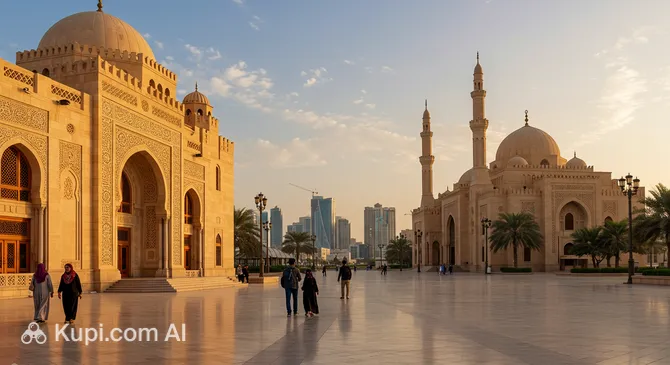
Al Noor Mosque. Source: Kupi.Binoculars
  • Sharjah is geographically unique as the only emirate that shares a land border with all six other emirates in the UAE. Its strategic central location makes it a vital connecting hub for the entire country.

  • The city is widely celebrated for its dedication to literature and intellect. It was named the "Cultural Capital of the Arab World" by UNESCO in 1998 and later the "World Book Capital" in 2019, a testament to its vibrant library culture and annual book fair.

  • Unlike Dubai or Abu Dhabi, Sharjah is a "dry" emirate, meaning the sale and consumption of alcohol are strictly prohibited almost everywhere, including hotels. This policy contributes significantly to its reputation as a conservative, family-oriented destination.

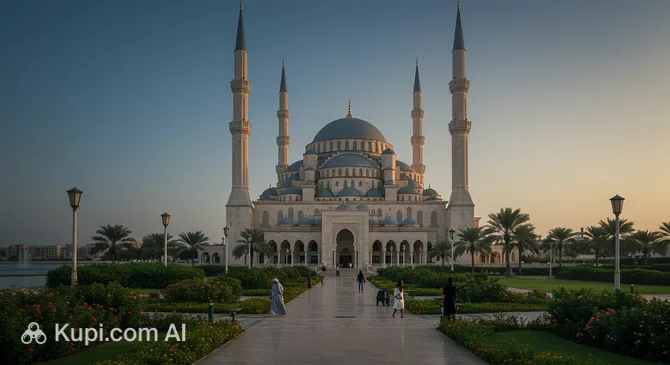
  • The stunning Al Noor Mosque is notable not just for its classic Ottoman-style architecture with cascading domes, but also for being the first mosque in the emirate to officially open its doors to non-Muslim visitors for guided cultural tours.

  • History runs deep here; the Sharjah Archaeology Museum houses artifacts that suggest human settlement in the region dates back over 125,000 years, highlighting the area's significance long before the modern era.

How to Get There

Reaching Sharjah is remarkably convenient due to its strategic location as a central hub in the United Arab Emirates. The city is well-connected to the rest of the world through its own international airport and is situated just a short drive from the major aviation hubs of neighboring Dubai. Whether you are arriving by air or traveling by road from other emirates, the journey is straightforward and efficient.

The primary gateway to the city is Sharjah International Airport (SHJ). Located approximately 10 kilometers from the city center, it is a major hub for low-cost carriers, particularly Air Arabia. The airport offers excellent connectivity to the Middle East, Asia, and parts of Europe. Upon arrival, travelers can easily reach their hotels via official airport taxis, which are readily available 24/7, or by using the public bus services that connect the terminal to the city.

Many visitors also choose to fly into Dubai Airport (DXB), which is one of the busiest airports in the world. Surprisingly, this airport is located only about 13 kilometers from the heart of Sharjah, making it an extremely viable option. The commute between DXB and Sharjah can take as little as 20 minutes by taxi during off-peak hours, although traffic can extend this time significantly during rush hour.

For those arriving on long-haul flights or specific charters, Dubai World Central – Al Maktoum International Airport (DWC) is another alternative. Situated roughly 58 kilometers away, it is further than the other two options but is connected to the city by highway. Travelers landing here usually opt for a taxi or a rental car to complete the journey.

If you are already in the UAE, traveling to Sharjah by road is very common. The city is connected to Dubai and the northern emirates by major highways, including Sheikh Zayed Road (E11) and Sheikh Mohammed Bin Zayed Road (E311). Intercity buses are a popular and budget-friendly mode of transport; frequent services run from Dubai's Union and Al Ghubaiba bus stations directly to the Al Jubail Bus Station in Sharjah. Taxis and ride-hailing apps are also widely used for cross-emirate travel, offering a comfortable door-to-door service.

Main Attractions

Sharjah is a treasure trove of cultural landmarks, family-friendly destinations, and scenic outdoor spaces. The city’s attractions reflect its status as a hub for art and heritage, offering visitors a perfect blend of modern entertainment and traditional charm. From bustling waterfronts to serene beaches, there is something here for every type of traveler to enjoy.

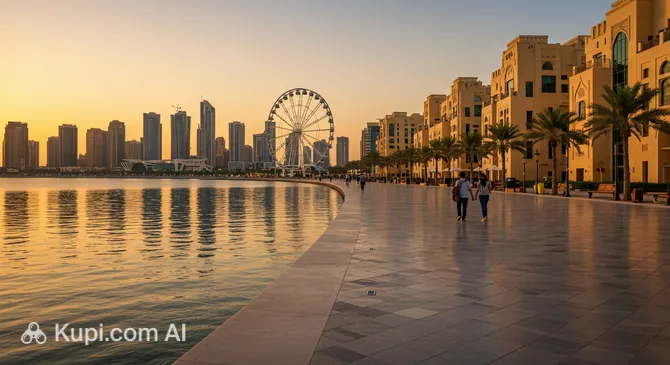
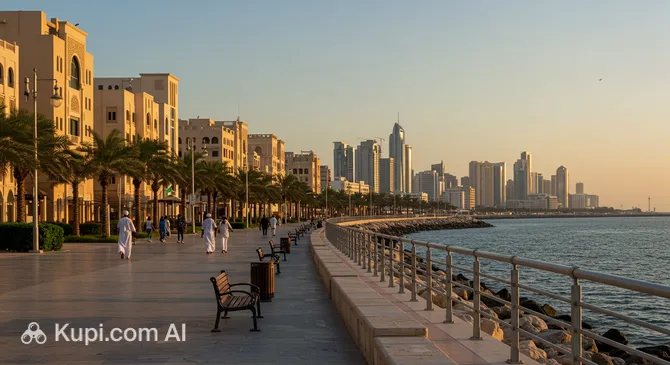
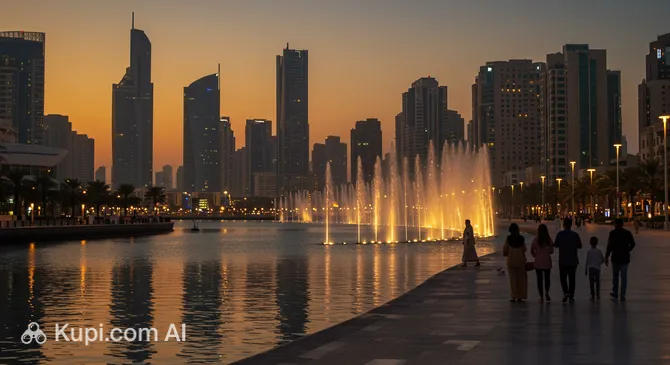
One of the most popular destinations for both locals and tourists is the Al Majaz Waterfront. Located in the heart of the city along the Khalid Lagoon, this vibrant leisure destination is famous for its lush green landscapes and the spectacular Sharjah Musical Fountain. It is an excellent spot for families, offering a variety of dining options, jogging tracks, and mini-golf, all set against the backdrop of the city's glittering skyline.

Al Majaz Waterfront. Source: Kupi.Binoculars

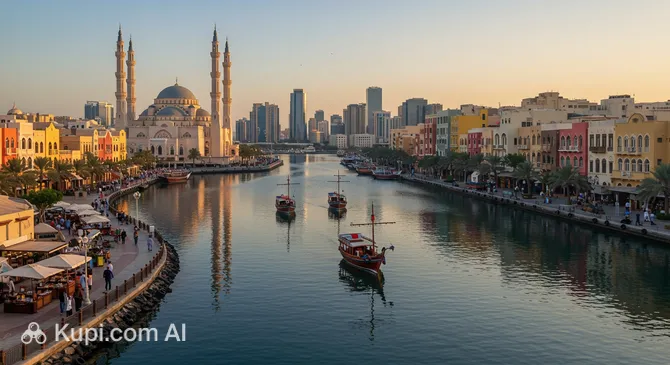
For those seeking a mix of culture and entertainment, Al Qasba is a must-visit location. This premier waterfront destination features a picturesque 1-kilometer-long canal lined with cafes, restaurants, and art centers. Visitors can enjoy a leisurely boat ride on the traditional abras or simply stroll along the pedestrian bridges. It is a lively hub that frequently hosts artistic events and festivals, making it a dynamic part of the city's social life.

Al Qasba. Source: Kupi.Binoculars

Beach lovers should head to Al Khan Beach, which is the first public beach in the emirate. This stretch of sand is unique because it blends relaxation with history; it is located near the city's historic area and features old watchtowers and archaeological remains. The beach offers plenty of water sports activities, including kayaking and kite surfing, making it a perfect spot for an active day by the sea.

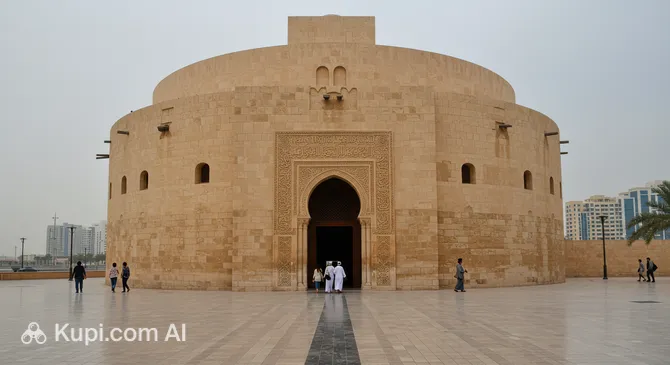
Another iconic landmark is the Cultural Square, often referred to as the Quran Roundabout. Surrounded by majestic Islamic architecture, including the Ruler's Office and the Ahmed Bin Hanbal Mosque, the square is dominated by a sculpture of an open Quran. It serves as a powerful symbol of the city’s dedication to faith and culture, providing a stunning photo opportunity and a moment of reflection amidst the grand structures.

Cultural Square. Source: Kupi.Binoculars

Art enthusiasts will appreciate the Al Mureijah Art Spaces. Managed by the Sharjah Art Foundation, this area is dedicated to contemporary art exhibitions and community programs. Set within a heritage neighborhood, the spaces successfully integrate modern artistic expression with the traditional architectural fabric of the city, offering a unique environment to explore regional and international art.

Local Cuisine

The culinary landscape of Sharjah is a delightful reflection of its multicultural population and deep-rooted Arabian traditions. As the cultural capital, the city takes pride in offering authentic Emirati cuisine alongside a vast array of Levantine, Indian, and Pakistani flavors. Food here is characterized by aromatic spices, generous portions, and a strong emphasis on communal dining, making every meal a warm and inviting experience for visitors.

For a taste of tradition, you must try Machboos, a fragrant rice dish cooked with meat or fish and seasoned with whole spices like cardamom and cloves. Another local staple is Harees, a wholesome porridge made of wheat and slow-cooked meat, often enjoyed during festivals. For those with a sweet tooth, Luqaimat—crispy fried dumplings drizzled with date syrup—are an absolute must-try dessert, often served with coffee.

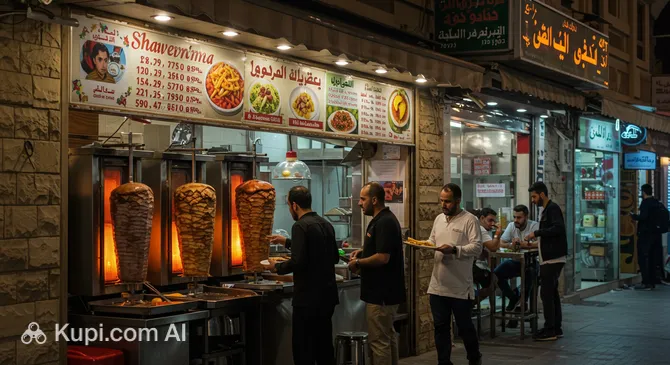
Street food is a significant part of the local food culture, with shawarma being the undisputed king of quick bites. You can find countless cafeterias serving this wrap, but for a dedicated experience, Shawerman Restaurant offers a variety of delicious options that elevate this classic snack. It is a perfect spot to grab a quick, flavorful meal while exploring the city.

Shawerman Restaurant. Source: Kupi.Binoculars

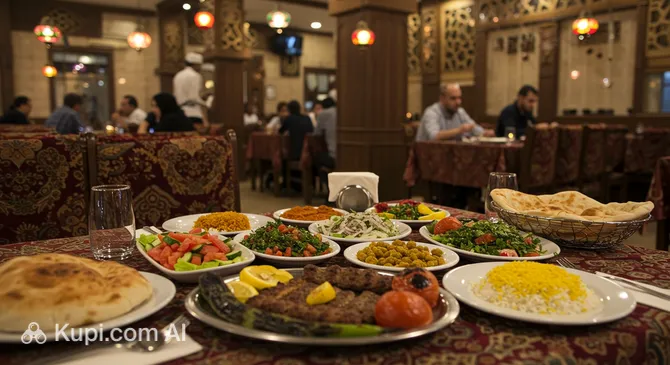
Given the large expatriate community, the city is also famous for its exceptional grilled meats and Levantine appetizers. Aleppo Grills is a popular destination for those seeking authentic kebabs and mezzes, providing a genuine taste of Syrian cuisine in a family-friendly setting. The dining scene here often extends late into the night, with families gathering to enjoy large platters of mixed grills.

Aleppo Grills. Source: Kupi.Binoculars

If you are looking for diverse street food flavors, Momostreet Restaurant brings a different vibe with its focus on dumplings and Asian-inspired street eats. It highlights how the city's food scene has evolved to embrace global trends while maintaining its local charm.

When it comes to drinks, it is important to note that Sharjah is a "dry" emirate, meaning the sale and consumption of alcohol are strictly prohibited in public, including hotels and restaurants. Instead, the beverage culture focuses on tea, coffee, and fresh juices. Karak Chai, a strong spiced tea with milk, is incredibly popular. You should also try Gahwa (Arabic coffee) served with dates. For something cooling, places like Ice and Berry serve refreshing fruit cocktails and smoothies that are perfect for beating the desert heat.

Travel Tips

Welcome to the cultural heart of the UAE! To ensure a smooth and respectful visit to Sharjah, keeping a few practicalities in mind will help you navigate local customs and daily life with ease.

  1. Clothing and Modesty: As Sharjah is more conservative than neighboring emirates, a modest dress code is highly appreciated. Both men and women should wear loose, lightweight clothing that covers the shoulders and knees. If you plan to visit religious sites, women will need a headscarf, and full-length coverage is required.
  2. Getting Around: Unlike Dubai, there is no metro system within the city itself. While public buses (Mowasalat) cover many routes, taxis and ride-hailing apps like Uber or Careem are the most efficient options. Be aware that traffic can be heavy during peak commute hours between Sharjah and Dubai.
  3. Money Matters: The local currency is the UAE Dirham (AED). International credit cards are widely accepted in malls and restaurants, but it is wise to carry cash for small purchases in the traditional souks or for taxi fares. Tipping 10–15% is customary for good service.
  4. Health and Safety: Sharjah is an extremely safe city for travelers. Pharmacies are plentiful, with many operating 24 hours a day. For any medical or security emergencies, you can dial 999 for the police or 998 for an ambulance.
  5. Staying Connected: While Arabic is the official language, English is widely spoken and understood across the city. Free Wi-Fi is available in many public places and malls. For constant connectivity, you can easily buy a tourist SIM card from providers like Etisalat or Du upon arrival.
  6. Local Etiquette: Politeness is key. Greet locals with a friendly "As-salamu alaykum" (Peace be upon you). Always use your right hand for eating, shaking hands, or passing items. Public displays of affection are culturally inappropriate and should be avoided.
  7. Strictly Prohibited: Remember that Sharjah is a "dry" emirate, meaning the sale, possession, and consumption of alcohol are illegal throughout the city. Additionally, avoid taking photographs of government buildings or local people—especially women—without asking for permission first.
  8. Friday Prayers: In the United Arab Emirates, Friday is a holy day. Expect many shops and businesses to close for a couple of hours around midday (typically between 12:00 PM and 1:30 PM) for Jumu'ah prayers, so plan your shopping or lunch accordingly.

By following these simple guidelines, you will find Sharjah to be a warm and hospitable destination. Enjoy immersing yourself in the rich heritage and peaceful atmosphere of this unique Arabian city without any unexpected surprises.

Entertainment & Nightlife

Sharjah offers a unique nightlife experience that is distinct from its neighbors. As a "dry" emirate, you will not find licensed bars, nightclubs, or discos here. Instead, the evening entertainment is defined by a vibrant café culture, late-night dining, and bustling waterfront promenades. The atmosphere is incredibly safe, relaxed, and family-oriented, with the city coming alive after sunset as locals gather to socialize under the stars.

The city's energy is best experienced in districts like Al Majaz and Al Qasba, where the waterfronts are lined with restaurants and activity. For a more trendy and youthful vibe, the Muweilah district has emerged as a hotspot for specialty coffee and desserts. This area is famous for its "cafe hopping" culture, where the streets are filled with cars and people enjoying artisanal brews well into the night.

If you are looking for a lively place to unwind, Infinity Cafe Lounge is a popular destination. While it does not serve alcohol, it offers a spirited lounge atmosphere with a wide selection of mocktails, hot beverages, and shisha, making it a perfect spot for evening relaxation with friends. The venue typically stays open late, reflecting the local habit of staying active until the early morning hours.

Infinity Cafe Lounge. Source: Kupi.Binoculars

For those who prefer a mix of shopping and dining, Zawaya Walk is an excellent choice for an evening stroll. This open-air lifestyle destination features impressive architecture and a curated selection of upscale eateries and boutiques. It is particularly beautiful at night when the walkways are illuminated, offering a chic setting for a casual dinner or a late-night snack.

Zawaya Walk. Source: Kupi.Binoculars

While the focus here is on the evening, the city also offers exciting daytime entertainment. Adventure seekers should visit Prison Island Sharjah, an indoor adventure destination that challenges teams to solve puzzles and complete physical tasks across various "cells." It is a thrilling alternative to the traditional sightseeing spots and is great for groups looking for high-energy fun.

From a practical standpoint, nightlife in Sharjah is accessible and affordable. Most cafes and restaurants remain open until at least 1:00 AM, and some operate 24 hours on weekends. The city is very safe for night walks, even for solo travelers. Taxis are easy to find, or you can book a ride via apps like Uber or Careem. When heading out, remember that the dress code remains modest; smart casual attire that covers shoulders and knees is expected at all times.

Parks & Museums

As the Cultural Capital of the Arab World, Sharjah offers a refined blend of intellectual enrichment and outdoor leisure. The city is renowned for its dedication to preserving history and promoting the arts, boasting a higher concentration of museums than any other emirate. Beyond its gallery walls, the city surprises visitors with well-maintained green spaces and parks that provide a lush escape from the desert environment.

For a relaxing afternoon by the water, the Sharjah Corniche is a favorite destination for both locals and tourists. This sprawling promenade stretches along the creek, offering paved walkways lined with palm trees and ample seating areas. It is the perfect spot for a scenic jog or a leisurely walk, providing uninterrupted views of the city's skyline and the traditional dhow boats gently bobbing in the water.

Sharjah Corniche. Source: Kupi.Binoculars

In the heart of the city lies Rolla Square Park, a location steeped in local history. Named after a large banyan tree that once stood here and served as a gathering point for residents, the park remains a significant social hub. It features beautiful fountains and shaded areas, making it a pleasant stop while exploring the bustling Rolla district. For female travelers and families seeking privacy, the Green Belt Ladies Park offers a dedicated space exclusively for women and children, equipped with jogging tracks, playgrounds, and lush gardens.

When it comes to museums, the city's offerings are world-class. A visit to the Sharjah Archaeology Museum is essential for understanding the deep roots of human civilization in the region. The museum showcases an impressive collection of artifacts, including tools, jewelry, and pottery, which shed light on the lifestyle of the area's inhabitants from the Stone Age to the rise of Islam. It is an educational journey that reveals the emirate's strategic importance throughout history.

Sharjah Archaeology Museum. Source: Kupi.Binoculars

Art and culture lovers will also find the city’s broader museum landscape fascinating. While the Sharjah Museum of Islamic Civilization is a major highlight with its thousands of rare Islamic artifacts, the city also hosts the Sharjah Art Museum, which is one of the largest art exhibitions in the Gulf region. These institutions are not just repositories of the past but active cultural centers that frequently host international exhibitions and workshops.

Architectural diversity is another aspect of the city's charm. While Islamic architecture dominates, the St. Michael's Catholic Church stands as a testament to the emirate's religious tolerance and multicultural community. Its distinctive structure and welcoming atmosphere make it a notable landmark in the Al Yarmook area, drawing visitors from various backgrounds.

For an authentic local experience, try visiting the smaller neighborhood parks like Maysaloon Park in the late afternoon. This is when the weather cools down and local families come out to socialize, offering a genuine glimpse into the everyday life of Sharjah's residents away from the main tourist trails.

Getting Around

Navigating Sharjah is relatively straightforward, although the city relies heavily on road transport rather than a diverse rail network. The backbone of the public transportation system is the Mowasalat bus network, operated by the Sharjah Roads and Transport Authority (SRTA). These buses are modern, air-conditioned, and cover most major districts, making them a reliable and budget-friendly option for getting around the city. While Sharjah does not have its own metro system, the bus network is designed to connect key residential areas with popular landmarks, markets, and the central bus hub.

For payment, the system uses a smart card known as the Sayer Card. This contactless card is the most convenient way to pay for bus fares, offering a discount compared to paying with cash. You can purchase and top up a Sayer Card directly from the driver on the bus or at the main Al Jubail Bus Station. While cash is accepted on board, carrying the card saves you the hassle of finding exact change and speeds up the boarding process. A typical trip within the city costs a few dirhams, making it an extremely economical way to travel.

If you prefer a more direct and comfortable mode of transport, taxis are ubiquitous and very popular among tourists. Official taxis are easily recognizable, clean, and run on a meter, ensuring fair pricing. You can flag one down on the street or book one via the telephone. For those accustomed to digital solutions, ride-hailing apps like Uber and Careem operate efficiently in the city, allowing you to book private rides with ease. Car rentals are also a common choice for visitors who plan to explore the emirate at their own pace, as the road infrastructure is excellent.

A unique aspect of transport in Sharjah is its strong connectivity to neighboring Dubai. Since there is no local metro, SRTA operates frequent intercity buses that shuttle passengers from Sharjah to various Dubai Metro stations. This is a vital link for tourists who want to explore both cities. Additionally, for a scenic and traditional short trip, you can take an abra (traditional boat) to cross the Khalid Lagoon or the creek. This is less of a mass transit option and more of a charming experience that offers beautiful views of the waterfront.

When using public buses, it is helpful to know that the front seats are generally reserved for ladies, children, and families. This cultural norm is strictly observed, so solo male travelers should move to the rear of the bus. Buses typically operate from early morning, around 6:00 AM, until late at night, often up to 11:00 PM or midnight. Schedules may vary slightly on Fridays, so it is always a good idea to check the timings if you are traveling early on the holy day.

Accommodation

Finding the perfect place to stay in Sharjah is often a pleasant surprise for travelers, as the city offers a diverse range of accommodation options that generally provide excellent value for money compared to neighboring Dubai. The choices span from economical hostels and budget-friendly city hotels to spacious serviced apartments and luxurious 5-star beachfront resorts. Whether you are visiting for business, a family vacation, or a cultural exploration, there is something to suit every lifestyle and budget.

When choosing a location, consider what you want to be closest to. The Al Majaz and Al Qasba districts are fantastic for those who want to be in the heart of the city, offering easy access to waterfront promenades, dining, and family entertainment. Alternatively, if your priority is sun and sand, the areas along the Sharjah Corniche and Al Khan are ideal, placing you right next to the Persian Gulf with private beach access and resort facilities.

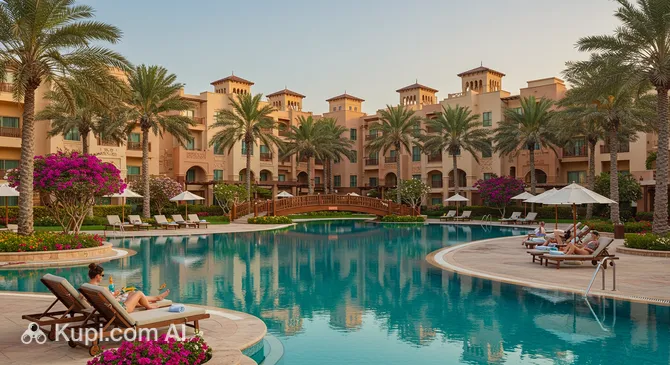
For visitors seeking a resort-style experience, the Coral Beach Resort Sharjah is a standout choice. This property is widely appreciated for its family-friendly atmosphere, featuring lush gardens, swimming pools, and a private beach that offers a tranquil escape from the bustling city center.

Coral Beach Resort Sharjah. Source: Kupi.Binoculars

Another upscale option often favored by travelers to the region is the Ajman Hotel & Villas. Located along the coast, it provides a luxurious setting with extensive amenities, making it a popular base for exploring the northern emirates while enjoying top-tier comfort.

Booking Tip: The winter months, from November to March, are the peak tourist season due to the wonderful weather. During this time, hotels can fill up quickly, so it is highly recommended to book your accommodation well in advance to secure your preferred dates and rates.

In terms of pricing, Sharjah is generally more affordable than Dubai, allowing tourists to enjoy higher-end amenities for a mid-range price. Booking is straightforward, with most travelers using major online platforms or booking directly through hotel websites. Whether you opt for a modern downtown hotel or a relaxing seaside resort, you can expect warm Arabian hospitality and high standards of service.

Nearby Cities

For those looking to explore the surroundings, Sharjah serves as an excellent base for day trips to several interesting nearby locations. The emirate's central position makes it incredibly easy to venture out and discover the distinct character of its neighbors, ranging from futuristic metropolises to serene coastal retreats.

Just a short drive away lies Dubai, the glittering commercial hub of the region. Located only about 23 km from Sharjah, it offers a stark contrast with its record-breaking skyscrapers, such as the Burj Khalifa, and massive entertainment complexes. A day trip here allows travelers to experience world-class shopping, vibrant theme parks, and a bustling cosmopolitan atmosphere before returning to the quieter, more traditional pace of Sharjah.

For a more relaxed experience, Ajman is practically an extension of Sharjah, situated just 10 km away. As the smallest of the seven emirates, it is known for its beautiful white-sand beaches and the historic Ajman Museum, which is housed in an 18th-century fort. It is an ideal spot for a leisurely afternoon stroll along the corniche or a quick dip in the sea without the crowds found in larger cities.

Nature enthusiasts and adventure seekers should consider heading north to Ras Al Khaimah. Famous for its dramatic landscapes, including the Jebel Jais mountain range—the highest peak in the UAE—it offers opportunities for hiking, zip-lining, and exploring ancient history. The scenic drive and the unique topography provide a refreshing change of scenery from the urban environment.

City Population Distance (km)
Dubai 3,331,420 23
Abu Dhabi 1,483,000 146
Al Ain 766,936 129
Ajman 490,035 10
Ras Al Khaimah 115,949 74

These nearby destinations offer a glimpse into the diverse culture and landscapes of the region.

Shopping & Souvenirs

Shopping in Sharjah offers a delightful contrast to the ultra-modern retail therapy often associated with the region. The city is famous for its traditional markets, known as souks, where heritage and commerce blend seamlessly. It is particularly renowned for Persian carpets, gold jewelry, and antiques, often available at better prices than in neighboring emirates. Whether you are looking for luxury brands or authentic local handicrafts, the city provides a diverse and rewarding experience.

The most iconic shopping destination is undoubtedly the Central Souq, affectionately known as the "Blue Souk" due to its distinctive blue-tiled exterior. Located on the edge of the Khalid Lagoon, this architectural marvel consists of two large wings connected by footbridges and houses over 600 shops. It is the best place to find gold, silver, gems, and intricate oriental rugs. For a more bustling, local atmosphere, the Rolla district offers a myriad of shops selling electronics, fabrics, and everyday goods at bargain prices.

While tradition is strong, modern retail is thriving with several world-class shopping centers. Zawaya Walk provides a contemporary open-air experience, combining upscale boutiques with dining options in a beautifully designed setting. It is perfect for those who prefer a relaxed stroll while browsing. For travelers looking for value and variety, Day to Day is a favorite stop. This large department store is famous for its wide range of affordable products, from clothing and household items to budget-friendly souvenirs and gifts.

Day to Day. Source: Kupi.Binoculars

Beyond the modern aisles, visitors should explore Souq Al Arsah in the Heart of Sharjah. It is one of the oldest marketplaces in the UAE, featuring coral brick walls and lantern-lit alleyways filled with silver jewelry, handicrafts, and wooden chests. Another must-visit is Souq Al Jubail, a pristine indoor market famous for its fresh fish, fruit, and vegetable sections, housed in a stunning building inspired by traditional Islamic architecture.

When hunting for keepsakes, Sharjah is the perfect place to buy authentic Arabian goods. Popular items include aromatic oud and attar perfumes, handcrafted Dallah coffee pots, and colorful pashminas. Dates are also a classic gift; you can find premium varieties like Medjool or Khidri beautifully packaged in the markets, making for a delicious reminder of your trip.

Most shopping malls operate daily from 10:00 AM to 10:00 PM, extending until midnight on weekends. Traditional souks often observe a split shift, closing in the afternoon from roughly 1:30 PM to 4:00 PM. On Fridays, many shops, especially in the souks, open only after Jumu'ah prayers around 2:00 PM. Major credit cards are widely accepted in malls and larger stores, but carrying cash is highly recommended for bargaining in the traditional souks.

Tourists visiting the UAE are eligible for a VAT refund on purchases made at participating stores. Look for the "Tax Free" signage at the checkout. To claim the refund, you need to present your passport during the purchase to generate a tax-free tag, which you must then validate at the airport or border crossing before leaving the country.

Reached the end of the page?

That means the route is fully explored