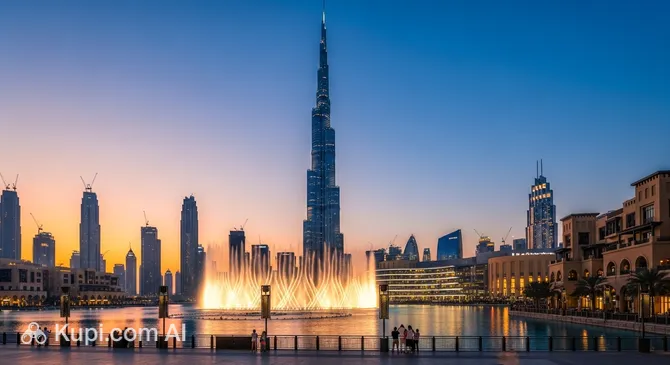
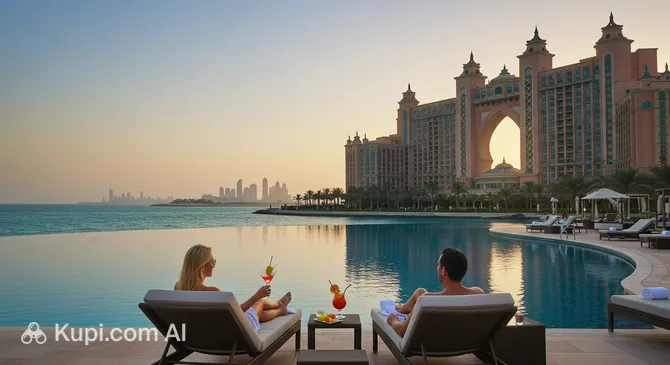
Dubai is a glittering metropolis in the UAE, rightfully called the "city of the future." Here, futuristic skyscrapers of glass and steel rise directly from the desert sands, while world-class innovations harmoniously coexist with a deep respect for the cultural heritage of the Middle East. The city's atmosphere is steeped in ambition and luxury: from man-made palm islands to the tallest building on the planet—everything here is designed to amaze and inspire.
Dubai. Illustration.
Source: Kupi.com AI
Geographically, the city is located on the coast of the Persian Gulf, securing its status as the region's largest transport and business hub. With a population of about 3.3 million people, Dubai is the most populous emirate, having transformed over several decades from a small pearl-diving settlement into a global center for tourism and shopping. The climate here is subtropical, ensuring an abundance of sunny days throughout the year.
Travelers are drawn to the unique blend of Eastern hospitality and Western comfort. The history of Dubai's rise resembles an Oriental fairy tale of incredible progress, which can be felt while strolling through old quarters or modern promenades. We invite you to dive into this world of contrasts, where everyone will find something for themselves: from serene beach holidays to extreme desert adventures.
Weather Overview
The climate in Dubai is subtropical desert, which means hot summers and surprisingly comfortable winters. The sun shines almost always in the city: there are about 355 clear days a year. If you are planning a beach holiday, the best time to visit is from October to April, when daytime temperatures range between +25°C...+35°C and the gulf water remains pleasantly warm.
The summer months (May to September) are characterized by extreme heat, with the thermometer often rising to +40°C...+45°C amidst high humidity. During this time, activity moves to air-conditioned interiors, and hotel prices drop significantly. Winter (December to February) brings mild warmth: daytime around +24°C, while nights can be cool (down to +15°C), so a light jacket won't hurt. Rare, short-lived rains occur mainly during the winter period, but they usually do not disrupt tourist plans.
Before your trip, we recommend studying the detailed city's climate to choose your wardrobe correctly. Regardless of the time of year, remember the high solar activity and the need to use protective gear even on cloudy days.
Average monthly temperature
Average monthly precipitation
Interesting Facts
Burj Khalifa is not just the tallest skyscraper (828 meters), but also a building with the world's fastest elevator, which takes visitors to the 124th floor in just one minute.
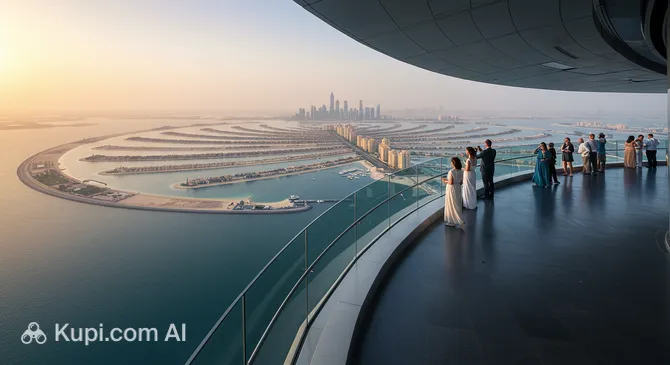
The artificial island Palm Jumeirah is so massive that its palm-tree-shaped outlines are clearly visible even from space.
At the foot of the main skyscraper is the world's largest musical fountain: it is 275 meters long, and its water jets rise to a height of up to 150 meters.
The Dubai Aquarium, located in a shopping mall, is among the largest on the planet—its 10-million-liter tank is home to over 33,000 marine animals.
How to Get There
Dubai is one of the most accessible cities in the world thanks to its status as a global aviation hub. Getting to the emirate is easiest by air: hundreds of direct flights daily connect the city with the planet's largest metropolises. For citizens of many countries, including Russia, a simplified visa regime applies, allowing for a free passport stamp right upon arrival.
The main air gateway is Dubai International Airport (DXB), one of the busiest and most modern in the world. It is located practically within the city limits, and you can reach the center from here by taxi in 20 minutes or via the metro's Red Line. Al Maktoum International Airport (DWC) also plays an important role, frequently hosting charter and budget airlines. For those seeking unusual ways to travel, the Dubai Seaplane Terminal (DST) and specialized piers such as Dubai (Jebel Ali SPB) (DJH) are available.
While rail links between UAE cities in the traditional tourist sense are still under development, Dubai has an extensive network of suburban and intercity buses. The city is also a popular port for cruise ships traveling through the Persian Gulf.
Main Attractions
Dubai captures the imagination with its architectural records and man-made wonders. No trip here is complete without visiting the Burj Khalifa—the world's tallest building, at the foot of which a grand dancing fountain show unfolds. For those who want to see the city from a new perspective, The View at The Palm is an excellent choice, offering a breathtaking panorama of the man-made Palm Jumeirah archipelago.
The View at The Palm. Illustration.
Source: Kupi.com AI
Traveler photos:
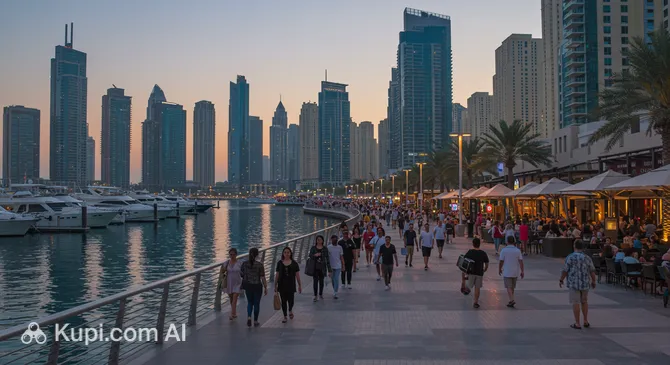
Fans of leisurely strolls and modern urban aesthetics should definitely visit Dubai Marina Walk. This fashionable promenade along the canal is surrounded by a forest of skyscrapers, cozy cafes, and luxury yachts, creating an atmosphere of resort glamour. It is especially pleasant to spend evenings here when the city lights up with millions of glows.
Dubai Marina Walk. Illustration.
Source: Kupi.com AI
Traveler photos:
Beyond futuristic sites, there is also room for spiritual culture in the city. St. Mary's Catholic Church is an important religious center for the city's multinational community, demonstrating the emirate's tolerance and openness. Also, don't forget to check out the massive aquarium in Dubai Mall or take a stroll through the Miracle Garden, where millions of plants are transformed into true works of art.
Local Cuisine
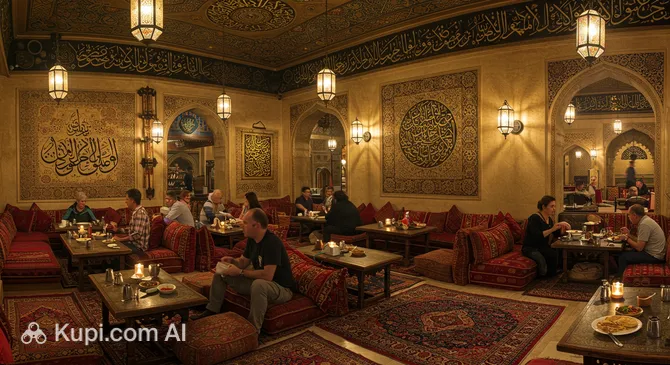
The gastronomic scene in Dubai is a melting pot of cultures, where traditional Arabic recipes meet cuisines from all over the world. The foundation of a local meal often consists of meze—various appetizers like hummus, baba ghanoush, and falafel. For main courses, you must try mandi—fragrant lamb or chicken with rice and spices. You can get acquainted with this dish, for example, at specialized establishments such as Mandi Man.
Mandi Man. Illustration.
Source: Kupi.com AI
Traveler photos:
For those who prefer a familiar international format, many global chains are open in the city, including Raising Cane's. However, for true local flavor, it's better to head to the markets or specialized Emirati restaurants serving al harees porridge or date desserts. Street food at the markets is an excellent way to try authentic dishes at affordable prices.
Raising Cane's. Illustration.
Source: Kupi.com AI
Traveler photos:
The drink culture centers around Arabic coffee with cardamom, served in small cups, and refreshing juices made from mango or pomegranate. Alcohol is available only in licensed restaurants and hotel bars. In the evening, many locals and tourists choose restaurants with a view of the water or fountains, turning an ordinary dinner into a real show.
Travel Tips
Planning a trip to this amazing metropolis? Here are some proven tips to help you feel confident and get the most enjoyment out of your visit to Dubai.
Clothing and Dress Code: Outside of beaches and hotels, choose modest clothing that covers shoulders and knees. In summer, wear light natural fabrics, but be sure to bring a sweater or scarf—indoor air conditioning works at full blast.
Transport: The most convenient ways to get around are the metro and taxis. Be sure to buy a Nol card to pay for the metro and buses. To order a taxi, use the Careem app—it is the local standard for quality.
Finance: The local currency is the Dirham (AED). Cards are accepted almost everywhere, but it's better to have cash for markets and small purchases. Tipping is welcome (usually 10-15%), but it is often already included in the bill at restaurants.
Health: The sun here is very intense, so SPF 50+ is a must all year round. Drink only bottled water—it is available everywhere and guaranteed to be safe.
Connectivity: You can buy a tourist SIM card (Etisalat or Du) right at the airport. Free Wi-Fi is available in almost all shopping malls and hotels.
Local Etiquette: Show respect for local traditions, especially during Ramadan. Always ask for permission before taking photos of local residents.
What to Avoid: Do not show strong public displays of affection (kissing and hugging may draw a reprimand) and strictly avoid consuming alcohol outside of designated areas.
Useful Apps: Download RTA Dubai for trip planning and Visit Dubai to keep track of current events.
Following these simple rules will make your vacation comfortable and your immersion into the emirate's culture pleasant and memorable!
Entertainment & Nightlife
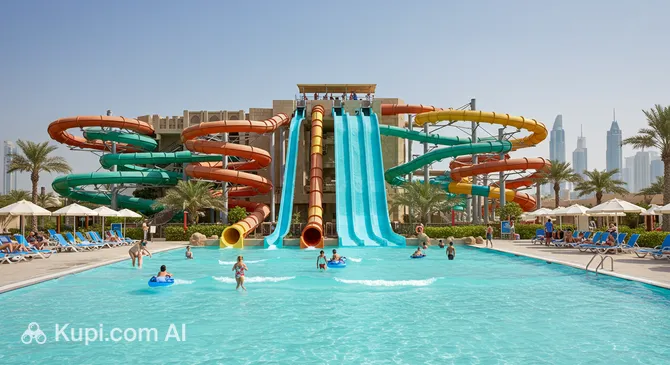
Entertainment in Dubai spans an incredible range—from extreme rides to sophisticated evening venues. During the day, families with children and water fun enthusiasts often choose AquaFun Water Park, located outdoors. For those who prefer indoor venues, the IMG Worlds of Adventure and Motiongate theme parks offer full immersion into the worlds of movies and comics.
Aqua Fun Waterpark. Illustration.
Source: Kupi.com AI
Traveler photos:
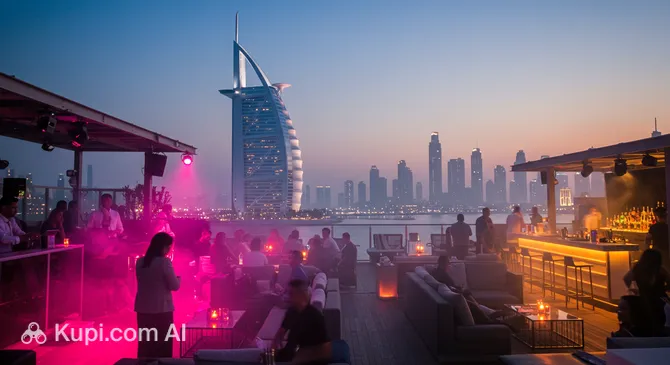
As darkness falls, the epicenter of life shifts to the Dubai Marina and JBR areas. The city's night scene is famous for its luxurious clubs and lounges. For instance, Smoky Beach offers a relaxed atmosphere right on the coast with a view of the gulf. If you are looking for a more stylish and intimate place for the evening, consider Grey Al Wasl—a popular space combining a coffee lounge and a bar.
The Grey Al Wasl. Illustration.
Source: Kupi.com AI
Traveler photos:
Nightlife here is characterized by a strict dress code (smart casual or evening attire) and a high level of security. Popular clubs like White Dubai or Soho Garden often host world-class DJs. Getting between venues at night is easiest by taxi, which operates 24/7. For those who prefer cultural leisure, the La Perle acrobatic show or evening cruises on traditional dhow boats are excellent choices.
Parks & Museums
The parks and museums of Dubai offer a surprising contrast between the historical past and the high-tech future. One of the most vivid experiences will be a visit to Dubai Miracle Garden—the world's largest flower garden, where giant sculptures are created from millions of plants. For family leisure and picnics, Zabeel Park is perfect, being home to the famous "Dubai Frame."
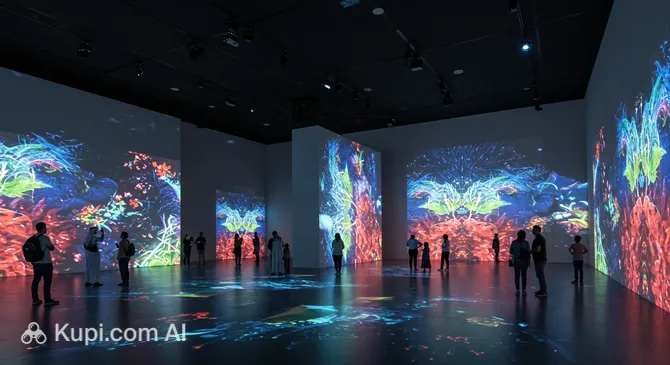
You can immerse yourself in the world of contemporary art and digital technology by visiting the ARTE MUSEUM Dubai. This is a space where nature and fantastic worlds come to life through immersive installations. If you are interested in the traditional lifestyle and ancestral heritage, it is worth stopping by the Al Khayma Heritage Restaurant, which combines a museum exhibition and a gastronomic experience in an ancient style.
ARTE Museum Dubai. Illustration.
Source: Kupi.com AI
Traveler photos:
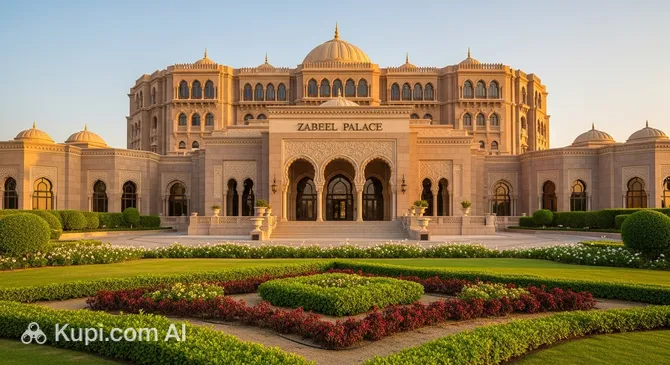
The city's historical significance is highlighted by Zabeel Palace (Zabeel Palace), the residence of the ruling family, whose architecture is impressive in its grandeur even from the outside. Also, don't forget the Museum of the Future—an architectural masterpiece dedicated to innovation, and the Dubai Museum in the ancient Al Fahidi Fort, which tells the story of the city's life before the oil boom.
Zabeel Palace. Illustration.
Source: Kupi.com AI
Traveler photos:
Getting Around
The transport system in Dubai is one of the most modern and efficient in the world. The backbone of public transport is the fully automated metro (driverless trains), which consists of two lines: Red and Green. A metro ride is not only convenient but also offers excellent views of the city. For those who value extra comfort, "Gold Class" carriages are available, and there are separate special sections for women and children.
A unified contactless Nol card is used for fare payment, which must be validated both at the entrance and exit of the transport. The card works on the metro, buses, and trams operating in the Dubai Marina and JBR areas. The bus network covers the entire city, and stops are equipped with air conditioning, which is extremely important during the hot season. The cost of a trip depends on the transport zones crossed and ranges from 4 to 8 AED.
The city's water transport adds a special charm. Traditional abra boats carry passengers across the Dubai Creek for just 1 AED—this is the cheapest and most colorful way to get around. Modern water taxis and trams are also popular. Alternatives to public transport include numerous taxis (which can be called via the Careem or Uber apps) and bike rental services available on popular waterfronts.
Accommodation
The choice of accommodation in Dubai is vast: from futuristic skyscrapers in the center to beachfront residences. If your goal is shopping and sightseeing, it is best to stay in the Downtown area, near the Burj Khalifa. For beach lovers, the Dubai Marina and JBR areas are ideal, with many hotels offering beach access and an active nightlife.
For those seeking exceptional luxury and privacy, the artificial island of Palm Jumeirah is the best choice. Here you will find, for example, the fashionable The Palm Jumeirah Resort, Dubai, offering world-class service and private beaches. Another modern and stylish option in a popular beach area is LUX JBR.
Dubai Palm Jumeirah Resort. Illustration.
Source: Kupi.com AI
Traveler photos:
Budget accommodation options, such as hostels and affordable 3* hotels, are more common in the city's older districts—Deira and Bur Dubai. Prices here start at 200 AED per night, while luxury resorts can cost 1,000 AED and up. Important tip: book your accommodation in advance, especially if your trip falls between October and April or during the New Year holidays, when hotel demand peaks.
Nearby Cities
Dubai is an ideal starting point for exploring other emirates, each with its own unique character. Just a 20-minute drive away is Sharjah—the cultural capital of the UAE, famous for its museums, art galleries, and magnificent aquarium. This destination is perfect for those who want to dive deeper into the Islamic architecture and history of the region.
A little further down the coast is Ajman, the smallest of the emirates, attracting tourists with its quiet snow-white beaches and traditional markets. Also interesting for a day trip are Umm Al Quwain with its authentic atmosphere and the abandoned town of Al Jazirah Al Hamra, which guards the secrets of this land's past. If you have more time, don't miss the chance to visit Abu Dhabi (1.5 hours away)—the country's capital with its majestic Sheikh Zayed Mosque.
Traveling around the surrounding areas allows you to see the UAE from different sides: from bustling metropolises to quiet coastal towns and the majestic mountains of Ras Al Khaimah. Exploring the region is most convenient by rented car or comfortable intercity buses.
Shopping & Souvenirs
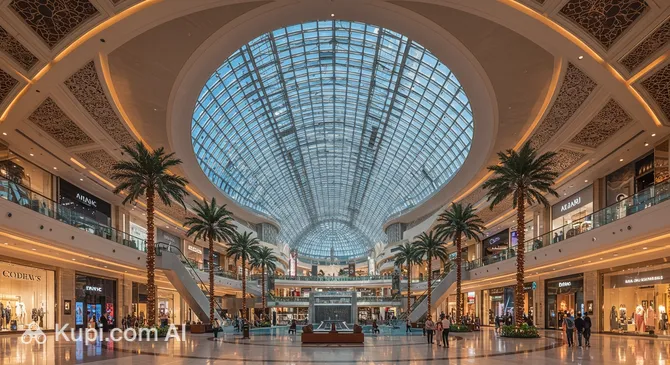
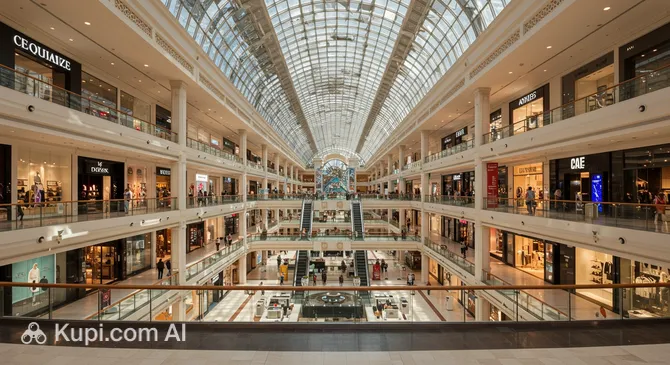
Shopping in Dubai is not just about visiting stores; it's a national pastime and part of the urban culture. The city is famous for its lack of import taxes, which makes buying electronics, world-brand clothing, and gold very profitable. The main point of attraction is Dubai Mall—a colossal complex with more than 1,200 stores, featuring absolutely every category of goods, from mass-market to exclusive luxury.
Dubai Mall. Illustration.
Source: Kupi.com AI
Traveler photos:
Another iconic location is the Mall of the Emirates, known not only for its boutiques but also for its indoor ski resort. If you are looking for authentic items, head to the Deira district for the Gold Souk or Spice Souk. Here you can find unique jewelry, incense, saffron, and traditional Arabic perfume. Trading at the markets is an art form, and the ability to haggle will help significantly reduce the price.
Mall of the Emirates. Illustration.
Source: Kupi.com AI
Traveler photos:
Typical souvenirs from Dubai include premium dates, camel milk chocolate, hookahs, and cashmere products. Most stores are open from morning until late evening (often until 22:00 or midnight). Card payments are accepted everywhere, but it's better to have cash dirhams (AED) at the markets for better deals.