Support

Al Ain

About

Al Ain, often referred to as the "Garden City" of the Gulf, stands as a verdant oasis amidst the golden dunes of the Arabian Desert. Unlike the soaring skyscrapers found elsewhere in the region, this city is characterized by its lush greenery, natural springs, and a relaxed pace of life that deeply honors traditional Bedouin culture. It offers a refreshing contrast to the bustling coastal metropolises, inviting visitors to experience a more serene and authentic side of the Arabian Peninsula.
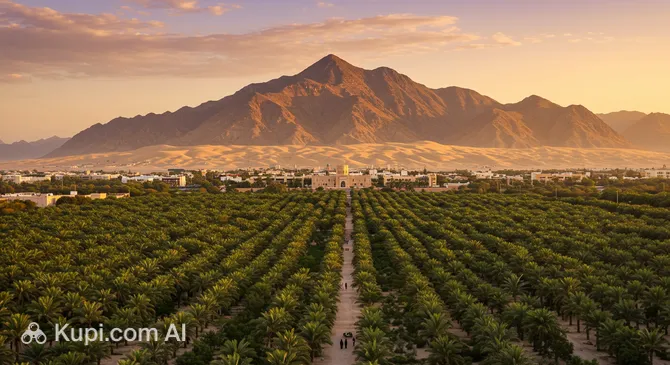
Al Ain. Source: Kupi.Binoculars

Located in the eastern region of the Abu Dhabi Emirate, directly bordering Oman, the city is home to a population of approximately 766,000 people. As a vital cultural hub within the United Arab Emirates, Al Ain benefits from a unique geographical setting that often provides a slightly cooler and less humid climate than the coast, making it a favored retreat for both locals and tourists.

The city is proud to be the UAE's first UNESCO World Heritage site, a title that highlights its significance to human civilization. The fascinating history of Al Ain stretches back thousands of years, marking it as one of the world's oldest permanently inhabited settlements. From Bronze Age tombs to restored historic forts, the area is a treasure trove for archaeology enthusiasts and history buffs alike.

Among its most captivating attractions is the majestic Jebel Hafeet, a rocky mountain that dominates the skyline and offers breathtaking panoramic views from its summit. Visitors can also wander through the cool, shaded pathways of the Al Ain Oasis, where thousands of date palms are watered by the ancient falaj irrigation system. For a glimpse into the past, the impressive Al Jahili Fort stands as a stunning example of traditional mud-brick architecture and military heritage.

Whether you are seeking outdoor adventures, historical insights, or simply a peaceful escape in nature, Al Ain is a destination that promises a memorable journey. We invite you to explore its gardens, climb its peaks, and discover the rich heritage that makes this city truly unique.
Weather Overview

Al Ain experiences a classic desert climate, defined by intensely hot summers and pleasantly mild winters. The summer season, stretching from June to September, sees temperatures soar significantly, with average highs frequently reaching between 42°C and 43°C. During these months, the heat is accompanied by very dry conditions, as rainfall is virtually non-existent.

In contrast, the cooler months from December to February offer a welcome respite, making it the prime time for visiting the city's outdoor attractions. During this period, the average temperature hovers around 19°C to 21°C, with nighttime lows occasionally dipping to 13.3°C. To help you choose the best dates for your journey, we recommend checking the detailed weather in Al Ain.

Rainfall remains scarce throughout the year, with most months recording zero precipitation and only a couple of wet days occurring in winter. Expect scorching, dry summers and mild, sunny winters with minimal chances of rain.

Interesting Facts

Beyond the main attractions, Al Ain holds many fascinating secrets that reveal its deep historical roots and unique urban planning. This city offers more than just scenic views; it is a living museum of Emirati heritage and thoughtful design.

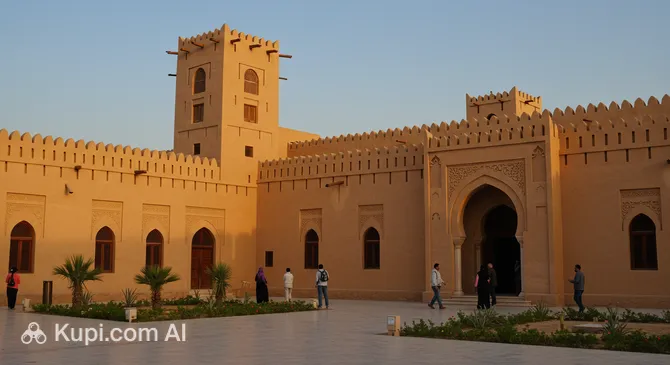
Qasr Al Muwaiji. Source: Kupi.Binoculars
  • Unlike the towering skylines of neighboring Dubai and Abu Dhabi, Al Ain enforces a strict building height restriction. By law, most residential buildings cannot exceed four to five floors, a measure designed to preserve the city's traditional character and ensure that the views of the majestic mountains and local minarets remain unobstructed.

  • The city is deeply revered as the birthplace of Sheikh Zayed bin Sultan Al Nahyan, the founding father of the United Arab Emirates. He was born at Qasr Al Muwaiji, a historic fort that has been beautifully restored to showcase his early life and the region's political history.

  • Al Ain is home to the last dedicated camel market in the UAE, located east of Jebel Hafeet. This bustling marketplace provides a rare and authentic window into traditional Bedouin culture, where traders still negotiate the sale of livestock much as they have for generations.

  • While the Al Ain Oasis is famous for its greenery, few realize the scale of its ancient engineering. The oasis contains over 147,000 date palms of 100 different varieties, all watered by the traditional falaj irrigation system that has been in continuous use for thousands of years.

How to Get There

Reaching the "Garden City" is a straightforward experience thanks to the UAE's modern infrastructure. Whether you are arriving from within the Emirates or flying in from abroad, there are several convenient options. For a comprehensive guide on planning your journey, you can read more about how to get to Al Ain.

The city is served by its own facility, Al Ain Airport (AAN), located approximately 12 km from the city center. While it is the closest option, flight schedules can be limited compared to the country's larger hubs. A taxi ride from this airport to downtown Al Ain is quick, taking about 15 to 20 minutes.

Most international visitors choose to land at Abu Dhabi International Airport (AUH) in the capital, Abu Dhabi. Situated about 111 km away, it offers a vast array of global connections. The drive to Al Ain from here typically takes around 1 hour and 30 minutes by taxi or rental car. Another viable option is Dubai World Central – Al Maktoum International Airport (DWC) in Dubai, located roughly 94 km away, with a travel time of just over an hour by road.

For clarity, here is a summary of the main airports:

Airport Name City Passenger Traffic Km from City
Abu Dhabi International Airport Abu Dhabi High 111.2
Dubai World Central – Al Maktoum International Airport Dubai Medium 94.1
Al Ain Airport Al Ain Small 12.3
Sohar Airport Sohar Small 93.2
Dubai (Jebel Ali SPB) Dubai 110.5

Al Ain does not currently have a railway station for passenger trains. However, the city is well-connected to the rest of the UAE by an excellent road network. Comfortable, air-conditioned intercity buses run frequently from Abu Dhabi and Dubai, offering an affordable and reliable way to reach the city center. Alternatively, taxis and car rentals provide a faster and more flexible means of travel.

Main Attractions

Al Ain is a treasure trove of cultural heritage and natural beauty, offering visitors a unique blend of history, wildlife, and architecture. From ancient fortifications to modern educational centers, the city's landmarks provide a deep dive into the soul of the Emirates.

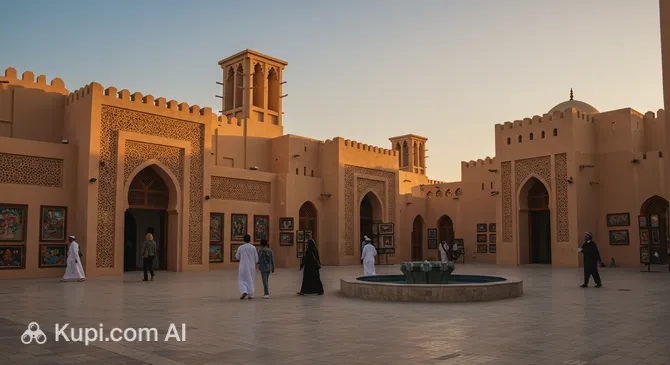
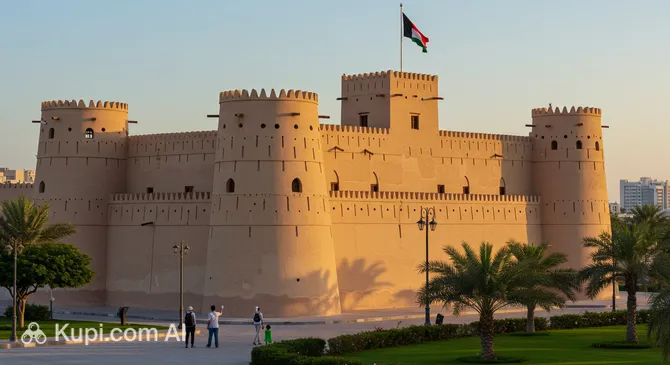
One of the most iconic structures in the UAE is the majestic Al Jahili Fort. Built in 1891 to protect the city's precious palm groves, it is a stunning example of traditional mud-brick military architecture. Tourists are drawn here not only for its photogenic battlements and courtyards but also for the permanent exhibition dedicated to Wilfred Thesiger, the famous British explorer who crossed the Empty Quarter. It is a perfect spot to understand the region's history while enjoying the serene park surroundings.

Al Jahili Fort. Source: Kupi.Binoculars

For families and nature lovers, the Al Ain Zoo is an absolute must-visit. Located at the foothills of Jebel Hafeet, this sprawling park is home to over 4,000 animals, including the rare white lion and majestic giraffes. Unlike typical city zoos, it offers spacious enclosures that mimic natural habitats and features a thrilling man-made safari experience. It is a fantastic place to learn about desert conservation efforts while getting close to wildlife from around the world.

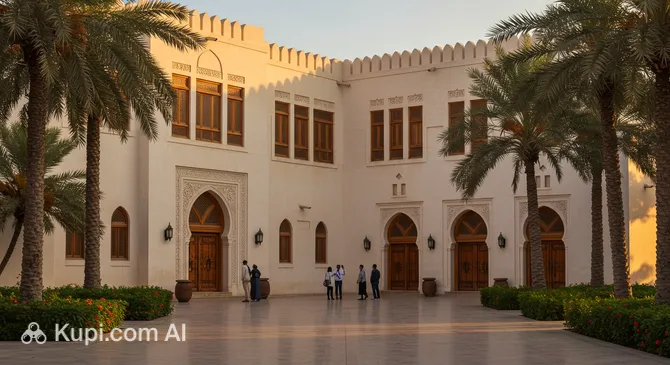
History enthusiasts will find the Al Ain Palace Museum particularly fascinating. This was the former residence of the late Sheikh Zayed bin Sultan Al Nahyan and his family. The palace has been preserved to reflect the traditional Emirati lifestyle before the oil boom, offering an intimate glimpse into the private life of the ruling family. Visitors can wander through the guest receiving rooms, private quarters, and courtyards, all designed with natural ventilation systems to keep the desert heat at bay.

Al Ain Palace Museum. Source: Kupi.Binoculars

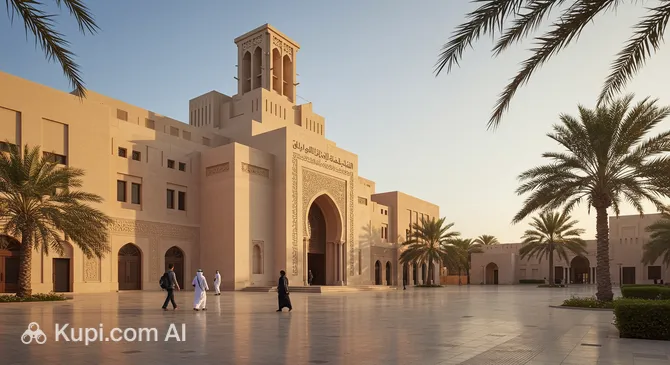
A more modern but equally compelling attraction is the Sheikh Zayed Desert Learning Centre. This architectural marvel is not just a museum but a fully sustainable building that holds the highest environmental rating. Inside, interactive exhibits take you on a journey through time, exploring the geological history of the desert, the adaptation of its flora and fauna, and the future of sustainability in Abu Dhabi. It is an engaging experience that combines technology with deep cultural respect for the environment.

Local Cuisine

The culinary landscape of Al Ain is a delightful reflection of its heritage as a historic oasis and a Bedouin gathering point. Unlike the international fusion often found in the coastal metropolises, this city takes pride in authentic Emirati flavors. The local cuisine is heavily influenced by the desert environment, with a strong emphasis on hearty, slow-cooked dishes that were traditionally designed to sustain travelers and tribesmen.

A visit to Al Ain would be incomplete without tasting Machboos, a fragrant rice dish that serves as a staple of the Emirati diet. Cooked with aromatic spices like cardamom, saffron, and dried lime, it is typically served with tender chicken, lamb, or fish. Another beloved classic is Harees, a creamy porridge made from wheat and slow-cooked meat, which is particularly popular during festivals and special occasions. For the adventurous eater, Al Ain is one of the best places to try camel meat, often served as a burger or in rich, savory stews at local eateries.

As the "Garden City," Al Ain is renowned for its high-quality dates. These sweet fruits are not just a snack but a symbol of hospitality, almost always served alongside Gahwa (traditional Arabic coffee). This lightly roasted coffee, infused with cardamom and saffron, is poured from a distinctive dallah pot and is the standard welcome drink everywhere you go. While alcohol is served in licensed bars and restaurants within hotels, the beverage of choice for locals remains Karak Chai, a strong, spiced tea with milk that can be found in cafeterias across the city.

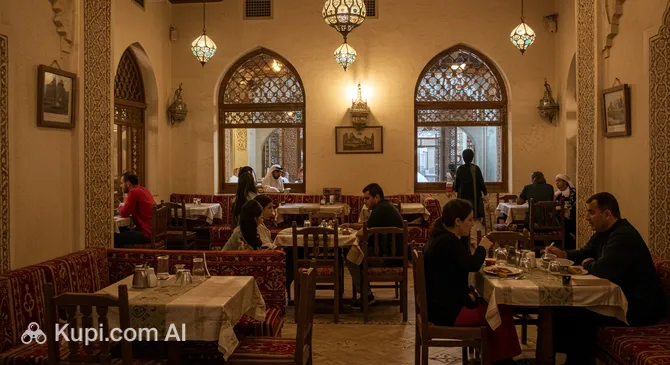
Al Fanar Restaurant & Cafe. Source: Kupi.Binoculars

For a truly immersive dining experience, travelers should visit Al Fanar Restaurant & Cafe. Designed to resemble a traditional Emirati neighborhood from the 1960s, it offers an atmospheric setting to enjoy authentic local recipes. If you prefer a more modern setting with a view, the Manzil Lounge provides a relaxed environment to enjoy diverse cuisines and beverages.

The food culture here is communal and leisurely. While there are plenty of modern malls with food courts, the soul of the city's dining scene lies in its standalone restaurants and traditional kitchens. Whether you are enjoying a simple shawarma from a street-side cafeteria or a lavish feast in a heritage restaurant, the warmth of Al Ain's hospitality is always the main ingredient.

Travel Tips

Visiting Al Ain offers a more relaxed and traditional experience compared to the bustling coastal metropolises of the UAE, but it still requires some planning to ensure a smooth journey. These practical tips will help you navigate the "Garden City" with ease, respecting local customs while making the most of your desert adventure.

  1. Clothing and Gear: Given the desert climate, lightweight and breathable fabrics like cotton or linen are essential, especially during the scorching summer months. However, remember that Al Ain is more conservative than Dubai; always dress modestly by covering your shoulders and knees, particularly in public places and souqs. If you plan to visit Jebel Hafeet in the evening or travel during winter, bring a light jacket, as temperatures can drop significantly. Comfortable walking shoes are a must for exploring the vast Al Ain Zoo or trekking through the oasis paths.
  2. Transportation: Unlike Dubai, Al Ain does not have a metro system. While there is a public bus network, it can be slow for tourists. The most convenient way to get around is by renting a car, which gives you the freedom to drive up Jebel Hafeet or visit outlying forts at your own pace. Alternatively, taxis are plentiful, reliable, and relatively inexpensive; you can hail them on the street or use ride-hailing apps like Uber and Careem.
  3. Finances: The local currency is the UAE Dirham (AED). Credit and debit cards are widely accepted in hotels, malls, and major restaurants. However, it is highly recommended to carry some cash, particularly in smaller denominations, for bargaining at the Camel Market, buying fresh produce in the souqs, or tipping. Tipping is not mandatory but is appreciated; rounding up the bill or leaving 10-15% is standard for good service.
  4. Health and Safety: Al Ain is an incredibly safe city for tourists with very low crime rates. Pharmacies are easy to find, with many open 24/7, and medical facilities are world-class. The main health concern is usually dehydration and sunstroke; always carry water, wear sunscreen, and avoid direct sun exposure during midday hours in summer. Tap water is generally safe to drink, but most visitors and locals prefer bottled water for the taste.
  5. Communication: Arabic is the official language, but English is widely spoken and understood, especially in the tourism and service sectors. You will have no trouble communicating in hotels or shops. Buying a local SIM card (Etisalat or Du) at the airport or malls is easy and recommended for navigation apps. Free Wi-Fi is available in most public places, malls, and hotels.
  6. Local Etiquette: Politeness is highly valued in Emirati culture. When greeting a member of the opposite sex, wait for them to extend their hand first; if they do not, a nod and a smile are appropriate. Always use your right hand for eating, shaking hands, or passing items. During the holy month of Ramadan, avoid eating, drinking, or smoking in public during daylight hours out of respect for those fasting.
  7. What to Avoid: Public displays of affection (PDA), such as kissing or hugging, are frowned upon and can be considered offensive. Also, strictly avoid taking photographs of people, especially Emirati women, without their explicit permission. It is considered a serious breach of privacy and can lead to trouble with the authorities.
  8. Local Insight: For the best experience at the Camel Market, arrive early in the morning (around 7:00 AM to 9:00 AM). This is when the market is most active, and the weather is cooler. It provides a chaotic but fascinating photo opportunity, though be prepared for the strong authentic scents of a livestock market!

By keeping these simple guidelines in mind, you will be well-prepared to enjoy the unique charm and hospitality of Al Ain. Embrace the slower pace, respect the local traditions, and you are sure to have an unforgettable trip to this historic oasis.

Entertainment & Nightlife

The nightlife in Al Ain differs significantly from the high-energy clubbing scenes of Dubai or Abu Dhabi. Here, the evening atmosphere is far more subdued, sophisticated, and family-oriented. Due to local licensing regulations, establishments serving alcohol—such as bars, pubs, and nightclubs—are almost exclusively located within 4-star and 5-star hotels. This setup creates a safe and upscale environment where visitors can enjoy live music, sports screenings, and social gatherings in comfort.

For those seeking a relaxed ambiance to unwind after a day of exploration, the city offers several excellent lounges. A prime example is the Manzil Lounge, known for its tranquil setting. It is the perfect spot to enjoy a refreshing beverage and light bites while soaking in the cool desert evening air. Most hotel bars in the city operate from the late afternoon until around 1:00 AM or 2:00 AM, and the dress code is typically smart casual—shorts and flip-flops are generally not permitted in these venues.

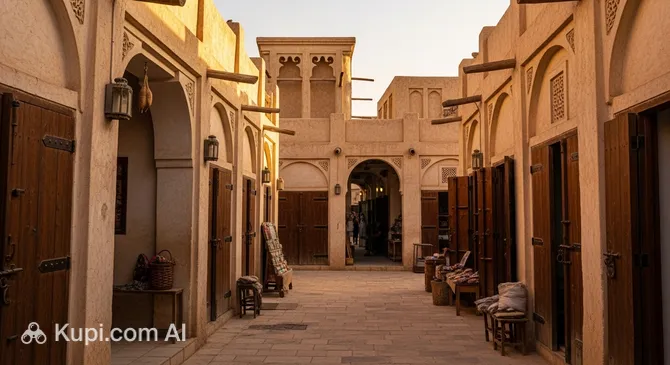
If you prefer a more cultural experience over a standard bar setting, Al Ain shines with its traditional evening offerings. The historic Souq Al Qattara comes alive at night, particularly during the cooler months or special heritage festivals. Walking through this restored market offers a magical glimpse into the past, where you can browse local handicrafts, taste traditional treats, and occasionally watch folk dance performances. It is a bustling yet wholesome environment that attracts a diverse crowd of locals and tourists.

Souq Al Qattara. Source: Kupi.Binoculars

Shopping malls also play a central role in the city's nightlife, serving as social hubs for families and teenagers. Al Jimi Mall is a popular destination that stays open late, offering not just retail therapy but also entertainment options like cinemas and large food courts. It is a great place to catch the latest blockbuster movie or enjoy a late-night coffee in a lively, air-conditioned environment.

Getting around at night is safe and convenient. Al Ain is known for its low crime rate, making night walks in populated areas like the downtown district or near the oasis pleasant. Taxis are the best mode of transport for evening outings; they are silver with yellow roof signs and can be easily hailed on the street or booked via the Abu Dhabi Taxi app. Prices are reasonable, and meters are always used. While the city is safe, it is always advisable to respect local customs by dressing modestly and avoiding loud or rowdy behavior in public spaces.

While the nights are for relaxation, the daytime in Al Ain offers its own array of entertainment. Beyond the historical sites, visitors can explore various amusement parks or visit the city's museums to escape the midday heat. Whether you are looking for the thrill of a rollercoaster or the quiet contemplation of an art gallery, the city provides a balanced mix of activities to fill your itinerary before the sun sets.

Parks & Museums

Parks & Museums:

True to its nickname, the "Garden City," Al Ain offers a refreshing abundance of verdant parks and meticulously preserved cultural sites. While the city's major forts and the zoo are often the first stops for visitors, the wider network of museums and green spaces provides a deeper, more intimate look into the region's history and social life. These locations are perfect for those looking to explore the artistic soul of the emirate or simply enjoy a quiet afternoon in nature.

For a comprehensive understanding of the country's heritage, the Al Ain National Museum is an essential destination. Established in 1971, it holds the distinction of being the oldest museum in the UAE. Situated near the Eastern Fort, the museum is divided into two main sections: Ethnography and Archaeology. Here, visitors can trace the history of the region back to the Stone Age, viewing artifacts such as flint tools, pottery, and jewelry discovered at local archaeological sites. The ethnographic section vividly recreates traditional life, showcasing Bedouin jewelry, musical instruments, and weaponry, effectively bridging the gap between the ancient past and the modern era.

Al Ain National Museum. Source: Kupi.Binoculars

Art lovers will find a thriving creative hub at the Al Qattara Arts Center. Housed within the restored Qattara Fort, this venue seamlessly blends historic architecture with contemporary artistic expression. It features a gallery that hosts rotating exhibitions by Emirati and expatriate artists, as well as studios for pottery, painting, and calligraphy. The center plays a vital role in the local community, offering workshops and events that keep traditional crafts alive while encouraging modern creativity.

Al Qattara Arts Center. Source: Kupi.Binoculars

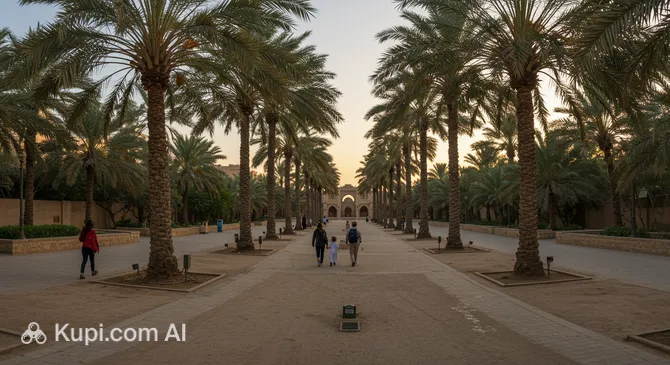
When it comes to nature, the Al Ain Oasis is the city's crown jewel. As a UNESCO World Heritage site, it offers a serene escape from the desert heat. Visitors can stroll or cycle along miles of shaded walkways that wind through thousands of date palms. The temperature inside the oasis is noticeably cooler, creating a tranquil atmosphere where the only sounds are the rustling of palm fronds and the gentle flow of water through the ancient irrigation channels. It is a living testament to the agricultural ingenuity that has sustained life in this region for millennia.

Al Ain Oasis. Source: Kupi.Binoculars

For a more recreational outdoor experience, Al Wadi Park is a favorite among locals for family picnics and leisure walks. It provides ample green space and play areas, making it an ideal spot to relax after a day of sightseeing. Additionally, the city respects local cultural preferences with facilities like the Al Ain Ladies Park (also known as Basra Park). This beautifully maintained space is exclusively for women and children, offering a private and comfortable environment where female travelers and residents can enjoy the outdoors with complete peace of mind.

Getting Around

Unlike the larger metropolises of the region, Al Ain does not rely on a metro or tram network. Instead, the public transport system is entirely road-based, centered around a modern and reliable fleet of public buses. These buses are air-conditioned, clean, and cover most major residential areas, markets, and tourist attractions. For visitors, they offer an economical way to navigate the city, though the routes can sometimes be circuitous, requiring a bit more travel time than a private car.

To use the public bus system, you must obtain a Hafilat smart card, as cash payments are not accepted on board. These cards function as an electronic wallet: you simply "tap in" at the card reader when boarding and "tap out" when exiting to calculate the fare automatically. For tourists, the "Temporary" Hafilat card is the most convenient option. It is valid for a limited period and can be easily topped up as needed.

You can purchase and recharge Hafilat cards at ticket vending machines located at the main bus station, major shopping malls, and select bus shelters throughout the city. The fares are incredibly affordable, typically costing just a few dirhams for a trip within the city limits. It is advisable to keep a small balance on the card to avoid any inconvenience during your journey.

Given the city's layout and the heat, taxis are often the preferred choice for tourists seeking speed and comfort. The official taxis are silver with yellow roof signs and are operated by the government. They are strictly metered, safe, and relatively inexpensive compared to international standards. You can hail them on the street, find them at taxi ranks near malls and hotels, or book them via the "Abu Dhabi Taxi" app or ride-hailing services like Uber and Careem.

For those who prefer complete independence, renting a car is a highly popular alternative. Al Ain's roads are wide, well-maintained, and generally less congested than those in Dubai or Abu Dhabi. Having your own vehicle allows you to easily reach distant attractions like Jebel Hafeet or the outskirts of the desert at your own pace. Parking is ample in most areas, making it a stress-free option for exploration.

A few practical tips will smooth your travel experience. Buses operate daily, typically starting from early morning (around 6:00 AM) until midnight, though frequencies can vary on weekends. Be aware that the front rows of public buses are traditionally reserved for women and families; male passengers should move towards the rear. Finally, even if it is hot outside, the air conditioning in buses and taxis can be quite strong, so carrying a light layer is often a good idea.

Accommodation

Where to Stay:

Accommodation in Al Ain reflects the city's relaxed and traditional character. Unlike the high-rise density of Dubai or Abu Dhabi, lodging options here are typically low-rise, ranging from comfortable city hotels and serviced apartments to luxurious resorts nestled amidst greenery. While the city does not have a backpacker hostel culture, budget-conscious travelers can find excellent value in 3-star hotels and hotel apartments that offer spacious rooms and kitchen facilities, making them ideal for families or longer stays.

When choosing an area to stay, location depends largely on your itinerary. The City Center is perfect for those who want easy access to shopping destinations like Al Jimi Mall, as well as cultural sites like the Al Ain Palace Museum. Staying here puts you in the heart of the action with plenty of dining options nearby. Alternatively, the Green Mubazzarah and Jebel Hafeet area offers a resort-style experience. This district is located further from the downtown bustle but provides stunning mountain views, access to hot springs, and a quieter, more scenic environment.

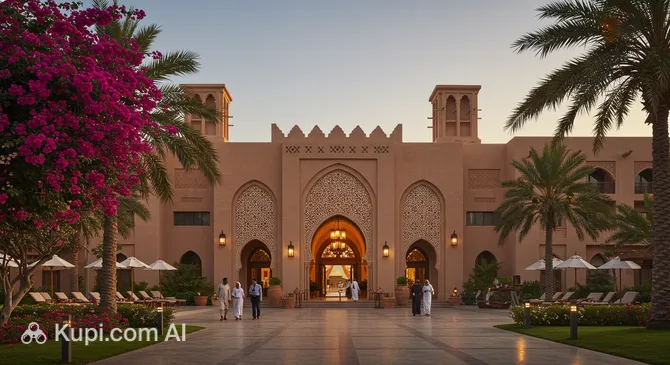
For visitors looking for a premium experience that combines modern amenities with the city's natural charm, the Al Salam Grand Resort is a standout choice. It offers a tranquil retreat with easy access to the city's main attractions, making it suitable for both leisure and business travelers seeking comfort and style.

Al Salam Grand Resort. Source: Kupi.Binoculars

Generally, accommodation prices in Al Ain are more affordable than in the coastal emirates. You can expect to find budget-friendly options starting at very reasonable rates, while five-star resorts offer luxury at prices that are often lower than comparable properties in Dubai. Most bookings can be easily made through major online platforms. However, a key tip for travelers is to book well in advance if you plan to visit during the winter months or on weekends (Friday to Sunday), as the city is a popular getaway for UAE residents, and top-rated hotels fill up quickly.

Nearby Cities

Al Ain's strategic location in the eastern region of the Abu Dhabi Emirate makes it a convenient starting point for exploring the rest of the United Arab Emirates. The city is well-connected by a modern network of highways, allowing for easy day trips or onward travel to the country's bustling coastal metropolises and neighboring emirates. Whether you are traveling for business or leisure, the journey to these urban centers is smooth and scenic.

Below is a list of major cities located within a reasonable driving distance from Al Ain, along with their population and proximity:

City Population Distance (km)
Dubai 3,331,420 118
Abu Dhabi 1,483,000 139
Sharjah 1,247,749 129
Ajman 490,035 133
Ras Al Khaimah 115,949 177

Shopping & Souvenirs

Shopping in Al Ain offers a distinct change of pace from the mega-malls of the coast. Here, the retail experience is a blend of modern convenience and deep-rooted tradition, allowing visitors to browse international brands in air-conditioned comfort or haggle for local spices in atmospheric markets.

For a comprehensive modern shopping experience, Al Jimi Mall is a favorite among locals. Interestingly, this structure was originally a vegetable and meat market built in the early 1980s before being transformed into the sleek retail complex it is today. It houses a wide range of fashion retailers, a supermarket, and entertainment options, making it a one-stop destination for families.

Another notable destination is the Oud Al Touba Shopping Center, situated near the city center. It provides a convenient mix of shops and services, catering to both everyday needs and leisure shopping. These malls are perfect for escaping the afternoon heat while enjoying a variety of dining and retail choices.

Those seeking authentic Emirati culture should head to the traditional souqs. Souq Al Qattara, located near the palm oasis, is a beautifully restored market that dates back to the mid-20th century. It is the ideal place to find traditional handicrafts, pottery, and weaving, often sold directly by the artisans. The market is particularly lively during heritage festivals, offering a glimpse into the trading past of the region.

For a sensory experience, a visit to Souq Al Zafarana is highly recommended. This market is the go-to place for traditional Emirati goods, including fragrant bukhoor (incense), exotic spices, henna, and local garments. It captures the essence of an old-world bazaar, where the aroma of coffee and spices fills the air.

Finally, no trip to the "Garden City" is complete without buying dates. As the center of the UAE's date production, Al Ain offers some of the finest varieties, such as Khalas and Fard. Visitors can purchase these sweet delicacies fresh from the local markets or beautifully packaged in the malls, making for a perfect edible souvenir.

Reached the end of the page?

That means the route is fully explored