Support

Qeshm

About

Welcome to Qeshm, a mesmerizing destination located in the Strait of Hormuz. As the largest island in Iran, it is renowned for its dolphin shape and its incredible geological diversity, often referred to as the "Island of Seven Wonders." This unique city and island offer a distinct atmosphere that blends traditional island culture with breathtaking natural landscapes, setting it apart from the mainland.
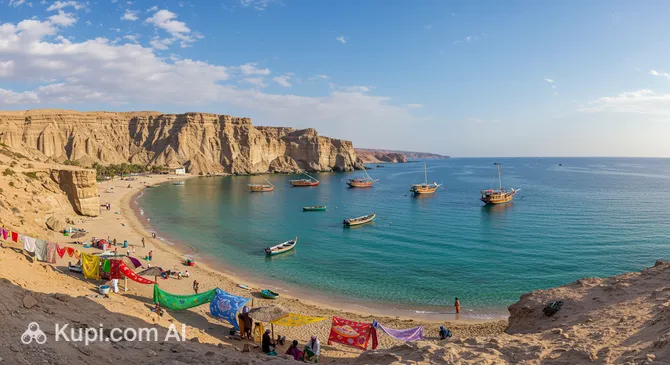
Qeshm. Source: Kupi.Binoculars

Geographically, Qeshm is situated in the Hormozgan Province, just a few kilometers off the southern coast. The city, home to approximately 40,000 residents, serves as the main hub for the island. The climate here is typically warm and humid, making it an ideal escape during the cooler months of the year when the weather is pleasant for exploration. Its status as a UNESCO Global Geopark highlights the global significance of its natural heritage.

The history of Qeshm is deeply intertwined with maritime trade and strategic importance in the Persian Gulf. For centuries, it has been a vital center for navigation, influencing the local architecture and culture. Visitors can still see traces of the past, such as the Portuguese Castle, which stands as a testament to the island's colonial encounters and historical depth.

Travelers are captivated by the island's surreal attractions. The Stars Valley is a geological masterpiece of eroded rock formations that look like they belong on another planet. Nature lovers will appreciate the vast Hara Forests, a protected mangrove biosphere that can be explored by boat. Additionally, the stunning Chahkooh Canyon offers dramatic views and narrow passages carved by water and wind over millennia.

Whether you are seeking adventure among geological wonders or a glimpse into the traditional lifestyle of the Persian Gulf, Qeshm promises an unforgettable journey. We invite you to discover the raw beauty and warm hospitality of this extraordinary island city.

Weather Overview

The climate in this region is defined by its hot, arid conditions, typical of the Persian Gulf area. To choose the best time for your visit, it is helpful to review the weather in Qeshm, as the experience changes drastically with the seasons. Summers are intense, with July seeing average temperatures of 35.8°C and highs regularly climbing past 40°C. In contrast, the winter months offer a refreshing escape; January is the coolest time of year, featuring a comfortable average of 18.6°C and lows around 13.7°C.

Precipitation is minimal year-round, ensuring clear skies for the vast majority of your trip. Even in the "wetter" months like January, rainfall is negligible, averaging just 1mm with only about 3 wet days. Expect scorching summers with virtually no rain and mild, dry winters that are perfect for outdoor exploration.

Interesting Facts

Beyond the main attractions, Qeshm holds many fascinating secrets that reveal the deep connection between its people and the unique environment. This island is not just a geological wonder but a place where ancient legends and natural marvels coexist in surprising ways.

  • The Haunted Valley of Stars: While geologists explain the surreal shapes of the Stars Valley as the result of wind and rain erosion, local lore tells a different story. Many residents believe a star once fell on this spot, creating the strange rock formations. It is also rumored that the valley is inhabited by jinns (spirits) at night, leading many locals to avoid the area after sunset due to the eerie sounds caused by the wind whistling through the rocks.

  • A Forest That Vanishes: The Hara Forests are a natural marvel that seems to perform a magic trick daily. At high tide, these vast mangrove forests are completely submerged, disappearing under the waters of the Persian Gulf, only to reemerge as the tide recedes. Even more fascinating is the trees' natural filtration system, which allows them to drink saltwater by extracting the fresh water and excreting the salt through their leaves.

  • A Record-Breaking Salt Cave: Qeshm is home to the Namakdan Salt Cave, which is recognized as the longest salt cave in Iran and one of the longest in the world. Stretching over 6 kilometers, this subterranean wonder features fragile salt stalactites and vast chambers of white crystals, offering a truly unique underground adventure.

  • The Mystery of the Masks: One of the most striking cultural features is the intricate face masks, known as boregh, worn by local women. While they serve a practical purpose by protecting the skin from the harsh sun and sand, local legend suggests they were originally designed to look like mustaches to trick invaders into thinking the women were male soldiers guarding the island.

How to Get There

Reaching the beautiful island of Qeshm is an exciting part of the journey, with options ranging from direct flights to scenic ferry rides from the mainland. For a complete guide on all available transport methods, you can read more about how to get to Qeshm.

The most direct way to arrive is by flying into Dayrestan Airport (GSM), also known as Qeshm International Airport. Located directly on the island, this airport is very convenient, situated just 6.4 km from the city center. Travelers can expect a quick transfer to their accommodation, with a taxi ride taking approximately 30 minutes. As the island's main air hub, the airport handles a significant number of domestic and regional flights, making it the preferred choice for those who wish to avoid sea transfers.

Another popular option is to fly into Bandar Abbas International Airport (BND), located in the city of Bandar Abbas on the Iranian mainland. Although it is about 66 km away from Qeshm, this airport is a major regional hub with frequent connections. From here, travelers typically take a short taxi ride to the ferry terminal and then enjoy a boat trip across the water to the island. The total travel time, including the transfer from the airport and the crossing, is estimated to be around 2 hours.

For clarity, here is a summary of the main airports serving the region:

Airport Name City Passenger Traffic Km from City
Sharjah International Airport Sharjah Large 168.5
Bandar Abbas International Airport Bandar Abbas Medium 66.0
Ras Al Khaimah International Airport Ras Al Khaimah Medium 132.9
Dayrestan Airport Qeshm Medium 6.4
Lar Airport Lar Small 177.3

Main Attractions

One of the most iconic sites in the region is the Valley of Stars. Located just a short drive from the main city, this geological masterpiece features towering rock pillars and canyons carved by centuries of wind and rain. Locals call it "Estalah-kaftah," meaning "the fallen star," believing a meteor caused the unique shapes. It is a fantastic spot for photography, especially at sunset when the shadows create a mysterious and otherworldly atmosphere.

For those seeking dramatic landscapes, Chahkooh Canyon is an absolute must-see. This stunning gorge is defined by its swirling patterns and deep, vertical walls that have been sculpted by running water over millennia. In the past, locals used the natural wells within the canyon to collect rainwater. Walking through its narrow, twisting passages offers a sense of awe and provides a cool retreat from the island's heat.

A truly magical experience awaits at the Naz Islands. These two small islands are situated just off the southern coast and are unique because they become accessible by foot or car during low tide. When the water recedes, a sandy road emerges from the sea, allowing visitors to walk "on water" to reach the cliffs. It is a popular spot for watching the sunset, collecting seashells, and enjoying the panoramic views of the Persian Gulf.

History enthusiasts should visit the Portuguese Castle, located on the northern edge of Qeshm city. Built in the 16th century during the era of Portuguese colonial presence in the Persian Gulf, the fortress was constructed from reddish stone to control the strategic Strait of Hormuz. Today, the ruins offer a glimpse into the island's turbulent past and provide a scenic vantage point overlooking the blue waters.

Just off the southern coast lies the enchanting Hengam Island, a favorite day-trip destination for nature lovers. The boat ride to the island is famous for playful schools of wild dolphins that often swim alongside the vessels. Once there, visitors can explore the "Silver Beach," known for its shimmering sands, and browse local markets selling colorful handicrafts and traditional spices.

Local Cuisine

The culinary landscape of Qeshm is a flavorful journey that sets it apart from the rest of the country. Due to its location in the Persian Gulf, the local diet is heavily centered around fresh seafood, enriched with a unique blend of aromatic spices that hint at Indian and Arabian influences. Unlike the meat-heavy kebabs often found on the mainland, the table here is dominated by the catch of the day, including fish, shrimp, crab, and even shark.

One of the most famous dishes you must try is Ghalieh Mahi, a rich and spicy fish stew prepared with generous amounts of cilantro, fenugreek, and tamarind, giving it a distinctive sour and savory taste. Another local delicacy is Pudini, which is often made with shark meat. The meat is boiled, shredded, and then sautéed with onions, garlic, and a mix of southern spices, creating a dry but intensely flavorful dish that is typically served with rice or bread.

Street food culture in Qeshm is vibrant and revolves largely around traditional baking. Tomoshi is a very thin, crispy bread baked on a hot metal griddle. It is typically dressed with cheese or eggs and topped with special local sauces like Mahyaveh (a fermented fish sauce) or Suragh, which surprisingly includes edible red soil from the region to add color and taste. Watching the local women skillfully spread the batter and prepare these snacks is a cultural experience in itself.

When it comes to beverages, tea remains the staple drink, often enjoyed after meals to aid digestion. Since alcohol is strictly prohibited throughout the country, the local drink scene focuses on refreshing non-alcoholic options. You will find plenty of fresh fruit juices and traditional sherbets to cool down in the heat. A popular choice is Doogh, a savory yogurt-based drink often flavored with dried mint.

Dining in Qeshm ranges from casual street stalls to traditional restaurants where you can experience authentic southern hospitality. Many local eateries offer traditional seating on carpeted platforms known as takhts, where you can relax and enjoy your meal in a laid-back atmosphere. Whether you are sampling street snacks in the bazaars or enjoying a seafood feast near the coast, the island's food scene is sure to be a highlight of your visit.

Travel Tips

Planning a trip to Qeshm is the start of an amazing adventure, but navigating this unique island in the Persian Gulf requires a bit of local know-how. To help you enjoy your journey without any hitches, here are some essential practical tips tailored for your visit.

  1. Clothing and Gear: Due to the hot and humid climate, light and breathable fabrics like cotton or linen are essential. Since Iran follows specific Islamic dress codes, women must wear a headscarf and loose-fitting clothing that covers the arms and legs, while men should wear long trousers and avoid shorts in public. Bring sturdy walking shoes if you plan to hike the canyons, and pack a Type C or F power adapter for your electronics.

  2. Transportation: Public transport options like buses are limited for tourists, making taxis the primary way to get around. The most convenient method is to use a local ride-hailing app called Snapp, which works like Uber and helps you avoid language barriers when negotiating fares. For exploring distant attractions like the salt caves or mangroves, hiring a private taxi for the day is a common and affordable practice.

  3. Finances: It is critical to know that international credit cards (Visa, Mastercard) do not work here. You must bring enough cash (USD or EUR) for your entire trip and exchange it at official exchange offices known as Sarafi. Be mindful of the currency confusion: while the official currency is the Rial, locals almost always quote prices in Toman (1 Toman = 10 Rials), so always clarify which unit is being used.

  4. Health and Safety: Qeshm is a very safe destination, but the extreme heat is a genuine health risk; stay hydrated by drinking bottled water and use high-SPF sunscreen. Pharmacies are readily available in Qeshm city for basic needs, but if you require specific prescription medications, bring an adequate supply with you.

  5. Communication: The main language is Persian (Farsi), and while hotel staff may speak English, it is less common among taxi drivers and shopkeepers. Buying a local SIM card (such as Irancell or MCI) is highly recommended for maps and translation apps. Be aware that some international websites and social media apps may be blocked, so plan your digital connectivity accordingly.

  6. Local Etiquette: The islanders are known for their warm hospitality, often inviting strangers for tea. However, be culturally sensitive when taking photos; always ask for permission before photographing locals, especially women wearing the traditional boregh masks. When greeting someone of the opposite sex, a polite nod is appropriate, and you should not offer a handshake unless they initiate it.

  7. What to Avoid: Strictly refrain from public displays of affection, such as hugging or kissing, as this is frowned upon in public spaces. Additionally, never attempt to bring or consume alcohol, as it is strictly illegal throughout the country and penalties can be severe.

  8. Island Rhythm: Be prepared for the "siesta" culture driven by the climate. Many shops and businesses in the bazaars close in the afternoon, typically between 1:00 PM and 4:00 PM, to avoid the peak heat. They reopen in the late afternoon and stay open late into the night, which is the liveliest time to explore the city.

By keeping these practical tips in mind, you will be well-prepared to embrace the unique culture and stunning nature of the island. We hope you have a safe, smooth, and truly memorable experience exploring the wonders of Qeshm.

Entertainment & Nightlife

Nightlife in Qeshm offers a vibrant and unique experience that differs significantly from Western concepts of evening entertainment. Since alcohol and nightclubs are prohibited throughout Iran, the "nightlife" here revolves around socializing, late-night shopping, seaside promenades, and dining. The atmosphere is lively and family-friendly, with locals and tourists alike staying out well past midnight to enjoy the cooler evening temperatures. The city comes alive after sunset, transforming into a bustling hub of lights, music, and activity.

The heart of the evening action is undoubtedly the commercial district near the City Center Shopping Malls. These massive complexes, specifically City Center 1 and City Center 2, are connected by a bridge and serve as the main gathering spots for evening entertainment. Unlike typical malls that close early, these centers often remain bustling until midnight or later. Here, you will find a mix of modern retail stores, cafes, and food courts where young people and families gather to shop, chat, and enjoy the air-conditioned environment. It is the perfect place to witness the modern lifestyle of the island.

For those who prefer the open air, Olive Park (Park-e Zaytoun) is the premier destination for a night out by the sea. Located along the southern coast of the city, this expansive park is famous for its relaxed vibe and seaside pavilions. In the evenings, the park fills with people enjoying picnics, listening to the sound of the waves, and visiting the various tea houses and snack stalls scattered throughout. It is common to hear live traditional music being played at nearby restaurants, adding a cultural soundtrack to the ocean breeze.

Dining is a major part of the night's entertainment, and many venues offer live music to accompany your meal. One popular spot is the Shabhay-e Talai (Golden Nights) restaurant complex, located near the beach. It is well-regarded for its open-air seating and traditional atmosphere, offering a great opportunity to sample local seafood while enjoying live performances of southern Iranian music. The dress code in all these venues is conservative yet casual; men typically wear long trousers, and women observe the mandatory headscarf rule, but the overall mood is relaxed and welcoming.

Practical advice for enjoying Qeshm at night is simple: shift your schedule. Since many businesses close for a midday siesta, the city truly wakes up after 5:00 PM. Safety is rarely a concern, as the streets and parks remain populated and secure late into the night, making it safe for evening strolls. To get around, taxis are plentiful near the malls and parks, and using the Snapp app is the most reliable way to secure a ride back to your hotel at a fair price.

While the nights are for socializing, daytime entertainment within the city limits offers its own charm. Apart from the natural wonders outside the city, you can visit the Qeshm Geopark Museum to understand the island's geological significance or explore the Noopak Crocodile Park, which is an intriguing attraction for families and animal lovers. Whether day or night, the city offers a distinct blend of leisure and culture that keeps visitors engaged.

Parks & Museums

Exploring Qeshm offers a delightful mix of leisurely green spaces and fascinating cultural institutions that provide a deeper understanding of the island's heritage. While the island is famous for its wild geological features, the city and its surroundings also host well-maintained parks and museums that celebrate the region's unique environment and maritime history.

For a relaxing afternoon within the city limits, Olive Park (Park-e Zaytoun) is the most popular green space among locals and tourists. Situated along the southern coast of Qeshm city, this seaside park features manicured gardens, palm trees, and pavilions overlooking the Persian Gulf. It is an excellent spot for a sunset picnic or a casual stroll, often filled with the sound of traditional music and the ocean breeze. For a more rugged natural experience nearby, the Naz Islands offer a unique "marine park" setting where, at low tide, you can walk across the wet sand to reach the rocky outcrops, surrounded by the sea on both sides.

To truly appreciate the scientific wonders of the island, a visit to the Qeshm Geopark Museum is essential. Located in the heart of the city, this museum serves as an educational hub, showcasing a vast collection of taxidermy wildlife, fossils, and geological samples found across the island. It provides valuable context for the surreal landscapes you might visit later, explaining the formation of the canyons and caves. Another significant cultural venue is the open-air Lenj Shipbuilding Yards in the nearby village of Guran. While technically a working site, it functions as a living museum where you can watch craftsmen build massive wooden vessels by hand, a skill recognized by UNESCO as intangible cultural heritage.

History enthusiasts will find the Portuguese Castle to be a compelling landmark right in the city. Built in the 16th century using reddish stones, this fortress was a strategic stronghold for Portuguese colonizers controlling the Strait of Hormuz. Today, visitors can wander through its crumbling walls, see the old cisterns, and enjoy panoramic views of the harbor. Another architectural marvel is the village of Laft, famous for its skyline of traditional windcatchers (badgirs) and the ancient Tela Wells, which were historically used to store rainwater in the arid climate.

For a different kind of cultural attraction, the Noopak Crocodile Park offers an engaging experience for families. As the first crocodile farm in the country, it houses roughly 100 crocodiles, including massive adults and hatchlings, alongside other local wildlife. It provides a safe and informative way to observe these ancient reptiles up close.

For an authentic insider experience, try to visit the Laft waterfront just before sunset. The view of the traditional wooden dhows anchored against the backdrop of windcatchers and the setting sun is one of the most photogenic and peaceful moments you can find on the island. Additionally, look for small, local galleries or handicraft workshops in the city bazaars where women sell intricate embroidery, offering a personal glimpse into the island's artistic traditions.

Getting Around

Navigating Qeshm is quite different from moving around a bustling metropolis. Unlike major capital cities, Qeshm does not have a metro system, trams, or an extensive urban bus network designed for tourists. The public transport infrastructure is simple and relies heavily on road vehicles. For the vast majority of visitors, the primary and most convenient mode of transport is the taxi, which comes in various forms to suit different needs and budgets.

The most common way to get around the city and the island is by using shared taxis, locally known as "taxi-e khatte." These are typically yellow or green sedans that operate on fixed routes between major landmarks and squares. They are an affordable option where you pay for a single seat and share the ride with other passengers. For a more private and direct experience, you can hire a "darbast" (private taxi). These do not have fixed routes; instead, you rent the entire car to take you to your specific destination. This is the preferred method for visiting distant attractions like the Valley of Stars or the mangrove forests.

Regarding payment, the system is almost entirely cash-based for tourists. International credit cards and travel passes do not work in Qeshm. You must carry sufficient local currency (Iranian Rials) to pay for your fares. While locals may use debit cards, drivers expect cash from visitors. Prices for shared taxis are generally fixed and very low, but for private taxis ("darbast"), it is essential to negotiate and agree on the fare before getting into the car to avoid misunderstandings later. Always clarify if the price quoted is in Rials or Tomans, as locals usually speak in Tomans (1 Toman = 10 Rials).

For a more modern and hassle-free experience, travelers are highly advised to use ride-hailing apps. The most popular service is Snapp, which functions similarly to Uber. Using the app removes the language barrier, as you can set your pickup and drop-off points on a map, and the price is calculated upfront. This is often cheaper than hailing a private taxi on the street and eliminates the need for negotiation. The app is available in English and is widely used within the city limits and for trips to the airport.

While public buses exist, they are primarily designed to connect the main city with smaller villages across the island and are not very tourist-friendly due to infrequent schedules and a lack of English signage. However, for those looking for independence, car rentals are an option, though they are less common than in Western countries. Some local agencies rent out cars (often with a driver, which is recommended), and you can also find places to rent bicycles or electric scooters, particularly near the coastal parks like Olive Park, for short leisure rides along the sea.

A unique feature of Qeshm's transport network is its maritime connection. The Shahid Zakeri Passenger Port serves as a major hub, not just for arriving from the mainland, but for "sea buses" (fast ferries) that transport people to nearby islands like Hormuz and Hengam. These ferries operate on a schedule, usually running from early morning until sunset. If you plan to use them, arrive early to buy tickets, as they can sell out quickly during holidays and weekends.

Accommodation

Finding the right place to stay in Qeshm is a key part of the travel experience, as the island offers a mix of modern conveniences and traditional hospitality. The accommodation landscape ranges from standard 3 and 4-star hotels and apartment complexes in the main city to authentic "eco-lodges" (known locally as Bumgardi) scattered across the island's villages. While luxury resorts are less common compared to other Gulf destinations, the available options provide comfort, cleanliness, and a unique cultural immersion.

When choosing where to stay, location is the most important factor. If your priority is shopping at the duty-free malls and having easy access to restaurants, cafes, and the ferry terminal, staying in Qeshm City is the best choice. This area is the island's urban hub, offering modern amenities and easy transport. However, if you are visiting primarily for the geological wonders and nature, consider staying in the central or western villages like Tabl or Soheili. These areas place you much closer to attractions like the Hara Forests and Chahkooh Canyon, saving you hours of travel time each day.

For a truly memorable experience, many travelers recommend skipping the standard hotels in favor of traditional eco-lodges. These converted heritage homes feature local architecture with windcatchers and courtyards. Guests often sleep on traditional bedding on the floor (though many now offer beds) and enjoy home-cooked local seafood meals. It is an excellent way to connect with the local culture and experience the warm hospitality of the islanders.

Booking Tip: Qeshm is a very popular destination for domestic travelers, especially during the cooler months (November to March) and the Persian New Year (Nowruz) in late March. During these peak times, the best hotels and top-rated eco-lodges fill up weeks in advance, so it is highly advisable to secure your reservation early.

Regarding costs and booking methods, accommodation in Qeshm is generally affordable for international visitors, falling into the budget to mid-range categories. It is important to note that major international booking platforms often do not list Iranian properties. Travelers typically book through local travel agencies or by contacting the lodges directly via messaging apps. Remember that payment is almost exclusively in cash (Rials/Tomans) or via local debit cards, as international credit cards are not accepted.

Nearby Cities

For those looking to explore the surroundings, Qeshm serves as an excellent base for day trips to several interesting nearby locations:

One of the most accessible destinations is Bandar Abbas, the bustling capital of Hormozgan Province located on the mainland. A short ferry ride across the strait brings you to this lively port city, where you can explore the vibrant fish market, visit the historic Hindu Temple, and experience the energetic atmosphere of a major commercial hub. It offers a stark contrast to the island life and provides a deeper insight into the region's maritime culture.

For a completely different vibe, travelers can visit Kish Island, often referred to as the "Pearl of the Persian Gulf." Known for its modern infrastructure, luxury resorts, and extensive shopping malls, Kish is a free-trade zone that attracts visitors seeking leisure and entertainment. While it is further away than the mainland, its pristine beaches and recreational facilities make it a popular counterpart to the more rustic and geological appeal of Qeshm.

Another unmissable spot, often visited in conjunction with Qeshm, is the small but spectacular Hormuz Island. Famous for its vibrant red soil and the "Rainbow Valley," this geological wonder is just a short boat trip away. It is an ideal location for nature lovers and photographers who want to witness one of the most colorful landscapes in the world.

City Population Distance (km)
Bandar Abbas 526648 58
Lar 75000 182
Kahnuj 52624 218
Kish Island 39853 192
Gerash 34469 197

These nearby destinations offer a glimpse into the diverse culture and landscapes of the region.

Shopping & Souvenirs

Shopping in Qeshm is one of the primary activities for many visitors, largely because the entire island is designated as a Free Trade Zone. This special status means that goods are imported with lower tariffs, resulting in prices that are significantly more affordable than on the Iranian mainland. Travelers can find a vast array of products, from clothing, cosmetics, and electronics to household goods, making it a bustling commercial hub that attracts shoppers from all over the region.

The shopping scene is primarily divided into two main areas: the modern commercial district within Qeshm City and the wholesale hub in the nearby town of Dargahan. In Qeshm City, the streets surrounding the major malls are lively and pedestrian-friendly, lined with smaller boutiques and eateries. For serious bargain hunters, a 20-minute taxi ride to Dargahan reveals a massive concentration of shopping complexes where items are often sold at wholesale prices, though retail shopping is also widely available.

For a modern shopping experience, the City Center Shopping Malls (City Center 1 and City Center 2) are the most prominent destinations. These two massive buildings are connected by an enclosed skybridge, allowing you to move comfortably between them while avoiding the heat. They offer a cool, air-conditioned environment filled with hundreds of stores selling apparel, bags, shoes, and digital gadgets. Another noteworthy complex is the Setareh Qeshm Shopping Center, which is popular for its variety of perfumes, cosmetics, and affordable fashion.

To experience the traditional side of commerce, a visit to the Old Bazaar (Bazar-e Ghadim) is essential. Located near the main wharf, this market has been the heartbeat of the city for decades. Unlike the glossy modern malls, the Old Bazaar features narrow alleyways and an authentic atmosphere where locals shop for daily necessities. It is the perfect place to find traditional fabrics, carpets, and household items while soaking in the local culture.

When it comes to souvenirs, Qeshm offers unique local handicrafts that reflect the island's maritime and artistic heritage. Look for intricate jewelry and decorative items made from seashells and corals. The island is also famous for its traditional embroidery known as Golabeton and Khous-dozi, often found on colorful fabrics and women's clothing. Foodies should pick up local spices, particularly the southern mixes used for seafood, as well as high-quality dates and the delicious local bread known as Tomoshi.

Understanding the local schedule is crucial for a successful shopping trip. Due to the warm climate, shops typically operate on a split shift. Most stores open around 9:00 AM or 10:00 AM and close for a midday break (siesta) between 1:30 PM and 5:00 PM. They reopen in the evening and stay busy until late, often closing around 11:00 PM or midnight. Regarding payment, international credit cards are not accepted. You must carry sufficient cash in local currency or use a local debit card if you have access to one.

While there is no specific tax-refund system for international tourists at the airport like in some European countries, the "tax-free" benefit is built directly into the prices. The cost of imported goods is generally lower here than elsewhere in the country due to the Free Zone regulations, providing immediate savings at the point of purchase without the need for paperwork.

Reached the end of the page?

That means the route is fully explored