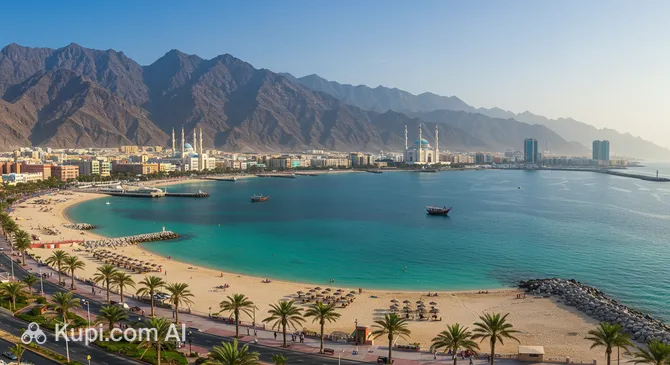
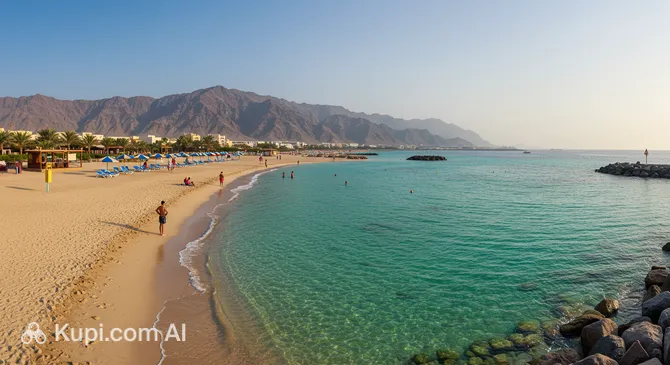
Fujairah stands out as a unique destination within the United Arab Emirates, offering a distinctively different atmosphere from its western neighbors. Located on the eastern coast along the Gulf of Oman, it is the only emirate that is almost entirely mountainous. The city is framed by the rugged and majestic Hajar Mountains, which contrast beautifully with the deep blue waters of the ocean, creating a scenic landscape that attracts nature lovers and adventure seekers alike.
Fujairah. Illustration.
Source: Kupi.com AI
With a population of approximately 93,000 residents, the city feels less crowded and more relaxed than the bustling metropolises of Dubai or Abu Dhabi. It is a place where tradition meets modernity, deeply rooted in its past. Travelers interested in the history of Fujairah can explore the beautifully restored Fujairah Fort, which is considered one of the oldest castles in the country. Standing atop a hill, it offers panoramic views of the city and the surrounding date palm gardens.
Modern attractions are equally impressive, most notably the Sheikh Zayed Mosque in Fujairah, which is the second-largest mosque in the UAE and a stunning example of Islamic architecture. The coastline is another major draw, renowned for its pristine beaches and excellent water sports opportunities, particularly snorkeling and diving. Whether you are seeking a peaceful retreat by the sea or an exploration of ancient heritage, Fujairah offers a captivating experience for every visitor.
Weather Overview
Fujairah enjoys a sunny and arid climate throughout the year, making it a popular destination for beachgoers and outdoor enthusiasts. The weather in Fujairah is generally warm, though the presence of the Hajar Mountains can influence local conditions. Visitors can expect hot summers with clear skies and mild, pleasant winters that are perfect for sightseeing.
The summer months, particularly from June to September, see the highest temperatures, with averages hovering around 33°C and daily highs often reaching nearly 38°C. Rainfall during this period is non-existent. In contrast, the winter season is much cooler and more comfortable. January is typically the coldest month, with average temperatures dropping to 19.5°C and nighttime lows around 15.8°C. Precipitation is extremely scarce year-round, with only occasional trace amounts recorded in the winter and early spring.
Average monthly temperature
Average monthly precipitation
Interesting Facts
Beyond the main attractions, Fujairah holds many fascinating secrets that reveal its deep cultural roots and unique geographical position. From ancient traditions to geological wonders, here are some intriguing details about this emirate.
Fujairah Museum. Illustration.
Source: Kupi.com AI
Traveler photos:
A Unique Coastline: Unlike the other six emirates that face the Persian Gulf, Fujairah is the only one located entirely on the Gulf of Oman. This strategic position provides direct access to the Indian Ocean and results in a generally cooler climate with higher rainfall than the rest of the country.
Traditional Bull Butting: The city is famous for its weekly bull butting events, a tradition that is distinct from Spanish bullfighting. In Fujairah, the sport is bloodless and focuses on the strength of the bulls as they lock horns to push each other out of a circle, drawing large crowds of locals every Friday.
Iron Age Treasures: The Fujairah Museum houses an impressive collection of artifacts that prove the region has been inhabited for over 4,000 years. One of its most prized exhibits is a rare Ostrich egg bowl dating back to 2,500 BC, discovered at a local archaeological site.
Contrasting Architecture: While the city boasts the massive Sheikh Zayed Grand Mosque Fujairah, which can hold thousands of worshippers, the emirate is also home to the Al Badiyah Mosque. Built of mud and stone without any timber, it is widely considered the oldest standing mosque in the UAE.
Healing Waters: Hidden within the rocky terrain, Madhab Park is famous for its Ain Al Madhab Gardens, which feature mineral springs. These warm, sulfuric waters are channeled into two swimming pools and are believed by locals to have therapeutic properties for rheumatism and skin ailments.
How to Get There
Reaching this scenic emirate is relatively straightforward, with well-maintained highways connecting it to the rest of the country. For a detailed breakdown of all transport options and routes, you can read more about how to get to Fujairah. While the city possesses its own aviation facility, many visitors choose to arrive via the larger international hubs in neighboring emirates and complete their journey by road.
The most direct air route is via Al-Fujairah International (FJR), which is conveniently located just 1.5 km from the city center. This airport allows for quick access to the city, with a taxi ride taking only about 5 minutes. However, as it serves a smaller volume of commercial traffic, flight availability may be limited compared to the major hubs.
Because of this, a large number of tourists fly into Dubai Airport (DXB) in the city of Dubai, which is approximately 99 km away from Fujairah. As one of the busiest airports in the world, it offers extensive connections. From Dubai, the drive to Fujairah typically takes around 1 hour and 30 minutes by taxi or shuttle. Another viable option is Sharjah International Airport (SHJ) in the city of Sharjah. Located about 85.5 km away, it is a popular hub for budget airlines, and the transfer time by road is approximately 1 hour and 15 minutes.
For clarity, here is a summary of the main airports:
Fujairah offers a blend of historical depth and modern leisure, making it a fascinating stop for travelers. The city's attractions range from ancient fortifications to contemporary recreational spaces, all set against the backdrop of the Hajar Mountains and the sea. Here are some of the key places to visit during your stay.
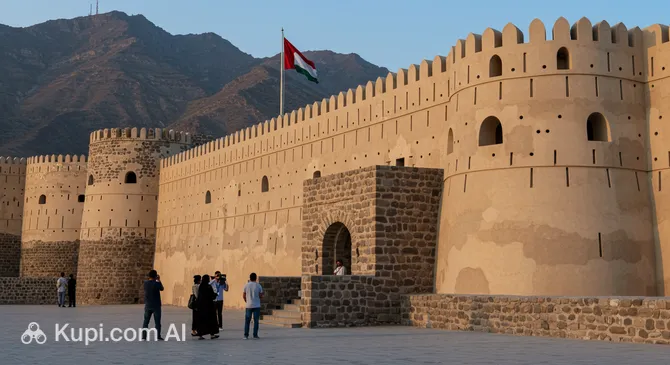
One of the most defining landmarks of the region is the historic Fujairah Fort. Perched on a high hill surrounded by lush date gardens, this mud-brick fortification dates back to the 16th century and played a crucial role in defending the city. Visitors can walk through its restored towers and courtyards, soaking in the atmosphere of the past while enjoying a commanding view of the modern city skyline and the ocean beyond.
Fujairah Fort. Illustration.
Source: Kupi.com AI
Traveler photos:
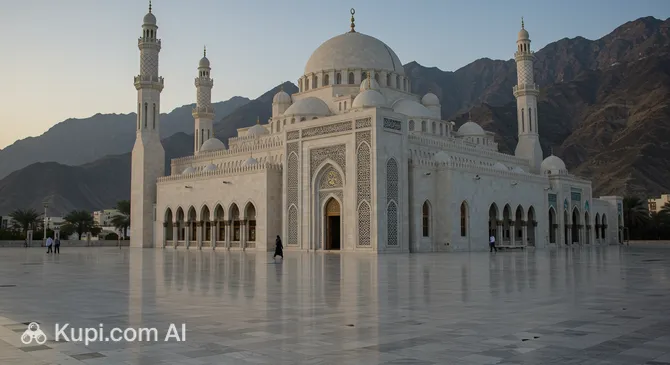
Dominating the city center is the magnificent Sheikh Zayed Grand Mosque Fujairah. With its gleaming white facade and six towering minarets, it is a masterpiece of modern Islamic architecture and the second-largest mosque in the UAE. The sheer scale of the building is impressive, capable of accommodating thousands of worshippers. While the interiors are primarily for prayer, the exterior architecture and the grand courtyard provide a breathtaking backdrop for photography and a sense of serenity.
Sheikh Zayed Grand Mosque Fujairah. Illustration.
Source: Kupi.com AI
Traveler photos:
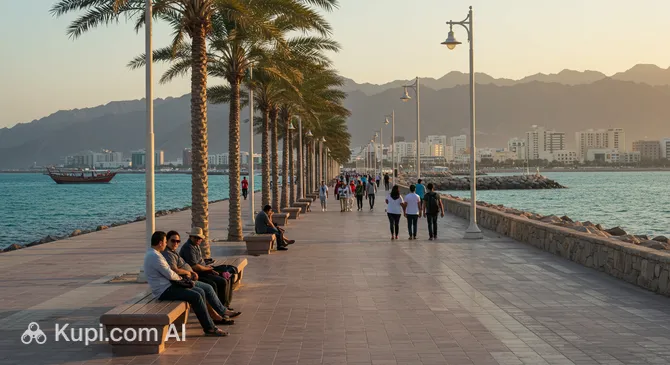
For a relaxing evening by the water, the Fujairah Corniche is the perfect destination. This sprawling seafront promenade stretches along the coast, offering paved walkways, landscaped green spaces, and ample seating areas. It is a favorite spot for locals and tourists alike to enjoy a sunset stroll, organize picnics, or simply watch the waves of the Gulf of Oman roll in. The area comes alive at night, offering a vibrant community atmosphere.
Fujairah Corniche. Illustration.
Source: Kupi.com AI
Traveler photos:
Travelers looking for active entertainment should visit the Fujairah Adventures Park. This dynamic facility is designed for thrill-seekers and families, featuring a professional skate park, a pump track for cyclists, and various obstacle courses. It serves as a hub for outdoor activities and offers a fun, energetic contrast to the historical and cultural sites of the emirate, making it an excellent stop for those traveling with children or teenagers.
Local Cuisine
The culinary landscape of Fujairah is a delightful reflection of its coastal geography and rich heritage. Being the only emirate situated entirely on the eastern coast, the local cuisine is heavily influenced by the bounty of the ocean. Seafood lovers will find themselves in paradise here, with fresh catches like Hamour, Kingfish, and Sheri often grilled to perfection or cooked in rich, spiced stews. One cannot visit without trying Machboos, a fragrant rice dish cooked with meat or fish and seasoned with dried lime and saffron, which serves as a staple at many local gatherings.
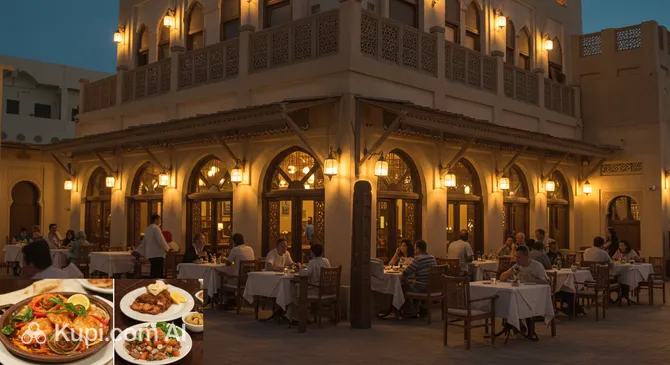
For those seeking an authentic taste of traditional Arabian hospitality and hearty meals, Zebian Restaurant is a popular choice among residents. It is well-regarded for serving generous portions of Mandi—meat slow-cooked in a tandoor and served over aromatic rice. This style of communal dining offers a glimpse into the warm and welcoming food culture of the region, where meals are often shared and enjoyed at a leisurely pace.
Zebian Restaurant. Illustration.
Source: Kupi.com AI
Traveler photos:
When it comes to beverages, the local culture is deeply rooted in the tradition of Gahwa (Arabic coffee), typically served with sweet dates to balance the bitterness. Karak Chai, a strong spiced tea with milk, is another favorite found in cafeterias throughout the city. Unlike some neighboring emirates, Fujairah allows the sale of alcohol in licensed venues, which are mostly located within hotels and resorts. Popular spots like McGettigan's offer a lively atmosphere where tourists can enjoy international drinks and pub-style comfort food.
The dining scene in Fujairah is diverse, ranging from high-end hotel restaurants to bustling street-side eateries. For a relaxed meal with a view, The Sailors Restaurant & Cafe provides a scenic setting by the water, perfect for enjoying both local and international dishes. Meanwhile, those looking for a variety of quick options or familiar global chains often head to City Centre Fujairah, which houses a comprehensive food court and several casual dining establishments under one roof.
The Sailors Restaurant & Cafe. Illustration.
Source: Kupi.com AI
Traveler photos:
Travel Tips
Welcome to Fujairah, a serene emirate where the mountains meet the sea, offering a pace of life that is distinctly more relaxed than its bustling neighbors. To help you make the most of your visit to this scenic coastal region, we have compiled a list of practical tips that will ensure your journey is as smooth and enjoyable as possible.
Clothing and Gear: Given the arid climate, pack lightweight, breathable fabrics like cotton or linen to stay cool. While swimwear is acceptable at private beach resorts, it is important to dress modestly in public areas like malls and markets; keeping shoulders and knees covered is a sign of respect. If you plan to visit religious sites, such as the Sheikh Zayed Mosque, strict dress codes apply (long trousers and long sleeves for men; headscarves and loose, full-coverage clothing for women). Don't forget comfortable walking shoes for exploring the rocky terrain around the forts.
Transportation: Unlike Dubai, public transport options like metros are not available here, and buses are generally limited to inter-emirate routes. The most convenient way to explore the scattered attractions, from the beaches to the Hajar Mountains, is to rent a car. Taxis are available and safe, but waiting times can vary. Ride-hailing apps like Careem or Uber operate in the area but may have fewer drivers available than in major cities.
Finances: The local currency is the UAE Dirham (AED). Credit and debit cards are widely accepted in hotels, restaurants, and shopping centers. However, it is highly advisable to carry cash if you plan to visit traditional souqs, small grocery stores, or the famous Friday Market, where card machines might be scarce. Tipping is not mandatory but is appreciated; leaving 10-15% for good service is a common practice.
Health and Safety: Fujairah is an extremely safe destination for tourists. Pharmacies are easy to find, with many open 24/7 in the city center. In case of emergency, dial 999 for police or 998 for an ambulance. The sun can be intense, so high-SPF sunscreen and constant hydration are essential. While tap water is generally safe, most tourists and locals prefer drinking bottled water for taste.
Communication:English is widely spoken and understood, especially in the hospitality and service sectors, so you will have no trouble communicating. Arabic is the official language; learning a few basic words like Marhaba (Hello) or Shukran (Thank you) is a nice gesture that locals appreciate. You can easily purchase a tourist SIM card from providers like Du or Etisalat at the airport or major malls to stay connected.
Local Etiquette: The culture here is rooted in tradition and hospitality. When greeting someone of the opposite sex, it is polite to wait and see if they extend their hand first; if not, a nod and a smile suffice. Public displays of affection, such as kissing or hugging, are frowned upon and should be avoided. Always ask for permission before taking photos of strangers, particularly local women, as this is considered a serious breach of privacy.
What to Avoid: Avoid consuming alcohol in public spaces like streets or beaches. Alcohol is legal but strictly regulated and can only be consumed in licensed venues such as hotel bars and restaurants. Being intoxicated in public is an offense. Additionally, avoid raising your voice or showing aggression in public, as maintaining composure is highly valued in local social norms.
Local Insight: despite its name, the famous Friday Market (Souq al Juma) located on the road to Fujairah is actually open seven days a week. It is the perfect place to buy locally grown fruits, vegetables, carpets, and pottery. Don't be afraid to bargain politely here; it is part of the shopping experience and can often get you a better price.
By keeping these simple guidelines in mind, you can navigate Fujairah with confidence and respect for its rich culture. Whether you are diving into the blue waters or driving through the rugged mountain passes, being prepared will allow you to focus entirely on the beauty and tranquility of this unique emirate.
Entertainment & Nightlife
Entertainment and nightlife in Fujairah offer a refreshing change of pace from the high-energy, neon-lit scenes of Dubai or Abu Dhabi. The atmosphere here is decidedly more laid-back and intimate, focusing on socializing in sophisticated settings rather than all-night raving. Due to local licensing regulations, the majority of bars, pubs, and lounges are located within the emirate’s 4-star and 5-star hotels. This setup ensures high standards of service, safety, and comfort, making it easy for tourists to enjoy a night out.
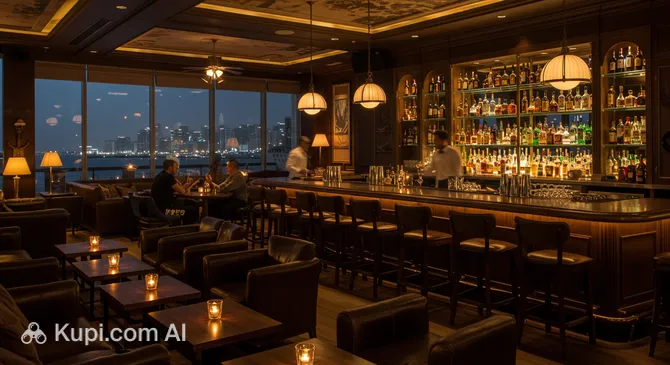
For those seeking a lively atmosphere with a touch of European flair, McGettigan's is a standout venue. Located at the Tennis & Country Club, this award-winning Irish pub has become a cornerstone of the local nightlife scene. It attracts a mix of expats and tourists with its vibrant calendar of events, which often includes live bands, quiz nights, and screenings of major international sporting events. The vibe is casual and friendly, making it a great place to strike up a conversation while enjoying a pint or a hearty meal.
McGettigan's. Illustration.
Source: Kupi.com AI
Traveler photos:
If you prefer a more relaxed evening by the water, The Sailors Restaurant & Cafe offers a charming alternative. Situated near the coastline, this venue is perfect for those who want to unwind with a shisha and enjoy the cool sea breeze. It combines a restaurant setting with a lounge atmosphere, allowing guests to enjoy dinner followed by a laid-back evening of conversation and beverages. The dress code in most of these venues is smart casual; beachwear is generally not appropriate for evening venues inside hotels.
For families and those who prefer alcohol-free entertainment, the city's shopping centers provide a bustling environment well into the night. City Centre Fujairah is a major hub of activity where locals gather in the evenings. Apart from late-night shopping, it houses a modern VOX Cinema complex, screening the latest Hollywood and Bollywood blockbusters. It is an excellent spot to escape the humidity and enjoy some indoor entertainment.
City Centre Fujairah. Illustration.
Source: Kupi.com AI
Traveler photos:
Before the sun sets and the evening lights come on, visitors can explore the city's daytime offerings. While the nightlife is quiet, the days are filled with culture. You might spend the afternoon exploring the Fujairah Museum to understand the region's heritage or visiting the Fujairah Mall for a quick escape from the heat. However, as dusk falls, the focus shifts back to the hotels and the corniche for relaxation.
Practicalities for a night out in Fujairah are straightforward. The city is very safe, and walking around main areas like the Corniche is secure even late at night. However, distances between hotels can be significant, so relying on taxis is the best option. Taxis are affordable and can be easily hailed at hotel entrances or booked via the Careem app. Prices for drinks and entry in hotel bars are comparable to international standards, though happy hour deals are common and worth looking out for.
Parks & Museums
While Fujairah is famous for its dramatic mountain backdrops and coastline, the city also prides itself on its well-maintained green spaces and rich cultural institutions. Visitors looking to explore the emirate's heritage or relax in nature will find a variety of parks and museums that offer a deeper understanding of the local lifestyle and history.
One of the most cherished natural spots in the city is Madhab Park. Located at the foothills of the Hajar Mountains, this park is a lush oasis that contrasts beautifully with the rocky surroundings. It is renowned for its mineral springs, which feed into separate swimming pools for men and women, but the park offers much more than just healing waters. With its sprawling lawns, shaded pathways, and play areas, it serves as a popular weekend retreat for families looking to picnic and enjoy the cooler mountain air.
Madhab Park. Illustration.
Source: Kupi.com AI
Traveler photos:
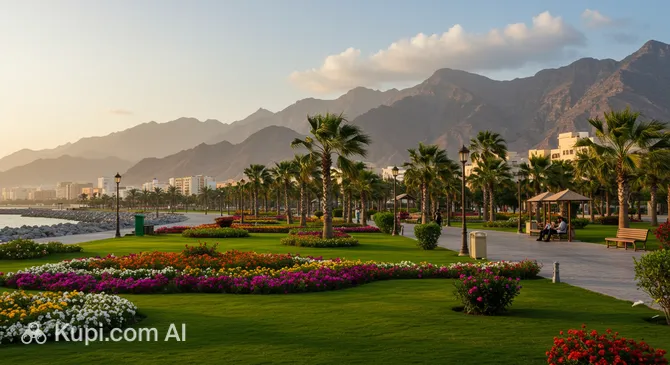
For those who prefer a seaside setting with modern amenities, Umbrella Beach is a must-visit destination. Recently redeveloped, this area has been transformed into a vibrant recreational hub. It features dedicated camping spots for caravan enthusiasts, jogging tracks, and beautifully landscaped promenades. The park area seamlessly blends the natural beauty of the Gulf of Oman with contemporary facilities, making it an excellent spot for an evening walk or a family barbecue by the sea.
Umbrella Beach. Illustration.
Source: Kupi.com AI
Traveler photos:
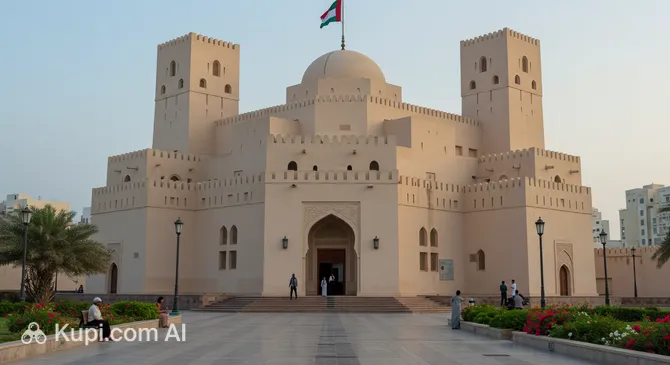
Delving into the region's past, the Fujairah Museum stands as the primary custodian of the emirate's history. Located just a stone's throw from the historic fort, the museum is housed in a red-brick building that showcases a fascinating collection of artifacts. Exhibits range from Bronze Age weaponry and Iron Age pottery to pre-Islamic silver coins. The museum also features an ethnographic section that vividly recreates traditional daily life, displaying tools used for farming, fishing, and pottery, offering tourists a glimpse into how the ancestors of today's residents lived.
Complementing the museum experience is the surrounding Heritage Village area near the fort. While the fort itself is a major landmark, the heritage village often hosts displays of traditional housing, such as 'arish' (palm-leaf) huts and fishing boats. Walking through this area allows visitors to step back in time and appreciate the ingenuity of traditional Emirati architecture and craftsmanship.
Insider Tip: If you visit the museum, try to go in the late afternoon. After exploring the indoor exhibits, you can walk up to the adjacent fort just as the sun begins to set, bathing the old stones and the city below in a warm, golden light.
Getting Around
Unlike some of the larger metropolitan hubs in the region, Fujairah does not possess an extensive public transportation network such as a metro, tram, or a comprehensive city bus system designed for tourists. The city is spread out, and the warm climate often makes walking long distances impractical. Consequently, getting around requires a different approach, relying primarily on road-based private transport options rather than a unified public transit grid.
The most common and convenient method of navigating the city is by taxi. Taxis are plentiful, safe, and relatively affordable. They are easily identifiable by their uniform colors and can be hailed directly on the street, found at designated ranks near shopping malls and hotels, or booked via telephone. All official taxis operate with a meter, ensuring transparency in pricing. A typical short trip within the city center is inexpensive, but fares can add up if you plan to visit distant resorts or mountain areas.
Regarding payment, cash remains the most reliable method for taxi fares. While the transport infrastructure is modernizing, not all vehicles are equipped with card machines, and drivers often prefer cash payments. It is highly advisable to carry small denominations of the local currency, as drivers may not always have change for large notes. Ride-hailing apps like Careem and Uber are also available in the city, allowing you to book rides and pay seamlessly through your smartphone using a linked credit card.
For those who prefer independence, renting a car is widely considered the best way to experience the area. The road network is excellent, and having your own vehicle allows you to explore the Hajar Mountains, the coastal corniche, and remote beaches at your own pace without waiting for a ride. Rental agencies are located at the airport and within the city, generally accepting major international credit cards and requiring a valid international driving permit for tourists.
While there is no internal bus service for local sightseeing, there are inter-city buses that connect Fujairah to neighboring emirates. These depart from the main bus station and are a budget-friendly way to arrive in or leave the city, but they are not suitable for local commuting between attractions. Therefore, planning your budget to include car rental or daily taxi fares is a practical necessity for any trip here.
Accommodation
Where to Stay:
Accommodation in Fujairah caters to a wide spectrum of preferences, ranging from opulent beachfront resorts to practical city-center hotels and serviced apartments. Unlike the skyscraper-dominated skylines of other emirates, the hospitality scene here often focuses on sprawling resort complexes that take advantage of the coastline, as well as mid-range business hotels located conveniently near the main highways and shopping districts.
For tourists, the choice of location largely depends on the purpose of the trip. The City Center is ideal for those who want easy access to the airport, the main business hubs, and shopping destinations like the City Centre mall. Staying here is generally more affordable and practical for travelers planning to explore the historical sites or the mountains. In contrast, the Coastal Area (Corniche and Al Aqah further north) is the prime choice for leisure travelers. This strip is lined with resorts offering private beach access, water sports centers, and extensive pool facilities, making it perfect for a relaxing vacation.
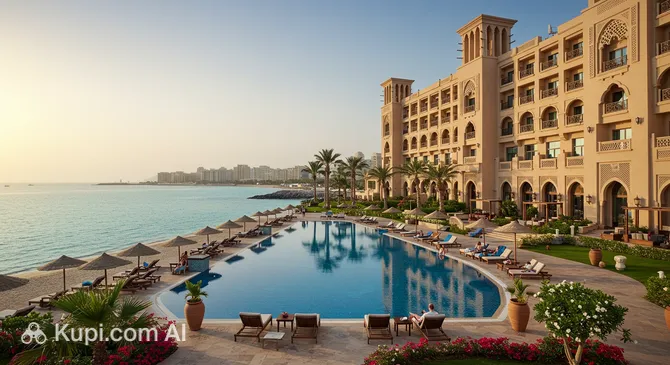
Visitors looking for a luxurious stay right by the water often choose the Palace Beach Resort Fujairah. This property is well-regarded for its elegant design and premium amenities, providing a serene escape with direct views of the Gulf of Oman. It serves as an excellent base for those who wish to combine high-end comfort with proximity to the city's main attractions.
Palace Beach Resort Fujairah. Illustration.
Source: Kupi.com AI
Traveler photos:
Another popular option for families and leisure seekers is the Al Bahar Hotel & Resort. Situated along the coast, it offers a comprehensive resort experience with spacious rooms and a variety of recreational activities. Its location strikes a balance between the tranquility of a beach holiday and the convenience of being just a short drive away from the city's commercial heart.
Booking Tips and Prices: Prices in Fujairah can vary significantly depending on the season. The winter months (October to April) and public holidays are considered peak times, so rates for beach resorts tend to be higher. During the hot summer months, you can often find excellent deals and staycation offers. It is highly recommended to book your accommodation in advance, especially if you plan to visit during a weekend or a national holiday when hotels fill up quickly with local tourists. Most bookings can be easily managed through major online platforms or directly via the hotel websites.
Nearby Cities
For those looking to explore the surroundings, Fujairah serves as an excellent base for day trips to several interesting nearby locations:
Located just over an hour's drive through the scenic mountains, Dubai is the most popular destination for a day trip. As a global metropolis, it offers a striking contrast to the quiet charm of Fujairah. Visitors can marvel at the world's tallest building, the Burj Khalifa, explore the vast Dubai Mall, or stroll through the historic Al Fahidi neighborhood. The journey itself is an experience, transitioning from rugged peaks to the futuristic skyline rising from the desert sands.
For those interested in history and art, Sharjah is widely regarded as the cultural capital of the UAE. It is home to an impressive array of museums, including the Sharjah Museum of Islamic Civilization and the Sharjah Art Museum. The city has preserved much of its traditional architecture, and a walk through the Heart of Sharjah district or the Blue Souq offers a deep dive into the region's heritage, making it a rewarding educational excursion.
Another fascinating option is Al Ain, known as the "Garden City" for its lush greenery. Situated inland near the Omani border, it is one of the world's oldest permanently inhabited settlements. The city is famous for its UNESCO World Heritage sites, including the ancient Al Ain Oasis with its traditional falaj irrigation system. A trip here provides a peaceful retreat filled with historic forts, palaces, and the majestic Jebel Hafeet mountain.
These nearby destinations offer a glimpse into the diverse culture and landscapes of the region.
Shopping & Souvenirs
Shopping in Fujairah offers a delightful mix of modern convenience and traditional charm, providing a more relaxed experience compared to the frantic pace of Dubai. While the city may not have the sheer volume of mega-malls found in larger emirates, it boasts a solid selection of retail centers that carry international brands, alongside vibrant local markets that are perfect for hunting down unique cultural treasures. Visitors can expect to find everything from high-end fashion and electronics to locally crafted pottery and fresh produce.
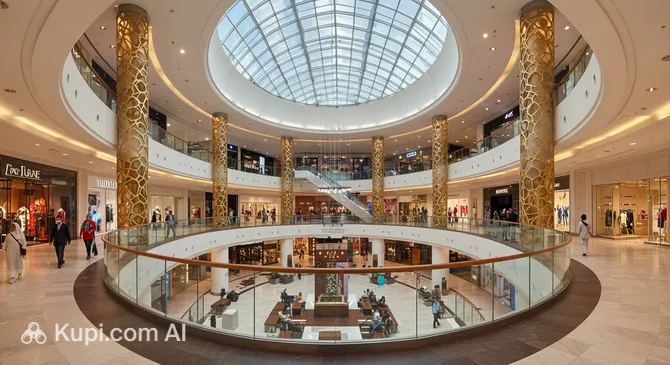
For a contemporary shopping experience, the city's main districts are anchored by its modern malls. The most popular destination is City Centre Fujairah, located strategically at the intersection of the city's main highways. This sprawling complex serves as the primary retail hub for the emirate, housing a large Carrefour hypermarket, a cinema, and a wide array of fashion, beauty, and lifestyle stores. It is the go-to place for families and tourists looking for familiar global brands in a cool, air-conditioned environment.
Another significant venue is the Fujairah Mall, which stands out with its elegant architecture and upscale atmosphere. This two-story shopping destination offers a curated selection of retailers and dining options. It provides a quieter, more leisurely shopping atmosphere, making it an excellent spot to browse for clothing, accessories, and perfumes without the crowds.
Fujairah Mall. Illustration.
Source: Kupi.com AI
Traveler photos:
Beyond the air-conditioned malls, the true spirit of commerce in the region is found in its traditional markets. The most famous of these is the Friday Market (Souq al Juma), located in Masafi on the Dubai-Fujairah road. Despite its name, it is open every day of the week. Set against a backdrop of rugged mountains, this open-air market is a sensory delight, overflowing with stalls selling locally grown fruits and vegetables, lush plants, and traditional earthenware. It is an essential stop for anyone wanting to experience the local trading culture.
When it comes to souvenirs, Fujairah offers distinctive items that reflect its heritage. The Friday Market is particularly renowned for its high-quality carpets and rugs, sourced from across the region and available at competitive prices if you are willing to bargain. Pottery is another local specialty; you can find beautifully crafted clay pots and vases that make for authentic keepsakes. Additionally, boxes of premium dates and bottles of traditional Oud perfume are popular gifts that capture the essence of the Arabian Peninsula.
Store opening hours in Fujairah are generally consistent with the rest of the UAE. Major shopping malls typically operate from 10:00 AM to 10:00 PM on weekdays, with extended hours until midnight on weekends (Thursday to Saturday). Traditional markets often open earlier, around 8:00 AM, and stay open late, though some smaller standalone shops may close for a midday break between 1:00 PM and 4:00 PM. Payment methods are convenient, with credit and debit cards widely accepted in malls and supermarkets. However, cash is king in the souks and smaller roadside stalls, so it is wise to carry Dirhams for such visits.
Tourists visiting Fujairah can also benefit from the UAE's Tax-Free shopping scheme. A Value Added Tax (VAT) of 5% is applied to most goods, but visitors are eligible for a refund on purchases made at participating retailers. To claim this, look for the "Tax Free" sign in store windows, spend a minimum of 250 AED, and present your passport at the checkout to generate a digital tag. The refund can then be validated and collected at the airport or other exit points before leaving the country.