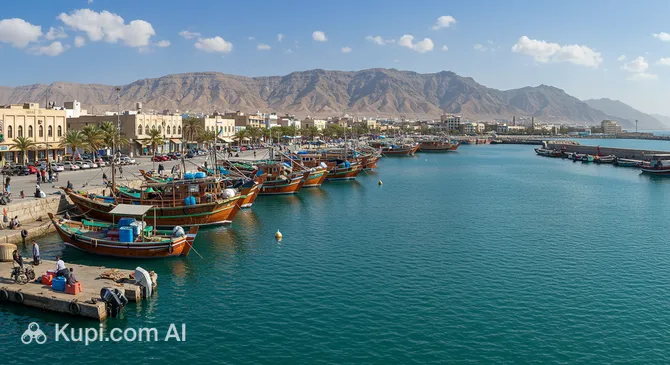
Shopping in Bandar Abbas offers a distinctive experience that blends the bustle of a major commercial port with the colorful traditions of southern Iran. As a key entry point for goods entering the country, the city is known for offering a wide variety of products at competitive prices. Visitors can expect a vibrant mix of modern commercial complexes and traditional bazaars, where the atmosphere is as important as the merchandise. The shopping scene here is less about high-end luxury brands and more about discovering local handicrafts, fabrics, and imported electronics or household goods that flow through the Persian Gulf trade routes.
The primary shopping districts are concentrated in the city center, particularly along Imam Khomeini Street and the roads branching off from the coastline. This area serves as the commercial heart of the city, lined with countless shops selling clothing, shoes, and electronics. Walking down these streets in the evening is a popular activity, as the shop windows light up and the sidewalks become crowded with locals enjoying the cooler night air while browsing for daily necessities.
For a more modern retail experience, travelers can visit some of the city's popular shopping centers. Setareh Shahr Complex is one of the most well-known destinations, offering a multi-story environment with a cinema, fast-food outlets, and a variety of boutiques. Another notable spot is the Zeytun Complex, which is favored for its architecture and range of stores. These malls provide a comfortable, air-conditioned escape from the midday heat and are excellent places to find clothing, cosmetics, and digital gadgets.
However, the true soul of shopping in Bandar Abbas lies in its traditional markets. The Old Bazaar (Bazar-e Sonnati) is a must-visit for anyone seeking an authentic cultural immersion. Here, the air is thick with the scent of spices and the sound of merchants haggling. It is the best place to find colorful fabrics, traditional housewares, and local produce. While the famous Fish Market is primarily for seafood, its chaotic energy and display of fresh catches make it a fascinating stop for photographers and curious travelers, even if you aren't planning to buy fish.
When it comes to souvenirs, the region offers several unique items that reflect its coastal heritage. Dates are a staple of Hormozgan province and are widely considered some of the best in the world; look for the Piarom variety, which is semi-dry and delicious. Another excellent gift is Bandari handicrafts, particularly items made from wicker or palm leaves, such as mats and baskets. For something more decorative, look for traditional embroidery known as Golabatoun, often found on the colorful trousers and veils worn by local women, or small crafts made from sea shells collected from the Gulf.
Store hours in Bandar Abbas are heavily influenced by the climate. Most shops open around 9:00 AM but close for a long midday break from approximately 1:00 PM to 4:30 PM or 5:00 PM to avoid the peak heat. They reopen in the evening and stay open late, often until 10:00 PM or 11:00 PM. Regarding payment, cash is the only reliable method for tourists. International credit cards (Visa, Mastercard) are not accepted anywhere. You will need to use Iranian Rials (often discussed in Tomans) for all transactions, from small market stalls to larger mall boutiques.
Tourists should be aware that there is no tax-free shopping or VAT refund system available in Bandar Abbas for international visitors. While the city is a major trade zone, the concept of tax-free shopping as found in airports or European cities does not apply here. However, prices for many goods, especially locally produced items and certain imports, are generally quite reasonable compared to international standards.