Support

Lar

About

Welcome to Lar, a distinctive city located in the southern part of the Fars Province of Iran. Known for its unique urban planning and resilient spirit, Lar offers travelers a glimpse into a region rich in culture and tradition. With a population of approximately 75,000 residents, it serves as the capital of Larestan County and stands out for its specific architectural adaptations to the local environment.

The city is situated in an arid region, characterized by hot summers and mild winters. This challenging climate has shaped the local lifestyle and architecture for centuries. One of the most fascinating aspects of the history of Lar is how its inhabitants ingeniously managed water resources through the construction of numerous traditional cisterns, known as ab-anbars, which dot the landscape and remain a symbol of the city's heritage.
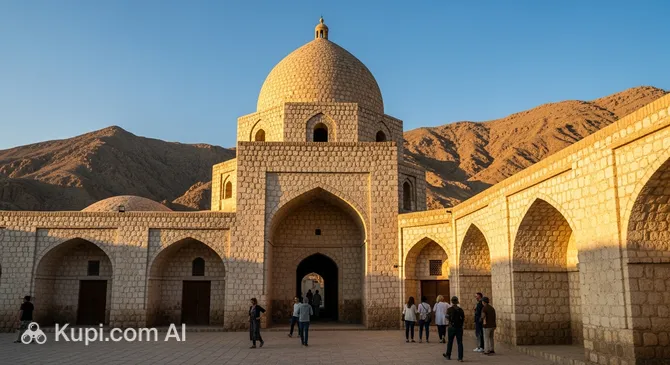
Lar. Source: Kupi.Binoculars

Visitors are often intrigued by the city's layout, which is divided into an old section and a modern "New City" built after a major earthquake in 1960. The new district is celebrated for its earthquake-resistant design and wide avenues. Key attractions include the magnificent Qaisariyeh Bazaar, a historical market that is said to have influenced the design of the famous Vakil Bazaar in Shiraz, and the ruins of the ancient Ezhdeha Peykar Castle (Dragon Castle), perched on a hill overlooking the city.

Whether you are an architecture enthusiast interested in modern urban planning or a history buff eager to explore ancient Persian markets, Lar provides a memorable stop on your journey. Its warm hospitality and unique blend of the ancient and the modern make it a destination well worth visiting.

Weather Overview

Travelers to this region should anticipate a distinct desert climate characterized by scorching summers and mild, pleasant winters. During the peak of summer, especially in July, the city experiences sweltering heat with average temperatures around 34.4°C and highs often climbing to 40°C. Rain is extremely rare during these months, keeping the days dry and sunny.

The winter months provide a respite from the heat, with January being the coolest time of year, featuring an average temperature of 12.6°C and lows around 7.4°C. Overall, you can expect very hot, dry summers and mild winters with scarce precipitation throughout the year. To help you pack the right gear for your trip, it is helpful to review the detailed weather in Lar before your departure.

Interesting Facts

Beyond the main attractions and historical sites, Lar holds many fascinating secrets that offer a deeper understanding of its unique character. From its innovative urban design to its ancient linguistic roots, here are some surprising facts about this resilient city.

  • The City Without Alleys: Lar is often referred to as the "City Without Alleys" due to the unique layout of its modern district, Shahr-e Jadid. After a devastating earthquake in 1960, this part of the city was rebuilt with a strict grid plan featuring only wide avenues and streets. The design intentionally eliminated narrow alleyways and dead-ends to ensure rapid evacuation and easy access for rescue vehicles in the event of future tremors.

  • A Sweet Culinary Jewel: The city is famous for a distinct confection known as Masghati Lari. Unlike other versions of this sweet found in Iran, the Lari variety is renowned for its incredibly soft, jelly-like texture and rich aroma of rosewater and saffron. It is traditionally made in copper pots and is so integral to the local culture that it has become the signature souvenir for anyone visiting the region.

  • An Ancient Tongue: The local language spoken in Lar, known as Achomi or Larestani, is a linguistic treasure. Linguists consider it to be a direct descendant of Middle Persian (Pahlavi), the language of the Sassanian Empire. Remarkably, it has preserved grammatical structures and vocabulary that have largely disappeared from modern standard Persian, making it a living fossil of ancient Iranian history.

  • Mythical Origins: According to local legend and Iranian mythology, the city derives its name from Lar, a celebrated hero mentioned in the Shahnameh (The Book of Kings), the national epic of Greater Iran. This mythical connection adds a layer of legendary grandeur to the city's identity, linking its foundations to the heroic age of Persian folklore.

How to Get There

Reaching this destination is relatively straightforward, with options ranging from direct flights to road travel from neighboring cities. For a comprehensive guide on planning your journey, you can read more about how to get to Lar. The city is well-connected to the region, making it accessible for both domestic and international travelers.

The most convenient entry point is Lar Airport (IATA: LRR), situated directly in the city, just 6.2 km from the center. As the primary hub for the area, it handles regional and some international flights, particularly from Gulf countries. A taxi ride from the airport to the city center is very quick, typically taking around 30 minutes. Although it is a smaller facility with an annual passenger traffic of approximately 120,000, it offers the distinct advantage of landing right at your destination.

If a direct flight is not available, travelers can opt for Lamerd Airport (IATA: LFM) in the city of Lamerd, located about 116 km away. The ground transfer from Lamerd to Lar by taxi or bus takes roughly 3 hours and 15 minutes. Alternatively, for more flight connections, you might consider Bandar Abbas International Airport (IATA: BND) in Bandar Abbas. While it is further away at approximately 209 km, it is a major transport node. The drive from Bandar Abbas to Lar takes about 5.5 hours.

For clarity, here is a summary of the main airports:

Airport Name City Passenger Traffic Km from City
Kish International Airport Kish Island Large 130.2
Bandar Abbas International Airport Bandar Abbas Large 209.1
Dayrestan Airport Qeshm Medium 186.1
Lar Airport Lar Small 6.2
Lamerd Airport Lamerd Small 116.0

The city of Lar does not have a railway station, so train travel is not a direct option for reaching the city. Visitors arriving by land typically utilize the well-maintained road network connecting Lar to major cities like Shiraz and Bandar Abbas. Buses and private taxis are the most common forms of ground transport, offering a scenic drive through the landscapes of Fars Province.

Main Attractions

Qaisariyeh Bazaar is undoubtedly the most significant historical landmark in the city and a masterpiece of Persian architecture. Believed to be older than the famous Vakil Bazaar in Shiraz, it is often cited as the inspiration for the latter's design. This ancient market is renowned for its unique cruciform layout and a magnificent central dome, known as a Chahar-Suq, which stands at an impressive height. For tourists, the bazaar is not just a shopping destination but a living museum where one can admire the earthquake-resistant structure and the ingenious natural cooling systems that have kept the interior comfortable for centuries.

Overlooking the city from a high ridge lie the ruins of the Ezhdeha Peykar Castle, also known as the Dragon Castle. Dating back to the pre-Islamic Sassanid era, this fortress was once a formidable defensive structure. Its name, which translates to "Dragon Body," is derived from the castle's elongated, winding shape that resembles a mythical beast resting on the hill. Although time has reduced much of it to ruins, it remains a fascinating site for history buffs and offers visitors the best panoramic views of Lar, encompassing both the ancient quarters and the modern city layout.

Neshat Garden (Bagh-e Neshat) offers a serene escape and a glimpse into the opulent lifestyle of the region's past rulers. This historical complex features a lush garden surrounding a beautiful pavilion adorned with traditional windcatchers (badgirs) and intricate stucco work. It serves as a prime example of how architecture was adapted to create cool, relaxing environments in a hot climate. Visitors are particularly drawn to the detailed wall paintings and the peaceful atmosphere, making it a perfect spot to appreciate the artistic heritage of the Safavid and Zand eras.

Lar is often referred to as the city of cisterns, and the Seyyed Jafari Cistern is a standout example of these vital structures. These traditional water reservoirs, or ab-anbars, are iconic to the region, characterized by their massive domes and deep storage pits designed to harvest rainwater. The Seyyed Jafari Cistern is celebrated for its impressive size and excellent state of preservation. Exploring this site gives travelers a profound appreciation for the engineering ingenuity required to sustain life in an arid desert environment, making it a unique cultural experience.

Local Cuisine

The local cuisine of Lar is a delightful reflection of its geography and climate, offering a distinct culinary experience that sets it apart from other regions in Iran. Influenced by the hot weather and its proximity to the Persian Gulf, the food here is known for its rich flavors, generous use of spices, and a unique emphasis on cooling ingredients to combat the heat. Food lovers will find that the gastronomic culture is deeply rooted in tradition, with recipes passed down through generations.

The absolute star of the city's culinary scene is Kabab-e Lari (Lari Kebab). While kebabs are a staple across Iran, the Lari version is famous nationwide for its incredible tenderness and distinct taste. The secret lies in the marinade: chunks of lamb or chicken are soaked for hours—sometimes days—in a rich mixture of heavy yogurt, onions, and specific local spices. This process not only tenderizes the meat but also infuses it with a creamy, savory flavor that is best enjoyed with fresh bread or saffron rice.

For those with an adventurous palate, trying Mahyaveh is a must. This traditional fermented fish sauce is a hallmark of southern Iranian cuisine, particularly in Larestan. Made from sardines, salt, mustard seeds, and spices, it has a tangy, salty, and earthy profile. Locals typically drizzle it over thin, crispy local breads like Regag or Tiri, often accompanied by eggs or cheese for a hearty breakfast or evening snack. It represents the region's historical connection to the sea and trade routes.

No culinary tour of Lar is complete without indulging in Masghati Lari, the city's signature sweet. As mentioned in the city's interesting facts, this soft, gelatinous confection is flavored with rosewater, saffron, and cardamom, and often studded with pistachios or almonds. It is served at almost every gathering and celebration. Visitors will find numerous shops in the bazaar dedicated solely to this treat, offering it warm and fresh or packaged as a perfect souvenir.

When it comes to beverages, the choices are designed to hydrate and cool. Dough, a savory yogurt-based drink often flavored with dried mint or pennyroyal, is the standard accompaniment to meals, especially kebabs. In the sweltering summer afternoons, locals turn to Sharbat, refreshing herbal cordials made from distillates of flowers like willow pussy or orange blossom, served over ice to provide instant relief from the sun. Alcohol is not part of the local diet, in accordance with national laws.

The food culture in Lar is centered around hospitality and family. While there are modern restaurants and fast-food joints in the New City, the most authentic experiences are often found in traditional kebab houses (kabab-sara) or during picnics in the surrounding gardens. The Qaisariyeh Bazaar is also a great place to explore the raw ingredients of Lari cuisine, where the air is filled with the aroma of exotic spices, dried limes, and freshly baked bread, offering a sensory feast for any traveler.

Travel Tips

Visiting Lar is a rewarding experience that offers a deep dive into traditional Iranian culture and unique desert architecture. To help you navigate the city with ease and respect for local customs, here is a collection of practical tips designed to make your journey smooth and enjoyable.

  1. Clothing and Gear: Due to the intense desert heat, especially from late spring to early autumn, lightweight, breathable, and light-colored clothing is essential. However, remember to adhere to the local dress code. Women must wear a headscarf and a loose-fitting tunic or coat (manteau) that covers the hips and arms. Men should wear long trousers; shorts are not acceptable in public. A wide-brimmed hat, high-quality sunglasses, and a sturdy pair of walking shoes are crucial for exploring the Qaisariyeh Bazaar and climbing to the castle ruins.

  2. Transportation: Lar is divided into the Old City and the New City, and the distances can be too long to walk comfortably in the heat. Shared taxis (savari) and private telephone taxis (ajans) are the most common and affordable ways to get around. While ride-hailing apps like Snapp! are popular in major cities, their availability can fluctuate in smaller towns, so it is wise to have the number of a local taxi agency or ask your hotel to call one for you.

  3. Finances: International credit and debit cards (Visa, Mastercard) do not work here due to international banking limitations. You must bring enough cash (USD or EUR) for your entire trip and exchange it at official exchange offices (Sarafi). It is highly recommended to obtain a local "Tourist Card" (a prepaid debit card) upon arrival to avoid carrying large bundles of cash. Be aware of the currency confusion: the official currency is the Rial, but locals almost always quote prices in Toman (1 Toman = 10 Rials). Always clarify which unit is being used.

  4. Health and Safety: The sun is your biggest challenge here. Stay hydrated by drinking bottled water, as tap water may not agree with everyone's system. Pharmacies (marked with a green cross or the word Daroukhaneh) are well-stocked, but it is smart to bring a personal supply of prescription medications. Lar is generally a very safe city with low crime rates, but exercise standard caution when crossing the wide avenues in the New City, as traffic can be fast.

  5. Communication: The official language is Persian (Farsi), though locals also speak the distinct Larestani (Achomi) dialect. English proficiency varies; younger people and hotel staff may speak it, but it is less common among shopkeepers in the bazaar. Downloading an offline translation app is a lifesaver. To stay connected, buy a local SIM card (Irancell or MCI) at the airport or a mobile shop, and consider installing a VPN before you arrive, as many international social media apps may be restricted.

  6. Local Etiquette: Locals are famous for Taarof, a system of ritual politeness. If a taxi driver or shopkeeper refuses payment initially, it is a gesture of respect, not a free offer; you must insist on paying. When entering a home or a carpeted area in a traditional teahouse or mosque, always remove your shoes. Greetings are warm; a simple "Salam" (Hello) goes a long way. Men generally do not shake hands with women unless the woman initiates it.

  7. What to Avoid: Public displays of affection (holding hands, hugging, kissing) between couples should be avoided as they are culturally frowned upon. Alcohol is strictly illegal; do not bring it into the country or try to find it. Also, avoid photographing government buildings, military sites, or police stations, as this is strictly prohibited and can lead to serious legal issues.

  8. Mid-Day Break: Embrace the local rhythm by respecting the afternoon "siesta." Between approximately 1:00 PM and 4:00 PM, many shops and businesses close to escape the peak heat of the day. This is the perfect time for you to rest at your hotel, enjoy a long lunch, or visit indoor attractions, rather than trying to shop in the bazaar.

By keeping these tips in mind, you will be well-prepared to experience the genuine warmth and hospitality of Lar. The city's unique blend of history and resilience is best enjoyed when you travel with awareness and an open heart.

Entertainment & Nightlife

Nightlife in Lar offers a distinct and culturally immersive experience that differs significantly from the Western concept of clubs and bars. Due to national regulations and local traditions, there are no nightclubs or bars serving alcohol in the city. Instead, the "nightlife" here is centered around socializing, dining, and enjoying the cooler evening air. The atmosphere is family-friendly, relaxed, and incredibly welcoming, with locals staying out late to escape the daytime heat. The social hubs are the traditional teahouses (chaykhaneh) and cafes, where people gather to drink tea, enjoy sweets, and engage in long conversations.

The heart of the evening activity is undoubtedly the New City (Shahr-e Jadid). Thanks to its unique urban planning with wide boulevards and lack of narrow alleys, this district is perfect for evening strolls. The streets are well-lit and bustle with activity well past midnight, especially during the summer. You will find families having picnics on the grass verges and groups of friends walking along the avenues. Park-e Shahr (City Park) is a prime example of a popular gathering spot where the atmosphere is lively yet peaceful, offering a great opportunity to observe local life and perhaps be invited for a cup of tea by a hospitable local family.

For a taste of the local buzz, the area around the Qaisariyeh Bazaar remains active into the evening. While the historical sections may close earlier, the surrounding shops and food stalls operate late. This is the best place to hunt for late-night snacks. You must try the local teahouses in this vicinity, which serve as the city's alternative to pubs. Here, you can enjoy a hookah (qalyan), sip on black tea served with rock candy (nabat), and soak in the traditional ambiance. The dress code in these venues is casual but modest; for men, long trousers are standard, and women should adhere to the hijab regulations.

Dining out is a major form of entertainment, and restaurants in Lar typically stay open until 11:00 PM or midnight. The vibe is casual, and reservations are rarely needed unless it is a national holiday. Prices are generally very affordable compared to Western standards. For transportation at night, the city is safe for walking, particularly in the New City's main avenues. However, if you need to travel between the Old and New City, it is best to use a telephone taxi (ajans) rather than hailing a car on the street, as they are reliable and operate 24/7.

While the nights are for socializing, daytime entertainment in Lar leans towards cultural and historical exploration. Before the sun sets, visitors can explore the fascinating Anthropology Museum, often housed in renovated historical buildings like traditional bathhouses, or hike up to the Ezhdeha Peykar Castle for a view of the city layout. These sites offer a quiet retreat during the day, setting the stage for the vibrant, community-focused energy that takes over the city once the sun goes down.

Parks & Museums

In the arid climate of Lar, green spaces and cultural institutions serve as vital oases, offering both respite from the heat and a deep dive into the region's rich heritage. While the city is more famous for its ancient architecture than for vast recreational grounds, its gardens and historical sites provide a fascinating look at how civilization has flourished in the desert. Visitors will find that the lines between park, garden, and museum often blur here, with historical sites functioning as open-air galleries of Persian ingenuity.

Neshat Garden (Bagh-e Neshat) is the crown jewel of the city's green spaces and a must-visit for any traveler. Dating back to the Safavid era and expanded during the Zand dynasty, this historical Persian garden is a testament to the traditional methods of desert landscaping. Rows of towering date palms and citrus trees provide welcome shade, leading to a magnificent central pavilion. The garden is not just a place for a walk; it is a journey through time where you can admire the intricate stucco work of the mansion and the cooling mechanisms that made life comfortable for the local rulers centuries ago.

For a more contemporary experience, Park-e Shahr (City Park) in the New City serves as the modern social heart of Lar. Unlike the historical gardens, this park is designed for community recreation, featuring wide walking paths, well-maintained lawns, and playgrounds for children. In the evenings, it transforms into a bustling hub where local families gather for picnics and tea. It offers tourists a perfect opportunity to observe the relaxed, friendly lifestyle of the residents and enjoy the cooler night air in a vibrant, green setting.

While Lar does not boast large conventional museums, its historical buildings effectively serve as custodians of its culture. The Bathhouse of Neshat Garden, located within the garden complex, is a prime example. This beautifully preserved traditional hammam features stunning stone columns, a crescent-shaped roof, and intricate limestone decorations. Walking through its spiral corridors and domed chambers offers a vivid glimpse into the daily life and social customs of the past, acting as an architectural museum that showcases the region's mastery of structure and design.

Another site that functions as an open-air museum is the area surrounding the Ezhdeha Peykar Castle. While primarily a fortress ruin, the site and its surroundings offer an immersive lesson in pre-Islamic history and strategic defense. Exploring the remnants of the walls and the ancient water structures nearby allows visitors to touch the very stones that have guarded the city for over a millennium, providing a tangible connection to the Sassanid era that no glass display case could replicate.

For a truly authentic experience, look for the smaller, less publicized traditional houses scattered in the Old City, such as the Farshadi House. These private residences, occasionally open to visitors or visible from the street, display the unique "introverted" architecture of the region, designed to ensure privacy and protection from the harsh sun. A respectful stroll through these older neighborhoods reveals the living history of Lar, where every brick and windcatcher tells a story of survival and adaptation.

Getting Around

Navigating Lar is a unique experience that differs significantly from large metropolitan areas. Travelers should be aware that the city does not have a metro, tram, or train system. The public transport network is entirely road-based, relying primarily on a system of taxis and a limited bus service. Due to the city's specific layout—divided into the historic Old City and the spacious, grid-planned New City—getting around is generally quick and traffic jams are rare, but understanding the local options is key to a smooth journey.

The most popular and efficient way to travel is by Shared Taxi, locally known as Savari. These are typically yellow or green sedans that run on fixed routes along the main avenues. They function like a hop-on, hop-off service where you share the car with up to three other passengers. To catch one, simply stand by the side of the road and shout your destination as a taxi approaches. If the driver is going that way, they will stop. This is the most authentic and affordable way to move around, costing very little per trip.

For a more private and comfortable experience, you can opt for a Private Taxi, often referred to as Darbast (literally meaning "closed door"). You can hail any empty taxi on the street and say "Darbast," which indicates you want to hire the entire car for yourself. Alternatively, and perhaps more reliably for tourists, you can use Telephone Taxis (Ajans). These are private agencies that you or your hotel receptionist can call. They are slightly more expensive than shared taxis but offer door-to-door service with fixed rates, eliminating the need to negotiate fares.

There is a municipal bus system operating within the city, connecting the New City (Shahr-e Jadid) with the Old City (Shahr-e Ghadim). While these buses are extremely cheap, they can be slow and their schedules are not always strictly adhered to. Route maps are rarely available in English, making them somewhat challenging for visitors who do not speak the local language. Unless you are on a very tight budget or feeling adventurous, taxis are generally the recommended option for their speed and convenience.

Regarding payment, the system in Lar operates almost exclusively on cash. There are no travel cards or electronic pass systems for tourists. You must pay the driver directly at the end of your ride. It is essential to carry small denominations of the local currency, as drivers may not always have change for large bills. Remember the local custom of quoting prices in Tomans (one Toman equals 10 Rials) to avoid overpaying by a factor of ten.

Modern alternatives like ride-hailing apps are becoming more common in the region. Snapp!, often described as the local version of Uber, operates in many cities across the province. You can download the app (available in English) to book rides, see the price upfront, and track your driver. However, availability in Lar can sometimes be lower than in major capitals, so it is always wise to have the phone number of a local taxi agency as a backup plan.

Finally, the unique urban design of the New City, with its wide, straight boulevards and lack of narrow alleys, makes it relatively easy to navigate by car. While walking is possible and the sidewalks are wide, the intense heat during the day often makes vehicular transport a necessity rather than a luxury. If you choose to walk, early mornings and evenings are the best times to explore the city on foot.

Accommodation

Accommodation options in Lar are generally modest but comfortable, reflecting the city's status as a regional transit hub rather than a major mass-tourism destination. Travelers should not expect sprawling luxury resorts or international hotel chains. Instead, the city offers a selection of mid-range hotels, traditional guesthouses (known locally as Mosaferkhaneh), and apartment-style suites that provide genuine hospitality and essential amenities for a pleasant stay.

The most convenient area to base yourself is undoubtedly the New City (Shahr-e Jadid). This district is planned with wide avenues and modern infrastructure, hosting the majority of the city's hotels and commercial services. Staying here places you within easy reach of the Lar Airport and the main road networks connecting to Shiraz and Bandar Abbas. It is also where you will find most restaurants and shops, making it a practical choice for dining and evening strolls. The Old City, while rich in history and home to the bazaar, has fewer accommodation options and is better visited during the day.

For those familiar with international travel, the booking process in Iran requires a slightly different approach. Due to international banking limitations, major global booking platforms often do not list Iranian properties, and international credit cards are not accepted. It is highly recommended to book your accommodation in advance through a local travel agency or by contacting the hotel directly via phone or messaging apps. Payment is almost exclusively settled in cash (Rials or Tomans) upon arrival, so ensure you have sufficient local currency or a tourist debit card.

In terms of pricing, Lar is a very affordable destination. Most establishments fall into the budget to mid-range category, offering clean, air-conditioned rooms with private bathrooms and breakfast included. Prices can fluctuate during peak travel times, particularly during the Iranian New Year (Nowruz) in late March. During this period, domestic tourism spikes, and hotels can fill up weeks in advance, so securing your reservation early is essential to avoid inconvenience.

Nearby Cities

For those looking to explore the surroundings, Lar serves as an excellent base for day trips to several interesting nearby locations. Just a very short drive away lies Gerash, a neighboring city that shares a deep cultural and architectural bond with Lar, featuring its own impressive historical cisterns and fortifications. For travelers interested in history and nature, Jahrom is a fantastic destination known for its lush citrus orchards and the magnificent Sang-shekan Cave, which is one of the largest handmade caves in the world. Additionally, the city of Estahban offers a scenic retreat famous for having the world's largest rain-fed fig gardens and producing high-quality saffron.

City Population Distance (km)
Jahrom 141,634 120
Fasa 110,825 158
Kish Island 39,853 130
Estahban 36,410 165
Gerash 34,469 17

These nearby destinations offer a glimpse into the diverse culture and landscapes of the region, ranging from arid historical towns to lush agricultural hubs.

Shopping & Souvenirs

Shopping in Lar offers a fascinating contrast between the ancient and the modern, reflecting the city's unique dual structure. Visitors can experience the charm of centuries-old trade traditions in the historic quarters while also enjoying the convenience of contemporary retail in the newer districts. The shopping scene here is less about sprawling mega-malls and more about authentic local experiences, where high-quality regional products and warm hospitality take center stage.

The most iconic shopping destination is undoubtedly the Qaisariyeh Bazaar located in the Old City (Shahr-e Ghadim). As one of the oldest bazaars in Iran, it is an architectural masterpiece that served as the model for the famous Vakil Bazaar in Shiraz. Walking through its cool, stone-vaulted corridors is like stepping back in time. The bazaar is designed with a cruciform layout featuring a magnificent central dome, or Chahar-Suq, which provides natural ventilation—a necessity in the region's hot climate. Here, you can browse through small shops selling fabrics, spices, gold, and traditional household goods, all while admiring the earthquake-resistant structure that has stood for centuries.

For a more modern shopping experience, travelers should head to the New City (Shahr-e Jadid). This part of Lar, rebuilt with wide avenues after the 1960 earthquake, hosts the majority of the city's modern commercial activity. The main boulevards are lined with rows of shops, boutiques, and electronics stores. While you won't find massive international department stores, there are several multi-story commercial complexes and "passages" (arcades) where you can find clothing, shoes, and accessories. These areas come alive in the evenings when locals head out to shop and socialize in the cooler air.

When it comes to souvenirs, the undisputed king of Lar is Masghati Lari. This traditional sweet is famous across the country and is far superior to versions found elsewhere. It is a soft, gelatinous confection made from starch, sugar, rosewater, and saffron, often packed with generous amounts of pistachios or almonds. You will find specialized confectioneries throughout the city dedicated entirely to this treat. It comes in various flavors and is typically packaged in beautiful boxes, making it the perfect gift to take home. Besides sweets, the region is also known for its high-quality dates and citrus fruits, which can be bought fresh in the local fruit markets.

Practical information is essential for a smooth shopping trip. Stores in Lar typically follow a split schedule, opening from around 9:00 AM to 1:00 PM, and then reopening in the late afternoon from 5:00 PM until late at night (around 10:00 PM or 11:00 PM). This midday break is strictly observed due to the afternoon heat. regarding payment, cash is king. International credit cards (Visa, Mastercard) are not accepted anywhere. You must carry sufficient local currency (Rials) or a local tourist debit card. Prices are often quoted in "Tomans" (one Toman equals 10 Rials), so always clarify the unit before handing over payment to avoid confusion.

Finally, it is worth noting that Iran does not operate a VAT refund system for tourists in the same way many European countries do. Therefore, tax-free shopping is not applicable for general consumer goods. However, the prices in Lar are generally very reasonable compared to Western standards, offering excellent value for money, especially for locally produced handicrafts and sweets.

Reached the end of the page?

That means the route is fully explored