Support

Kangan

About

Kangan is a fascinating coastal city located in the Bushehr Province of Iran. Stretching along the azure waters of the Persian Gulf, this city serves as a significant hub in the southern region of the country. With a population of approximately 60,000 residents, Kangan offers a blend of traditional maritime culture and modern industrial development, creating a unique atmosphere for travelers exploring the southern coast.

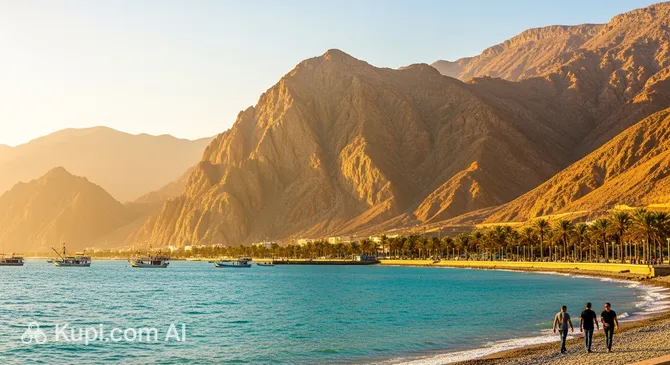
Kangan. Source: Kupi.Binoculars

The city is renowned for its warm, humid climate, typical of the Persian Gulf region, making it a sun-soaked destination for much of the year. While modern developments have shaped its recent skyline, the history of Kangan is deeply rooted in trade and fishing, which remains evident in the daily life of the locals. The bustling port area is a testament to this enduring heritage, where visitors can often see traditional wooden dhows docked alongside modern vessels.

Travelers to Kangan can enjoy scenic views of the sea and explore the vibrant local life. The city's proximity to the coast allows for relaxing walks along the shore, offering stunning sunsets over the water. Additionally, the local bazaars provide an authentic experience where one can discover regional handicrafts and fresh seafood delicacies that define the local cuisine. Whether you are passing through or planning a dedicated stop, Kangan invites you to experience the warm hospitality and dynamic energy of southern Iran.

Weather Overview

Kangan features a hot climate typical of the Persian Gulf region, characterized by intense heat during the summer and mild, pleasant winters. The city sees very little rainfall throughout the year, with the vast majority of days being sunny and dry. Expect scorching summers with clear skies and comfortable winters with only occasional, light rain.

The summer months, particularly from June to August, are extremely hot, with average temperatures hovering around 34°C to 35°C and daytime highs frequently reaching 40°C or more. In contrast, the winter season offers much cooler conditions; January is typically the coldest month, with average temperatures of 14.7°C and lows dipping to roughly 9°C. Precipitation is scarce, mostly occurring between November and March, while the period from May to October is virtually rainless. To help plan your visit around these seasonal variations, you can check the detailed weather in Kangan.

Interesting Facts

Beyond its reputation as an industrial hub, Kangan holds many fascinating secrets that reveal a deep connection to ancient maritime history and unique local traditions. This coastal city is a place where the past and future coexist, offering surprises for those who look beyond the modern skyline.

  • Gateway to Ancient Siraf: Just a short distance from the city center lies the historic port of Siraf (Bandar-e Siraf), which was once a thriving Silk Road hub rivaling the world's greatest maritime cities. Visitors can explore the mysterious Rock-Cut Cemeteries (Shilau), a series of rectangular graves carved into the mountain slopes, which some legends say were originally created to capture rainwater before being used as burial sites.

  • Home to the "Kanguni" Dialect: The local culture is distinctively preserved through language; many residents speak a unique dialect known as Kanguni. This linguistic blend incorporates elements of Persian and Arabic, reflecting centuries of cross-cultural exchange across the Persian Gulf that is not found in the central parts of the country.

  • A Global Energy Giant: Kangan sits directly adjacent to the South Pars Gas Field, the largest natural gas field in the world. While the city retains its traditional fishing roots, this massive underground reserve has quietly transformed the region into one of the most significant economic zones on the planet.

  • The Flavor of the South: The city is celebrated for its authentic version of Ghalieh Mahi, a famous southern stew. Unlike variations found elsewhere, the local recipe creates a distinctively tangy and spicy flavor profile using fresh cilantro, fenugreek, and tamarind, perfectly complementing the fresh catch brought in daily by local fishermen.

  • Mianloo Hot Spring: Hidden to the north of the city is the Mianloo Hot Spring, a natural mineral spring rich in calcium sulfate. It serves as a therapeutic retreat for locals and a stark, refreshing contrast to the saline waters of the nearby gulf.

How to Get There

Reaching this coastal city usually involves traveling to one of the major transport hubs in southern Iran and continuing the journey by road. While the city itself is well-connected by highways, visitors typically fly into a neighboring city first. For a complete guide on planning your route, you can read more about how to get to Kangan.

The city of Kangan does not have its own airport, but several options are available in the region. The closest facility is Lamerd Airport (IATA: LFM) in the city of Lamerd, located approximately 124 km away. The drive from there typically takes around 2 hours by taxi. Another convenient option is Bushehr Airport (IATA: BUZ) in the provincial capital of Bushehr, which is about 171 km from Kangan. A taxi or bus ride from Bushehr generally takes between 2.5 to 3 hours. For international travelers, Shiraz International Airport (IATA: SYZ) in Shiraz is a major hub situated about 195 km away, with a transfer time of approximately 4 hours through the scenic routes.

For clarity, here is a summary of the main airports:

Airport Name City Passenger Traffic Km from City
Lamerd Airport Lamerd Small 123.7
Bushehr Airport Bushehr Medium 171.2
Shiraz International Airport Shiraz Large 194.6
Lar Airport Lar Small 229.5

Currently, there are no major railway stations in the immediate vicinity of Kangan that offer direct convenient access for tourists. Travelers preferring ground transport often rely on the extensive bus network connecting Kangan to major Iranian cities like Shiraz and Bushehr. Taxis and private transfers are also widely available and provide a comfortable way to navigate the scenic coastal roads leading to the city.

Main Attractions

Kangan offers a compelling mix of coastal beauty and deep-rooted history, serving as a gateway to some of the most significant heritage sites in southern Iran. While the city itself is buzzing with modern energy, its surroundings are dotted with ancient wonders and natural retreats that attract history buffs and nature lovers alike. From the shimmering waters of the Persian Gulf to the architectural marvels of nearby ports, there is plenty to explore.

The Kangan Coastline and Beach Park is the city's most popular recreational area, offering locals and tourists a serene escape by the sea. Stretching along the Persian Gulf, this well-maintained promenade is perfect for evening strolls, family picnics, and watching the breathtaking sunsets over the water. The rhythmic sound of the waves and the cool sea breeze provide a refreshing contrast to the warm climate, making it a lively hub of activity particularly in the cooler evening hours.

Just a short drive from Kangan lies the Ancient City of Siraf, a legendary historical site that was once a booming port on the Silk Road. Visitors are fascinated by the mysterious Rock-Cut Cemeteries (Shilau), where rectangular graves were carved directly into the mountain slopes centuries ago. These archaeological remains, along with ancient wells and the ruins of the Great Mosque, offer a glimpse into the region's prosperous maritime past when it served as a vital link between Persia, China, and Africa.

Overlooking the historic port of Siraf stands the majestic Nasouri Castle, also known as the Sheikh Nasouri Mansion. Built during the early Qajar era, this architectural gem is celebrated for its intricate stucco work and traditional wind towers (badgirs) that were designed to cool the interior. It is an excellent spot for photography, offering a commanding view of the azure sea and the old village below, effectively transporting visitors back in time.

For those seeking relaxation in nature, the Mianloo Hot Spring is a hidden natural treasure located to the north of Kangan. Known for its mineral-rich waters containing calcium sulfate and magnesium, the spring is believed by locals to have therapeutic properties for skin conditions and joint pain. It serves as a unique natural spa where travelers can unwind and experience the diverse geological features of the Bushehr province.

Local Cuisine

The culinary landscape of Kangan is deeply influenced by its proximity to the warm waters of the Persian Gulf, making seafood the undisputed star of the local table. Unlike the milder flavors found in some other parts of Iran, the cuisine in this southern region is characterized by bold spices, generous use of chili peppers, and the tangy kick of tamarind. The result is a vibrant food scene where dishes are zesty, aromatic, and packed with flavor, reflecting the city's maritime heritage and hot climate.

When visiting Kangan, trying the fresh seafood is essential. While the famous Ghalieh Mahi (a spicy fish and herb stew) is a regional staple, visitors should also seek out Ghalieh Meygu, a delicious variation made with fresh local shrimp. Another must-try is Meygu Polow, a savory dish consisting of shrimp layered with aromatic rice, herbs, and spices. For those with a sweet tooth, the abundance of date palms in the Bushehr province means that Ranginak—a rich dessert made from dates, walnuts, and toasted flour—is a popular and hearty treat often served with tea.

As with the rest of the country, alcohol is not available, so the local beverage culture focuses on refreshing non-alcoholic drinks to combat the heat. Locals often cool down with traditional Sherbets (fruit syrups mixed with water and ice) or a cold glass of Doogh, a savory yogurt-based drink often flavored with dried mint. Despite the high temperatures, hot black tea remains a central part of social life, typically consumed after meals or during evening gatherings alongside sweet dates.

The food culture in Kangan is relaxed and communal. You will find that many traditional restaurants feature "takhts"—large wooden platforms covered with Persian rugs—where guests sit cross-legged to enjoy their meals in a comfortable, laid-back setting. In the cooler evenings, it is common to see families gathering for picnics along the coastline or in parks, sharing homemade dishes while enjoying the sea breeze. Whether you choose a simple street-side eatery near the port or a larger restaurant, the emphasis is always on fresh ingredients and warm southern hospitality.

Travel Tips

Visiting Kangan offers a unique opportunity to experience the authentic lifestyle of southern Iran, but the region's specific climate and cultural norms require a bit of preparation. To ensure your journey along the Persian Gulf coast is as smooth and enjoyable as possible, here are some practical tips to keep in mind.

  1. Clothing and Gear: Due to the intense heat and humidity, especially in summer, wear lightweight, breathable natural fabrics like cotton or linen. Strict adherence to the local dress code is mandatory: women must wear a headscarf and loose-fitting clothing that covers the arms and legs (a manteau), while men should wear long trousers—shorts are not acceptable in public. Comfortable sandals are excellent for the climate, but bring sturdy shoes if you plan to explore the rocky terrain of nearby Siraf.

  2. Transportation: Kangan does not have a metro or tram system. The most convenient way to get around is by using shared taxis (savari) or hiring a private taxi (darbast). While ride-hailing apps like Snapp are popular in major cities, availability can vary in smaller towns, so having cash for regular taxis is essential. Renting a car is generally not recommended for tourists due to driving styles; hiring a car with a local driver is a safer and more stress-free option.

  3. Finances: International credit and debit cards (Visa, Mastercard) do not work in the country. You must bring sufficient cash (USD or EUR) to cover your entire trip and exchange it for Iranian Rials at an official exchange office (Sarafi). Be aware of the local custom of quoting prices in "Toman" (1 Toman = 10 Rials) to avoid confusion. Tipping is not strictly mandatory but is appreciated in restaurants and for guides.

  4. Health and Safety: The primary health risk in Kangan is heatstroke and dehydration. Drink plenty of bottled water and avoid strenuous activity during the midday sun. Pharmacies (Daru-khaneh) are well-stocked and easy to find, often marked with a green cross. Kangan is generally very safe for tourists, but standard precautions against petty theft should be taken in crowded bazaars.

  5. Communication: Persian (Farsi) is the official language, though you will hear the local Kanguni dialect. English is not widely spoken outside of the tourism sector, so learning basic phrases like "Salam" (Hello) and "Mamnoon" (Thank you) is very helpful. It is highly recommended to buy a local SIM card (Irancell or MCI) upon arrival at the airport to access maps and translation apps. Note that internet access may be restricted for certain global apps.

  6. Local Etiquette: locals are famous for Taarof, a system of politeness where people may initially refuse payment or offer things they don't mean to give away; simply insist gently on paying. Always remove your shoes before entering a private home or a mosque. In social interactions, men generally do not shake hands with women unless the woman initiates it.

  7. What to Avoid: Kangan is located near major industrial zones and the South Pars Gas Field. Strictly avoid taking photographs of industrial facilities, refineries, military sites, or government buildings, as this is prohibited and can lead to serious legal trouble. Also, avoid public displays of affection, which are culturally frowned upon.

  8. Afternoon Siesta: Due to the sweltering afternoon heat, many shops and businesses in Kangan close between 1:00 PM and 4:00 PM for a rest period. Plan your shopping and outdoor activities for the cooler mornings or lively evenings when the city wakes up again.

By keeping these practical points in mind, you can navigate Kangan with confidence and respect for local traditions. The people of this southern port are known for their warmth and hospitality, so don't hesitate to ask for help—you will likely be met with a friendly smile and a helping hand.

Entertainment & Nightlife

Nightlife in Kangan offers a distinct and authentic experience that differs significantly from Western concepts of evening entertainment. Due to national regulations in Iran, you will not find nightclubs, dance halls, or bars serving alcohol here. Instead, the city comes alive after sunset as the scorching daytime heat dissipates, transforming the streets and coastal promenades into vibrant social hubs. The local "nightlife" revolves around late-night dining, tea culture, shopping, and relaxed gatherings by the sea, offering a family-friendly and welcoming atmosphere.

The beating heart of evening activity is undoubtedly the Saheli Boulevard (Coastal Road). This stretch runs parallel to the Persian Gulf and becomes a bustling thoroughfare as soon as the sun goes down. Locals flock here to walk, jog, or simply sit on the seawalls to enjoy the cool maritime breeze. The atmosphere is casual and lively, with young people cruising in cars playing music and families setting up elaborate picnics on the grass. It is the perfect place to observe local life and strike up a conversation with friendly residents.

For a specific destination, the Kangan Beach Park (often referred to as the Tourist Village or Dehkadeh Gardeshgari) is the city's premier night spot. This expansive recreational area features walking paths, gazebos, and playgrounds, remaining active well past midnight. Here, you can rent a boat for a short night ride or enjoy snacks from various street food vendors selling corn, falafel, and samboseh. Another popular evening activity is visiting a traditional Sofreh Khaneh (tea house). These venues serve as the local equivalent of a lounge, where people gather to drink endless cups of black tea, smoke flavored hookah (qalyan), and chat for hours in a relaxed, traditional setting.

Shopping is also a major part of the night culture. The Kangan Traditional Bazaar and modern commercial complexes like the bustling malls along the main street stay open late, often until 11:00 PM or midnight. The cool evening hours are the prime time for browsing, and the markets are vibrant with colorful displays of spices, fabrics, and goods brought in from across the Gulf. The dress code remains modest even at night; men should wear long trousers, and women must adhere to the mandatory headscarf and manteau regulations.

From a practical standpoint, the best time to head out is after 8:00 PM, when the city truly wakes up. Prices for food and entertainment are generally very affordable. Kangan is considered safe for night walks, especially in well-lit areas like the Beach Park and main boulevards. To get around, it is best to use "Savari" (shared taxis) or hire a private taxi ("Darbast") by hailing one on the street or asking your hotel to call a reputable driver, as ride-hailing apps may have limited availability compared to larger cities.

While the nights are for socializing, daytime entertainment in Kangan is more low-key due to the heat. During the day, visitors typically explore the historical sites in nearby Siraf or visit the few local parks early in the morning. However, the city is primarily an industrial and residential hub, so you won't find large amusement parks or extensive museum districts within the city limits itself; the true charm of Kangan lies in its coastal evenings.

Parks & Museums

While Kangan is primarily known as an industrial and energy hub, its location along the Persian Gulf offers distinct opportunities for leisure and cultural exploration. The city's green spaces are inextricably linked to the coastline, providing refreshing retreats from the heat, while its deep historical roots are best experienced through the archaeological wonders located just a short distance from the modern city center.

Kangan Beach Park (Dehkadeh Gardeshgari) is the city's premier green space and the heart of social life for locals and visitors alike. Stretching along the azure waters of the Persian Gulf, this expansive promenade is lined with palm trees, gazebos, and walking paths that offer uninterrupted views of the sea. It is an ideal spot for an evening picnic or a leisurely stroll to watch traditional dhow boats bobbing on the waves. The park comes alive after sunset, when the temperature drops and families gather to enjoy the cool sea breeze, making it a perfect place to experience the relaxed rhythm of southern Iranian life.

For nature enthusiasts seeking a unique geological experience, the Mianloo Hot Spring offers a starkly beautiful natural escape north of the city. Nestled within the arid landscapes of the Bushehr province, this mineral spring is renowned for its therapeutic waters, rich in calcium sulfate and magnesium. It serves as a natural spa where visitors can soak in the warm waters while surrounded by the rugged, silent beauty of the region's mountains, providing a soothing contrast to the bustling industrial energy of the port.

Although Kangan itself does not host large modern museums, the nearby historic port of Siraf acts as a vast open-air museum reflecting the region's glorious maritime past. The Siraf Regional Museum (also known as the Siraf Archaeological Museum) is a must-visit cultural institution for anyone in the area. Housed in a traditional building, the museum showcases a fascinating collection of artifacts discovered during excavations of the ancient port, including pottery shards, coins, and plasterwork that testify to the city's former status as a thriving Silk Road hub connecting Persia to China and Africa.

Overlooking the coast stands the majestic Sheikh Nasouri Mansion, an architectural jewel that functions as a living museum of Qajar-era design. Often referred to as the Nasouri Castle, this historic edifice is perched on a hill and features intricate stucco carvings and traditional wind towers (badgirs) designed to catch the cooling winds. Exploring its rooms and courtyards offers a tangible glimpse into the lifestyle of the ruling families of the past, with the added bonus of commanding panoramic views over the old port and the sea.

For a truly authentic "museum" experience without walls, venture into the Shilau Valley to see the ancient rock-cut cemeteries. These rectangular graves, carved directly into the mountain slopes centuries ago, create a hauntingly beautiful landscape that has puzzled and fascinated archaeologists for decades. It is a quiet, atmospheric site where history feels immediate and tangible, offering a rare connection to the pre-Islamic and early Islamic civilizations of the Persian Gulf.

Getting Around

As a relatively small coastal city with a population of around 60,000, Kangan does not possess a complex or large-scale public transportation network like a metro, tram, or extensive city bus system. The transport infrastructure here is primarily road-based and designed to serve the local community and the workforce of the nearby industrial zones. For a visitor, getting around is straightforward but relies almost exclusively on automobiles.

The most common and convenient way to navigate the city is by using taxis. You will encounter two main types: shared taxis, locally known as Savari, and private taxis, known as Darbast. Shared taxis run on specific routes, picking up and dropping off multiple passengers along the way. They are very affordable and offer an authentic glimpse into local life, but they can be confusing if you do not know the route or speak the language. If you see a yellow or green taxi slowing down near you, you can shout your destination; if it matches their route, they will stop.

For a more comfortable and direct journey, Darbast (private) taxis are recommended. You can hail any empty taxi and say "Darbast," which means you want to hire the entire car for yourself. This is significantly more expensive than a shared ride but provides door-to-door service and air conditioning, which is essential during the hot months. Additionally, "Taxi Telephone" agencies (known as Ajans) are scattered throughout the city; you can ask your hotel reception or a restaurant to call one for you, ensuring a fixed price and a reliable driver.

Regarding modern alternatives, the ride-hailing app Snapp (the local equivalent of Uber) is widely used across the province and is generally available in Kangan. Using the app is highly advisable for tourists as it removes the language barrier regarding destinations and sets the price beforehand, preventing any need for haggling. You can download the app and register with a local SIM card. However, availability might be lower during off-peak hours compared to larger metropolitan areas.

The payment system for all forms of transport is almost exclusively cash. There are no travel cards or electronic pass systems for public transport here. You must pay the driver directly in Iranian Rials (or Tomans) at the end of the trip. It is crucial to carry small bills, as drivers may not always have change for large denominations. When using a private taxi without an app, always agree on the price before getting into the car to avoid misunderstandings later.

While there are minibuses that connect Kangan to neighboring towns and industrial work sites, they are not typically user-friendly for tourists due to a lack of English signage and fixed schedules. Walking is an option for short distances along the coastal promenade or within the bazaar area, but due to the intense heat and humidity for much of the year, it is not a practical mode of transport for getting from one part of the city to another during the day.

Accommodation

Finding accommodation in Kangan requires a slightly different approach than in typical tourist destinations. As a city primarily driven by the massive energy and industrial projects of the region, the local hospitality sector is largely geared towards business travelers, engineers, and industry professionals rather than leisure tourists. Consequently, while you will not find sprawling all-inclusive beach resorts, there are several functional and comfortable hotels, apartment complexes, and guesthouses designed to ensure a restful stay.

Most accommodation options in Kangan fall into the 3-star to 4-star range by local standards. These establishments prioritize practicality and comfort, knowing that guests often return after long days of work or travel. Apartment hotels are particularly popular here, offering suites with small kitchenettes and living areas, which are ideal for visitors planning a longer stay or those who prefer a bit more space than a standard hotel room provides.

Given the intense heat of southern Iran, air conditioning is a non-negotiable standard in all reputable lodgings. You can expect powerful cooling systems, private bathrooms, and usually a refrigerator in your room. Many hotels also feature on-site restaurants serving Persian cuisine, which is convenient since dining options might close for a midday break. Wi-Fi is generally available in lobbies and rooms, though speeds can vary compared to what you might be used to internationally.

Booking and Payment is the most critical aspect to plan for. Major global booking platforms generally do not operate in the region, and international credit cards (such as Visa or Mastercard) do not work in the country due to banking restrictions. You cannot simply book online with a credit card or pay at the counter with foreign plastic. It is essential to carry enough cash (Euros or US Dollars) to exchange for Iranian Rials, or to arrange your accommodation in advance through a local travel agency that can facilitate the payment for you.

Regarding location, staying near the Saheli Boulevard (Coastal Road) is often the best choice for visitors. Hotels in this area offer easier access to the seaside promenade and the city's parks, providing a more scenic and relaxed environment compared to the accommodations located closer to the industrial zones on the outskirts. If you are visiting during the peak business seasons, availability can be tight, so reserving your room well ahead of time—preferably via phone or a local contact—is highly recommended.

Nearby Cities

Kangan is strategically situated in the Bushehr Province, making it a convenient base for exploring other key destinations in southern Iran. The city is connected by a network of highways to several significant urban centers, ranging from the provincial capital to historic trading towns. Travelers can easily reach these locations by road, offering a chance to experience the diverse landscapes of the region, from the coastal plains to the Zagros foothills.

City Population Distance (km)
Khormuj 40,722 112
Kavar 31,711 163
Jahrom 141,634 166
Bushehr 223,664 169
Borazjan 155,567 178

Among the nearby cities, Bushehr is the most prominent, serving as the administrative capital and a major port with a rich maritime history. Khormuj, located just over an hour away, offers a quieter glimpse into local life, while Borazjan is known for its palm groves and historical fortress. Further inland, Jahrom in the neighboring Fars Province is famous for its citrus gardens and the impressive Sang Shekan Cave. These destinations are all accessible for day trips or as next stops on a broader itinerary across the south.

Shopping & Souvenirs

Shopping in Kangan is a vibrant experience that revolves around its identity as a bustling port city. Unlike the artisanal focus of some inland Iranian cities, Kangan is famous for its "Tah Lenji" goods—merchandise imported by local sailors from across the Persian Gulf. This trade privilege allows for a wide variety of international products, including electronics, cosmetics, clothing, and food items, to be sold at competitive prices. For tourists, this creates a unique market atmosphere where modern imports sit alongside traditional local wares, offering a fascinating glimpse into the commercial life of southern Iran.

The city's retail scene is concentrated along a few key thoroughfares rather than a single pedestrian district. The main boulevards running parallel to the coastline are lined with rows of shops and arcades. Here, you can find everything from fabric stores selling colorful textiles suitable for the warm climate to shops dedicated to home goods and camping gear, which are popular among locals who enjoy seaside picnics. Walking these streets in the evening is a social activity, with bright shop lights and bustling crowds creating a lively energy.

While Kangan does not feature massive mega-malls comparable to those in Tehran, it is home to several modern commercial complexes and multi-story shopping centers. These arcades provide a comfortable, air-conditioned respite from the heat and house a concentration of boutiques selling apparel, shoes, and gadgets. They are particularly popular with younger locals and offer a more organized shopping experience compared to the street-side vendors.

For a more authentic taste of local culture, the traditional markets are a must-visit. The Kangan Fish Market is perhaps the most dynamic spot in the city, where fishermen display the day's fresh catch, including shrimp, kingfish, and other Persian Gulf specialties. Even if you aren't buying, the sights and sounds are memorable. Additionally, the local fruit and vegetable bazaar offers a colorful array of seasonal produce, aromatic herbs, and the famous dates of the region, allowing visitors to see the ingredients that drive the local cuisine.

When looking for souvenirs to take home, the best choices are those that reflect the geography and traditions of the Bushehr province. High-quality dates (specifically the Kabkab variety) and date products like syrup are top choices, as the region is a major producer. You can also find beautiful wickerwork (Hasir Bafi) made from palm leaves, such as baskets, mats, and fans, which are both practical and decorative. Spices used in southern seafood dishes, particularly packs of "Ghalieh" spice mix, make for lightweight and flavorful gifts.

Store hours in Kangan are heavily influenced by the climate. Most shops open around 9:00 AM but close for a long midday break (siesta) from approximately 1:00 PM to 4:30 PM or 5:00 PM to avoid the peak heat. They reopen in the late afternoon and stay open well into the night, often until 11:00 PM or midnight. Regarding payment, cash is the primary method for small purchases. While local debit cards are used everywhere, international credit cards like Visa or Mastercard are not accepted. You must ensure you have enough Iranian Rials (cash) on hand for your shopping trips.

Tourists should be aware that tax-free shopping (VAT refund) systems, common in many other countries, are not available in Kangan. The prices you see on the tags are final, though bargaining is acceptable and expected in traditional bazaars and smaller independent shops, especially when purchasing multiple items.
Reached the end of the page?

That means the route is fully explored