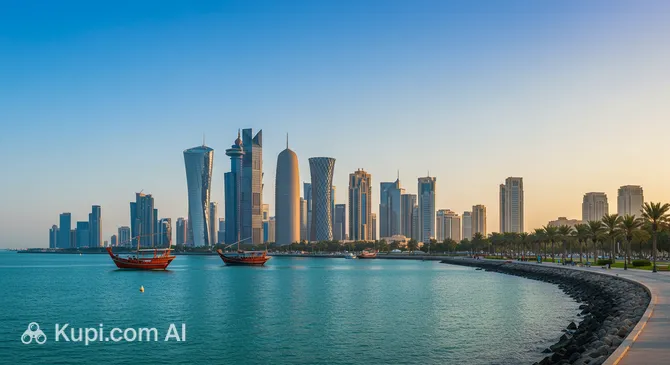
Doha is a mesmerizing blend of traditional Arabian heritage and futuristic architecture, offering a dynamic travel experience unlike any other. As the capital and most populous city of Qatar, it serves as the country's economic, cultural, and political center. Located on the coast of the Persian Gulf, the city is renowned for its stunning skyline, pristine waterfronts, and a climate that guarantees sunshine throughout the year.
Doha. Illustration.
Source: Kupi.com AI
Home to over a million residents, this bustling metropolis creates a unique atmosphere where ancient customs coexist harmoniously with modern luxury. To truly appreciate how a modest pearl-diving village transformed into a gleaming global hub, delving into the history of Doha is a must for any visitor. The city's evolution is evident in its landscape, which features both historic forts and avant-garde skyscrapers.
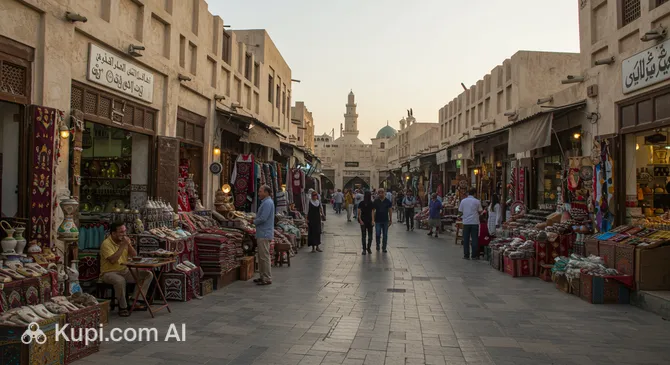
Travelers are captivated by the city's diverse attractions. The Corniche offers a picturesque waterfront promenade perfect for evening strolls, while the vibrant Souq Waqif immerses you in local culture with its maze of alleyways, spice markets, and traditional cafes. Whether you are exploring the architectural marvel of the Museum of Islamic Art or relaxing on the man-made island of The Pearl, Doha invites you to discover its warmth and sophistication.
Weather Overview
The city experiences a hot desert climate characterized by long, sweltering summers and mild, pleasant winters. When planning your trip, it is helpful to check the specific weather in Doha to pack appropriately for the season. Generally, the skies remain clear and sunny year-round, making it a bright destination regardless of when you visit.
From June to September, the heat intensifies significantly, with average temperatures ranging from 33.5°C to 35.5°C and maximums frequently reaching above 40°C in July and August. In contrast, the winter months of December through February offer relief with comfortable averages between 18.6°C and 20.8°C. January is typically the coolest month, where nightly lows can dip to around 15°C.
Rainfall is extremely scarce in this region. Expect scorching summers with absolutely no precipitation and mild winters where rain is a rarity. The wettest month is usually January, yet even then, there are typically only about 3 wet days. For the vast majority of the year, visitors can anticipate dry conditions and abundant sunshine.
Average monthly temperature
Average monthly precipitation
Interesting Facts
Beyond the glistening skyscrapers and luxury shopping malls, Doha holds many fascinating secrets and historical nuances that often escape the casual observer.
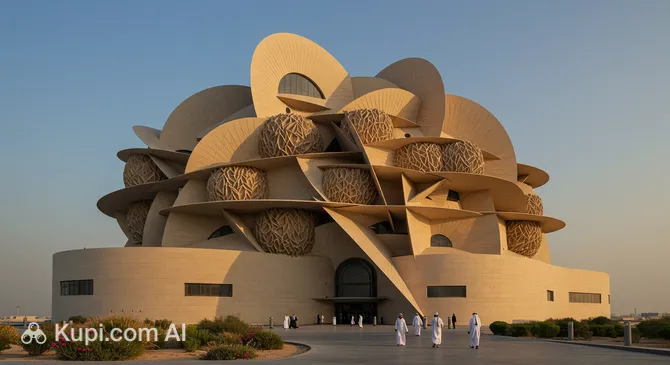
National Museum of Qatar. Illustration.
Source: Kupi.com AI
Traveler photos:
Before the discovery of oil, the local economy was almost entirely dependent on pearl diving. This deep connection to the sea is immortalized by The Pearl Monument, which depicts an open oyster and honors the perilous trade of the city's ancestors.
The stunning National Museum of Qatar is an architectural marvel designed to look exactly like a "desert rose." This is not a flower, but a complex crystal formation naturally found in the arid sands of the region, symbolized by the building's massive interlocking disks.
Camel racing is a prestigious sport in the city, but it features a surprising technological twist. To ensure the safety of participants, the camels are often ridden by small, remote-controlled robot jockeys clad in colorful silks, merging ancient Bedouin heritage with modern robotics.
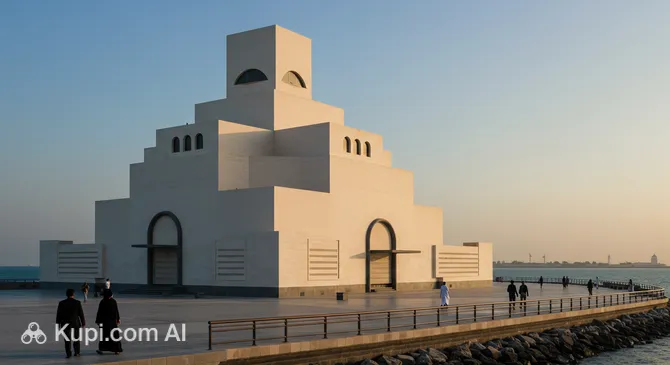
The iconic Museum of Islamic Art was built on a standalone man-made island off the Corniche. The architect, I.M. Pei, insisted on this specific location to guarantee that no future skyscrapers would ever obstruct the museum's majestic silhouette.
The name "Doha" is believed to be derived from the Arabic word "Ad-Dawhah," which translates to "the big tree." Other historians suggest it refers to the rounded bays of the coastline, reflecting the city's geographic embrace of the Persian Gulf.
How to Get There
Reaching the Qatari capital is a seamless experience, primarily due to its status as a major global transit hub. Whether you are arriving for a short stopover or a dedicated vacation, you can find more about how to get to Doha and plan your journey with ease. The city is well-connected to the world, offering state-of-the-art facilities for incoming travelers.
The most convenient and common point of entry is Hamad International Airport (DOH), located directly in Doha. This world-class facility handles a very large volume of passengers annually and is renowned for its luxury and efficiency. Since the airport is situated just 8.2 km from the city center, the transfer is quick and comfortable. A trip by taxi or car typically takes between 15 and 20 minutes, making it an incredibly accessible gateway to the city's attractions.
For travelers exploring the wider region, there are other aviation hubs nearby. Bahrain International Airport (BAH) is situated in the city of Manama, approximately 141.5 km from Doha. It is a convenient option, with regular direct flights available that connect the two cities efficiently. Another alternative is King Fahd International Airport (DMM) in Dammam, Saudi Arabia, roughly 218 km away. This airport serves as a significant regional hub, though reaching Doha from there typically requires an overland journey or a connecting flight.
For clarity, here is a summary of the main airports:
Doha is a city where culture and modernity intersect, offering visitors a wealth of sights ranging from world-class museums to vibrant waterfront districts. Exploring these landmarks provides a deeper understanding of Qatar's heritage and its rapid evolution into a global destination.
One of the most significant cultural institutions is the Museum of Islamic Art. Housing a comprehensive collection that spans over 1,400 years, the museum displays exquisite ceramics, textiles, and manuscripts from across the Islamic world. Beyond the art, the building itself is a masterpiece, featuring geometric patterns and a soaring atrium that captivates every visitor.
Museum of Islamic Art. Illustration.
Source: Kupi.com AI
Traveler photos:
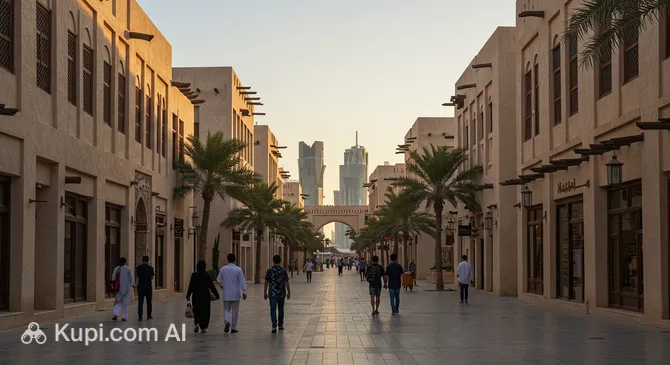
For a glimpse into the future of urban design, travelers should visit Msheireb Downtown Doha. This sustainable regeneration project beautifully blends traditional Qatari architectural elements with cutting-edge technology. It is a lively, walkable district filled with heritage houses, chic cafes, and art galleries, all connected by a convenient tram system.
Msheireb Downtown Doha. Illustration.
Source: Kupi.com AI
Traveler photos:
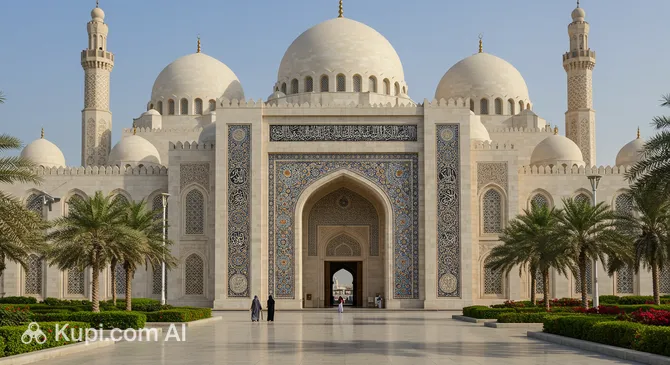
The spiritual heart of the city can be found at the Imam Muhammad ibn Abd al-Wahhab Mosque. Also known as the Qatar State Grand Mosque, this imposing sandstone structure is renowned for its multitude of domes and traditional design. Visitors are welcome outside of prayer times to admire the serene courtyards and the breathtaking views of the modern skyline visible from the grounds.
Imam Muhammad ibn Abd al-Wahhab Mosque. Illustration.
Source: Kupi.com AI
Traveler photos:
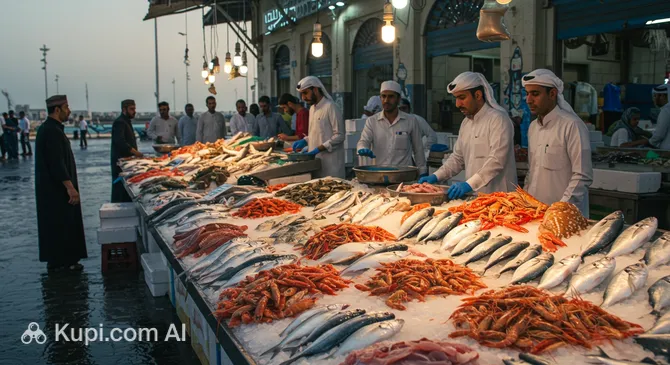
A colorful addition to the waterfront is the Mina District, located at the Old Doha Port. With its pastel-hued buildings and cobblestone paths, this area evokes a charming seaside atmosphere. It is a fantastic spot for a leisurely walk, offering a fish market, boutique shops, and a variety of dining options right by the cruise terminal.
Mina District. Illustration.
Source: Kupi.com AI
Traveler photos:
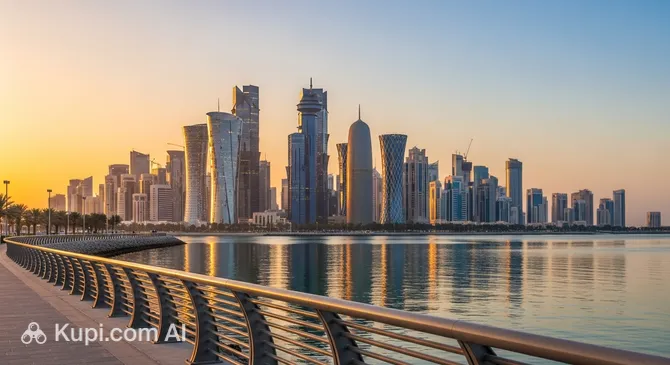
Finally, to capture the essence of the city's transformation, a stop at the Doha Corniche Viewpoint is essential. This location offers the most iconic panoramic views of the towering West Bay skyline reflecting in the waters of the Gulf. It is the perfect place for photography, especially during the golden hour or when the city lights illuminate the night.
Doha Corniche Viewpoint. Illustration.
Source: Kupi.com AI
Traveler photos:
Local Cuisine
The culinary landscape of Doha is a vibrant reflection of its multicultural population, blending rich Qatari traditions with flavors from around the globe. Food lovers will find everything from aromatic street stalls to world-class fine dining, making the city a true paradise for the palate. At the heart of the local cuisine is the generous use of spices like cardamom, saffron, and turmeric, which infuse dishes with a warm and inviting aroma.
No visit is complete without tasting the national dish, Machboos. This hearty meal consists of rice cooked with tender meat—usually chicken, lamb, or fish—and a special blend of spices, often garnished with nuts and raisins. Another local favorite is Harees, a comforting porridge-like dish made from beaten wheat and meat, traditionally served during special occasions. For seafood enthusiasts, the fresh catch from the Persian Gulf offers a delicious variety of grilled fish and prawn dishes.
Dining out in the city is an experience in itself. You can enjoy a meal with a view at Shabrat Al Mina, a spot that captures the essence of local dining near the water. The atmosphere in such places often combines modern comfort with traditional hospitality, allowing visitors to relax and savor every bite.
Shabrat Al Mina. Illustration.
Source: Kupi.com AI
Traveler photos:
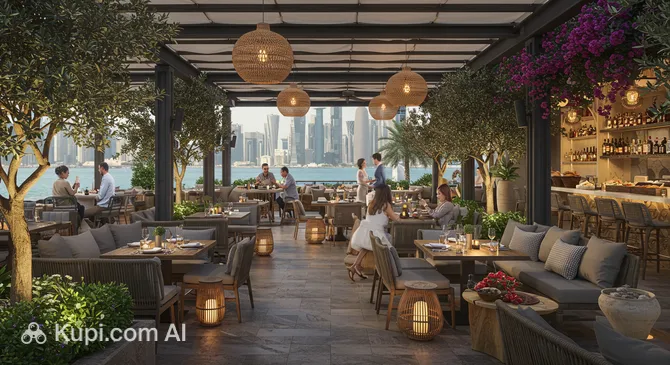
For those seeking a different ambiance, Twisted Olive & Naama’s Garden offers a unique setting to enjoy diverse menu options. Whether you are looking for a quick bite or a leisurely dinner, the city's restaurants cater to every mood. To finish your culinary journey, be sure to try a cup of Karak tea. This strong, spiced tea with milk is a staple of Qatari culture and the perfect way to conclude a flavorful meal.
Twisted Olive & Naama’s Garden. Illustration.
Source: Kupi.com AI
Traveler photos:
Travel Tips
Welcome to Doha, a city where warm Arabian hospitality meets modern efficiency. To help you navigate the local customs and make the most of your stay in this vibrant capital, here are some essential practical tips for a smooth and enjoyable journey.
Clothing and Gear: Given the desert climate, lightweight and breathable fabrics like cotton or linen are your best friends. However, respect for local culture is paramount; both men and women should dress modestly in public places, keeping shoulders and knees covered. Always carry a light jacket or scarf, as air conditioning in malls and museums can be surprisingly chilly.
Transportation: The state-of-the-art Doha Metro is one of the most convenient and affordable ways to explore the city, connecting major attractions like the Corniche and Katara Cultural Village. For areas not reached by the metro, ride-hailing apps like Uber and Careem are widely used and reliable. While renting a car gives you freedom, be prepared for fast-paced traffic and complex roundabouts.
Finances: The local currency is the Qatari Riyal (QAR). Credit and debit cards are accepted almost everywhere, from luxury boutiques to supermarkets. However, it is wise to carry some cash for small purchases in traditional markets like Souq Waqif or for tipping. Tipping is not mandatory but is appreciated for good service; rounding up the bill or leaving 10-15% is standard practice.
Health and Safety: Doha is consistently ranked as one of the safest cities in the world, with very low crime rates. Pharmacies are plentiful, and many remain open 24/7 to assist with minor ailments. The sun can be intense, so staying hydrated and using high-SPF sunscreen is non-negotiable, especially if you plan to walk along the waterfront.
Communication: While Arabic is the official language, English is the lingua franca and is spoken fluently by nearly everyone in the service industry. You can easily purchase a tourist SIM card from providers like Ooredoo or Vodafone upon arrival at the airport. Free Wi-Fi is available in most public parks, malls, and museums, making it easy to stay connected.
Local Etiquette: Qatari culture places high value on politeness and respect. When greeting locals, a friendly "Salam Alaykum" (Peace be upon you) goes a long way. Public displays of affection, such as kissing or hugging, are frowned upon and should be avoided. If you are invited to a Qatari home, remember to remove your shoes before entering.
What to Avoid: Strictly avoid photographing locals, especially women, without their explicit permission, as this is considered highly intrusive. Also, be mindful that alcohol is strictly regulated; drinking in public is prohibited and punishable by law. Alcohol is only available in licensed hotel restaurants and bars for non-residents.
Weekend Rhythm: Keep in mind that the weekend in Qatar falls on Friday and Saturday. Friday mornings are generally quiet with many businesses and the metro opening later in the afternoon, following the main congregational prayers. Plan your Friday activities for the evening to experience the city at its liveliest.
By keeping these simple guidelines in mind, you will find it easy to blend in and enjoy the unique charm of Doha. The city is incredibly welcoming to visitors who show respect for its traditions, ensuring your trip is filled with pleasant memories and cultural discoveries.
Entertainment & Nightlife
Entertainment in Doha transforms as the sun sets, shifting from cultural exploration to a vibrant and sophisticated nightlife scene. While the city respects traditional customs, it offers a surprisingly dynamic array of evening activities, primarily concentrated within international hotels and upscale districts. The nightlife here is characterized by luxurious lounges, high-energy clubs, and relaxed seaside terraces, catering to a diverse crowd of expats and travelers.
The most bustling areas for evening entertainment are West Bay and The Pearl-Qatar. In West Bay, the skyline lights up, and the numerous five-star hotels host some of the city's most exclusive bars and clubs. The Pearl offers a more Mediterranean vibe, where you can enjoy a breeze while dining or sipping mocktails and cocktails at marina-facing venues. For a more traditional but equally lively atmosphere, the alleys of Souq Waqif remain awake late into the night, filled with the scent of shisha and the sound of animated conversation, though these establishments typically do not serve alcohol.
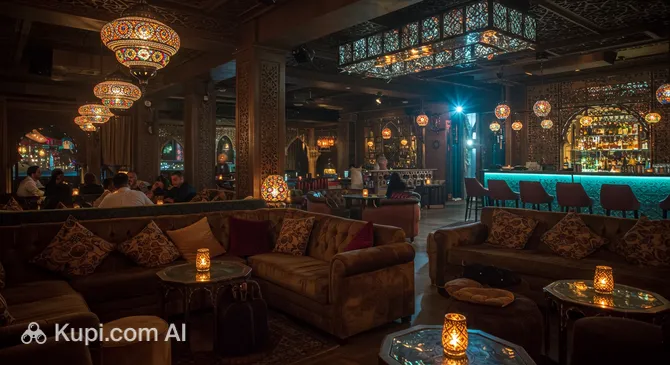
For those seeking a trendy spot to unwind, Huqqa is a popular choice. Known for its stylish ambiance and modern approach to leisure, it attracts a fashionable crowd looking for great food and a lively social setting. It is an excellent example of how the city blends dining with late-night entertainment.
Huqqa. Illustration.
Source: Kupi.com AI
Traveler photos:
Travelers looking for a classic clubbing experience or a place to enjoy live music might visit the Crossroads Club. Venues like this often feature live bands or DJs and are perfect for dancing the night away. Another notable spot is the Maharlika Night Club, which is well-regarded for its energetic atmosphere and entertainment offerings. Keep in mind that the operating hours for clubs and bars usually extend until 2:00 AM, and the peak time to arrive is generally after 10:00 PM.
When planning a night out, be aware of the local etiquette and regulations. The dress code in clubs and bars is typically "smart casual" or dressy; men are generally required to wear long trousers and closed shoes, while women often dress up for the occasion. Entry to licensed venues is strictly restricted to those over 21, and you must carry your original passport or a Qatar ID for age verification—photocopies are rarely accepted.
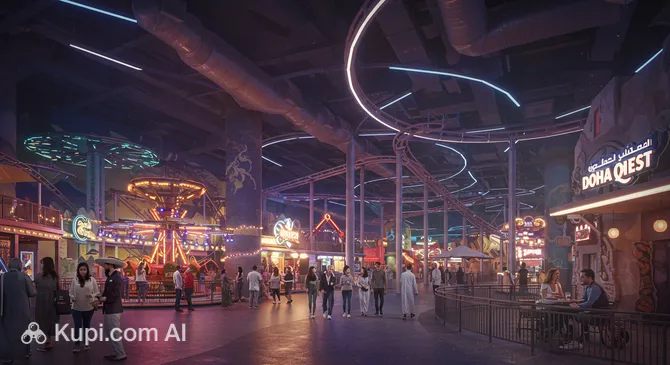
Regarding daytime and family-friendly entertainment, the city is equally well-equipped. Adventure seekers should not miss Doha Quest, an indoor experiential theme park that features world-record-breaking rides. For a mind-bending experience, the Museum of Illusions Doha offers interactive exhibits that are fun for all ages. These attractions provide a perfect counterpoint to the late-night excitement.
Doha Quest. Illustration.
Source: Kupi.com AI
Traveler photos:
Safety is rarely a concern in Doha, even late at night. The city is well-lit and secure, making it safe to walk around major districts. However, due to the layout of the city, walking between districts is not practical. The best way to get around at night is by using ride-hailing apps like Uber or the local Karwa taxis, which are reliable, affordable, and easy to book. Prices for drinks in licensed venues can be on the higher side, so looking out for "happy hour" deals in the early evening is a good tip for budget-conscious travelers.
Parks & Museums
While Doha is famous for its gleaming skyscrapers, the city is also home to expansive green spaces and diverse cultural institutions that offer a refreshing change of pace. These parks and museums provide residents and visitors with beautiful environments to relax, exercise, and explore the artistic soul of Qatar.
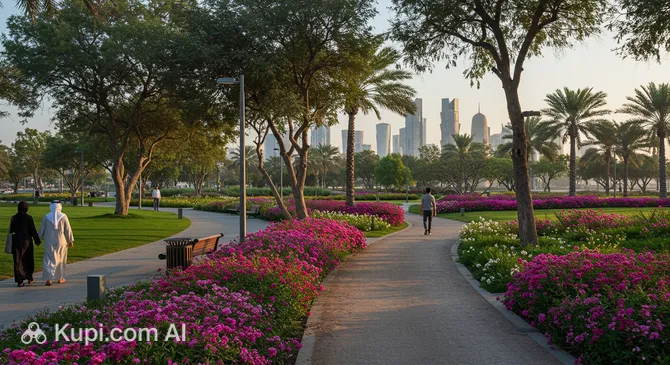
One of the most beloved outdoor destinations is MIA Park, located adjacent to the Museum of Islamic Art. This waterfront promenade features rolling hills, playgrounds, and cafes, all set against the backdrop of the stunning West Bay skyline. It is the perfect spot for a sunset walk or a picnic with family.
MIA Park. Illustration.
Source: Kupi.com AI
Traveler photos:
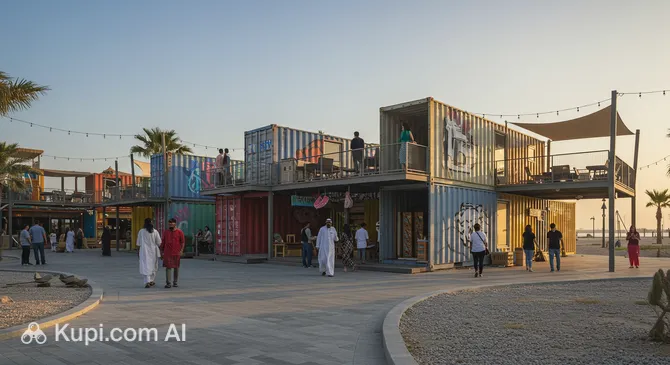
For those seeking a unique visual experience, Box Park at the Old Doha Port is a must-visit. Constructed from colorful recycled shipping containers, this vibrant area is filled with retail shops and dining outlets, creating a lively atmosphere that contrasts with the traditional architecture nearby. Another notable green space is Al Dafna Park, which offers serene garden settings and commanding views of the city's modern towers.
Box Park. Illustration.
Source: Kupi.com AI
Traveler photos:
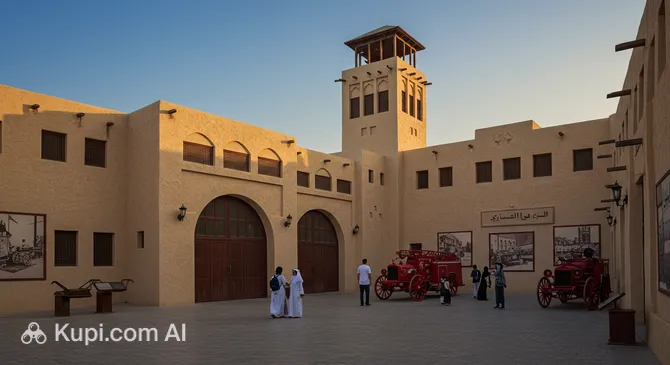
The city's artistic landscape extends beyond its major national museums. The Fire Station Museum is a dynamic contemporary art space housed in a repurposed civil defense building. It hosts rotating exhibitions and residency programs, serving as a creative hub for local and international talent.
Fire Station Museum. Illustration.
Source: Kupi.com AI
Traveler photos:
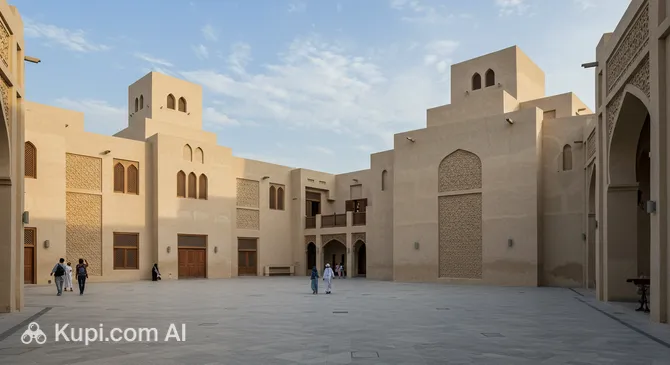
Deep in the heart of the restored downtown area, Msheireb Museums celebrate the history of Qatar through four heritage houses. These museums provide intimate insights into the country's past, covering topics from the pearling industry to the transformation of family life. Visitors can also explore the artistic maze at 5/6 Park or admire the display of international unity at Flag Plaza, making Doha a city of endless discovery.
Msheireb Museums. Illustration.
Source: Kupi.com AI
Traveler photos:
Getting Around
Navigating Doha is a seamless experience thanks to its rapidly developing and ultra-modern public transport network. The crown jewel of the system is the Doha Metro, a fully automated, driverless rail network consisting of three main lines: Red, Green, and Gold. The Red Line conveniently connects the airport to the city center and coastal districts, while the Gold and Green lines whisk passengers to major cultural sites and stadiums. The stations themselves are architectural landmarks, designed with "vaulted spaces" that pay homage to traditional Bedouin tents, making the journey as visually impressive as the destination.
Complementing the metro are the city's tram systems. The Lusail Tram connects to the metro network to serve the expanding northern district, while the Msheireb Tram offers a unique way to explore the downtown heritage quarter. The Msheireb Tram is particularly noteworthy for tourists; it is free of charge and features beautiful, heritage-style streetcars that loop around the smart city district of Msheireb Downtown Doha, making stops near museums, cafes, and the central square.
For areas not covered by rail, the Karwa bus network provides comprehensive coverage across the city. These buses are modern, air-conditioned, and reliable. A fantastic perk for metro users is the "metrolink" service—a fleet of free feeder buses that transport passengers between metro stations and nearby neighborhoods within a short radius. To use these free feeder buses, you typically need to show your metro travel card or use the dedicated app upon boarding.
Payment across the network is unified and digital, as cash is generally not accepted on board. For the metro and trams, you will need a reusable Travel Card, which can be purchased from vending machines at any station. There are different tiers: "Standard" for regular travel, "Gold Club" for access to spacious first-class carriages with plush seating, and "Limited Use" paper tickets for single journeys. Fares are incredibly affordable, with a standard single journey typically costing just 2 QAR, and a day pass capping at a modest amount, allowing for unlimited travel.
Taxis and ride-hailing services remain a popular alternative, especially during the hotter months when walking to a station might be uncomfortable. The distinctive turquoise-colored Karwa taxis are state-owned, safe, and strictly metered. Alternatively, international apps like Uber and regional favorites like Careem are widely available, offering precise pickup locations and transparent pricing. These are excellent for door-to-door convenience or late-night travel when the metro system closes.
When planning your trips, keep in mind that the transport system operates daily, but hours vary on Fridays. While the metro and buses run from early morning until nearly midnight on most days, services on Fridays usually begin in the afternoon, typically after 2:00 PM, to observe the time for main congregational prayers. Always remember to tap your travel card both when entering and exiting metro gates or buses to ensure the correct fare is deducted and to avoid penalties.
Accommodation
Where to Stay:
Doha offers a diverse array of accommodation options that cater to various tastes and budgets, though the city is most renowned for its opulent hospitality sector. Visitors will find an impressive selection of world-class luxury resorts, high-rise business hotels, and lavish serviced apartments. While the focus has traditionally been on high-end stays, there is a growing market for mid-range hotels and boutique properties that offer comfortable amenities without the premium price tag. Whether you are looking for a beachside retreat or a convenient city-center base, the capital provides a welcoming environment for all travelers.
When choosing where to stay, location is key. West Bay is the most popular district for tourists who want to be in the heart of the action; this area is defined by its futuristic skyline and proximity to the Corniche. For those seeking a more exclusive, resort-style experience, The Pearl-Qatar offers man-made island living with marina views and upscale dining. Alternatively, the area around Souq Waqif and Msheireb Downtown Doha is perfect for travelers who prefer a blend of heritage and modern accessibility, placing them within walking distance of cultural landmarks.
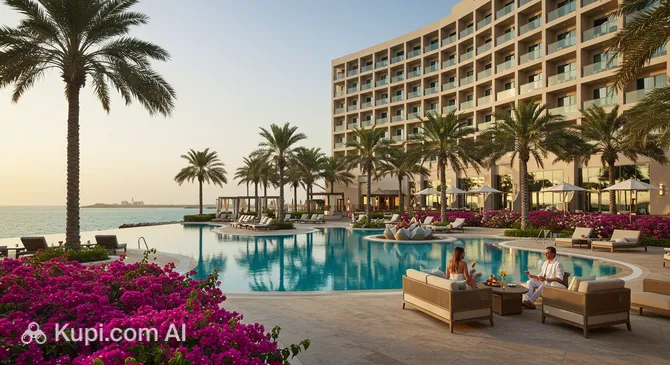
The city's hospitality scene is anchored by internationally recognized brands that ensure a high standard of service. For instance, the Hilton Doha is a favorite among visitors for its prime location in the diplomatic district and its private beach, offering a perfect mix of business and leisure. Another notable establishment is the Gulf Hotel Doha, which stands as a testament to the city's enduring commitment to guest comfort. These hotels typically feature extensive amenities, including swimming pools, spas, and multiple dining venues.
Hilton Doha. Illustration.
Source: Kupi.com AI
Traveler photos:
Price ranges in Doha can vary significantly depending on the season. During the cooler winter months, which is the peak tourist season, rates for luxury and mid-range hotels tend to be higher. Budget-conscious travelers can find more affordable options in older parts of the city, such as Al Sadd or Old Doha. Booking is most conveniently done through major online travel platforms or directly via hotel websites, which often offer special packages or member discounts.
Booking Tip: If you plan to visit between November and March, it is highly recommended to book your accommodation several months in advance. This period coincides with the most pleasant weather and numerous cultural festivals, leading to high demand for rooms in prime locations.
Nearby Cities
For those looking to explore the surroundings, Doha serves as an excellent base for day trips to several interesting nearby locations:
City
Population
Distance
Al Rayyan
605 712
11 km
Al Wakrah
87 970
15 km
Umm Salal Ali
60 000
24 km
Nuayjah
54 339
36 km
Al Shahaniya
161 240
37 km
Al Wakrah is one of the most popular destinations for a quick getaway, located just a short drive south of the capital. Originally a humble fishing and pearling village, it has grown into a charming city that retains its historical character. The highlight here is the Souq Al Wakrah, a traditional market built directly on the waterfront. With its clay-walled structures, seaside promenade, and numerous dining options, it offers a more relaxed and breezy alternative to the bustling markets of the capital. Families also flock to Al Wakrah Family Beach for its shallow waters and barbecue facilities.
Heading north, Al Khor offers a delightful mix of maritime heritage and natural beauty. It is famous for its scenic corniche and busy fishing harbor, where traditional dhow boats can still be seen bobbing in the water. Al Khor is often the gateway for visiting the nearby Al Thakira Mangroves, a lush ecosystem that attracts flamingos and herons, making it a prime spot for kayaking and birdwatching. The city creates a serene contrast to the desert landscape and provides a breath of fresh air for nature enthusiasts.
For a unique cultural experience, Al Shahaniya is the center of Qatar's traditional sport: camel racing. Visitors can head to the racetrack to witness the spectacle of camels being trained or competing, often accompanied by robot jockeys. It is a fascinating window into Bedouin traditions kept alive in the modern era. The area is also home to the Sheikh Faisal Bin Qassim Al Thani Museum, a private collection housed in a fort-style building that displays an eclectic mix of vintage cars, Islamic art, and Qatari heritage artifacts.
These nearby destinations offer a glimpse into the diverse culture and landscapes of the region.
Shopping & Souvenirs
Shopping in Doha is a seamless blend of ancient traditions and ultra-modern luxury, making it a favorite pastime for both locals and visitors. The city offers a diverse retail landscape where one can wander through aromatic spice markets in the morning and browse high-end designer boutiques in marble-clad atriums by the afternoon.
For those seeking a lavish experience, Al Hazm is an absolute must-visit. Far more than just a shopping mall, this architectural marvel is designed to resemble a 19th-century Italian galleria, complete with olive trees imported from Europe and temperature-controlled outdoor corridors. It is a destination for connoisseurs of fine dining, rare perfumes, and exclusive fashion brands.
In the heart of the smart city district, Msheireb Galleria offers a contemporary urban shopping environment. This lifestyle destination features a curated mix of international brands and local boutiques, set within the sustainable and walkable streets of Msheireb Downtown Doha. It is an excellent spot to find unique gifts and enjoy a coffee in a chic setting.
Visitors looking for a picturesque retail atmosphere should explore the Mina District at the Old Doha Port. With its pastel-colored buildings and seaside charm, this area hosts a variety of pop-up shops, marine equipment stores, and artisanal boutiques. It is particularly delightful during the cooler months when you can stroll along the cobblestone paths while shopping for souvenirs.
Beyond the modern complexes, the traditional souqs remain the soul of the city's commerce. While the famous Souq Waqif is the place to buy spices, textiles, and traditional garments, the nearby Gold Souq is renowned for its dazzling displays of 18 and 22-carat jewelry. Whether you are looking for intricate bridal pieces or simple souvenirs, the craftsmanship found here is world-class.
When visiting the malls and markets of Doha, keep an eye out for these popular local items:
Gold and Jewelry: The purity and intricate designs found in the city are exceptional and often competitively priced.
Oud and Perfumes: Traditional Arabian scents, including pure oud oil and bakhoor (incense), are signature purchases.
Dates: Premium dates, often filled with nuts, chocolate, or dried fruit, make for perfect edible gifts.
Textiles: High-quality pashminas, scarves, and fabrics for custom-made clothing are widely available in the souqs.
Spices: Fresh saffron, cardamom, and unique local blends can be found in the traditional markets, offering a taste of Qatar to take home.