Support

Lamerd

About

Lamerd is a fascinating city located in the southern part of the Fars Province, offering a unique glimpse into the industrial and cultural life of southern Iran. Known for its warm hospitality and strategic importance, the city sits in a flat plain surrounded by the rugged beauty of the Zagros Mountains. It serves as a vital hub in the region, bridging the gap between the interior highlands and the coastal areas of the Persian Gulf.
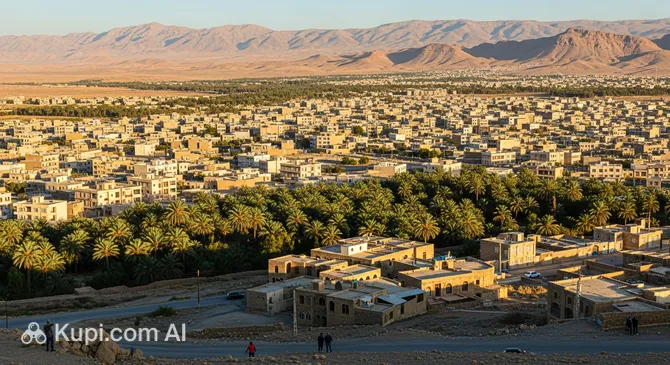
Lamerd. Source: Kupi.Binoculars

Geographically, Lamerd is characterized by its hot and dry climate, typical of the southern regions, with mild winters that make it a pleasant destination during the cooler months. The city is home to a population of approximately 29,000 people, creating a close-knit community atmosphere. While it has seen significant modernization due to nearby natural gas reserves, the history of Lamerd remains deeply rooted in the traditions of the local people, reflecting a heritage of resilience and adaptation to the desert environment.

Travelers visiting Lamerd can appreciate its distinct landscape, often dotted with resilient palm groves and set against striking mountain backdrops. The city provides an authentic experience of local life, far removed from the crowded tourist trails of larger metropolises. Key features include its growing infrastructure, such as the international airport, and the opportunity to explore the surrounding natural scenery, which offers a stark, serene beauty.

If you are looking to explore a different side of the country, Lamerd is a noteworthy stop. Whether you are passing through on business or seeking to understand the diverse geography of the province, this city welcomes visitors with open arms and a distinct southern charm.

Weather Overview

The climate in this region is characterized by intense heat during the summer months and mild, pleasant conditions during the winter. Visitors should expect scorching temperatures from June through August, where the average often sits around 34°C and daily highs frequently exceed 40°C. This season is exceptionally dry, with virtually no rainfall recorded, making sun protection essential for any outdoor activities.

Conversely, the cooler months provide a much more comfortable atmosphere for exploration. January is typically the coolest time of year, with average temperatures settling near 14.1°C and lows occasionally dropping to 8.0°C. While precipitation is generally scarce throughout the year, the winter period sees a slight increase in humidity with up to 4 wet days in January and February. For a more detailed forecast before you travel, be sure to check the current weather in Lamerd.

Interesting Facts

Beyond its reputation as an emerging industrial hub, Lamerd holds fascinating secrets that often surprise travelers. This city, sitting on the edge of the Zagros Mountains, combines ancient heritage with modern ambition in unexpected ways.

  • A Global Gateway: Despite its modest population, the city boasts its own international airport with direct flights to destinations like Kuwait and Qatar. This connectivity is driven by the local population's deep-rooted economic and family ties across the Persian Gulf, making the city surprisingly cosmopolitan compared to other towns of its size.

  • The "Uninhabited" City: A popular local linguistic theory suggests that the name "Lamerd" is derived from the phrase "La-Merd," which translates to "No Man" or "Uninhabited Land." This moniker likely referred to the region's harsh, scorching climate in ancient times, standing in stark contrast to the bustling community it is today.

  • Industrial Giant: The city is the heart of a massive Special Economic Zone that spans thousands of hectares. Thanks to the surrounding gas fields like Tabnak, Lamerd has transformed into a powerhouse for energy-intensive industries, including major aluminum production facilities that are vital to the economy of Iran.

  • Ancient Identity: Lamerd was historically part of the region known as Irahistan and serves as a cultural center for the Achomi people. The locals here speak a distinct language and preserve traditions that share a strong affinity with the coastal communities of the Persian Gulf, offering a cultural experience quite different from the central plateau.

How to Get There

Reaching this southern city is relatively convenient, primarily due to its own airport and road connections to major provincial hubs. For a comprehensive look at all travel options, routes, and tips, you can consult our detailed guide on how to get to Lamerd.

The most direct entry point is Lamerd Airport (IATA: LFM), situated within the city itself. It is a small but vital transport hub located just 4 km from the city center. A taxi ride from the terminal to downtown is very quick, typically taking around 5 to 10 minutes. This airport serves as a key link for locals and visitors, connecting the area to regional destinations and select international points across the Persian Gulf.

Travelers may also consider flying into Shiraz International Airport (IATA: SYZ) in the city of Shiraz, which is the provincial capital. While it is approximately 251 km away, it handles a significantly larger volume of flights. The journey by taxi or bus from Shiraz to Lamerd takes about 3 to 4 hours depending on traffic and road conditions. Another feasible option is Lar Airport (IATA: LRR) in the city of Lar, located about 125 km from Lamerd, with a transfer time of approximately 1.5 to 2 hours.

For clarity, here is a summary of the main airports:

Airport Name City Passenger Traffic Km from City
Hamad International Airport Doha Very Large 277.4
Shiraz International Airport Shiraz Large 251.0
Kish International Airport Kish Island Medium 119.1
Lar Airport Lar Small 124.8
Lamerd Airport Lamerd Small 4.0

Main Attractions

While Lamerd is primarily known as an industrial and economic hub, it possesses a subtle charm defined by its unique desert landscape and historical remnants. The city and its surrounding county offer a few hidden gems that provide insight into the local culture, history, and the resilient nature of life in southern Iran. Visitors can explore a mix of natural retreats and historical sites that stand as testaments to the region's rich past.

One of the most refreshing spots to visit is Tang-e Terman, a scenic natural gorge located approximately 12 kilometers west of the city. In a region known for its hot and dry climate, this area serves as a lush oasis, featuring flowing springs, vibrant palm groves, and lemon trees. It is a popular destination for locals seeking a cool retreat and offers tourists a beautiful contrast between the arid mountains and the verdant greenery tucked away within the valley.

For those interested in historical architecture, the Ali Khan Mosque is a significant landmark worth noting. This religious site reflects the traditional architectural styles of southern Fars, characterized by simple yet elegant designs suited to the environment. Alongside it, the Old Portal of the Jameh Mosque provides a glimpse into the city's Islamic heritage, showcasing the enduring spiritual importance of the area for the local community.

A distinctive feature of Lamerd’s landscape is the presence of numerous Ab Anbars (traditional water reservoirs). These striking dome-shaped structures are scattered throughout the city and the surrounding desert plains. Built to store water in the arid climate, they are engineering marvels of the past and serve as iconic symbols of the region's adaptation to its environment, making them fascinating subjects for photography and cultural study.

Travelers willing to venture a bit further into the wider county can visit the Eshkanan Castle. Located in the nearby district, this historical fortress offers a window into the defensive history of the region. The ruins hint at the strategic importance of this area in centuries past, serving as a reminder of the bustling trade routes and local governance that once thrived here.

Local Cuisine

The local cuisine of Lamerd offers a distinctive culinary journey that reflects its geography, bridging the gap between the arid Zagros Mountains and the warm waters of the Persian Gulf. The food here is deeply influenced by the traditions of the Achomi people and shares many similarities with the coastal flavors of southern Iran. Visitors will find a diet rich in dates, seafood, and unique spices that set it apart from the standard Persian fare found in the north.

One of the most defining flavors of the region is Mahyawa. This tangy, fermented fish sauce made from sardines, mustard seeds, and spices is a staple on local tables. It is typically served as a savory topping on fresh, thin flatbreads known as Regag or Tumushi. These crispy breads, often cooked on a convex griddle, are sometimes brushed with oil and sprinkled with Mahyawa and cheese, creating a simple yet incredibly flavorful snack that is beloved by locals for breakfast or dinner.

Given the city's proximity to the Gulf, seafood plays a significant role in the diet. Ghalieh Mahi is a popular spicy fish and herb stew that is well worth trying. Cooked with tamarind, coriander, and fenugreek, it has a sour and savory profile that perfectly complements the hot climate. For those seeking a hearty morning meal, Balalit is a sweet and savory breakfast dish made of vermicelli noodles flavored with saffron, sugar, and rose water, often served alongside a salty omelet to create a delightful contrast of tastes.

When it comes to sweets, the region is famous for its high-quality dates, which are a natural accompaniment to any meal. You should also try Masghati, a soft, translucent jelly-like confection made from starch, sugar, saffron, and nuts. While it originates from the nearby city of Lar, it is a ubiquitous treat in Lamerd, often served to guests as a gesture of hospitality.

As for beverages, the culture is strictly non-alcoholic in accordance with Iranian law. The social drink of choice is undoubtedly black tea (Chai), served hot and strong throughout the day, usually with dates or sugar cubes. In the scorching summer months, locals cool down with traditional Sharbat, refreshing herbal syrups mixed with water and ice, or Doogh, a savory yogurt-based drink often seasoned with dried mint.

The food culture in Lamerd is centered around family and hospitality. While there are standard restaurants and fast-food eateries in the city serving kebabs and pizzas, the most authentic experiences are often found in home settings or at outdoor gatherings. Picnicking is a favorite pastime; families frequently head to natural spots like the nearby valleys to grill food and share large communal meals under the open sky, making dining a truly social event.

Travel Tips

Visiting Lamerd offers a unique opportunity to experience the authentic culture and landscape of southern Iran, but the distinct climate and local customs require a bit of preparation. To help you navigate your journey with ease and ensure a respectful and enjoyable stay, we have compiled a set of essential practical tips.

  1. Clothing and Gear: Due to the intense heat, especially in summer, pack lightweight, breathable fabrics like cotton or linen. However, you must adhere to the local dress code. Women should wear loose-fitting clothing that covers the arms and legs, along with a headscarf (hijab) in public. Men should wear long trousers; shorts are not acceptable in public spaces. Comfortable walking shoes are a must, and sunglasses and high-SPF sunscreen are essential to protect against the strong desert sun.

  2. Transportation: Public transport options like metros or trams do not exist in Lamerd. The most convenient way to get around is by using shared or private taxis. Ride-hailing apps like Snapp are widely used across the country and may be available here, but it is often reliable to ask your hotel or host to arrange a trusted driver for you. Car rental is generally not recommended for tourists due to different driving habits and road conditions.

  3. Finances: The official currency is the Iranian Rial (IRR), though locals frequently quote prices in Toman (1 Toman = 10 Rials), so always clarify which unit is being used. International credit and debit cards (Visa, Mastercard) are not accepted in Iran. You must bring enough cash (USD or EUR) for your entire trip and exchange it at official exchange offices, known as a Sarafi. Carrying a mix of large and small denominations is advisable.

  4. Health and Safety: Lamerd is generally a safe city for travelers, but standard precautions apply. The main health risk is dehydration and heatstroke; always carry bottled water and avoid strenuous outdoor activity during the midday peak heat. Pharmacies, marked with a green cross or the sign "Darukhane," are available for basic medicines. For serious medical issues, head to the local hospital emergency room.

  5. Communication: The primary language is Persian (Farsi). While some younger people or business professionals may speak basic English, it is not widely spoken in general shops or by taxi drivers. It is highly recommended to buy a local SIM card (providers like Irancell or MCI) upon arrival to access maps and translation apps. Learning a few words like Salam (Hello) and Mamnoon (Thank you) will be greatly appreciated by locals.

  6. Local Etiquette: Iranians are famous for Taarof, a system of politeness where people may initially refuse payment or offer things they don't mean to give. If a shopkeeper refuses payment initially, insist on paying. When entering a home or a carpeted area in a mosque, always remove your shoes. Greetings often involve a slight bow or a hand over the heart; handshakes are common between men, but men generally do not shake hands with women unless she initiates it.

  7. What to Avoid: Public displays of affection (holding hands, kissing) should be avoided as they are culturally frowned upon. Do not photograph government buildings, military sites, or infrastructure like the airport and power plants, as this is strictly prohibited. Also, avoid eating or drinking in public during the fasting hours of Ramadan.

  8. Additional Tip: Respect the "siesta" culture. Due to the high temperatures, many shops and businesses in Lamerd may close in the afternoon (around 1:00 PM to 4:00 PM) and reopen in the cooler evening hours. Plan your shopping and dining accordingly, using the afternoon for rest.

By keeping these practical points in mind, you will be well-equipped to explore the hidden charms of Lamerd. The city's warm hospitality is its greatest asset, so approach your travels with an open heart and a smile, and you are sure to have a memorable experience.

Entertainment & Nightlife

Nightlife in Lamerd is a distinct experience that revolves around social gatherings, culinary delights, and the cooling relief of the evening air rather than the high-energy clubbing scenes found in many Western cities. As a conservative city in southern Iran, "nightlife" here is defined by family dinners, late-night shopping, and relaxed conversations in teahouses and parks. The atmosphere is warm and welcoming, with the streets becoming most alive after sunset when the daytime heat subsides, drawing locals out to enjoy the pleasant weather.

The heart of the city's evening activity can be found along the main boulevards and the central commercial districts. Here, shops and bazaars often stay open late, creating a bustling environment where you can observe the local lifestyle up close. It is common to see groups of friends and large families strolling along the sidewalks, browsing for goods, or simply enjoying the company of one another. The dress code remains modest in the evenings, consistent with the local culture, so visitors should ensure they are dressed respectfully while exploring.

Dining out is the primary form of entertainment, and Lamerd offers a variety of venues that buzz with activity at night. Visitors can choose from traditional Persian restaurants, which provide an authentic setting to enjoy classic local dishes and are perfect for immersing yourself in the culinary culture. For a more casual and energetic vibe, there are numerous bustling fast-food eateries that attract a diverse crowd, offering a mix of quick bites and local favorites. If you prefer a quieter setting, the city's local cafes and teahouses provide a cozy atmosphere, serving as popular spots for the younger generation to gather for coffee or tea.

For a more tranquil experience, the city's parks and green spaces serve as communal living rooms. It is a beloved tradition for families to spread out picnic rugs on the grass, bringing homemade tea and fruits to share under the stars. These areas are safe and offer a fantastic opportunity to interact with locals, who are known for their hospitality and may even invite you to join them for a cup of tea. The vibe is incredibly safe and family-oriented, making it suitable for travelers of all ages.

When planning your night out, the best time to venture into the city is from 8:00 PM onwards. Most venues remain open until around midnight. Getting around is best done by taxi, which can be easily hailed on the street or arranged through your accommodation; this is the safest and most convenient method for tourists. Prices for food and entertainment are generally very affordable compared to larger metropolitan areas.

While the evenings are for socializing, the daytime in Lamerd offers its own set of attractions for the curious traveler. Before the sun sets, you might explore the surrounding natural beauty, such as the scenic Tang-e Terman gorge, or visit local cultural sites to learn about the region's history. Although the city lacks large amusement parks or grand museums, the charm of Lamerd lies in its authentic rhythm of life, which is best appreciated by balancing daytime exploration with the relaxed, communal spirit of its nights.

Parks & Museums

While Lamerd is situated in a stark desert environment, the city and its surroundings offer surprising pockets of greenery and cultural depth. For travelers, the contrast between the arid landscapes and the carefully maintained parks or natural oases is a highlight of the visit. The city’s cultural heritage is best experienced not inside modern buildings, but out in the open, reflecting the resilience of the people in southern Iran.

The most vital green space in the region is the Qaleh Molla Forest Park (Park-e Jangali). Located near the city outskirts, this expansive area serves as the primary recreational hub for locals, especially during the cooler evening hours. Filled with resilient tree species capable of withstanding the heat, the park offers shaded picnic areas and walking paths. It is a perfect spot to observe local social life, as families gather here with tea and food to escape the confines of the city center.

For a more rugged natural experience, the Tang-e Terman gorge remains a premier destination for nature lovers. Although it functions more as a wild natural area than a manicured park, its importance cannot be overstated. The presence of natural springs and wild lemon trees creates a lush microclimate that feels worlds away from the dry plains. It is an excellent location for light hiking and photography, offering a glimpse into the diverse geography of Fars Province.

The city itself acts as an open-air gallery of traditional engineering and architecture. The numerous Ab Anbars (water reservoirs) dotted around the landscape are architectural masterpieces that reflect the history of the region just as poignantly as any exhibit. Exploring these dome-shaped structures offers a hands-on history lesson in ancient survival techniques. These reservoirs were essential for storing water in the arid climate, and their distinctive designs stand as iconic symbols of the Persian Gulf region's built heritage.

If you are interested in historical buildings, a visit to the nearby Ashkanan district to see the Ali Khan Bathhouse is highly recommended. This traditional structure provides a fascinating look into the daily lives and architectural styles of previous generations. Unlike a standard museum, walking through the bathhouse allows you to step back in time and appreciate the intricate craftsmanship that has survived the elements.

For an authentic local experience, try visiting the parks and open spaces after sunset. Due to the high daytime temperatures, these areas truly come alive at night. You will find the atmosphere buzzing with children playing and neighbors chatting, offering a warm and welcoming environment that allows you to connect with the friendly spirit of Lamerd's residents.

Getting Around

Navigating Lamerd is a straightforward experience, primarily because the city does not possess the complex public transportation networks found in larger metropolitan areas. Visitors should not expect to find metro lines, trams, or extensive city bus services here. Instead, the local transport system relies almost exclusively on a network of taxis and private vehicle services, which are efficient, affordable, and well-suited to the compact nature of the city.

The most common way to get around is by using official yellow taxis or private taxi agencies known locally as "Taxi Telephone." These agencies are scattered throughout the city and are generally considered the most reliable option for tourists. You can spot yellow taxis on the main streets, but calling an agency ensures a car will pick you up from your exact location. In Lamerd, the concept of "shared taxis" (where you pay for one seat and share the ride) is less common for intra-city travel compared to larger cities; most rides here are taken as Darbast (private hire), meaning you rent the entire car for your specific journey.

Regarding payment, the system is entirely cash-based. There are no electronic travel cards, passes, or tap-to-pay systems for transport in Lamerd. Fares are usually calculated based on distance, but taximeters are rarely used. It is standard practice to pay the driver in cash using Iranian Rials (often quoted in Tomans). Prices are generally very reasonable, but for peace of mind, it is advisable to agree on the fare with the driver before getting into the car or to ask your hotel receptionist for the approximate cost of a trip to your destination.

For those accustomed to ride-hailing apps, the popular Iranian app Snapp (similar to Uber) operates in many parts of the country. While its availability in smaller cities like Lamerd can sometimes be variable compared to the capital, it is worth checking the app as it provides a fixed price upfront and removes the language barrier regarding fare negotiation. If the app is not finding drivers, rely on your hotel or host to call a local taxi agency for you.

Walking is a feasible alternative for short distances, particularly during the cooler winter months or in the evenings when the temperature drops. However, due to the intense heat during the day, walking is often not practical for longer journeys. Car rentals without a driver are not standard for tourists in this region; if you require a vehicle for a full day of sightseeing outside the city, hiring a taxi with a driver for the day is the most convenient and stress-free solution.

Accommodation

Accommodation options in Lamerd are primarily designed to cater to business travelers and those visiting the nearby industrial zones, rather than typical leisure tourists. As a result, visitors will not find sprawling luxury resorts or international hotel chains. Instead, the city offers a modest selection of mid-range hotels, apartment hotels, and traditional guesthouses. These establishments focus on functionality and comfort, providing clean and convenient bases for short stays in this southern part of Iran.

For the most convenient experience, it is advisable to stay within the city center. This area offers the best access to local bazaars, dining options, and taxi agencies, allowing you to navigate the town easily without your own vehicle. Being in the center also ensures you are just a quick drive away from the airport, which is a significant advantage for travelers with early morning connections or tight schedules.

A helpful tip for booking is to plan ahead. Because Lamerd is a hub for the gas and aluminum industries, hotels can frequently be booked out by engineers and corporate delegations. Securing your room in advance is recommended, especially during the cooler winter months when activity in the region is at its peak.

In terms of pricing, accommodation here is generally very affordable and budget-friendly. However, the booking process requires some local know-how. Most properties are not listed on major international booking platforms. Travelers often need to use local Iranian travel websites or contact the hotel directly by phone to make a reservation. Crucially, remember that international credit cards do not work here; you must be prepared to settle your bill in cash using Iranian Rials or Tomans upon arrival.

Nearby Cities

For those looking to explore the surroundings, Lamerd serves as an excellent base for day trips to several interesting nearby locations: One of the most culturally significant neighbors is **Lar**, located approximately two hours away. This city is renowned for its historical architecture, including the ancient Qeisariyeh Bazaar, and is the traditional home of the famous "Masghati" sweet. A visit here offers a deep dive into the heritage of the Achomi people and a chance to see the unique water reservoirs that dot the landscape. For a completely different experience, **Kish Island** stands out as a premier destination for a short visit. Known as the pearl of the Persian Gulf, it is famous for its modern resorts, shopping malls, and pristine coral beaches. While reaching it involves a bit more travel planning than a simple drive, it provides a perfect escape for relaxation and leisure activities by the sea. Travelers interested in the coastline can also head to **Kangan**. Situated directly on the Persian Gulf, this city offers views of the sea and serves as a window into the massive industrial and energy developments that characterize the southern coast of the country.
City Population Distance (km)
Jahrom 141634 137
Fasa 110825 184
Lar 75000 119
Kangan 60187 124
Kish Island 39853 120
These nearby destinations offer a glimpse into the diverse culture and landscapes of the region.

Shopping & Souvenirs

Shopping in Lamerd offers a unique perspective on the commercial life of southern Iran. While it may not boast the colossal luxury malls of the capital, the city serves as a significant regional trading hub. Thanks to its proximity to the Persian Gulf ports and its status within a special economic zone, Lamerd is well-known for offering a wide variety of imported goods at competitive prices. Visitors will find a mix of modern commercial complexes and traditional stores, creating a vibrant atmosphere that attracts shoppers from neighboring provinces.

The most famous shopping destination in the immediate vicinity is the Dehshikh Commercial Area (Deh Sheikh). Located just a short drive from the city center, this area has transformed into a bustling bazaar known for its high volume of imported products. It is the primary spot for locals and tourists alike to hunt for clothing, electronics, home appliances, and cosmetics. The streets here are lined with numerous stores and arcades, making it the heartbeat of the region's retail therapy.

Within Lamerd city itself, the main boulevards serve as the central shopping districts. Here, you will find a range of smaller shopping arcades and "Pasaj" (passages) rather than massive department stores. These centers are typically multi-story buildings housing independent boutiques selling everything from fabrics and shoes to mobile phones. They offer a comfortable, air-conditioned environment to browse, which is a welcome respite from the outdoor heat.

For a more traditional experience, the local fruit and vegetable markets provide a sensory delight. These markets are essential to daily life and are the best places to see the region's agricultural produce. You can find piles of fresh citrus fruits, vegetables, and aromatic herbs that are staples in southern cuisine. It is an authentic slice of local culture where the interaction between buyers and sellers is just as important as the transaction itself.

When it comes to souvenirs, the region's agricultural heritage takes center stage. Lamerd is famous for its high-quality dates, particularly varieties like Zahedi and Shahani, which make for delicious and easy-to-carry gifts. Additionally, due to the abundance of palm groves, you can find beautiful wicker handicrafts woven from palm leaves, such as baskets, mats, and fans. Local spices and jars of Mahyawa (the traditional fish sauce) are also unique items for adventurous foodies to take home.

Opening hours in Lamerd are heavily influenced by the climate. Shops typically open in the morning around 9:00 AM and close for a midday break (siesta) from approximately 1:00 PM to 4:30 PM to avoid the peak heat. They reopen in the late afternoon and stay bustling until 10:00 PM or even 11:00 PM. Payment is almost exclusively in cash for tourists. International credit cards (Visa, Mastercard) are not accepted, so you must carry sufficient Iranian Rials (or debit cards issued by Iranian banks if you have access to one). Prices are often negotiable in smaller shops, but fixed in modern arcades.

Regarding tax-free shopping, tourists should note that Iran does not currently have a widely implemented VAT refund system for visitors, especially in smaller cities like Lamerd. You should expect to pay the final price displayed on the tag or agreed upon during bargaining, with no option to claim taxes back at the airport.

Reached the end of the page?

That means the route is fully explored