Shopping in Shiraz offers a delightful blend of history, culture, and modern commerce. The city is renowned for its high-quality handicrafts, particularly those reflecting the artistic heritage of the Fars province. Visitors can expect a diverse experience ranging from wandering through centuries-old brick alleyways filled with the scent of spices to exploring contemporary complexes offering the latest fashion. Whether you are looking for intricate Persian art or simple local treats, the city provides a wealth of options for every taste and budget.
For those who enjoy high-street shopping, Maliabad Boulevard is one of the most vibrant and upscale districts in the city. This tree-lined avenue is packed with modern boutiques, brand-name stores, and trendy cafes, making it a popular spot for evening walks and window shopping. Closer to the historical center, Zand Street serves as a commercial artery where you can find everything from electronics and watches to traditional goods, all located within easy reach of the main tourist sites.
Shiraz is home to several impressive shopping centers that rival those in major international cities. The most notable is the Persian Gulf Complex (Khalij-e Fars), located on the outskirts of the city. As one of the largest malls in the world by number of shops, it features a massive hypermarket, an amusement park, and hundreds of retail outlets. Closer to the city center, the Setareh Fars Shopping Center on Afif Abad Street offers a more curated selection of luxury goods and clothing in a modern, multi-story building.
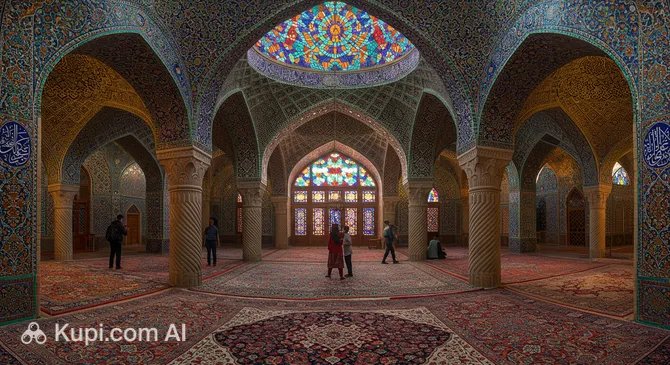
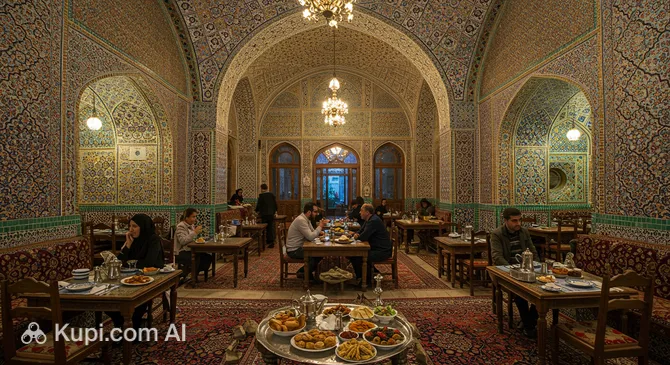
The crown jewel of the city's shopping scene is undoubtedly the Vakil Bazaar. Dating back to the 11th century and significantly expanded in the 18th century, this bustling marketplace is more than just a place to buy goods; it is a living museum. Under its high vaulted brick ceilings, you will find courtyards like the beautiful Seray-e Moshir, which specializes in jewelry and antiques. The bazaar is the best place to find authentic items while soaking in the atmosphere of old Shiraz.
When it comes to souvenirs, Shiraz is famous for its unique handicrafts and culinary specialties. Khatam-kari, the delicate art of marquetry (inlaying wood with bone and metal), is a top choice for a refined gift. The region is also known for Gabbeh, a type of hand-woven rug characterized by abstract designs and thick pile. Foodies should look for Masghati, a soft, gelatinous sweet often flavored with saffron and nuts, as well as bottles of high-quality herbal distillates, particularly orange blossom water.
Understanding local business hours is important for planning your shopping trips. Traditional bazaars and smaller shops typically observe a midday break, opening from around 9:00 AM to 1:00 PM, and then reopening from 4:00 PM until late in the evening. Modern malls usually operate straight through from morning until 10:00 PM or 11:00 PM. Payment is almost exclusively in cash (Iranian Rials, though prices are quoted in Toman) or local debit cards. International credit cards are generally not accepted, so ensure you have sufficient local currency.
Regarding tax-free shopping, Iran does not currently operate a VAT refund system for tourists similar to those found in Europe or East Asia. The prices listed in stores are final, although bargaining is a common and expected practice in traditional bazaars like Vakil. In modern malls and supermarkets, however, prices are fixed.