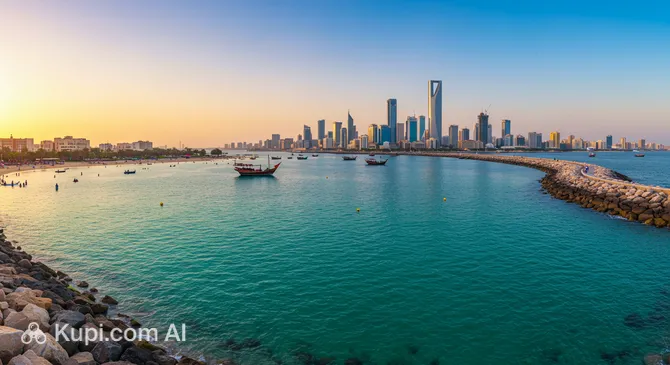
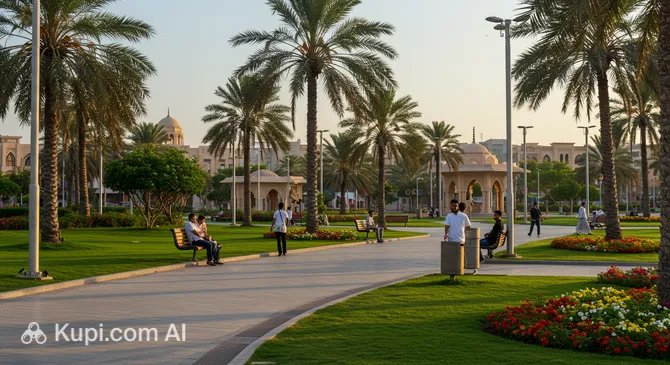
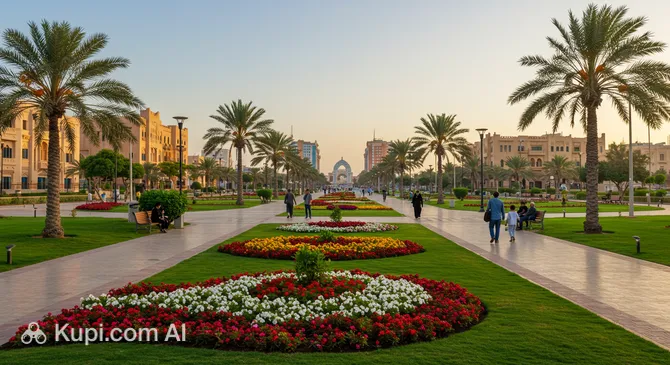
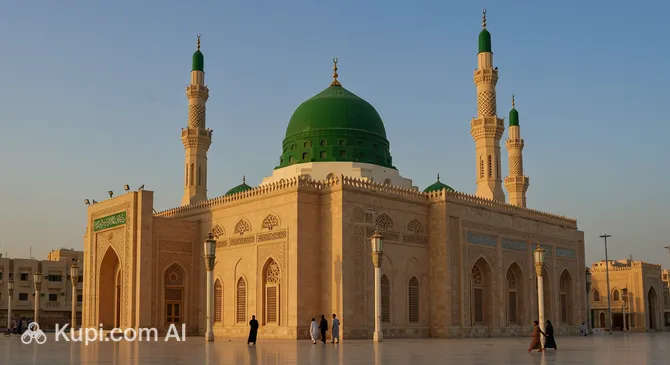
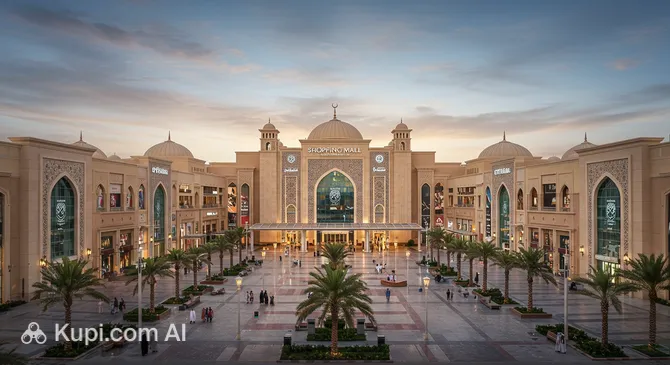
Dammam is the beating heart of the Eastern Province and a significant commercial hub in Saudi Arabia. Known for its well-manicured green spaces and sprawling waterfronts, this city offers a unique blend of coastal tranquility and urban energy. As a major port city on the Arabian Gulf, it serves as a crucial gateway for trade and tourism in the region.
Situated along the coast, Dammam is part of a larger metropolitan area that includes Dhahran and Al Khobar. With a population of over 900,000 residents, it has transformed significantly over the decades. While it is now a modern powerhouse, the history of Dammam reveals its origins as a small fishing and pearl-diving settlement, a heritage that is still cherished today.
Dammam. Illustration.
Source: Kupi.com AI
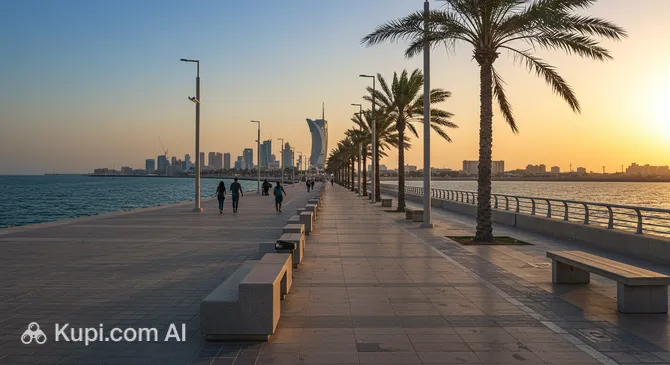
Travelers are often drawn to the Dammam Corniche, a picturesque seaside promenade perfect for evening strolls and family picnics. For those interested in culture, the Heritage Village provides an immersive look into traditional Saudi life with its museum and authentic architecture. The city is also known for its lush parks, such as King Fahd Park, which offer a refreshing escape from the desert climate.
Whether you are visiting for business or leisure, Dammam welcomes you with warm hospitality and diverse experiences. It is an excellent starting point for exploring the eastern coast and enjoying the relaxed atmosphere of this dynamic port city.
Weather Overview
Dammam typically experiences a desert climate, defined by intense heat in the summer and mild, pleasant conditions during the winter. Visitors can generally expect hot, dry summers and cooler winters with very occasional rainfall, making the cooler months the most popular time for outdoor activities.
The summer season, spanning from June to September, brings soaring temperatures. July and August are particularly warm, with average highs frequently exceeding 41°C. If you visit during this time, it is best to plan for indoor attractions or evening excursions when the heat subsides slightly.
In contrast, the winter months from December to February offer a delightful respite. During this period, average temperatures range comfortably between 13°C and 23°C, creating perfect conditions for strolling along the waterfront. To ensure you pack the right clothing for your specific travel dates, be sure to check the detailed report on the weather in Dammam.
Precipitation is scarce throughout the year, with most months remaining quite dry. However, you might encounter a few wet days during the transition from autumn to winter and into early spring, particularly between November and March.
Average monthly temperature
Average monthly precipitation
Interesting Facts
Beyond its reputation as a major oil hub, Dammam holds several fascinating secrets and historical milestones that often surprise visitors. From record-breaking green spaces to unique geological features preserved within the city limits, there is much to discover beneath the surface.
Dammam Corniche. Illustration.
Source: Kupi.com AI
Traveler photos:
The city is home to the historic "Dammam No. 7," also known as the Prosperity Well. This specific site marks the location where oil was first discovered in commercial quantities in Saudi Arabia, a pivotal moment that forever changed the region's history.
Unlike typical flat urban parks, Muraykabat Mountain Park preserves the area's natural geography. It is built around natural rocky hills and sedimentary formations, allowing visitors to hike on ancient terrain right in the middle of the city.
Dammam hosts what is often cited as the largest park in the Kingdom, King Fahd Park. Spanning over 100 hectares, this massive green lung features lagoons, fountains, and diverse plant life, serving as a lush oasis in the desert environment.
Culture enthusiasts might be surprised by the scale of the Alfelwah and Aljowharah Museum. Starting as a private collection, it has grown to house over 500,000 artifacts, ranging from a 500-year-old copy of the Quran to vintage classic cars.
The famous Dammam Corniche features a man-made marvel known as Al-Murjan Island. This artificial island is connected to the mainland by a bridge and offers a unique vantage point for viewing the Persian Gulf skyline.
How to Get There
Reaching the Eastern Province is quite convenient thanks to its well-connected transport hubs. Whether you are arriving from within the Kingdom or from abroad, you have several options to choose from. For a complete overview of all travel methods, including road and rail options, you can read more in our detailed guide on how to get to Dammam.
The city is primarily served by the massive King Fahd International Airport (DMM). As a major regional hub, it welcomes millions of passengers annually and offers a wide range of international and domestic connections. Located approximately 30 km from the city center, the journey by taxi or car usually takes around 65 minutes, depending on traffic conditions.
Alternatively, many travelers choose to fly into Bahrain International Airport (BAH), which is located in Manama, roughly 57 km away from Dammam. Although this airport is in the neighboring country of Bahrain, it is frequently used by visitors who then travel to Dammam via the King Fahd Causeway. The drive from the airport to Dammam typically takes about 1 hour and 45 minutes, though this can vary significantly due to border crossing procedures.
For clarity, here is a summary of the main airports in the vicinity:
Dammam offers a delightful mix of coastal relaxation, cultural treasures, and modern entertainment. As the capital of the Eastern Province, the city provides visitors with a variety of experiences, from scenic waterfront strolls to immersive journeys into local history and family-friendly adventures.
One of the most popular destinations for both locals and tourists is the Dammam Corniche. This sprawling seaside promenade stretches for kilometers along the Persian Gulf, offering pristine green spaces, playgrounds, and designated picnic areas. It is the perfect spot for a relaxing evening walk to watch the sunset over the water, and it serves as a vibrant social hub where families gather to enjoy the refreshing sea breeze.
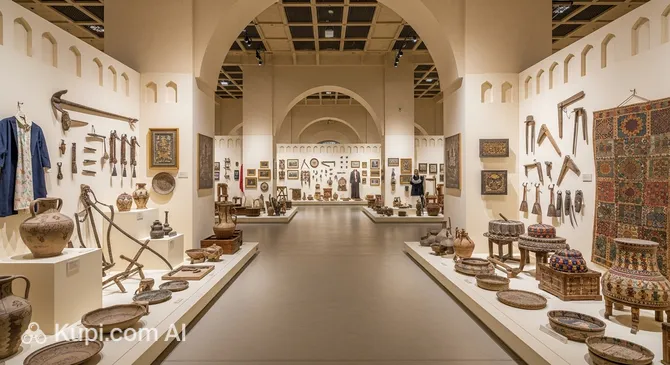
For a deep dive into the region's heritage, a visit to the Alfelwah and Aljowharah Museum is essential. This unique institution began as a private collection and has expanded into a massive display of Saudi culture. Visitors can explore an eclectic array of exhibits, including traditional Bedouin tools, vintage classic cars, and antique electronics, providing a fascinating glimpse into the rapid transformation of the Kingdom.
Alfelwah and Aljowharah Museum. Illustration.
Source: Kupi.com AI
Traveler photos:
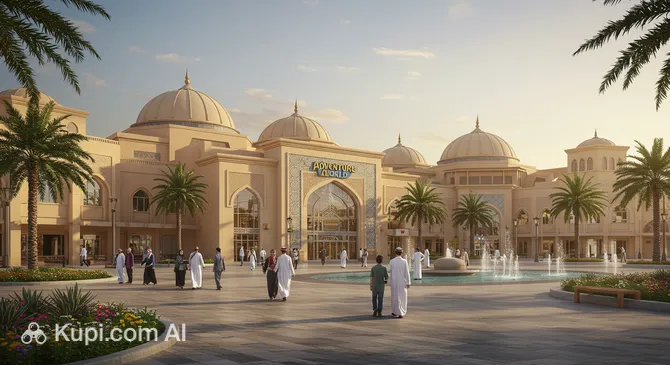
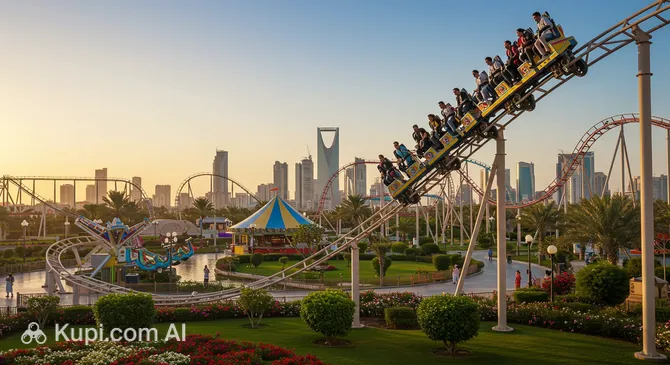
Families traveling with children will find plenty of excitement at Adventure World. This amusement park is a favorite for its wide range of rides and games suitable for all ages. From adrenaline-pumping roller coasters to gentler rides for younger kids, as well as an indoor arcade area, it offers a fun-filled escape from the city's heat.
Adventure World. Illustration.
Source: Kupi.com AI
Traveler photos:
Shopping enthusiasts should not miss the architecturally striking Al Othaim Mall. Designed to resemble a massive ship, this mall is a landmark in itself. Inside, it houses a vast selection of international brands, a large food court, and entertainment zones, making it a comprehensive destination for shopping, dining, and leisure.
Local Cuisine
Dammam's gastronomy is a flavorful journey that combines the rich traditions of the Arabian Peninsula with the fresh bounty of the Persian Gulf. As a coastal city, it offers a unique culinary scene where aromatic spices meet fresh seafood, creating a paradise for food lovers who appreciate authentic and hearty meals.
One cannot visit Dammam without trying Kabsa, the Kingdom's national dish. This fragrant meal consists of basmati rice cooked with meat—often chicken, lamb, or camel—mixed with vegetables and a blend of spices like saffron, cardamom, and black lime. Given the city's location, seafood versions of traditional dishes are also incredibly popular. Grilled Hamour (grouper) and jumbo prawns are local favorites, often served with fresh flatbreads and spicy dips. For a quick and savory snack, look for Mutabbaq, a folded pancake stuffed with minced meat, eggs, and leeks.
When it comes to beverages, the local culture is steeped in tradition. Hospitality often begins with a cup of Arabic coffee (Gahwa), lightly roasted with cardamom and served with sweet dates to balance the bitterness. It is important for tourists to note that alcohol is strictly prohibited throughout Saudi Arabia. However, the city boasts a vibrant scene of non-alcoholic drinks. You must try "Saudi Champagne," a refreshing and popular mix of apple juice, sparkling water, and fruit slices, or indulge in fresh fruit blends at places like Juice Country Al Aziziyah.
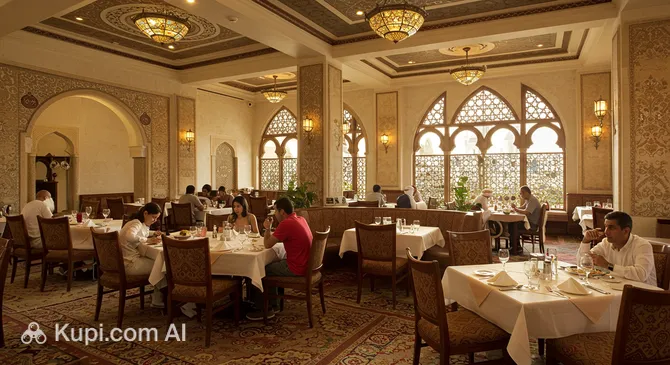
Shajarat Al-Durr Restaurant. Illustration.
Source: Kupi.com AI
Traveler photos:
Dining in Dammam ranges from upscale restaurants to bustling traditional eateries. Locals often enjoy their meals late in the evening, and many restaurants feature designated family sections for privacy. For an authentic taste of local grills and traditional cuisine, travelers often visit the Shajarat Al-Durr Restaurant, known for its hearty portions and welcoming atmosphere. After dinner, the city's cafe culture comes alive. You can relax at venues like Vensia Lounge & Cafe or Brighton Cafe, where friends gather to chat over tea and desserts late into the night.
Travel Tips
Visiting Dammam offers a unique blend of coastal charm and urban energy, but knowing a few local nuances can make your trip much smoother. Here are some essential practical tips to help you navigate the city with ease and confidence.
Clothing and Gear: Given the desert climate, lightweight and breathable fabrics like cotton or linen are essential to stay cool. However, modesty is highly valued in Saudi Arabia; both men and women should wear loose-fitting clothing that covers shoulders and knees. Don't forget comfortable walking shoes, sunglasses, and a high-SPF sunscreen, as the sun can be quite intense even in winter.
Transportation: The most convenient way to get around Dammam is by car. While there are some public buses (SAPTCO), they may not cover all tourist areas efficiently. Renting a car is highly recommended for freedom of movement, but if you prefer not to drive, ride-hailing apps like Uber, Careem, and Kaiian are widely available, reliable, and reasonably priced.
Finances: The local currency is the Saudi Riyal (SAR). Electronic payments are extremely advanced here, and credit cards (Visa, Mastercard, Amex) are accepted almost everywhere, from malls to small cafes. However, it is wise to carry a small amount of cash for local souqs or small tips. Tipping is not mandatory but is appreciated; rounding up the bill or leaving 10-15% is a nice gesture.
Health and Safety: Dammam is a very safe city for tourists with a low crime rate. Pharmacies are abundant, with major chains like Nahdi often open 24/7 and staffed by English-speaking pharmacists. In case of any emergency, you can dial 997 for an ambulance or 999 for the police. Always stay hydrated, as the humidity in the Eastern Province can be deceptive.
Communication: Arabic is the official language, but English is widely spoken, especially in hotels, restaurants, and shops. Learning a few basic Arabic words like "Shukran" (Thank you) goes a long way. For mobile data, you can easily purchase a SIM card from providers like STC, Mobily, or Zain at the airport or major malls upon arrival.
Local Etiquette: Saudis are known for their hospitality. The traditional greeting is "As-salamu alaykum" (Peace be upon you). In public spaces, maintain a polite distance when interacting with the opposite sex if you are not related. Always ask for permission before taking photos of locals, especially women, to respect their privacy.
What to Avoid: Public displays of affection (PDA) are frowned upon and should be avoided. Additionally, remember that alcohol is strictly prohibited in the Kingdom; do not attempt to bring it into the country or look for it, as penalties are severe. Avoid eating or drinking in public during daylight hours if you visit during the holy month of Ramadan.
Local Insight: The city truly comes alive after sunset. Due to the daytime heat, many shops and local markets stay open late, often until midnight or 1:00 AM. Plan your outdoor activities, such as visiting the Corniche, for the evening to enjoy the cooler weather and the vibrant social atmosphere alongside the locals.
With these tips in hand, you are ready to explore the bustling streets and serene coastlines of Dammam without any hassle. Enjoy the warm hospitality and the rich cultural experiences that await you in this dynamic port city!
Entertainment & Nightlife
Nightlife in Dammam offers a distinct and vibrant experience that differs significantly from Western concepts of clubbing. Instead of alcohol-focused bars and dance floors, the city's evening energy revolves around high-end lounges, bustling cafes, late-night dining, and social promenades. The city truly comes alive after sunset, with venues often remaining open well past midnight, creating a lively atmosphere filled with the aroma of roasted coffee and the sounds of animated conversation.
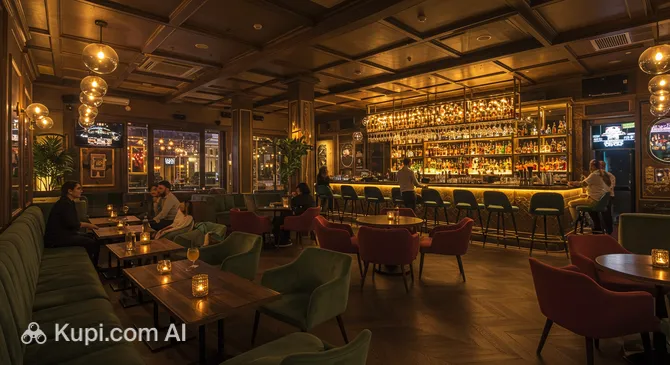
The heart of the evening social scene is often found along the coastal districts and major commercial thoroughfares. The Corniche area is particularly popular for night walks and impromptu picnics, but for a more indoor, sophisticated vibe, the city boasts numerous lounges. These venues serve as the local equivalent of "nightclubs" in terms of social importance, offering chic decor, ambient music, and an extensive menu of mocktails and artisanal coffees. A prime example is Habits, a stylish lounge that attracts a fashionable crowd. It is an excellent spot to relax in a modern setting, enjoy creative non-alcoholic beverages, and soak in the contemporary local culture.
Habits. Illustration.
Source: Kupi.com AI
Traveler photos:
For those seeking entertainment that caters to all ages, the city's shopping malls serve as major nightlife hubs, hosting not just stores but also large amusement centers that stay busy late into the evening. Saffori Land is a premier destination in this regard. This indoor amusement park offers a festive environment with rides, video games, and attractions that provide a fun-filled escape for families and teenagers looking for excitement after a day of sightseeing.
Saffori Land. Illustration.
Source: Kupi.com AI
Traveler photos:
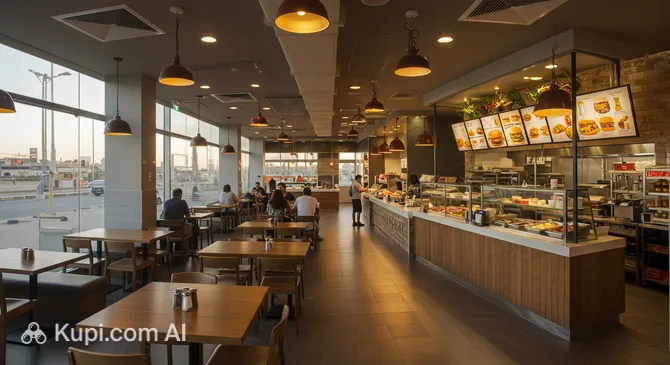
Food is an integral part of Dammam's nightlife, with many restaurants operating until 1:00 AM or even later. The trend of "midnight burgers" is strong here, with young locals flocking to gourmet burger joints in the early morning hours. Pickup Burger is one such venue, known for its juicy, high-quality burgers and casual, welcoming atmosphere. It is the perfect place to refuel and observe the local youth culture in a relaxed setting.
Pickup Burger. Illustration.
Source: Kupi.com AI
Traveler photos:
Practical Advice and Safety
The best time to experience Dammam's nightlife is from 9:00 PM onwards. On weekends (Thursday, Friday, and Saturday nights), places can be quite crowded, so arriving a bit earlier might help secure a good table at popular lounges. Prices in upscale cafes and lounges are comparable to international standards, while street food options remain very affordable. Regarding dress code, "smart casual" is the norm for evening venues; modesty is essential, so men should opt for long trousers, and women should wear loose-fitting clothing.
Dammam is extremely safe for night walks, especially in well-lit areas like the Corniche and around shopping districts. You can walk with confidence, but for longer distances, it is best to use ride-hailing apps like Uber or Careem. These are widely available 24/7, safe, and overcome any language barriers you might face with traditional taxis.
Daytime Activities
While the city sparkles at night, daytime offers its own array of diversions. Visitors can explore the region's rich history at local museums or enjoy a peaceful afternoon in one of the many landscaped parks. Indoor entertainment centers and theaters also operate throughout the day, providing a cool and engaging retreat from the afternoon sun before the city transitions into its vibrant evening rhythm.
Parks & Museums
Beyond its bustling ports and commercial districts, Dammam surprises visitors with a wealth of green spaces and a deep commitment to preserving its cultural identity. The city offers a refreshing balance of urban development and nature, featuring expansive parks that serve as social hubs and museums that safeguard the rich history of the Eastern Province.
For those seeking tranquility amidst the city's energy, King Fahd Park is the crown jewel of Dammam's green spaces. Spanning over 100 hectares, it is one of the largest parks in the Kingdom, designed as a lush oasis featuring ornamental lakes, man-made waterfalls, and sprawling lawns. It is a favorite destination for families, offering ample space for picnics, walking trails for fitness enthusiasts, and vibrant flower displays that bloom beautifully in the cooler months.
King Fahd Park. Illustration.
Source: Kupi.com AI
Traveler photos:
Another excellent spot for outdoor recreation is the Prince Abdulmohsin Bin Jalawi Park. Known for its well-maintained landscapes and family-friendly atmosphere, this park provides a peaceful retreat from the urban rush. It is equipped with shaded seating areas and playgrounds, making it a perfect location for an afternoon stroll or a relaxed evening with children.
Prince Abdulmohsin Bin Jalawi Park. Illustration.
Source: Kupi.com AI
Traveler photos:
When it comes to culture and history, Dammam offers fascinating insights into the region's past. The Heritage Village is a must-visit cultural landmark that combines a museum with a dining experience. Housed in a fortress-like building, it showcases the diverse architectural styles and traditions of Saudi Arabia's different regions. Visitors can wander through exhibits displaying ancient weaponry, jewelry, and manuscripts before enjoying a traditional meal in a setting that replicates the old-world charm of the Arabian Peninsula.
For a more eclectic dive into history, the Alfelwah and Aljowharah Museum stands out as a premier cultural institution. This sprawling private museum contains a staggering collection of artifacts that narrate the story of the Kingdom's development. From rare Bedouin crafts and traditional costumes to vintage cars and retro electronics, the exhibits offer a nostalgic and educational journey through time, highlighting the rapid modernization of the country.
Architectural enthusiasts should also take a moment to admire the religious landmarks of the city. The Amr ibn Al-Jamuh Mosque is a striking example of modern Islamic architecture in the region. Its design reflects a blend of traditional spiritual aesthetics with contemporary construction techniques, serving as a serene place of worship and a visual landmark within the community.
Amr ibn Al-Jamuh Mosque. Illustration.
Source: Kupi.com AI
Traveler photos:
Insider Tip: To truly experience the local park culture, plan your visit for the evening hours. Parks in Dammam come alive after sunset when the temperature drops, and local families gather for late-night picnics and socializing. It is the best time to soak in the authentic atmosphere and enjoy the cool desert breeze.
Getting Around
Navigating Dammam is primarily a car-based experience, as the city is designed with wide highways and substantial distances between major districts. While a public transport system exists and is undergoing development, it is not as extensive as those found in some other global metropolises. For the vast majority of tourists, the most practical ways to get around are by renting a car, using ride-hailing apps, or taking taxis.
The main public transport option within the city is the bus network operated by SAPTCO (Saudi Public Transport Company). These buses connect key neighborhoods, commercial centers, and the waterfront areas. While they are modern, air-conditioned, and affordable, the network density is relatively low, and frequencies can vary. Tourists planning to use the bus should download the official SAPTCO mobile app, which allows users to view routes, check schedules, and pay for trips digitally. The system has moved away from cash payments on board, so having the app or a rechargeable smart card is essential.
For intercity travel, Dammam serves as a major rail hub. The Dammam Railway Station is the eastern terminus of the Saudi Arabia Railways (SAR) East Train network. This modern train line connects Dammam to Riyadh, passing through Abqaiq and Hofuf. It is a comfortable and scenic way to travel across the desert, featuring business and economy classes, onboard Wi-Fi, and a cafeteria. Tickets for the train must be booked in advance via the SAR website or mobile app, as seats often sell out, especially on weekends.
Taxis and ride-hailing services are the most popular and convenient choice for visitors without a rental car. International apps like Uber and regional favorites like Careem and Kaiian operate extensively throughout the city. These apps offer the advantage of fixed pricing, vehicle tracking, and overcoming language barriers, as you can simply pin your destination on the map. Traditional white taxis are also available and can be hailed on the street; however, it is advisable to ensure the driver uses the meter or to agree on a fare before starting the journey.
Car rental is widely considered the best option for exploring the city and the wider Eastern Province at your own pace. All major international rental agencies have counters at the airport and in the city center. Driving in Dammam is generally straightforward due to the high quality of the roads, but visitors should be aware of aggressive driving styles and strict automated traffic enforcement cameras that monitor speed and seatbelt usage.
Currently, Dammam does not have an operational metro or tram system for public use, although plans for future transit infrastructure are often discussed. Therefore, relying on walking is not recommended due to the significant distances between attractions and the intense heat during much of the year. Visitors should plan their transport in advance, especially when visiting outdoor spots like the Corniche or distant heritage sites.
Accommodation
Accommodation in Dammam caters to a diverse range of travelers, reflecting its status as a major commercial hub and a leisure destination. Visitors can find everything from economical furnished apartments and mid-range business hotels to opulent luxury resorts overlooking the Persian Gulf. Because the city welcomes many business travelers and families from neighboring countries, "aparthotels"—offering hotel services with the space of an apartment—are particularly abundant and popular.
For tourists, the most desirable location to stay is undoubtedly along the Dammam Corniche. Hotels in this area often offer sweeping sea views and immediate access to the city’s best parks, walking paths, and cafes. Staying here places you right in the heart of the city's social life, especially in the evenings. Alternatively, the city center and districts near major shopping destinations like Al Othaim Mall offer practical and often more affordable options, though they may lack the scenic charm of the waterfront properties.
Booking your stay in Dammam is generally straightforward, with most properties listed on major international booking platforms. However, a useful tip for travelers is to book well in advance if visiting during the cooler winter months or during national holidays in Saudi Arabia. On weekends (Thursday and Friday nights), the city sees an influx of domestic tourists and visitors from nearby Bahrain, which can drive up occupancy rates and prices at popular seaside resorts.
The price range for accommodation is quite broad. Budget travelers can find clean and comfortable furnished suites at very reasonable rates, while mid-range international hotel chains provide reliable standards and amenities like swimming pools and gyms. At the top end of the spectrum, luxury hotels along the coast offer premium services, spa facilities, and fine dining, commanding higher prices that are comparable to other major Gulf cities.
Nearby Cities
For those looking to explore the surroundings, Dammam serves as an excellent base for day trips to several interesting nearby locations:
Just a short drive away lies the historic city of Qatif. Known for its rich agricultural history and ancient settlements, it offers a glimpse into the region's deep past. Visitors often explore Tarout Island, home to the centuries-old Tarout Castle, or wander through the vibrant local fish market, which is one of the largest in the Gulf. It is an ideal spot for a quick cultural immersion without venturing too far from Dammam.
For a full-day adventure, Hofuf is a must-visit destination. Located within the Al-Ahsa Oasis, a UNESCO World Heritage site, it is famous for its millions of date palms and unique geological formations. Travelers can explore the cool limestone caves of Al-Qara Mountain or visit the historic Ibrahim Palace. The journey takes about an hour and a half by car or train, making it a perfect day trip for nature and history lovers.
If you prefer a modern coastal vibe, Jubail offers a different experience. While known as an industrial powerhouse, its residential area, Jubail Industrial City, boasts some of the best-maintained beaches and parks in the Kingdom. Fanateer Beach is particularly popular for its pristine promenade, lush landscaping, and family-friendly activities, offering a relaxing escape from the bustle of Dammam.
These nearby destinations offer a glimpse into the diverse culture and landscapes of the region.
Shopping & Souvenirs
Shopping in Dammam is a vibrant experience that perfectly mirrors the city's blend of tradition and modernity. As a major commercial hub in the Eastern Province, the city offers everything from gleaming, air-conditioned malls housing international luxury brands to bustling traditional souqs filled with the scent of spices and oud. Whether you are looking for the latest fashion trends, high-tech electronics, or authentic local handicrafts, Dammam provides a diverse retail landscape to suit every taste and budget.
For a truly authentic local experience, visitors should head to the famous Share Al-Hob, also known as the "Love Street." Located in the heart of the city, this lively district is much more than just a shopping destination; it is a cultural landmark. The streets here are lined with gold shops, bridal boutiques, and stalls selling traditional perfumes and fabrics. It is a fantastic place to walk around in the evening when the area comes alive with lights and locals enjoying the cooler weather.
If you prefer a modern retail environment, Dammam boasts several impressive shopping complexes. The most iconic is undoubtedly the Al Othaim Mall. Designed to resemble a massive cruise ship, this architectural marvel is a landmark in itself. Inside, it houses hundreds of stores ranging from high-street fashion to children's wear, along with a large food court and entertainment zones.
Al Othaim Mall. Illustration.
Source: Kupi.com AI
Traveler photos:
Another popular destination is Hayat Plaza. While it offers a variety of goods, it is particularly well-known among locals for its electronics shops and mobile phone retailers. It is a great place to find gadgets or accessories at competitive prices, as well as affordable clothing and textiles.
Hayat Plaza. Illustration.
Source: Kupi.com AI
Traveler photos:
For those interested in traditional markets, the Souq Al-Hob (Love Market) is the place to be. Integrated into the Share Al-Hob area, this market is famous for its jewelry. The Gold Souq here features intricate designs that showcase the craftsmanship of the region. Apart from gold, you can find vendors selling aromatic spices, dried fruits, and high-quality incense (Bukhoor), which are staples in Saudi households.
When it comes to souvenirs, Dammam offers plenty of unique options. Dates are a classic choice, with premium varieties like Ajwa or Sukkari being highly prized. Oud and oil-based perfumes are also quintessential gifts that capture the essence of Arabia. For something more decorative, look for a traditional Dallah (coffee pot) or beautifully embroidered fabrics.
Most shopping malls in Dammam are open daily from around 10:00 AM to 11:00 PM. However, small shops and souqs often close for a midday break between 12:00 PM and 4:00 PM, staying open late into the night. On Fridays, stores typically open only after the afternoon prayers, around 4:00 PM. Electronic payments, including credit cards and Apple Pay, are widely accepted almost everywhere, though carrying some cash is advisable for small purchases in traditional markets.
Tourists visiting Saudi Arabia are subject to a 15% Value Added Tax (VAT) on goods and services. However, a Tax-Free scheme is available for visitors. If you purchase goods from participating retailers, you can request a tax-free tag or invoice. You can then validate your purchases and claim a refund at designated terminals in the airport upon your departure.