Support

Ras Al Khaimah

About

Ras Al Khaimah is a captivating destination that offers a stunning contrast to the futuristic skylines often associated with the region. Known for its breathtaking landscapes, this emirate is a haven for those seeking both adrenaline-pumping adventures and serene relaxation. Located in the northernmost part of the United Arab Emirates, it boasts a diverse terrain ranging from golden sandy deserts and lush mangroves to the majestic Hajar Mountains.

Ras Al Khaimah. Source: Kupi.Binoculars
The city itself is a vibrant hub with a population of approximately **115,949** residents, blending modern development with traditional charm. While it is a rapidly growing destination, it maintains an authentic atmosphere deeply rooted in its past. Visitors interested in the region's heritage can explore the fascinating history of Ras Al Khaimah, which reveals a rich legacy of trade and civilization spanning thousands of years. Nature lovers and thrill-seekers will find plenty to do here. The emirate is famous for **Jebel Jais**, the highest peak in the country, which offers cooler temperatures and the world's longest zipline. For a touch of culture, the ancient **Dhayah Fort** provides panoramic views of the surrounding palm gardens and the sea. Whether you are looking to hike through rugged canyons or relax on pristine beaches, Ras Al Khaimah welcomes you to experience its unique natural beauty and warm hospitality.

Weather Overview

Ras Al Khaimah typically experiences a desert climate characterized by hot summers and mild, pleasant winters. During the peak summer months from June to September, average temperatures generally range between 32°C and 33°C, with daily highs often climbing to nearly 36°C. In contrast, the cooler season from December to February offers much more comfortable conditions, with average temperatures settling around 20°C to 22°C and nighttime lows dipping to approximately 17°C.

Rainfall is quite scarce in this region, ensuring sunny skies for the vast majority of the year. Precipitation is minimal, with only a few wet days recorded annually, mostly occurring during the winter months. To help plan your trip around these seasonal variations, you can view the detailed weather in Ras Al Khaimah. This distinct weather pattern makes the emirate an ideal escape for sun-seekers, particularly during the cooler parts of the year.

Interesting Facts

Beyond the main attractions and scenic landscapes, Ras Al Khaimah holds many fascinating secrets and historical depths waiting to be uncovered. From ancient maritime legends to abandoned villages, the emirate offers a glimpse into a side of the UAE that few visitors expect to find.

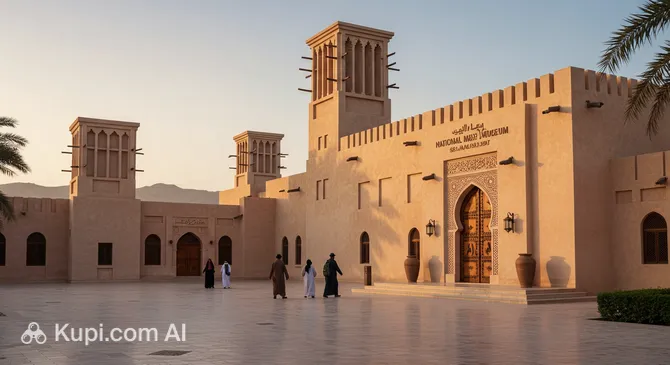
National Museum of Ras Al Khaimah. Source: Kupi.Binoculars
  • The name "Ras Al Khaimah" translates to "Top of the Tent." Local lore suggests this unique name originated from a large lantern that was placed atop a tent on the shore, acting as a navigational beacon to guide sailors safely home at night.

  • The emirate is home to Al Jazirat Al Hamra, often referred to as the "Ghost Village." This is the last authentic and traditional town still standing in the UAE, abandoned in the 1960s and left frozen in time with its coral-stone architecture and mosque, offering an eerie yet captivating walk through history.

  • Ras Al Khaimah was historically known as Julfar, a powerful medieval trading centre. It is one of the few places in the world that has been continuously inhabited for over 7,000 years, playing a crucial role in regional commerce long before the modern era.

  • The National Museum of Ras Al Khaimah is not just a gallery of artifacts; the building itself is a historical treasure. It served as the residence of the ruling Quwasim family until 1964 and is constructed from traditional materials like coral stone and fossil rock.

How to Get There

Reaching this northern emirate is quite convenient, with options ranging from direct flights to smooth road transfers from neighboring cities. For a comprehensive overview of travel routes and tips, you can read more about how to get to Ras Al Khaimah in our detailed guide. Most visitors arrive via air, utilizing either the local airport or the major international hubs located a short drive away.

The most direct entry point is Ras Al Khaimah International Airport (RKT), which is situated within the emirate itself, approximately 21 km from the city center. While it serves a smaller number of passengers compared to its neighbors, it offers a hassle-free arrival experience. The journey from the airport to the main city hotels typically takes around 20 to 30 minutes by taxi or shuttle.

Alternatively, many travelers fly into Dubai Airport (DXB) in the city of Dubai, located about 86 km away. As one of the busiest airports in the world, it offers extensive global connections. From there, a transfer to Ras Al Khaimah is surprisingly quick, usually taking approximately 45 to 60 minutes. Another excellent option is Sharjah International Airport (SHJ) in the city of Sharjah, which is roughly 70 km from Ras Al Khaimah. The drive from Sharjah is also efficient, generally requiring under an hour.

For clarity, here is a summary of the main airports:

Airport Name City Passenger Traffic Km from City
Dubai AirportDubaiVery Large86.4
Sharjah International AirportSharjahLarge69.7
Ras Al Khaimah International AirportRas Al KhaimahMedium21.1
Al-Fujairah InternationalFujairahSmall83.9

Main Attractions

Ras Al Khaimah offers a delightful mix of cultural heritage, leisure, and natural beauty. While the emirate is famous for its mountains, the city itself is home to several captivating spots that offer insight into local life and history. From ancient forts to bustling promenades, there is plenty to explore within the city limits.

A visit to the city would be incomplete without exploring the National Museum of Ras Al Khaimah. Housed in a historic fort that was once the residence of the ruling family, this museum offers a deep dive into the region's archaeology and ethnography. Visitors can wander through galleries displaying pottery, weapons, and costumes that tell the story of the emirate's maritime and pearl-diving past. It is an essential stop for anyone wishing to understand the rich cultural tapestry of the area.

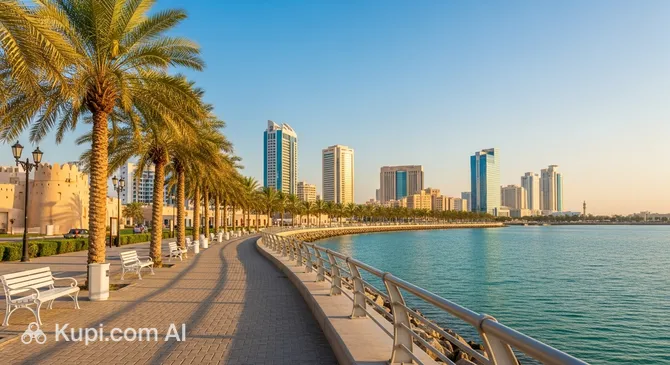
For a relaxing evening by the water, the Al Qawasim Corniche is the perfect destination. This sprawling waterfront promenade is lined with lush mangroves and offers a scenic walkway that comes alive at night. It is a hub of social activity, featuring a variety of international restaurants and cafes where you can enjoy a meal with a view. The corniche is also an excellent place for a leisurely stroll, jogging, or simply watching the dhows drift by in the creek.

Al Qawasim Corniche. Source: Kupi.Binoculars

Shoppers and entertainment seekers will find their haven at Manar Mall. Situated centrally with views overlooking the mangroves, this mall is one of the most popular commercial centers in the city. Beyond its wide range of retail stores featuring global brands, it offers a cinema and a family entertainment center. Its waterfront promenade allows visitors to combine a shopping spree with a pleasant outdoor experience, making it a favorite spot for both locals and tourists.

Manar Mall. Source: Kupi.Binoculars

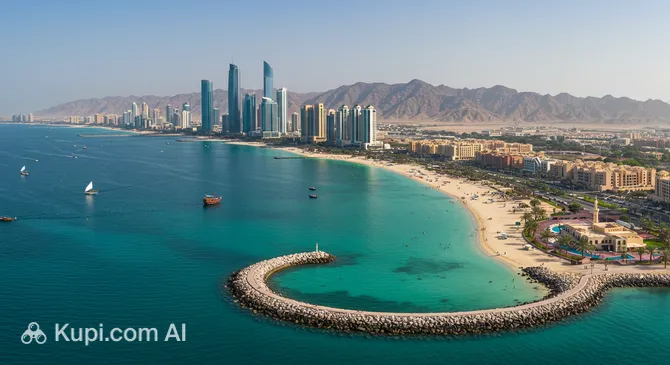
If you are looking to soak up the sun, RAK Beach offers a serene escape. This stretch of golden sand is ideal for a quiet day by the sea, away from the hustle and bustle of the city. The beach is known for its clear waters and is a great spot for swimming or enjoying a picnic with family. Whether you want to build sandcastles or simply watch the sunset over the Arabian Gulf, this beach provides a quintessential seaside experience.

RAK Beach. Source: Kupi.Binoculars

Local Cuisine

Ras Al Khaimah offers a rich gastronomic experience that reflects its coastal location and Bedouin heritage. The local cuisine is heavily influenced by the sea, so you can expect an abundance of fresh seafood prepared with aromatic spices. One dish you simply must try is Machboos, a fragrant combination of rice, meat (often chicken, lamb, or fish), and dried limes, slow-cooked to perfection. Another traditional favorite is Harees, a wholesome porridge made from wheat and meat, often served during festivals and special occasions. For those with a sweet tooth, Luqaimat—crispy fried dough balls drizzled with date syrup—makes for an irresistible dessert.

When it comes to beverages, hospitality begins with Gahwa, the traditional Arabic coffee. It is typically served black and flavored with cardamom or saffron, always accompanied by a side of sweet dates to balance the bitterness. For a more casual local experience, try a cup of Karak Chai, a strong, milky tea spiced with cardamom that is beloved by residents and available at nearly every street corner. While alcohol is not served in standard local restaurants due to cultural norms, it is readily available for tourists in licensed venues within hotels and resorts.

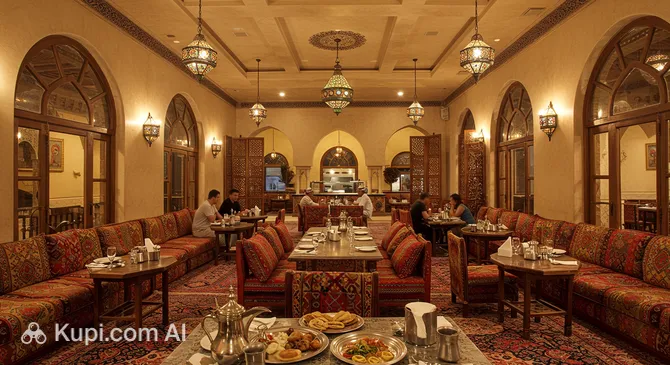
The dining culture in Ras Al Khaimah is a delightful mix of authentic eateries and modern establishments. For a genuine taste of the region, visitors often flock to the bustling cafeterias and grill houses that line the streets. A great spot to enjoy succulent grilled meats and Levantine flavors is the Al Bait Al Soury Restaurant & Grill, which is popular for its hearty portions and traditional atmosphere.

Al Bait Al Soury Restaurant & Grill. Source: Kupi.Binoculars

Beyond traditional Emirati food, the city hosts a vibrant international food scene, reflecting its diverse population. You can find everything from Italian to Indian cuisine. For those looking to enjoy a meal with a drink in a sophisticated setting, hotel-based restaurants are the place to go. For instance, Claypot offers a fantastic culinary experience, known for its vibrant spices and lively ambiance. Whether you are dining by the waterfront or in a cozy city restaurant, the flavors of Ras Al Khaimah are sure to leave a lasting impression.

Travel Tips

Visiting Ras Al Khaimah offers a unique perspective on the United Arab Emirates, blending rugged mountains with serene coastlines and rich heritage. To ensure your journey through this diverse emirate is as smooth and enjoyable as possible, we have compiled a list of essential practical advice for your trip.

  1. Clothing and Gear: Dress modestly and comfortably. While swimwear is perfectly acceptable at private hotel beaches and pools, it is important to respect local customs by covering your shoulders and knees when visiting public places like malls, souqs, and city centers. Light, breathable fabrics like cotton and linen are ideal for the heat. If you plan to hike in the mountains, sturdy walking shoes are a must, and don't forget sunglasses and a hat for sun protection.
  2. Transportation: Rent a car for flexibility. Unlike some densely populated cities, the attractions in Ras Al Khaimah are spread out, from the coast to the mountain peaks. Renting a car is the most convenient way to explore at your own pace. Taxis are also readily available and use meters; you can hail them on the street or book via the Careem app. Public buses exist but are less frequent and mainly connect major routes, making them less practical for sightseeing.
  3. Finances: Cash is useful for local spots. The official currency is the UAE Dirham (AED). International credit and debit cards are widely accepted in hotels, restaurants, and shopping malls. However, it is wise to carry some cash for small purchases in traditional markets, cafeterias, or for tipping. ATMs are plentiful throughout the city. Tipping is not mandatory but is highly appreciated; leaving 10-15% is standard for good service.
  4. Health and Safety: Stay hydrated and sun-safe. Ras Al Khaimah is a very safe destination for tourists with low crime rates. Pharmacies are easy to find, and many larger ones operate 24/7. The sun can be intense year-round, so staying hydrated and applying high SPF sunscreen is crucial. In case of any emergency, dial 999 for the police or 998 for an ambulance.
  5. Communication: English is the tourism language. While Arabic is the official language, English is widely spoken and understood in almost all service sectors. You can easily buy a tourist SIM card from providers like Du or Etisalat at the airport or major malls upon arrival. Free Wi-Fi is standard in most hotels and cafes, but having mobile data is helpful for maps and navigation.
  6. Local Etiquette: Respect cultural norms. When greeting locals of the opposite sex, it is polite to wait and see if they extend their hand first; if not, a nod and a smile suffice. Public displays of affection, such as kissing, should be avoided. Always ask for permission before taking photos of people, especially local women, as privacy is highly valued.
  7. What to Avoid: Public consumption of alcohol. Alcohol is legal and served in licensed hotels, bars, and clubs, but drinking in public areas, on the street, or on public beaches is strictly prohibited. Also, avoid using your left hand to eat or pass objects to others, as the right hand is traditionally used for these actions.
  8. Additional Tip: Pack a layer for the mountains. Even if the weather is sweltering in the city, temperatures at the top of Jebel Jais can be significantly cooler—often by about 10 degrees Celsius. If you plan to visit the viewing deck or try the zipline, especially in the evening or winter months, bringing a light jacket or sweater is a smart move.

Armed with these practical tips, you are fully prepared to navigate the local culture and geography with ease. Whether you are scaling the peaks or relaxing by the gulf, a little preparation will go a long way in making your stay in Ras Al Khaimah truly memorable.

Entertainment & Nightlife

Ras Al Khaimah offers a diverse array of entertainment options that cater to both thrill-seekers and those looking for a relaxing evening. While the emirate is quieter than some of its neighbors, it boasts a refined selection of venues, from lively hotel bars to family-friendly amusement centers. Whether you want to paddle through nature or enjoy a night out with music, there is something here to suit every mood.

The nightlife scene is concentrated primarily within the hotels and resorts, offering a sophisticated environment for socializing. Claypot is a favorite among locals and visitors alike, known not just for its food but for its vibrant atmosphere that makes for a great evening out. For a more energetic vibe, Vida Churrascaria & Bar offers a lively setting where you can enjoy refreshing drinks and a buzzing social scene, making it a perfect spot to unwind after a day of exploration.

For those who prefer active leisure in the great outdoors, the emirate’s coastline provides excellent opportunities for water sports. Al Ras Kayak offers a unique way to experience the natural beauty of the region. Paddling through the calm waters and mangroves allows visitors to connect with nature and enjoy the serenity of the surroundings, a stark contrast to the desert landscape.

Families traveling with children will find plenty of excitement at the city's dedicated play centers. Flipped Park is an action-packed indoor amusement park featuring trampolines and obstacle courses that guarantee hours of fun for kids and teenagers. Another fantastic option for younger children is Cheeky Monkeys, an edutainment play area designed to foster creativity and social interaction in a safe, supervised environment.

If shopping is your preferred form of entertainment, the city has several options beyond the main tourist hubs. Ms Max Mall provides a convenient and relaxed shopping experience. It is an excellent place to browse for fashion, lifestyle products, and local goods, offering a cool retreat from the outdoor heat and a chance to see a more local side of Ras Al Khaimah's retail culture.

Parks & Museums

Ras Al Khaimah offers a refreshing escape where lush greenery and deep-rooted history coexist beautifully with the desert landscape. For travelers looking to immerse themselves in the local culture and nature, the city provides a variety of tranquil parks and fascinating heritage sites that tell the story of this ancient emirate.

One of the most accessible natural spots for relaxation is the Public Beach. Located conveniently near the city center, this sprawling stretch of coastline is a favorite among locals for evening strolls and family picnics. Unlike the private resort beaches, it offers an authentic slice of local life where you can watch fishermen at work or simply enjoy the expansive views of the Arabian Gulf. It is an ideal place to unwind, feel the sea breeze, and witness a spectacular sunset over the horizon.

Away from the coast, Saqr Park stands out as the largest public park in the emirate. It is a green oasis characterized by vast lawns and shady trees, making it a perfect destination for families. The park features a dedicated arcade area, a train that tours the grounds, and plenty of space for outdoor activities. For nature enthusiasts, the dense mangrove forests lining the coast near the city center are a must-see. These ecological treasures not only support diverse marine life but also provide a serene backdrop for kayaking and birdwatching.

When it comes to culture, the National Museum of Ras Al Khaimah serves as the primary custodian of the region's heritage. Located in the Old Town, this architectural gem was originally a defensive fort and later the ruling family's residence. Today, it houses a comprehensive collection of archaeological findings that date back to the Bronze Age, offering visitors a clear timeline of the area's civilization. Exploring its winding corridors and traditional courtyard gives you a tangible sense of the emirate's strategic importance throughout history.

Another cultural highlight is the RAK Pearl Museum, which pays homage to the emirate's pearl diving legacy. Before the oil boom, pearling was the lifeblood of the economy, and this museum showcases a rare collection of natural pearls, ancient diving equipment, and oyster shells. It provides a poignant look at the bravery and hardships of the pearl divers who shaped the region's early economy.

For a glimpse into military history, a visit to Dhayah Fort is essential. Perched high on a hill, this 19th-century mud-brick fortification is the only hilltop fort still standing in the UAE. The climb to the top is rewarded with breathtaking panoramic views of the lush palm gardens below and the rugged mountains in the distance. It is a site of great historical significance, having played a key role in resisting British forces in 1819.

For a truly authentic experience, consider visiting the Suwaidi Pearls farm. Accessible by a small boat through the mangroves, this floating farm offers a unique insight into the traditional techniques of pearl cultivation. It is a rare opportunity to open an oyster and perhaps discover a pearl of your own, connecting you directly with the maritime traditions of Ras Al Khaimah.

Getting Around

The public transport system in Ras Al Khaimah is developing rapidly but differs significantly from the extensive networks found in larger metropolitan hubs. Unlike some of its neighbors, the city does not have a metro, tram, or train system. Instead, the transportation infrastructure relies heavily on a network of public buses and a robust fleet of taxis, which are the primary means of getting around for those without a private vehicle. The system is regulated by the Ras Al Khaimah Transport Authority (RAKTA), ensuring safety and standardized fares across the emirate.

Public buses are a reliable and budget-friendly option for moving between key districts. The bus network connects the central city areas, such as Al Nakheel, with popular residential and tourist destinations like Al Hamra and Al Marjan Island. To use the bus system, passengers typically use the E-Saqr card, a smart card that allows for cashless payments. These cards can be purchased and topped up at the main bus station or through authorized ticket vending machines. Fares are quite affordable, making it an economical choice for travelers, although the frequency of service may be lower than what tourists are accustomed to in major European or Asian cities.

For most tourists, taxis remain the most convenient and popular way to navigate the city. You can easily spot official RAKTA taxis by their silver or cream color with distinctive roof lights. All taxis are equipped with meters, so there is no need to haggle over the price; simply ensure the meter is running when you start your journey. For added convenience, you can book a ride using the Careem app, which operates widely in the region and allows you to track your ride and pay via credit card. A unique feature of the local taxi fleet is the availability of "Al Lolo" taxis, distinguished by their pink trim, which are driven by women and reserved exclusively for female passengers and families.

Given the spread-out nature of Ras Al Khaimah, where attractions range from mountain peaks to coastal resorts, many visitors find that renting a car offers the best flexibility. International car rental agencies are plentiful at the airport and within the city. Driving is straightforward, with well-maintained highways and clear signage in English. Alternatively, for short distances along the scenic waterfronts like Al Qawasim Corniche, you might find electric scooters available for rent via mobile apps, offering a fun and breezy way to explore the promenade.

While there is no heavy rail transport, a traditional form of transit adds a touch of charm to the city's creek area. Abras, traditional wooden boats, operate as water taxis, ferrying pedestrians across the creek. This short journey is not only a practical way to cross the water but also offers a nostalgic glimpse into the city's maritime heritage. It is an inexpensive and scenic experience that comes highly recommended for first-time visitors.

Accommodation

Where to Stay:

Accommodation in Ras Al Khaimah caters to a wide spectrum of travelers, ranging from opulent beachfront resorts to practical city hotels and serviced apartments. The emirate is particularly renowned for its sprawling 5-star properties that offer all-inclusive packages, private beaches, and extensive leisure facilities, making it a prime destination for staycations and luxury holidays. However, budget-conscious visitors can also find comfortable mid-range hotels and guesthouses located closer to the city center, offering a more urban experience.

When choosing where to stay, the location often dictates the type of holiday you will have. Al Marjan Island is a top choice for tourists seeking a resort-style experience with pristine beaches and water sports. Al Hamra Village is another upscale area, offering a mix of hotels and residences near a golf course and marina. For those interested in culture, local markets, and shopping, the city center and the Al Nakheel area provide convenient access to the museum and the corniche, often at more affordable rates than the coastal enclaves.

Among the notable options available, the Al Mairid Resort stands out as a relaxing getaway. Situated along the coast, it offers guests a blend of traditional hospitality and modern amenities, complete with access to a private beach and lush gardens. It serves as an excellent base for those looking to combine seaside relaxation with easy access to the city's attractions.

Booking Tip: Ras Al Khaimah is a very popular winter destination, especially for residents of neighboring emirates looking for a weekend escape. Consequently, hotels can fill up quickly during weekends and public holidays between November and March. It is highly recommended to book your accommodation well in advance during these peak times to secure the best rates and ensure availability.

In terms of pricing, the emirate generally offers better value compared to Dubai, though rates vary significantly by season and location. Luxury resorts on the islands command higher prices, falling into the upper mid-range to luxury category, while city hotels are quite budget-friendly. Booking is easily done through major online travel platforms or directly via hotel websites, which sometimes offer exclusive deals for direct reservations.

Nearby Cities

Ras Al Khaimah is strategically positioned in the northernmost part of the country, making it a convenient base for exploring the wider region. The emirate is well-connected by a network of modern highways, allowing visitors to easily reach neighboring cities and experience the diverse landscapes and urban centers of the United Arab Emirates.

The most prominent neighbor is the dazzling city of Dubai, located approximately 97 km to the southwest. A drive of just over an hour transports you from the rugged mountains of Ras Al Khaimah to the futuristic skyline of the world's busiest tourism hub. Closer still is Sharjah, about 74 km away, which is celebrated as the cultural capital of the Arab world, offering numerous museums and heritage sites. The smallest emirate, Ajman, is also a short drive away at roughly 64 km, known for its quiet beaches and relaxed atmosphere.

For those willing to venture further, a trip to the capital, Abu Dhabi, takes you about 220 km south. It is home to spectacular landmarks and serves as the political heart of the nation. Alternatively, the inland city of Al Ain, situated 177 km away, offers a completely different vibe with its lush oases, historic forts, and UNESCO World Heritage sites.

Here is a summary of the distances and populations for these nearby destinations:

City Distance (km) Population
Ajman 64 490,035
Sharjah 74 1,247,749
Dubai 97 3,331,420
Al Ain 177 766,936
Abu Dhabi 220 1,483,000

Shopping & Souvenirs

Shopping in Ras Al Khaimah offers a delightful blend of the old and the new, providing a more relaxed alternative to the bustling retail hubs of neighboring emirates. The city presents a diverse retail landscape where ultra-modern shopping centers coexist with traditional souks that have served the community for decades. Whether you are looking for high-end international fashion brands, electronic goods, or authentic local handicrafts, the city caters to a wide range of tastes and budgets.

For those seeking a traditional shopping experience, the Kuwaiti Souq is one of the most vibrant districts to explore. Located in the heart of the city, this bustling market area is a sensory delight, lined with shops selling colorful fabrics, ready-made garments, and household items. It is an excellent place to mingle with locals and experience the authentic rhythm of daily life in the emirate. A walk through these streets offers a stark contrast to the air-conditioned malls, providing a glimpse into the region's trading heritage.

The city is home to several impressive shopping malls that serve as major centers for leisure and retail. Manar Mall is perhaps the most iconic, situated beautifully along the waterfront. It features a vast selection of global brands, a hypermarket, and entertainment options, making it a one-stop destination for families. Another notable spot is Al Hamra Mall, which is designed with distinctive traditional architecture and offers a calm atmosphere for shoppers. Additionally, Ms Max Mall provides a convenient option for visitors looking for a quick and easy shopping trip.

Beyond the modern centers, the Old Souq near the creek is a treasure trove for those interested in local culture. While smaller than the major markets in Dubai, it retains a charming, historic feel. Visitors can wander through narrow alleyways to find unique items and enjoy the views of the water. The nearby fish market also offers a lively spectacle, showcasing the day's fresh catch and the emirate's strong connection to the sea.

When it comes to souvenirs, Ras Al Khaimah has plenty of authentic treasures to take home. Dates are a classic choice, available in countless varieties and often stuffed with nuts or coated in chocolate. Oud and bakhoor (traditional incense) are perfect for bringing the scent of Arabia back with you. Gold jewelry is also a popular purchase, with prices determined by weight and intricate designs available in the souks. For something truly local, look for pottery or woven palm-leaf items known as "khoos," which reflect the artisanal skills of the region.

Most shopping malls in Ras Al Khaimah operate from 10:00 AM to 10:00 PM on weekdays, with extended hours until midnight on weekends. Traditional souks and standalone shops may close for a mid-afternoon break, typically between 1:00 PM and 4:00 PM, and on Friday mornings. Major credit and debit cards are widely accepted in malls and larger stores. However, carrying cash (UAE Dirhams) is highly recommended when visiting traditional markets or smaller shops, where it can also be useful for bargaining.

Tourists visiting the United Arab Emirates can benefit from the Tax-Free shopping scheme. A Value Added Tax (VAT) of 5% is applied to most goods, but visitors are eligible for a refund on purchases made at participating stores. To claim this, simply ask for a "Tax Free" tag or receipt when making a purchase of 250 AED or more. You can then validate these tags at the airport or other exit points before leaving the country to receive your refund.
Reached the end of the page?

That means the route is fully explored