Support

Khasab

About

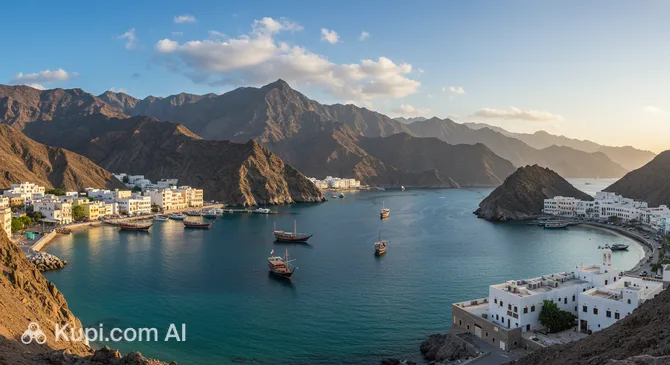
Khasab is the capital of the Musandam Governorate, a spectacular exclave of the Sultanate of Oman located at the tip of the Arabian Peninsula. Often referred to as the "Norway of Arabia," this city is celebrated for its dramatic coastline featuring fjord-like inlets and towering limestone mountains that plunge directly into the sea. With a population of approximately 17,777 people, Khasab maintains a tranquil and welcoming atmosphere, serving as the perfect base for exploring the region's rugged beauty.

Khasab. Source: Kupi.Binoculars

Geographically, the city is isolated from the rest of the country by the United Arab Emirates, which has helped preserve its unique character and pristine environment. The climate here is generally hot and arid, but the coastal breeze often provides relief, making sea-based activities particularly enjoyable. One of the most popular things to do is to take a traditional dhow cruise through the khors (fjords), where visitors can watch playful dolphins swimming alongside the boats and enjoy snorkeling in crystal-clear waters.

Cultural enthusiasts will appreciate the rich heritage of the area. You can learn more about the fascinating history of Khasab by visiting the Khasab Castle, a 17th-century fortress originally built by the Portuguese. The castle now serves as a museum showcasing Omani handicrafts, boats, and historical artifacts. Whether you are looking for scenic adventures or a glimpse into traditional life, Khasab offers an unforgettable experience for every traveler.

Weather Overview

Khasab experiences a hot desert climate, characterized by scorching summers and pleasantly mild winters. The summer months, particularly from June to September, see average temperatures rising above 32°C, with highs frequently reaching 35°C. During this time, the weather is extremely dry with virtually zero precipitation, making it essential to stay hydrated if you plan to be outdoors.

In contrast, the cooler season from December to February offers much more comfortable conditions for exploration, with average temperatures ranging between 19°C and 21°C. Rainfall is very scarce throughout the year, though you might encounter a rare drizzle in January, which historically sees about 4 wet days. For a more comprehensive forecast and seasonal breakdown, you can consult the detailed weather in Khasab page. Overall, expect hot, dry summers and mild winters with very little rain.

Interesting Facts

Beyond the stunning scenery and dramatic cliffs, Khasab holds several fascinating secrets and historical curiosities that add depth to its beauty. This remote outpost is not just a geological wonder but also a place rich in unique cultural and historical trivia.
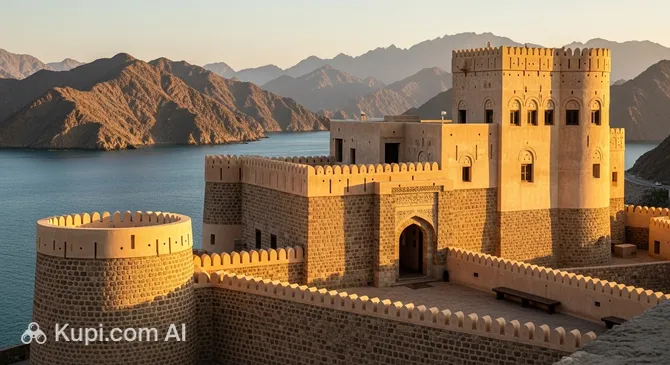
Khasab Castle. Source: Kupi.Binoculars
  • One of the most intriguing spots in the local waters is Telegraph Island, or Jazirat al-Maqlab. In the 19th century, the British Empire used this tiny island as a repeater station for the telegraph cable connecting India to Basra. The isolation and intense summer heat were so severe that the operators reportedly went "round the bend," a phrase that many believe originated here to describe the mental strain of the location.

  • Although the region is famously nicknamed the "Norway of Arabia," the inlets here are geologically different from Scandinavian fjords. They are technically known as "rias," which are drowned river valleys formed by the sinking of the land due to tectonic plate movements, rather than being carved out by glaciers.

  • The area is home to a unique linguistic heritage found in the nearby village of Kumzar. The local people speak Kumzari, a distinct language that is the only Iranian tongue native to the Arabian Peninsula. It is a fascinating blend of Arabic, Farsi, and even traces of Portuguese and English, reflecting the region's history as a maritime crossroads.

  • The historic Khasab Castle was originally built by the Portuguese in the 17th century to maintain control over the strategic Strait of Hormuz. However, unlike many other forts, it was constructed around a pre-existing ancient circular tower that is believed to predate the Portuguese arrival, serving as a testament to the site's long-standing importance.

How to Get There

Planning a trip to the "Norway of Arabia" requires some logistical preparation, as this exclave is geographically separated from the main part of Oman. Most international travelers choose to fly into nearby hubs in the United Arab Emirates and drive across the border, or connect via domestic flights. You can find comprehensive details and more about how to get to Khasab on our dedicated transport page.

For those arriving internationally, the city of Khasab does not have its own major international airport listed here, but you can fly into Ras Al Khaimah International Airport (RKT) in the city of Ras Al Khaimah. It is located approximately 70 km from Khasab. The drive from there involves crossing the border and typically takes around 2 hours and 5 minutes by taxi or car. This route offers a stunning coastal drive that is an attraction in itself.

Another significant option is Sharjah International Airport (SHJ), situated in Sharjah, about 120 km from Khasab. As a large international hub, it offers numerous flight connections. The travel time from Sharjah to Khasab by road is approximately 3 hours and 20 minutes. Visitors choosing these routes should ensure they meet the visa requirements for both the UAE and Oman.

For clarity, here is a summary of the main airports:

Airport Name City Passenger Traffic Km from City
Sharjah International Airport Sharjah High 119.8
Bandar Abbas International Airport Bandar Abbas Medium 115.3
Ras Al Khaimah International Airport Ras Al Khaimah Medium 70.3
Dayrestan Airport Qeshm Medium 72.0
Al-Fujairah International Fujairah Small 119.0

Main Attractions

One of the most prominent landmarks in the city is the historic Khasab Castle. Located near the old souq, this 17th-century fortress has been beautifully restored and converted into a museum that offers deep insights into the history of the Musandam Peninsula. Inside, visitors can explore exhibitions displaying traditional Omani weaponry, jewelry, and clothes, as well as a model of a traditional summer house known as a "Bait Al Qufl." The central tower provides excellent views of the surrounding bay, making it a perfect spot for photography enthusiasts interested in capturing the contrast between the ancient stone walls and the rugged mountains.

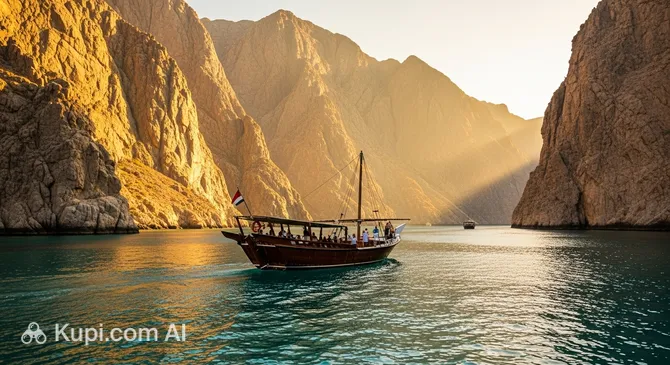
For those eager to experience the region's famous "fjords," Musandam Fjord Tours are the quintessential Khasab activity. These excursions typically take place on traditional wooden dhows, which sail into the tranquil waters of Khor Sham. The journey offers breathtaking scenery of towering limestone cliffs rising directly from the sea. Guests can often enjoy stops for swimming and snorkeling in the clear turquoise waters, where colorful fish and coral reefs are abundant. It is a relaxing way to appreciate the dramatic geology that defines this unique exclave.

Musandam Fjord Tours. Source: Kupi.Binoculars

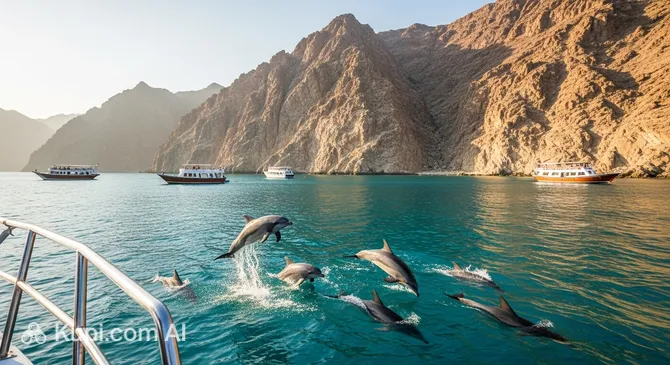
Another highlight of the marine adventures here is Khasab Dolphin Watching. The waters around the Musandam Peninsula are home to humpback dolphins and bottlenose dolphins, which are known for their playful nature. Unlike many other locations, the dolphins here frequently approach the boats, racing alongside the dhows and leaping from the water, providing a thrilling spectacle for wildlife lovers. These tours often combine dolphin spotting with sightseeing, ensuring a memorable day out on the water.

Khasab Dolphin Watching. Source: Kupi.Binoculars

Local Cuisine

The culinary scene in Khasab is deeply influenced by its coastal location, making it a paradise for seafood lovers. The daily catch from the Persian Gulf and the Gulf of Oman dominates local menus, offering some of the freshest fish you will ever taste. A must-try dish is Grilled Hamour or Kingfish, typically marinated in a rich blend of Omani spices—including turmeric, coriander, and dried lime (loomi)—and charcoal-grilled to perfection. Another favorite is Fish Majboos (also known as Kabsa), a fragrant dish of basmati rice cooked with saffron, cardamom, and generous chunks of fish, which serves as a staple comfort food for the locals.

While seafood is the star, traditional Omani meat dishes are also worth seeking out. Shuwa is perhaps the most famous national dish, consisting of lamb marinated in a spicy date paste and slow-cooked in an underground sand oven for up to 48 hours. Although traditionally reserved for festivals like Eid, you can sometimes find it in local restaurants. Meals are almost always accompanied by Omani bread (Rakhal) and a side of hummus or salad.

Hospitality in Khasab begins with a cup of Kahwa, the traditional Omani coffee. It is brewed with cardamom and often rose water, served in small handleless cups alongside sweet dates to balance the flavor. For something cooling during the hot afternoons, fresh Lemon with Mint juice is incredibly popular and refreshing. Regarding alcohol, it is important to note that it is generally not served in local standalone restaurants due to Islamic customs; however, tourists can find alcoholic beverages in licensed bars and restaurants attached to hotels and resorts.

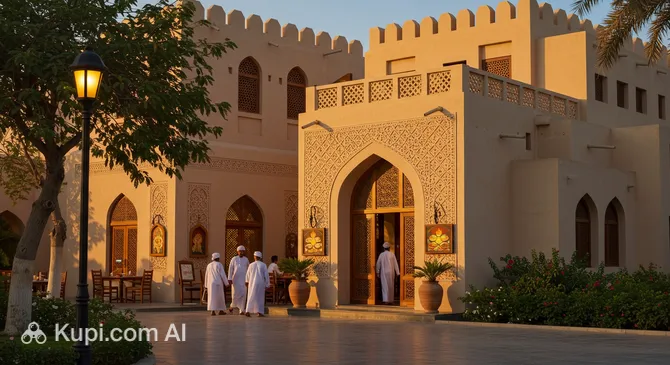
Aroos Musandam Restaurant. Source: Kupi.Binoculars

The dining atmosphere in the city is casual and unpretentious. Most eateries are simple, family-run establishments that offer a mix of Omani, Indian, and Persian flavors, reflecting the region's trade history. One such popular spot is Aroos Musandam Restaurant, which is well-regarded for its diverse menu and authentic local feel. It is a great place to mingle with residents and enjoy a hearty meal after a day of exploring the fjords.

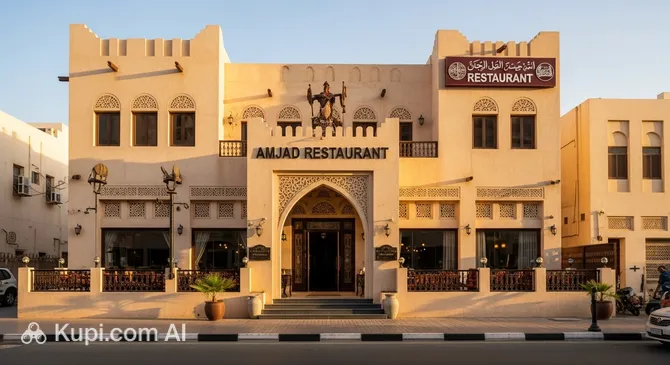
For those looking for a reliable local dining experience, Amjad Restaurant is another establishment where you can enjoy grilled meats and curries in a relaxed setting. Alternatively, if you prefer dining with a view or in a more resort-style environment, the restaurant at the Musandam Resort offers a comfortable atmosphere to enjoy both international and local cuisine.

Travel Tips

Visiting Khasab offers a unique glimpse into the rugged beauty of the Musandam Peninsula, but its location as an exclave and its conservative traditions require a bit of preparation. To help you navigate this stunning "Norway of Arabia" with ease and respect, here are some practical tips to keep in mind before you pack your bags.

  1. Clothing and Gear: Given the hot desert climate, lightweight and breathable fabrics like cotton and linen are your best friends. However, remember that Oman is a conservative country; outside of your hotel or resort, it is respectful to cover your shoulders and knees. Bring comfortable walking shoes for exploring the rocky terrain around Khasab Castle, and water shoes are a great addition if you plan on swimming during a dhow cruise, as some beaches can be rocky. Don't forget high-SPF sunscreen, a hat, and sunglasses to protect against the intense sun.
  2. Transportation: Public transport options like buses or metros do not exist within the city itself. The town is relatively small, so taxis are available, but they do not typically use meters, so negotiate the fare beforehand. For the most freedom to explore the coastal roads and mountains, renting a car is highly recommended. If you plan to drive up to Jebel Harim, a 4WD vehicle is essential due to the steep and unpaved roads.
  3. Finances: The local currency is the Omani Rial (OMR). While major hotels and tour operators accept credit cards, cash is king in local souqs, smaller restaurants, and for taxi rides. There are ATMs available in the town center. It is worth noting that because Khasab is close to the UAE border, some merchants may accept UAE Dirhams, but the exchange rate might not be favorable, so carrying OMR is safer. Tipping is not mandatory but is appreciated; rounding up the bill or leaving 10% is a kind gesture.
  4. Health and Safety: Khasab is an incredibly safe destination for tourists with very low crime rates. The main concern is usually the heat; staying hydrated is crucial. Pharmacies are available in the town center for basic needs, and Khasab Hospital provides medical care if required. The tap water is generally safe, but most tourists prefer bottled water, which is widely available.
  5. Communication: Arabic is the official language, but English is widely spoken in hotels, restaurants, and by tour operators, so communication is rarely an issue. Mobile coverage is good in the town; you can purchase a SIM card (Omantel or Ooredoo) at the border or in town to stay connected. Useful apps include Google Maps for navigation, though offline maps are recommended as signal can drop in the deep fjords or mountains.
  6. Local Etiquette: Omani people are known for their hospitality. When greeting locals, a polite "Salam Alaykum" (Peace be upon you) goes a long way. Always use your right hand for eating, giving, or receiving items, as the left hand is considered unclean. If you are invited for coffee (Kahwa), shake your small cup from side to side when you are finished; otherwise, your host will keep refilling it.
  7. What to Avoid: Public displays of affection (PDA) should be avoided as they are considered offensive in local culture. Additionally, do not take photographs of people, especially Omani women, without their explicit permission. It is also strictly forbidden to drink alcohol in public places; stick to the licensed bars within hotels.
  8. Border Crossing Tip: Since Khasab is an exclave, many visitors arrive by road from the UAE. Be prepared for border procedures that involve exiting the UAE and entering Oman. Ensure your passport is valid for at least six months and that you have the necessary car insurance documents that cover driving in Oman (Orange Card), or you will have to purchase insurance at the border.

By keeping these practicalities in mind, you can focus entirely on the breathtaking scenery and the warm welcome that awaits you. Khasab is a peaceful retreat where a little cultural awareness ensures a smooth and memorable adventure in one of the region's most spectacular landscapes.

Entertainment & Nightlife

Nightlife in Khasab is a tranquil affair that reflects the conservative yet hospitable culture of Oman. Unlike the bustling party hubs found in neighboring countries, the evening entertainment here is low-key, centered around relaxation, dining, and enjoying the serene coastal atmosphere. You will not find neon-lit nightclubs or loud discos in the city; instead, the "nightlife" is defined by starlit skies, quiet conversations in hotel lounges, and late dinners at local eateries. The atmosphere is peaceful and safe, attracting travelers who prefer a calm end to an adventurous day.

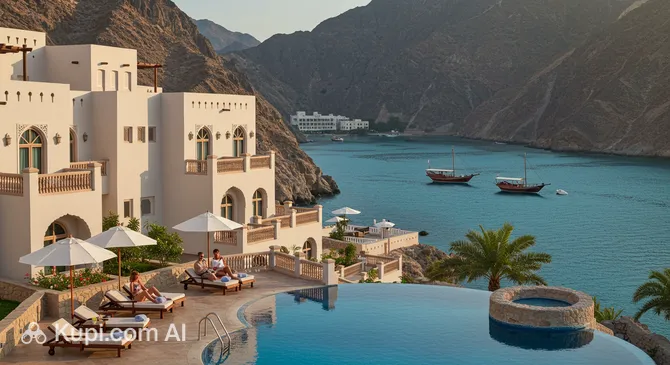
For those seeking a place to unwind with a beverage, options are generally limited to the licensed bars found within major hotels and resorts. Alcohol is not served in standalone restaurants or public spaces in the city. The Musandam Resort is one of the key venues where visitors can enjoy a comfortable evening setting. These hotel-based venues often feature outdoor seating where you can enjoy the cooling sea breeze, making them the social hubs for international tourists looking to relax after a day on the fjords.

Musandam Resort. Source: Kupi.Binoculars

The local dining scene acts as the primary form of evening entertainment for residents and visitors alike. As the sun sets, the streets in the town center become livelier with families and friends gathering for meals. Amjad Restaurant is a popular spot that stays busy into the evening, offering a casual environment where you can observe local life while enjoying hearty dishes. Similarly, Aroos Musandam Restaurant is a favorite for its grilled specialties and bustling vibe. The dress code in these places is casual, but it is important to dress modestly out of respect for local customs.

Amjad Restaurant. Source: Kupi.Binoculars

For a pleasant night walk, the Khasab Corniche (coastal road) is the best area to explore. It is well-lit and offers beautiful views of the dark ocean against the silhouette of the mountains. It is a very safe area for strolling, even late at night. However, taxis are not easily hailed on the street after dark. If you plan to stay out late or visit venues away from your accommodation, it is highly advisable to arrange transportation in advance or rent a car. The city is incredibly safe, and walking around the main streets is worry-free.

While the nights are quiet, they provide a perfect recharge for the city's vibrant daytime entertainment. During the day, the focus shifts to exploring the rich history at the local castle or embarking on marine adventures to spot dolphins. The contrast between the active, sun-drenched days and the peaceful, starry nights is what gives Khasab its unique charm.

Parks & Museums

While Khasab is globally renowned for its dramatic fjords and barren mountain landscapes, the city and its surroundings also offer distinct natural areas and cultural venues that provide a deeper understanding of the region. The green spaces here are less about manicured lawns and more about raw, natural beauty, while the museums serve as vital guardians of the Musandam Peninsula's unique history and maritime heritage.

For nature lovers, the Al Khalidiyah Nature Park is a surprising gem located a short drive from the city center. Unlike a traditional urban park, this is a protected natural area characterized by a grassy plain dotted with ancient acacia trees. It becomes particularly lush during the cooler winter months, making it a favorite spot for locals and tourists to enjoy picnics surrounded by the stunning backdrop of limestone mountains. Another key natural recreational area is Bassa Beach. situated within walking distance of the ferry terminal. It functions as the city's primary seaside park, offering soft sands, shaded areas, and calm waters perfect for swimming or camping under the stars.

The cultural heartbeat of the city is undoubtedly the Khasab Castle. Far more than just a fortress, this site houses the region's most comprehensive museum. The exhibitions are meticulously curated to illustrate the distinct lifestyle of the Musandam people, featuring displays of traditional jewelry, weaponry, and wedding attire. A highlight of the museum is its focus on maritime history, with the central courtyard displaying authentic traditional boats, including the unique Battil, which played a crucial role in the area's trade history.

Beyond the castle walls, the entire region acts as an open-air museum. A significant site for history enthusiasts is the prehistoric rock art found in Wadi Tawi, often referred to as Tawi Village. Here, visitors can find ancient petroglyphs carved into the boulders, depicting camels, ships, and warriors. These carvings offer a fascinating, uncurated glimpse into the pre-Islamic history of the peninsula and are free to explore.

For a truly authentic experience, look out for the Bait Al Qufl (House of Locks) exhibits often found within heritage sites or replicated in local displays. These unique stone houses were historically built partially underground by locals to store grain and dates securely during their summer migrations to the coast. Seeing the intricate locking mechanisms of these structures provides a rare insight into the ingenuity of the mountain tribes who adapted to this harsh environment.

Getting Around

Navigating Khasab is relatively straightforward, primarily because the city does not have a complex public transport network. Visitors will not find a metro system, trams, trolleybuses, or a scheduled public bus service operating within the city limits. The town is compact and quiet, meaning the elaborate transit infrastructure found in larger metropolitan hubs is unnecessary here. Instead, the transport system relies heavily on private vehicles and taxis.

The most common form of "public" transport for those without a car is the local taxi service. These vehicles are typically painted white with orange badges, making them easy to recognize. Unlike in many capital cities, taxis in Khasab generally do not operate on meters. Consequently, there are no travel passes, transport cards, or integrated mobile apps for payment. The system is entirely cash-based, and you will need to pay the driver directly in the local currency. It is highly advisable to carry small denominations of Omani Rials (OMR), as drivers may not always have change for large bills.

For tourists relying on taxis, the most important piece of practical advice is to agree on the fare before starting your journey. Since there are no meters, negotiating the price upfront avoids misunderstandings upon arrival. You can hail taxis on the street, particularly near the souq, the port, or major hotels, but they are not as abundant as in busier cities. For trips to specific attractions or airport transfers, it is often more reliable to ask your hotel reception to call a taxi for you or to arrange a private transfer.

Given the limited public transport options, renting a car is widely considered the best alternative for getting around. Several rental agencies operate in the city and at the airport. Having your own vehicle provides the freedom to explore the coastal roads and mountain drives at your own pace, which is particularly useful since many attractions are spread out. While bike rentals are not a standard feature of the city's transport system, the compact nature of the town center makes walking a viable option during the cooler winter months, though it is generally discouraged during the heat of summer.

While not an internal city transport method, the ferry terminal serves as a crucial hub for the region. High-speed ferries operated by the National Ferries Company connect Khasab to other coastal ports. For movement within the city itself, however, the absence of a bus or train network means that planning ahead—whether by renting a car or arranging taxi services—is key to a smooth travel experience.

Accommodation

Accommodation in Khasab is relatively limited but caters well to the steady stream of visitors coming for dolphin watching and dhow cruises. The options generally range from simple, budget-friendly hotel apartments to more comfortable mid-range hotels and resorts. You won't find ultra-luxury skyscrapers here; instead, the focus is on traditional hospitality and proximity to the stunning natural landscape.

The most desirable area to stay is along the Khasab Coastal Road (Corniche). Staying here offers beautiful sea views and easy access to the port, which is the starting point for most marine excursions. Alternatively, the city center provides convenient access to local shops, supermarkets, and the main souq, making it a practical choice for those who want to be close to daily amenities and the Khasab Castle.

For travelers seeking a blend of comfort and a scenic location, the Musandam Resort is a well-known option. Establishments like this typically offer amenities that appeal to families and leisure travelers, such as swimming pools and on-site dining, serving as a relaxing base after a day of exploring the fjords.

Prices in Khasab can vary significantly depending on the season. During the cooler winter months and on weekends (Friday and Saturday), rates tend to rise due to the influx of visitors from the nearby United Arab Emirates. It is highly recommended to book your accommodation well in advance if you plan to visit during these peak times. Generally, prices range from budget-friendly for standard city apartments to higher rates for seaside resorts. Booking can be easily done through major online travel platforms or by contacting hotels directly.

Nearby Cities

For those looking to explore the surroundings, Khasab serves as an excellent base for day trips to several interesting nearby locations:

City Population Distance (km)
Muscat 1,421,409 360
Bawshar 383,257 364
Sohar 285,000 209
As Seeb 237,816 340
Matrah 214,901 368

Although Khasab is an exclave separated from the mainland, connections by ferry and flight make it possible to visit significant Omani cities. Sohar is one of the most prominent destinations along the coast. Often associated with the legend of Sindbad the Sailor, this port city is rich in maritime history. Visitors can explore the historic Sohar Fort and enjoy the well-maintained parks and corniche, which offer a lively yet relaxed atmosphere distinct from the rugged isolation of Musandam.

For those willing to travel further, the capital city of Muscat offers a comprehensive look at Omani culture. It is home to architectural marvels such as the Sultan Qaboos Grand Mosque and the Royal Opera House. Within the capital area, the historic district of Matrah is a highlight for many travelers. It features a picturesque waterfront and one of the oldest traditional markets in the Arab world, the Mutrah Souq, where you can shop for frankincense, silver, and traditional artifacts.

These nearby destinations offer a glimpse into the diverse culture and landscapes of the region.

Shopping & Souvenirs

Shopping in Khasab is a low-key and authentic experience that reflects the city's laid-back nature. Unlike the sprawling retail hubs found in nearby metropolises like Dubai, Khasab does not boast massive luxury malls or designer boutiques. Instead, the shopping scene here is functional and traditional, focused on serving the daily needs of the local community and offering visitors a chance to purchase unique regional handicrafts. It is a place to slow down and enjoy the process of browsing through small shops and bustling markets.

The main commercial activity is concentrated in the Town Center (New Souq area). Here, along the main streets, you will find a variety of small independent stores selling everything from textiles and electronics to perfumes and groceries. This area is the heart of the city's trade and is perfect for a casual stroll. You can find tailors creating traditional Omani garments and small bakeries selling fresh goods. It is not a designated pedestrian shopping street in the European sense, but rather a collection of shops lining the central roads where locals go about their daily business.

For a more modern shopping experience, the Lulu Hypermarket is the closest thing the city has to a shopping mall. It serves as the primary one-stop destination for residents and tourists alike. Inside, you can find a large supermarket, a department store section for clothing and electronics, and a currency exchange desk. It is an excellent place to stock up on supplies, snacks, or toiletries if you are planning a camping trip or a boat excursion in the fjords.

The most interesting shopping opportunities for cultural enthusiasts are found in the traditional markets. The Old Souq offers a glimpse into the past, with vendors selling traditional pottery, herbs, and spices. Another must-visit spot is the Fish Market, located near the port. While you might not be buying fresh fish to take home, visiting in the early morning allows you to witness the lively auctioning of the day's catch, including tuna and kingfish, which is a vital part of Khasab's maritime culture.

When it comes to souvenirs, Khasab offers items that are distinct to the Musandam region. The most iconic local artifact is the Jerz, a small traditional axe with a carved wooden handle and a metal head. It is a symbol of the Musandam tribes and makes for a unique, albeit unusual, keepsake. Other popular items include locally made pottery, Omani dates, and frankincense. You can also find a good selection of handicrafts and postcards at the gift shop inside the Khasab Castle.

Store opening hours in Khasab generally follow the traditional "split shift" pattern common in the region. Shops typically open around 8:00 AM or 9:00 AM, close for a midday break (siesta) from approximately 1:00 PM to 4:00 PM, and then reopen until 9:00 PM or 10:00 PM. Large supermarkets like Lulu are usually open all day without a break. On Fridays, many shops remain closed until after the afternoon prayers (around 4:00 PM).

Regarding payment, Cash (Omani Rial) is the preferred method in the souqs, smaller shops, and taxis. While the hypermarket and some hotel shops accept credit cards, it is highly recommended to carry cash for most transactions in the town center. Oman applies a Value Added Tax (VAT) of 5% on most goods and services. While a tax refund scheme exists for tourists in the Sultanate, the infrastructure for processing these refunds is mostly found at major international airports like Muscat, so it may not be readily accessible for small purchases made in Khasab.
Reached the end of the page?

That means the route is fully explored