Support

Duqm

About

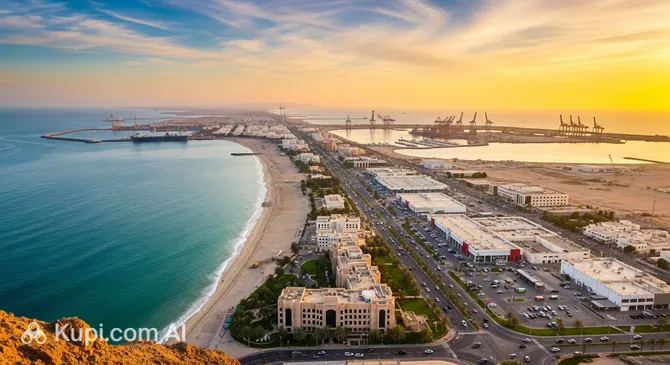
Duqm is a rapidly evolving city that presents a fascinating blend of ambitious industrial development and raw natural beauty. Located in the Al Wusta Governorate on the central coast of the Arabian Sea, it serves as a strategic economic hub for the Sultanate of Oman. With a population of approximately 20,000 people, this destination offers a quieter, more off-the-beaten-path experience compared to the bustling capital, inviting travelers to witness a city in transformation.

Duqm. Source: Kupi.Binoculars

The landscape here is defined by the dramatic meeting of the desert and the ocean. While the climate is typically arid, the coastal location brings refreshing breezes that temper the heat, especially in the evenings. Travelers are often drawn to the unique Rock Garden, a geological marvel spanning several square kilometers, featuring sandstone formations sculpted by wind and water over millions of years into abstract shapes.

Despite its modern growth, the area retains a deep connection to its heritage. Exploring the history of Duqm reveals its humble origins as a small fishing and Bedouin settlement, offering a stark contrast to its current trajectory as a major port city. Visitors can also enjoy pristine beaches like Ras Madrakah, known for their white sands, dramatic cliffs, and turquoise waters, making Duqm an intriguing stop for those seeking both unique geology and seaside serenity.

Weather Overview

The climate in this coastal region is generally arid, ensuring sunny skies and dry conditions for most of the year. Visitors can expect warm winters and hot summers, with precipitation being an extremely rare occurrence. For a more comprehensive breakdown of seasonal trends to help plan your trip, you can consult the detailed guide to the weather in Duqm.

During the cooler months of December and January, average temperatures hover comfortably around 21°C to 22°C, creating ideal conditions for outdoor activities. As the year progresses, the heat intensifies, peaking in June with average temperatures reaching approximately 33.2°C and daily highs often climbing above 40°C. Rainfall is virtually non-existent, with almost every month recording 0mm of precipitation, guaranteeing dry days for your travels.

Interesting Facts

Beyond the main attractions and industrial developments, Duqm holds many fascinating secrets that reveal its deep geological and ecological significance. From ancient mysteries hidden in the stones to colorful natural phenomena, there is much more to this destination than meets the eye.

  • The famous Rock Garden is not merely a result of wind erosion; it is a geological time capsule dating back approximately 46 million years. Geologists believe that the unique shapes of these sandstone and limestone formations were initially carved by an ancient underground freshwater aquifer long before they were exposed to the elements.

  • The coastline near the city is known for the phenomenon of "Pink Lakes." In certain seasons, nearby saltwater lagoons turn a striking shade of pink due to high concentrations of Dunaliella salina algae, creating a surreal and photogenic contrast against the white sands.

  • Despite the arid desert environment, the ground around the city is rich with marine history. Visitors exploring the inland areas can often find fossilized shark teeth, shells, and ancient coral beds, offering proof that this vast desert was once completely submerged under a prehistoric ocean.

  • Duqm serves as a strategic gateway to the Jiddat al-Harasis plain, a sanctuary for the Arabian Oryx. This region is critical for conservation efforts in the Sultanate of Oman, as it was the first place where the Oryx was successfully reintroduced into the wild after being hunted to near extinction.

How to Get There

Reaching this emerging industrial and tourist hub has become significantly easier in recent years due to rapid infrastructure development. Whether you are traveling for business or leisure, planning your journey is straightforward. You can find comprehensive information and tips on more about how to get to Duqm to help organize your trip.

The primary gateway for most visitors is Duqm International Airport (IATA: DQM). Situated approximately 16.3 km from the city center, this modern facility connects the Al Wusta region with the capital, Muscat. The airport handles a passenger volume of around 60,000 annually, making it a relatively small but efficient regional hub. A taxi or shuttle ride from the terminal to the main city area typically takes about 45 minutes.

For clarity, here is a summary of the main airports:

Airport Name City Passenger Traffic Km from City
Duqm International Airport Duqm Small 16.3

Currently, there is no railway network connecting Duqm to other parts of the Sultanate of Oman. Visitors who prefer land travel typically opt for driving or taking intercity buses. The road network is well-maintained, and a drive from Muscat offers a scenic route through the diverse Omani landscape, though it is a long journey taking several hours.

Main Attractions

While often recognized for its rapid industrial growth, Duqm offers a surprising array of natural wonders for the intrepid traveler. The region's appeal lies in its raw, untouched landscapes where the desert meets the sea. Sightseeing here is less about visiting museums or historic buildings and more about immersing oneself in geological marvels and pristine coastlines that feel almost otherworldly.

The most iconic site in the area is the Rock Garden, also known as the Duqm Geological Park. Conveniently located just minutes from the city center, this vast area spans approximately three square kilometers and features a collection of sandstone and limestone formations. Wind and water have sculpted these rocks into abstract shapes over millions of years, creating a surreal natural gallery. It is an open site, allowing visitors to wander freely among the ancient stones, which look particularly dramatic during sunset.

For those seeking coastal beauty, a trip to Ras Madrakah is essential. Situated about 80 kilometers south of the city, this spectacular cape features dark volcanic cliffs that plunge into the turquoise waters of the Arabian Sea. Contrasted with soft white sands, the landscape here is breathtaking and offers an ideal setting for beach camping, fishing, or simply enjoying the solitude away from the crowds.

Nature enthusiasts can also use the city as a base to explore the famous Arabian Oryx Sanctuary on the Jiddat al-Harasis plain. This protected area is vital for the conservation of the majestic Arabian Oryx, the national animal of the Sultanate of Oman. Additionally, the nearby Pink Lakes provide a unique photographic opportunity, where saline lagoons take on a vibrant rosy hue, standing out vividly against the stark desert backdrop.

Local Cuisine

The culinary landscape of Duqm is deeply influenced by its location on the Arabian Sea, making it a paradise for seafood lovers. As a historic fishing settlement, the city prides itself on the freshness of its catch. Visitors should not miss the opportunity to try Mashuai, a traditional Omani dish consisting of roasted kingfish served with savory lemon rice. The local waters are also teeming with lobster, prawns, and hamour, which are often prepared simply—grilled over charcoal to highlight their natural flavors—or cooked in rich, spiced curries.

Beyond seafood, the local diet features staples common across the Sultanate of Oman. Majboos (also known as Kabsa) is a favorite comfort food, featuring long-grain rice cooked with saffron, cardamom, and turmeric, mixed with tender chicken, lamb, or fish. For a quick and savory snack, local eateries often serve Mishkak, skewered meat marinated in tamarind and spices, then grilled to perfection. These dishes reflect the region's blend of Bedouin traditions and trade-route spices.

When it comes to beverages, hospitality begins with Kahwa, the traditional Omani coffee mixed with cardamom and rose water. It is almost always served with fresh dates to balance the bitterness with natural sweetness. Karak tea, a strong, spiced milky tea, is another popular drink enjoyed throughout the day. Alcohol is generally not part of the local culture and is restricted to licensed bars and restaurants within major international hotels, where tourists can enjoy a drink in a private setting.

The dining scene in Duqm offers a contrast between high-end hotel restaurants and humble local establishments. The major hotels provide a range of international cuisines and fine dining experiences, often serving as the primary social hubs for expatriates and travelers. Meanwhile, smaller "coffee shops" and roadside cafeterias offer a more authentic and affordable taste of daily life, serving hearty plates of biryani, shawarma, and fresh juices in a casual, no-frills atmosphere.

Travel Tips

Visiting Duqm offers a unique opportunity to explore a region where massive industrial ambition meets untouched natural beauty, but the city's developing nature requires some specific preparation. These practical tips will help you navigate the local customs and logistics to make the most of your journey to the Al Wusta coast.

  1. Clothing and Gear: Due to the hot desert climate, pack lightweight, breathable fabrics like cotton or linen. However, remember that the Sultanate of Oman is a conservative country; both men and women should dress modestly in public, covering shoulders and knees. If you plan to explore the Rock Garden or the coastline, bring sturdy, comfortable walking shoes and a windbreaker, as the coastal breeze can be surprisingly strong in the evenings.

  2. Transportation: Public transport options like buses or metros do not exist within the city itself. The area is vast and spread out, making a rental car the most practical choice for getting around. While a standard sedan is sufficient for paved roads, renting a 4x4 vehicle is highly recommended if you intend to visit remote beaches like Ras Madrakah or drive into the desert.

  3. Finances: The local currency is the Omani Rial (OMR). While major hotels and the airport accept international credit cards, smaller shops, local restaurants, and gas stations often prefer cash. ATMs are available in the town center and commercial areas, but it is wise to carry enough cash for daily small expenses.

  4. Health and Safety: Duqm is a very safe destination for tourists. Pharmacies are available in the main commercial districts, though they may not all operate 24/7. The sun can be intense, so high-SPF sunscreen, sunglasses, and constant hydration are essential. Stick to bottled water for drinking to avoid any stomach issues.

  5. Communication: Arabic is the official language, but English is widely spoken in hotels, the industrial zone, and by many expatriate workers. Learning a few basic Arabic greetings like "As-salamu alaykum" (Peace be upon you) goes a long way in showing respect. You can purchase SIM cards from providers like Omantel or Ooredoo at the airport or in local mobile shops for reliable internet access.

  6. Local Etiquette: Omani culture places a high value on politeness and hospitality. When greeting locals, a handshake is common among men, but wait for a woman to extend her hand first. It is polite to accept coffee (Kahwa) and dates if offered. Avoid using your left hand to eat or pass objects, as it is considered unclean.

  7. What to Avoid: Strictly avoid taking photographs of people, especially women, without their explicit permission. Additionally, be mindful that Duqm is a strategic economic zone; avoid photographing military installations, government buildings, or restricted industrial areas to prevent any misunderstandings with security personnel.

  8. Timing Your Day: Many local shops and smaller businesses close in the afternoon, typically between 1:00 PM and 4:00 PM, for a midday break. Plan your shopping and errands for the morning or evening hours. This break is also a good time to rest and avoid the peak heat of the day.

By keeping these simple guidelines in mind, you can ensure a respectful and hassle-free experience in this emerging coastal city. Whether you are here for business or to marvel at the geological formations, a little preparation allows you to focus entirely on the stark beauty and warm hospitality of the region.

Entertainment & Nightlife

The nightlife scene in Duqm is distinctively low-key, reflecting the city's status as a developing industrial hub within a conservative nation. Unlike bustling tourist capitals, you will not find neon-lit districts or rowdy nightclubs here. Instead, evening entertainment is refined and concentrated almost exclusively within the compounds of major international hotels. These venues act as the social heartbeat of the city, providing a welcoming space for expatriates, business travelers, and tourists to gather, socialize, and unwind in a comfortable setting.

The atmosphere in these establishments is relaxed and professional. The crowd typically consists of engineers, port officials, and international visitors, creating a vibe that is more akin to a friendly community lounge than a high-energy party zone. The dress code is generally smart-casual; while the environment is informal, modest attire is expected, and beachwear is reserved for the pool areas. It is important to remember that alcohol is only served within these licensed hotel venues, and public intoxication or consuming alcohol outside these designated areas is strictly prohibited in the Sultanate of Oman.

For those looking for a place to spend the evening, The Frontier at the Crowne Plaza Duqm is a standout choice. Modeled after a traditional English pub, it offers a cozy interior with pool tables and screens broadcasting live sports, making it a favorite for a casual night out. Another excellent option is the RBG Bar & Grill located at the Park Inn by Radisson. This venue is known for its modern design and outdoor terrace, where guests can enjoy grilled specialties and refreshing beverages while soaking in the cool evening breeze off the Arabian Sea.

When planning your evening, keep in mind that distances between these venues and other parts of the city are significant. Walking is not a practical option due to the layout of the roads and the lack of pedestrian infrastructure. The safest and most convenient way to get around is by booking a taxi through your hotel reception. While Duqm is an extremely safe city with very low crime rates, sticking to arranged transport ensures a hassle-free experience. Be prepared for prices to be on the higher side, particularly for alcoholic drinks, which are imported and taxed.

During the day, entertainment shifts from social gatherings to outdoor exploration. The city does not yet have large cinemas, theaters, or amusement parks. Instead, daytime activities are centered around the region's unique geology and coastline. Visitors can explore the surreal formations of the Rock Garden, visit the local souq for simple shopping, or enjoy the tranquility of the uncrowded beaches. The charm of this destination lies in its quietude, offering a peaceful retreat rather than a hectic itinerary of events.

Parks & Museums

Duqm offers a distinct departure from the typical city experience of manicured botanical gardens and indoor exhibition halls. Instead of enclosed galleries, this region presents itself as a vast, open-air museum where the exhibits are carved by nature and the history is written in the stones. The green spaces here are wild and untamed, offering visitors a connection to the raw elements of the Sultanate of Oman rather than a traditional park experience.

The most significant natural area is the Duqm Geological Park, widely known as the Rock Garden. Spanning roughly three square kilometers, this site is not a park in the conventional sense but a protected geological wonderland. Visitors can walk among limestone and sandstone sculptures created by wind and water over 46 million years. There are no fences or ticket barriers, allowing for an immersive experience where you can touch the ancient textures and admire formations that resemble animals, mushrooms, and abstract statues.

For those seeking a coastal escape, the area around Ras Madrakah serves as a magnificent natural park. While it lacks playgrounds or paved paths, its value lies in its pristine environment. The contrast of black volcanic rocks against white sands and turquoise waters creates a dramatic setting for beach camping and hiking. It is a favorite spot for nature lovers who prefer the sound of crashing waves and the sight of crabs and seabirds over the amenities of a city park.

Regarding museums, Duqm does not currently possess dedicated indoor museums or art galleries, reflecting its status as a developing economic zone. However, the entire Al Wusta region is often described by geologists and archaeologists as a "living museum." The landscape itself tells the story of the Earth's history, with fossil beds containing ancient shark teeth, shells, and coral often found lying openly on the desert floor, remnants of a time when this arid land was submerged under the ocean.

The cultural history of the area is best observed through the mysterious Triliths found throughout the Al Wusta Governorate. These ancient stone monuments, arranged in rows of three, date back roughly 2,000 years and remain an archaeological enigma. While not housed in a building, these sites offer a glimpse into the pre-Islamic history of the region and the people who once roamed these deserts. They stand as silent witnesses to a forgotten past, providing a compelling stop for history enthusiasts willing to venture off the main roads.

For a truly authentic experience, visit the Rock Garden just before sunset. As the light softens, the shadows cast by the rock formations lengthen and the stones take on a warm, golden hue, creating a photographer's paradise. This time of day reveals the true sculptural beauty of the landscape, turning a simple walk into a visit to a surreal natural art gallery.

Getting Around

Navigating Duqm requires a different mindset compared to visiting established tourist capitals. The public transport infrastructure here is still in its nascent stages, reflecting the city's status as a rapidly developing industrial zone rather than a dense urban center. Visitors should not expect to find a metro system, trams, trolleybuses, or a comprehensive network of city buses crisscrossing the neighborhoods. The distances between the airport, hotels, and natural attractions are significant, and the city is built with industrial logistics in mind rather than pedestrian convenience.

The primary form of shared transport available to visitors is the taxi. You will typically see the standard orange and white taxis on the roads. Unlike in the capital where metering is strictly enforced, taxis in this region may sometimes operate on negotiated fares for local trips, or "engaged" prices. It is highly advisable to agree on the price with the driver before entering the vehicle to avoid any misunderstandings. Recently, ride-hailing apps like Otaxi have begun to offer a more reliable alternative, providing transparent, fixed pricing and the convenience of booking via a smartphone, though availability can vary compared to larger cities.

Regarding the bus system, the national operator Mwasalat provides vital intercity connections, linking the area to major hubs like Muscat and Salalah. However, it is important to understand that these are long-distance coaches, not local city buses. Once you arrive at the main stop, there are no connecting local bus lines to transfer to. Therefore, while the bus is an affordable and comfortable way to arrive in the region, it is not a viable option for daily sightseeing or commuting within the city limits.

Because there is no integrated city transport network, there are no travel passes, transport cards, or multi-day tickets to purchase. Payment for street taxis is almost exclusively in cash. Tourists should always carry small denominations of the local currency, as drivers often do not have change for large notes. If you use a ride-hailing app, you can usually link a credit card for cashless payment, which adds a layer of convenience.

For the vast majority of travelers, the most practical and popular alternative is renting a car. This is widely considered the only efficient way to explore the area. Having your own vehicle allows you to visit widely spaced attractions like the Rock Garden or the beaches at Ras Madrakah without relying on the limited availability of taxis. Rental desks are available at the airport and in the town center. While walking might seem like an option on a map, the intense heat and lack of sidewalks make it physically demanding and generally unsafe for anything other than very short distances within hotel compounds.

Accommodation

Accommodation in Duqm is primarily tailored to meet the needs of business travelers and industry professionals, reflecting the city's status as a rapidly developing economic hub. As a result, the options are generally modern, high-quality, and self-contained. Visitors will typically find a selection of mid-range to luxury hotels and serviced apartments. Unlike more traditional tourist destinations, Duqm does not currently offer a wide range of budget hostels or backpacker guesthouses; the focus here is on comfort and comprehensive amenities.

Most of the prominent hotels are located along the coastline, offering the dual benefit of proximity to the business districts and access to the serene beaches of the Arabian Sea. Staying in this coastal area is the most convenient option for tourists, as it provides a resort-like atmosphere with easy access to the main roads leading to the airport and natural attractions like the Rock Garden. These hotel complexes often serve as self-sufficient oases, featuring their own restaurants, pools, and recreational facilities.

For those seeking a luxurious stay, the city boasts high-end resorts that provide extensive leisure facilities, including private beach access and landscaped gardens. There are also modern chalet-style accommodations and apartment hotels designed for longer stays, offering more space and kitchenette facilities. These establishments are known for their distinctive architecture and reliable international standards of service, making them safe and comfortable bases for exploring the Al Wusta region.

When planning your trip, it is highly recommended to book your accommodation in advance. While the number of rooms is increasing, availability can fluctuate significantly during major industrial conferences or business events. Prices in Duqm generally fall into the mid-to-high range due to the premium nature of the available facilities. Booking is straightforward through major online travel platforms or direct hotel websites, and credit cards are widely accepted at all hotel reception desks.

Nearby Cities

Nearby Cities:

Duqm is situated in the Al Wusta Governorate, a vast and sparsely populated region along the central coast of the Sultanate of Oman. Due to its unique geographical location, the city is relatively isolated from the country's densely populated northern provinces. Travelers planning to drive to or from other major urban centers should be prepared for long journeys across the desert landscape, although the main highways are modern and well-maintained.

The closest major settlement listed is As Suwayhirah as Sahil, which is approximately 270 kilometers away. Other significant cities, such as Bawshar in the capital region and the historic city of Rustaq, are located more than 400 kilometers to the north. These distances highlight Duqm's role as a standalone economic hub in the central region.

The following table provides details on nearby cities, including their population and distance from Duqm:

City Population Distance (km)
As Suwayhirah as Sahil 151,349 270
Al Mudaybi 115,040 348
Ibri 101,640 417
Rustaq 120,000 422
Bawshar 383,257 441

Shopping & Souvenirs

Shopping in Duqm offers a functional and authentic experience rather than a glamorous retail therapy session. As a rapidly developing industrial city, the shopping scene is primarily geared towards meeting the daily needs of residents and the workforce, rather than catering to luxury tourism. Visitors will not find sprawling designer outlets or high-end fashion boulevards here. Instead, the city provides a mix of modern convenience stores and traditional commercial areas where you can find essentials, groceries, and a glimpse into the local lifestyle.

The main commercial activities are concentrated in the center of the town, often referred to simply as the Duqm Souq area. This district is not a "souq" in the ancient, labyrinthine sense found in other Omani cities, but rather a collection of shops, small eateries, and service providers lining the main streets. Here, travelers can browse through textile shops, hardware stores, and small groceries that form the backbone of the local economy. It is a good place to pick up basic supplies or observe the day-to-day commerce of this growing port city.

For a more modern shopping experience, the city is home to large hypermarkets, with Lulu Hypermarket being the most prominent anchor. In many smaller Omani cities, these hypermarkets effectively serve as the main shopping malls. They are one-stop destinations where you can purchase everything from fresh produce and hot food to electronics, clothing, and camping gear. If you are planning a trip to the beaches or the desert, this is the best place to stock up on water, snacks, and equipment.

The most culturally interesting shopping destination in Duqm is undoubtedly the Fish Market. Reflecting the city's heritage as a fishing settlement, this market is a hive of activity, especially in the early morning. Visitors can watch local fishermen bring in their daily catch from the Arabian Sea, including kingfish, tuna, and lobster. While you might not be buying raw fish to take home, the atmosphere is vibrant and offers a genuine connection to the local community's roots.

When looking for souvenirs, options in Duqm may be more limited compared to Muscat or Salalah. However, you can still find quintessential Omani items. Dates are a popular and easy-to-carry gift, available in various grades and packaging. You may also find locally produced Frankincense, which, while harvested further south in Dhofar, is a staple across the country. Small shops may also sell traditional Omani silver jewelry or "Khanjar" replicas, though these are less common than in the major tourist hubs.

Store opening hours in Duqm generally follow the traditional split-shift pattern common in the region. Shops typically open around 8:00 AM or 9:00 AM, close for a midday break from approximately 1:00 PM to 4:00 PM, and then reopen until 10:00 PM or later. Large hypermarkets, however, usually remain open throughout the day without a break. On Fridays, most businesses close for the morning prayer and open only in the late afternoon or evening.

Regarding payment, cash is still the preferred method for small transactions, especially in the fish market, smaller cafeterias, and independent shops. The Omani Rial (OMR) is the currency used. However, major establishments, hotels, and the Lulu Hypermarket widely accept international credit and debit cards. It is always wise to carry some cash for minor purchases. As of recent years, Oman has implemented a Value Added Tax (VAT) of 5% on most goods and services. While a tax refund system exists for tourists at major exit points like international airports, the shopping volume in Duqm is typically too small to warrant specialized tax-free shopping processing centers within the city itself.
Nearby cities

Reached the end of the page?

That means the route is fully explored