Support

Masirah

About

Masirah is a captivating island destination that offers a serene escape from the hustle and bustle of mainland life. Located off the eastern coast of the Sultanate of Oman, this rugged gem is celebrated for its pristine landscapes, deserted beaches, and a laid-back atmosphere that instantly relaxes every visitor. It stands as a unique geographical feature in the region, providing a distinct experience compared to the rest of the country.

As the largest island in the nation, Masirah spans a significant area in the Arabian Sea and is home to a population of approximately 12,000 residents. The island is particularly famous for its unique climate; cool monsoon winds often sweep across the land, making it a refreshing retreat even when temperatures soar on the mainland. This breezy weather has shaped the local lifestyle and made the island a magnet for specific outdoor activities.

While it is now primarily known as a haven for nature lovers and adventure seekers, the history of Masirah reveals a deep connection to maritime traditions. For centuries, the island has served as a strategic point for seafarers and fishermen, and traces of this nautical heritage can still be felt in the local culture and the scattered shipwrecks that dot the coastline.
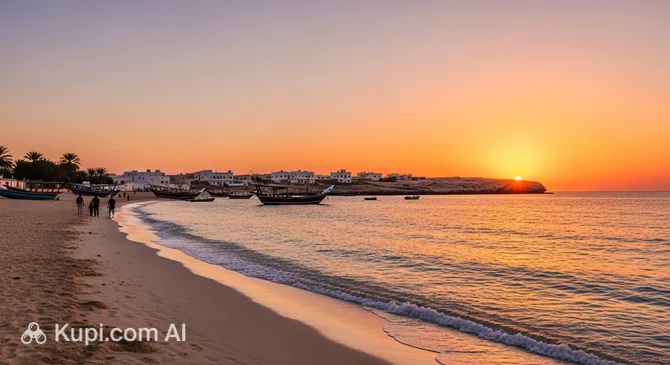
Masirah. Source: Kupi.Binoculars

Travelers are drawn to Masirah for its exceptional natural attractions. It is renowned globally as a premier destination for kitesurfing, thanks to the reliable winds that create perfect conditions for the sport. Wildlife enthusiasts also flock here to witness the nesting of sea turtles, particularly Loggerheads, on its secluded shores. The island's rugged terrain and endless horizons offer a perfect backdrop for camping and exploring the wilder side of nature.

Whether you are seeking adrenaline-pumping water sports or simply a quiet spot to watch a breathtaking sunset over the ocean, Masirah welcomes you. It is an ideal destination for those looking to discover an untouched and authentic corner of the world.

Weather Overview

Masirah enjoys a unique and moderate climate that sets it apart from the often scorching temperatures typical of the Arabian Peninsula. The island experiences warm, stable conditions year-round, making it an attractive destination for outdoor enthusiasts at almost any time. The influence of surrounding ocean currents helps maintain a pleasant atmosphere, avoiding extreme heat waves.

During the cooler months from December to February, the weather in Masirah is particularly delightful, with average temperatures hovering comfortably between 22°C and 24°C. This period offers the perfect balance of warmth and freshness, ideal for camping on the beach or hiking through the rugged interior without the intensity of the summer sun.

As the seasons shift, temperatures rise gradually, peaking in May and June with averages reaching roughly 29°C and daily highs topping out around 31°C. Interestingly, the summer months of July and August often see a slight dip in temperature due to seasonal winds, keeping the climate relatively comfortable even in the middle of the year. Rainfall is exceptionally rare on the island, so you can generally expect dry days and clear skies throughout your visit.

Interesting Facts

Beyond the main attractions, Masirah holds many fascinating secrets that reveal its deep connection to maritime history and nature. This island is not just a scenic getaway but a place where ancient legends and ecological wonders converge.

  • A Connection to Alexander the Great: Historical accounts suggest that Masirah was known as "Serapis" to the fleet of Alexander the Great. His admiral, Nearchus, reportedly documented the island during his voyages, describing its inhabitants as "Ichthyophagoi" or "Fish Eaters," highlighting the island's ancient reliance on the sea.

  • A Graveyard for Ships: The eastern coast of the island is notoriously rugged and has claimed numerous vessels over the centuries due to treacherous shallow reefs. One of the most famous visible wrecks is the Baron Inverdale, a steamship that ran aground in 1904; its rusting remains still sit near the shore, creating a haunting subject for photographers.

  • Global Turtle Sanctuary: While many visitors know turtles exist here, few realize the scale of the phenomenon. Masirah is widely considered to host the world's largest nesting population of Loggerhead turtles. Tens of thousands of females return to these specific shores annually, making it a critical location for global marine conservation.

  • A Collector’s Paradise: The unique ocean currents surrounding the island make it one of the best locations in the Sultanate of Oman for beachcombing. The shores are frequently awash with rare and intact seashells, including the delicate Paper Nautilus and various colorful Cowries, which are highly prized by collectors.

How to Get There

Reaching the island of Masirah is an adventure in itself, offering a transition from the mainland's vast deserts to the refreshing breezes of the Arabian Sea. Since the destination is an island, the final leg of your journey will almost certainly involve a ferry crossing, usually from the port of Shannah. For detailed logistics and route planning, you can read more about how to get to Masirah.

The city of Masirah does not have its own commercial airport for regular tourist flights. The most convenient nearby option is to fly into Duqm International Airport (IATA: DQM), located in the city of Duqm. This airport is situated approximately 143 km from Masirah. After landing, you will need to arrange ground transport to the ferry terminal. The total travel time, including the drive and the necessary transfer, is estimated to be around 4 hours. While Duqm International Airport serves a relatively small volume of passengers annually, it provides a vital link for travelers heading to the central and eastern coast of Oman.

For clarity, here is a summary of the main airport:

Airport Name City Passenger Traffic Km from City
Duqm International Airport Duqm Small 142.8

There are no railway services operating in this part of the country. Visitors typically arrive by renting a car or taking a bus to the Shannah port on the mainland. From there, regular car ferries transport passengers and vehicles across to the island, a trip that offers scenic views of the turquoise waters and occasional dolphin sightings.

Main Attractions

One of the most striking natural features to explore is Ras Abu Rasas, located at the southernmost tip of the island. This rugged headland offers dramatic scenery where the powerful waves of the Arabian Sea crash against the rocky cliffs. It is a favorite spot for photographers and nature lovers who appreciate the raw, untamed beauty of the coastline. The area is also known for its strong winds and a picturesque lighthouse, making it an exhilarating stop for those driving around the island's perimeter.

For wildlife enthusiasts, the island's pristine Turtle Nesting Beaches are an absolute must-visit. Masirah is globally recognized as one of the most important breeding grounds for Loggerhead turtles, and visitors often have the unique opportunity to witness these majestic creatures coming ashore to lay their eggs. The secluded shores on the eastern side of the island are particularly active during the nesting season, offering a quiet and profound connection with nature that is hard to find elsewhere.

Travelers looking to gain a different perspective should head to Jebel Humr, which is widely regarded as the highest mountain on the island. Rising up from the relatively flat landscape, this peak provides a fantastic vantage point for panoramic views over the rocky interior and out towards the azure sea. Hiking up the slopes is a rewarding experience, especially during the early morning or late afternoon when the sunlight accentuates the rich colors of the geological formations.

Another focal point for visitors is the area around Sur Masirah, which serves as a gateway to some of the island's best recreational activities. The shallow, turquoise waters of the nearby bays are world-renowned for kitesurfing, attracting adventurers from across the globe who come to ride the reliable monsoon winds. Even if you are not participating in water sports, the vibrant atmosphere and the sight of colorful kites dancing against the blue sky make it a lively place to visit.

Local Cuisine

As a dedicated fishing hub, Masirah offers a culinary experience defined by the incredible freshness of its seafood. The island's cuisine is simple yet flavorful, relying heavily on the daily catch from the surrounding Arabian Sea. For seafood lovers, this is a true paradise where the distance from the ocean to the plate is often measured in minutes rather than hours.

The undisputed star of the local table is the Omani lobster, which is renowned for its size and sweetness. It is often served grilled with a light marinade of local spices to let the natural flavors shine. Another staple is Kingfish (locally known as Kanad), which is frequently prepared as a steak, either pan-fried or roasted over charcoal. You should also try Kabouli, a traditional Omani dish consisting of aromatic rice cooked with dried lemon, cinnamon, and cloves, topped with generous portions of fried or grilled fish.

For a refreshing break, the local drink of choice is Karak tea, a strong, spiced tea simmered with milk, cardamom, and ginger. You will find it served in small cups at almost every roadside cafeteria. Traditional Omani Kahwa (coffee) is also widely enjoyed, typically accompanied by fresh dates to balance the bitterness. Regarding alcohol, it is important to note that Masirah follows conservative traditions; alcoholic beverages are generally not available in local restaurants or supermarkets and are exclusively found within the licensed bars of high-end hotels and resorts.

The dining scene in Masirah is casual and unpretentious. Most eateries are concentrated in the main town of Hilf, ranging from small "coffee shops" serving quick wraps and curries to modest restaurants offering Yemeni and Turkish-influenced dishes. For a more upscale experience, tourists often head to the island's resorts, which offer international buffets and seafood platters. A visit to the local fish market in the early morning provides a fascinating glimpse into the island's food culture, where you can see the day's fresh bounty being auctioned before it hits the local kitchens.

Travel Tips

Welcome to Masirah, a rugged and beautiful island that rewards the prepared traveler with its untouched landscapes and serene atmosphere. To ensure your adventure is as smooth and enjoyable as possible, here is a collection of practical tips to help you navigate local customs and logistics.

  1. Clothing and Gear: While the climate is generally warm, modesty is key in this conservative region. Men and women should wear loose-fitting clothes that cover shoulders and knees when in town. Pack light, breathable fabrics like cotton or linen. Since the island is famous for its strong winds, especially in the evening, bringing a light windbreaker is highly recommended. Don't forget sturdy sandals or hiking shoes if you plan to explore the rocky terrain.
  2. Transportation: Public transport is virtually non-existent on the island. The best way to get around is by renting a car, ideally a 4x4. This will allow you to access the remote sandy beaches and rocky tracks that standard sedans cannot handle. Most visitors rent a vehicle on the mainland and bring it over via the ferry. Taxis are rare and ride-hailing apps generally do not operate here.
  3. Finances: The local currency is the Omani Rial (OMR). While some hotels and larger shops in the main town of Hilf accept credit cards, cash is essential for small grocery stores, gas stations, and local eateries. There are a few ATMs located in Hilf, but they can be scarce or out of service elsewhere on the island, so it is wise to withdraw sufficient cash before leaving the main town.
  4. Health and Safety: Masirah is very safe, but the sun and isolation require precaution. Always carry plenty of water and sun protection. There is a hospital and pharmacies in Hilf, but medical facilities are limited in remote areas. Be cautious when swimming, as ocean currents can be strong and unpredictable. If you are camping, shake out your shoes and sleeping bags to avoid scorpions or insects.
  5. Communication: Arabic is the official language. English is spoken by hotel staff and some shopkeepers in Hilf, but knowledge of a few basic Arabic phrases like "Shukran" (Thank you) will be warmly received. It is advisable to purchase a local SIM card (Omantel or Ooredoo) at the airport or on the mainland before crossing, as coverage is generally good near the main road but can be spotty in isolated coastal spots.
  6. Local Etiquette: The island's culture is traditional and hospitable. Always greet people with a polite "As-salam alaykum" (Peace be upon you). When sitting on the floor, avoid pointing the soles of your feet at anyone. Public displays of affection are frowned upon and should be avoided to respect local norms.
  7. What to Avoid: Do not take photographs of locals, especially women, without asking for explicit permission first; it is considered very rude and intrusive. Additionally, never consume alcohol in public spaces like beaches or parks; alcohol is strictly regulated and should only be consumed in licensed private venues.
  8. Stock Up in Town: Before heading out to explore the southern or eastern parts of the island for the day, make sure to fill your gas tank and buy snacks and water in Hilf. Services and shops virtually disappear once you leave the main settlement, so self-sufficiency is crucial for day trips.

By keeping these practical tips in mind, you will be well-equipped to experience the genuine hospitality and raw beauty of Masirah. Enjoy the freedom of the open road and the tranquility of this unique island sanctuary!

Entertainment & Nightlife

Nightlife in Masirah is a reflection of the island’s overall character: serene, laid-back, and deeply connected to nature. Travelers expecting a bustling scene of high-energy nightclubs, discos, or neon-lit party districts will find a very different reality here. The evening entertainment is centered around relaxation, socializing in a quiet atmosphere, and enjoying the cool ocean breeze under a blanket of stars. The pace is slow, offering a perfect detox from the noise of modern city life.

For international visitors seeking a classic lounge experience or a place to enjoy an alcoholic beverage, the options are exclusively limited to the island's high-end hotels. Masirah Island Resort is the primary hub for this type of evening. Located on the eastern coast, it offers a comfortable setting where guests can unwind with a drink at the hotel bar or enjoy a poolside dinner. The atmosphere here is sophisticated yet casual, often filled with kitesurfers recounting their day on the water. Another venue to consider is the restaurant at Danat Al Khaleej Resort, which provides a pleasant environment for a late evening meal, although the vibe remains quiet and family-oriented.

If you prefer to experience the local culture, head to the main town of Hilf. This is the "bustling" heart of the island, though in a very traditional sense. The main streets come alive after sunset as locals gather at small outdoor cafeterias and "coffee shops." The entertainment here consists of sipping hot Karak tea, enjoying fresh juices, and engaging in long conversations. It is a dry environment (no alcohol), but the social energy is warm and welcoming. Places like the Turkish Restaurant in Hilf are popular spots for a hearty evening feast of grilled meats and flatbreads.

Practical advice for a night out in Masirah revolves around simplicity. The dress code is casual but should remain modest, especially when visiting the town of Hilf; covering shoulders and knees is respectful. The best time to head out is around 8:00 PM when the air is coolest. Prices are generally very affordable in town, with a tea and sandwich costing barely a rial, whereas hotel bars will charge international resort prices. Getting around at night requires a rental car, as taxis are not readily available on the streets. If you are drinking at a resort, plan to stay there or have a designated driver, as there is zero tolerance for drinking and driving.

Safety is rarely a concern for pedestrians in terms of crime; the island is exceptionally safe for night walks, particularly within the resort grounds or the well-lit areas of Hilf. However, if you venture outside the town, be extremely cautious of camels and donkeys wandering onto the unlit roads. Street lighting is sparse away from the main settlement, so carrying a flashlight is recommended if you plan to walk near the beaches to watch for phosphorescence in the water or gaze at the Milky Way.

Regarding daytime entertainment, Masirah does not feature standard urban attractions like amusement parks, large theaters, or national museums. The "entertainment" is purely elemental. Visitors spend their days engaging in outdoor activities such as kitesurfing, bird watching, or exploring the deserted coastlines. The island itself serves as a living museum of geology and maritime history, offering a raw and authentic experience rather than ticketed attractions.

Parks & Museums

In Masirah, the concept of parks and museums is defined not by manicured gardens or grand halls, but by the raw, open landscapes and the preservation of maritime heritage. The island itself acts as a vast, open-air gallery where nature and history intertwine. Visitors will not find traditional city parks with paved paths; instead, they will discover pristine stretches of coastline and humble cultural centers that celebrate the island's unique ecological identity.

While there are no formal botanical gardens, the Eastern Coast serves as the island's premier natural park. This protected stretch is a sanctuary for wildlife and offers a serene environment for visitors to observe nature in its purest form. It is particularly famous for its population of resident birds and the seasonal arrival of migratory species, making it a haven for birdwatchers. The area is also the primary nesting ground for sea turtles, effectively functioning as a living natural history museum where you can witness the lifecycle of these ancient mariners up close.

Another significant natural area is the Ras Al Ya headland. This spot is favored by locals and tourists alike for "wild camping," which is the island's equivalent of a park outing. With its dramatic cliffs and access to secluded beaches, it provides a perfect setting for picnics and stargazing. The absence of artificial light here transforms the night sky into a spectacular celestial display, offering a tranquil escape that rivals any landscaped city park.

For a glimpse into the island's cultural and ecological focus, the Masirah Marine Museum (often referred to as the Marine Visitor Center) is the primary educational facility. Located near the main town, this modest center is dedicated to the marine life of the Arabian Sea. It features exhibits on the four species of sea turtles found in Oman, along with an impressive collection of seashells unique to the island's shores. It is an excellent stop for families and nature enthusiasts wanting to understand the delicate ecosystem before heading out to the beaches.

History buffs should visit the ruins of Marsis Old Fort. While not a museum in the conventional sense, this historical site stands as a testament to the island's strategic importance in centuries past. The crumbling watchtowers and stone walls offer a tangible connection to the era when Masirah was a crucial waystation for trade ships. Wandering among these ruins allows visitors to piece together the island's past while enjoying panoramic views of the surrounding village and sea.

For a truly authentic experience, seek out the Ancient Cemetery of Safaiq. This archaeological site dates back to the Iron Age and provides a fascinating, if somber, look into the pre-Islamic history of the region. It is a quiet, contemplative place that feels like a journey back in time. As an insider tip, keep an eye out for the "Ghost Dhows" along the coast—abandoned wooden boats that sit weathering on the sands, serving as unintentional monuments to the island's fishing legacy.

Getting Around

Navigating Masirah requires a shift in expectations compared to visiting a bustling metropolis. The city and the surrounding island do not possess a complex public transport infrastructure such as a metro, tram, or municipal bus network. The transport system here is informal and relies heavily on private vehicles and the maritime links that connect the island to the mainland. For tourists, understanding this limited scope is crucial for planning a smooth trip.

The most prominent form of "public" transport serving the area is the ferry service. While this is primarily a means of arrival, it acts as the main artery for locals and goods. There are two types of ferries operating between the mainland port of Shannah and the Masirah port in the main town of Hilf. The National Ferries Company (NFC) operates modern, high-speed catamarans that are comfortable and air-conditioned. Alternatively, there are older, privately run ferries (often referred to as landing crafts) which are slower and more basic but run more frequently. These vessels carry both passengers and vehicles, which is essential since having a car is the primary way to get around.

Once on the island, the only true public transport option is the taxi. Omani taxis are easily recognizable by their white and orange paint scheme. In Masirah, these are generally found waiting near the ferry terminal in Hilf or near the main market area. Unlike in larger capital cities, taxis here do not use meters. Fares are based on a fixed price for specific destinations or must be negotiated with the driver before you begin your journey. Shared taxis (engaging a "micro-bus" style service) are rare within the island, so you will typically book the entire car.

Regarding payment, the system is almost exclusively cash-based. There are no travel cards, digital passes, or mobile apps for paying for transport within the city. You will need to carry Omani Rials (OMR) in small denominations. While the NFC ferry ticket office at the port may accept credit cards, private ferry operators and taxi drivers will expect cash. A typical taxi ride within the town of Hilf is very inexpensive, often costing just a few rials, but trips to remote beaches or the southern tip of the island will cost significantly more and require a pre-arranged return pickup.

For the vast majority of visitors, the recommended alternative to public transport is renting a car. This is often considered the only practical way to explore the island freely. While you can find rental agencies in Hilf, stock can be limited, so many tourists rent a 4x4 on the mainland and bring it over on the ferry. Bicycles are not commonly used for transport due to the distances and the heat, and there are no organized bike-sharing schemes. Walking is feasible only within the small center of Hilf, where shops and restaurants are clustered together.

Practical advice for travelers includes planning your movements around daylight hours, as taxis can be harder to find late at night. If you plan to use the NFC ferry, it is advisable to book tickets in advance through their website or office, as they run on a fixed schedule. For private ferries, you simply show up at the port, pay the operator, and wait for the boat to fill up. Always confirm the price with taxi drivers clearly before getting in to avoid misunderstandings upon arrival.

Accommodation

The accommodation landscape in Masirah is defined by its laid-back charm and proximity to nature. While you will not find the ultra-luxury skyscrapers typical of major Gulf capitals, the island offers a comfortable selection of stays ranging from well-appointed beach resorts to practical budget hotels. Most lodging options are concentrated around the main town of Hilf or situated along the coast, providing easy access to the sea.

For travelers seeking comfort and a full range of amenities, the island's resorts are the primary choice. Establishments such as the Masirah Island Resort and Danat Al Khaleej Resort are well-known favorites. These properties typically feature swimming pools, on-site restaurants, and rooms with balconies overlooking the ocean. They serve as excellent bases for families and couples looking to unwind after a day of exploring, offering a quiet sanctuary with reliable service and international standards of comfort.

If you are traveling on a budget or plan to spend most of your time outdoors, the town of Hilf hosts several smaller hotels and hotel apartments. These venues offer simple, clean, and functional rooms, often equipped with basic kitchenettes. They are particularly favored by kitesurfers, fishermen, and solo travelers who prioritize value and convenience over extensive facilities. Staying in town also puts you within walking distance of local cafeterias, grocery stores, and the ferry port.

A unique and widely embraced way to stay in Masirah is camping. The island is a haven for outdoor enthusiasts, and "wild camping" on the secluded beaches is both legal and safe. Many visitors choose to pitch tents along the eastern coast to wake up to the sunrise and the sound of waves. If you opt for this experience, ensure you bring all necessary equipment and supplies, as facilities are non-existent outside the main settlements.

Here are a few practical tips for planning your stay:

  • Advance Booking: While room availability is generally good, it is highly recommended to book in advance during public holidays (such as Eid) and the peak turtle-nesting season, as the limited number of resort rooms can fill up quickly.
  • Amenities: Air conditioning and Wi-Fi are standard in hotels and resorts, though internet speeds may be slower than on the mainland.
  • Pricing: Accommodation costs are generally moderate. Resorts command higher prices, especially on weekends, while town apartments offer very competitive rates for longer stays.

Nearby Cities

For those looking to explore the surroundings and the mainland, Masirah can serve as a starting point for visits to several interesting locations in the wider region. Although the island is somewhat isolated, the journey to the mainland opens up opportunities to discover the rich history and culture of the Sultanate.

One of the most prominent destinations is Muscat, the nation's capital. Known for its dazzling white architecture, the city is home to the majestic Sultan Qaboos Grand Mosque and the Royal Opera House. It offers a perfect blend of modern luxury and traditional Omani heritage, making it a must-visit for anyone traveling through the country.

Just a short distance from the capital lies Matrah, a historic port city famous for its scenic corniche and traditional souq. Here, visitors can wander through labyrinthine alleys filled with the scent of frankincense and shop for local handicrafts, silver, and spices. It provides a vibrant contrast to the quiet solitude of Masirah.

For history enthusiasts, Rustaq is an intriguing stop. Once the capital of Oman, it is renowned for the imposing Rustaq Fort, one of the largest in the country, and its natural hot springs, such as Ain Al Kasfa. The city offers a deep dive into the region's past and architectural ingenuity.

City Population Distance (km)
Muscat 1,421,409 364
Bawshar 383,257 361
Matrah 214,901 366
As Suwayhirah as Sahil 151,349 310
Rustaq 120,000 370

These destinations offer a glimpse into the diverse culture and landscapes of the region, providing excellent options for extending your itinerary beyond the island.

Shopping & Souvenirs

Shopping in Masirah is a low-key and authentic experience that reflects the island's modest and laid-back lifestyle. Unlike the glitzy retail hubs found in the capital or neighboring Gulf states, the shopping scene here is functional and community-focused. Visitors will not find sprawling luxury malls or high-end designer boutiques; instead, the island offers small local businesses, grocery stores, and traditional markets that cater primarily to the daily needs of residents and the supplies required by camping tourists.

The primary commercial hub of the island is located in the main town of Hilf. This is where the majority of retail activity takes place. The "shopping district" is essentially a collection of streets lined with small shops selling everything from camping gear and fishing tackle to electronics and clothing. It is the best place to stock up on essentials before heading out to the more remote beaches. Strolling through Hilf offers a glimpse into local life, where the pace is slow and shopkeepers are friendly.

Regarding large retail complexes, Masirah does not have major shopping malls in the conventional sense. You will not find international department stores or cinema complexes here. However, there are a few larger supermarkets and hypermarkets in Hilf that provide a modern shopping experience with air conditioning and a wide variety of goods. These stores are well-stocked with imported foods, fresh produce, and toiletries, making them the go-to spots for tourists needing to resupply.

The most interesting and vibrant shopping destination on the island is undoubtedly the Fish Market in Hilf. Given Masirah's status as a fishing haven, this market is the beating heart of the local economy. It is best visited in the early morning when the catch is fresh. Even if you are not buying, walking through the stalls to see the massive Kingfish, lobsters, and other marine life being traded is a cultural experience in itself. There is also a small vegetable and fruit market nearby, offering fresh produce often brought in from the mainland.

When it comes to souvenirs, the options are simple but meaningful. While Masirah was once famous for its rare seashells, strict environmental regulations now discourage or ban the collection and export of shells to protect the ecosystem. Instead, look for edible souvenirs such as Omani dates and Halwa (a traditional sweet gelatinous dessert), which can be found in local sweet shops. You may also find shops selling Frankincense and traditional Omani perfumes, which make for fragrant and lightweight gifts to take home.

Store opening hours in Masirah typically follow the traditional split-shift pattern common across Oman. Most shops open around 8:00 AM or 9:00 AM, close for a midday break (siesta) from approximately 1:00 PM to 4:00 PM, and then reopen until 10:00 PM or later. Large supermarkets may stay open throughout the day. On Fridays, which is the holy day, shops usually open only in the late afternoon or evening. regarding payment, cash is king. While the larger supermarkets in Hilf accept credit cards, most small shops, cafeterias, and market stalls deal exclusively in Omani Rials (OMR).

Oman applies a 5% Value Added Tax (VAT) on most goods and services. While a tax-free refund scheme exists for tourists in the Sultanate, it generally applies to purchases made at participating high-street retailers and luxury brands, which are virtually non-existent on Masirah. Therefore, visitors should not expect to process tax refunds for items bought on the island.

Nearby cities

Reached the end of the page?

That means the route is fully explored