Support

Damascus

About

Damascus, often referred to as the "City of Jasmine," is a destination that captivates travelers with its profound sense of heritage and vibrant atmosphere. As one of the oldest continuously inhabited cities in the world, it serves as the cultural and political heart of the Syrian Arab Rep.. The city is a living museum where ancient traditions blend seamlessly with the rhythms of daily life, offering a unique experience for every visitor.

Geographically, the city is situated on a plateau 680 meters above sea level, nestled at the eastern foothills of the Anti-Lebanon mountain range and overlooked by the majestic Mount Qasioun. The Barada River flows through the area, historically nourishing the fertile Ghouta oasis that surrounds the urban center. With a population of approximately 1.75 million people, the city is a bustling metropolis that enjoys a semi-arid climate, characterized by hot, dry summers and mild winters.

The history of Damascus is legendary, stretching back millennia and featuring a tapestry of civilizations from the Romans to the Ottomans. Walking through the gates of the Old City, a UNESCO World Heritage site, feels like stepping back in time. The narrow, winding streets are lined with architectural marvels that tell the story of the city's enduring significance as a crossroads of commerce and culture.
Damascus. Source: Kupi.Binoculars

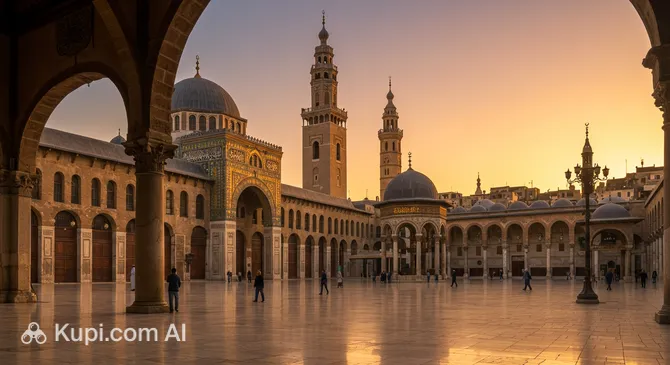
Among the city's most iconic attractions is the breathtaking Umayyad Mosque, a masterpiece of early Islamic architecture known for its stunning mosaics and vast courtyard. Nearby, the bustling Souq Al-Hamidiyah invites explorers to wander under its iron roof, where the scent of spices and the sound of merchants create an unforgettable sensory experience. Visitors can also admire the opulent Azem Palace, which offers a glimpse into the lifestyle of 18th-century Damascus.

Whether you are exploring its ancient walls, tasting local delicacies, or simply soaking in the view from Mount Qasioun at sunset, Damascus promises a journey filled with discovery. It is a city that welcomes guests with open arms and leaves a lasting impression on all who walk its historic paths.
Weather Overview

Understanding the local climate is essential for planning your visit, as the city experiences distinct seasonal changes. The weather in Damascus is generally defined by hot, arid summers and cool, slightly damper winters. During the height of summer, particularly in July and August, rainfall is absent, and daily high temperatures frequently climb to around 33.8°C, creating dry and sunny conditions.

Conversely, the winter months bring a noticeable shift in the atmosphere. January is typically the coldest time of year, with average temperatures dipping to 5.5°C and nighttime lows reaching 1.3°C. While the total precipitation volume is modest, January sees about 11 wet days, so travelers should be prepared for cooler, damper days. Spring and autumn offer a comfortable middle ground, with May and October providing pleasant average temperatures of roughly 19°C, ideal for outdoor exploration.

Interesting Facts

Beyond the main attractions and historical grandeur, Damascus holds many fascinating secrets that reveal the depth of its cultural and urban tapestry. Here are some unique details that offer a glimpse into the lesser-known character of this ancient metropolis.
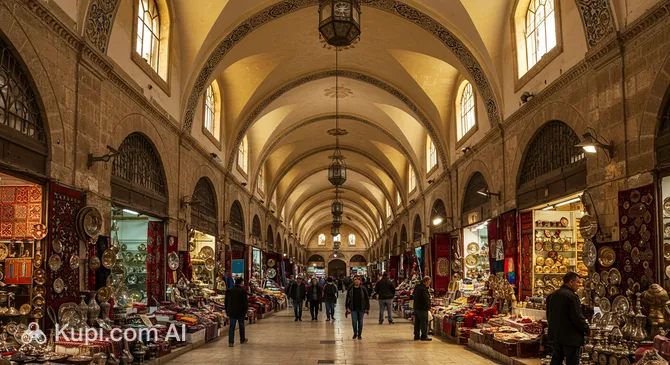
  • The Al-Hamidiyah Souq is a treasure trove of traditional artistry, renowned for showcasing the region's exquisite handicrafts. Visitors can explore shops filled with intricate marquetry—wooden mosaics inlaid with mother-of-pearl—and fine brocade fabrics, witnessing skills that have been preserved by local artisans for generations.

  • Damascus is famous for a unique frozen treat found at Bakdash in the old city. Known as "booza," this stretchy ice cream is made with mastic and sahlab (orchid flour) and is traditionally pounded with large wooden mallets to achieve its distinctive elastic texture.

  • The city gave its name to "Damascus steel," a legendary metal used in sword-making during the Middle Ages. Renowned for its distinctive watery patterns and ability to be honed to a super-sharp edge, the exact method of forging this steel was a guarded secret that was eventually lost to time.

  • The Street Called Straight, or Via Recta, mentioned in the Bible, still exists today as a main thoroughfare in the Old City. Unlike the winding alleyways typical of the area, this Roman-designed street runs perfectly straight from east to west, dividing the Christian and Jewish quarters.

Al-Hamidiyah Souq. Source: Kupi.Binoculars

How to Get There

Reaching the Syrian capital requires some planning regarding your route and entry point. Visitors can find more about how to get to Damascus and the practical details of the journey on our dedicated page. The city is connected to the world primarily through its own international airport, though nearby hubs in neighboring countries also serve as important gateways.

The most convenient option is the local Damascus International Airport (DAM), located approximately 25 km from the city center. It is the main hub for direct arrivals. A taxi or shuttle from the airport to downtown Damascus typically takes about 60 minutes. Alternatively, many travelers choose to fly into Beirut-Rafic Hariri International Airport (BEY) in the city of Beirut, Lebanon, which is about 81 km away. From there, you can take a taxi or bus across the border, a journey that generally takes around 2.5 hours depending on traffic and border formalities. Queen Alia International Airport (AMM) in Amman, Jordan, is another regional hub located roughly 200 km from Damascus, offering additional flight connections.

For clarity, here is a summary of the main airports:

Airport Name City Passenger Traffic Km from City
Damascus International Airport Damascus Medium 24.8
Beirut-Rafic Hariri International Airport Beirut Medium 80.7
Queen Alia International Airport Amman Large 200.4

Main Attractions

Damascus is a city where history is etched into every stone, offering visitors a wealth of landmarks that span centuries. Beyond the bustling markets and ancient palaces, the city is home to fortifications, spiritual sanctuaries, and green spaces that define its unique character. Exploring these sites provides a deeper understanding of the capital's diverse heritage and modern life.

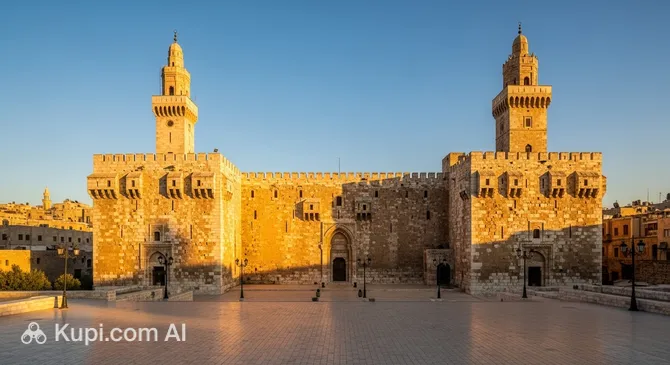
One of the most imposing structures in the city is the Damascus Citadel. Unlike many other medieval castles in the region which were built on hilltops, this massive fortress is situated on flat ground within the city itself. Dating back to the Ayyubid and Mamluk eras, it is a masterpiece of military architecture featuring 12 towers and sturdy stone walls. Tourists can explore its vast interior, which has served as a garrison and a seat of government, offering a tangible connection to the city's defensive past.

Damascus Citadel. Source: Kupi.Binoculars

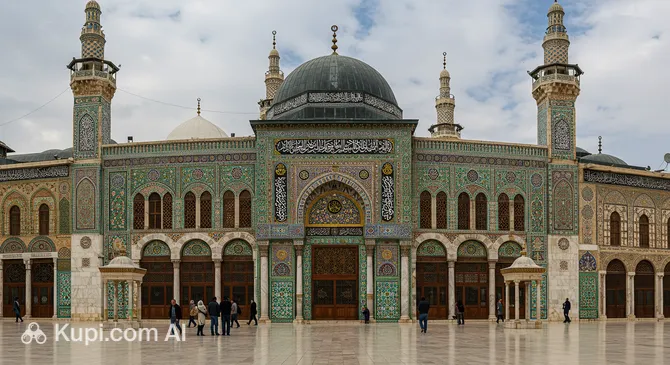
For those interested in spiritual heritage and stunning artistry, the Sayyidah Ruqayya Shrine is a must-visit destination. Located near the Old City, this shrine is dedicated to the daughter of Husayn ibn Ali. The interior is breathtaking, adorned with intricate mirror work, crystal chandeliers, and gold detailing that reflects a distinct architectural style. It provides a serene atmosphere for contemplation and is a significant site that welcomes visitors to admire its ornate beauty.

Sayyidah Ruqayya Shrine. Source: Kupi.Binoculars

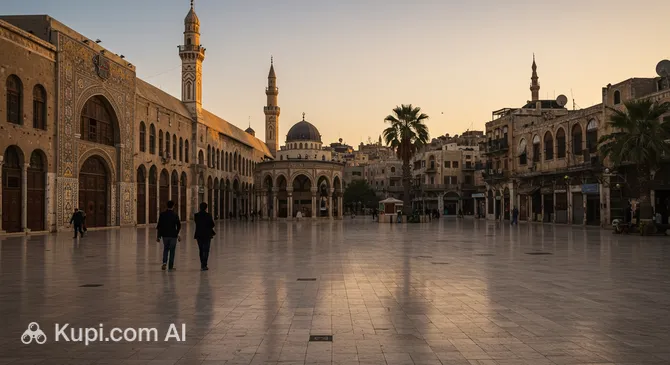
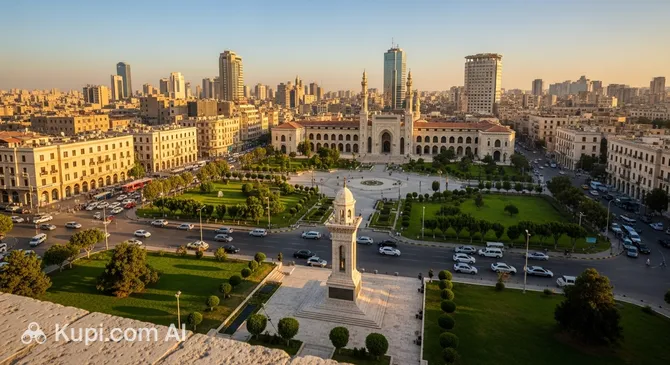
To experience the modern pulse of the capital, a visit to Umayyad Square is essential. As one of the city's most important intersections, it connects several major districts and is home to the iconic Damascus Sword monument. The square is surrounded by important cultural buildings, including the Damascus Opera House. It serves as a symbolic center of the city, often illuminated at night, making it a great spot to observe the flow of local life.

Umayyad Square. Source: Kupi.Binoculars

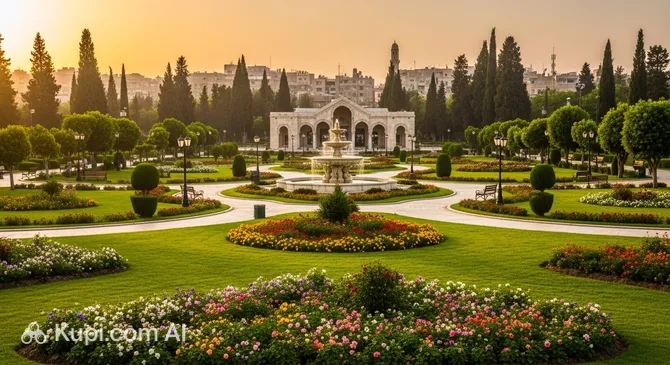
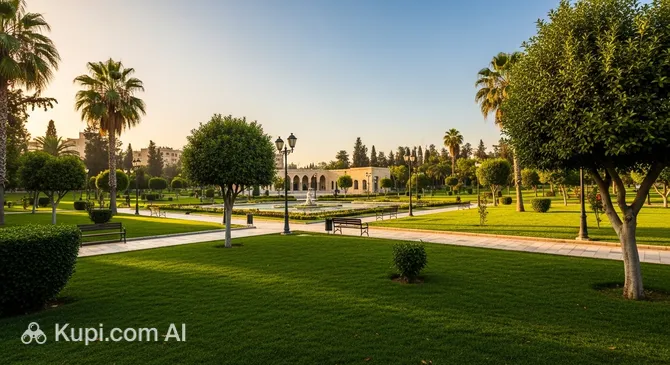
If you are looking for a peaceful escape from the urban energy, Tishreen Park offers a lush, green retreat. It is one of the largest public parks in Damascus, featuring extensive walking paths, fountains, and beautifully landscaped gardens. It is a popular spot for families and locals to relax, picnic, and enjoy the fresh air. The park is particularly lovely during the annual flower festival, where the grounds come alive with vibrant colors and floral displays.

Tishreen Park. Source: Kupi.Binoculars

Local Cuisine

The culinary landscape of Damascus is as deep and layered as its history, offering a feast for the senses that reflects the city's rich cultural heritage. Syrian cuisine here is celebrated for its freshness, vibrant spices, and the "mezze" tradition—a social style of dining where numerous small plates like hummus, baba ghanoush, and muhammara are shared among friends and family before the main course.

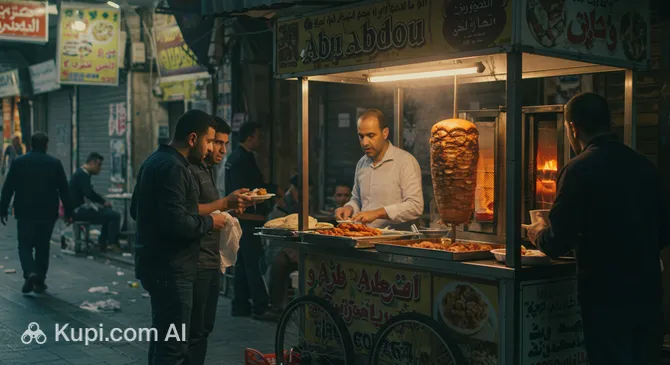
One dish that truly defines the local breakfast culture is Fatteh. This hearty meal consists of layers of toasted flatbread, steamed chickpeas, and warm yogurt, often topped with olive oil, cumin, and toasted pine nuts. For an authentic taste of this staple, many locals and visitors head to Abu Abdou, a renowned establishment famous for serving traditional varieties that have delighted generations. It is the perfect place to start the day like a true Damascene.

Abu Abdou. Source: Kupi.Binoculars

Beyond breakfast, the streets of the Old City are filled with the inviting aromas of grilled meats and spices. Kibbeh, a savory croquette made of bulgur wheat, minced onions, and ground meat, is a signature delicacy found everywhere from street stalls to high-end restaurants. Shawarma is another favorite, often served with garlic paste and pickles wrapped in thin bread, making it an ideal snack for tourists exploring the winding alleys.

To accompany these meals, the local beverage culture offers both refreshing and traditional options. Arak, a translucent, anise-flavored alcoholic spirit, is the classic partner for a mezze spread, turning milky white when mixed with water. For non-alcoholic choices, strong Arabic coffee spiced with cardamom is a symbol of hospitality, while fresh lemon-mint juice, known as "Polo," provides a cooling respite during the warm summer afternoons.

Travel Tips

Visiting Damascus offers a remarkable opportunity to explore one of the world's most enduring cities, but a little preparation goes a long way in ensuring a smooth journey. To help you navigate the local customs and logistics with ease, we have compiled a set of practical guidelines for your trip.

  1. Clothing and Gear: The climate varies significantly, so pack lightweight, breathable fabrics for the hot, dry summers and warm layers, including a jacket, for the chilly winters. Modesty is highly valued here; both men and women should opt for clothing that covers shoulders and knees, especially when walking through the Old City. A scarf is a versatile accessory for women, particularly required when entering religious sites like the Umayyad Mosque.
  2. Transportation: The best way to explore the historic center is on foot, as the narrow alleys are pedestrian-friendly. For longer distances, yellow taxis are the most convenient option for tourists; they are plentiful and relatively affordable, though it is wise to agree on a fare or ensure the meter is running before starting. Public transport consists mainly of white microbuses known as "servees," which follow specific routes and offer a very local, albeit crowded, experience.
  3. Finances: The local currency is the Syrian Pound (SYP). It is crucial to know that the economy operates almost entirely on cash, and international credit or debit cards are generally not accepted. You should bring sufficient cash in major currencies like US Dollars or Euros to exchange at authorized banks or exchange bureaus upon arrival. ATMs are available but typically only accept local cards.
  4. Health and Safety: Pharmacies are widely available throughout the city and are easily engaging, often identified by a green crescent sign; many pharmacists speak some English and can provide advice for minor ailments. It is recommended to drink bottled water rather than tap water to avoid any stomach issues. As in any large metropolis, keep your valuables secure and stay aware of your surroundings, particularly in crowded market areas.
  5. Communication: Arabic is the official language. While staff in major hotels and some younger locals may speak English, it is not universally spoken. Learning a few basic phrases like "Marhaba" (Hello) and "Shukran" (Thank you) will be warmly received. Purchasing a local SIM card from providers like Syriatel or MTN is straightforward with your passport and ensures you stay connected with maps and translation apps.
  6. Local Etiquette: Syrians are known for their immense hospitality. If you are invited into a home, it is customary to remove your shoes at the door. When greeting people, a polite handshake is common, though some may place their right hand over their heart as a sign of respect. Always use your right hand for eating or passing items to others.
  7. What to Avoid: Be very cautious about photography. It is strictly forbidden to take photos of government buildings, military installations, or checkpoints, and doing so can lead to serious misunderstandings. Additionally, avoid public displays of affection, as they are considered inappropriate in the local conservative culture.
  8. Weekly Rhythm: Remember that the weekend in the Syrian Arab Rep. falls on Friday and Saturday. On Fridays, the holy day, many shops and businesses—especially in the souqs—may close for prayer in the early afternoon or remain closed for the entire day, so plan your shopping and sightseeing accordingly.

By keeping these tips in mind, you will be well-equipped to immerse yourself in the rich tapestry of life in Damascus. Respecting local traditions and being prepared for the practicalities will allow you to focus on the beauty and history of this magnificent city.

Entertainment & Nightlife

Entertainment in Damascus offers a vibrant mix of traditional social customs and modern leisure experiences, reflecting the city's diverse character. As the sun sets, the atmosphere transforms, particularly in the historic districts where ancient courtyards turned into cafes and restaurants become the center of social life. The area around Bab Touma is especially renowned for its lively evening vibe, where locals and visitors alike gather to enjoy conversation, traditional music, and the cooling night breeze.

For those seeking contemporary shopping and entertainment, Cham City Center is a premier destination. Located in the Kafrousseh district, this modern mall provides a distinct contrast to the historic souqs. It features a variety of international and local retail brands, a spacious food court, and family-friendly recreational zones. It is a popular spot for travelers looking to shop, dine, or simply relax in a comfortable, air-conditioned environment.

Cham City Center. Source: Kupi.Binoculars

Visitors looking for a peaceful retreat within the city will find Sibki Park to be a perfect escape. Situated in the Sha'alan neighborhood, this green oasis is known for its central water feature and well-kept walkways. It serves as a quiet haven where families, students, and tourists can enjoy a leisurely stroll or sit and observe the local daily life away from the busier tourist hubs.

Sibki Park. Source: Kupi.Binoculars

Cultural enthusiasts can also explore the city's artistic side, with venues like the Damascus Opera House offering a range of performances from classical music to theater. While the ancient tradition of public storytelling has faded, the spirit of community remains strong in the city's bustling coffeehouses, which continue to be vital venues for social interaction and relaxation throughout the day and night.

Parks & Museums

Damascus offers a fascinating blend of urban energy and serene cultural sanctuaries, where visitors can step from bustling streets into quiet gardens or halls filled with millennia of history. The city's green spaces and museums provide a window into both the daily life of its residents and the rich tapestry of civilizations that have shaped the region.

For a deep dive into the country's heritage, the National Museum of Damascus is an essential stop. Located on the banks of the Barada River, this institution houses one of the most comprehensive collections of ancient artifacts in the world. Visitors are greeted by the reconstructed façade of Qasr al-Heir al-Gharbi, an Umayyad desert castle, before exploring exhibits that span from the prehistoric era to the Islamic period. It is particularly renowned for the Synagogue of Dura-Europos and the hypogeum of Yarhai from Palmyra, offering a unique insight into the artistic and religious diversity of the past.

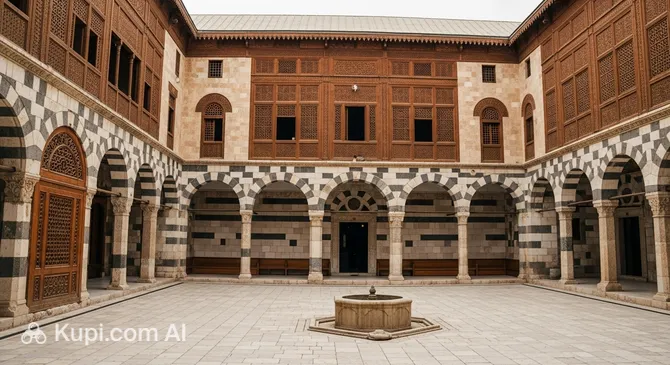
In the heart of the Old City, you will find the magnificent Azem Palace. Built in the 18th century as the residence of the Ottoman governor, it is a prime example of traditional Damascene architecture, characterized by its "ablaq" style of alternating black and white stones. Today, it serves as the Museum of Arts and Popular Traditions. Walking through its peaceful courtyards, adorned with fountains and citrus trees, visitors can view lifelike dioramas that depict historical scenes of daily life, craftsmanship, and social customs.

Azem Palace. Source: Kupi.Binoculars

While the city is densely urbanized, there are cherished pockets of greenery where locals go to unwind. Al-Jahiz Park, located in the upscale Abu Rummaneh district, is one of the most popular public gardens. It features well-maintained pathways, shaded benches, and a central pond, making it a favorite spot for families and students to enjoy a quiet afternoon. The park's central location makes it an excellent place to observe the modern rhythm of the city while taking a break from sightseeing.

Another serene location that blends nature with history is the garden complex of the Tekkiyeh Suleimaniyeh. This Ottoman-era complex is not only an architectural gem but also features lush gardens that offer a tranquil escape from the traffic. The open spaces here are often used for handicraft markets, allowing tourists to enjoy the greenery while browsing for handmade souvenirs like blown glass and copperware.

Exploring the city's landmarks also reveals its modern historical evolution. Abbasid Square stands as a significant intersection and a well-known point of reference in modern Damascus. Named after the Abbasid Caliphate, this large square connects several key districts and is surrounded by important administrative buildings. While primarily a transport hub, its scale and location make it a notable part of the city's contemporary geography.

Abbasid Square. Source: Kupi.Binoculars

For a truly authentic experience, look beyond the main exhibit halls. Many smaller historical houses in the Old City have been converted into art galleries and cultural centers. Visiting these intimate venues often provides a chance to meet local artists and see contemporary Syrian art displayed against the backdrop of ancient stone walls, offering a beautiful contrast between the old and the new.

Getting Around

Navigating Damascus relies almost entirely on a road-based network, as the city does not currently operate a metro, tram, or trolleybus system. The public transport framework is a mix of state-run buses and a vast, privately operated fleet of microbuses. For tourists, understanding the local dynamics of these vehicles is key to getting around efficiently and affordably.

The backbone of the city's transportation is the "servees" (service taxi). These are white microbuses or vans that run on fixed routes throughout the capital and its suburbs. They are ubiquitous, fast, and by far the most popular way for locals to travel. Each servees has its destination written on the front and back, usually in Arabic, and they stop anywhere along their route to pick up or drop off passengers. They offer a very authentic experience of local life, though they can be crowded during peak hours.

In addition to the microbuses, there are larger, state-operated public buses. These cover major arterial roads and connect distinct districts with the city center. While they are generally more spacious than the servees, they may run less frequently. They are a good option for longer distances across the city where a direct route is available.

The payment system in Damascus is traditional and operates almost exclusively on cash. There are no electronic travel cards, tap-to-pay apps, or integrated passes for tourists. Fares for both the servees and large buses are set by the government and are extremely low by international standards. When riding a servees, the custom is to pass your fare forward to the driver through other passengers. If you are sitting at the back, simply tap the person in front of you and hand them the money; any change will be passed back to you in the same manner.

For those seeking a more direct and private alternative, yellow taxis are plentiful and can be hailed from virtually anywhere on the street. While taxis are equipped with meters, it is common practice to negotiate the fare before starting the journey or to ask the driver to turn on the meter, although the latter may not always reflect current market rates due to economic fluctuations. Ride-sharing apps are not widely used in the same way as global platforms, so relying on traditional hailing or asking your hotel to call a reputable taxi office is the best approach.

Operating hours for public transport are generally from early morning, around 6:00 AM, until late evening. However, the frequency of servees and buses drops significantly after 10:00 PM. If you plan to be out late, securing a taxi is the most reliable option. Tourists should also be aware that route signs are predominantly in Arabic. Learning the shape of the letters for your destination, or having it written down on a piece of paper to show the driver, is a practical and highly recommended strategy.

While there is no functioning rail transport for city commuting, the historic Hejaz Railway Station stands as a testament to the city's past transport ambitions. Although trains no longer depart from here for travel, the station remains a beautiful landmark in the city center. Visitors often stop by to admire its Ottoman-era architecture and the vintage locomotive displayed outside, offering a glimpse into a bygone era of travel.

Accommodation

Accommodation in Damascus offers a striking contrast between historical immersion and modern convenience, catering to a wide range of preferences and budgets. Whether you prefer the charm of centuries-old architecture or the reliability of contemporary facilities, the city provides distinctive options that enhance the overall travel experience. Choosing the right location is key to defining the nature of your visit.

For many travelers, the highlight of staying in the capital is the opportunity to book a room in a traditional Damascene house, known locally as a "Beit." mostly found within the walls of the Old City. These properties have been meticulously restored and converted into boutique hotels, preserving their original character while offering modern comforts. Guests typically enter through a modest door into a breathtaking central courtyard adorned with fountains, citrus trees, and jasmine, creating a serene oasis away from the bustling streets. Staying here puts you within walking distance of major landmarks like the Al-Hamidiyah Souq and the Citadel.

If you prefer international standards and spaciousness, the modern districts of the city, such as Abu Rummaneh, Malki, and the areas surrounding Umayyad Square, are excellent alternatives. Hotels in these neighborhoods are often housed in high-rise buildings, offering panoramic views of Mount Qasioun and the urban skyline. These establishments generally provide a wider range of amenities, including swimming pools, fully equipped gyms, and business centers, making them suitable for business travelers or families requiring easy car access.

When planning your stay, it is advisable to book well in advance, especially during the peak spring and autumn seasons. While many boutique hotels offer complimentary Wi-Fi and breakfast featuring local delicacies, it is worth checking specific amenities before confirming. Additionally, as credit card acceptance can be limited, travelers are reminded to settle hotel bills in cash or verify payment methods directly with the property prior to arrival.

Nearby Cities

For those looking to explore the surroundings, Damascus serves as an excellent base for day trips to several interesting nearby locations:

Just a short distance south of the capital lies Qabr as Sitt, a town renowned for housing the magnificent Shrine of Sayyidah Zaynab. This significant pilgrimage site is a masterpiece of Islamic architecture, featuring a gleaming golden dome and intricate blue tile work that captivates visitors. The spiritual atmosphere and the bustling markets surrounding the shrine offer a unique cultural experience close to the city.

Another captivating destination, though slightly further afield, is the historic village of Maaloula. Nestled into the rugged cliffs of the Qalamoun Mountains, it is famous for being one of the last places on earth where Western Aramaic is still spoken. Visitors can explore ancient monasteries such as Mar Taqla and hike through the dramatic narrow gorge that splits the mountainside, offering a perfect blend of history and nature.

For a refreshing escape during the warmer months, the mountain resort town of Bloudan is a favorite retreat. Located at a higher altitude, it offers cool breezes, panoramic views of the Zabadani Valley, and numerous restaurants where travelers can enjoy local cuisine while overlooking the scenic landscape.

City Population Distance (km)
Qabr as Sitt 136427 10
Douma 123494 14
Jaramana 114363 8
Al-Hajar al-Aswad 101827 6
Darayya 84044 7

These nearby destinations offer a glimpse into the diverse culture and landscapes of the region.

Shopping & Souvenirs

Shopping:

Shopping in Damascus is a vibrant journey that bridges the gap between centuries-old traditions and modern retail experiences. The city is renowned for its bustling souqs, where the air is thick with the scent of spices and the sound of merchants advertising their wares. Visitors can find everything from exquisite local handicrafts to contemporary fashion, making it a delightful destination for those looking to take a piece of Syrian culture home with them.

The beating heart of the city's commercial life is undoubtedly the Al-Hamidiyah Souq. This legendary covered market is not just a place to buy goods but a historical landmark in its own right. Stretching from the main boulevard to the Jupiter Temple near the Umayyad Mosque, its cobblestone streets are lined with hundreds of shops. Here, you can find traditional clothing, intricate mosaics, and gold jewelry, all sheltered under a towering iron roof that is pierced with bullet holes—a reminder of the city's layered history.

For those seeking a more contemporary shopping environment, the city offers modern alternatives that contrast sharply with the ancient markets. Cham City Center stands out as a prominent destination for modern retail therapy. This mall features a wide array of international and local brands, electronics stores, and entertainment options, providing a comfortable, air-conditioned experience that appeals to families and fashion enthusiasts alike.

Beyond the major hubs, the streets of the Salhiyeh district offer a lively open-air shopping experience popular with locals. This area is famous for its shoe shops, fashion boutiques, and street food stalls. It is a fantastic place to observe the evening "promenade" culture, where residents dress up and stroll while browsing the latest trends in clothing and accessories.

When it comes to souvenirs, Damascus offers treasures that are unique to the region. Look for "Damascene" work (Aghabani), which includes tablecloths and garments embroidered with silk in intricate patterns. Marquetry—wooden boxes, chessboards, and furniture inlaid with mother-of-pearl—is another signature craft. Additionally, the city is famous for its sweets, particularly candied fruits and tins of mixed baklava, as well as the world-renowned Aleppo soap, which is widely available in the spice markets.

Practicalities are important to note before you head out. Most shops in the souqs open around 9:00 AM and stay open late into the evening, often until 9:00 PM or later in summer. However, Friday is the official holiday, and many businesses in the traditional markets will be closed or have limited hours. Cash is the primary method of payment, especially in the Old City and smaller boutiques. While some modern malls may accept cards, it is highly recommended to carry Syrian Pounds for most transactions. Bargaining is expected and welcomed in the souqs, so do not hesitate to negotiate for a better price with a smile.

Reached the end of the page?

That means the route is fully explored