Support

Tel Aviv

About

Tel Aviv is a vibrant, cosmopolitan destination that perfectly blends Mediterranean chill with urban energy. Often referred to as "The City That Never Stops," it serves as the cultural and economic heart of Israel. With its golden beaches, thriving culinary scene, and non-stop nightlife, this city offers a dynamic atmosphere that captivates travelers from around the globe.
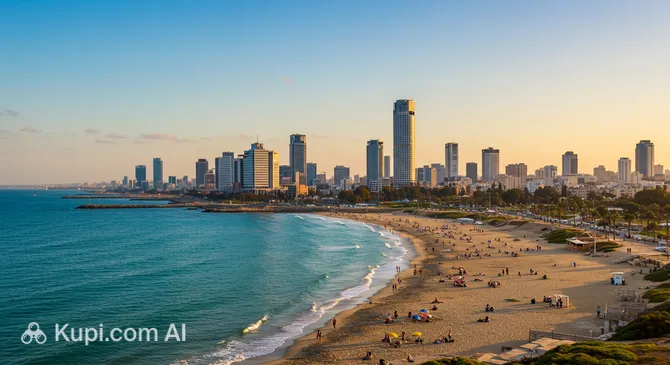
Tel Aviv. Source: Kupi.Binoculars

Situated along the sun-drenched Mediterranean coastline, the city enjoys a warm climate year-round, making it an ideal spot for seaside lovers. As a major metropolis with a significant population, it acts as a bustling hub of innovation and creativity within the region. While it is a thoroughly modern city, its roots are deeply intertwined with the ancient port of Jaffa. You can delve deeper into the fascinating history of Tel Aviv to understand how it evolved from sand dunes into a global center of commerce and culture.

One of the city's most distinctive features is the White City, a collection of over 4,000 Bauhaus-style buildings that has earned it recognition as a UNESCO World Heritage Site. Visitors are also drawn to the lively Carmel Market, where the scents of exotic spices fill the air, and the scenic Tayelet promenade that stretches along the sea. Whether you are looking to relax on the sandy shores, explore world-class art museums, or enjoy the famous café culture, the city provides endless opportunities for discovery.

From its artistic neighborhoods like Neve Tzedek to its energetic boulevards, Tel Aviv invites you to experience a unique fusion of tradition and modernity. It is a must-visit destination for anyone seeking an unforgettable Mediterranean adventure.
Weather Overview

Tel Aviv enjoys a sunny Mediterranean climate, offering a distinct mix of seasons that appeals to travelers year-round. Generally, visitors can expect hot, dry summers and mild winters accompanied by frequent showers. To help plan your activities and packing list, it is worth checking the current weather in Tel Aviv before your trip.

The summer months, particularly from June through September, are characterized by heat and clear skies, with August seeing average temperatures of 28.0°C and highs reaching up to 32.0°C. Rainfall is virtually non-existent during this period, with zero wet days recorded from July to September. In contrast, the winter season brings cooler air and rain; January is typically the wettest month with 14 wet days and minimum temperatures dipping to around 11.3°C. Transitional months like April and May offer comfortable warmth, with average temperatures rising from 19.6°C to 23.1°C, making them excellent times for exploring the city.

Interesting Facts

Beyond the main attractions and the bustling promenade, Tel Aviv holds many fascinating secrets and unique cultural quirks. Here are a few surprising facts that reveal the true character of this dynamic Mediterranean city.
  • Tel Aviv is widely considered the "Vegan Capital of the World." With a remarkable number of residents following a plant-based diet, the city offers an abundance of vegan culinary options, ranging from innovative high-end dining to traditional street food stands.

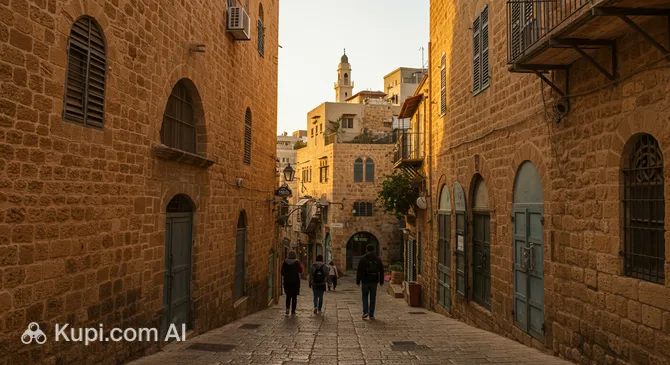
  • While the modern metropolis was founded only in 1909, it encompasses Old Jaffa, which is one of the world's oldest functioning ports. This ancient area has been inhabited for over 4,000 years, providing a stark historical contrast to the contemporary skyscrapers nearby.

  • Surprisingly, the city is a major hotspot for Japanese cuisine. It is often cited as having one of the highest concentrations of sushi restaurants per capita outside of Japan, reflecting the locals' sophisticated and adventurous palates.

  • This is a city that truly loves its pets, boasting one of the highest ratios of dogs to humans globally. You will find that most cafes and restaurants are dog-friendly, and there are numerous parks dedicated specifically to four-legged residents.

  • If you visit Tel Aviv Beach, you will likely hear the rhythmic sound of Matkot. This popular paddleball game is the unofficial national beach sport, played without points or winners, where the sole objective is to maintain a rally for as long as possible.

Old Jaffa. Source: Kupi.Binoculars

How to Get There

Reaching this bustling Mediterranean metropolis is straightforward, as it serves as the primary entry point for most visitors to the country. Whether you are arriving by air or planning to connect via land transport, the city is well-integrated into the national transportation network. For a comprehensive overview of all travel options, you can check the detailed guide on how to get to Tel Aviv.

The most convenient and popular way to arrive is through Ben Gurion International Airport (TLV), which is the main international gateway for the region. Located approximately 13 km from the city center, it handles the vast majority of incoming flights. A journey from the airport to the heart of the city typically takes around 40 minutes by taxi or shuttle, depending on traffic. You can access more details about Ben Gurion International Airport to plan your arrival smoothly.

Another option, though primarily for domestic or specific regional connections, is Haifa Airport (HFA). It is situated in the city of Haifa, about 84 km away from Tel Aviv. While it is a smaller hub with significantly less traffic, it can be a viable alternative for some travelers. The drive from Haifa Airport to Tel Aviv takes approximately 2.5 hours by car, though train connections between the two cities are also available and efficient.

For clarity, here is a summary of the main airports in the region:

Airport Name City Passenger Traffic Km from City
Ben Gurion International Airport Tel Aviv Large 12.7
Queen Alia International Airport Amman Medium 121.4
Haifa Airport Haifa Small 84.0

Regarding rail travel, Tel Aviv is the central hub of the national railway network. The city has several major train stations, including Savidor Center, HaShalom, and HaHagana, which provide fast and frequent connections to Ben Gurion Airport as well as other major cities like Haifa, Jerusalem, and Beer Sheva. The train is often the fastest way to travel between the airport and the city center, avoiding road traffic entirely.

Main Attractions

Tel Aviv offers a diverse array of sights, ranging from historical landmarks to modern entertainment hubs. The city's compact nature allows visitors to easily explore different districts, each with its own unique character and appeal. Whether you are interested in history, culture, or simply soaking up the local atmosphere, there is something here for everyone.

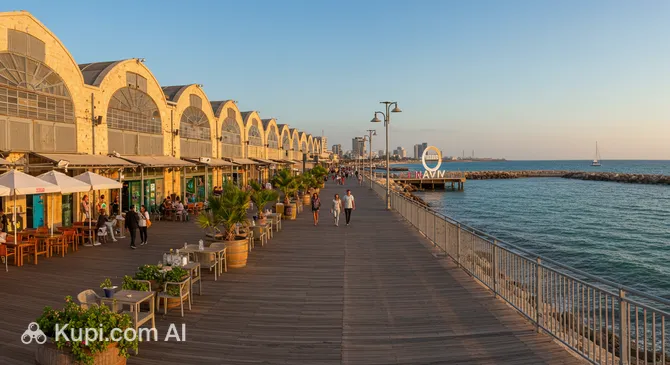
One of the city's most popular leisure hubs is the Tel Aviv Port (Namal Tel Aviv). Once a functioning port, it has been transformed into a lively entertainment district featuring a unique wooden deck promenade that mimics the waves of the sea. It is packed with trendy shops, cafes, and restaurants, making it a favorite spot for both locals and tourists to watch the sunset or enjoy the weekend atmosphere.

Tel Aviv Port. Source: Kupi.Binoculars

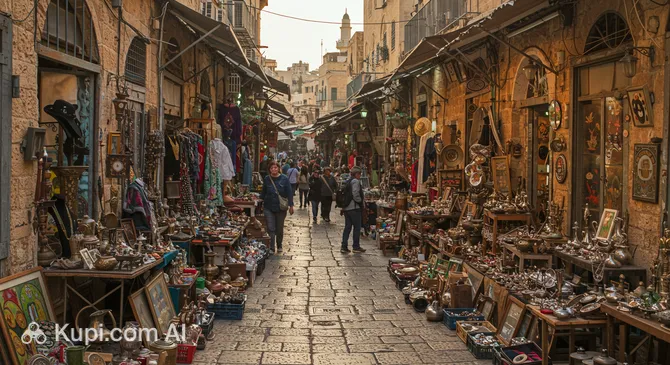
Just a short distance from the ancient port lies the vibrant Jaffa Flea Market (Shuk HaPishpeshim). This bustling area offers a treasure trove of antiques, vintage clothing, and handmade crafts during the day. As the sun sets, the market transforms into a hip nightlife scene with lively bars and street food stalls, offering a perfect blend of old-world charm and modern energy.

Jaffa Flea Market. Source: Kupi.Binoculars

For those seeking a green escape from the urban bustle, Yarkon Park is the city's answer to Central Park. Spanning the banks of the Yarkon River, this vast oasis features botanical gardens, sports facilities, and extensive lawns perfect for picnics. Visitors can rent boats, ride bikes along the trails, or simply relax in the shade of eucalyptus trees.

Culture enthusiasts should not miss ANU – Museum of the Jewish People, located on the Tel Aviv University campus. This world-class institution tells the ongoing story of the Jewish people through interactive exhibits, multimedia displays, and art. It provides a deep and engaging look into history, culture, and identity, making it a fascinating stop for visitors of all backgrounds.

Local Cuisine

Tel Aviv's culinary landscape is a delicious reflection of its multicultural heritage, blending traditional Middle Eastern staples with modern Mediterranean creativity. The food scene here is unpretentious yet incredibly high-quality, relying heavily on fresh, seasonal produce. Whether you are dining in a chef-led restaurant or grabbing a quick bite at a street corner, the flavors are bold, fresh, and memorable.

One cannot talk about local food without mentioning Sabich, a dish that has become synonymous with the city. Originally a Shabbat breakfast for Iraqi Jews, it is now a street food favorite consisting of a pita stuffed with fried eggplant, hard-boiled eggs, chopped salad, tahini, and amba (a tangy pickled mango sauce). Another absolute must-try is Shakshuka, a skillet of eggs poached in a rich, spicy tomato and pepper sauce, typically served right in the pan with a chunk of fresh bread for dipping.

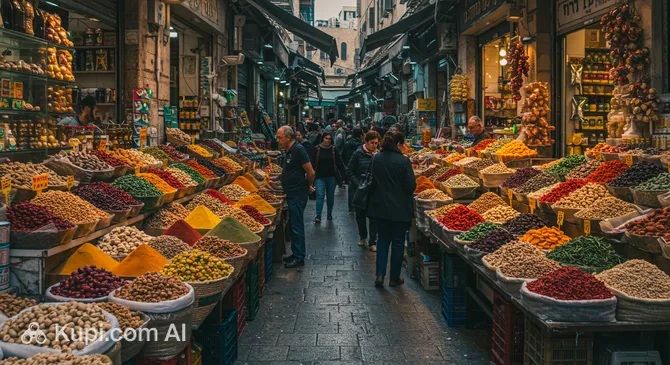
For a true taste of the local vibe, a visit to Levinsky Market is essential. Unlike some of the more tourist-heavy spots, this market in the Florentin neighborhood offers a deeply authentic sensory experience. Here, you can wander through stalls piled high with aromatic spices, dried fruits, and nuts, or stop at small delis serving legendary burekas and marzipan. It is the perfect place to graze and discover the raw ingredients that define Israeli cooking.

Levinsky Market. Source: Kupi.Binoculars

When it comes to beverages, the locals take their refreshments seriously. On a hot Mediterranean day, nothing beats a Limonana, a frosty, slushy blend of lemonade and fresh mint that is sold at kiosks everywhere. For something stronger, Arak is the local spirit of choice. This anise-flavored alcoholic drink is often served with ice and water or mixed with grapefruit juice, making it a popular companion for a long, leisurely dinner.

The dining culture in Tel Aviv is distinctly casual and social. Meals are often a shared affair, with tables crowded with small plates (mezze) of creamy hummus, roasted cauliflower, and finely chopped salads. Whether you are enjoying fresh seafood near the coast or exploring the city's world-famous vegan scene, eating here is as much about the lively, communal atmosphere as it is about the food itself.

Travel Tips

Tel Aviv is an energetic and welcoming city, but like any bustling metropolis, knowing a few local tricks can make your trip much smoother. Here are some practical tips to help you navigate the "Non-Stop City" with ease and confidence.

  1. Clothing and Gear: The climate is generally warm and humid, so pack light, breathable fabrics, sunglasses, and plenty of sunscreen. The city's vibe is extremely casual; shorts, t-shirts, and sandals are acceptable almost everywhere. However, if you plan to visit religious sites in Old Jaffa or take a day trip to Jerusalem, be sure to pack modest clothing that covers your shoulders and knees.
  2. Transportation: The city offers a network of buses and a new light rail system (the Dankal). Crucially, you cannot pay with cash on board; you must use a Rav-Kav card or a payment app like Moovit. Be aware that most public transportation stops completely during Shabbat (from Friday afternoon to Saturday evening), so you will need to rely on taxis (apps like Gett are popular) or shared service vans known as sheruts during this time.
  3. Finances: The local currency is the New Israeli Shekel (ILS). Credit cards are widely accepted, even for small purchases at kiosks and cafes, so you won't need to carry large amounts of cash. Tipping is expected in restaurants and bars; the standard practice is to add 10–15% to the bill if service is not already included.
  4. Health and Safety: Tel Aviv is generally very safe for walking day and night. Pharmacies, such as Super-Pharm, are easy to find, and many operate 24/7. The tap water is safe to drink, so carrying a reusable water bottle is a good idea. One specific safety tip: stay alert on sidewalks, as electric scooters are extremely popular and can move quite fast.
  5. Communication: While Hebrew is the official language, English is spoken fluently by the vast majority of locals, making communication very easy. Learning a few basic words like "Shalom" (Hello/Peace) and "Toda" (Thank you) is always appreciated. Free Wi-Fi is widely available in cafes, hotels, and even along the beach promenade.
  6. Local Etiquette: Israelis are known for being direct and informal, which is a cultural norm and not a sign of rudeness. Feel free to ask locals for help; they are usually very happy to assist. Greetings are casual, and the dress code is relaxed—even for a night out at a nice bar or restaurant, "smart casual" is perfectly fine.
  7. What to Avoid: Never leave your bags or personal belongings unattended in public places, as this is treated as a security issue and will attract immediate police attention. Additionally, avoid relying on public transport late on Friday afternoon, as routes shut down early for the Sabbath.
  8. The Weekend Rhythm: Remember that the Israeli work week is Sunday through Thursday. Friday mornings are the busiest time at markets and cafes as locals prepare for the weekend, while Saturday is a day of rest. Plan your shopping for earlier in the week or Friday morning, as most stores will be closed from Friday afternoon until Saturday night or Sunday morning.

With these tips in hand, you are ready to dive into the vibrant lifestyle of Tel Aviv without any surprises. Embrace the laid-back Mediterranean rhythm, enjoy the incredible food, and soak up the sun in this unique and welcoming city.

Entertainment & Nightlife

Entertainment and Nightlife:

Tel Aviv is globally renowned for its electrifying nightlife, often earning the title of the "City That Never Sleeps." The energy here is palpable as soon as the sun goes down, with a scene that caters to every taste, from sophisticated cocktail lounges to underground techno clubs. The party culture is deeply ingrained in the local lifestyle, where the lines between a relaxed evening dinner and a night of dancing often blur into the early hours of the morning.

The heart of the action can be found along Rothschild Boulevard and its surrounding streets. This area is packed with trendy bars and kiosks where locals gather for drinks before heading to larger venues. For a more alternative and gritty vibe, the Florentin neighborhood is the place to be. Known for its street art and hipster atmosphere, Florentin offers a mix of dive bars and live music venues that feel unpretentious and welcoming. Another key area is the Great Synagogue complex on Allenby Street, which is surrounded by some of the city's hipest gastro-pubs and outdoor bars.

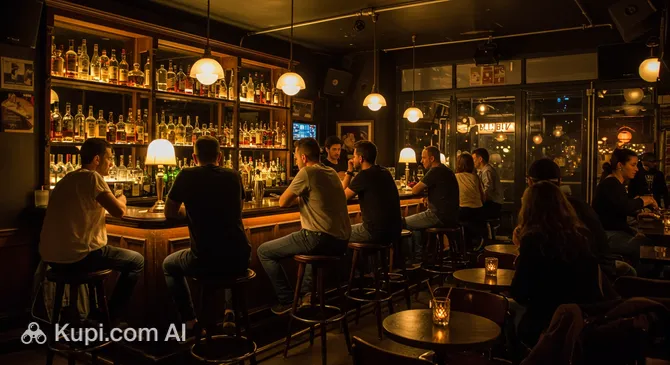
For those seeking a unique drinking experience, Bellboy is a must-visit destination. This surreal, speakeasy-style bar inside the Hotel B Berdichevsky is famous for its theatrical presentation of cocktails, serving drinks in everything from bathtubs to seashells. If you prefer a lively European pub atmosphere that transitions into a high-energy night spot, Little Prague offers a different flavor of nightlife near the beach, popular for its wide selection of beers and hearty food.

Bellboy. Source: Kupi.Binoculars

The atmosphere in Tel Aviv's nightlife is distinctly casual. There is rarely a strict dress code; jeans and t-shirts are the norm even at popular clubs. However, timing is everything. The night starts late here—bars typically fill up around 10:00 PM or later, and clubs often don't get going until well after midnight. Prices for alcohol can be high, so many locals enjoy "happy hour" deals earlier in the evening.

Getting around at night is relatively easy. While regular buses stop running late at night (and completely on Shabbat), service taxis known as "sheruts" often follow main bus routes and operate 24/7. Taxis are abundant and safe; it is recommended to use an app like Gett to book one rather than hailing from the street. The city is generally very safe for night walks, even for solo travelers, though it is always wise to stick to well-lit, populated areas like the boulevards and the promenade.

While the nights are legendary, the city also offers plenty of daytime entertainment. Culture lovers can visit the iconic Habima Theatre, the national theatre of Israel, which hosts world-class productions in a beautifully renovated complex. For families or those seeking lighthearted fun, the city features various amusement options and green spaces that provide a perfect counterpoint to the energetic nightlife.

Parks & Museums

Beyond its golden beaches and bustling boulevards, the city offers a wealth of green sanctuaries and cultural institutions that provide a deeper understanding of its heritage. Visitors can easily escape the urban rush in expansive parks or immerse themselves in art and history at world-class museums located throughout the metropolis.

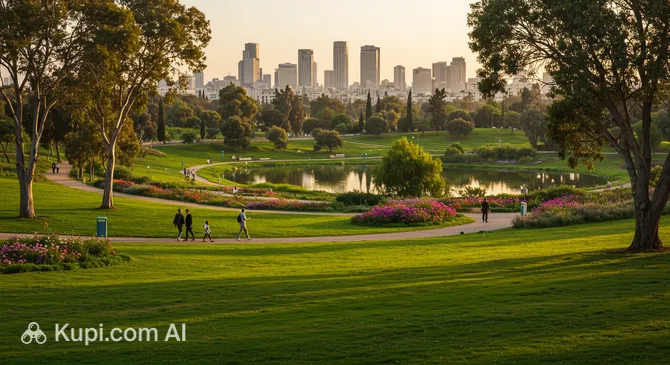
For a refreshing break from the city noise, Ramat Gan National Park is a fantastic destination, especially for families. This sprawling green space features a large man-made lake surrounded by lawns and walking paths, making it a perfect spot for picnics and leisure. Another remarkable ecological site is Ariel Sharon Park, which stands as a symbol of environmental rehabilitation. Once a waste dump, it has been transformed into a lush metropolitan park offering panoramic views of the skyline and extensive cycling trails. In the heart of the city, Meir Garden provides a smaller, quieter refuge with shaded benches and a lily pond, ideal for a momentary pause between sightseeing.

Ramat Gan National Park. Source: Kupi.Binoculars

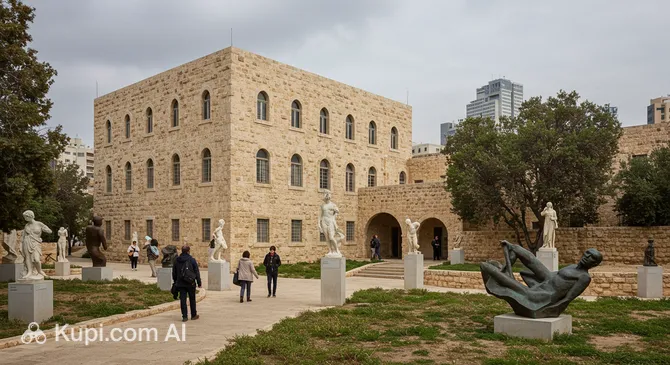
The city's cultural scene is equally impressive, with museums that cater to a wide range of interests. The Eretz Israel Museum is a multidisciplinary institution spread over a large campus, focusing on the history and archaeology of the land through diverse pavilions. For art lovers, the Ilana Goor Museum in Old Jaffa offers a unique experience. Housed in a restored 18th-century building, it displays an eclectic collection of the artist's work alongside antiques and tribal art, all with a stunning view of the Mediterranean. Nature enthusiasts should not miss the Steinhardt Museum of Natural History, which showcases the region's biodiversity through engaging, modern exhibits.

Ilana Goor Museum. Source: Kupi.Binoculars

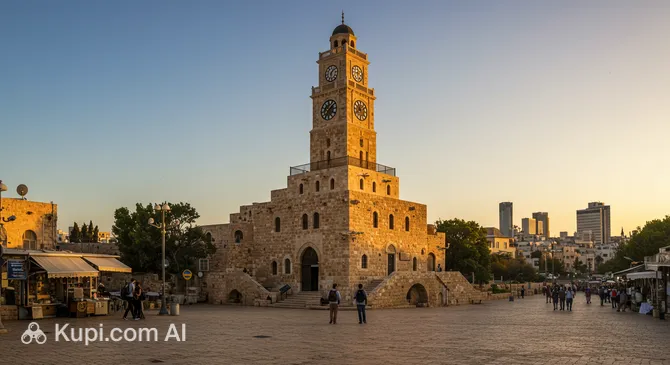
History and architecture buffs will find plenty to admire in the city's landmarks. The iconic Jaffa Clock Tower stands as a sentinel at the entrance to the ancient port city, serving as a popular meeting point and photo opportunity. Nearby, The Railway Station Complex (HaTachanah) – Seven Stations offers a glimpse into the past. This restored compound, once the terminus of the Jaffa-Jerusalem line, is now a vibrant pedestrian area filled with boutiques and cafes set among historic Templar-style buildings. In the center of the modern city, Bialik Square captures the essence of the "White City" with its collection of beautifully preserved Bauhaus architecture and the historic Beit Ha'ir (Town Hall).

Jaffa Clock Tower. Source: Kupi.Binoculars

For a touch of performing arts culture, the Suzanne Dellal Centre for Dance and Theatre in the picturesque Neve Tzedek neighborhood is a must-see. Even if you don't catch a show, the center's serene courtyard and beautiful architecture make it a delightful place to wander. Exploring these diverse sites allows travelers to connect with the multifaceted soul of the city, far beyond the typical tourist trails.

Getting Around

Navigating Tel Aviv is relatively easy thanks to a modern and constantly evolving public transport network. The system relies heavily on an extensive web of buses operated by companies like Dan and Metropoline, which cover virtually every corner of the city and its suburbs. In recent years, the city has significantly upgraded its infrastructure with the introduction of the Dankal Light Rail. The Red Line, the first operational line, connects the city center with neighboring areas, offering a fast and efficient way to beat the notorious road traffic.

A unique and highly practical feature of local transport is the Sherut (service taxi). These yellow and white minibuses follow the same routes as major bus lines but offer more flexibility, as they can stop anywhere along the route to let passengers on or off. Unlike the standard buses, Sheruts generally operate 24/7, making them a crucial option for travel late at night or during the weekend.

For payment, the system has moved away from cash entirely on buses and the light rail. You must pay using a rechargeable smart card called Rav-Kav, which can be purchased and topped up at train stations, Super-Pharm branches, and various kiosks. Alternatively, you can pay directly via smartphone apps like Moovit, HopOn, or Pango. These apps calculate the fare based on your travel distance and charge your credit card at the end of the month. Remember to validate your card or scan the QR code immediately upon boarding to avoid fines.

Tourists should be keenly aware of the weekly schedule. Most public transportation, including trains and regular buses, shuts down completely for Shabbat, starting from Friday afternoon (before sunset) until Saturday evening (after sunset). However, the municipality operates a free weekend bus service known as Naim Busofash, which runs on key routes to the beach and entertainment areas during this time. Sheruts and taxis also continue to operate throughout the weekend.

If you prefer more independence, the city is a haven for micromobility. Electric scooters and bicycles are everywhere, with numerous rental apps like Lime, Wind, and Bird available for instant use. The city also has a municipal bike-sharing scheme called Metro-Fun (formerly Tel-O-Fun). For longer distances or comfort, taxis are abundant and can be easily hailed using the Gett app. Given the city's flat terrain and compact size, walking is often the most pleasant way to explore the boulevards and coastline.

Accommodation

Where to Stay:

Accommodation in Tel Aviv is as diverse as the city itself, offering a wide spectrum of options ranging from high-end luxury resorts to charming boutique hotels and budget-friendly hostels. For travelers seeking a more local experience, short-term apartment rentals are extremely popular and widely available throughout the city. Whether you prioritize waking up to a sea view or being steps away from the best nightlife, there is a perfect spot for every type of traveler.

The choice of location largely depends on the nature of your visit. The Beachfront Promenade (Tayelet) is lined with large, international chain hotels, making it the ideal choice for sun-seekers who want direct access to the sand and sea. In contrast, the City Center, particularly around Rothschild Boulevard and Neve Tzedek, is home to smaller, stylish boutique hotels housed in restored historic buildings. This area is perfect for those who want to be immersed in the city's café culture, Bauhaus architecture, and vibrant nightlife. For a romantic and historic atmosphere, the ancient stone buildings of Jaffa offer unique and often luxurious guesthouses.

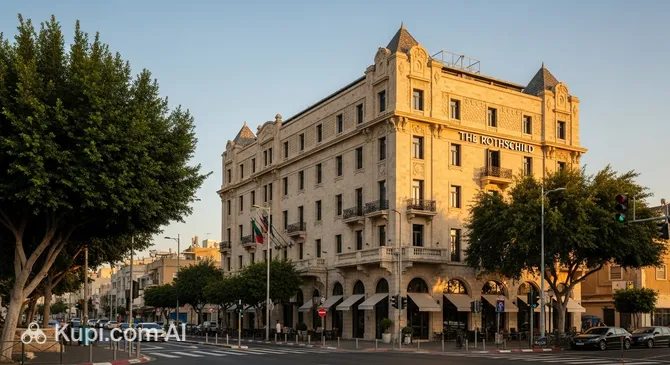
A prime example of the city's elegant urban accommodation is Rothschild Tel Aviv. Located on one of the most iconic boulevards in the city, this hotel captures the essence of Tel Aviv's blend of modern luxury and historic charm, placing guests right in the heart of the culinary and cultural action.

Rothschild Tel Aviv. Source: Kupi.Binoculars

Travelers should be aware that Tel Aviv is generally considered an expensive destination, with accommodation prices comparable to major European capitals or US cities. During the peak summer season (June to September) and major Jewish holidays, prices can soar, and availability becomes scarce. Therefore, a crucial booking tip is to reserve your room well in advance—ideally several months ahead—to secure the best rates and locations. Most bookings can be easily made via major online platforms or directly through hotel websites.

Nearby Cities

For those looking to explore the surroundings, Tel Aviv serves as an excellent base for day trips to several interesting nearby locations:

Just a short drive away lies Ramat Gan, a city famous for housing the Safari Ramat Gan, a massive zoological center where visitors can observe African wildlife roaming freely. Another cultural gem is Holon, often referred to as the "Children's City," which boasts the internationally acclaimed Design Museum Holon and numerous interactive gardens perfect for families. For those seeking entertainment and leisure, Rishon LeZion offers a vibrant mix of amusement parks like Superland, extensive shopping malls, and a beautiful stretch of coastline separate from the bustle of the main city.

City Population Distance (km)
Rishon LeZion 249860 14
Petah Tikva 236169 10
Holon 194300 8
Bnei Brak 193774 5
Ramat Gan 159200 4

These nearby destinations offer a glimpse into the diverse culture and landscapes of the region, providing easy and rewarding excursions just minutes from the city center.

Shopping & Souvenirs

Shopping in Tel Aviv is a delightful mix of chaotic street markets, chic designer boutiques, and modern commercial centers. The city caters to every style and budget, offering a retail experience that ranges from hunting for vintage treasures in ancient alleyways to browsing the latest international fashion collections in air-conditioned comfort.

For those who enjoy urban exploration, the city's streets are lined with unique stores. Dizengoff Street is a legendary fashion hub, famous for its array of bridal salons and local designer shopfronts. Meanwhile, Sheinkin Street offers a trendy, youthful vibe with cool footwear shops and independent boutiques. In the picturesque neighborhood of Neve Tzedek, Shabazi Street provides a more upscale experience, featuring art galleries, handmade jewelry, and exquisite ceramics that make for perfect gifts.

The local markets, or "shuks," are the beating heart of the shopping scene. While the bustling Carmel Market is the go-to spot for clothing and general goods, the Jaffa Flea Market stands out as a paradise for antique lovers and vintage collectors. Here, you can rummage through second-hand furniture, retro clothing, and unique collectibles. For edible souvenirs, the Levinsky Market is essential, offering high-quality spices, herbal blends, and dried fruits that capture the flavors of the region.

Travelers seeking a comprehensive modern shopping experience will find several large malls within the metropolitan area. Ayalon Mall, located just across the border in Ramat Gan, was one of the first malls in the country and remains a favorite for its wide selection of international brands and cinema complex. Further afield, the Grand Mall Petah Tikva offers a massive retail space with hundreds of stores, making it a major destination for serious shoppers willing to make the short trip from the city center.

Reached the end of the page?

That means the route is fully explored