Support

Aqaba

About

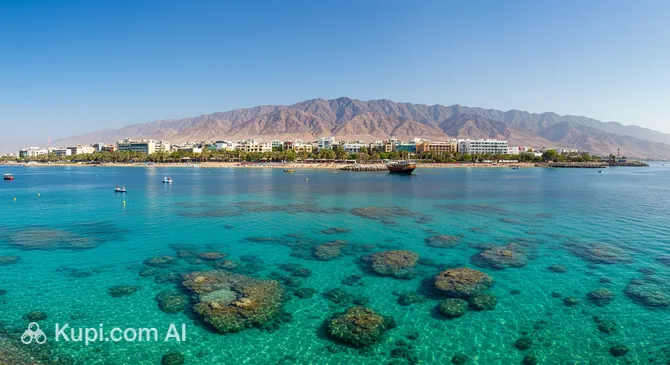
Nestled at the southern tip of the country, Aqaba serves as the only coastal city in Jordan. This vibrant port city offers a delightful contrast to the desert landscapes typical of the region, greeting visitors with the crystal-clear waters of the Red Sea and a relaxed, seaside atmosphere. It acts as a perfect gateway for travelers seeking both relaxation and adventure.

Geographically, the city sits on the Gulf of Aqaba, enjoying a unique microclimate that remains warm and sunny throughout the year. With a population of approximately 148,000 residents, it feels lively yet welcoming. The deep history of Aqaba stretches back thousands of years, as it has long been a crucial trade hub connecting Asia, Africa, and Europe.

Aqaba. Source: Kupi.Binoculars

Travelers are often drawn here for the world-class diving and snorkeling opportunities. The local coral reefs are renowned for their biodiversity and are easily accessible, making the city a paradise for underwater enthusiasts. Beyond the sea, visitors can explore the historic Aqaba Fort or wander through bustling markets to enjoy duty-free shopping and authentic local cuisine.

Whether you are looking to explore underwater wonders or simply soak up the sun on sandy beaches, Aqaba promises an unforgettable experience. It is the ideal destination to unwind and enjoy the warm hospitality of the region.

Weather Overview

Aqaba is renowned for its year-round sunshine and arid climate, making it an excellent destination for those seeking warmth at any time of the year. To plan your trip effectively, it is helpful to check the detailed weather in Aqaba before you go. Generally, the city experiences hot summers and mild, pleasant winters.

During the summer months of June through August, the heat intensifies, with average temperatures reaching around 29°C and daily highs frequently climbing to 36°C. This period is dry and perfect for spending time in the cooling waters of the Red Sea.

Winters, spanning from December to February, are much cooler but remain comfortable compared to many other regions. Average temperatures range from 12°C to 14°C, with nighttime lows dipping to approximately 7°C. Rainfall is exceptionally rare, with only a few sporadic wet days occurring primarily between November and April.

Interesting Facts

Beyond the main attractions, Aqaba holds many fascinating secrets that reveal its deep historical significance and unique geographical position. From ancient discoveries to cinematic legends, this coastal city offers more than just sun and sea.

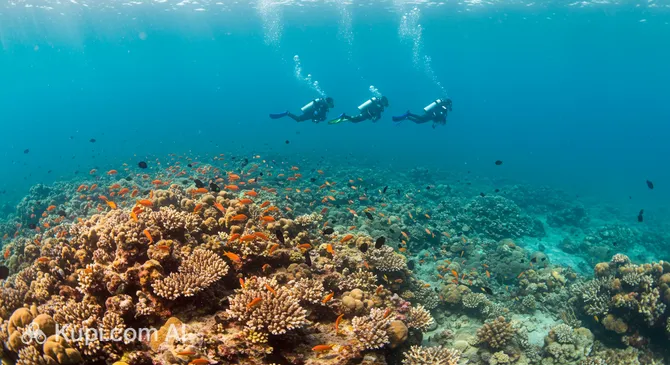
Aqaba Marine Reserve. Source: Kupi.Binoculars
  • Aqaba is home to what is believed to be the oldest purpose-built church in the world. Rediscovered in 1998, the mud-brick ruins date back to the late 3rd or early 4th century, predating other famous ancient churches and offering a glimpse into early Christian history.

  • The city boasts a rare geographical feature where you can see three other countries from a single vantage point. On a clear day, the coastlines of Egypt, Saudi Arabia, and Israel are visible across the gulf, making it a unique intersection of nations.

  • Divers flock here not only for the coral but for an unusual underwater military museum within the Aqaba Marine Reserve. The seabed features sunken tanks, a C-130 Hercules transport aircraft, and even a helicopter, all intentionally placed to create artificial reefs teeming with marine life.

  • The city played a pivotal role in the history depicted in the classic film Lawrence of Arabia. The capture of Aqaba in 1917 was a turning point during the Great Arab Revolt, a history commemorated today by a massive flagpole on the shore that is one of the tallest in the world.

How to Get There

Reaching this coastal gem is relatively straightforward, with several options available depending on your starting point. For a comprehensive guide on planning your journey, you can read more about how to get to Aqaba, including details on land crossings and sea routes. The most convenient method for international travelers is usually arriving by air directly into the city or via nearby regional hubs.

The primary gateway is King Hussein International Airport (IATA: AQJ), which is conveniently located within the city limits. Situated just 8.9 km from the center of Aqaba, it serves as the main entry point for tourists visiting the Red Sea coast and Wadi Rum. The airport handles a moderate volume of traffic, ensuring a relatively quick arrival process. A trip from the airport to the city center typically takes about 15 minutes by taxi or shuttle, making it an extremely accessible option.

Alternatively, travelers can consider flying into Ramon Airport (IATA: ETM), located in the neighboring city of Eilat. This airport is approximately 21.4 km from Aqaba. While it is geographically very close, please note that it is located in another city, and the transfer involves crossing the border. The drive to Aqaba generally takes about 30 minutes, excluding the time required for border procedures. It is a busier hub compared to Aqaba's local airport and offers a wider range of international connections.

For clarity, here is a summary of the main airports in the region:

Airport Name City Passenger Traffic Km from City
King Hussein International Airport Aqaba Small 8.9
Ramon Airport Eilat Medium 21.4
Taba International Taba Small 23.0
Neom Bay Airport Neom Small 180.2
Sharm El Sheikh Airport Sharm El Sheikh Large 182.4

Main Attractions

Aqaba is a treasure trove of experiences, blending the natural beauty of the Red Sea with modern leisure and traditional Jordanian culture. From exploring vibrant coral reefs to enjoying authentic local flavors, the city offers a diverse range of activities for every type of traveler.

A visit to Aqaba would be incomplete without exploring the famous Aqaba Marine Reserve. This protected area is a paradise for divers and snorkelers, boasting some of the most pristine coral reefs in the world. The calm, clear waters provide excellent visibility, allowing visitors to admire the colorful marine life and unique underwater landscapes. It is an essential stop for nature lovers and those looking to witness the rich biodiversity of the Red Sea.

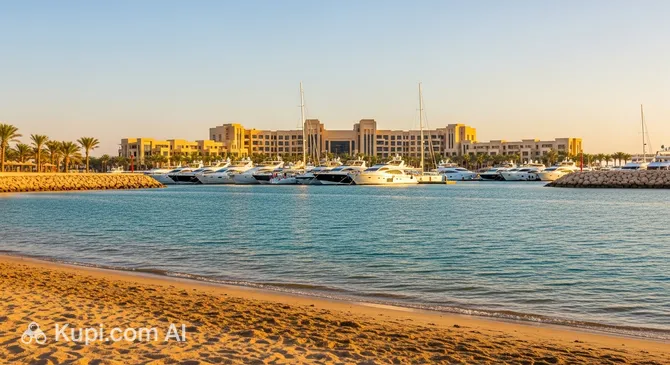
For those seeking a more exclusive and comfortable seaside experience, the Royal Yacht Club Marina Beach is a perfect choice. Located centrally, this private beach offers well-maintained facilities, clean sands, and a relaxing atmosphere away from the public crowds. It is an ideal spot to soak up the sun, enjoy a refreshing swim, or simply watch the boats drift by in the marina.

Royal Yacht Club Marina Beach. Source: Kupi.Binoculars

To experience the modern pulse of the city, travelers should head to the Aqaba Gateway. This commercial complex serves as a lively hub for shopping, dining, and entertainment. With its duty-free shops and variety of cafes, it is a popular destination for an evening stroll. Visitors can find everything from international brands to local souvenirs, making it a convenient stop for leisure and retail therapy.

Aqaba Gateway. Source: Kupi.Binoculars

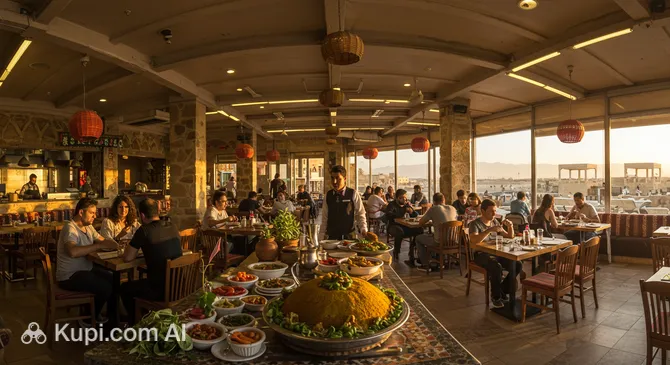
No trip to Jordan is complete without tasting the national dish, Mansaf, and Mansafna Sah is widely regarded as one of the best places in the city to try it. This restaurant offers an authentic culinary experience, serving traditional Jordanian cuisine in a welcoming setting. It provides a wonderful opportunity for tourists to immerse themselves in the local culture through the delicious flavors of the region.

Local Cuisine

The culinary scene in Aqaba is a delightful reflection of its coastal location and Bedouin heritage. Unlike the rest of Jordan, where meat-heavy dishes dominate, this port city places a strong emphasis on fresh seafood from the Red Sea. The local food culture is characterized by generous hospitality, with meals often serving as a communal event where friends and family gather to share large platters of aromatic rice and tender fish.

The undisputed star of Aqaba's gastronomy is Sayadieh, a dish you simply cannot miss while visiting. This flavorful meal consists of fresh fish—typically hamour or snapper—cooked with rice, caramelized onions, and a unique blend of spices that gives the rice a deep brown color and a rich, savory taste. It is usually served with a side of spicy tomato sauce and tahini, creating a perfect balance of flavors that defines the city's palate.

While seafood is the local specialty, traditional Jordanian favorites remain a staple. Mansaf, the national dish made of lamb cooked in a sauce of fermented dried yogurt (jameed) and served with rice or bulgur, is widely available and beloved. For an authentic taste of this Bedouin classic, visitors often head to Mansafna Sah. This restaurant is celebrated for its dedication to traditional cooking methods, offering a genuine culinary experience in a welcoming atmosphere.

Mansafna Sah. Source: Kupi.Binoculars

Dining in Aqaba also involves a variety of Mezze, small appetizers that kick off almost every meal. You will find bowls of creamy hummus, moutabal (roasted eggplant dip), and fresh tabbouleh salad accompanied by warm flatbread. Street food is another integral part of the experience, with vendors selling crispy falafel sandwiches and shawarma, perfect for a quick and delicious bite while exploring the city.

To quench your thirst in the desert heat, the most popular local beverage is Limonana, a refreshing blend of fresh lemon juice and mint, served ice-cold. For something warm, traditional Bedouin tea flavored with sage or fresh mint is a sign of hospitality offered in many shops and homes. Unlike many other parts of the region, alcohol is readily available in hotels and restaurants here, with Arak—an anise-flavored spirit mixed with water and ice—being the traditional choice to accompany a heavy meal.

Travel Tips

Welcome to Aqaba! To ensure your seaside getaway is as relaxing as the waves of the Red Sea, we have compiled some practical advice to help you navigate local customs and logistics. These tips will ensure you feel comfortable and prepared from the moment you arrive.

  1. Clothing and Gear: Given the hot climate, lightweight and breathable fabrics like cotton or linen are essential. While swimwear is perfectly acceptable at private beach clubs and resorts, you should dress modestly when walking around the city center or visiting markets; this means covering your shoulders and knees. A hat and high-SPF sunscreen are must-haves, and comfortable walking shoes are recommended for exploring the streets.
  2. Transportation: The city center is compact and pleasant to explore on foot. For longer distances, the iconic green taxis are the most convenient option; they are plentiful and affordable, but it is wise to ask the driver to turn on the meter or agree on a fare before starting your journey. Public buses exist but can be confusing for tourists, while car rentals are best reserved for day trips to nearby desert attractions rather than city driving.
  3. Finances: The local currency is the Jordanian Dinar (JOD). While credit cards are widely accepted in hotels, large restaurants, and the Aqaba Gateway complex, cash is king in traditional souks and for taxi fares. ATMs are readily available throughout the city. Tipping is appreciated, with 10% being standard in restaurants if a service charge hasn't already been added.
  4. Health and Safety: Aqaba is known for being a safe and welcoming destination for tourists. Pharmacies are easy to find, often open late, and usually have English-speaking staff. As a precaution, avoid drinking tap water; stick to affordable bottled water to stay hydrated in the heat.
  5. Communication: Arabic is the official language, but English is widely spoken in the tourism and hospitality sectors. To stay connected, you can easily purchase a SIM card from providers like Zain or Orange in the city center. Learning a few local phrases like "Salam" (Hello) or "Shukran" (Thank you) will be met with warm smiles from the locals.
  6. Local Etiquette: Jordanians are incredibly hospitable and value polite interaction. When greeting, a handshake is common, but it is respectful to wait for a member of the opposite sex to extend their hand first. Always use your right hand for eating, greeting, or passing money, as the left hand is traditionally considered unclean.
  7. What to Avoid: Respect local privacy by strictly avoiding taking photographs of people, especially women, without asking for their explicit permission first. Additionally, while alcohol is available in licensed bars and hotels, drinking in public streets or non-designated areas is culturally offensive and should be avoided.
  8. Shopping Bonus: Remember that Aqaba is a Special Economic Zone, which means it enjoys a duty-free status distinct from the rest of Jordan. This makes it an excellent place to purchase goods like electronics, perfumes, and gold at significantly lower prices than you would find in Amman.

With these practical tips in mind, you are all set to embrace the vibrant culture and stunning scenery of this coastal city. We hope your time in Aqaba is filled with memorable experiences and the warm hospitality Jordan is famous for.

Entertainment & Nightlife

Aqaba comes alive after sunset, trading its sunny beach vibes for a relaxed and inviting evening atmosphere. Unlike the high-energy clubbing scenes found in some major capitals, the nightlife here is characterized by laid-back seaside lounges, rooftop bars, and lively open-air cafes. The city offers a perfect blend of Bedouin hospitality and modern entertainment, making it easy for visitors to unwind with a drink in hand while enjoying the cooling Red Sea breeze.

The epicenter of evening entertainment is undoubtedly the Aqaba Gateway. This bustling complex is the go-to district for both locals and tourists seeking a fun night out. Here, you will find a concentration of pubs, bars, and restaurants that stay open late, often featuring live music or DJs spinning international tracks. The atmosphere is casual yet vibrant, with patrons spilling out onto terraces to enjoy the night air. It is the perfect place to mingle, enjoy a cold beer, or sample local wines in a friendly setting.

For those seeking a more sophisticated and tranquil experience, the area around the Royal Yacht Club Marina Beach offers a touch of exclusivity. The venues here are known for their upscale ambiance and stunning views of the marina's glittering lights. It is an ideal spot for a romantic evening or a quiet cocktail at sunset. The dress code in these establishments tends to be "smart casual," so swapping flip-flops for a nicer pair of shoes is recommended.

Late-night dining is also a key part of the culture. If you find yourself hungry after a few drinks, Firefly Burger is a popular choice for a satisfying meal. Known for its hearty portions and relaxed vibe, it attracts a crowd looking for delicious comfort food well into the night.

Firefly Burger. Source: Kupi.Binoculars

When it comes to logistics, nightlife in Aqaba typically kicks off around 9:00 PM and can last until the early hours of the morning, especially on weekends (Thursday and Friday nights in Jordan). Prices for drinks and entry fees are generally moderate, though alcohol can be pricier in high-end hotels due to taxes. Getting around is safe and easy; the city is pedestrian-friendly, and the iconic green taxis are readily available 24/7 to shuttle you between districts.

Safety is rarely a concern, as the city is well-policed and welcoming to tourists. You can feel comfortable walking in the main tourist areas at night. However, it is always wise to stay in well-lit, populated zones and avoid unlit backstreets. If you need a ride, simply flagging down a taxi is the most common method, as ride-hailing apps may have variable availability.

Before the sun goes down, the city offers plenty of daytime diversions to fill your schedule. You can immerse yourself in history at the Aqaba Archaeological Museum, explore the vibrant local souks for spices and crafts, or enjoy family-friendly fun at one of the city's water parks. Whether day or night, the city ensures there is never a dull moment.

Parks & Museums

While Aqaba is primarily celebrated for its golden sands and azure waters, the city also boasts culturally rich museums and refreshing outdoor spaces that offer a break from the beach. Visitors can explore the deep historical roots of this ancient port city through its well-preserved heritage sites or enjoy the unique biodiversity found in its protected natural areas.

For nature lovers, the most significant ecological treasure is the Aqaba Marine Reserve. Stretching along the southern coast, this protected area is not just for divers; it is a sanctuary for marine life and a beautiful example of environmental conservation. It serves as a vital natural park where the desert meets the sea, offering visitors a chance to witness pristine coral reefs and diverse aquatic species in their natural habitat.

A different kind of natural beauty can be found at the Aqaba Bird Observatory. Located north of the city, this artificial wetland is a lush green contrast to the surrounding arid landscape. It sits on a major migration route between Africa, Europe, and Asia, making it a spectacular spot for birdwatching, especially during the spring and autumn migration seasons. For a more casual green space within the city, Al-Hafayer Park (also known as Palm Beach) offers a lovely promenade lined with palm trees, perfect for watching the sunset alongside locals.

To understand the city's storied past, a visit to the Aqaba Archaeological Museum is essential. Housed in the historic residence of Sharif Hussein bin Ali, the museum showcases a collection of artifacts ranging from the Bronze Age to the Islamic era. Exhibits include ceramics, coins, and tablets that tell the story of Aqaba as the ancient port of Ayla, connecting trade routes across empires.

Adjacent to the museum stands the majestic Aqaba Fort, also known as the Mamluk Castle. Originally built by Crusaders and later expanded by the Mamluks, this fortress is a key architectural landmark. It played a famous role in the Great Arab Revolt and now serves as an open-air museum where visitors can walk through centuries of history while admiring the stone architecture and the coat of arms of the Hashemite dynasty above the entrance.

Another significant historical site is the Ancient City of Ayla. These archaeological ruins date back to the early Islamic period and provide a fascinating glimpse into the layout of a medieval port city. Visitors can wander among the remains of city walls, gates, and a mosque, visualizing the bustling trade hub that once thrived here.

For an authentic experience, consider taking a quiet evening walk near the Royal Yacht Club Marina Beach. While it is a private facility, the surrounding area offers a sophisticated atmosphere where you can admire the boats and enjoy the cooler evening air, providing a modern contrast to the ancient ruins nearby.

Getting Around

Navigating Aqaba is remarkably stress-free compared to larger metropolitan areas. The city does not have a metro, tram, or train system; instead, the public transport network relies entirely on road-based vehicles. Due to the city's compact size, getting from one attraction to another is quick and straightforward, with the majority of tourists and locals relying on taxis or private vehicles.

The most iconic and convenient mode of transport in the city is the fleet of green taxis. Distinct from the yellow taxis found elsewhere in the country, these green cars are specific to the Special Economic Zone. They are ubiquitous in the city center and near major hotels, making them the easiest way to travel. While they are equipped with meters, drivers often prefer to negotiate a fixed fare before the journey begins. A typical ride within the city limits is quite affordable, usually costing between 2 and 5 JOD depending on the distance.

Public buses do operate within the city, but they are generally geared more towards local residents than tourists. These buses and white minibuses (known as "coasters") run on specific routes connecting residential neighborhoods to the city center. While they are an extremely cheap option, costing only a few piasters, they lack fixed schedules and clear signage in English. For most short-term visitors, the complexity of navigating the bus network often outweighs the cost savings.

Regarding payment, cash is king for all forms of local transport. There are no electronic travel cards or tap-to-pay systems for city taxis or local buses. It is essential to carry small denominations of the local currency, as drivers frequently do not have change for large bills. If you plan to use taxis extensively, keeping a supply of 1 JOD and 5 JOD notes will make your travels much smoother.

For those who prefer digital convenience, ride-hailing apps like Careem and Uber are available, though their fleet size in Aqaba is smaller than in the capital. Using these apps can be a great way to avoid price negotiation, as the fare is fixed upfront. However, during peak times or in more remote beach areas, wait times can be longer than simply flagging down a passing green taxi.

Given the flat terrain and clustered layout of the downtown area, walking is a viable and pleasant alternative, especially during the cooler evening hours. Most shops, restaurants, and the main public beach are within comfortable walking distance of each other. For a more leisurely pace, some hotels and shops offer bicycle rentals, allowing you to pedal along the coastal road and enjoy the sea breeze.

Accommodation

Finding the perfect place to stay in Aqaba is relatively easy, as the city caters to a wide spectrum of travelers and budgets. The accommodation landscape ranges from economical hostels and comfortable mid-range city hotels to opulent five-star resorts. Whether you are a backpacker looking for a base to explore Petra and Wadi Rum, or a leisure traveler seeking a private beach experience, the city has options to suit your needs.

The accommodation options are generally divided into two main areas: the City Center and the Southern Coast (including Tala Bay). Staying in the city center places you in the heart of the action, within walking distance of local markets, restaurants, and public beaches. This area is typically where you will find budget-friendly hotels and mid-range apartments, making it convenient for those who want to immerse themselves in local life and have easy access to transport.

Conversely, the Southern Coast, located about 10 to 15 kilometers from the downtown area, is home to sprawling luxury resorts and beach clubs. This area, particularly Tala Bay, is designed for relaxation and water sports. Travelers choosing this location often enjoy private beach access, extensive swimming pools, and on-site diving centers. It is the ideal choice for visitors who prefer a self-contained resort experience away from the hustle and bustle of the main town.

When planning your trip, it is important to consider the timing of your booking. Aqaba is a favorite weekend getaway for locals, meaning that hotels can fill up quickly on Thursday and Friday nights. During major holidays like Eid or the peak travel seasons in spring and autumn, demand spikes significantly. Therefore, it is highly recommended to book your accommodation well in advance to secure the best rates and availability.

Price ranges vary considerably depending on the location and season. Budget travelers can find affordable guesthouses and hostels in the city center for a modest fee, while mid-range hotels offer excellent value with modern amenities. The luxury resorts on the coast command higher prices, comparable to international standards for five-star properties. Most accommodations can be easily booked through major online travel platforms, though some smaller, family-run establishments may also accept direct bookings via phone or social media.

Nearby Cities

For those looking to explore the surroundings, Aqaba serves as an excellent base for day trips to several interesting nearby locations:

City Population Distance (km)
Amman 4007526 282
Mafraq 580000 332
Zarqa 481300 299
Ar Rusayfah 280000 293
Sahab 169434 276

While the major cities listed above act as key urban hubs in Jordan, the most popular day trips for travelers in Aqaba often focus on the world-renowned natural and historical sites located closer to the coast.

Wadi Rum is undoubtedly the top choice for a short excursion, located just about an hour's drive from the city. Known as the "Valley of the Moon," this protected desert wilderness offers dramatic sandstone mountains, red dunes, and ancient petroglyphs. It provides a stark and beautiful contrast to the seaside atmosphere of Aqaba, allowing visitors to experience Bedouin culture and take jeep tours through landscapes that have served as the backdrop for many famous films.

Petra, the ancient Nabataean city, is another essential destination that can be visited in a day, though it requires a slightly longer journey of around two hours each way. As one of the New Seven Wonders of the World, it is famous for its rock-cut architecture and water conduit system. Walking through the Siq to reveal the Treasury is a bucket-list experience that justifies the travel time from the coast.

These nearby destinations offer a glimpse into the diverse culture and landscapes of the region.

Shopping & Souvenirs

Shopping in Aqaba is a unique experience that differs significantly from the rest of the country. As a designated Special Economic Zone, the city enjoys a duty-free status, making it a haven for visitors looking for bargains. Prices for many goods, particularly electronics, perfumes, and brand-name clothing, are often lower here than in Amman or other parts of Jordan. This economic advantage, combined with a relaxed coastal atmosphere, turns retail therapy into a major attraction for tourists.

The heart of the local shopping scene is located in the City Center. The bustling streets around the downtown area are lined with a mix of modern boutiques and traditional shops. Walking through these lively districts allows you to browse for everything from gold and jewelry to casual beachwear. The pedestrian-friendly layout makes it easy to hop from one store to another while soaking in the local vibe.

For a more modern retail experience, visitors often head to the Aqaba Gateway. While it is well-known for its dining and entertainment options, this commercial complex also features a selection of shops offering international brands and duty-free goods. It provides a comfortable, air-conditioned environment where you can shop for high-quality items before relaxing at a nearby café.

To truly immerse yourself in the local culture, a visit to the traditional Souk (market) is essential. Located in the center of town, the market area is aromatic and colorful, filled with vendors selling fresh produce, exotic spices, and roasted nuts. Aqaba is particularly famous for its nuts and coffee, and you will find numerous roasteries offering freshly prepared varieties that are perfect for snacking or taking home.

When it comes to souvenirs, the city offers several distinctive items. The most iconic keepsake is the sand bottle art, where local artisans skillfully layer colored sand into glass bottles to create intricate desert landscapes or write names. Other popular purchases include Dead Sea products like mud masks and bath salts, as well as traditional Bedouin rugs and silver jewelry. Don't forget to pick up some Za'atar (a thyme spice blend) or Sumac to recreate the flavors of Jordan in your own kitchen.

Store hours in Aqaba can vary, but generally, shops open around 9:00 AM or 10:00 AM. It is common for smaller businesses to close for a mid-afternoon break (siesta) from roughly 2:00 PM to 5:00 PM, especially during the hot summer months, before reopening and staying active until late at night, often past 10:00 PM. Regarding payment, while malls and larger stores accept credit cards, cash is the preferred method in traditional souks and smaller shops, so it is wise to carry Jordanian Dinars.

The tax-free status of the city is a significant benefit for tourists. Unlike the rest of Jordan, where a sales tax applies, goods in Aqaba are either tax-exempt or subject to a significantly reduced rate. This applies to a wide range of products, making it the ideal place to stock up on gifts and personal items before concluding your trip.
Reached the end of the page?

That means the route is fully explored