Support

Sharm El Sheikh

About

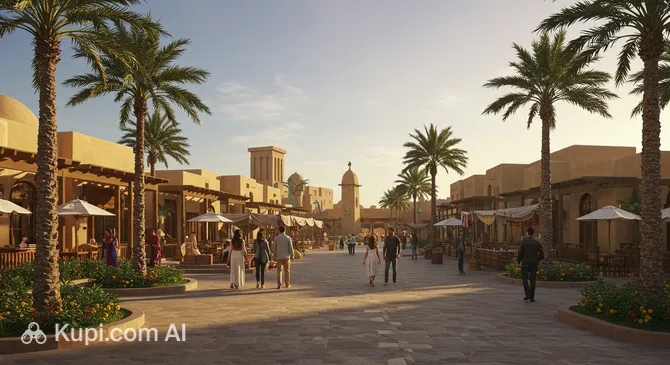
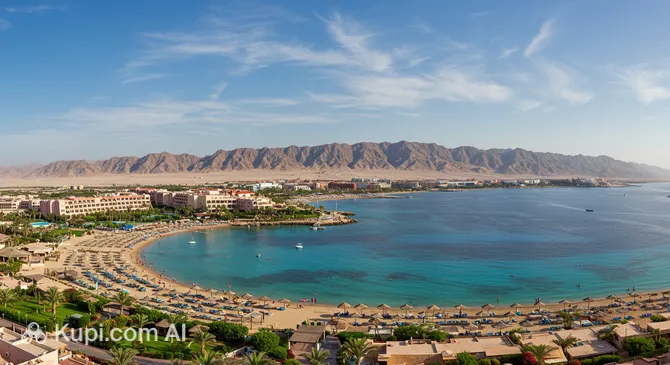
Sharm El Sheikh is widely recognized as a premier holiday destination, renowned for its stunning coastline and year-round sunshine. Situated on the southern tip of the Sinai Peninsula in the South Sinai Governorate, this vibrant city serves as a major tourism hub in Egypt. With a population of approximately 74,000 people, it offers a perfect blend of modern amenities and natural beauty, framed by the dramatic backdrop of desert mountains and the azure waters of the Red Sea.

Sharm El Sheikh. Source: Kupi.Binoculars

The city is a paradise for water sports enthusiasts, particularly famous for its world-class diving and snorkeling sites. The rich marine life and colorful coral reefs of Ras Mohammed National Park attract divers from all over the globe. Beyond the beach, the history of Sharm El Sheikh reveals its transformation from a modest fishing community into a sophisticated resort town. Visitors can also enjoy the bustling promenade of Naama Bay, which is filled with restaurants, cafes, and shops.

Whether you are seeking a relaxing getaway or an action-packed adventure, Sharm El Sheikh provides an unforgettable experience. Its warm hospitality, diverse attractions, and breathtaking scenery make it an ideal choice for travelers looking to escape to a sunny paradise.

Weather Overview

Sharm El Sheikh enjoys a subtropical desert climate, ensuring year-round sunshine and blue skies. The city is known for its arid conditions, meaning rainfall is extremely rare; in fact, most months record 0mm of precipitation, with only an occasional wet day occurring in winter. This makes it an exceptionally reliable destination for beach holidays, regardless of the season.

The temperatures vary significantly throughout the year. Summers are intensely hot, particularly in August, where average temperatures climb to 32.8°C and daily highs can reach 38.3°C. In contrast, winters are much milder and comfortable for exploring; January is the coolest month, with lows around 10.8°C and highs reaching 21.0°C. For a more detailed forecast and seasonal breakdown, you can check the weather in Sharm El Sheikh before booking your trip.

Interesting Facts

Beyond the stunning beaches and vibrant nightlife, Sharm El Sheikh holds many fascinating secrets that surprise even seasoned travelers. From architectural marvels to unique geographical features, this resort city offers much more than just a seaside escape.
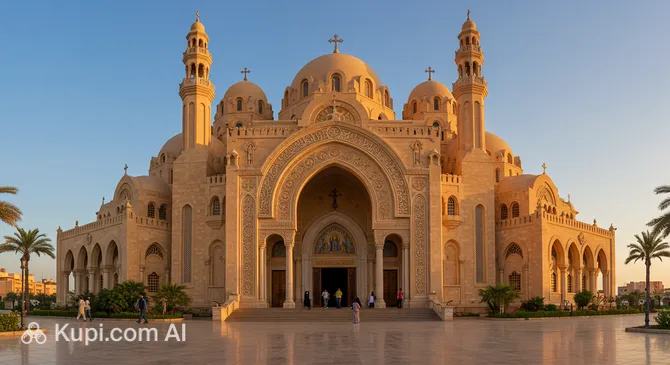
The Heavenly Cathedral. Source: Kupi.Binoculars
  • The city is widely known as the "City of Peace" due to the large number of international peace conferences held here. This diplomatic significance is celebrated at the Peace Square Monument, a landmark symbolizing unity and global cooperation.

  • Unlike the ancient temples found elsewhere in Egypt, Sharm El Sheikh features stunning modern religious architecture. The Heavenly Cathedral is famous for its breathtaking frescoes and was once voted one of the world's most beautiful churches.

  • While the Great Pyramids are near Cairo, this city has its own quirky tribute to ancient history. Visitors can spot an Artificial Pyramid, a modern structure that lights up at night and adds a touch of pharaonic flair to the resort skyline.

  • Sharm El Sheikh sits at a geographically significant point where the Gulf of Aqaba and the Gulf of Suez meet. This unique location contributes to the exceptional biodiversity of the coral reefs, making it one of the most important diving destinations on the planet.

How to Get There

Reaching this Red Sea gem is relatively straightforward, with air travel being the most convenient and popular method for international and domestic visitors. Whether you are arriving directly from Europe or connecting through Cairo, you can find more about how to get to Sharm El Sheikh to help plan your journey efficiently.

The primary gateway to the city is Sharm El Sheikh Airport (SSH), located just 3.5 km from the city center. As a busy international hub handling millions of passengers, it is well-equipped to serve tourists from around the world. Because the airport is situated so close to the main resort areas, the transfer is exceptionally quick; a taxi or bus ride typically takes about 25 minutes, allowing you to start your vacation almost immediately upon arrival.

Another option within the South Sinai Governorate is Taba International (TCP), located in the city of Taba, approximately 184 km north of Sharm El Sheikh. While it sees significantly less traffic than Sharm's main airport, it can be a viable alternative for those exploring the wider region. The journey from Taba by road offers a scenic drive through the desert landscape, taking roughly 5 hours by car or bus.

For clarity, here is a summary of the main airports:

Airport Name City Passenger Traffic Km from City
Hurghada International Airport Hurghada Large 103.4
Sharm El Sheikh Airport Sharm El Sheikh Large 3.5
King Hussein International Airport Aqaba Medium 193.4
Neom Bay Airport Neom Medium 91.7
Taba International Taba Small 184.3

Main Attractions

Sharm El Sheikh offers a diverse array of experiences, ranging from vibrant nightlife hubs to serene natural wonders. Whether you are looking to explore local culture, enjoy the underwater world without getting wet, or simply soak up the atmosphere of a bustling promenade, the city has something to captivate every traveler.

The beating heart of the city's social scene is undoubtedly the Naama Bay Pedestrian Street. This lively promenade serves as the center of action after sunset, lined with a multitude of shops, cafes, and shisha lounges. It is the perfect place to enjoy a leisurely evening stroll, shop for souvenirs, or dine at one of the many restaurants while soaking in the energetic atmosphere that defines the resort's nightlife.

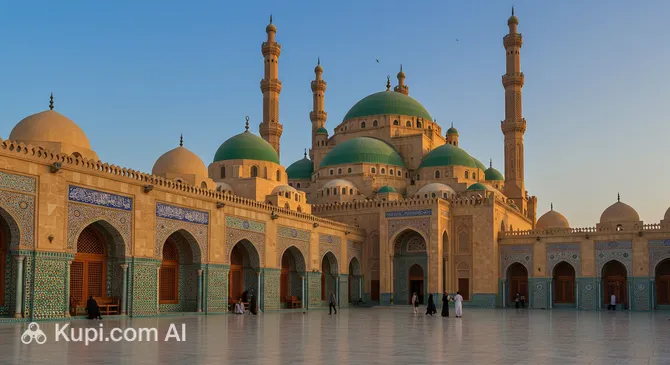
For those interested in architectural beauty and spiritual landmarks, the Al Mustafa Mosque is a must-visit. Completed in 2008, this magnificent structure is distinguished by its two towering minarets that reach over 70 meters into the sky. The mosque features an impressive marble facade and an intricately designed dome, making it one of the most photogenic and peaceful sites in the city, offering a glimpse into modern Islamic artistry.

Al Mustafa Mosque. Source: Kupi.Binoculars

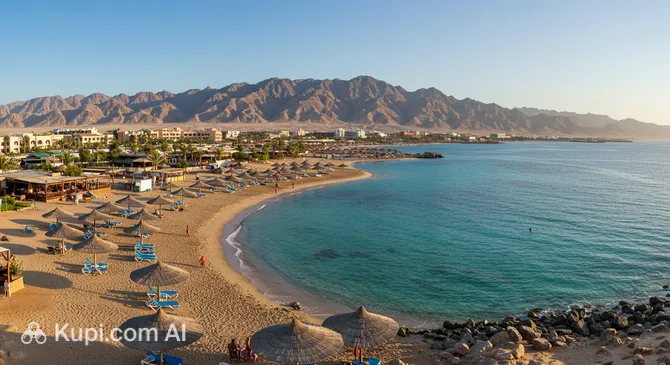
If you are eager to experience the Red Sea's famous coral reefs, El Fanar Beach is an excellent choice. Unlike some sandy bays, this location is renowned for its proximity to spectacular coral formations right off the shore, making it a prime spot for snorkeling. The area is named after the nearby lighthouse and offers a more relaxed vibe compared to the busier main beaches, along with stunning panoramic views of the sea.

For a unique underwater adventure suitable for all ages, the Royal Seascope Submarine offers a fantastic opportunity to observe marine life. This semi-submarine allows passengers to sit in an air-conditioned observation deck below sea level, gazing out through large panoramic windows. It is an ideal way for families and non-swimmers to witness the colorful fish and coral gardens of the Red Sea without needing diving equipment.

El Fanar Beach. Source: Kupi.Binoculars

Local Cuisine

Sharm El Sheikh's culinary scene is a delightful reflection of its location on the Red Sea and its status as a cosmopolitan resort. While you can find cuisines from around the world in the major hotels, the local Egyptian fare and fresh seafood are the true stars. Being a coastal city, the daily catch features prominently on menus, with grilled fish, calamari, and shrimp often seasoned with aromatic herbs and served with Sayadia rice (brown onion rice) or fresh baladi bread.

For a taste of authentic Egyptian culture, visitors should try national staples that are widely available. Koshari is a hearty comfort food made from a mix of rice, macaroni, and lentils, topped with a spicy tomato sauce and crispy fried onions. Another must-try is Kofta, delicious skewers of spiced minced meat grilled over charcoal, usually accompanied by tahini sauce and salads. These dishes offer a flavorful introduction to the region's gastronomic heritage.

When it comes to beverages, the locals have mastered the art of refreshment. A glass of chilled Karkade (hibiscus tea) is perfect for cooling down after a day in the sun, while traditional Bedouin tea with fresh mint (Shay bil na'na) is a staple of hospitality often served after meals. Egypt is also famous for its incredible fruit, so do not miss the chance to try fresh mango or guava juice. For those seeking alcoholic drinks, they are readily available in hotels and tourist bars; you might want to sample local beers like Stella or Sakara.

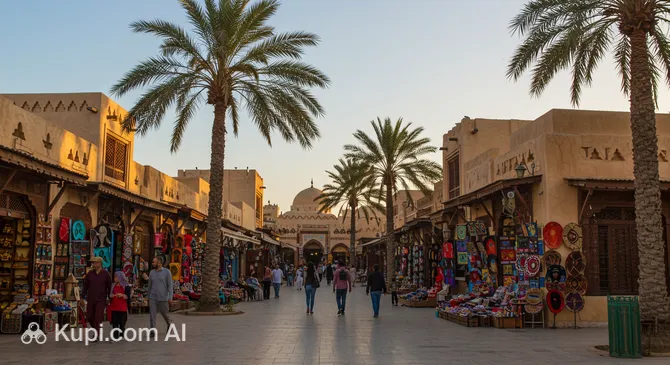
Mango Market. Source: Kupi.Binoculars

Dining experiences in the city range from upscale resort restaurants to vibrant street markets. The Old Market (Old Sharm) is fantastic for street food and authentic grills, offering a lively atmosphere. For a more local shopping experience, a visit to the Mango Market allows you to buy fresh local fruits, sweets, and snacks to enjoy later. It is a colorful place to see what ingredients are in season.

For those looking to combine dining with entertainment in the heart of the tourist district, the Camel Bar & Rooftop in Naama Bay is a legendary spot. It is well-known for its relaxed vibe, cocktails, and casual meals, making it a popular meeting point for divers and travelers. If you are craving high-quality seafood and steaks in a friendly setting, Mahony Restaurant is another favorite among repeat visitors, celebrated for its generous portions and welcoming service.

Travel Tips

Welcome to Sharm El Sheikh! To help you navigate this Red Sea paradise with ease, we have compiled a list of essential practical tips that will ensure your vacation is smooth, safe, and truly enjoyable.

  1. Clothing and Gear: Light, breathable fabrics like cotton or linen are best for the hot climate, but bring a light jacket or sweater if you are visiting during the winter months, as evenings can be cool. Crucially, pack a pair of reef shoes to protect your feet from sharp coral and sea urchins at the beach. While swimwear is standard at resorts, remember to dress modestly (covering shoulders and knees) when visiting the Old Market or religious sites.
  2. Transportation: The blue microbuses are the most affordable way to travel between Naama Bay, Old Sharm, and Hadaba, though they can be chaotic. Taxis (usually painted white and blue) are everywhere; always negotiate and agree on the fare before getting into the car, as meters are rarely used. Ride-hailing apps like Uber or Careem operate here and offer a more stress-free alternative with fixed pricing.
  3. Finances: The local currency is the Egyptian Pound (EGP). While major hotels and upscale restaurants accept credit cards, cash is king for taxis, local shops, and markets. ATMs are widely available throughout the city. Tipping, known locally as baksheesh, is customary for good service, so keep small bills and coins handy for porters, drivers, and waiters.
  4. Health and Safety: Tap water is not suitable for drinking; always buy bottled water for hydration and even for brushing your teeth. Pharmacies are abundant, often marked with a green cross, and many are open 24/7 to assist with minor ailments. The sun can be intense, so high SPF sunscreen and a hat are non-negotiable, even on breezy days.
  5. Communication: Arabic is the official language, but English is spoken fluently by almost everyone working in tourism. Learning a few words like "Shukran" (Thank you) or "Salam" (Hello) will earn you warm smiles. For reliable internet, it is best to purchase a local SIM card (Vodafone, Orange, or Etisalat) at the airport upon arrival, as hotel Wi-Fi can sometimes be slow or expensive.
  6. Local Etiquette: Egyptians are known for their hospitality and friendliness. Handshakes are the standard greeting. When outside your hotel, keep public displays of affection to a minimum to respect local conservative norms. If you are invited to a local's home or a Bedouin tent, it is polite to remove your shoes before entering the carpeted area.
  7. What to Avoid: Strictly avoid touching, standing on, or breaking the coral reefs. Not only is this illegal and punishable by fines, but it also damages the delicate marine ecosystem that makes Sharm El Sheikh famous. Additionally, refrain from taking photographs of police, military personnel, or government buildings.
  8. Shopping Insight: If you visit the Old Market (Souq), be prepared to haggle. Bargaining is expected in souvenir shops and can be a fun cultural experience. Start by offering half the asking price and work your way to a mutually happy number, always keeping the interaction friendly and polite.

Armed with these tips, you are fully prepared to explore everything Sharm El Sheikh has to offer, from its underwater treasures to its vibrant bazaars. Relax, embrace the local rhythm, and have a wonderful, hassle-free holiday in the City of Peace!

Entertainment & Nightlife

Sharm El Sheikh transforms into a vibrant playground once the sun goes down, offering a nightlife scene that rivals its daytime beach appeal. The city caters to every taste, from thumping dance floors and neon-lit bars to relaxed Bedouin lounges under the stars. The epicenter of this nocturnal energy is Naama Bay, a bustling district where the music is loud, the streets are crowded, and the party continues well into the early hours.

For a mix of shopping, dining, and entertainment all in one place, Genena City is a spectacular destination. Perched on a hill overlooking Naama Bay, this complex offers breathtaking panoramic views of the resort lights. It is not just a mall but a nightlife hub with an open-air promenade, daily shows, and a variety of cafes where you can enjoy a shisha while watching the world go by. The atmosphere here is lively yet slightly more relaxed than the intense club scene below.

Genena City. Source: Kupi.Binoculars

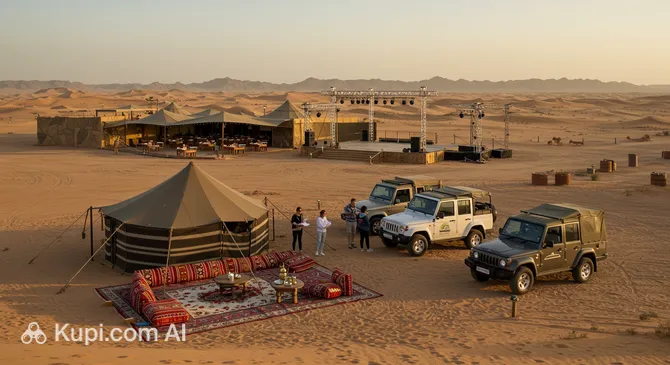
If you prefer a cultural twist to your evening, stepping away from the coast into the desert is highly recommended. A visit to El Sherif Safari provides a memorable night of traditional Egyptian entertainment. These excursions typically include a Bedouin dinner, folk dance performances like Tanoura (whirling dervish), and the chance to gaze at the starry desert sky, offering a magical contrast to the electric vibe of the city center.

El Sherif Safari. Source: Kupi.Binoculars

Practical advice for enjoying the nightlife includes knowing when to go and what to wear. The clubbing scene usually kicks off late, with venues filling up around 11:00 PM or midnight. The dress code varies by location; upscale spots in Soho Square or high-end clubs often require smart casual attire (no flip-flops or swimwear), while open-air bars in Naama Bay are generally more casual. Prices for drinks and entry fees are comparable to European resort standards, though "Happy Hour" deals are common.

Safety is a priority in Sharm El Sheikh, and the main tourist areas are well-lit, heavily policed, and safe for walking at night. To get around, official blue and white taxis are abundant. Always agree on the fare before starting your journey or ask your hotel to call a trusted driver. For solo travelers, the city is welcoming, but sticking to the main promenades is always good practice.

While the nights are exciting, the city also offers plenty of daytime thrills beyond the beach. Families and thrill-seekers will love Cleo Park, the first pharaonic-themed water park in Sharm El Sheikh. Located centrally in Naama Bay, it features slides and pools designed to look like ancient monuments, providing a fun and cooling break from the midday heat before the evening festivities begin.

Cleo Park. Source: Kupi.Binoculars

Parks & Museums

While Sharm El Sheikh is primarily celebrated for its beaches and underwater wonders, the city also offers distinct spaces where visitors can immerse themselves in culture and enjoy beautifully landscaped environments. For those looking to explore beyond the coastline, there are fascinating stops that highlight both the ancient heritage of Egypt and the modern spirit of this resort town.

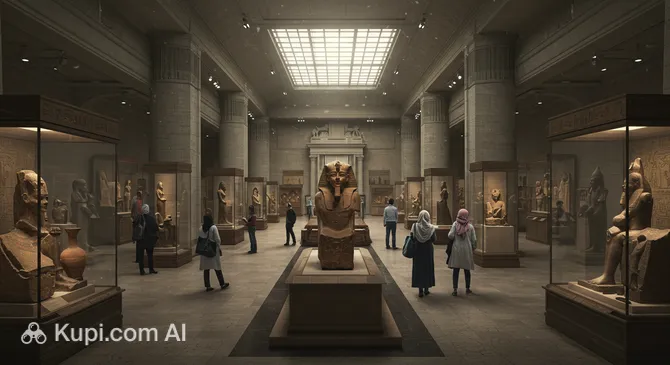
One of the most intriguing cultural attractions is the King Tut Museum. Located within the Genena City mall, this museum offers a captivating journey into the world of the most famous Pharaoh, Tutankhamun. Although the original treasures reside in Cairo, this museum houses meticulous replicas of the golden mask, sarcophagi, and jewelry. It provides an excellent educational experience for families and anyone interested in Ancient Egyptian history without the need to travel to the capital.

King Tut Museum. Source: Kupi.Binoculars

For a relaxing stroll in a more open setting, Peace Square (Midan Al Salam) is a significant landmark worth visiting. As Sharm El Sheikh is known as the "City of Peace," this expansive square embodies the city's diplomatic role. It is beautifully maintained with lush green lawns, flower beds, and water features, making it a pleasant spot for an evening walk. The area is dominated by the Peace Square Monument, a towering structure featuring stylized wings and a globe, which is beautifully illuminated at night.

Peace Square. Source: Kupi.Binoculars

Nature lovers seeking a pristine outdoor experience should also consider a trip to Ras Mohammed National Park, located just a short drive south of the city. As Egypt's first national park, it is a protected area that showcases the raw beauty of the Sinai desert meeting the Red Sea. With its unique mangrove forests, salt marshes, and fossilized coral reefs, it offers a stark and stunning contrast to the manicured gardens of the city's resorts.

Getting Around

Navigating Sharm El Sheikh is relatively simple, as the city does not rely on complex metro or tram systems. Instead, the public transport network is entirely road-based, designed to connect the long stretch of coastal resorts, the Old Market, and the airport. The primary mode of public transportation used by locals and adventurous tourists alike is the privately operated microbus system.

The microbuses are small, typically blue and white vans that ply the main artery of the city, Peace Road. They are the most affordable way to travel, connecting major districts such as Nabq Bay, Naama Bay, Hadaba, and Old Sharm. These buses do not have fixed timetables; instead, they run frequently, often every few minutes. To catch one, you simply stand by the side of the main road and wave your hand. If the bus has space, the driver will pull over to let you in.

Payment for microbuses is strictly cash-based. There are no travel cards, apps, or electronic ticket machines for these vehicles. You pay the driver directly, usually after taking your seat or just before getting off. Fares are very low, typically ranging from a few Egyptian pounds to a slightly higher amount for longer distances. It is highly recommended to carry small change and coins, as drivers may not always have change for large banknotes.

For those who prefer more comfort and privacy, taxis are the most common alternative. You will see the distinctive blue and white sedans everywhere. While they are convenient, they rarely use meters. It is crucial to negotiate and agree on the fare with the driver before getting into the car to avoid misunderstandings later. Taxis operate 24 hours a day and can be hailed on the street or arranged by your hotel concierge.

A popular and stress-free alternative to traditional taxis is the use of ride-hailing apps. Services like Uber and Careem operate within the city and are widely recommended for tourists. Using an app allows you to see the estimated price upfront, pay via credit card (or cash if selected), and avoid the language barrier or the need to haggle over prices. This is often the safest and most reliable method for evening transport.

Car rentals are available for those who wish to explore at their own pace, with several international agencies operating at the airport and in major resort areas. However, driving habits can be unpredictable, so this is best suited for confident drivers. Alternatively, for short distances within specific pedestrian-friendly zones like the Naama Bay promenade, walking is pleasant, though the distances between different resort areas are generally too great to cover on foot.

Accommodation

Where to Stay:

Sharm El Sheikh is renowned for its extensive hospitality sector, designed to cater to every type of traveler. The accommodation landscape is dominated by large, self-contained resorts that line the coast, offering everything from budget-friendly rooms to ultra-luxurious suites. While the city is famous for its all-inclusive packages, visitors can also find mid-range hotels, serviced apartments, and diving lodges that provide a more independent experience.

Choosing the right area is key to enjoying your stay. Naama Bay is the bustling center, perfect for those who want to be in the heart of the action with easy access to nightlife, shops, and sandy beaches. For a more relaxed atmosphere with stunning cliffside views and excellent snorkeling, Hadaba (Ras Um Sid) is a popular choice. Meanwhile, areas like Sharks Bay and Nabq Bay tend to host expansive luxury resorts, offering tranquility and vast grounds, though they are further from the city center.

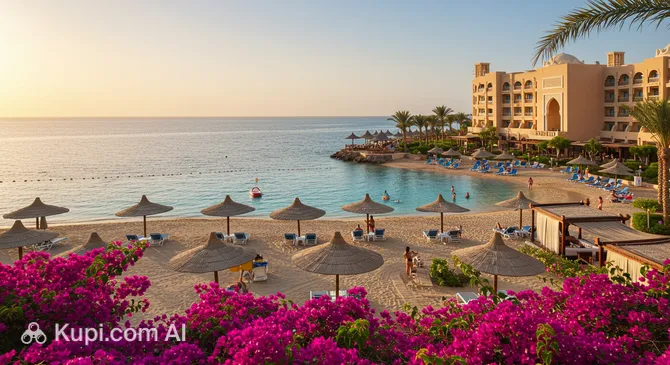
The city is home to numerous world-class properties that exemplify the Red Sea resort lifestyle. For instance, the Arabian Beach Resort is a prime example of the high-end accommodation available, featuring distinctive architecture and direct access to the sea. Similarly, the Fanara Resort in the Hadaba district is well-regarded for its commanding location overlooking the cliffs, providing guests with breathtaking panoramic views and immediate access to some of the best coral reefs in the region.

Arabian Beach Resort. Source: Kupi.Binoculars

When planning your trip, it is advisable to book well in advance, especially if you intend to visit during the peak winter season (October to April) or around major holidays like Christmas and Easter. During these times, the most popular hotels fill up quickly, and prices can rise significantly.

Price ranges vary widely depending on the level of luxury and the season. Budget travelers can find affordable guesthouses or 3-star hotels, while the 5-star international chains command higher rates, particularly for sea-view rooms. Booking is most commonly done through major online travel platforms or tour operators, which often secure competitive rates for all-inclusive deals. However, direct booking with hotels is also an option and may sometimes offer exclusive perks.

Nearby Cities

For those looking to explore the surroundings, Sharm El Sheikh serves as an excellent base for day trips to several interesting nearby locations. While the resort city itself is captivating, the wider region offers diverse experiences ranging from historical treasures to laid-back coastal towns.

One of the most popular excursions is to Dahab, a former Bedouin fishing village located about an hour's drive north. Known for its relaxed, bohemian atmosphere, Dahab contrasts sharply with the large, polished resorts of Sharm. It is famous for the Blue Hole, a world-renowned diving site, and excellent windsurfing conditions. Visitors can enjoy a leisurely lunch by the sea, shop for unique local handicrafts, or explore the rugged beauty of the surrounding desert canyons.

For those willing to travel a bit further, a trip to Luxor offers a deep dive into Egypt's ancient history. Often referred to as the world's greatest open-air museum, it is home to the majestic Karnak Temple and the Valley of the Kings. Although the straight-line distance makes it seem close, it is typically reached by a short domestic flight or a longer overland journey, making it a feasible and unforgettable adventure for history enthusiasts wanting to see the pharaonic monuments.

City Population Distance (km)
Suez 516,959 284
Hurghada 486,000 95
Luxor 202,232 305
Qena 201,191 259
Girga 102,597 304

These nearby destinations offer a glimpse into the diverse culture and landscapes of the region, allowing travelers to enrich their holiday with experiences beyond the hotel beach.

Shopping & Souvenirs

Shopping in Sharm El Sheikh is a vibrant adventure that ranges from exploring traditional open-air souqs to browsing modern, air-conditioned malls. Whether you are looking for authentic Egyptian souvenirs, high-end fashion, or locally grown produce, the city offers a variety of retail experiences to suit every taste and budget. It is a perfect opportunity to practice your bargaining skills or simply enjoy a leisurely evening stroll among colorful storefronts.

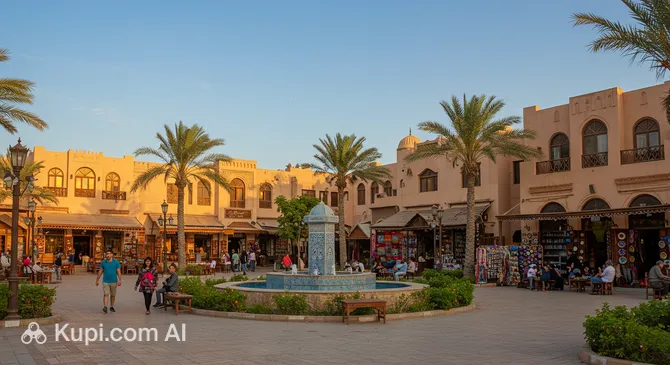
For those seeking a genuine cultural experience, the Old Market (also known as Old Sharm) is the place to be. This bustling bazaar is filled with the aroma of exotic spices and the glitter of brass lamps. Here, you can find everything from hand-woven carpets and leather goods to intricate jewelry. It is the traditional heart of the city's commerce, where haggling is not just accepted but expected. Engaging with friendly shopkeepers over a price is part of the fun and often leads to great deals on unique keepsakes.

If you prefer a more modern and pedestrian-friendly environment, the Naama Bay Pedestrian Street is the tourist epicenter of shopping. Lined with innumerable shops, bazaars, and boutiques, this lively promenade comes alive at night. You can browse for clothing, sunglasses, and gifts while surrounded by the energy of cafes and music. It offers a mix of fixed-price stores and traditional stalls, bridging the gap between the old and new styles of shopping.

For a structured shopping experience away from the heat, Genena City offers a comprehensive mall atmosphere. Located on a hill with stunning views, it houses international brands, local boutiques, and entertainment options. Another popular destination for a hassle-free experience is SOHO Square, known for its "no hassle" policy where shopkeepers do not pressure tourists, and prices are generally fixed. This makes it an ideal spot for those who find the intensity of the souqs overwhelming.

Visitors interested in local flavors and edible gifts should not miss the Mango Market. While it is famous for its incredible selection of fresh Egyptian mangoes and exotic fruits, it is also a great place to buy spices, sweets, and nuts at reasonable prices. It provides a colorful and fragrant glimpse into the region's agricultural bounty, perfect for picking up snacks for your hotel room or gifts to take home.

When deciding what to buy, consider Egypt's famous products. Perfume oils and essences are widely available and of high quality; you can even have scents mixed to match your favorite designer fragrances. Egyptian cotton products, including sheets, towels, and clothing, are renowned worldwide for their softness and durability. Additionally, papyrus art, alabaster statues, and spices like saffron, cumin, and hibiscus tea make for excellent and lightweight souvenirs to remember your trip by.
Reached the end of the page?

That means the route is fully explored