Support

Al Wajh

About

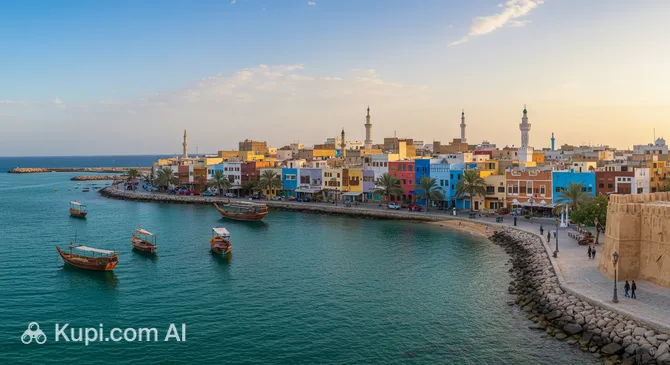
Welcome to Al Wajh, a captivating coastal city that serves as a serene gateway to the wonders of the Red Sea. Located in the Tabuk Province of Saudi Arabia, this destination is celebrated for its authentic charm and relatively untouched beauty. With a population of approximately 50,000 residents, Al Wajh offers a peaceful atmosphere that stands in contrast to the country's bustling metropolises, making it an ideal retreat for travelers seeking tranquility and culture.

Al Wajh. Source: Kupi.Binoculars

The city is renowned for its distinct architectural heritage, particularly in the old town area known as Al-Balad. Here, visitors can admire the abandoned yet magnificent buildings featuring traditional Hejazi architecture, characterized by intricate wooden balconies called rawashin. Exploring the history of Al Wajh reveals its past significance as a vital port city and a crucial stopover for pilgrims, adding a layer of depth to your walk through its historic streets.

Beyond its cultural treasures, Al Wajh is a paradise for nature enthusiasts. The coastline is dotted with pristine beaches and crystal-clear turquoise waters, offering excellent opportunities for fishing and diving among vibrant coral reefs. Whether you are looking to immerse yourself in local heritage or simply relax by the sea, Al Wajh invites you to discover one of the kingdom's hidden gems.

Weather Overview

Al Wajh enjoys a warm desert climate that is tempered by its proximity to the Red Sea, ensuring sunny skies for the vast majority of the year. Visitors can generally expect hot, dry summers and mild, pleasant winters with extremely limited rainfall. For a deeper dive into seasonal trends and forecasts, you can consult the detailed guide to the weather in Al Wajh.

The summer months, spanning from June to September, are characterized by heat, with average maximum temperatures reaching approximately 35°C. In contrast, the winter season from December to February offers delightful conditions for outdoor activities, with average temperatures hovering around 19°C to 21°C and nightly lows staying comfortably above 15°C. Precipitation is exceptionally rare, with zero wet days recorded from spring through summer and only a negligible chance of rain during late autumn and winter.

Interesting Facts

Beyond the serene beaches and turquoise waters, Al Wajh holds a treasure trove of historical secrets and cultural marvels that many visitors overlook. This ancient port city is not just a gateway to the sea but a living museum of Hejazi heritage and pivotal moments in history.
  • The "Face" of the Coast: The name "Al Wajh" translates to "The Face" in Arabic. Historians believe this title was bestowed upon the city because it served as the first point of arrival—or the welcoming face—for pilgrims and travelers sailing from Africa to the Holy Lands, as well as those traveling overland on the ancient Egyptian Hajj route.

  • Lawrence of Arabia's Base: During the Great Arab Revolt of 1917, Al Wajh played a critical strategic role. It was captured and subsequently used as a primary base of operations by Prince Faisal and T.E. Lawrence (Lawrence of Arabia). From this coastal headquarters, they planned the daring march north to capture Aqaba, a turning point in regional history.

  • Natural Air Conditioning: The city's abandoned old town, Al-Balad, showcases the brilliance of traditional engineering through its rawashin. These intricate wooden balconies were not merely decorative; they were designed to catch cooling sea breezes and circulate air through the homes while blocking harsh sunlight and maintaining privacy—effectively serving as an ancient form of air conditioning.

  • A Fortress for Pilgrims: Located just outside the city stands Al-Zareeb Castle, constructed in 1617 during the Ottoman era. Unlike many military forts built solely for war, this rectangular fortress was designed specifically to protect pilgrim caravans traveling to Mecca, offering them a secure resting place and fresh water from its internal wells.

  • The Lobster Capital: While fishing is common along the Red Sea, Al Wajh is particularly renowned for its spiny lobster. The local waters are rich with this delicacy, and for decades, the city has been celebrated as one of the kingdom's premier destinations for fresh seafood, with a fishing heritage that remains a core part of its identity.

How to Get There

Planning a trip to the Red Sea coast? You can find detailed options and routes on more about how to get to Al Wajh to help organize your journey. While Al Wajh offers a peaceful escape, reaching it often involves traveling through major transport hubs in the surrounding Tabuk Province.

The city does not have its own major international airport listed here, but it is well-connected via airports in nearby cities. One of the most convenient options is Prince Abdul Majeed bin Abdulaziz Airport (IATA: ULH) located in AlUla. It is approximately 166 km from Al Wajh. A taxi or rental car transfer from here typically takes around 2.5 to 3 hours, allowing you to enjoy the scenic desert landscapes on your way to the coast.

Another key entry point is Tabuk Regional Airport (IATA: TUU) in the provincial capital, Tabuk. Situated about 236 km from Al Wajh, this airport handles a significant volume of regional traffic. The drive from Tabuk to Al Wajh generally takes about 3 to 3.5 hours by road. Additionally, travelers can consider Neom Bay Airport (IATA: NUM) in Neom, which is roughly 221 km away and offers a travel time of approximately 3 hours by car.

For clarity, here is a summary of the main airports:

Airport Name City Passenger Traffic Km from City
Tabuk Regional Airport Tabuk Large 236.4
Marsa Alam International Airport Marsa Alam Large 202.3
Prince Abdul Majeed bin Abdulaziz Airport AlUla Medium 165.7
Berenice International Berenice Small 268.7
Neom Bay Airport Neom Small 220.5

Main Attractions

Al Wajh is a city where history and nature converge, offering visitors a unique blend of architectural heritage and coastal beauty. While it is less commercialized than other Red Sea destinations, its charm lies in its authenticity and the stories embedded in its streets and shores. Here are the main attractions to explore during your visit.

The crown jewel of the city is the historic district known as Al-Balad. Situated on a cliff overlooking the harbor, this abandoned "ghost town" is a mesmerizing labyrinth of traditional Hejazi architecture. Tourists are drawn here to wander through the empty streets and admire the crumbling yet majestic houses adorned with intricate wooden rawashin balconies. It offers a rare, unfiltered glimpse into the past, allowing you to imagine the bustling life of this ancient port without the crowds found in other historical sites.

A short distance inland lies the impressive Al-Zareeb Castle (Qal'at Al-Zareeb). Built in 1617 during the Ottoman era, this rectangular fortress was a crucial waystation designed to protect pilgrims traveling to Mecca and to store water. Its sturdy stone walls, watchtowers, and central courtyard have stood the test of time, making it a fascinating site for history enthusiasts interested in the region's role in the Hajj pilgrimage routes.

For those seeking relaxation, the Al Wajh Corniche offers a picturesque setting along the Red Sea coast. This beautifully maintained promenade is perfect for a sunset stroll or a family picnic, offering stunning views of the turquoise waters. It serves as the city's social hub where locals and visitors alike come to enjoy the fresh sea breeze and the serene atmosphere that defines this coastal retreat.

Finally, the pristine beaches of Al Wajh are a major draw for nature lovers and divers. The waters here are renowned for their clarity and untouched coral reefs, making it an excellent starting point for snorkeling and diving expeditions. Unlike busier tourist hubs, the beaches here remain relatively quiet, offering a private and peaceful experience by the sea.

Local Cuisine

The culinary scene in Al Wajh is inextricably linked to its location on the Red Sea coast, making it a true paradise for seafood lovers. The city’s cuisine is defined by the freshness of the day’s catch, with recipes that have been passed down through generations of fishermen. While you will find standard Saudi staples here, the local table is dominated by the treasures of the sea, prepared with aromatic spices and served with generous hospitality.

One dish you simply must try is Sayadiyah, the quintessential meal of the Red Sea coast. It consists of fish—usually a firm white fish like Grouper (Najil) or Emperor (Hamour)—cooked with rice that has been browned with caramelized onions and a unique blend of spices. The result is a savory, deeply flavorful dish that is often garnished with toasted nuts and served with tahini sauce and spicy salsa known as duggus.

Al Wajh is also famously known as a hub for spiny lobster. Unlike many other places, lobster here is often widely available and relatively affordable, grilled simply over charcoal to let the natural sweetness of the meat shine. For those who prefer meat over seafood, traditional dishes like Mandi and Kabsa (rice with roasted lamb or chicken) are widely available, reflecting the broader culinary traditions of the Arabian Peninsula.

When it comes to beverages, the culture is strictly non-alcoholic. The most traditional drink is Saudi coffee (Gahwa), a lightly roasted coffee spiced with cardamom and saffron, always served with dates as a sign of welcome. After a heavy meal, locals often enjoy sweet black tea infused with fresh mint or aromatic herbs like basil, which aids digestion and complements the cooling sea breeze.

The food culture in Al Wajh is casual and community-oriented. You won't find many high-end fine dining establishments; instead, the best food is often found in modest local eateries and near the fish market. A popular way to dine is to visit the fish market to select your own fresh seafood and have it cleaned and grilled to order at a nearby restaurant. Meals are typically enjoyed family-style, often seated on the floor in traditional settings, emphasizing the shared experience of eating.

Travel Tips

Visiting Al Wajh offers a delightful escape into heritage and nature, but a smooth trip requires some local know-how. Here are some practical tips to help you navigate this charming Red Sea city with ease and confidence.

  1. Clothing and Gear: Given the warm desert climate, lightweight and breathable fabrics are essential, but remember to dress modestly in line with local customs. Men and women should cover their shoulders and knees; loose-fitting clothing is highly recommended to stay cool and respectful. Comfortable walking shoes are a must, especially if you plan to explore the uneven terrain of the old Al-Balad district.
  2. Transportation: Public transport options like buses are virtually non-existent for tourists in Al Wajh. The most practical way to get around is to rent a car, which gives you the freedom to reach remote beaches and historical sites at your own pace. Ride-hailing apps like Careem may operate, but availability can be sporadic compared to major cities, so having your own vehicle is preferable.
  3. Finances: The local currency is the Saudi Riyal (SAR). While credit cards are accepted in hotels and larger supermarkets, cash is still king in smaller shops, traditional souqs, and the fish market. It is wise to withdraw money from ATMs, which are widely available, and keep small denominations handy. Tipping is not mandatory but is appreciated for good service, typically around 10-15% in restaurants.
  4. Health and Safety: Al Wajh is a safe city for travelers, but the sun can be intense, so always carry water and wear sunscreen. Pharmacies are generally well-stocked and easy to find; look for green cross signs. In case of any medical emergency, dial 997 for an ambulance. The city is peaceful, but standard precautions like keeping valuables secure should always be observed.
  5. Communication: Arabic is the official language, and while hotel staff may speak English, it is less widely spoken in local markets. Learning a few basic phrases like "As-salamu alaykum" (Peace be upon you) and "Shukran" (Thank you) goes a long way. It is strongly advised to purchase a local SIM card (STC, Mobily, or Zain) with data upon arrival to access maps and translation apps.
  6. Local Etiquette: Locals are known for their hospitality, but cultural norms should be respected. Always use your right hand for eating and greeting. If you are invited into a home, remove your shoes at the entrance. When taking photos, always ask for permission first, especially before photographing local residents.
  7. What to Avoid: Public displays of affection are culturally inappropriate and should be avoided. Additionally, remember that alcohol is strictly prohibited throughout Saudi Arabia; do not attempt to bring it into the country or consume it.
  8. Timing Your Visits: Be aware that many shops and businesses close briefly during prayer times, which occur five times a day. Plan your shopping or dining around these intervals. On Fridays, the holy day, most businesses remain closed until the late afternoon, so schedule your outdoor activities or beach time for the morning.

By keeping these tips in mind, you will be well-prepared to enjoy the authentic hospitality and stunning scenery of Al Wajh. Have a wonderful journey exploring the "Face" of the Red Sea coast!

Entertainment & Nightlife

Nightlife in Al Wajh offers a distinct cultural experience that contrasts sharply with the bustling club scenes found in many Western destinations. In this conservative coastal city, the concept of "nightlife" revolves around socializing, dining, and enjoying the outdoors after the desert heat subsides. The atmosphere is family-oriented, relaxed, and centered on community connection rather than loud music or dance floors. Visitors should be aware that alcohol is strictly prohibited throughout Saudi Arabia, so there are no bars or nightclubs in the traditional sense. Instead, you will find vibrant coffee houses, tea lounges, and bustling promenades that stay active well into the early morning hours.

The epicenter of evening activity is undoubtedly the Al Wajh Corniche. As the sun sets, this beautifully landscaped waterfront promenade comes alive with locals and tourists alike. Families gather for picnics on the grass, children play in the designated park areas, and friends meet for long walks by the sea. The vibe is incredibly welcoming, with the scent of grilled corn and aromatic Arabic coffee filling the air. It is the perfect place to immerse yourself in the local culture, watch the fishing boats return to the harbor, and enjoy the cool Red Sea breeze under a starlit sky.

For a taste of the local culinary scene at night, the Al Wajh Fish Market is a must-visit venue. While it functions as a market, it transforms into a lively dining destination in the evenings. You can select fresh catch directly from the stalls—including the city's famous spiny lobster—and have it grilled to perfection at nearby restaurants. Another popular activity is visiting the traditional cafes scattered along the coast, where you can sip on karak tea or fresh fruit juices while engaging in quiet conversation. These venues often feature outdoor seating, allowing guests to enjoy the mild evening weather.

Practical advice for enjoying your nights here includes timing your outings correctly. The city truly wakes up after the evening Isha prayer, around 8:00 PM, and many shops and eateries remain open until 1:00 AM or 2:00 AM. The dress code remains modest even at night; men should wear long trousers, and women should stick to loose-fitting clothing. Getting around is best done via a rental car, as taxis can be scarce late at night. However, the city is compact, and if you are staying near the center, many key spots are accessible by a short drive.

Safety is one of Al Wajh's strongest assets. The city is exceptionally safe for night walks, even for solo travelers. The Corniche and main commercial streets are well-lit and populated by families, creating a secure environment. If you need a ride, it is reliable to arrange transportation through your hotel or use a ride-hailing app if available, rather than trying to flag down a taxi on the street.

While the nights are for relaxing, daytime entertainment in Al Wajh is more focused on nature and heritage. There are no large amusement parks or theaters here. Instead, the daylight hours are best spent exploring the historic Al-Zareeb Castle, wandering the abandoned streets of the old Al-Balad district, or embarking on boat trips to the pristine islands nearby for snorkeling and swimming. The pace of life is slow, inviting you to appreciate the natural beauty and history of this unique Red Sea port.

Parks & Museums

While Al Wajh is not characterized by vast botanical gardens or sprawling modern museum complexes, the city itself serves as a canvas of natural beauty and living history. Its "green spaces" are often defined by the pristine coastline and manicured promenades, while its "museums" are the streets and stones of its ancient quarters, offering an immersive dive into the heritage of the Red Sea coast.

For those seeking relaxation amidst greenery and sea breezes, the Al Wajh Corniche is the city's premier public space. Stretching along the waterfront, this beautifully maintained promenade functions as the central park of the city. It features landscaped grassy areas, palm trees, and paved walkways perfect for jogging or leisurely strolls. Families flock here in the evenings to enjoy picnics on the lawns while children play in the designated playgrounds, all against the stunning backdrop of the turquoise sea.

Nature serves as the ultimate park here, particularly at the nearby natural beaches and coastal inlets. Areas like Sharm Al Wajh offer a rugged, untouched environment where the desert meets the sea. Unlike traditional urban parks, these spaces provide a raw connection to nature, where visitors can explore rocky outcrops, spot marine birdlife, and enjoy the tranquility of the Red Sea away from the city center.

In terms of cultural institutions, the Old Town (Al-Balad) stands as a magnificent open-air museum. Although it is not a museum in the conventional sense with ticket counters and glass cases, walking through its abandoned streets offers a direct encounter with history. The district preserves the authentic Hejazi architecture, showcasing the intricate rawashin (wooden balconies) and coral-stone masonry that defined the Red Sea style centuries ago. It is a place to wander slowly, treating every crumbling facade as an exhibit of a bygone era.

Complementing the old town is the historic Al-Zareeb Castle. While primarily a fortress, it offers visitors a glimpse into the region's military and pilgrim history. Built to protect the caravans traveling to Mecca, the structure itself acts as a gallery of Ottoman-era engineering. Visitors can explore its courtyard, wells, and watchtowers, gaining insight into the strategic importance of Al Wajh without the need for curated displays.

For a truly authentic experience, keep an eye out for small, private heritage collections that locals sometimes open to visitors. These informal "museums" are often housed in private homes or small shops, displaying maritime tools, old photographs, and Bedouin artifacts. Asking a local guide about such hidden gems can lead to fascinating personal stories that you won't find in any guidebook.

Getting Around

The public transport system in Al Wajh is significantly different from what you might expect in major metropolitan areas. As a relatively small coastal city with a population of around 50,000, it does not possess a complex network of metros, trams, or city buses designed for tourist navigation. The infrastructure is primarily built around private vehicle use, meaning there is no centralized public transit authority issuing travel cards or passes for getting around the city itself.

For visitors without their own vehicle, taxis serve as the primary substitute for public transportation. You can find taxis waiting at key locations such as the airport, near the central fish market, and along the Corniche. Unlike in larger cities where meters are strictly enforced, it is common practice here to negotiate the fare with the driver before starting your journey. While some drivers may accept bank transfers, cash remains the most reliable and widely accepted payment method, so it is advisable to carry small denominations of the local currency.

Ride-hailing applications are available but operate with less frequency than in the capital. Apps like Careem and Uber may function within the city, offering the advantage of fixed pricing and digital payment via credit card. However, availability can be sporadic, especially late at night or in more remote beach areas. Relying solely on these apps can sometimes result in long wait times, so having a backup plan is recommended.

Given the limited public options, the most practical advice for tourists is to rent a car. This is widely considered the most efficient way to navigate Al Wajh. Rental agencies are available at the airport and within the city center. Driving yourself provides the freedom to explore the scattered attractions, such as the distant Al-Zareeb Castle or the secluded beaches north and south of the city, which are difficult to reach via taxi. Ensure you have a valid International Driving Permit (IDP) along with your national license.

Walking is generally not considered a viable mode of transport for commuting across the city due to the distances and the warm desert climate. However, specific areas like the historic Al-Balad district and the Corniche are pedestrian-friendly and best explored on foot. In these specific zones, you can enjoy a leisurely pace, but for moving between neighborhoods or reaching your hotel, motorized transport is essential.

Accommodation

Accommodation in Al Wajh is primarily functional and geared towards local travelers and those exploring the Red Sea coast. Unlike the major metropolitan hubs of Saudi Arabia, the city does not currently feature a wide array of high-rise international luxury chains. Instead, the hospitality landscape is dominated by mid-range hotels and a significant number of furnished apartments (known locally as shugaq mafroosha). These apartments are particularly popular among families and groups, offering spacious living areas and kitchenettes at competitive rates.

When choosing where to stay, location is key to enjoying the city's relaxed atmosphere. The most desirable area is undoubtedly along the Corniche and the waterfront districts. Hotels and apartments here often offer balconies with views of the Red Sea and provide immediate access to the promenade for evening walks. Alternatively, staying in the city center places you closer to the historic Al-Balad district, the fish market, and local shops, making it a convenient choice for those who want to be in the heart of the daily action.

Travelers should be aware that the booking process in Al Wajh can differ slightly from larger tourist destinations. While some of the more prominent hotels are listed on major international booking platforms, many smaller, locally-run establishments may have a limited online presence. It is often a good idea to book in advance, especially during Saudi national holidays or school breaks when domestic tourism peaks. If you are planning to stay in a smaller guesthouse, having cash on hand is advisable, as card payment facilities may not always be available.

In terms of cost, Al Wajh is generally an affordable destination. The price range typically spans from budget to mid-range, offering good value for money compared to the more developed resort areas of the kingdom. Luxury seekers may find options limited within the city limits itself, as the ultra-high-end developments of the Red Sea Project are generally located on offshore islands or in dedicated zones further from the town center.

Nearby Cities

For those looking to explore the surroundings, Al Wajh serves as an excellent base for day trips to several interesting nearby locations. While the city itself offers a quiet retreat, the wider region connects visitors to significant historical and administrative hubs of Saudi Arabia.

One of the most accessible destinations for a day trip is Tabuk, the provincial capital located to the northeast. Known as the northern gateway to the Arabian Peninsula, Tabuk offers a rich tapestry of history, including the ancient Tabuk Castle and the historic Hejaz Railway station. It provides a stark yet beautiful contrast of desert landscapes and modern amenities, making it a worthwhile journey for those interested in the region's heritage.

For travelers willing to undertake a longer journey or a short overnight visit, the holy city of Medina lies to the southeast. As one of the most significant spiritual centers in the Islamic world, it attracts millions of visitors annually. While it is a bit further away, the drive takes you through the changing terrains of the Hejaz region, offering a glimpse into the cultural heart of the kingdom.

City Population Distance (km)
Jeddah 3,976,000 589
Mecca 2,000,000 633
Medina 1,180,770 371
Taif 579,970 681
Tabuk 547,957 238

These nearby destinations offer a glimpse into the diverse culture and landscapes of the region, ranging from bustling provincial capitals to historic spiritual centers.

Shopping & Souvenirs

Shopping in Al Wajh offers a distinctively authentic experience that contrasts with the glitzy mega-malls found in Saudi Arabia's larger metropolitan areas. Here, the focus is less on international luxury brands and more on local necessities, traditional goods, and the daily rhythm of a coastal community. Visitors will find that retail therapy in this city is an exploration of small, family-run businesses and bustling local markets, providing a genuine glimpse into the lifestyle of the Tabuk Province.

The city's commercial life is concentrated along the main streets of the modern downtown area, particularly near the King Abdulaziz Street and the roads leading towards the port. These thoroughfares are lined with a variety of small shops selling everything from clothing and perfumes to electronics and household goods. Walking down these streets allows tourists to mingle with locals and discover modest boutiques that offer traditional Saudi attire, such as thobes and abayas, often at very reasonable prices compared to bigger cities.

Travelers looking for large-scale shopping complexes should be aware that Al Wajh does not feature major international malls. Instead, the retail landscape is dotted with smaller commercial centers and supermarkets that serve the local population's daily needs. These centers often house a collection of essential stores under one roof, providing a convenient stop for travelers to restock on supplies, snacks, or toiletries before heading out to the beaches or the desert.

The true highlight of the shopping scene is the Al Wajh Fish Market. Located near the harbor, this vibrant market is the beating heart of the city's economy and culture. It is the best place to witness the region's fishing heritage in action. Visitors can browse stalls overflowing with the freshest catch from the Red Sea, including the city's famous spiny lobster, grouper, and emperor fish. Even if you aren't planning to cook, the lively atmosphere makes it a fascinating stop, and many nearby restaurants will grill your purchase for you.

When it comes to souvenirs, the best items to bring back are those that reflect the local culture and flavors. While you won't find dedicated tourist souvenir shops, local grocery stores and roasteries offer excellent quality Saudi coffee, cardamom, and dates, which make for perfect edible gifts. You might also find traditional incense burners or locally blended perfumes in the downtown shops, serving as aromatic reminders of your trip to the coast.

Store opening hours in Al Wajh generally follow the traditional split-shift pattern common across Saudi Arabia. Shops typically open around 9:00 AM, close for a midday break in the afternoon, and reopen from 4:00 PM until late at night, often staying busy until 11:00 PM or midnight. It is important to remember that all businesses close briefly during prayer times. In terms of payment, cash is the preferred method in smaller shops and the fish market, so carrying Saudi Riyals is essential. However, larger supermarkets and some modern retailers readily accept credit and debit cards.

Regarding tax-free shopping, the system for VAT refunds is generally geared towards major international retailers in the kingdom's main transport hubs and large malls. In a smaller city like Al Wajh, where shopping is predominantly local and small-scale, tourists are unlikely to find stores participating in the digital tax-free refund schemes. It is best to expect to pay the standard VAT on purchases without the expectation of a refund at the airport.
Reached the end of the page?

That means the route is fully explored