Support

Taif

About

Nestled high in the Sarawat Mountains of the Makkah Province, Taif offers a refreshing escape with its cool climate and stunning natural scenery. Often referred to as the "City of Roses," this highland destination in Saudi Arabia stands in stark contrast to the desert heat found elsewhere in the region, making it a beloved summer resort for both locals and international travelers.

With a population of nearly 580,000 residents, the city combines modern urban amenities with a relaxed, traditional atmosphere. The rich history of Taif is deeply intertwined with agriculture and trade, dating back to pre-Islamic times when it was a walled city surrounded by fertile valleys.

Taif. Source: Kupi.Binoculars

Visitors are captivated by the region's unique attractions, particularly the famous rose farms that produce world-renowned rose water and oil every spring. The dramatic winding roads of Al Hada provide breathtaking panoramic views and access to a thrilling cable car ride, while the historic Shubra Palace showcases the elegance of early 20th-century architecture.

Whether you are seeking outdoor adventures among rugged peaks or a peaceful retreat surrounded by fragrant gardens, Taif promises a memorable journey. It is a must-visit destination for anyone wishing to experience the diverse landscapes and warm hospitality of the kingdom.

Weather Overview

Thanks to its high altitude, the city enjoys a temperate climate that serves as a welcome respite from the intense desert heat found elsewhere in the kingdom. Travelers planning a trip should check the detailed weather in Taif to pack appropriately, as conditions can vary significantly depending on the season.

Summers are generally warm but pleasant compared to the coastal lowlands, with average temperatures in June and July hovering around 30°C and daily highs reaching up to 36°C. Winters offer a refreshing change, becoming cool and crisp; January is typically the coldest month, featuring average temperatures of 16.8°C and nighttime lows dipping to approximately 11.4°C.

Rainfall is relatively sparse, though April and August tend to be the wettest months, seeing up to 9 and 8 wet days respectively. Overall, you can expect warm summers with occasional rain and cool, dry winters, making the city a comfortable destination year-round.

Interesting Facts

Beyond the main attractions, Taif holds many fascinating secrets that reveal its deep cultural and historical significance. From ancient markets to aromatic traditions, this mountain city is full of surprises waiting to be discovered.
Shubra Palace. Source: Kupi.Binoculars
  • The City of Roses: Taif is renowned for the "Ward Taifi," a 30-petal Damask rose whose fragrance is so prized that it is traditionally used to wash the holy Kaaba in Makkah. The city produces millions of these roses annually, which are distilled into some of the world's most expensive and sought-after perfume oils.

  • Unofficial Summer Capital: For decades, the city served as the unofficial summer capital of the kingdom. Due to its pleasant high-altitude climate, government officials and the royal family would historically relocate here from the sweltering heat of Riyadh and Jeddah to conduct state affairs during the hottest months.

  • A Palace of Imported Luxury: The magnificent Shubra Palace stands as a testament to architectural fusion, built using imported Carrara marble from Italy. It famously served as a residence for King Abdulaziz and later King Faisal, blending Roman influences with traditional Islamic lattice windows known as Roshan.

  • Ancient Poetry Hub: The region is home to the legendary Souq Okaz, which was arguably the most prestigious open-air market in ancient Arabia. Historically, it was much more than a trading post; it was a vibrant cultural hub where poets would gather to compete in reciting verses, a heritage that is celebrated today through revived annual festivals.

How to Get There

Reaching this mountain resort city is relatively straightforward, with air travel being the most common method for international and distant domestic travelers. For a detailed overview of all transport options and routes, you can read more about how to get to Taif.

The most convenient entry point is the local Taif Airport (IATA: TIF). Situated approximately 25.3 km from the city center, it serves as a regional hub for domestic and select international flights. The transfer to the downtown area is quick, typically taking around 25 to 30 minutes by taxi. With a passenger volume of over a million travelers annually, it offers a comfortable and efficient arrival experience without the crowds of larger hubs.

For those arriving from further abroad, King Abdulaziz International Airport (IATA: JED) in Jeddah is the primary gateway. Although it is located in Jeddah, about 139 km from Taif, it is a massive international hub connecting the region to the world. The journey from Jeddah to Taif involves a scenic drive up the mountains, which generally takes approximately 2 to 2.5 hours by road. This airport handles a very large volume of passengers and provides extensive services and car rental options.

For clarity, here is a summary of the main airports:

Airport Name City Passenger Traffic Km from City
King Abdulaziz International Airport Jeddah Large 138.8
Taif Airport Taif Medium 25.3
Al-Aqiq Airport Al Baha Small 167.3

Main Attractions

Taif is a city where history and modernity blend seamlessly, offering visitors a mix of cultural heritage, spiritual sites, and contemporary leisure. From ancient palaces to bustling shopping centers, the city's landmarks tell the story of its evolution from a walled fortress to a premier summer destination.

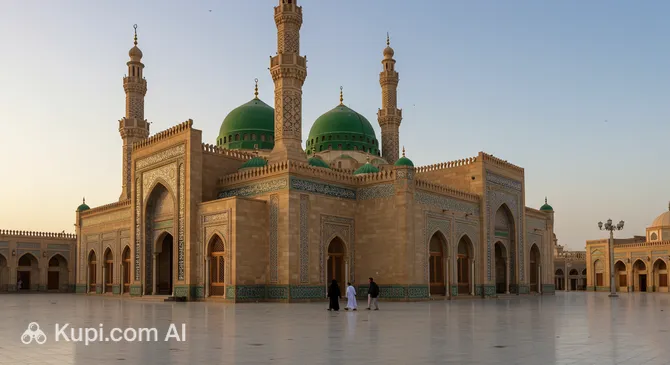
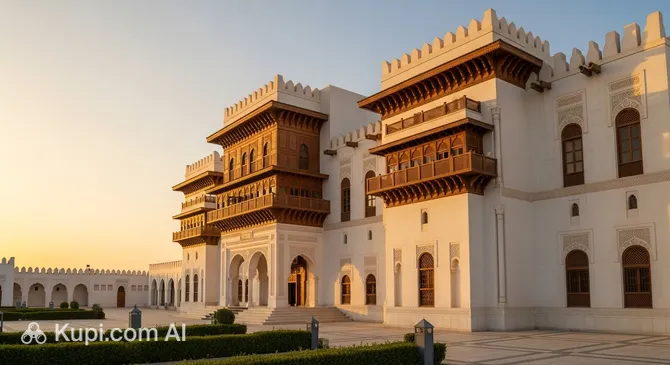
One of the most iconic landmarks is the magnificent Shubra Palace. While it is famous for its stunning architecture that fuses Roman and Islamic styles, it also serves as the Taif Regional Museum. Visitors can explore its grand halls to see a fascinating collection of artifacts, photographs, and historical items that offer a glimpse into the city's royal past and cultural development.

Shubra Palace. Source: Kupi.Binoculars

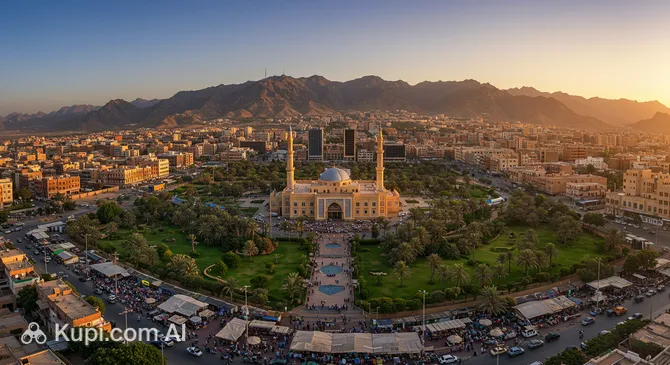
For those interested in the city's spiritual heritage, the Abdullah ibn Abbas Old Mosque is a must-visit site. Located in the heart of the historic district, this mosque is named after the cousin of the Prophet Muhammad and is considered one of the most venerable religious sites in the region. Its traditional architecture and peaceful atmosphere attract many pilgrims and tourists seeking to connect with the local history.

Abdullah ibn Abbas Old Mosque. Source: Kupi.Binoculars

Just a short distance away stands the Al Abbas Gate, a surviving remnant of the old city walls. This historic gateway serves as a tangible link to the era when Taif was a fortified city protecting its prosperous trade routes. Walking through this area allows travelers to imagine the bustling caravans of the past and appreciate the preservation of the city's ancient roots.

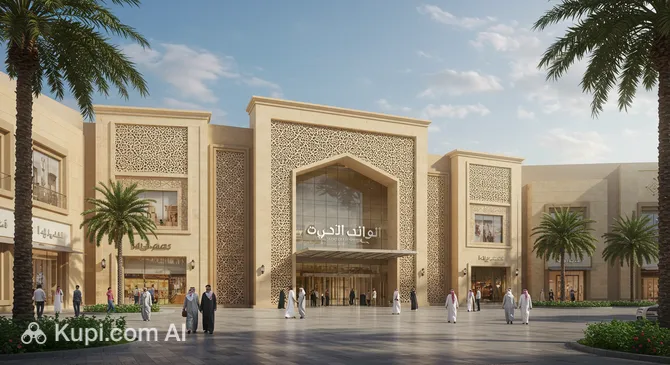
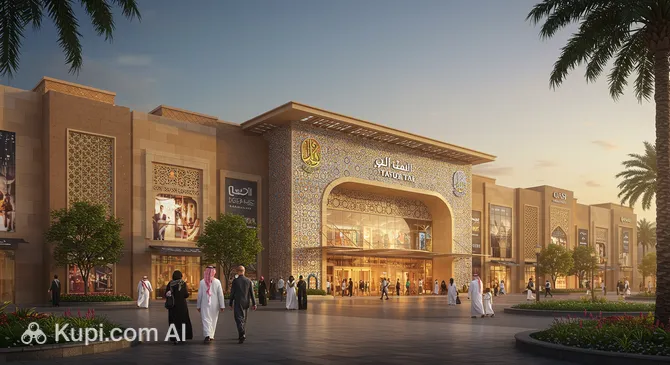
If you are looking for modern entertainment and shopping, Jouri Mall offers a vibrant change of pace. As one of the most popular commercial hubs in the city, it features a wide array of international brands, dining options, and family entertainment facilities. It is a perfect spot to relax in the evening, enjoy a meal, and experience the lively social scene of contemporary Taif.

Jouri Mall. Source: Kupi.Binoculars

Local Cuisine

The gastronomy of Taif is deeply influenced by its cool climate and fertile soil, distinguishing it from other parts of the Kingdom. The city is famous for its high-quality agricultural produce, including pomegranates, grapes, figs, and honey, which often feature in local diets. The cuisine here is a delightful blend of traditional Hejazi flavors and Bedouin simplicity, offering hearty meals that provide warmth in the cool mountain evenings.

The undisputed star of the local table is Saleeg, often described as the signature dish of the Taif region. This creamy, comforting meal resembles a savory risotto or porridge, made by cooking white rice with broth and milk until it reaches a soft consistency. It is traditionally served on large platters topped with roasted chicken or meat and accompanied by a spicy tomato salsa known as duggus and pickled lemons. Trying authentic Saleeg is an essential experience for any food lover visiting the city.

For those with a sweet tooth, the local honey is renowned across the country for its purity and flavor. It is often served with Masoub, a banana and bread pudding enriched with cream, nuts, and dates, making for a substantial and delicious breakfast or dessert. Fresh fruit juices are also a staple, utilizing the region's abundant seasonal harvest to create refreshing beverages perfect for the afternoon.

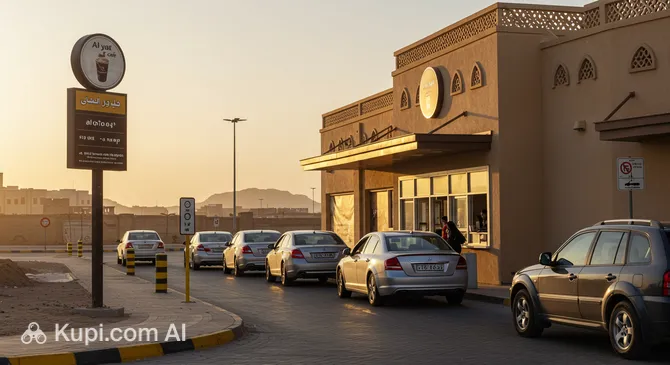
Coffee culture is vibrant in Taif, where social gatherings revolve around pots of traditional Arabic coffee, or Gahwa. This golden-hued coffee is brewed with cardamom and saffron and is always served with dates to balance the bitterness. For a more modern café experience, you can visit places like Al Yat Cafe, which offers a relaxing atmosphere to enjoy hot beverages and light snacks while soaking in the local vibe.

Al Yat Cafe. Source: Kupi.Binoculars

The dining scene in Taif ranges from traditional floor-seating restaurants to contemporary international eateries. If you are looking for a refined dining experience, Marella is a popular choice among locals and tourists alike, serving a variety of dishes in an elegant setting. Alternatively, for a casual and tasty meal, Sign Burger offers a modern twist on fast food favorites, perfect for fueling up after a day of sightseeing.

Travel Tips

Welcome to Taif, the refreshing mountain retreat of the Kingdom. To ensure your journey through these misty peaks and fragrant valleys is as smooth and enjoyable as possible, we have compiled a list of essential practical tips for your visit.

  1. Clothing and Gear: Unlike the rest of Saudi Arabia, Taif can get quite chilly, especially in the evenings and during winter. It is highly recommended to bring a light jacket or sweater, even in summer. As with the rest of the country, modest dress is required; men should wear long trousers, and women should wear loose-fitting clothing that covers shoulders and knees.

  2. Transportation: Public transport options like buses are limited for tourists, so the best way to get around is by using ride-hailing apps like Uber or Careem, which are reliable and widely used. However, to truly explore the winding mountain roads of Al Hada and Al Shafa at your own pace, renting a car is often the most convenient choice.

  3. Finances: The local currency is the Saudi Riyal (SAR). While credit and debit cards are widely accepted in hotels, malls, and modern restaurants, you will definitely need cash for local fruit markets, traditional souqs, and smaller rose farms. ATMs are plentiful throughout the city.

  4. Health and Safety: Taif is a very safe city for travelers. Pharmacies (such as Nahdi or Al-Dawaa) are easy to find, and many operate 24/7. In case of any medical emergency, dial 997 for an ambulance. The tap water is generally not for drinking; stick to bottled water which is cheap and readily available.

  5. Communication: Arabic is the official language. While staff in major hotels and tourist attractions often speak English, it is less common in traditional markets. Learning a few basic phrases like "Shukran" (Thank you) goes a long way. It is advisable to buy a local SIM card (STC, Mobily, or Zain) at the airport upon arrival for reliable navigation and translation apps.

  6. Local Etiquette: Saudis are known for their hospitality. When greeting someone of the same gender, a handshake is common. Always use your right hand for eating, drinking, or passing items to others, as the left hand is considered unclean. Be patient during prayer times, as some smaller shops may close briefly for about 20-30 minutes.

  7. What to Avoid: Strictly avoid taking photographs of local residents, especially women, without their explicit permission, as this is considered very rude and intrusive. Also, refrain from public displays of affection, which are culturally inappropriate.

  8. Seasonal Tip: If you are visiting during the Rose Festival (usually in March or April), try to visit the rose factories in the early morning (around 6:00 AM to 8:00 AM). This is when the farmers harvest the flowers to ensure the scent is at its peak, offering the most authentic experience.

By keeping these practical tips in mind, you will be well-prepared to navigate the city with confidence and respect. Enjoy the cool breeze, the sweet scent of roses, and the warm hospitality that makes Taif such a unique destination.

Entertainment & Nightlife

Entertainment and Nightlife:

Nightlife in Taif offers a distinct and culturally rich experience that differs significantly from Western standards. Instead of nightclubs and dance floors, the evening scene revolves around socializing in upscale lounges, vibrant cafés, and bustling public spaces. Due to the city's agreeable climate, locals often stay out late into the night, enjoying conversation, aromatic coffee, and fine dining under the stars.

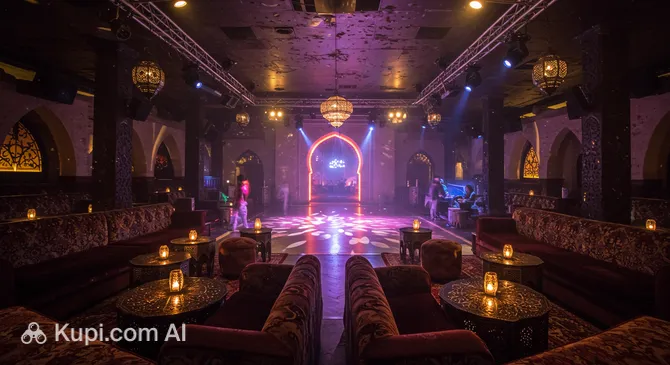
The heart of the city's evening entertainment is its growing collection of modern lounges. These venues provide a sophisticated atmosphere where guests can relax with premium mocktails, desserts, and shisha. One popular destination is the Oryx Lounge, known for its chic interior and relaxed vibe. It attracts a trendy crowd looking to unwind after a day of work or sightseeing, making it a great spot to mingle with locals.

Oryx Lounge. Source: Kupi.Binoculars

Another excellent venue for a refined evening is the Cavallo Lounge. With its elegant decor and comfortable seating, it offers a perfect setting for a quiet night out with friends or family. The dress code in these establishments is generally smart-casual; while there is no strict requirement for tourists to wear traditional dress, modest attire is expected and appreciated.

For those who prefer a more energetic environment, the city's shopping districts come alive after sunset. Tera Mall is a prime example of a bustling evening hub. Families and groups of friends gather here not just for shopping, but to stroll through the wide corridors, enjoy the food courts, and soak in the lively atmosphere. The mall often remains open late, providing a safe and air-conditioned space for night walks.

Tera Mall. Source: Kupi.Binoculars

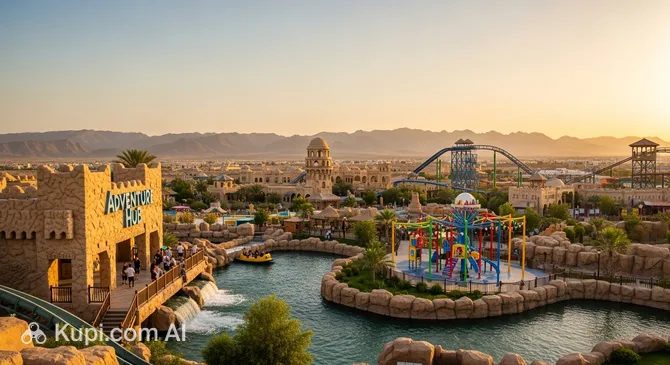
During the day and early evening, entertainment options lean towards family-friendly activities. The city boasts several amusement centers, such as the Adventure Hub, which offers a variety of physical activities and games suitable for children and teenagers. Museums and parks also provide pleasant daytime excursions before the city transitions into its nocturnal rhythm.

Practical Tips for the Night:
The best time to experience the nightlife is from 9:00 PM onwards, as many places stay open until well past midnight. Taif is generally very safe for walking at night, particularly in well-lit commercial areas and malls. Prices in lounges are comparable to other major Saudi cities, with premium drinks and shisha commanding higher rates. To get around, it is advisable to use ride-hailing apps like Uber or Careem, as hailing a taxi on the street can be less reliable late at night.

Parks & Museums

Known as the "Garden of the Hejaz," Taif is celebrated for its lush greenery, vibrant public parks, and rich cultural tapestry. The city offers a refreshing contrast to the arid landscapes typical of the region, boasting beautifully manicured gardens and historical institutions that preserve the heritage of Western Saudi Arabia.

For nature lovers, Saiysad National Park is a spectacular destination located northeast of the city. This vast nature reserve is characterized by its rugged terrain, seasonal streams, and dense acacia trees, making it ideal for camping and hiking. It is also historically significant, housing the ancient Muawiyah Dam. Another favorite among locals is Al Rudaf Park, a sprawling green space famous for its interactive musical fountains, flower displays, and family picnic areas.

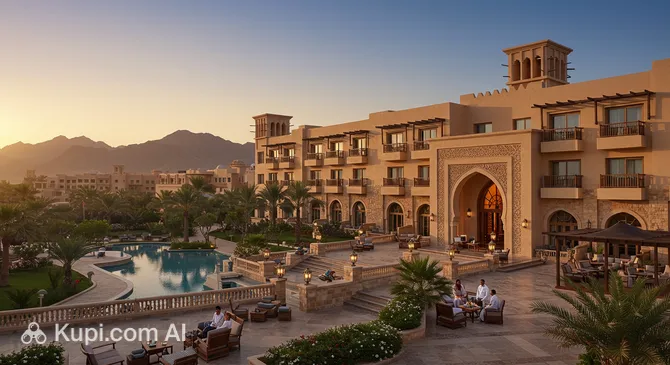
Those seeking a relaxing retreat that combines nature with comfort might enjoy Al Reem Resort. Situated in a serene environment, this facility offers a blend of leisure and outdoor enjoyment, perfect for travelers looking to unwind amidst the cool mountain air.

Al Reem Resort. Source: Kupi.Binoculars

When it comes to museums, the city takes great pride in preserving its past. While the famous Shubra Palace is the most prominent historical landmark, the Al Shareef Museum is a hidden gem that offers a deeply authentic experience. This large private museum is designed to look like a traditional old village and houses an immense collection of artifacts, including vintage cars, antique weaponry, and household tools, providing a vivid window into the daily life of old Taif.

For families traveling with children, the city offers modern amusement parks that serve as excellent recreational hubs. Adventure Hub is a popular indoor destination featuring obstacle courses and physical activities designed to keep energetic visitors entertained. Similarly, Sparky's provides a classic family entertainment center experience with games and rides suitable for younger children.

Adventure Hub. Source: Kupi.Binoculars

Insider Tip: To experience a "living museum," try to visit one of the traditional rose factories in the Al Hada or Al Shafa areas during the spring harvest. Watching the centuries-old distillation process of the Taif Rose is a cultural experience that rivals any static exhibit.

Getting Around

Navigating Taif is becoming increasingly convenient thanks to a mix of modern public transit and reliable private options. While the city does not currently have a metro or tram system, the introduction of a structured bus network has made getting around more accessible for visitors. However, given the mountainous geography and the spread-out nature of attractions, many travelers still prefer the flexibility of cars.

The backbone of the public transport system is the Taif Bus network, operated by SAPTCO. This service features modern, air-conditioned buses running on approximately 9 main routes that cover the city center, residential districts, and key tourist areas like Al Hada and Al Shafa. The buses are designed with passenger comfort in mind, offering free Wi-Fi and accessibility for those with limited mobility.

Payment and Ticketing:
The system is designed to be cashless and user-friendly.
Mobile App: The best way to pay is by downloading the official SAPTCO or Taif Bus app. These apps allow you to plan your route, purchase digital tickets, and validate your ride via QR code upon boarding.
Smart Cards: Rechargeable cards can be purchased at main bus stations and select vending points.
Cost: Fares are very affordable, typically ranging from 2 to 5 SAR per trip.

Operating Hours:
Public buses generally operate 18 hours a day, running from 05:30 AM to 11:30 PM, seven days a week. This wide window makes it easy to rely on the bus for both early morning excursions and late evening returns.

A Unique Journey: The Cable Car
One of the most spectacular ways to travel in Taif is the Telefric Al Hada (Cable Car). While primarily a tourist experience, it serves as a functional link between the high peaks of Al Hada and the Al Kar Tourist Village at the bottom of the valley. The ride takes about 20 minutes and offers breathtaking views of the historic caravan routes. Tickets are purchased separately at the station, and prices are significantly higher than standard transit.

Alternatives:
For maximum freedom, especially when visiting remote rose farms or mountain viewpoints, renting a car is highly recommended. The roads are excellent, and parking is generally available. Alternatively, ride-hailing apps like Uber and Careem are extremely popular and reliable. They eliminate language barriers and ensure fair pricing compared to traditional street taxis, which are also available but require fare negotiation if the meter is not used.

Practical Tips:
To ensure a smooth trip, download the necessary transport apps before you arrive. If you choose to use street taxis, always carry small denominations of cash (Riyals), as drivers rarely have change for large notes. Finally, remember to validate your bus ticket immediately upon boarding to avoid any penalties.
Accommodation

As the premier summer destination in the Kingdom, Taif offers a diverse array of accommodation options designed to suit every type of traveler. From luxurious international hotels and sprawling mountain resorts to budget-friendly furnished apartments (often referred to as serviced apartments), the city is well-equipped to host the influx of visitors seeking relief from the desert heat.

When selecting where to stay, location is a key factor. Visitors who want to be close to historical sites, traditional souqs, and shopping centers should look for hotels in the city center. However, for those prioritizing nature, cooler air, and scenic views, the highland areas of Al Hada and Al Shafa are the most popular choices. These districts are famous for their misty landscapes and proximity to rose farms and fruit orchards.

For travelers seeking a relaxing retreat that capitalizes on the region's natural beauty, properties like Al Reem Resort offer a comfortable stay. Resorts in this category are typically designed to provide a serene escape, often featuring family-friendly amenities and outdoor spaces that allow guests to enjoy the fresh mountain breeze away from the urban bustle.

Booking Tip: Taif experiences a significant surge in tourism during the summer months (June to August) and during the annual Rose Festival in spring. During these peak times, as well as during Eid holidays, demand for accommodation is extremely high. It is strongly recommended to book your hotel or rental well in advance to secure your preferred location and avoid price hikes.

In terms of cost, the city caters to a wide spectrum of budgets. While luxury resorts and high-end hotels command premium prices, especially in season, there are plenty of mid-range and budget options available. Furnished apartments are a particularly cost-effective choice for families. Booking is straightforward, with most properties listed on major international travel platforms and popular local Saudi booking apps.

Nearby Cities

For those looking to explore the surroundings, Taif serves as an excellent base for day trips to several interesting nearby locations:

Just a short drive down the escarpment lies Mecca, the holiest city in Islam. Located approximately an hour away, it is the spiritual heart of the region. While entry to the city and the Grand Mosque is restricted to Muslims, its immense cultural and religious significance shapes the identity of the entire province.

For a complete change of scenery, Jeddah offers a vibrant coastal escape on the shores of the Red Sea. Known as the gateway to the holy cities, it boasts the historic Al-Balad district with its unique coral architecture, a stunning waterfront corniche, and modern shopping destinations, making it a perfect contrast to the mountain atmosphere of Taif.

Travelers willing to venture a bit further can visit Al Qunfudhah, a coastal city known for its pristine beaches and relaxed environment. It provides a quieter alternative for those seeking to enjoy the Red Sea's natural beauty away from the bustling major cities.

City Population Distance (km)
Jeddah 3976000 134
Mecca 2000000 65
Medina 1180770 362
Al Qunfudhah 300516 248
Yanbu 250000 394

These nearby destinations offer a glimpse into the diverse culture and landscapes of the region.

Shopping & Souvenirs

Shopping in Taif is a delightful experience that mirrors the city's unique blend of deep-rooted traditions and modern development. Visitors can explore everything from bustling historic souqs filled with the scent of spices and perfumes to contemporary shopping complexes housing international fashion brands. The city is particularly famous for its local agricultural products, making it the perfect place to purchase authentic goods that you won't find anywhere else in the Kingdom.

For a modern retail experience, the city boasts several impressive complexes. Jouri Mall is one of the premier destinations, offering a sophisticated atmosphere with a wide range of high-end clothing stores, electronics, and a large food court. It is a favorite among families for its indoor entertainment centers and spacious walkways. Another top choice is Tera Mall, which is architecturally designed to resemble a lively French street. It features an open-air vibe with a retractable roof, fountains, and numerous cafes, making it as much a leisure destination as a shopping hub.

To truly understand the local culture, a visit to the Old Souq (Souq Al-Balad) in the historic center is essential. This labyrinth of narrow alleyways is the heartbeat of the city's commerce. Here, you will find vendors selling gold jewelry, traditional Bedouin clothing, and aromatic spices. The market is also the best place to find fresh seasonal produce, such as the region's famous pomegranates, figs, and grapes, which are celebrated for their sweetness and quality.

When it comes to souvenirs, the undisputed treasure of Taif is the "Ward Taifi" or Taif Rose. Visitors should look for small vials of pure rose oil (tola) or bottles of fragrant rose water, which are used for both perfume and culinary purposes. Another excellent gift is the local white honey, prized for its purity and medicinal properties. For something more lasting, traditional wooden prayer beads (Misbah) or locally woven textiles make for meaningful keepsakes.

Opening hours in the city generally follow the rhythm of the day. Large malls typically operate from 10:00 AM to 11:00 PM, though some stores may close briefly for prayer times. On Fridays, most businesses open later in the afternoon, around 4:00 PM. While credit and debit cards are widely accepted in malls and supermarkets, it is highly recommended to carry cash when visiting traditional souqs or buying from street vendors, as electronic payment options may be limited there.

Tourists visiting Saudi Arabia can also benefit from the Tax-Free shopping scheme. The Value Added Tax (VAT) of 15% can often be refunded on purchases made at participating retailers, provided the total amount exceeds a certain threshold. Be sure to ask for a "Tax-Free" tag or invoice at the checkout and present your passport, so you can claim your refund at the airport departure point.

Nearby cities

Reached the end of the page?

That means the route is fully explored