Support

Al Baha

About

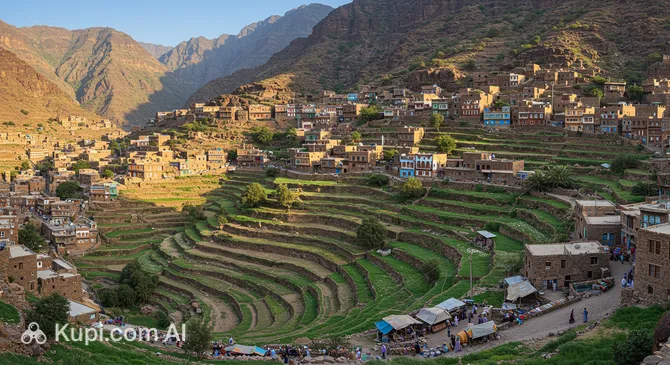
Welcome to Al Baha, a captivating city that serves as one of the kingdom's most scenic tourist destinations. Often referred to as the "Pearl of Resorts," this high-altitude haven offers a refreshing escape with its moderate climate, lush landscapes, and dramatic mountain views. Located in the southwest of Saudi Arabia, Al Baha sits atop the majestic Sarawat Mountains, providing a stark and beautiful contrast to the desert environments found elsewhere in the region.

Al Baha. Source: Kupi.Binoculars

The city, which is the capital of the Al Baha Region, is home to a population of approximately 22,000 residents. Its elevation ensures pleasant weather year-round, making it a popular summer retreat where visitors can enjoy cool breezes and occasional mist. The history of Al Baha is deeply intertwined with its geography, evident in the ancient agricultural terraces and stone watchtowers that dot the landscape, showcasing centuries of human adaptation to this rugged terrain.

Travelers are drawn to the area's natural and cultural treasures. A visit isn't complete without exploring the Raghadan Forest Park, where dense juniper trees offer shaded picnic spots overlooking the Tihama coastal plain. Another highlight is the nearby heritage village of Thee Ain, famous for its multi-story stone houses built upon a white marble hill. Whether you are hiking through green valleys or exploring traditional souqs, Al Baha invites you to experience a unique and tranquil side of the Arabian Peninsula.

Weather Overview

Due to its high elevation in the Sarawat Mountains, the city enjoys a moderate climate that is notably milder than most of the Arabian Peninsula. Before packing for your trip, it is a good idea to check the weather in Al Baha to ensure you are prepared for the specific conditions during your stay. The region is known for its pleasant atmosphere, which serves as a welcome respite from the desert heat found elsewhere in the country.

Summers are generally warm but comfortable, with average temperatures ranging from 26°C to 28°C between June and August. Interestingly, the late summer months of August and September experience the highest frequency of wet days, often bringing refreshing mists or light rain to the green landscapes. Winters are cooler and drier, particularly in January and December, when average temperatures drop to around 17°C and nightly lows can reach 12°C. Overall, you can expect warm summers with frequent misty days in the latter half, and cool, dry winters perfect for outdoor activities.

Interesting Facts

Beyond the scenic views and cool weather, Al Baha holds fascinating secrets that reveal its deep historical and cultural roots. From ancient engineering marvels to sweet traditions, here are some intriguing aspects of this mountain city.
  • The Land of 1,001 Towers: The region is famous for being dotted with over a thousand stone watchtowers, known locally as "qasaba." These mysterious structures, some dating back centuries, were built without mortar and served as strategic lookouts and granaries, standing as silent witnesses to the area's tribal history.

  • Capital of Honey: Al Baha is renowned as a premier hub for beekeeping in Saudi Arabia, often referred to as a capital of "liquid gold." The city hosts a prestigious International Honey Festival every year, where beekeepers showcase tons of high-quality varieties, including the highly prized Sidr honey.

  • Sleeping in the Clouds: Due to its significant elevation, the city frequently experiences a captivating weather phenomenon where dense fog envelops the streets. On many days, particularly in winter, visitors can find themselves literally standing above the cloud line, looking down on a sea of white mist covering the valleys below.

  • Ancient Agricultural Terraces: The mountainsides around the city are carved with elaborate step-like terraces that have been used for farming for millennia. These impressive feats of traditional engineering prevent soil erosion and maximize rainwater retention, allowing locals to grow crops like pomegranates and grapes on steep slopes.

How to Get There

Reaching the scenic mountain city of Al Baha is quite convenient, thanks to its own regional airport and good road connections to major Saudi cities. Whether you are flying in from within the kingdom or arriving internationally and driving up the mountains, there are several options to suit your itinerary. You can find more detailed information on how to get to Al Baha to help you plan the best route for your trip.

The most direct way to arrive is via Al-Aqiq Airport (IATA: ABT), which serves the region directly. It is located approximately 33 km from the city center of Al Baha. A taxi or car transfer from this airport typically takes about 45 minutes to an hour, depending on traffic. This is a small regional airport, making arrival and departure procedures generally quick and easy.

For international travelers, the primary gateway is usually King Abdulaziz International Airport (IATA: JED) in the city of Jeddah. It is a large international hub located about 300 km from Al Baha. The journey from Jeddah involves a drive of approximately 4 to 5 hours, which includes a scenic ascent up the Sarawat Mountains. Another viable option is Taif Airport (IATA: TIF) in Taif, situated roughly 185 km away. The drive from Taif is shorter, taking around 2.5 to 3 hours.

For clarity, here is a summary of the main airports:

Airport Name City Passenger Traffic Km from City
King Abdulaziz International Airport Jeddah Large 299.7
Abha Regional Airport Abha Medium 236.8
Taif Airport Taif Medium 184.9
Al-Aqiq Airport Al Baha Small 32.6

Main Attractions

Al Baha is a treasure trove of natural beauty and heritage, offering visitors a chance to explore landscapes and historical sites that are unique to the Arabian Peninsula. While the city is known for its parks, the surrounding region holds ancient secrets and geological marvels that top the list of must-visit destinations.

Thee Ain Ancient Village is arguably the most iconic landmark in the region. Often called the "Marble Village," it is built upon a white marble hill that contrasts strikingly with the dark slate stones used to construct its multi-story houses. Dating back over 400 years, the village is famous for its sophisticated agricultural system, fed by a continuously flowing spring that irrigates the surrounding banana plantations and basil fields. Tourists love this site for its photogenic architecture and the opportunity to walk through narrow alleys that whisper tales of the past.

Raghadan Forest Park stands as the crown jewel of Al Baha's natural attractions. Located on the edge of a steep cliff near the city center, this sprawling park is covered in dense juniper trees and offers paved walkways that wind through the forest. It is particularly interesting to visitors because of its breathtaking views; from the edge, you can look down at the Tihama plains and the winding road of King Fahd Aqabat. In the evenings, the park often sits above the clouds, creating a magical atmosphere for picnics and sunsets.

For those seeking adventure and unique geology, the Shada Mountains (Jabal Shada) are a fascinating destination. Divided into Shada Al A'ala (Upper) and Shada Al Asfal (Lower), these mountains are renowned for their bizarre and smooth rock formations, which resemble sculptures carved by nature. The area is intriguing because of its cave dwellings; locals have historically used the natural cavities in the rocks as homes, and some have even been converted into modern cave resorts. It is also a prime spot for seeing ancient rock art and coffee plantations.

Bin Raqoush Palace offers a deep dive into the architectural history of the region. Located just north of Al Baha, this historical complex was built in 1833 and served as a residence and a center of governance. It features five main houses, a mosque, and a courtyard, all surrounded by defensive walls. Visitors appreciate the palace for its well-preserved traditional Najdi and Sarawat building styles, providing a tangible connection to the social and political history of the area before the modern era.

Local Cuisine

Local Cuisine:

The culinary landscape of Al Baha is a delightful reflection of its mountain heritage, offering dishes that are distinct from the coastal regions of Saudi Arabia. The food here is hearty and wholesome, designed to provide warmth and energy in the cooler high-altitude climate. Traditional meals often feature high-quality wheat, locally sourced meat, and rich ghee, creating a flavor profile that is deeply satisfying and authentic to the southern Arabian Peninsula.

One of the region's most celebrated specialties is Daghabis (or Daghalees), a comforting dish consisting of round dough discs cooked in a savory broth with meat and vegetables. Another must-try is Areekah, a sweet and savory powerhouse made from a mash of dates and whole wheat flour, typically topped with ghee and the region’s famous honey. Given Al Baha's status as a hub for beekeeping, you will find that local honey is a staple ingredient, often served alongside bread or used to sweeten desserts.

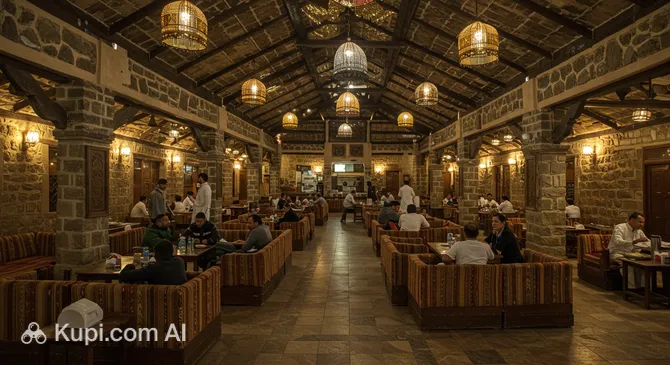
For travelers wishing to sample these local flavors or enjoy classic Saudi dishes, Madaq Madina Restaurant - Branch 2 is a welcoming dining spot. Here, you can experience the generous hospitality the region is known for, often involving large communal platters of rice and meat, such as Mandi or Kabsa, which are meant to be shared. Dining in Al Baha is not just about the food; it is a social occasion that brings people together.

Madaq Madina Restaurant - Branch 2. Source: Kupi.Binoculars

To complete your culinary journey, be sure to sip on some traditional Arabic coffee, known as Gahwa. In this region, it is frequently brewed with cardamom and saffron, offering a fragrant aroma that pairs perfectly with fresh dates. Whether you are enjoying a rustic meal in a mountain village or dining in the city, the cuisine of Al Baha provides a warm and memorable taste of local culture.

Travel Tips

To ensure your journey to the "Pearl of Resorts" is as smooth as the mist rolling over the Sarawat Mountains, a little preparation goes a long way. Here are some practical tips to help you navigate the unique culture, geography, and high-altitude environment of Al Baha.

  1. Clothing for the Altitude: Unlike the sweltering heat common in other parts of the region, Al Baha can get quite chilly, especially in the evenings and during winter. Pack layers, including a warm jacket or sweater. As in the rest of the country, modest dress is respectful; both men and women should wear loose-fitting clothing that covers shoulders and knees. Comfortable hiking shoes are a must if you plan to explore the rocky terrain of the parks and ancient villages.
  2. Transportation Strategy: Public transport options like buses are very limited for tourists, and there is no metro system. The best way to explore the scattered attractions—from the city center to the remote Thee Ain village—is to rent a car. While ride-hailing apps like Uber and Careem operate in the city, they may not be reliable for return trips from distant nature spots.
  3. Finances and Cash: The local currency is the Saudi Riyal (SAR). While credit cards and digital payments (like Apple Pay) are widely accepted in hotels, restaurants, and supermarkets, cash is king in the traditional souqs. You will definitely need physical money if you plan to buy local honey or pomegranates from roadside stalls. ATMs are plentiful throughout the city.
  4. Health and Mountain Safety: Al Baha is a very safe city for tourists. Pharmacies are easy to find, with many open late or 24/7 in the city center. The biggest safety precaution relates to the weather: heavy fog can descend rapidly on mountain roads, reducing visibility to near zero. If you are driving, proceed with extreme caution, use fog lights, and avoid stopping on the road itself.
  5. Communication: Arabic is the official language. While staff at major hotels and airports often speak English, it is less common among shopkeepers in traditional markets. Installing a translation app on your phone is highly recommended. You can easily buy a local SIM card (STC, Mobily, or Zain) at the airport or local telecom shops to ensure you have GPS connectivity for navigation.
  6. Local Etiquette: The people of Al Baha are known for their generosity. If you are offered Arabic coffee (gahwa) and dates, it is polite to accept a small cup as a gesture of friendship. When greeting locals, a verbal "As-salamu alaykum" (Peace be upon you) is always appreciated. In public, maintain a polite distance and avoid loud or disruptive behavior.
  7. What to Avoid: Strictly avoid taking photographs of people—especially women—without their explicit permission, as this is considered very rude and intrusive. Also, refrain from photographing government buildings or military installations. Public displays of affection are culturally inappropriate and should be avoided.
  8. Watch Out for Wildlife: A specific tip for Al Baha: when visiting popular outdoor spots like Raghadan Forest Park, be aware of the wild baboons. They are accustomed to humans and can be aggressive if they see food. Keep your car windows closed and do not feed them or leave food unattended during picnics.

By keeping these practicalities in mind, you can focus on soaking up the stunning views and enjoying the cool mountain breeze. Al Baha is a welcoming destination, and a little local knowledge will ensure your adventure is both comfortable and respectful of the local way of life.

Entertainment & Nightlife

Entertainment and nightlife in Al Baha offer a distinct cultural experience that differs significantly from the club-centric scenes found in many other parts of the world. In this high-altitude city, the "nightlife" is centered around socializing, dining, and enjoying the cool mountain air well into the early morning hours. Instead of nightclubs and alcoholic bars, which do not exist in the region in accordance with local laws, the evening energy is fueled by lively cafes, bustling public parks, and traditional restaurants where families and friends gather to relax.

The atmosphere after dark is vibrant yet relaxed, characterized by the scent of cardamom-spiced coffee and the sound of animated conversations. The city comes alive after the evening prayer, with shops and venues often staying open until midnight or later. The dress code is conservative and modest; men typically wear thobes or smart casual attire, while women wear abayas. The crowd is a mix of locals enjoying their "samra" (night gathering) and tourists soaking in the foggy, illuminated mountain views.

One of the most bustling areas at night is the district surrounding Raghadan Forest Park. While it is a nature park by day, at night it transforms into a social hub with illuminated walkways, food trucks selling hot beverages and snacks, and families picnicking under the stars. The cool mist and city lights below create a magical setting for evening strolls. For a more urban vibe, the streets in the city center, particularly along King Abdulaziz Road, are lined with coffee shops and lounges that serve sophisticated mocktails, desserts, and specialty brews.

Dining is a major part of the evening entertainment here. For a substantial late-night meal, travelers often head to Madaq Madina Restaurant - Branch 2. Places like this are popular for serving generous platters of traditional rice and meat dishes, which are customarily shared among groups. It is not uncommon to see these establishments busy late into the night, as dining is a leisurely social activity rather than a quick stop.

When planning your evening, the best time to head out is after 8:00 PM, when the streets are most lively. Prices for entertainment—mostly food and drink—are generally affordable to moderate. Getting around at night requires a car; while you can find taxis, having a rental car is much more convenient for hopping between cafes and viewpoints. Ride-hailing apps are also a viable option within the main city limits.

Safety is rarely a concern in Al Baha. The city is extremely safe for night walks, even in quieter areas. Violent crime is virtually non-existent, and the presence of families and children out late adds to the sense of security. If you need a taxi, it is best to use a recognized app or have your hotel call one for you, as flagging one down on the street can be hit-or-miss in residential areas.

While the nights are for socializing, daytime entertainment in Al Baha offers a different pace. Visitors can explore local museums to understand the region's heritage or visit the bustling traditional souqs which are active in the mornings. Amusement parks and smaller funfairs are also available for children, often located near the major parks, providing fun activities before the sun sets and the evening chill sets in.
Parks & Museums

Al Baha is widely celebrated as a sanctuary of greenery and heritage amidst the clouds. Beyond its rugged mountain peaks, the city and its surroundings offer meticulously maintained parks and cultural repositories that allow visitors to connect with both the land and its history. From terraced gardens overlooking vast valleys to private museums safeguarding the region's past, there is plenty to explore for nature lovers and history buffs alike.

Prince Hussam Park is one of the city's most spectacular modern additions, offering a refined contrast to the wilder forests nearby. Perched on a high vantage point, this park is designed with beautiful terraced levels that maximize the stunning views of the Tihama plains below. Its centerpiece is an artificial waterfall and a small lake, which create a serene atmosphere perfect for evening strolls. The park also features interactive fountains, children's play areas, and well-paved walking tracks, making it a favorite destination for families seeking a manicured green space with world-class vistas.

For a more immersive natural experience, Prince Mishari Park (often associated with the Khairah Forest) is a must-visit. Located northwest of the city, this area is renowned for its lush vegetation and the historic Khairah Waterfall, especially after the rainy season. The park is integrated into the existing agricultural terraces and dense juniper woodlands, offering hikers a chance to walk through ancient paths shaded by greenery. It is an excellent spot for those who wish to see the traditional irrigation systems that have sustained life in these mountains for centuries.

While the region is dotted with historic architecture, Al-Amoudi Museum stands out as a premier destination for understanding the local culture. Although located a short drive away in the Al-Makhwah area, it is a key cultural stop for visitors to the region. This private museum is built in the traditional architectural style and houses a vast collection of artifacts, including ancient weaponry, farming tools, leather goods, and traditional clothing. It provides a tangible look at the daily lives of the tribes who have inhabited the Sarawat Mountains for generations.

In terms of historical sites, Al-Malad Heritage Village offers a striking glimpse into the region's defensive architecture. Located just south of Al Baha city, this site is famous for its twin stone towers, which stand side by side as silent sentinels over the valley. The village consists of several stone houses built with the region's characteristic dry-stone technique (without mortar). It serves as an open-air museum where you can walk among the ruins and appreciate the strategic engineering used by ancestors to protect their granaries and homes.

For a truly authentic experience, keep an eye out for smaller, family-run museums often attached to private homes or heritage villages. Many locals in Al Baha are passionate historians who have converted parts of their properties into galleries displaying personal collections of coins, manuscripts, and household items. These intimate venues often offer a warm welcome with Arabic coffee and stories that you won't find in any guidebook.

Getting Around

The public transport infrastructure in Al Baha is quite different from what you might expect in major global metropolises. Currently, the city does not have a metro, tram, or trolleybus system. While there are public buses operated by SAPTCO (Saudi Public Transport Company), their services are primarily focused on intercity travel connecting Al Baha to other regions rather than providing a dense network for getting around within the city limits. As a result, mass transit options for daily sightseeing are very limited.

For most tourists, the most practical form of "public" transport is the taxi service. You will find local taxis, often distinguishable by their green or white colors, stationed near airports, shopping malls, and major hotels. In recent years, ride-hailing apps have become the preferred method for visitors. Applications like Uber and Careem operate in the city, offering a reliable and safe way to navigate the winding mountain roads. These apps are particularly useful because they overcome language barriers and provide price transparency upfront.

Regarding payments, the system depends largely on your chosen mode of transport. If you use ride-hailing apps, payment is seamless and cashless, charged directly to your linked credit card or digital wallet. However, if you opt for a traditional street taxi, cash is still the standard king. It is highly advisable to carry small denominations of the local currency, as drivers may not always have change for large bills. There are no travel passes or "city cards" for transport in Al Baha, so you will pay per trip.

Given the mountainous terrain and the scattered nature of attractions—from the city center to the distant heritage villages—relying solely on taxis can become expensive. Therefore, the most recommended alternative is renting a car. Car rental agencies are plentiful at the airport and in the city. Having your own vehicle gives you the freedom to explore the steep gradients and scenic viewpoints at your own pace, which is essential in a region where walking between districts is not feasible due to the topography.

A unique feature of transport in the region, though primarily a tourist attraction, is the cable car system. The resort area occasionally operates a cable car that offers a breathtaking journey from the high Sarawat mountains down to the Tihama coastal plains. While not a practical means of commuting for daily needs, it provides a spectacular aerial perspective of the dramatic landscape that defines the region, allowing you to experience the sheer drop in altitude that characterizes this part of the world.

Accommodation

Where to Stay:

Finding the perfect place to stay in Al Baha is generally a straightforward process, as the city offers a range of accommodation options designed to suit families and nature lovers. The hospitality sector here is geared primarily towards domestic tourism, meaning you will find a high concentration of furnished apartments (known locally as "shقق mafroosha") and aparthotels. These are often the most practical choice for travelers, offering spacious living areas and kitchenettes that provide a home-away-from-home experience.

For those who prefer traditional hotel services, the city features several mid-range hotels and local resorts. While you may not find an abundance of ultra-luxury international hotel chains compared to Riyadh or Jeddah, the available options are comfortable, clean, and well-equipped. Many properties capitalize on the region's geography, offering balconies or terraces with stunning views of the Sarawat Mountains and the misty valleys below.

When choosing a location, the City Center is the most convenient area for first-time visitors. Staying here places you within easy reach of local restaurants, souqs, and essential services. Alternatively, if your priority is scenery and relaxation, look for accommodations near Raghadan Forest Park. Properties in this vicinity often offer a quieter atmosphere and cooler temperatures, allowing you to wake up to the sight of clouds rolling through the trees.

Booking Tip: Al Baha is a prime summer destination for Saudis escaping the desert heat. Consequently, the months of June through August constitute the peak season. During this time, the best hotels and apartments fill up quickly. It is highly advisable to book your accommodation several weeks in advance to secure your preferred location and rate.

In terms of pricing, accommodation in Al Baha is generally affordable to moderate. Budget travelers can find economical furnished suites, while prices for resorts and higher-end hotels rise during the summer rush. Most established hotels and aparthotels are listed on major international booking platforms, making it easy to reserve online. However, for some smaller, locally-run furnished apartments, you might find that options are more plentiful upon arrival, though relying on this is risky during the busy season.

Nearby Cities

For those looking to explore the surroundings, Al Baha serves as an excellent base for day trips to several interesting nearby locations:

City Population Distance (km)
Jeddah 3,976,000 290
Mecca 2,000,000 229
Taif 579,970 174
Al Qunfudhah 300,516 110
Abha 236,157 229

One of the most popular destinations for a short trip is Taif, often called the "City of Roses." Located about a 2.5-hour drive away, it is famous for its fragrant rose farms, historic palaces like Shubra Palace, and a similarly pleasant mountain climate. Visitors can explore the vibrant souqs, take a ride on the cable car, or simply enjoy the lush parks that make it a favorite summer retreat for locals and tourists alike.

If you prefer a change of scenery from the mountains to the sea, Al Qunfudhah offers a perfect coastal escape. Situated on the Red Sea coast, this city provides a warm contrast to the cool air of Al Baha. It is known for its pristine beaches, fresh seafood, and opportunities for water activities. The drive down from the mountains to the coast is scenic in itself, revealing the dramatic change in terrain.

For those interested in exploring more of the southern highlands, Abha is another captivating option. As the capital of the Asir region, it is renowned for its unique heritage architecture, the colorful Rijal Almaa village nearby, and the misty Green Mountain. Although the journey takes a bit longer, the route offers breathtaking views of the Sarawat mountain range, linking two of the Kingdom's most beautiful high-altitude cities.

These nearby destinations offer a glimpse into the diverse culture and landscapes of the region.

Shopping & Souvenirs

Shopping:

Shopping in Al Baha offers a delightful mix of modern convenience and deep-rooted tradition. While you will not find the massive luxury fashion avenues typical of Riyadh or Jeddah, the city provides a unique retail experience that centers on local craftsmanship and agricultural bounty. Visitors can expect a relaxed atmosphere where they can browse through contemporary malls for daily needs or wander through bustling open-air markets that have been the commercial heartbeat of the region for generations.

The commercial life of the city is largely concentrated along King Abdulaziz Road and the surrounding downtown area. This main artery is lined with a variety of shops ranging from electronics and perfumes to clothing boutiques and gold jewelry stores. Walking along this district allows tourists to find almost everything they need while soaking in the local city vibe. It is the busiest part of town, especially in the evenings when locals come out to shop and socialize.

For a modern shopping experience, the city features several malls that offer air-conditioned comfort and international brands. Al Baha Mall and Ghunaim Mall are among the most popular destinations for families. These centers house a selection of fashion retailers, children's play areas, and food courts, making them perfect stops for a leisurely afternoon. They provide a familiar retail environment where you can find standard goods, cosmetics, and accessories.

However, the true soul of shopping in Al Baha lies in its traditional markets, or souqs. The Tuesday Market (Souq Al-Thulatha) is a cultural landmark where traders from surrounding villages gather to sell their wares. Here, you can find everything from livestock and handmade wicker baskets to fresh produce. The Central Fruit and Vegetable Market is also a must-visit, particularly during the harvest season, to see the vibrant displays of locally grown fruits that the region is famous for.

When it comes to souvenirs, Al Baha is renowned as the "Capital of Honey" in Saudi Arabia. The most prized purchase is undoubtedly a jar of local Sidr or Samra honey, known for its high quality and purity. Another signature item is the pomegranate, specifically the seasonal produce from the nearby valleys, which is celebrated for its sweetness. For non-food items, look for traditional wicker crafts, colorful woven fabrics, or the silver daggers (Janbiya) that reflect the tribal heritage of the southern highlands.

Store hours in Al Baha generally follow the standard Saudi pattern. Most shops open in the morning around 9:00 AM, close for a mid-day break in the afternoon, and reopen from 4:00 PM until 11:00 PM or midnight. It is important to note that many smaller businesses may close briefly during prayer times. Cash is essential for shopping in traditional souqs and buying from roadside fruit stalls, while credit cards and digital payments like Apple Pay are widely accepted in malls, supermarkets, and larger stores.

Regarding taxes, a Value Added Tax (VAT) of 15% is applied to most goods and services in Saudi Arabia. Tourists may be eligible for a VAT refund on purchases made at participating "Tax-Free" retailers, provided the goods are taken out of the country. Look for the tax-free signage in shop windows, primarily in the larger malls, and ask for the necessary digital forms at the point of purchase to process your refund at the airport upon departure.

Nearby cities

Reached the end of the page?

That means the route is fully explored