Support

Abha

About

Perched high in the misty peaks of the Sarawat Mountains, Abha is the captivating capital of the Asir Province. Known for its cool climate, lush landscapes, and vibrant cultural scene, this city offers a refreshing contrast to the desert environments typically associated with Saudi Arabia. Often referred to as the "Bride of the Mountain," Abha is a favored summer destination for travelers seeking respite from the heat and an opportunity to immerse themselves in nature.
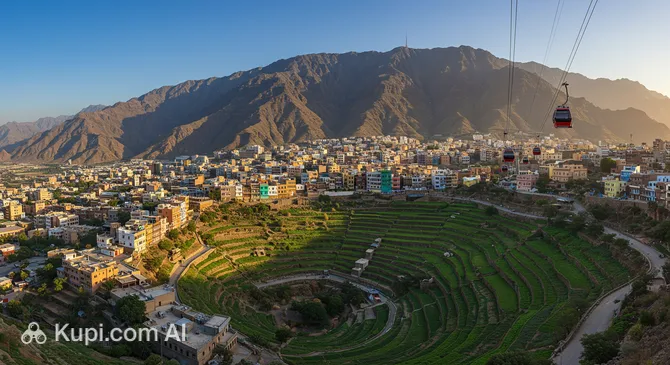
Abha. Source: Kupi.Binoculars

Located at an elevation of approximately 2,270 meters above sea level, the city enjoys mild weather year-round and is frequently shrouded in enchanting fogs. With a population of over 230,000 residents, it serves as a bustling regional hub that perfectly blends modernity with tradition. The unique geography allows for stunning panoramic views, particularly from the surrounding peaks, making it a paradise for photographers and nature lovers alike.

The region is deeply rooted in tradition, and exploring the history of Abha reveals a fascinating tapestry of ancient trade routes and distinctive architectural styles. Visitors can admire the traditional mud-walled houses and the colorful Al-Qatt Al-Asiri interior wall decorations, an art form recognized by UNESCO. The local souqs (markets) are also excellent places to discover local crafts, spices, and the warm hospitality of the Asir people.

Among the city's top attractions is the famous Green Mountain (Jebel Al Akhdar), which is illuminated at night and offers spectacular views of the cityscape. The exhilarating Abha High City provides a mix of cafes, restaurants, and scenic lookouts, while the city's cable car system offers an unforgettable journey through the clouds, connecting visitors to other scenic spots like the hanging village of Al Habala. Whether you are wandering down the vibrant Art Street or hiking in the nearby Asir National Park, the city promises a memorable experience.

If you are looking for a destination that combines breathtaking mountain scenery, rich heritage, and a cool, welcoming atmosphere, Abha is the perfect choice for your next adventure.
Weather Overview

Thanks to its high elevation, the city enjoys a mild and temperate climate that stands in stark contrast to the intense desert heat typical of the region. During the warmest months of June and July, average temperatures sit comfortably around 25.6°C, with highs rarely exceeding 31°C, making it an ideal summer escape. Conversely, winters are cool and refreshing, with January seeing average temperatures of 16.5°C and nighttime lows dipping to around 12.0°C.

Precipitation patterns here are quite unique, particularly in the late summer. While winter months like December and January are generally dry, August is surprisingly active, recording up to 26 wet days. This often manifests as the region's famous dense fog and light showers, which keep the landscape lush and green. Generally, you can expect warm summers with occasional rain and mist, and cool, drier winters.

Because the conditions can vary depending on the season, it is a good idea to check the specific weather in Abha before packing. Bringing layers is recommended, as evenings can feel quite crisp even after a sunny day.

Interesting Facts

Beyond the main attractions and scenic viewpoints, Abha holds many fascinating secrets that offer a deeper glimpse into its unique heritage and geography. From blooming violet streets to ancient cliffside dwellings, here are some intriguing facts about the city.
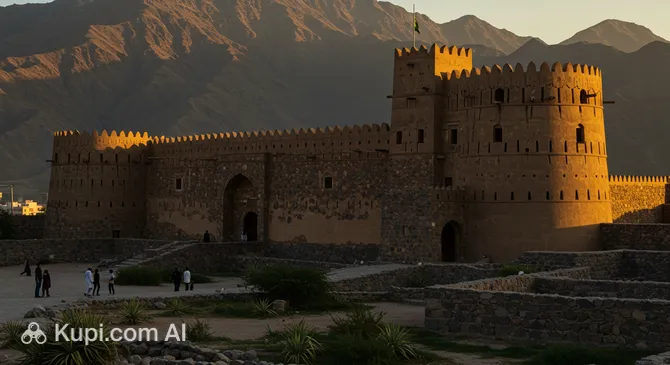
Shamsan Castle. Source: Kupi.Binoculars
  • The Purple City: While many associate Saudi landscapes with palm trees, Abha is famous for its stunning Jacaranda trees. The municipality has planted over 13,000 of them, and during spring, the city transforms into a vibrant sea of violet blooms, creating a spectacle often compared to the cherry blossom season in Japan.

  • The Ramadan Cannon: The historic Shamsan Castle is not just a fortress; it played a crucial role in the daily life of the city. For generations, a cannon was fired from this hilltop location to signal the end of the fast during the holy month of Ramadan, allowing the sound to echo across the valley to distant homes.

  • A Village on a Cliff: Just outside the city lies the "Hanging Village" of Al Habala, built into a sheer cliff face. Historically, this settlement was accessible only by rope ladders, a defensive measure taken by the local Khat'am tribe to protect themselves from invaders, making it one of the most secluded communities in the region.

  • Walking in the Clouds: Due to its soaring elevation, spots like Abha High City frequently offer the literal experience of walking among the clouds. The dense fog that rolls in, especially during the colder months, is a beloved local phenomenon that envelops the streets in a mysterious, white blanket.

How to Get There

Reaching the mountainous city of Abha is an exciting part of the journey, with air travel being the most convenient and popular method due to the rugged terrain of the Asir region. Whether you are flying from within Saudi Arabia or arriving from further afield, you can find more about how to get to Abha and plan your route effectively.

The primary gateway to the city is the Abha Regional Airport (AHB). Conveniently located within the city limits, it is just 15.3 km from the center. This busy hub serves millions of passengers annually, connecting the region with major cities like Riyadh and Jeddah. A taxi or car ride from the airport to the city center typically takes around 45 minutes, depending on traffic.

If flights to Abha are unavailable, an alternative is the Jazan Regional Airport (GIZ). However, it is important to note that this airport is located in the city of Jazan, approximately 149 km away. Traveling from Jazan to Abha involves a scenic but long drive up the mountains, taking about 4 hours by car.

For clarity, here is a summary of the main airports:

Airport Name City Passenger Traffic Km from City
Abha Regional Airport Abha Large 15.3
Jazan Regional Airport Jazan Medium 149.1
Najran Airport Najran Medium 214.0
Al-Aqiq Airport Al Baha Small 244.6

Currently, there is no railway station in Abha or its immediate vicinity, as the steep mountainous terrain has historically made rail construction difficult. Visitors who prefer not to fly typically arrive by road, either driving personal vehicles or using intercity bus services like SAPTCO, which connect Abha with other major cities across the Kingdom via a network of well-maintained highways.

Main Attractions

Exploring Abha reveals a delightful mix of natural beauty, modern leisure, and spiritual serenity. The city's unique elevation allows for attractions that are often wrapped in mist, offering visitors experiences that are hard to find elsewhere in the Kingdom. From panoramic viewpoints to lush parks, here are some of the top places to visit.

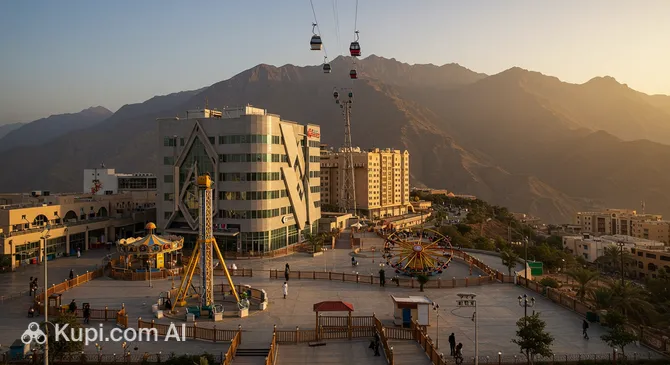
One of the most popular destinations for both locals and tourists is Abha High City. Situated at a vantage point that overlooks the breathtaking Sarawat Mountains, this leisure complex is often shrouded in fog, creating a magical atmosphere. It is a hub of activity featuring cafes, restaurants, and resorts where you can relax while enjoying the cool mountain breeze. The site is particularly famous for its panoramic views, making it an excellent spot for photography and enjoying the sunset above the clouds.

Abha High City. Source: Kupi.Binoculars

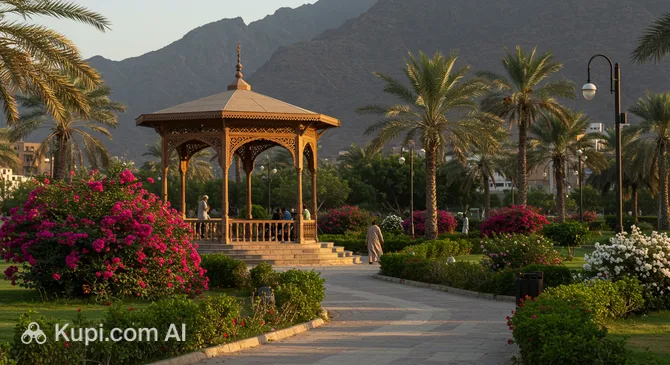
For those who enjoy immersing themselves in nature without leaving the city, Abha Al-Hizam Park is a perfect choice. This extensive green belt encircles parts of the city and offers beautifully landscaped walking paths, making it ideal for a peaceful stroll or a family picnic. The park is well-regarded for its lush vegetation and the refreshing mist that often rolls through, providing a cool and relaxing environment away from the hustle of urban life.

Abha Al-Hizam Park. Source: Kupi.Binoculars

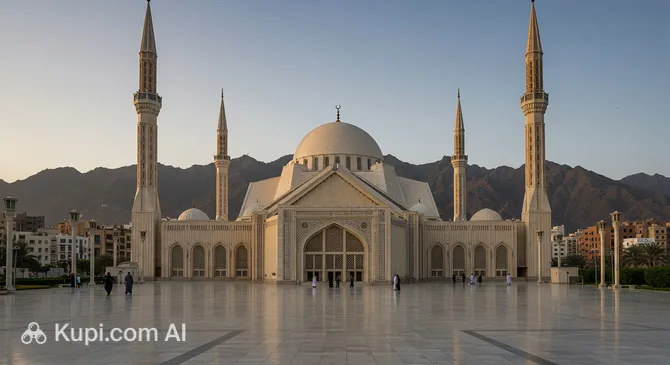
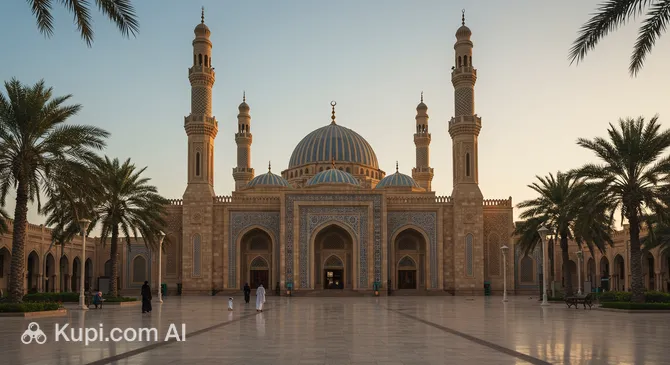
A significant spiritual and architectural landmark is the King Faisal Mosque. Known for its modern design that harmonizes with traditional Islamic aesthetics, the mosque can accommodate thousands of worshippers. It serves not only as a place of prayer but also as a community hub. Visitors are often impressed by its serene ambiance and the structured elegance of its surroundings, which reflect the cultural depth of the Asir region.

King Faisal Mosque. Source: Kupi.Binoculars

Finally, to truly appreciate the dramatic landscape of the region, a visit to the Eastern Point View is highly recommended. This scenic lookout offers unobstructed vistas of the rugged mountains and deep valleys that characterize the province. It is a quieter spot compared to the bustling city centers, allowing travelers to connect with the raw beauty of the highlands and enjoy a moment of tranquility amidst the peaks.

Local Cuisine

The culinary landscape of Abha is a delightful reflection of its mountainous geography and rich heritage. Unlike the lighter fare found in some coastal regions, the food here is hearty and warming, designed to comfort locals during the cool, misty evenings. The absolute star of the local table is Haneeth, a savory dish of slow-roasted lamb cooked in a traditional tannour oven lined with Markh wood, which imparts a distinctive smoky flavor. It is typically served with rice and fresh Mifa bread, a flatbread baked on the sides of a clay oven.

Another staple you must try is Areekah, a dense and satisfying dish often enjoyed for breakfast or on cold days. Made from a dough of brown flour, it is enriched with local ghee and topped with the region's famous high-quality honey and dates. The Asir region is renowned for its apiaries, and the honey here is considered some of the best in the Kingdom, adding a rich sweetness to many local treats.

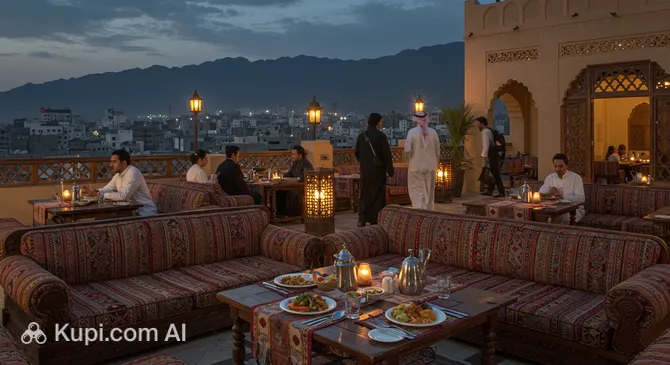
Maharani Restaurant. Source: Kupi.Binoculars

When it comes to beverages, the culture revolves around warm hospitality rather than alcohol, which is strictly prohibited throughout Saudi Arabia. Instead, social gatherings are centered on Arabic coffee (Gahwa), brewed with cardamom and saffron, often served with dates as a gesture of welcome. Tea is also immensely popular, particularly tea infused with fresh mint or basil leaves, known locally as Habaq, which grows abundantly in the area and offers a refreshing aroma.

Dining in the city ranges from traditional floor-seating restaurants where you can share large platters to modern eateries with spectacular views. For a taste of rich, spiced flavors that complement the local palate, you might visit the Maharani Restaurant. If you are looking for a casual spot to relax, the Abha Olive Bar provides a cozy atmosphere, while Deluxe Chicken Broast is a popular choice for a quick, satisfying meal. Whether you are eating street food in a bustling souq or dining above the clouds, the city's food scene is sure to leave a lasting impression.

Travel Tips

Visiting Abha offers a refreshing departure from the typical desert experience, but the unique high-altitude environment and local customs require a bit of preparation. To help you navigate the "Bride of the Mountain" with ease and confidence, we have compiled a list of essential practical tips for your journey.

  1. Clothing and Gear: Unlike the sweltering heat found elsewhere in the country, Abha can get surprisingly cold, especially at night. Pack warm layers, a waterproof jacket for the frequent mists, and comfortable walking shoes for the hilly terrain. While the dress code is gradually relaxing, it remains conservative; both men and women should wear loose-fitting clothing that covers shoulders and knees to respect local norms.

  2. Transportation: The city is spread out across mountainous terrain, so renting a car is often the best way to explore at your own pace, especially if you plan to visit the surrounding parks. Inside the city, ride-hailing apps like Uber and Careem are reliable and widely used. Public transport options are limited, so do not rely on buses for sightseeing.

  3. Finances: The official currency is the Saudi Riyal (SAR). Digital payments are extremely advanced here; you can use credit cards or Apple Pay at almost all hotels, restaurants, and malls. However, it is wise to carry some cash for small purchases at traditional souqs or remote roadside fruit stands where card machines might not be available.

  4. Health and Safety: Abha is a very safe city for tourists. Pharmacies are abundant, with major chains like Nahdi often open 24/7. Since the city is located at a high altitude (over 2,200 meters), some visitors might feel slight shortness of breath initially; stay hydrated and take it easy for the first day. Tap water is generally not for drinking; stick to bottled water.

  5. Communication: Arabic is the official language. While staff in hotels and major tourist spots usually speak English, it is less common in smaller shops or traditional markets. Learning a few basic phrases like "As-salamu alaykum" (Peace be upon you) and "Shukran" (Thank you) goes a long way. You can easily buy a local SIM card (STC, Mobily, or Zain) at the airport upon arrival for reliable data coverage.

  6. Local Etiquette: The people of the Asir region are known for their incredible hospitality. If a local invites you for coffee (Gahwa) and dates, it is polite to accept. When greeting people of the opposite gender, wait to see if they extend a hand first; a verbal greeting with a nod is often the standard respectful gesture.

  7. What to Avoid: Strictly avoid public displays of affection, as this is culturally inappropriate and frowned upon. Additionally, never take photographs of locals—especially women—without asking for their explicit permission first, as privacy is highly valued.

  8. Wildlife Awareness: A specific tip for Abha is to be cautious around the Hamadryas baboons often seen along mountain roads and viewpoints. While they may look cute, they can be aggressive and will snatch food. Keep your car windows rolled up when driving through their territories and do not attempt to feed them.

By keeping these practical points in mind, you will be well-equipped to enjoy the stunning natural beauty and rich cultural heritage of Abha. Embrace the cool mountain breeze and the warm local welcome for an unforgettable Saudi Arabian adventure.

Entertainment & Nightlife

Entertainment and nightlife in Abha offer a distinct and refreshing experience compared to many other global destinations. In this city, "nightlife" does not revolve around loud dance clubs or alcohol, which are not part of the local culture. Instead, the evenings are defined by a vibrant social scene centered on bustling cafes, atmospheric lounges, and late-night dining. The cool mountain weather invites locals and tourists alike to stay out late, enjoying moonlit strolls and the aromatic scent of Arabic coffee and cardamom that wafts through the air.

The beating heart of the city's evening activities is undoubtedly Abha High City. Often referred to as a "city above the clouds," this district comes alive after sunset with twinkling lights and a festive atmosphere. It is the premier place to see and be seen, featuring a wide array of upscale cafes and restaurants with outdoor seating that overlooks the misty mountains. The crowd here is a mix of families, groups of friends, and travelers, all soaking in the lively yet relaxed vibe.

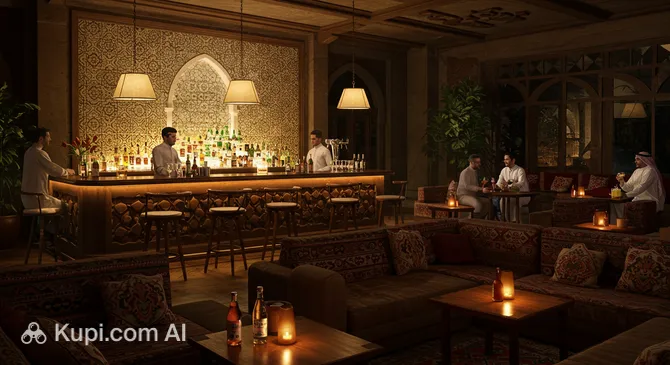
For those looking for a cozy spot to unwind with a beverage, the Abha Olive Bar is a popular choice. Despite the name, it is a sophisticated lounge serving a variety of creative mocktails, fresh juices, and specialty coffees rather than alcoholic drinks. The venue is known for its chic decor and comfortable ambiance, making it a perfect location for a relaxed evening conversation or a quiet respite after a day of sightseeing.

Abha Olive Bar. Source: Kupi.Binoculars

Dining is a major part of the night entertainment here, with many restaurants staying open well past midnight. If you are in the mood for a hearty, casual meal, Oklahoma Burger offers a satisfying menu that draws a steady crowd of food enthusiasts. The casual, friendly environment makes it a great spot to mingle with locals and enjoy high-quality comfort food in the heart of the city.

From a practical standpoint, the best time to head out is after the evening Isha prayer, around 8:00 PM, when the streets truly wake up. Most shops and entertainment venues remain open until 1:00 AM or later, especially on weekends. The city is extremely safe for night walks, even for solo travelers, but it is always advisable to stick to well-lit main streets. Getting around is easy with ride-hailing apps like Uber or Careem, which are reliable and overcome any language barriers you might face with local taxis.

While the nights are for socializing, the daytime offers its own array of entertainment. Before the sun sets, visitors can explore historical gems like Shamsan Castle, which offers insight into the region's military history, or spend the afternoon in one of the city's many amusement parks and museums. This balance of cultural exploration by day and vibrant social gatherings by night makes Abha a dynamic destination for any traveler.

Parks & Museums

Abha’s identity is deeply intertwined with its lush environment and profound cultural roots. Beyond its misty peaks, the city invites travelers to explore a rich tapestry of verdant gardens, art-filled heritage villages, and historic architecture that tells the story of the Asir region's past and present.

For nature enthusiasts, the Asir National Park is an absolute must-visit. As the Kingdom's first national park, it sprawls over a vast area of mountains and valleys, offering a sanctuary for diverse wildlife and dense juniper forests. It is a haven for hikers and birdwatchers, providing trails that wind through untouched wilderness and offer breathtaking views of the Tihama coastal plains below. Another gem is Abu Kheyal Park, located conveniently near the city center. Famous for its terraced green spaces and seasonal blooming of purple Jacaranda trees, it offers families a picturesque spot for picnics with panoramic views of the city and the surrounding mountains.

To understand the creative soul of the city, a visit to Al Muftaha Village is essential. This cultural hub was revitalized to serve as a center for the plastic arts and photography. Walking through its alleys, visitors can admire traditional architecture adorned with colorful Al-Qatt Al-Asiri frescoes, visit artist studios, and explore small galleries that showcase the work of local talents. For a deeper dive into history, the Al Raqdi Museum is a fascinating private collection. It houses thousands of artifacts, including vintage copperware, traditional Asiri clothing, and agricultural tools, all displayed in a way that brings the daily life of ancestors vividly back to life.

Among the city's architectural landmarks, the Eid Grand Mosque stands out as a significant spiritual site. It is one of the oldest mosques in the region and has been carefully preserved to maintain its traditional aesthetic while serving the community. Its simple yet elegant design reflects the authentic building styles of the Asir highlands, making it a peaceful place for reflection and a point of interest for those appreciating Islamic architecture.

Eid Grand Mosque. Source: Kupi.Binoculars

Another historical treasure is the Shada Palace, a former royal residence built in 1927. Constructed using the traditional mud-walled technique, it now serves as a museum displaying local handicrafts and household items, offering a glimpse into the lifestyle of the ruling families of the past.

For a truly authentic experience, try to visit the Tuesday Market (Souq Al Thulatha). While it is a bustling marketplace selling everything from spices to daggers, it is also a living museum of local commerce where you can meet vendors from surrounding villages and buy locally produced honey and ghee directly from the source.

Getting Around

Navigating Abha differs significantly from many major international hubs, as the public transport infrastructure is currently quite limited for tourists. The city does not have a metro, tram, or extensive public bus network suitable for sightseeing. Consequently, the primary way to get around is by road, and visitors should plan to rely on private vehicles, taxis, or rental cars to traverse the mountainous terrain comfortably.

The most convenient and popular option for tourists is the use of ride-hailing apps. Services such as Uber and Careem are widely operational throughout the city and offer a stress-free travel experience. Using these apps is highly advisable as it eliminates language barriers; you can set your destination on the map, see the estimated fare in advance, and pay digitally. Standard metered taxis are also available and can be hailed on the street. They are typically green or white; if you choose this option, ensure the driver uses the meter or agree on a price before starting your journey.

For those seeking independence and flexibility, renting a car is arguably the best choice. The city's attractions are spread out across varying elevations, from the misty High City to the parks on the outskirts. Having your own vehicle allows you to explore the scenic winding roads of the region at your own pace. Rental agencies are plentiful at the airport and city center, but drivers should be prepared for steep ascents and sharp curves characteristic of the area.

A truly unique feature of the local transport landscape is the cable car system. While primarily a tourist attraction, these aerial lifts serve as a functional way to move between specific high-altitude points that would otherwise require a long drive. There are several routes, including lines that connect the New Abha Resort to the Green Mountain and others descending to the hanging village of Al Habala. These cable cars offer spectacular aerial views, turning a simple commute between sites into an unforgettable experience.

Regarding the payment system, digital transactions are the norm for ride-hailing apps, which link directly to your credit card. However, for street taxis and smaller local shops, it is practical to carry some cash in the local currency, particularly small denominations, as drivers may not always have change or card machines. Tickets for the cable cars are purchased at the station kiosks, where both cash and cards are generally accepted.

Walking is a delightful activity within specific pedestrian-friendly zones like Art Street, the Corniche, or the High City, especially during the cool evenings. However, due to the city's hilly topography and the lack of continuous sidewalks connecting different neighborhoods, walking is not a feasible mode of transport for crossing the city itself. Tourists are advised to use a vehicle to reach these specific districts and then explore them on foot.

Accommodation

Where to Stay:

Finding the perfect place to stay in Abha is an integral part of the experience, as the city offers accommodation options that take full advantage of its unique topography. Visitors can choose from a wide range of facilities, including standard international hotels, budget-friendly furnished apartments, and luxurious mountain resorts. Because the region is a favorite summer escape for families, there is a particularly strong presence of private villas and chalets designed to provide privacy and stunning views of the misty valleys.

When selecting a location, travelers often decide between staying in the bustling city center or retreating to the higher elevations. The downtown area is convenient for those who want easy access to historical sites like the Shamsan Castle and the lively traditional souqs. However, for many, the real charm of Abha lies in the accommodations perched along the mountain ridges and near the High City. Staying in these areas often means waking up to a sea of clouds right outside your window and enjoying cooler temperatures throughout the day.

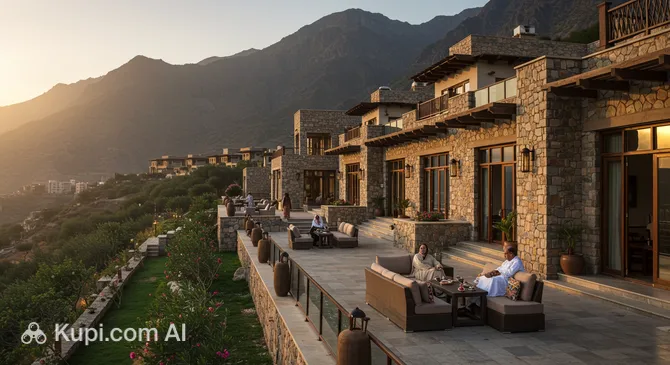
For travelers interested in a resort-style experience that blends comfort with the natural environment, the Green House Chalets are a notable option. Places like this are designed to offer a "home away from home" atmosphere, often featuring spacious living areas and outdoor spaces where guests can relax and soak in the serene mountain ambiance.

Green House Chalets. Source: Kupi.Binoculars

Booking Tip: Abha is the unofficial summer capital of Saudi Arabia, and the city sees a massive influx of tourists from June to August to escape the desert heat. During this peak season, the best hotels and resorts fill up very quickly. It is highly recommended to book your accommodation several weeks, or even months, in advance to secure your preferred location and rate.

In terms of pricing, the city caters to various budgets. You can find affordable apartments and mid-range hotels suitable for backpackers and large families, as well as premium resorts that command higher prices, especially during the summer festivals. While major hotels can be booked through standard international online platforms, some smaller local chalets and villas may be listed on regional booking sites or require direct contact, so it is worth exploring multiple channels to find the hidden gems.

Nearby Cities

For those looking to explore the surroundings, Abha serves as an excellent base for day trips to several interesting nearby locations. The region's unique geography allows travelers to easily transition from cool mountain peaks to coastal plains and historic valleys within a few hours.

One fascinating destination is Sabya, located approximately 121 kilometers away in the Jazan region. A trip here involves a scenic descent from the Asir mountains to the Tihama plains. Sabya is known for its rich history and archaeological sites, offering a glimpse into the heritage of the coastal lowlands which differs significantly from the mountain culture of Abha.

For those interested in reaching the Red Sea, Al Qunfudhah is a viable option, though it requires a longer drive. Situated about 180 kilometers away, this coastal city offers warm beaches and a relaxed marine atmosphere. It serves as a perfect contrast to the misty highlands, allowing visitors to experience the diversity of Saudi Arabia's landscape in a single day.

City Population Distance (km)
Jeddah 3,976,000 505
Mecca 2,000,000 451
Taif 579,970 401
Al Qunfudhah 300,516 180
Sabya 228,375 121

These nearby destinations offer a glimpse into the diverse culture and landscapes of the region.

Shopping & Souvenirs

Shopping in Abha offers a delightful mix of modern retail experiences and deep dives into traditional culture. The city is not just about buying goods; it is about discovering the artistic heritage of the Asir region. Visitors can seamlessly transition from air-conditioned malls housing international brands to bustling open-air markets filled with the scent of spices and the vibrant colors of local handicrafts. Thanks to the city's pleasant weather, exploring these shopping districts is often a comfortable and enjoyable activity, even during the day.

For those seeking a contemporary shopping experience, Al Rashid Mall is one of the premier destinations in the city. Located on King Fuhad Road, this large complex features a wide array of international fashion labels, electronics stores, and a lively food court. It is a family-friendly spot where you can find everything from luxury items to daily necessities. Another notable modern venue is Aseer Mall, which offers a relaxed atmosphere with various retail outlets and entertainment options, making it a popular hangout for locals in the evenings.

However, the true soul of Abha's commerce lies in its traditional markets. The most famous of these is the Tuesday Market (Souq Al Thulatha). Situated near the Al-Muftaha Art Village, this historic market comes alive with vendors from surrounding villages. It is the perfect place to immerse yourself in local culture, where you can find fresh seasonal fruits, aromatic spices, and traditional clothing. Although named for the day it was traditionally held, it is now open throughout the week, though it remains most vibrant on Tuesdays.

When looking for unique souvenirs to take home, the Asir region offers distinct items that you won't find elsewhere in Saudi Arabia. The top recommendation is local honey, considered some of the finest in the Kingdom due to the region's rich flora. Other excellent buys include colorful hand-woven baskets and items decorated with Al-Qatt Al-Asiri, the traditional geometric wall art of the region. You might also look for silver jewelry and traditional daggers (Janbiya), which are crafted with intricate details.

Regarding opening hours, most shops in malls operate from around 9:00 AM to 11:00 PM, often taking a break on Friday mornings. Traditional market stalls may close during the hottest part of the afternoon and reopen in the evening, staying busy until late at night. It is important to note that some shops may close briefly for prayer times.

Payment methods in Abha are quite advanced. Credit cards and digital wallets like Apple Pay are widely accepted in malls, supermarkets, and even many smaller shops. However, if you plan to visit traditional souqs like the Tuesday Market or buy from roadside vendors, carrying cash in Saudi Riyals is highly recommended.

Tourists visiting Saudi Arabia are often eligible for a VAT refund on purchases made at participating stores. If you see a "Tax Free" sign in a shop window, you can request a tax refund form at the checkout. Be sure to keep your receipts and passport handy to process these refunds at the airport before your departure.

Nearby cities

Reached the end of the page?

That means the route is fully explored